


John 17:12
- ὅτεhoteWhenG3753CONJConjunction
- ἤμηνēmēnI wasG1510V-IMI-1SVerb Imperfect Middle Indicative 1st Singular
- μετ᾽met᾽withG3326PREPPreposition
- αὐτῶνautōnthemG846P-GPMPersonal pronoun Genitive Plural Masculine
- ἐνeninG1722PREPPreposition
- τῷtō<the>G3588T-DSMDefinite article Dative Singular Masculine
- κόσμῳkosmōworldG2889N-DSMNoun Dative Singular Masculine
- ἐγὼegōI myselfG1473P-1NSPersonal pronoun Nominative 1st Singular
- ἐτήρουνetērounwas keepingG5083V-IAI-1SVerb Imperfect Active Indicative 1st Singular
- αὐτοὺςautousthemG846P-APMPersonal pronoun Accusative Plural Masculine
- ἐνeninG1722PREPPreposition
- τῷtōtheG3588T-DSNDefinite article Dative Singular Neuter
- ὀνόματίonomatinameG3686N-DSNNoun Dative Singular Neuter
- σουsouof YouG4771P-2GSPersonal pronoun Genitive 2nd Singular
- ᾧhōwhich [name]G3739R-DSNRelative pronoun Dative Singular Neuter
- δέδωκάςdedōkasYou have givenG1325V-RAI-2SVerb Perfect Active Indicative 2nd Singular
- μοιmoito MeG3165P-1DSPersonal pronoun Dative 1st Singular
- ἐφύλαξαephulaxaI guarded [them]G5442V-AAI-1SVerb Aorist Active Indicative 1st Singular
- καὶkaiandG2532CONJConjunction
- οὐδεὶςoudeisnoneG3762A-NSMAdjective Nominative Singular Masculine
- ἐξexofG1537PREPPreposition
- αὐτῶνautōnthemG846P-GPMPersonal pronoun Genitive Plural Masculine
- ἀπώλετοapōletohas perishedG622V-2AMI-3SVerb 2nd Aorist Middle Indicative 3rd Singular
- εἰeionlyG1487CONDConjunction
- μὴmēexceptG3361PRT-NNegative Particle Negative
- ὁhotheG3588T-NSMDefinite article Nominative Singular Masculine
- υἱὸςhuiossonG5207N-NSMNoun Nominative Singular Masculine
- τῆςtēs<the>G3588T-GSFDefinite article Genitive Singular Feminine
- ἀπωλείαςapōleiasof destructionG684N-GSFNoun Genitive Singular Feminine
- ἵναinathatG2443CONJConjunction
- ἡhētheG3588T-NSFDefinite article Nominative Singular Feminine
- γραφὴgraphēScriptureG1124N-NSFNoun Nominative Singular Feminine
- πληρωθῇplērōthēamay be fulfilledG4137V-APS-3SVerb Aorist Passive Subjunctive 3rd Singular
English is a literal word-by-word gloss of the Greek, not the KJV's wording. Why?
This is the original text the KJV's translators worked from — each Greek word with its own literal English meaning in this verse, prepared by scholars at Tyndale House, Cambridge. The KJV translates whole sentences, not word by word, so its wording differs: one Greek word can become several English words, and the KJV may choose “charity” where the gloss reads “love”. Both are faithful — they answer different questions. For the KJV's own rendering, switch to the KJV text.
Details
See on the biblical-era map
Study this verse
Public-domain commentary
Matthew Henry
From his Commentary on the Whole Bible. Henry comments on passages, not single verses — this entry covers John 17:11–16. His four-level outline is real structure in the source text, so it is rendered as structure.
After the general pleas with which Christ recommended his disciples to his Father's care follow the particular petitions he puts up for them; and, 1. They all relate to spiritual blessings in heavenly things. He does not pray that they might be rich and great in the world, that they might raise estates and get preferments, but that they might be kept from sin, and furnished for their duty, and brought safely to heaven. Note, The prosperity of the soul is the best prosperity; for what relates to this Christ came to purchase and bestow, and so teaches us to seek, in the first place, both for others and for ourselves. 2. They are such blessings as were suited to their present state and case, and their various exigencies and occasions. Note, Christ's intercession is always pertinent. Our advocate with the Father is acquainted with all the particulars of our wants and burdens, our dangers and difficulties, and knows how to accommodate his intercession to each, as to Peter's peril, which he himself was not aware of (Luk 22:32), I have prayed for thee. 3. He is large and full in the petitions, orders them before his Father, and fills his mouth with arguments, to teach us fervency and importunity in prayer, to be large in prayer, and dwell upon our errands at the throne of grace, wrestling as Jacob, I will not let thee go, except thou bless me.
Now the first thing Christ prays for, for his disciples, is their preservation, in these verses, in order to which he commits them all to his Father's custody. Keeping supposes danger, and their danger arose from the world, the world wherein they were, the evil of this he begs they might be kept from. Now observe,
I.The request itself:
Keep them from the world. There were two ways of their being delivered from the world: -
1.By taking them out of it; and he does not pray that they might be so delivered: I pray not that thou shouldest take them out of the world; that is,
(1.)"I pray not that they may be speedily removed by death." If the world will be vexatious to them, the readiest way to secure them would be to hasten them out of it to a better world, that will give them better treatment. Send chariots and horses of fire for them, to fetch them to heaven; Job, Elijah, Jonah, Moses, when that occurred which fretted them, prayed that they might be taken out of the world; but Christ would not pray so for his disciples, for two reasons: - [1.] Because he came to conquer, not to countenance, those intemperate heats and passions which make men impatient of life, and importunate for death. It is his will that we should take up our cross, and not outrun it. [2.] Because he had work for them to do in the world; the world, though sick of them (Act 22:22), and therefore not worthy of them (Heb 11:38), yet could ill spare them. In pity therefore to this dark world, Christ would not have these lights removed out of it, but continued in it, especially for the sake of those in the world that were to believe in him through their word. Let not them be taken out of the world when their Master is; they must each in his own order die a martyr, but not till they have finished their testimony. Note, First, The taking of good people out of the world is a thing by no means to be desired, but rather dreaded and laid to heart, Isa 57:1. Secondly, Though Christ loves his disciples, he does not presently send for them to heaven, as soon as they are effectually called, but leaves them for some time in this world, that they may do good and glorify God upon earth, and be ripened for heaven. Many good people are spared to live, because they can ill be spared to die.
(2.)"I pray not that they may be totally freed and exempted from the troubles of this world, and taken out of the toil and terror of it into some place of ease and safety, there to live undisturbed; this is not the preservation I desire for them." Non ut omni molestia liberati otium et delicias colant, sed ut inter media pericula salvi tamen maneant Dei auxilio - Not that, being freed from all trouble, they may bask in luxurious ease, but that by the help of God they may be preserved in a scene of danger; so Calvin. Not that they may be kept from all conflict with the world, but that they may not be overcome by it; not that, as Jeremiah wished, they might leave their people, and go from them (Jer 9:2), but that, like Ezekiel, their faces may be strong against the faces of wicked men, Eze 3:8. It is more the honour of a Christian soldier by faith to overcome the world than by a monastical vow to retreat from it; and more for the honour of Christ to serve him in a city than to serve him in a cell.
2.Another way is by keeping them from the corruption that is in the world; and he prays they may be thus kept, Joh 17:11, Joh 17:15. Here are three branches of this petition: -
(1.)Holy Father, keep those whom thou hast given me.
[1.]Christ was now leaving them; but let them not think that their defence was departed from them; no, he does here, in their hearing, commit them to the custody of his Father and their Father. Note, It is the unspeakable comfort of all believers that Christ himself has committed them to the care of God. Those cannot but be safe whom the almighty God keeps, and he cannot but keep those whom the Son of his love commits to him, in the virtue of which we may by faith commit the keeping of our souls to God, Pe1 4:19; Ti2 1:12. First, He here puts them under the divine protection, that they may not be run down by the malice of their enemies; that they and all their concerns may be the particular care of the divine Providence: "Keep their lives, till they have done their work; keep their comforts, and let them not be broken in upon by the hardships they meet with; keep up their interest in the world, and let it not sink." To this prayer is owing the wonderful preservation of the gospel ministry and gospel church in the world unto this day; if God had not graciously kept both, and kept up both, they had been extinguished and lost long ago. Secondly, He puts them under the divine tuition, that they may not themselves run away from their duty, nor be led aside by the treachery of their own hearts: "Keep them in their integrity, keep them disciples, keep them close to their duty." We need God's power not only to put us into a state of grace, but to keep us in it. See, Joh 10:28, Joh 10:29; Pe1 1:5.
[2.]The titles he gives to him he prays to, and them he prays for, enforce the petition. First, He speaks to God as a holy Father. In committing ourselves and others to the divine care, we may take encouragement, 1. From the attribute of his holiness, for this is engaged for the preservation of his holy ones; he hath sworn by his holiness, Psa 89:35. If he be a holy God and hate sin, he will make those holy that are his, and keep them from sin, which they also hate and dread as the greatest evil. 2. From this relation of a Father, wherein he stands to us through Christ. If he be a Father, he will take care of his own children, will teach them and keep them; who else should? Secondly, He speaks of them as those whom the Father had given him. What we receive as our Father's gifts, we may comfortably remit to our Father's care. "Father, keep the graces and comforts thou hast given me; the children thou hast given me; the ministry I have received."
(2.)Keep them through thine own name. That is,
[1.]Keep them for thy name's sake; so some. "Thy name and honour are concerned in their preservation as well as mine, for both will suffer by it if they either revolt or sink." The Old Testament saints often pleaded, for thy name's sake; and those may with comfort plead it that are indeed more concerned for the honour of God's name than for any interest of their own.
[2.]Keep them in thy name; so others; the original is so, en tō onomati. "Keep them in the knowledge and fear of thy name; keep them in the profession and service of thy name, whatever it cost them. Keep them in the interest of thy name, and let them ever be faithful to this; keep them in thy truths, in thine ordinances, in the way of thy commandments." [3.] Keep them by or through thy name; so others. "Keep them by thine own power, in thine own hand; keep them thyself, undertake for them, let them be thine own immediate care. Keep them by those means of preservation which thou hast thyself appointed, and by which thou hast made thyself known. Keep them by thy word and ordinances; let thy name be their strong tower, thy tabernacle their pavilion."
(3.)Keep them from the evil, or out of the evil. He had taught them to pray daily, Deliver us from evil, and this would encourage them to pray. [1.] "Keep them from the evil one, the devil and all his instruments; that wicked one and all his children. Keep them from Satan as a tempter, that either he may not have leave to sift them, or that their faith may not fail. Keep them from him as a destroyer, that he may not drive them to despair." [2.] "Keep them from the evil thing, that is sin; from every thing that looks like it, or leads to it. Keep them, that they do no evil," Co2 13:7. Sin is that evil which, above any other, we should dread and deprecate. [3.] "Keep them from the evil of the world, and of their tribulation in it, so that it may have no sting in it, no malignity;" not that they might be kept from affliction, but kept through it, that the property of their afflictions might be so altered as that there might be no evil in them, nothing to them any harm.
II.The reasons with which he enforces these requests for their preservation, which are five: -
1.He pleads that hitherto he had kept them (Joh 17:12): "While I was with them in the world, I have kept them in thy name, in the true faith of the gospel and the service of God; those that thou gavest me for my constant attendants I have kept, they are all safe, and none of them missing, none of them revolted nor ruined, but the son of perdition; he is lost, that the scripture might be fulfilled." Observe,
(1.)Christ's faithful discharge of his undertaking concerning his disciples: While he was with them, he kept them, and his care concerning them was not in vain. He kept them in God's name, preserved them from falling into any dangerous errors or sins, from striking in with the Pharisees, who would have compassed sea and land to make proselytes of them; he kept them from deserting him, and returning to the little all they had left for him; he had them still under his eye and care when he sent them to peach; went not his heart with them? Many that followed him awhile took offence at something or other, and went off; but he kept the twelve that they should not go away. He kept them from falling into the hands of persecuting enemies that sought their lives; kept them when he surrendered himself, Joh 18:9. While he was with them he kept them in a visible manner by instructions till sounding in their ears, miracles still done before their eyes; when he was gone from them, they must be kept in a more spiritual manner. Sensible comforts and supports are sometimes given and sometimes withheld; but, when they are withdrawn, yet they are not left comfortless. What Christ here says of his immediate followers is true of all the saints while they are here in this world; Christ keeps them in God's name. It is implied,
[1.]That they are weak, and cannot keep themselves; their own hands are not sufficient for them.
[2.]That they are, in God's account, valuable and worth the keeping; precious in his sight and honourable; his treasure, his jewels.
[3.]That their salvation is designed, for to this it is that they are kept, Pe1 1:5. As the wicked are reserved for the day of evil, so the righteous are preserved for the day of bliss.
[4.]That they are the charge of the Lord Jesus; for as his charge he keeps them, and exposed himself like the good shepherd for the preservation of the sheep.
(2.)The comfortable account he gives of his undertaking: None of them is lost. Note, Jesus Christ will certainly keep all that were given to him, so that none of them shall be totally and finally lost; they may think themselves lost, and may be nearly lost (in imminent peril); but it is the Father's will that he should lose none, and none he will lose (Joh 6:39); so it will appear when they come all together, and none of them shall be wanting.
(3.)A brand put upon Judas, as none of those whom he had undertaken to keep. He was among those that were given to Christ, but not of them. He speaks of Judas as already lost, for he had abandoned the society of his Master and his fellow-disciples, and abandoned himself to the devil's guidance, and in a little time would go to his own place; he is as good as lost. But the apostasy and ruin of Judas were no reproach at all to his Master, or his family; for,
[1.]He was the son of perdition, and therefore not one of those that were given to Christ to be kept. He deserved perdition, and God left him to throw himself headlong into it. He was the son of the destroyer, as Cain, who was of that wicked one. That great enemy whom the Lord will consume is called a son of perdition, because he is a man of sin, Th2 2:3. It is an awful consideration that one of the apostles proved a son of perdition. No man's place or name in the church, no man's privileges or opportunities of getting grace, no man's profession or external performances, will secure him from ruin, if his heart be not right with God; nor are any more likely to prove sons of perdition at last, after a plausible course of profession, than those that like Judas love the bag; but Christ's distinguishing Judas from those that were given him (for ei mē is adversative, not exceptive) intimates that the truth and true religion ought not to suffer for the treachery of those that are false to it, Jo1 2:19.
[2.]The scripture was fulfilled; the sin of Judas was foreseen of God's counsel and foretold in his word, and the event would certainly follow after the prediction as a consequent, though it cannot be said necessarily to follow from it as an effect. See Psa 41:9; Psa 69:25; Psa 109:8. We should be amazed at the treachery of apostates, were we not told of it before.
2.He pleads that he was now under a necessity of leaving them, and could no longer watch over them in the way that he had hitherto done (Joh 17:11): "Keep them now, that I may not lose the labour I bestowed upon them while I was with them. Keep them, that they may be one with us as we are with each other." We shall have occasion to speak of this, Joh 17:21. But see here,
(1.)With what pleasure he speaks of his own departure. He expresses himself concerning it with an air of triumph and exultation, with reference both to the world he left and the world he removed to. [1.] "Now I am no more in the world. Now farewell to this provoking troublesome world. I have had enough of it, and now the welcome hour is at hand when I shall be no more in it. Now that I have finished the work I had to do in it, I have done with it; nothing remains now but to hasten out of it as fast as I can." Note, It should be a pleasure to those that have their home in the other world to think of being no more in this world; for when we have done what we have to do in this world, and are made meet for that, what is there here that should court our stay? When we receive a sentence of death within ourselves, with what a holy triumph should we say, "Now I am no more in this world, this dark deceitful world, this poor empty world, this tempting defiling world; no more vexed with its thorns and briars, no more endangered by its nets and snares; now I shall wander no more in this howling wilderness, be tossed no more on this stormy sea; now I am no more in this world, but can cheerfully quit it, and give it a final farewell." [2.] Now I come to thee. To get clear of the world is but the one half of the comfort of a dying Christ, of a dying Christian; the far better half is to think of going to the Father, to sit down in the immediate, uninterrupted, and everlasting enjoyment of him. Note, Those who love God cannot but be pleased to think of coming to him, though it be through the valley of the shadow of death. When we go, to be absent from the body, it is to be present with the Lord, like children fetched home from school to their father's house. "Now come I to thee whom I have chosen and served, and whom my soul thirsteth after; to thee the fountain of light and life, the crown and centre of bliss and joy; now my longings shall be satisfied, my hopes accomplished, my happiness completed, for now come I to thee."
(2.)With what a tender concern he speaks of those whom he left behind: "But these are in the world. I have found what an evil world it is, what will become of these dear little ones that must stay in it? Holy Father, keep them; they will want my presence, let them have thine. They have now more need than ever to be kept, for I am sending them out further into the world than they have yet ventured; they must launch forth into the deep, and have business to do in these great waters, and will be lost if thou do not keep them." Observe here,
[1.]That, when our Lord Jesus was going to the Father, he carried with him a tender concern for his own that are in the world; and continued to compassionate them. He bears their names upon his breast-plate, nay, upon his heart, and has graven them with the nails of his cross upon the palms of his hands; and when he is out of their sight they are not out of his, much less out of his mind. We should have such a pity for those that are launching out into the world when we are got almost through it, and for those that are left behind in it when we are leaving it.
[2.]That, when Christ would express the utmost need his disciples had of divine preservation, he only says, They are in the world; this bespeaks danger enough to those who are bound for heaven, whom a flattering world would divert and seduce, and a malignant world would hate and persecute.
3.He pleads what a satisfaction it would be to them to know themselves safe, and what a satisfaction it would be to him to see them easy: I speak this, that they may have my joy fulfilled in themselves, Joh 17:13. Observe,
(1.)Christ earnestly desired the fulness of the joy of his disciples, for it is his will that they should rejoice evermore. He was leaving them in tears and troubles, and yet took effectual care to fulfil their joy. When they thought their joy in him was brought to an end, then was it advanced nearer to perfection than ever it had been, and they were fuller of it. We are here taught,
[1.]To found our joy in Christ: "It is my joy, joy of my giving, or rather joy that I am the matter of." Christ is a Christian's joy, his chief joy. Joy in the world is withering with it; joy in Christ is everlasting, like him.
[2.]To build up our joy with diligence; for it is the duty as well as privilege of all true believers; no part of the Christian life is pressed upon us more earnestly, Phi 3:1; Phi 4:4.
[3.]To aim at the perfection of this joy, that we may have it fulfilled in us, for this Christ would have.
(2.)In order hereunto, he did thus solemnly commit them to his Father's care and keeping and took them for witnesses that he did so: These things I speak in the world, while I am yet with them in the world. His intercession in heaven for their preservation would have been as effectual in itself; but saying this in the world would be a greater satisfaction and encouragement to them, and would enable them to rejoice in tribulation. Note,
[1.]Christ has not only treasured up comforts for his people, in providing for their future welfare, but has given out comforts to them, and said that which will be for their present satisfaction. He here condescended in the presence of his disciples to publish his last will and testament, and (which many a testator is shy of) lets them know what legacies he had left them, and how well they were secured, that they might have strong consolation.
[2.]Christ's intercession for us is enough to fulfil or joy in him; nothing more effectual to silence all our fears and mistrusts, and to furnish us with strong consolation, than this, that he always appears in the presence of God for us; therefore the apostle puts a yea rather upon this, Rom 8:34. And see Heb 7:25.
4.He pleads the ill usage they were likely to meet with in the world, for his sake (Joh 17:14): "I have given them thy word to be published to the world, and they have received it, have believed it themselves, and accepted the trust of transmitting it to the world; and therefore the world hath hated them, as also because they are not of the world, any more than I." Here we have,
(1.)The world's enmity to Christ's followers. While Christ was with them, though as yet they had given but little opposition to the world, yet it hates them, much more would it do so when by their more extensive preaching of the gospel they would turn the world upside down. "Father, stand their friend," says Christ, "for they are likely to have many enemies; let them have thy love, for the world's hatred is entailed upon them. In the midst of those fiery darts, let them be compassed with thy favour as with a shield." It is God's honour to take part with the weaker side, and to help the helpless. Lord, be merciful to them, for men would swallow them up.
(2.)The reasons of this enmity, which strengthen the plea.
[1.]It is implied that one reason is because they had received the word of God as it was sent them by the hand of Christ, when the greatest part of the world rejected it, and set themselves against those who were the preachers and professors of it. Note, Those that receive Christ's good will and good word must expect the world's ill will and ill word. Gospel ministers have been in a particular manner hated by the world, because they call men out of the world, and separate them from it, and teach them not to conform to it, and so condemn the world. "Father, keep them for it is for thy sake that they are exposed; they are sufferers for thee." Thus the psalmist pleads, For thy sake I have borne reproach, Psa 69:7. Note, Those that keep the word of Christ's patience are entitled to special protection in the hour of temptation, Rev 3:10. That cause which makes a martyr may well make a joyful sufferer.
[2.]Another reason is more express; the world hates them, because they are not of the world. Those to whom the word of Christ comes in power are not of the world, for it has this effect upon all that receive it in the love of it that it weans them from the wealth of the world, and turns them against the wickedness of the world, and therefore the world bears them a grudge.
5.He pleads their conformity to himself in a holy non-conformity to the world (Joh 17:16): "Father, keep them, for they are of my spirit and mind, they are not of the world, even as I am not of the world." Those may in faith commit themselves to God's custody,
(1.)Who are as Christ was in this world, and tread in his steps. God will love those that are like Christ.
(2.)Who do not engage themselves in the world's interest, nor devote themselves to its service. Observe,
[1.]That Jesus Christ was not of this world; he never had been of it, and least of all now that he was upon the point of leaving it. This intimates, First, His state; he was none of the world's favourites nor darlings, none of its princes nor grandees; worldly possessions he had none, not even where to lay his head; nor worldly power, he was no judge nor divider. Secondly, His Spirit; he was perfectly dead to the world, the prince of this world had nothing in him, the things of this world were nothing to him; not honour, for he made himself of no reputation; not riches, for for our sakes he became poor; not pleasures, for he acquainted himself with grief. See Joh 8:23.
[2.]That therefore true Christians are not of this world. The Spirit of Christ in them is opposite to the spirit of the world. First, It is their lot to be despised by the world; they are not in favour with the world any more than their Master before them was. Secondly, It is their privilege to be delivered from the world; as Abraham out of the land of his nativity. Thirdly, It is their duty and character to be dead to the world. Their most pleasing converse is, and should be, with another world, and their prevailing concern about the business of that world, not of this. Christ's disciples were weak, and had many infirmities; yet this he could say for them, They were not of the world, not of the earth, and therefore he recommends them to the care of Heaven.
Historical interpretation
Nine Centuries of Reception
11 surviving comments on this verse. Each one is dated, so this reads as a timeline rather than a list.
Select a marker to jump to its quote. Markers stagger vertically where authors wrote within a few decades of each other.
For he (Antichrist) being endued with all the power of the devil, shall come, not as a righteous king, nor as a legitimate king, one in subjection to God, but an impious, unjust, and lawless one; as an apostate, iniquitous and murderous; as a robber, concentrating in himself all satanic apostasy, and setting aside idols to persuade men that he himself is God, raising up himself as the only idol, having in himself the multifarious errors of the other idols. This he does, in order that they who do now worship the devil by means of many abominations, may serve himself by this one idol, of whom the apostle thus speaks in the second Epistle to the Thessalonians: "Unless there shall come a failing away first, and the man of sin shall be revealed, the son of perdition, who opposeth and exalteth himself above all that is called God, or that is worshipped; so that he sitteth in the temple of God, showing himself as if he were God."
"I pray for them." "What sayest Thou?" "Dost Thou teach the Father, as though He were ignorant? Dost Thou speak to Him as to a man who knoweth not?" "What then meaneth this distinction?" Seest thou that the prayer is for nothing else than that they may understand the love which He hath towards them? For He who not only giveth what He hath of His own, but also calleth on Another to do the same, showeth greater love. What then is, "I pray for them"? "Not for all the world," He saith, but "for them whom Thou hast given Me." He continually putteth the "hast given," that they might learn that this seemeth good to the Father. Then, because He had said continually, "they are Thine," and, "Thou gavest them unto Me," to remove any evil suspicion, and lest any one should think that His authority was recent, and that He had but now received them, what saith He?
"All Mine are Thine, and Thine are Mine; and I am glorified in them." Seest thou the equality of honor? For lest on hearing, "Thou hast given them Me," thou shouldest deem that they were alienated from the authority of the Father, or before this from that of the Son, He removed both difficulties by speaking as He did. It was as though He said, "Do not when thou hearest that 'Thou hast given them to Me,' deem that they are alienated from the Father, for what is Mine is His; nor when thou hearest, 'Thine they were,' think that they were aliens from Me, for what is His is Mine." So that the, "Thou hast given," is said only for condescension; for what the Father hath is the Son's, and what the Son hath is the Father's. But this cannot even be said of a son after the manner of man, but because They are upon a greater Equality of honor. For that what belongs to the less, belongs to the greater also, is clear to every one, but the reverse not so; but here He converteth these terms, and the conversion declares Equality. And in another place, declaring this, He said, "All things that the Father hath are Mine," speaking of knowledge. And the "hast given Me," and the like expressions, are to show that He did not come as an alien and draw them to Him, but received them as His own. Then He putteth the cause and the proof, saying, "And I am glorified in them," that is, either that "I have power over them," or, that "they shall glorify Me, believing in Thee and Me, and shall glorify Us alike." But if He is not glorified equally in them, what is the Father's is no longer His. For no one is glorified in those over whom he hath no authority. Yet how is He glorified equally? All die for Him equally as for the Father; they preach Him as they do the Father; and as they say that all things are done in His Name, so also in the Name of the Son.
"And now I am no more in the world, but these are in the world." That is, "Although I appear no longer in the flesh, yet by these am I glorified." But why doth He say continuously, that, "I am not in the world"; and that, "because I leave them I commit them to Thee"; and that, "when I was in the world I kept them"? for if one should take these words in their simple sense, many absurdities will follow. For how could it be reasonable to say, that He is no longer in the world, and that when He departeth He committeth them to another? since these are the words of a mere man parting from them forever. Seest thou how He speaketh for the most part like a man, and in a way adapted to their state of mind, because they thought that they had a greater degree of safety from His presence? Wherefore He saith, "While I was with them, I kept them." (c. xiv.28.) Yet He telleth them, "I come to you"; and, "I am with you till the end." (Matt. xxviii. 20.) How then saith He these words, as if about to be parted from them? He addresseth Himself, as I said before, to their thoughts, that they may take breath a little when they hear Him speaking thus, and delivering them over to the care of the Father. For since, after hearing many exhortations from Him, they were not persuaded, He then holdeth converse with the Father, manifesting His affection for them. As though He had said, "Since Thou callest Me to Thyself, place these in safety; for I come to Thee." "What sayest Thou? Art Thou not able to keep them?" "Yea, I am able." "Wherefore then speakest Thou thus?" "That they may have My joy fulfilled" (ver. 13); that is, "may not be confounded, as being imperfect." And by these words He showed that He had spoken all these things so, to give them rest and joy. For the saying appears to be contradictory. "Now I am no longer in the world, and these are in the world." This was what they were suspecting. For a while therefore He condescendeth to them, because had He said, "I keep them," they would not have so well believed; wherefore He saith, "Holy Father, keep them through Thine own Name"; that is, "by thy help."
"While I was with them in the world, I kept them in Thy Name." Again He speaketh as a man and as a Prophet, since nowhere doth He appear to have done anything by the Name of God.
"Those that Thou gavest Me I have kept, and none of them is lost, but the son of perdition, that the Scripture might be fulfilled." And in another place He saith, "Of all that Thou gavest Me, I will surely lose nothing." (c. vi. 39.) Yet not only was he lost, but also many afterwards; how then saith He, "I will in nowise lose"? "For My part, I will not lose." So in another place, declaring the matter was more clearly, He said, "I will in nowise cast out." (c. vi. 37.) "Not through fault of Mine, not because I either instigate or abandon them; but if they start away of themselves, I draw them not by necessity."
"But now I come to thee." Seest thou that the discourse is composed rather in a human manner? So that should any wish from these words to lower the Son, he will lower the Father also. Observe, in proof of this, how from the beginning He speaketh partly as though informing and explaining to Him, partly as enjoining. Informing, as when He saith, "I pray not for the world"; enjoining, as, "I have kept them until now," "and none of them is lost"; and, "do Thou therefore now keep them," He saith. And again, "Thine they were, and Thou hast given them unto Me" and "While I was in the world I kept them." But the solution of all is, that the words were addressed to their infirmity.
But after having said that "none of them was lost but the son of perdition," He added, "that the Scripture might be fulfilled." Of what Scripture doth He speak? That which foretelleth many things concerning Him. Not that He perished on that account, in order that the Scripture might be fulfilled. But we have before spoken at length on this point, that this is the peculiar manner of Scripture, which puts things which fall out in accordance with it, as though they were caused by it. And it is needful to enquire exactly into all, both the manner of the speaker, his argument, and the laws of Scripture, if at least we are minded not to draw wrong conclusions. For, "Brethren, be not children in your minds." (1 Cor. xiv. 20.)
(Hom. lxxxi) As the disciples were still sad in spite of all our Lord's consolations, henceforth He addresses Himself to the Father to show the love which He had for them; I pray for them; He not only gives them what He has of His own, but entreats another for them, as a still further proof of His love.
(Hom. lxxxi. 1) He often repeats, Thou hast given Me, to impress on them that it was all according to the Father's will, and that He did not come to rob another, but to take unto Him His own. Then to show them that this power had not been lately received from the Father, He adds, And all Mine are Thine, and Thine are Mine: as if to say, Let no one, hearing Me say, Them which Thou hast given Me, suppose that they are separated from the Father; for Mine are His: nor because I said, They are Thine, suppose that they are separate from Me: for whatever is His is Mine.
(Hom. lxxxi) Then He gives proof of this, I am glorified in them. If they glorify Me, believing in Me and Thee, it is certain that I have power over them: for no one is glorified by those amongst whom he has no power.
(Hom. lxxxi) And now I am no more in the world: i. e. though I no longer appear in the flesh, I am glorified by those who die for Me, as for the Father, and preach Me as the Father.
(Hom. lxxxi) Again He speaks as man: While I was with them in the world, I kept them in Thy name; i. e. by Thy help. He speaks in condescension to the minds of His disciples, who thought they were more safe in His presence.
(Hom. lxxxi) He was the only one indeed who perished then, but there were many after. None of them is lost, i. e. as far as I am concerned; as He says above more clearly; I will in no wise cast out. But when they cast themselves out, I will not draw them to Myself by dint of compulsion. It follows: And now I come to Thee. But some one might ask, Canst Thou not keep them? I can. Then why sayest Thou this? That they may have My joy fulfilled in them, i. e. that they may not be alarmed in their as yet imperfect state.
But here He proceeds: "While I was with them, I kept them in Thy name." Since I am coming, He says, to Thee, keep them in Thy name, in which I myself have kept them while I was with them. In the Father's name, the Son as man kept His disciples, when placed side by side with them in human presence; but the Father also, in the name of the Son, kept those whom He heard and answered when praying in the name of the Son. For to them had it also been said by the Son Himself: "Verily, verily, I say unto you, whatsoever ye shall ask the Father in my name, He will give it you." But we are not to take this in any such carnal way, as that the Father and Son keep us in turn, with an alternation in the guardianship of both in guarding us, as if one succeeded when the other departed; for we are guarded all at once by the Father, and Son, and Holy Spirit, who is the one true and blessed God. But Scripture does not exalt us save by descending to us: as the Word, by becoming flesh, came down to lift us up, and fell not so as to remain Himself in the depths. If we have known Him who thus descendeth, let us rise with Him who lifteth us up; and let us understand, when He speaks thus, that He is marking a distinction in the persons, without making any separation of the natures. While, therefore, the Son in bodily presence was keeping His disciples, the Father was not waiting the Son's departure in order to succeed to the guardianship, but both were keeping them by Their spiritual power; and when the Son withdrew from them His bodily presence, He retained along with the Father the spiritual guardianship. For when the Son also as man assumed the office of their guardian, He did not withdraw them from the Father's guardianship; and when the Father gave them to the guardianship of the Son, in the very giving He acted not apart from Him to whom He gave them, but gave them to the Son as man, yet not apart from that same Son Himself as God.
When, therefore, God's children say of those who did not have perseverance, "They went out from us, but they were not of us," and add, "Because if they had been of us, they would assuredly have continued with us," what else are they saying than that they were not children, even when they were called and professed to be children? It is not because they simulated righteousness but because they did not continue in it. For he does not say, "If they had been of us, they would assuredly have maintained a real and not a feigned righteousness with us." Rather, he says, "If they had been of us, they would assuredly have continued with us." Beyond a doubt, he wanted them to continue in goodness. Therefore they were in goodness. However, because they did not remain in it—that is, they did not persevere to the end—he says, "They were not of us, even when they were with us." In other words, they were not of the number of children even when they were in the faith as children because those who are truly children are foreknown and predestined as conformed to the image of his Son. They are called according to his purpose so as to be elected, as is evident in the fact that the son of promise does not perish, but the son of perdition does.
Here, if I am asked why God should not have given them perseverance to whom he gave that love by which they might live in a Christian way, I answer that I do not know. I am not speaking arrogantly but rather with an acknowledgment of my own small capabilities when I hear the apostle saying, "O man, who are you that makes a reply against God?" … Insofar as he condescends to make his judgments known to us, let us give thanks. However, insofar as he thinks it is fitting to conceal them, let us not murmur against his counsel. Rather, let us believe that this also is the most wholesome for us. But whoever of you are in opposition to his grace and ask [concerning this question of perseverance], what do you yourself say? It is well that you do not deny yourself to be a Christian and boast of being a catholic. If, therefore, you confess that to persevere to the end in good is God's gift, I think that equally with me you are ignorant why one person should receive this gift and another should not receive it. And in this case we are both unable to penetrate the unsearchable judgments of God.
(Tr. cvii. 6) The Son as man kept His disciples in the Father's name, being placed among them in human form: the Father again kept them in the Son's name, in that He heard those who asked in the Son's name. But we must not take this carnally, as if the Father and Son kept us in turns, for the Father, Son, and Holy Ghost guard us at the same time: but Scripture does not raise us, except it stoop to us. Let us understand then that when our Lord says this, He is distinguishing the persons, not dividing the nature, so that when the Son was keeping His disciples by His bodily presence, the Father was waiting to succeed Him on His departure; but both kept them by spiritual power, and when the Son withdrew His bodily presence, He still held with the Father the spiritual keeping. For when the Son as man received them into His keeping, He did not take them from the Father's keeping, and when the Father gave them into the Son's keeping, it was to the Son as man, who at the same time was God. Those that Thou gavest Me I have kept, and none of them is lost but the son of perdition; i. e. the betrayer of Christ, predestined to perdition; that the Scripture might be fulfilled, especially the prophecy in Psalm 108.
The Son therefore goes on to say: "Those that Thou gavest me, I have kept, and none of them is lost, but the son of perdition; that the Scripture might be fulfilled." The betrayer of Christ was called the son of perdition, as foreordained to perdition, according to the Scripture, where it is specially prophesied of him in the 109th Psalm.
Our Saviour's speech soon proceeds to illustrate His meaning more plainly; and while at the first dark hints were given, it is now proclaimed and revealed like a storm breaking into sunshine. For the disciples thought that our Saviour's abandonment of them,----I mean in the flesh,----would inflict on them great loss; for nothing could prevent His being with them as God. But they expected that no one could then save them after Christ's Ascension into heaven, but that they would fall a prey to those who wished to injure them, and that there would be nothing to restrain the hand of their powerful adversaries, but rather that any one so disposed might work his will on them without hindrance, and involve them in any peril. But wise as they were and fathers in the faith, and bearers of light to the world, we need not shrink from saying that they ought not merely to have regarded the Incarnate Presence of our Saviour Christ, but to have known that even though He were to deprive them of converse with Him in the flesh, and they saw Him not with the eye of the body, yet that it was their duty at any rate to think of Him as present with them for evermore in the power of His Godhead. For will God ever lose the attributes of His Person? Or what power can resist an Omnipotent Nature, or is able perforce to hinder it in the performance of its functions? And it is the power and actuality of God's Being to be present everywhere, and unspeakably to fill the heavens and also the earth, and to contain all things, but to be contained of none. For God is not bounded by place, nor separated by distance within any sphere, however great; for such like things cannot avail to affect that Nature which has nothing to do with the dimensions of space. Then, since Christ was at the same time God and Man, the disciples ought to have been aware that, though He were absent in the body, yet He would not wholly forsake them, but would be ever with them by reason of God's unspeakable might. And for this reason also our Saviour Himself said, in the foregoing passage: Holy Father, keep them in Thy Name which Thou hast given Me; and here again: While I was with them, I kept them in Thy Name which Thou hast given Me; almost pointing out this fact to His disciples, that the ability to save them suited rather the working of His power as God than His Presence in the flesh: for this very flesh was not sanctified of itself; but when, by His Incarnation, the Word was made one with it, it was in some sort transformed into His inherent power, and is now become the channel of salvation and sanctification to those who partake thereof. We must not then attribute the whole of the Divine activities of Christ to the flesh by itself, but we shall be rather right if we ascribe them to the Divine power of the Word. For does not "keeping the disciples in the Name of the Father" mean this, and nothing else? For they are kept by the glory of God. He removes, then, from His disciples' minds, the fear which they felt because they thought themselves forsaken; often following the same course of thought, He assures them that they will be in perfect safety, not through living with their Master in the body, but rather because He is by Nature God. Evidently the universal dominion and might which are His have no end; for He can suffer no change or alteration from that state in which He dwells eternally, but will keep them safe with ease for evermore, and rescue them from every peril that may assail them. Consider also the forethought wrapped up in the saying, to our profit and edification. For when He asks that they----I mean His holy disciples ----should be kept by God the Father, He declares that He Himself had done this, showing Himself like in power and works to His Father, or rather, His inherent might. For surely He Who is seen to have the same power as God, He Who is acknowledged the true God, must be thought to be wholly inherent in Him, and to possess equality of power and identity of Nature with Him. And how can He Who kept them as God in the Name of God, and as a God crowned them with the glory that proceeded from righteous actions befitting the title, be foreign to God, or of different nature? Is He not in very deed shown to be that which He is, namely, God? For nothing that exists can do those works which are peculiar to God, without being in its own nature that which we imagine God to be. He still preserves in the passage the twofold conception of His character owing to His Incarnation. For He takes away, as it were, from His Nature, as a created Being, the power of saving and preserving all to whom this is due for their piety towards God. and ascribes it to the Name of the Father, attributing to the Divine Nature alone the things which are of God. And for this reason, again, though He says that He kept the disciples, He did not give the honour of taking up the work to His Humanity, but rather says that it was fulfilled in the Name of God; excluding Himself, in a manner, from its accomplishment, so far as He is flesh and is so conceived of, but not excluding Himself from the power of keeping them, and of accomplishing the works of a God, insomuch as He is God, and from God, the all-working power of the Father----a Divine force which even when at rest displays by its very attributes the Nature from which it ineffably proceeded. And if here too, again, He says that the Name of God has been given unto Him, although He is in fact God by Nature, as the Only-begotten Who proceeded from Him, He is not thereby in truth degraded, nor would He thereby exclude Himself from the honour and glory which is His due. Far from it. For to receive is appropriate to His Humanity, and can be fittingly ascribed thereto; for, of itself, humanity possesses nothing.
He says that He so kept His disciples, and had such care for them, that none of them was lost save one, whom He called the son of perdition; as though he were doomed to destruction of his own choice, or rather his own wickedness and impiety. For it is inconceivable that the traitor disciple was by a Divine and irresistible decree entangled, as it were, in the snare of the fowler, and brought within the devil's noose; for then would he surely have been guiltless when he succumbed to the verdict of heaven. For who shall oppose the decree of God? And now he is condemned and accursed, and it would have been better for him if he had never been born. And why? Surely the wretched man met his doom as a consequence of his own volitions, and is not convicted by destiny. He that was so enamoured of destruction may well be called a son of perdition, inasmuch as he merited ruin and corruption, and ever awaits the day of perdition as fraught with anguish and lamentation.
And as Christ added to the words He used concerning him, that the Scripture might be fulfilled, we have given an explanation which may be useful to readers of this passage. For it was not because of any prophecy in Scripture that the traitor was lost, and became so vile as to barter for a few coins the precious Blood of Christ, but rather, as through his own innate wickedness he betrayed his Lord, and was infallibly destined to destruction on that account, the Scripture, which cannot lie, foretold that so it would be. For the Scripture is the Word of God, Who knows all things, and carries in His own consciousness the character and life of each one of us, and his conversation from the beginning to the end. Moreover, the Psalmist, attributing to Him knowledge of all things, of the past as well as of the future, thus addresses Him: Thou understandest all my thoughts afar off; Thou compassest my path and my lying down, and art acquainted with all my ways. The Divine Word, then, Which had complete foreknowledge, and saw the future as though it were already present, besides all the rest which It told us about Christ, revealed unto us that he that was ranked a disciple would also die the death of a traitor. Still, the foreknowledge and foretelling of the future indicated not the pleasure and commandment of God; nor yet was the prophecy directed to compel the actual fulfilment of the evil that was foreshadowed and the conspiracy against the Saviour, but rather to avert it. For when Judas had this knowledge he might, at any rate, if he had so chosen, have shunned and avoided the result, as he was free to determine his inclinations in any direction.
Put perhaps you will say, "How, then, can Christ be said to have kept His disciples, if merely in pursuance of the inclinations and volitions of their own wills the rest escaped the devil's net while Judas alone was taken, ill-fated beyond the others? How, then, can the safekeeping here spoken of be said to have been of profit?
Nay, my good friend, we answer, soberness is indeed a good thing, and the keeping guard over our minds profiteth much, together with an earnest endeavour towards the doing of good works and stablishing ourselves in virtue, for so shall we work out our own salvation; but this alone will not avail to save the soul of man. For it stands in urgent need of assistance and grace from above, to make what is difficult of achievement easy to it, and to render the steep and thorny path of righteousness smooth. And to prove to you that we are not able to do anything at all of ourselves without the aid of Divine grace, hearken to the voice of the Psalmist: If the Lord build not the house, their labour is in vain that build it: and if the Lord keep not the city, the watchman waketh but in vain.
I say, then, that it is our bounden duty to foster and practise a home-bred self-denial and a religious frame of mind; but in so doing also to ask help of God, and, receiving the aid that comes from above as a panoply proof against every assault, to acquit ourselves like men. When God has once for all vouchsafed to grant our prayer, and it is therefore in our power to subdue the might of our adversaries, and conquer the power of the devil, if we do not choose to follow him when he allures us to pleasure or any other kind of sin; then, I say, if we let our wills comply with him, and, yielding to our wicked inclinations, are entangled in his noose, how can we any more with justice accuse any one else, or fail to attribute our doom to our own folly? For is not this what Solomon said long ago: The foolishness of man perverteth his way, and his heart fretteth against the Lord? And this is unquestionably the case. If, however, the traitor was unable to enjoy the succour of the Saviour as much as the other disciples, let any man only prove this, and we submit; but if, while he was, in common with the rest, encompassed by the Divine grace, of his own will he relapsed into the abyss of perdition, how can Christ be said not to have kept him, when He vouchsafed him the riches of His mercy, and increased, so far as it was possible in any man's case, his chance of safety, if he had not chosen his doom of his own will? His grace, moreover, was conspicuous in the rest, continually keeping in safety those who made their own free-will, as it were, co-operate therewith. For this is the manner in which the salvation of each one of us is achieved.
But O ungodliest of people, “seed of Canaan and not of Judah,” and no longer “a vessel of election” but “a son of perdition” and death! You thought the devil’s instigations would profit you better so that, inflamed with the torch of greed, you were ablaze to gain thirty pieces of silver without seeing the riches you would lose. For even if you did not think the Lord’s promises were to be believed, what reason was there for preferring so small a sum of money to what you had already received? You were allowed to command the evil spirits, to heal the sick, to receive honor with the rest of the apostles. And that you might satisfy your thirst for gain, you had the opportunity to steal from the box that was in your charge. But your mind, which lusted after forbidden things, was more strongly stimulated by what was less allowed. It was not the amount of the price that pleased you so much as the enormity of the sin. And so your wicked bargain is not so detestable merely because you valued the Lord so cheaply but because you sold him who was the redeemer, yes, even yours, and yet you asked for no pity for yourself. And justly was your punishment put into your own hands because none could be found more cruelly bent on your destruction than yourself.
Those that Thou gavest Me I have kept: these words convey profound humility if one properly understands them. Throughout this chapter it might appear that Jesus is directing the Father to guard the disciples after His departure, like a man who gives his friend a sum of money for safe keeping and tells him, “Look, I have not lost any of this: neither must you.” But in reality, the Lord is consoling the disciples: “These things I speak in the world to reassure the disciples and give them joy. Knowing that You have received them safely and will guard them—just as I did, without losing any—they can again breathe freely.” How can the Lord claim to have lost none of them, when Judas fell away, and many other followers left Him as well (see Jn. 6:66)? “As far as it depended on Me,” He explains, “I have lost none of them. I did everything on My part to keep them, and I guarded them zealously. If some chose to reject Me, it is not My fault.” That (ἵνα) the Scripture might be fulfilled, meaning, every Scripture referring to the son of perdition. For he is mentioned in various places in the Psalms and in other prophetic books. As we have explained before, the conjunction ἵνα, (in order) that, is commonly used in Scripture to express the outcome of an event.
Continue studying John 17:12 across the web’s major study libraries — every link below opens this exact verse, chapter, or book on the destination site.
Read & Compare
 BibleGatewayThis verse in more than 200 translations and 70 languages.
 Bible.comThe YouVersion reader — hundreds of translations, reading plans, and highlights.
 ESV.orgCrossway's official English Standard Version reader.
 NET BibleThe NET translation with 60,000+ translators' notes on every rendering decision.
 STEP BibleTyndale House's free study tool — original text, vocabulary, and scholarly resources.
 BibliaLogos Bible Software's free web reader.
 USCCBThe New American Bible (Revised Edition) with the U.S. bishops' study notes.
Commentaries
 BibleHub CommentariesDozens of classic commentaries on this verse, gathered on one page.
 StudyLightMore than 100 commentary sets — the largest collection on the web.
 BibleRefPlain-English commentary on what this verse means, verse by verse.
 Enduring WordDavid Guzik's free commentary on this chapter, widely used by Bible teachers.
 Bible Study ToolsVerse commentary alongside Greek and Hebrew study aids.
Original Language & Research
- BibleHub InterlinearThe verse word by word — original language, transliteration, and English.
- BibleHub LexiconEvery word's original-language definition and Strong's entry.
 Blue Letter BibleDeep-study tools — Strong's numbers, concordance, and word studies.
 CNTR CollationThe earliest Greek manuscripts of this verse, collated letter by letter.
Sermons, Hymns & Audio


TrulyRandomVerse is not affiliated with these sites and doesn’t control their content. They’re linked because they’re genuinely useful.
Summary
In this poignant moment of His High Priestly Prayer, Jesus reflects on His earthly ministry, affirming His faithful stewardship over those the Father entrusted to Him. He declares that He has meticulously preserved His disciples, with the singular exception of Judas Iscariot, whom He identifies as "the son of perdition." This exception, Jesus explains, was not a failure of His keeping, but a necessary fulfillment of divine prophecy, underscoring God's sovereign plan even amidst human betrayal.
Context
ShowHideLiterary Context
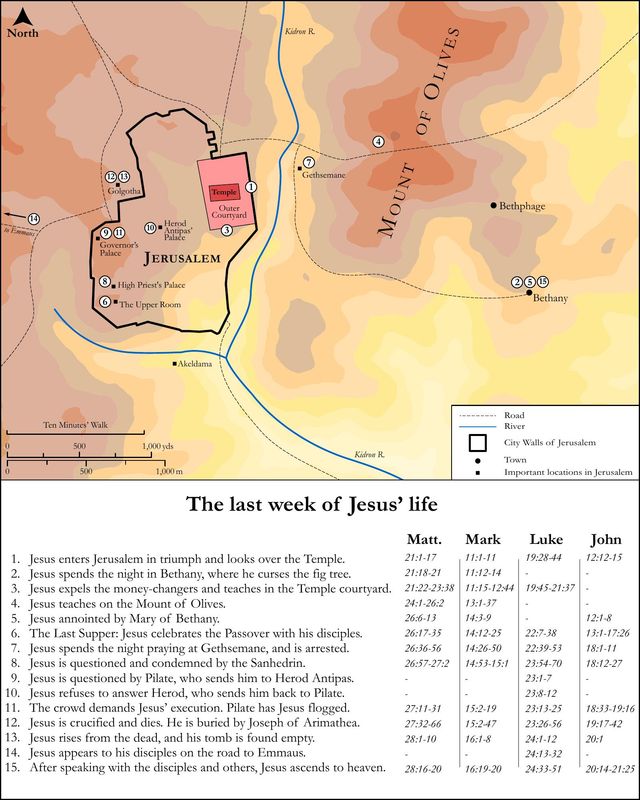
John 17:12 is embedded within Jesus' profound High Priestly Prayer, a pivotal passage that immediately precedes His arrest, trial, and crucifixion. This prayer, spanning the entirety of John 17, serves as Jesus' final public intercession before His passion. It follows His extensive Farewell Discourses to His disciples in the Upper Room, recorded in John 13-16. In these discourses, Jesus prepared His disciples for His departure, taught them about the Holy Spirit, and warned them of coming persecution. Chapter 17 transitions from direct instruction to intimate communion with the Father, revealing Jesus' heart for His disciples' protection, sanctification, and unity, as seen in His prayer for their preservation in John 17:11. Verse 12 specifically looks back at His completed work of keeping them during His earthly ministry, setting the stage for His subsequent prayer for their future preservation.
Historical & Cultural Context
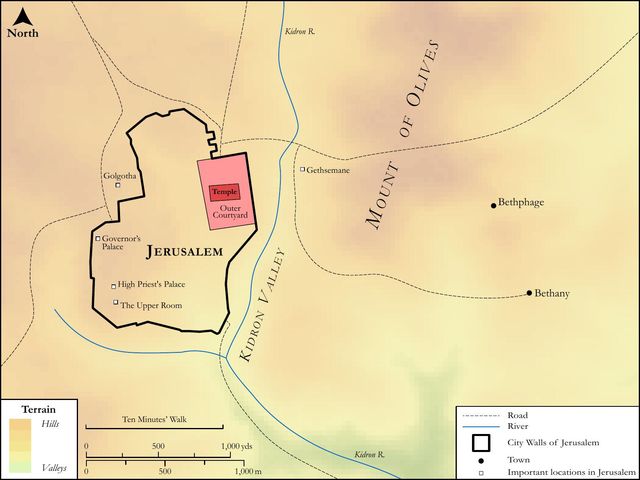
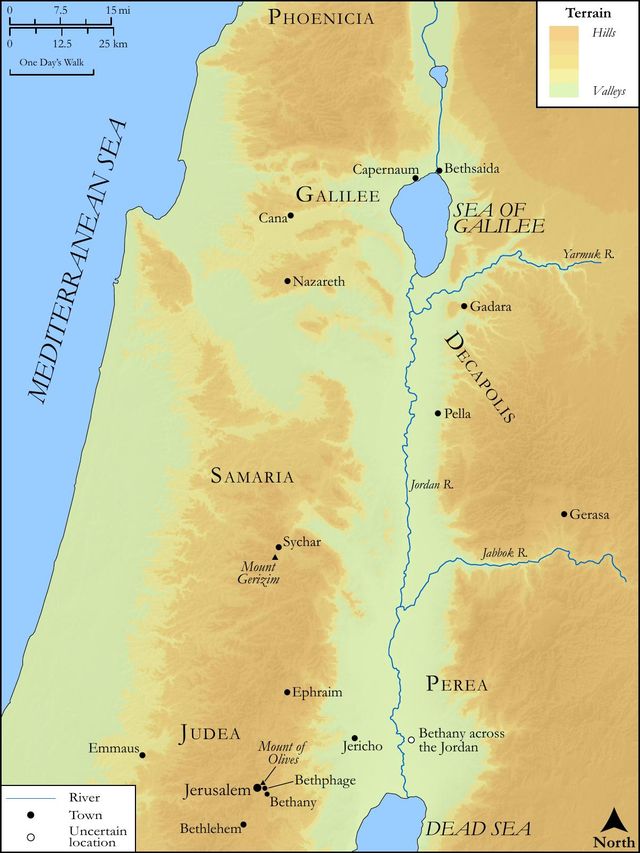
The setting is Jerusalem, likely in the Upper Room or en route to Gethsemane, during the Passover week. The concept of "keeping" or "guarding" someone "in thy name" would have resonated deeply with Jewish listeners, implying protection under God's divine authority, character, and power. A "name" in Hebrew thought was not merely a label but encapsulated the essence and reputation of the person. The phrase "son of perdition" is a Semitic idiom, meaning one characterized by or destined for destruction. It parallels other "son of" phrases like "son of peace" or "son of thunder." The idea of fulfilling scripture was paramount in Jewish understanding of divine activity; prophecies were seen as God's foretelling of His unfolding plan. The betrayal of a close friend, as seen in Psalm 41:9, was a particularly grievous act, and its fulfillment in Judas underscored the divine orchestration of even the darkest human actions in the larger redemptive narrative.
Key Themes
ShowHideThis verse powerfully contributes to several overarching themes within John's Gospel and biblical theology. Firstly, it highlights Divine Preservation and Sovereignty, affirming Jesus' faithful stewardship over those the Father "gave" Him and God's ultimate control over all events, including human choices. Jesus' statement that "none of them is lost, but the son of perdition" emphasizes the secure keeping of true believers by divine power, a theme echoed in John 10:28-29. Secondly, it confronts the complex interplay of Divine Sovereignty and Human Responsibility. While Judas's betrayal fulfilled scripture, his choice was nevertheless his own, leading to his "perdition." This tension is a recurring motif, showing that God's plan is accomplished even through the sinful choices of individuals, as seen in the crucifixion itself (Acts 2:23). Thirdly, the verse underscores the Fulfillment of Scripture, demonstrating that God's ancient promises and prophecies are meticulously brought to pass, validating the divine authorship of the Old Testament and the messianic identity of Jesus. This theme is pervasive in John's Gospel, where Jesus frequently points to the scriptures being fulfilled through His life and ministry, as in John 19:28.
Exposition and Analysis
ShowHideKey Word Analysis
ShowHideMeaning to guard, watch over, preserve, or keep. This word implies diligent care and protection, often with the nuance of maintaining something in a particular state or condition. When Jesus says, "I kept them in thy name," it signifies His active, vigilant guardianship over His disciples, ensuring their spiritual safety and adherence to God's character and authority. It speaks to a continuous, watchful preservation.
Meaning ruin, loss, or destruction (physical, spiritual, or eternal). This term denotes utter ruin, not merely a state of being lost but a condition of being destroyed or destined for destruction. When Judas is called "the son of perdition," it is a Hebraic idiom (son of X = one characterized by X or destined for X) indicating that his character was defined by and his destiny was ultimate ruin and destruction, a consequence of his own choices and rejection of Christ.
Meaning a document, specifically holy Writ or its contents. This refers to the Old Testament, understood as divinely inspired revelation. The phrase "that the scripture might be fulfilled" (Greek, plēróō' G4137, meaning to make replete, accomplish, or verify a prediction) emphasizes that Judas's betrayal was not an unforeseen event but was part of God's preordained plan, meticulously foretold in the sacred texts, thereby validating their divine authority and the sovereignty of God over history.
Verse Breakdown
ShowHide"While I was with them in the world, I kept them in thy name:"
Jesus reflects on the period of His earthly ministry, emphasizing His constant presence with His disciples. His "keeping" of them was not merely physical protection but a spiritual guardianship, safeguarding their faith and relationship with God. To keep them "in thy name" signifies that this preservation was accomplished through the power, authority, and character of God the Father, in whom Jesus Himself operates. It underscores the divine nature of the protection afforded to them.
"those that thou gavest me I have kept, and none of them is lost, but the son of perdition;"
This clause reiterates Jesus' faithful stewardship over the specific individuals the Father had "given" to Him, signifying a divine election and entrustment. He emphatically states that not a single one of these entrusted individuals was lost, with the stark and deliberate exception of "the son of perdition." This exception highlights Judas's unique and tragic destiny, distinguishing him from the true disciples whom Jesus preserved. It emphasizes that Judas's fate was not an accidental loss but a specific, foreseen outcome.
"that the scripture might be fulfilled."
This concluding phrase provides the theological framework for understanding Judas's betrayal and destruction. His being "lost" was not a deviation from God's plan or a failure on Jesus' part, but rather a direct fulfillment of Old Testament prophecy. This statement asserts God's overarching sovereignty, demonstrating that even the darkest acts of human sin and betrayal are ultimately woven into the fabric of His redemptive purposes, confirming the reliability and divine inspiration of the Scriptures.
Literary Devices
ShowHideJohn 17:12 employs several potent literary devices. Contrast is evident in Jesus' declaration that He kept all whom the Father gave Him, "but the son of perdition." This sharp distinction highlights the secure preservation of the faithful against the tragic loss of the betrayer. Foreshadowing is present in the reference to "the scripture might be fulfilled," implicitly pointing back to Old Testament prophecies concerning betrayal, such as those found in the Psalms. There is also a profound Irony in Judas, one of the chosen twelve, being the one destined for "perdition," despite being in the closest proximity to the source of life. Finally, the phrase "son of perdition" is a powerful Hebraic Idiom, conveying not just a descriptive label but a definitive character and destiny, emphasizing Judas's complete identification with ruin.
Theological and Thematic Connections
ShowHideJohn 17:12 offers profound theological insights into God's sovereign care, human responsibility, and the unfolding of His redemptive plan. Jesus' declaration of having "kept" His disciples "in thy name" affirms the divine power and authority by which believers are preserved. This preservation is not merely physical but spiritual, safeguarding their faith and eternal destiny. The singular exception of Judas, "the son of perdition," underscores the tension between divine sovereignty and human agency. While Judas's betrayal was foreknown and prophesied, his choice to betray Jesus was his own, leading to his just condemnation. This verse thus demonstrates that God's plan is so comprehensive that it incorporates even the sinful actions of individuals to bring about His ultimate purposes, without negating human culpability. It reassures believers of their security in Christ while also serving as a solemn warning against rejecting divine grace.
Reflection and Application
ShowHideJohn 17:12 provides immense comfort and a sobering challenge for contemporary believers. The assurance that Jesus "kept" those given to Him "in thy name" speaks to the unwavering, divine preservation of God's children. For those who are truly in Christ, this verse offers deep security, reminding us that our salvation is not dependent on our fluctuating strength but on the faithful, powerful keeping of our Lord. We are held securely in God's hand, guarded by His very character and authority. This should inspire profound gratitude and trust, enabling us to live boldly without fear of ultimate spiritual loss. Simultaneously, the stark reality of Judas, "the son of perdition," serves as a potent warning. His presence among the disciples, his intimate exposure to Christ, and yet his ultimate betrayal, highlight the reality of human free will and the tragic consequences of rejecting truth and embracing sin, even when privileged with divine presence. It prompts self-examination: are we truly "kept" by Christ, or are we merely outwardly associated, risking a similar spiritual ruin?
Questions for Reflection
ShowHideFAQ
ShowHideWas Judas's betrayal predetermined by God, or was it his own choice?
ShowHideThis verse highlights the profound theological tension between divine sovereignty and human responsibility. While Judas's betrayal was undeniably foreknown by God and explicitly stated to fulfill scripture (as seen in Psalm 41:9 and Acts 1:16), the Bible consistently presents Judas's actions as his own wicked choices. Jesus knew from the beginning who would betray Him (John 6:64), and He even called one of them a "devil" (John 6:70). Yet, Judas was given opportunities to repent, and his decision to betray Jesus for money was a deliberate act of his will (Matthew 26:14-16). Therefore, while God's sovereign plan encompassed this event, Judas remains fully culpable for his sin.
Christ-Centered Fulfillment
ShowHideJohn 17:12, though seemingly focused on the past keeping of the disciples and the tragic exception of Judas, profoundly points to Christ's ongoing redemptive work and His ultimate fulfillment of God's eternal plan. The very fact that "the scripture might be fulfilled" through Judas's betrayal underscores that Christ's passion was not a tragic accident but the divinely orchestrated climax of salvation history. Judas's act, though sinful, served as the catalyst for the Lamb of God to be led to the slaughter, fulfilling prophecies of His suffering and atoning death (Isaiah 53:7). Jesus' declaration that He "kept them in thy name" foreshadows His continued High Priestly intercession for His church, now from the right hand of the Father (Hebrews 7:25). He continues to guard and preserve His own, not merely physically, but spiritually, ensuring that none of His true sheep will be lost (John 10:28-29). Thus, Judas's "perdition" serves as a dark backdrop against which the brilliance of Christ's perfect keeping and His ultimate victory over sin and death shine even brighter, guaranteeing the eternal security of all who are truly given to Him by the Father.