


John 17:6
- ἘφανέρωσάEphanerōsaI revealedG5319V-AAI-1SVerb Aorist Active Indicative 1st Singular
- σουsouYourG4771P-2GSPersonal pronoun Genitive 2nd Singular
- τὸto<the>G3588T-ASNDefinite article Accusative Singular Neuter
- ὄνομαonomanameG3686N-ASNNoun Accusative Singular Neuter
- τοῖςtoisto theG3588T-DPMDefinite article Dative Plural Masculine
- ἀνθρώποιςanthrōpoismenG444N-DPMNoun Dative Plural Masculine
- οὓςhouswhomG3739R-APMRelative pronoun Accusative Plural Masculine
- ἔδωκάςedōkasyou gaveG1325V-AAI-2SVerb Aorist Active Indicative 2nd Singular
- μοιmoiMeG3165P-1DSPersonal pronoun Dative 1st Singular
- ἐκekout ofG1537PREPPreposition
- τοῦtoutheG3588T-GSMDefinite article Genitive Singular Masculine
- κόσμου·kosmouworldG2889N-GSMNoun Genitive Singular Masculine
- σοὶsoiYoursG4771P-2DSPersonal pronoun Dative 2nd Singular
- ἦσανēsanthey wereG1510V-IAI-3PVerb Imperfect Active Indicative 3rd Plural
- κἀμοὶkamoiand to MeG2532P-1DS + G2532=CONJ
- αὐτοὺςautousthemG846P-APMPersonal pronoun Accusative Plural Masculine
- ἔδωκαςedōkasYou gaveG1325V-AAI-2SVerb Aorist Active Indicative 2nd Singular
- καὶkaiandG2532CONJConjunction
- τὸνtontheG3588T-ASMDefinite article Accusative Singular Masculine
- λόγονlogonwordG3056N-ASMNoun Accusative Singular Masculine
- σουsouof YouG4771P-2GSPersonal pronoun Genitive 2nd Singular
- τετήρηκανtetērēkanthey have keptG5083V-RAI-3PVerb Perfect Active Indicative 3rd Plural
English is a literal word-by-word gloss of the Greek, not the KJV's wording. Why?
This is the original text the KJV's translators worked from — each Greek word with its own literal English meaning in this verse, prepared by scholars at Tyndale House, Cambridge. The KJV translates whole sentences, not word by word, so its wording differs: one Greek word can become several English words, and the KJV may choose “charity” where the gloss reads “love”. Both are faithful — they answer different questions. For the KJV's own rendering, switch to the KJV text.
Details
See on the biblical-era map
Study this verse
Public-domain commentary
Matthew Henry
From his Commentary on the Whole Bible. Henry comments on passages, not single verses — this entry covers John 17:6–10. His four-level outline is real structure in the source text, so it is rendered as structure.
Christ, having prayed for himself, comes next to pray for those that are his, and he knew them by name, though he did not here name them. Now observe here,
I.Whom he did not pray for (Joh 17:9):
I pray not for the world. Note, There is a world of people that Jesus Christ did not pray for. It is not meant of the world of mankind general (he prays for that here, Joh 17:21, That the world may believe that thou hast sent me); nor is it meant of the Gentiles, in distinction from the Jews; but the world is here opposed to the elect, who are given to Christ out of the world. Take the world for a heap of unwinnowed corn in the floor, and God loves it, Christ prays for it, and dies for it, for a blessing is in it; but, the Lord perfectly knowing those that are his, he eyes particularly those that were given him out of the world, extracts them; and then take the world for the remaining heap of rejected, worthless chaff, and Christ neither prays for it, nor dies for it, but abandons it, and the wind drives it away. These are called the world, because they are governed by the spirit of this world, and have their portion in it; for these Christ does not pray; not but that there are some things which he intercedes with God for on their behalf, as the dresser for the reprieve of the barren tree; but he does not pray for them in this prayer, that have not part nor lot in the blessings here prayed for. He does not say, I pray against the world, as Elias made intercession against Israel; but, I pray not for them, I pass them by, and leave them to themselves; they are not written in the Lamb's book of life, and therefore not in the breast-plate of the great high-priest. And miserable is the condition of such, as it was of those whom the prophet was forbidden to pray for, and more so, Jer 7:16. We that know not who are chosen, and who are passed by, must pray for all men, Ti1 2:1, Ti1 2:4. While there is life, there is hope, and room for prayer. See Sa1 12:23.
II.Whom he did pray for; not for angels, but for the children of men.
1.He prays for those that were given him, meaning primarily the disciples that had attended him in this regeneration; but it is doubtless to be extended further, to all who come under the same character, who receive and believe the words of Christ, Joh 17:6, Joh 17:8.
2.He prays for all that should believe on him (Joh 17:20), and it is not only the petitions that follow, but those also which went before, that must be construed to extend to all believers, in every place and every age; for he has a concern for them all, and calls things that are not as though they were.
III.What encouragement he had to pray for them, and what are the general pleas with which he introduces his petitions for them, and recommends them to his Father's favour; they are five: -
1.The charge he had received concerning them: Thine they were, and thou gavest them me (Joh 17:6), and again (Joh 17:9), Thou whom thou hast given me. "Father, those I am now praying for are such as thou hast entrusted me with, and what I have to say for them is in pursuance of the charge I have received concerning them." Now,
(1.)This is meant primarily of the disciples that then were, who were given to Christ as his pupils to be educated by him while he was on earth, and his agents to be employed for him when he went to heaven. They were given him to be the learners of his doctrine, the witnesses of his life and miracles, and the monuments of his grace and favour, in order to their being the publishers of his gospel and the planters of his church. When they left all to follow him, this was the secret spring of that strange resolution: they were given to him, else they had not given themselves to him. Note, The apostleship and ministry, which are Christ's gift to the church, were first the Father's gift to Jesus Christ. As under the law the Levites were given to Aaron (Num 3:9), to him (the great high priest of our profession) the Father gave the apostles first, and ministers in every age, to keep his charge, and the charge of the whole congregation, and to do the service of the tabernacle. See Eph 4:8, Eph 4:11; Psa 68:18. Christ received this gift for men, that he might give it to men. As this puts a great honour upon the ministry of the gospel, and magnifies that office, which is so much vilified; so it lays a mighty obligation upon the ministers of the gospel to devote themselves entirely to Christ's service, as being given to him,
(2.)But it is designed to extend to all the elect, for they are elsewhere said to be given to Christ (Joh 6:37, Joh 6:39), and he often laid a stress upon this, that those he was to save were given to him as his charge; to his care they were committed, from his hand they were expected, and concerning them he received commandments. He here shows,
[1.]That the Father had authority to give them: Thine they were. He did not give that which was none of his own, but covenanted that he had a good title. The elect, whom the Father gave to Christ, were his own in three ways: - First, they were creatures, and their lives and beings were derived from him. When they were given to Christ to be vessels of honour, they were in his hand, as clay in the hand of the potter, to be disposed of as God's wisdom saw most for God's glory. Secondly, They were criminals, and their lives and beings were forfeited to him. It was a remnant of fallen mankind that was given to Christ to be redeemed, that might have been made sacrifices to justice when they were pitched upon to be the monuments of mercy; might justly have been delivered to the tormentors when they were delivered to the Saviour. Thirdly, They were chosen, and their lives and beings were designed, for him; they were set apart for God, and were consigned to Christ as his agent. This he insists upon again (Joh 17:7): All things whatsoever thou hast given me are of thee, which, though it may take in all that appertained to his office as Mediator, yet seems especially to be meant of those that were given him. "They are of thee, their being is of thee as the God of nature, their well-being is of thee as the God of grace; they are all of thee, and therefore, Father, I bring them all to thee, that they may be all for thee."
[2.]That he did accordingly give them to the Son. Thou gavest them to me, as sheep to the shepherd, to be kept; as patients to the physician, to be cured; children to a tutor, to be educated; thus he will deliver up his charge (Heb 2:13), The children thou hast given me. They were delivered to Christ, First, That the election of grace might not be frustrated, that not one, no not of the little ones, might perish. That great concern must be lodged in some one good hand, able to give sufficient security, that the purpose of God according to election might stand. Secondly, That the undertaking of Christ might not be fruitless; they were given to him as his seed, in whom he should see of the travail of his soul and be satisfied (Isa 53:10, Isa 53:11), and might not spend his strength, and shed his blood, for nought, and in vain, Isa 49:4. We may plead, as Christ does, "Lord, keep my graces, keep my comforts, for thine they were, and thou gavest them to me."
2.The care he had taken of them to teach them (Joh 17:6): I have manifested thy name to them. I have given to them the words which thou gavest to me, Joh 17:8. Observe here,
(1.)The great design of Christ's doctrine, which was to manifest God's name, to declare him (Joh 1:18), to instruct the ignorant, and rectify the mistakes of a dark and foolish world concerning God, that he might be better loved and worshipped.
(2.)His faithful discharge of this undertaking: I have done it. His fidelity appears,
[1.]In the truth of the doctrine. It agreed exactly with the instructions he received from his Father. He gave not only the things, but the very words, that were given him. Ministers, in wording their message, must have an eye to the words which the Holy Ghost teaches.
[2.]In the tendency of his doctrine, which was to manifest God's name. He did not seek himself, but, in all he did and said, aimed to magnify his Father. Note, First, It is Christ's prerogative to manifest God's name to the souls of the children of men. No man knows the Father, but he to whom the Son will reveal him, Mat 11:27. He only has acquaintance with the Father, and so is able to open the truth; and he only has access to the spirits of men, and so is able to open the understanding. Ministers may publish the name of the Lord (as Moses, Deu 32:3), but Christ only can manifest that name. By the word of Christ God is revealed to us; by the Spirit of Christ God is revealed in us. Ministers may speak the words of God to us, but Christ can give us his words, can put them in us, as food, as treasure. Secondly, Sooner or later, Christ will manifest God's name to all that were given him, and will give them his word, to be the seed of their new birth, the support of their spiritual life, and the earnest of their everlasting bliss.
3.The good effect of the care he had taken of them, and the pains he had taken with them, (Joh 17:6): They have kept they word (Joh 17:7), they have known that all things are of thee (Joh 17:8); they have received thy words, and embraced them, have given their assent and consent to them, and have known surely that I came out from thee, and have believed that thou didst send me. Observe here,
(1.)What success the doctrine of Christ had among those that were given to him, in several particulars: -
[1.]"They have received the words which I gave them, as the ground receives the seed, and the earth drinks in the rain." They attended to the words of Christ, apprehended in some measure the meaning of them, and were affected with them: they received the impression of them. The word was to them an ingrafted word.
[2.]"They have kept thy word, have continued in it; they have conformed to it." Christ's commandment is then only kept when it is obeyed. Those that have to teach others the commands of Christ ought to be themselves observant of them. It was requisite that these should keep what was committed to them, for it was to be transmitted by them to every place for every age.
[3.]"They have understood the word, and have been sensible on what ground they went in receiving and keeping it. They have been aware that thou art the original author of that holy religion which I am come to institute, that all things whatsoever thou hast given me are of thee." All Christ's offices and powers, all the gifts of the Spirit, all his graces and comforts, which God gave without measure to him, were all from God, contrived by his wisdom, appointed by his will, and designed by his grace, for his own glory in man's salvation. Note, It is a great satisfaction to us, in our reliance upon Christ, that he, and all he is and has, all he said and did, all he is doing and will do, are of God, Co1 1:30. We may therefore venture our souls upon Christ's mediation, for it has a good bottom. If the righteousness be of God's appointing, we shall be justified; if the grace be of his dispensing, we shall be sanctified.
[4.]They have set their seal to it: They have known surely that I came out from God, Joh 17:8. See here, First, What it is to believe; it is to know surely, to know that it is so of a truth. The disciples were very weak and defective in knowledge; yet Christ, who knew them better than they knew themselves, passes his word for them that they did believe. Note, We may know surely that which we neither do nor can know fully; may know the certainty of the things which are not seen, though we cannot particularly describe the nature of them. We walk by faith, which knows surely, not yet by sight, which knows clearly. Secondly, What it is we are to believe: that Jesus Christ came out from God, as he is the Son of God, in his person the image of the invisible God, and that God did not send him; that in his undertaking he is the ambassador of the eternal king: so that the Christian religion stands upon the same footing, and is of equal authority, with natural religion; and therefore all the doctrines of Christ are to be received as divine truths, all his commands obeyed as divine laws, and all his promises depended upon as divine securities.
(2.)How Jesus Christ here speaks of this: he enlarges upon it,
[1.]As pleased with it himself. Though the many instances of his disciples' dulness and weakness had grieved him, yet their constant adherence to him, their gradual improvements, and their great attainments at last, were his joy. Christ is a Master that delights in the proficiency of his scholars. He accepts the sincerity of their faith, and graciously passes by the infirmity of it. See how willing he is to make the best of us, and to say the best of us, thereby encouraging our faith in him, and teaching us charity to one another,
[2.]As pleading it with the Father. He is praying for those that were given to him; and he pleads that they had given themselves to him. Note, The due improvement of grace received is a good plea, according to the tenour of the new covenant, for further grace; for so runs the promise. To him that hath shall be given. Those that keep Christ's word, and believe on him, let Christ alone to commend them, and, which is more, to recommend them to his Father.
4.He pleads the Father's own interest in them (Joh 17:9): I pray for them, for they are thine; and this by virtue of a joint and mutual interest, which he and the Father have in what pertained to each: All mine are thine, and thine are mine. Between the Father and Son there can be no dispute (as there is among the children of men) about meum and tuum - mine and thine, for the matter was settled from eternity; all mine are thine, and thine are mine. Here is,
(1.)The plea particularly urged for his disciples: They are thine. The consigning of the elect to Christ was so far from making them less the Father's that it was in order to making them the more so. Note,
[1.]All that receive Christ's word, and believe in him, are taken into covenant-relation to the Father, and are looked upon as his; Christ presents them to him, and they, through Christ, present themselves to him. Christ has redeemed us, not to himself only, but to God, by his blood, Rev 5:9, Rev 5:10. They are first-fruits unto God, Rev 14:4.
[2.]This is a good plea in prayer, Christ here pleads it, They are thine; we may plead it for ourselves, I am thine, save me; and for others (as Moses, Exo 32:11), "They are thy people. They are thine; wilt thou not provide for thine own? Wilt thou not secure them, that they may not be run down by the devil and the world? Wilt thou not secure thy interest in them, that they may not depart from thee? They are thine, own them as thine."
(2.)The foundation on which this plea is grounded: All mine are thine, and thine are mine. This bespeaks the Father and Son to be,
[1.]One in essence. Every creature must say to God, All mine are thine; but none can say to him, All thine are mine, but he that is the same in substance with him and equal in power and glory.
[2.]One in interest; no separate or divided interests between them. First, What the Father has as Creator is delivered over to the Son, to be used and disposed of in subserviency to his great undertaking. All things are delivered to him (Mat 11:27); the grant is so general that nothing is excepted but he that did put all things under him. Secondly, What the Son has as Redeemer is designed for the Father, and his kingdom shall shortly be delivered up to him. All the benefits of redemption, purchased by the Son, are intended for the Father's praise, and in his glory all the lines of his undertaking centre: All mine are thine. The Son owns none for his that are not devoted to the service of the Father; nor will any thing be accepted as a piece of service to the Christian religion which clashes with the dictates and laws of natural religion. In a limited sense, every true believer may say, All thine are mine; if God be ours in covenant, all he is and has is so far ours that it shall be engaged for our good; and in an unlimited sense every true believer does say, Lord, all mine are thine; all laid at his feet, to be serviceable to him. And what we have may be comfortably committed to God's care and blessing when it is cheerfuly submitted to his government and disposal: "Lord, take care of what I have, for it is all thine."
5.He pleads his own concern in them: I am glorified in them - dedoxasmai. (1.) I have been glorified in them. What little honour Christ had in this world was among his disciples; he had been glorified by their attendance on him and obedience to him, their preaching and working miracles in his name; and therefore I pray for them. Note, Those shall have an interest in Christ's intercession in and by whom he is glorified. (2.) "I am to be glorified in them when I am gone to heaven; they are to bear up my name." The apostles preached and wrought miracles in Christ's name; the Spirit in them glorified Christ (Joh 16:14): "I am glorified in them, and therefore," [1.] "I concern myself for them." What little interest Christ has in this degenerate world lies in his church; and therefore it and all its affairs lie near his heart, within the veil. [2.] "Therefore I commit them to the Father, who has engaged to glorify the Son, and, upon this account, will have a gracious eye to those in whom he is glorified." That in which God and Christ are glorified may, with humble confidence, be committed to God's special care.
Historical interpretation
Nine Centuries of Reception
15 surviving comments on this verse. Each one is dated, so this reads as a timeline rather than a list.
Select a marker to jump to its quote. Markers stagger vertically where authors wrote within a few decades of each other.
"I am come," saith He, "in the Father's name; " and again, "Father, glorify Thy name; " and more openly, "I have manifested Thy name to men." That name, therefore, we pray may "be hallowed.
The name “God the Father” had been published to no one. Even Moses, who had interrogated him on that very point, had heard a different name. To us it has been revealed in the Son, for the Son is now the Father’s new name.… That name, therefore, we pray “may be hallowed.”
They more readily supposed that the Father acted in the Son's name, than that the Son acted in the Father's; although the Lord says Himself, "I am come in my Father's name; " and even to the Father He declares, "I have manifested Thy name unto these men; " whilst the Scripture likewise says, "Blessed is He that cometh in the name of the Lord," that is to say, the Son in the Father's name.
As Himself somewhere says, when He was giving thanks for the salvation of those that had believed, "I have manifested Thy name to men, I have finished the work Thou gavest me; ".
"He manifested His name to those that knew it not; "
"Messenger of great counsel" (Isa. ix. 6, LXX.), the Son of God is called, because of the other things which He taught, and principally because He announced the Father to men, as also now He saith, "I have manifested Thy Name unto the men." For after having said, "I have finished Thy work," He next explaineth it in detail, telling what sort of work. Now the Name indeed was well known. For Esaias said, "Ye shall swear by the true God." (Isa. lxv. 16.) But what I have often told you I tell you now, that though it was known, yet it was so only to Jews, and not to all of these: but now He speaketh concerning the Gentiles. Nor doth He declare this merely, but also that they knew Him as the Father. For it is not the same thing to learn that He is Creator, and that He hath a Son. But He "manifested His Name" both by words and actions.
"Whom Thou gavest Me out of the world." As He saith above, "No man cometh unto Me except it be given him" (c. vi. 65); and, "Except My Father draw him" (c. vi. 64); so here too, "Whom thou gavest Me." (c. xiv. 6.) Now He calleth Himself "the Way"; whence it is clear that He establisheth two things by what is said here, that He is not opposed to the Father, and that it is the Father's will to entrust them to the Son.
"Thine they were, and Thou gavest them Me." Here He desireth to teach that He is greatly loved by the Father. For that He needed not to receive them, is clear from this, He made them, He careth for them continually. How then did He receive them? This, as I said before, showeth His unanimity with the Father. Now if a man choose to enquire into the matter in a human manner, and as the words are spoken, they will no longer belong to the Father. For if when the Father had them, the Son had them not, it is evident that when He gave them to the Son, He withdrew from His dominion over them. And again, there is a yet more unseemly conclusion; for they will be found to have been imperfect while they yet were with the Father, but to have become perfect when they came to the Son. But it is mockery even to speak thus. What then doth He declare by this? "That it hath seemed good to the Father also that they should believe on the Son."
(Hom. lxxxi) Having said, I have finished My work, He shows what kind of work it was, viz. that He should make known the name of God: I have manifested Thy name unto the men which Thou gavest Me out of the world.
(Hom. lxxxi) That He was the Son of the Father, Christ had already manifested to them by words and deeds.
In this discourse we purpose speaking, as He gives us grace, on these words of the Lord which run thus: "I have manifested Thy name unto the men whom Thou gavest me out of the world." If He said this only of those disciples with whom He had supped, and to whom, before beginning His prayer, He had said so much, it can have nothing to do with that clarification, or, as others have translated it, glorification, whereof He was previously speaking, and whereby the Son clarifies or glorifies the Father. For what great glory, or what like glory, was it to become known to twelve, or rather eleven mortal creatures? But if, in saying, "I have manifested Thy name unto the men whom Thou gavest me out of the world," He wished all to be understood, even those who were still to believe on Him, as belonging to His great Church which was yet to be made up of all nations, and of which it is said in the psalm, "I will confess to Thee in the great Church [congregation];" it is plainly that glorification wherewith the Son glorifies the Father, when He makes His name known to all nations and to so many generations of men. And what He says here, "I have manifested Thy name unto the men whom Thou gavest me out of the world," is similar to what He had said a little before, "I have glorified Thee upon the earth"; putting both here and there the past for the future, as One who knew that it was predestinated to be done, and therefore saying that He had done what He had still to do, though without any uncertainty, in the future.
But what follows makes it more credible that His words, "I have manifested Thy name to the men whom Thou gavest me out of the world," were spoken by Him of those who were already His disciples, and not of all who were yet to believe on Him. For after these words, He added: "Thine they were, and Thou gavest them me; and they have kept Thy word. Now they have known that all things, whatsoever Thou hast given me, are of Thee: for I have given unto them the words which Thou gavest me; and they have received them, and have known surely that I came out from Thee, and they have believed that Thou didst send me." Although all these words also might have been said of all believers still to come, when that which was now a matter of hope had been turned into fact, inasmuch as they were words that still pointed to the future; yet we are impelled the more to understand Him as uttering them only of those who were at that time His disciples, by what He says shortly afterwards: "While I was with them, I kept them in Thy name: those that Thou gavest me I have kept, and none of them is lost, but the son of perdition; that the Scripture might be fulfilled"; meaning Judas, who betrayed Him, for He was the only one of the apostolic twelve that perished.
Accordingly, let us now see what He says about those disciples of His who were then listening to Him. "I have manifested," He says. "Thy name unto the men whom Thou gavest me." Did they not, then, know the name of God when they were Jews? And what of that which we read, "God is known in Judah; His name is great in Israel"? Therefore, "I have manifested Thy name unto these men whom Thou gavest me out of the world," and who are now hearing my words: not that name of Thine whereby Thou art called God, but that whereby Thou art called my Father: a name that could not be manifested without the manifestation of the Son Himself. For this name of God, by which He is called, could not but be known in some way to the whole creation, and so to every nation, before they believed in Christ. For such is the energy of true Godhead, that it cannot be altogether and utterly hidden from any rational creature, so long as it makes use of its reason. For, with the exception of a few in whom nature has become outrageously depraved, the whole race of man acknowledges God as the maker of this world. In respect, therefore, of His being the maker of this world that is visible in heaven and earth around us, God was known unto all nations even before they were indoctrinated into the faith of Christ. But in this respect, that He was not, without grievous wrong being done to Himself, to be worshipped alongside of false gods, God was known in Judah alone. But in respect of His being the Father of this Christ, by whom He taketh away the sin of the world, this name of His, previously kept secret from all, He now made manifest to those whom the Father Himself had given Him out of the world.
(Tr. cvi) If He speaks of the disciples only with whom He supped, this has nothing to do with that glorifying of which He spoke above, wherewith the Son glorified the Father; for what glory is it to be known to twelve or eleven men? But if by the men which were given to Him out of the world, He means all those who should believe in Him afterwards, this is without doubt the glory wherewith the Son glorifies the Father; and, I have manifested Thy name, is the same as what He said before, I have glorified Thee; the past being put for the future both there and here. But what follows shows that He is speaking here of those who were already His disciples, not of all who should afterwards believe on Him. At the beginning of His prayer then our Lord is speaking of all believers, all to whom He should make known the Father, thereby glorifying Him: for after saying, that Thy Son also may glorify Thee, in showing how that was to be done, He says, As Thou hast given Him power over all flesh. Now let us hear what He says to the disciples: I have manifested Thy name to the men which Thou gavest Me out of the world. Had they not known the name of God then, when they were Jews? We read in the Psalms, In Jewry is God known; His name is great in Israel. (Ps. 76:1) I have manifested Thy name, then, must be understood not of the name of God, but of the Father's name, which name could not be manifested without the manifestation of the Son. For God's name, as the God of the whole creation, could not have been entirely unknown to any nation. As the Maker then of the world, He was known among all nations, even before the spread of the Gospel. In Jewry He was known as a God, Who was not to be worshipped with the false gods: but as the Father of that Christ, by whom He took away the sins of the world, His name was unknown; which name Christ now manifesteth to those whom the Father had given Him out of the world. But how did He manifest it, when the hour had not come of which He said above, The hour cometh, when I shall no more speak unto you in proverbs. We must understand the past to be put for the future.
(Tr. cvi) Which Thou hast given Me out of the world: i. e. who were not of the world. But this they were by regeneration, not by nature. What is meant by, Thine they were, and Thou gavest them Me? Had ever the Father any thing without the Son? God forbid. But the Son of God had that sometimes, which He had not as Son of man; for He had the universe with His Father, while He was still in His mother's womb. Wherefore by saying, They were Thine, the Son of God does not separate Himself from the Father; but only attributes all His power to Him, from whom He is, and hath the same. And Thou gavest them Me, then, means that He had received as man the power to have them; nay, that He Himself had given them to Himself, i. e. Christ as God with the Father, to Christ as man not with the Father. His purpose here is to show His unanimity with the Father, and how that it was the Father's pleasure that they should believe in Him.
(Tr. cvi) The Father gave Him all things, when having all things He begat Him.
(Tr. cvi. c. 6) i. e. have understood and remembered them. For then is a word received, when the mind apprehends it; as it follows, And have known surely that I came out from Thee. And that none might imagine that that knowledge was one of sight, not of faith, He adds, And they hare believed (surely, is understood) that Thou didst send Me. What they believed surely, was what they knew surely; for, I came out from Thee, is the same with, Thou didst send Me. They believed surely, i. e. not as He said above they believed, but surely, i. e. as they were about to believe firmly, steadily, unwaveringly: never any more to be scattered to their own, and leave Christ. The disciples as yet were not such as He describes them to be in the past tense, meaning such as they were to be when they had received the Holy Ghost. The question how the Father gave those words to the Son, is easier to solve, if we suppose Him to have received them from the Father as Son of man. But if we understand it to be as the Begotten of the Father, let there be no time supposed previous to His having them, as if He once existed without them: for whatever God the Father gave God the Son, He gave in begetting.
But what are we to make of the words. "Whom Thou gavest me out of the world"? For it is said of them that they were not of the world. But this they attained to by regeneration, and not by generation. And what, also, of that which follows, "Thine they were, and Thou gavest them me"? Was there a time when they belonged to the Father, and not to His only-begotten Son; and had the Father once on a time anything apart from the Son? Surely not. Nevertheless, there was a time when God the Son had something, which that same Son as man possessed not; for He had not yet become man of an earthly mother, when He possessed all things in common with the Father. Wherefore in saying, "Thine they were," there is thereby no self-disruption made by God the Son, apart from whom there was nothing ever possessed by the Father; but it is His custom to attribute all the power He possesses to Him, of whom He Himself is, who has the power. For of whom He has it that He is, of Him He has it that He is able; and both together He always had, for He never had being without having ability. Accordingly, whatever the Father could [do], always side by side with Him could the Son; since He, who never had being without having ability, was never without the Father, as the Father never was without Him. And thus, as the Father is eternally omnipotent, so is the Son co-eternally omnipotent; and if all-powerful, certainly all-possessing.
CHAPTER VII. That the fact that something is said to have been given to the Son from the Father does not rob Him of God-befitting dignity; but He plainly appears to be Consubstantial, and of the Father, even if He is said to receive aught.
I have previously stated with reference to the passages I have just examined, not without care, if I may say so, that Christ made His prayer to the Father in the heavens both as Man and also as God. For He carefully moderates His language so as to avoid either extreme, neither keeping it altogether within the limits of humanity, nor yet allowing it to be wholly affected by His Divine glory; and none the less here also may we see the same characteristic observed. For, as being by Nature God, and the express Image of His unspeakable Nature, He says to His Father: I manifested Thy Name unto the men, using the word "Name'' instead of "glory;'' for this is the usual practice in speech amongst us. Moreover, the wise Solomon wrote: A good name is more to be desired than great riches; that is, "a good reputation and honour" is better than the splendour and eminence which wealth confers. And God Himself says, by the mouth of Isaiah, to those who have made |499 themselves eunuchs for the kingdom of heaven's sake, Let not the eunuch say, Behold, I am a dry tree. For thus saith the Lord unto the eunuchs that keep My commandments, and choose the things that please Me, Even unto them will I give in Mine house and within My walls a place and a name better than of sons and daughters: I will give them an everlasting name. And no man ought to imagine, I think, if he be wise, that the honour with which God will requite them will be paid out in bare names and titles to those who, with noble and virtuous aspirations, have wrestled with worldly pleasure, and have mortified their members which are upon the earth, and regarded only those things which are not displeasing to the Divine law; rather He uses the word name instead of glory, for they who reign with Christ will be enviable and worthy all admiration.
The Saviour therefore plainly declares that He has manifested the Name of God the Father; that is, He has established His glory throughout the whole world. And how? Clearly by the manifestation of Himself, through His exceeding great works. For the Father is glorified in the Son, as in an Image and Type of His own form, for in the lineaments of that which is modelled, the beauty of the model is always clearly seen. The Only-begotten, then, has manifested Himself, being in His Essence Wisdom and Life, Architect and Creator of the universe, superior to death and corruption, holy, blameless, compassionate, sacred, pure. Hereby all men know that He That begat Him is even as He is; for He cannot be different in Nature from His Offspring. He showed Himself, therefore, as in an Image and Type of His own form, in the glory of the Son. Such was indeed the language concerning Him among the men of old time, but now has He manifested Himself to our very sight, and that which we see with our eyes is more convincing than any words.
I think, indeed, that what we have here stated is not irrelevant. We must now, however, tread another path, |500 that is, enter on another line of speculation. For the Son manifested the Father's Name clearly by bringing us to the knowledge and perfect apprehension, not of the fact that He is God alone (for this message was conveyed to us before His coming by the inspired Scripture), but that, besides being God in truth, He is also Father in no spurious sense; having in Himself, and proceeding from Himself, His own Offspring, Coequal and Coeternal with His own Nature. For He did not beget in time the Creator of the ages. And God's Name of "Father" is in some sort greater than the Name God itself; for the one is symbolical only of His Majesty, while the other is explanatory of the essential attribute of His Person. For, when a man speaks of God, he indicates the Sovereign of the universe; but, when he utters the Name of Father, he touches on the definition of His individuality, for he manifests the fact that He begat. And Christ Himself gives to God the Name of Father, as in some sense a more appropriate and truer appellation; saying on one occasion, not "I and God" but I and the Father are One; and on another occasion, with reference to Himself, For Him the Father, even God, hath sealed. And also when He bade His disciples baptise all nations, He did not bid them do this in the Name of God, but He expressly enjoined them to do this into the Name of the Father, and of the Son, and of the Holy Spirit. And the inspired Moses, when he was explaining the origin of the world, did not attribute its creation to a single person, for he wrote, And God said, Let us make man in our Image, after our Likeness: and by the words Let us make, and in our Likeness, the Holy Trinity is signified; for the Father created and called into being the universe, through the Son, in the Spirit. But the men of old found such expressions hard to understand, and the language obscure; for the Father was not individually named, nor was the Person of the Son expressly introduced. Our Lord Jesus Christ, however, without any concealment, and with perfect freedom of speech, called |501 God His Father; and by naming Himself Son, and showing that He was Himself in very truth the Offspring of the Sovereign Nature of the universe, He manifested the Father's Name, and brought us to perfect knowledge of Him. For the perfect knowledge of God and the Creator of the universe standeth not in believing merely that He is God, but in believing also that He is the Father; and the Father also of a Son, not unaccompanied of course by the Holy Spirit. For the bare belief, that God is God, suits us no better than those under the Law; for it does not exceed the limit of the knowledge the Jews attained. And just as the Law, when it brought in this axiom of instruction, which was insufficient to sustain a life of piety in God's service, perfected nothing, so also the knowledge which it instilled about God was imperfect; only able to restrain men from love of false gods, and persuade them to worship the One true God: For thou shalt have, it says, no other gods beside Me. Thou shalt worship the Lord thy God, and Him only shalt thou serve. But our Lord Jesus Christ sets better things before those who are under the Law of Moses; and, giving them instruction clearer than the commandment of the Law, vouchsafed them better and clearer knowledge than that of old. For He has made it plain to us, not merely that the Originator and Sovereign of the world is God, but also that He is a Father; and facts prove this; for He has set Himself before us as His Likeness, saying, He that hath seen Me hath seen the Father. I and the Father are One.
And this, as we suppose, as being God and of God by Nature, He saith openly, in His Divine character, to His Father; but He adds at once, speaking more as Man: Whom Thou hast given Me out of the world: Thine they were, and Thou hast given them to Me. We must think that our Lord says this, not as though some separate and particular portion had been allotted and belonged to the dominion of the Father, in which the Son Himself had no part, for He is King before the ages began, as the Psalmist says, and eternally shares the Father's rule. Moreover, the wise Evangelist John, teaching us that all things belong to Him and are put under His sway, wrote: He came unto His own, and they that were His own received Him not; calling those His own who knew Him not, and were rejecting the yoke of His kingdom. He spake this on this occasion, from the wish to make clear to His hearers, that there were some in this world, who did not even so much as receive into their minds the One true God, but served the creature, and devils, and the inventions of devils. Still, though they knew not the Creator of the world, and were astray from the truth, they were God's; insomuch as He is Lord of all, as their Creator. For all things belong to God, and there is nothing that exists over which the One God is not ruler, though the creature may not know his Maker. For no man can maintain that the fact, that some have gone astray from Him, can avail to deprive the Creator of the world of His universal dominion; but he must rather admit that all things are subjected to His rule, through His having made them and brought them into being. Since, then, this is the truth, even they who were fast bound by the snares of the devil, and entangled in the vanities of the world, belonged in fact to the living God. And how were they given to the Son? For God the Father consented that Emmanuel should reign over them; not as though He then first began His reign----for He was ever Lord and King as being God by Nature----but because, having become Man and ventured His life for the salvation of the world, He purchased all men for Himself, and through Himself brought them to God the Father. He then, That of old reigneth from the beginning with His Father, was appointed King as a Man, to Whom like all else the sceptre comes by gift, according to the |503 limitations of human nature. For not in the same sense as that in which man is a rational being, capable of thought and knowledge (these things being included in his natural advantages), is he also a king; for while the former attributes are comprehended in the definition of his essence, the latter is extraneous and additional, and not among those which attach inseparably to his nature; for kingly power is given and taken away from a man, without affecting in any degree at all the definition of his essence. The dignity of kingship, therefore, is thrust upon a man by God as a gift, and from without: For by Me, He says, kings rule, and princes reign over the earth. He then, That ruleth over all with the Father, insomuch as He was, and is, and will be, by Nature God, receives power over the world, according to the form and limits proper to a man.
When the Savior declares that he has made known the name of God the Father, it is the same as saying that he has shown the whole world his glory. How did he do this? By making himself known through his wonderful works. The Father is glorified in the Son as in an image and type of his own form, for the beauty of the archetype is seen in its image. The only Son then has made himself known, and he is in his essence wisdom and life, the artificer and creator of the universe. He is immortal and incorruptible, pure, blameless, merciful, holy, good. His Father is known to be like him, since he could not be different in nature from his offspring. The Father’s glory is seen, as in an image and type of his own form, in the glory of the Son.…The Son made known the name of God the Father to teach us and make us fully comprehend not that he is the only God—for inspired Scripture had proclaimed that even before the coming of the Son—but that besides being truly God he is also rightly called “Father.” This is so because in himself and proceeding from himself he has a Son possessed of the same eternal nature as his own: it was not in time that he became the Father of the Creator of the ages!
To call God “Father” is more exact than to call him “God.” The word God signifies his dignity, but the word Father points to the distinctive attribute of his person. If we say “God,” we declare him to be Lord of the universe. If we call him “Father,” we show the way in which he is distinct as a person, for we make known the fact that he has a Son. The Son himself gave God the name of Father, as being in some sense the more appropriate and truer appellation, when he said not “I and God” but “I and the Father are one,” and also, with reference to himself, “On him has God the Father set his seal.” And when he commanded his disciples to baptize all nations, he did not tell them to do this in the name of God but expressly ordained that they were to do it in the name of the Father and of the Son and of the Holy Spirit.
And they have kept Thy word. He calls Himself the Word of the Father, because the Father by Him created all things, and because He contains in Himself all words: as if to say, They have committed Me to memory so well, that they never will forget Me. Or, They have kept Thy word, i. e. in that they have believed in Me: as it follows, Now they have known that all things whatsoever Thou hast given Me, are of Thee. Some read, Now I have known, &c. But this cannot be correct. For how could the Son be ignorant of what was the Father's? It is the disciples He is speaking of; as if to say, They have learnt that there is nothing in Me alien from Thee, and that whatever I teach cometh from Thee.
By saying, The men which Thou gavest Me, the Lord makes two points: first, that He is not in opposition to the Father—“I did not snatch these men from You”; and second, that it is the Father’s will that the disciples believe in the Son—“You are well pleased that they have come to Me. Between us there is no rivalry, only love and oneness of mind. And they have kept Thy word by believing in Me and giving no heed to the Jews.” He who believes in Christ “keeps the word of God”—the Scripture and the law—for the Scripture proclaims Christ, and everything the Lord told the disciples was from the Father. As Jesus told the disciples earlier in this discourse, I speak not of Myself (Jn. 14:10). He also instructed them, Abide in Me (Jn. 15:4), and they did abide in Him and kept the word of the Father.
Now they have known that all things whatsoever Thou hast given Me are of Thee. This means: “Now have My disciples known that (in My divine nature) I have nothing of My own and I am not different from You. Nothing whatsoever of the things Thou hast given Me were given by grace, as are the divine gifts bestowed upon created beings. Rather, they are of Thee,” which means, “They are not something I have acquired, but belong to Me by nature; they belong to Me as the Son Who has full authority over His Father’s property.” One might ask, “How have the disciples known this?” The Lord provides the answer: I have given unto them the words which Thou gavest Me, which means, “They know this by My words and teachings.” Christ taught them continuously: “All that I have is of the Father; I came out from Thee; and, Thou didst send Me.” Throughout the Gospel the Lord affirms that He is not an adversary of God, for He does the Father’s will.
Continue studying John 17:6 across the web’s major study libraries — every link below opens this exact verse, chapter, or book on the destination site.
Read & Compare
 BibleGatewayThis verse in more than 200 translations and 70 languages.
 Bible.comThe YouVersion reader — hundreds of translations, reading plans, and highlights.
 ESV.orgCrossway's official English Standard Version reader.
 NET BibleThe NET translation with 60,000+ translators' notes on every rendering decision.
 STEP BibleTyndale House's free study tool — original text, vocabulary, and scholarly resources.
 BibliaLogos Bible Software's free web reader.
 USCCBThe New American Bible (Revised Edition) with the U.S. bishops' study notes.
Commentaries
 BibleHub CommentariesDozens of classic commentaries on this verse, gathered on one page.
 StudyLightMore than 100 commentary sets — the largest collection on the web.
 BibleRefPlain-English commentary on what this verse means, verse by verse.
 Enduring WordDavid Guzik's free commentary on this chapter, widely used by Bible teachers.
 Bible Study ToolsVerse commentary alongside Greek and Hebrew study aids.
Original Language & Research
- BibleHub InterlinearThe verse word by word — original language, transliteration, and English.
- BibleHub LexiconEvery word's original-language definition and Strong's entry.
 Blue Letter BibleDeep-study tools — Strong's numbers, concordance, and word studies.
 CNTR CollationThe earliest Greek manuscripts of this verse, collated letter by letter.
Sermons, Hymns & Audio


TrulyRandomVerse is not affiliated with these sites and doesn’t control their content. They’re linked because they’re genuinely useful.
Summary
In Jesus' High Priestly Prayer, Jesus reports to the Father on the success of His earthly ministry among His disciples. He declares that He has fully revealed God's character and nature to these chosen men, who were originally the Father's own and were then entrusted to Him. Furthermore, Jesus commends them for their faithfulness in receiving and obeying God's word, highlighting the divine initiative in salvation and the disciples' responsive obedience.
Context
ShowHideLiterary Context
This verse initiates the first major section of Jesus' High Priestly Prayer (John 17:1-26), specifically His intercession for His immediate disciples (John 17:6-19). Preceding this prayer, Jesus has delivered His Farewell Discourse to His disciples (John 13-16), preparing them for His departure, the coming of the Holy Spirit, and the challenges they will face. The prayer serves as a profound theological summary of Jesus' mission and His relationship with the Father and His followers, transitioning from teaching to direct intercession. It underscores the intimacy of the Trinitarian relationship and the secure position of those whom the Father has given to the Son.
Historical & Cultural Context
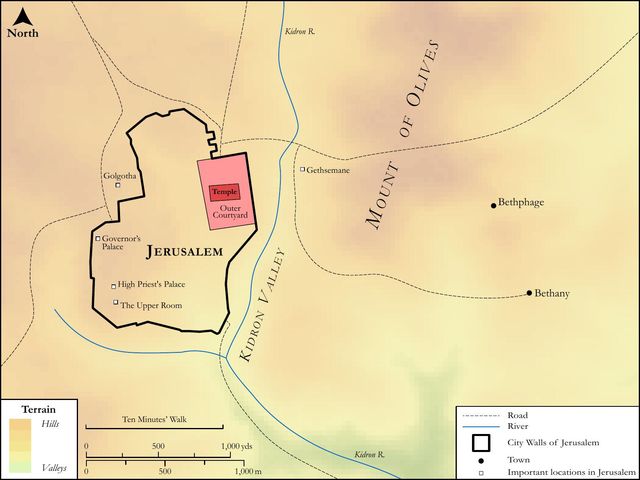
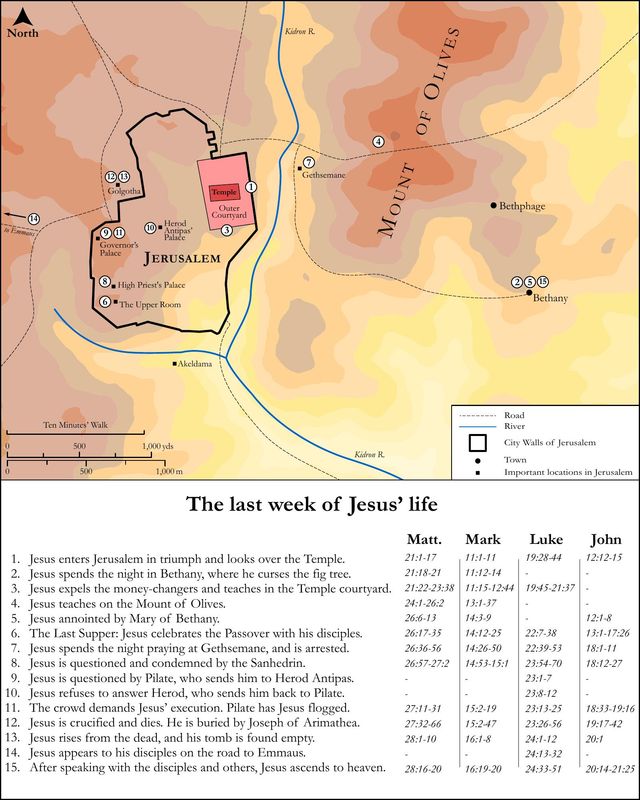
The setting for this prayer is likely the Upper Room or en route to the Garden of Gethsemane, just hours before Jesus' arrest and crucifixion. This was a time of immense tension and spiritual significance. In ancient Jewish thought, a "name" was far more than a mere label; it encapsulated the essence, character, and authority of the person. To "manifest" or "make known" God's name was to reveal His very being, His attributes, and His redemptive plan. The concept of God "giving" people to His chosen servant or prophet was also rooted in Old Testament covenantal language, signifying divine election and a special relationship.
Key Themes
ShowHideJohn 17:6 contributes significantly to several major themes within John's Gospel and the broader biblical narrative. It powerfully emphasizes the sovereignty of God in salvation, particularly the theme of divine election, where believers are seen as a gift from the Father to the Son, as further elaborated in John 6:37. The verse also highlights Jesus' role as the ultimate revealer of the Father, demonstrating that true knowledge of God comes through Christ's words, deeds, and very person, echoing Jesus' declaration in John 14:9. Finally, it underscores the importance of obedience and faithfulness to God's word as a mark of true discipleship, a theme consistently presented by Jesus throughout His ministry, such as in John 8:31.
Exposition and Analysis
ShowHideKey Word Analysis
ShowHideThis verb means "to render apparent," "to make plain," or "to bring to light." In the context of Jesus manifesting God's name, it implies not merely speaking about God, but fully disclosing and demonstrating God's essential nature, character, and will through His entire life, teachings, miracles, and redemptive work. Jesus made the invisible God visible and comprehensible to humanity.
This primary verb means "to give" and is used here to describe the Father's sovereign act of entrusting certain individuals to Jesus. It signifies a divine transfer, emphasizing that these men were chosen by the Father and then specifically given to the Son for a redemptive purpose. This highlights the Father's initiative and authority in the process of salvation.
While often referring to spoken words or teachings, in John's Gospel, "word" (with the article) frequently carries profound theological weight, referring to the Divine Expression, which is Christ Himself. Here, "thy word" encompasses God's revealed truth, Jesus' teachings, and the very person of Jesus as the embodiment of God's revelation. To "keep" this word means to guard, preserve, obey, and live in accordance with it, indicating a deep acceptance and faithfulness.
Verse Breakdown
ShowHide"I have manifested thy name unto the men which thou gavest me out of the world:"
Jesus declares the fulfillment of His mission to reveal the Father. "Manifested thy name" signifies a complete disclosure of God's character, attributes, and redemptive plan, not just a title. The recipients of this revelation are specific "men," identified as those whom the Father sovereignly "gave" to Jesus, indicating a divine election. The phrase "out of the world" emphasizes their distinctness from the prevailing values and systems of the fallen world, marking them as chosen and set apart.
"thine they were, and thou gavest them me;"
This clause reiterates and amplifies the concept of divine ownership and transfer. It establishes that these men belonged to the Father first ("thine they were") before being entrusted to Jesus. This double emphasis on "giving" highlights the Father's sovereign initiative and the intimate, purposeful relationship within the Trinity regarding the salvation and discipleship of these individuals. It underscores that believers are a precious gift from the Father to the Son.
"and they have kept thy word."
This serves as Jesus' commendation of His disciples. Their "keeping" of God's word implies more than mere intellectual assent or memorization; it signifies active obedience, faithfulness, and a steadfast adherence to the truth revealed through Jesus. Their response validates the effectiveness of Jesus' ministry in manifesting the Father's name and demonstrates their genuine discipleship.
Literary Devices
ShowHideThe verse employs several significant literary devices. Repetition is prominent with the verb "gavest" (Greek: dídōmi), appearing twice in quick succession ("thou gavest me... and thou gavest them me"). This repetition powerfully emphasizes the Father's sovereign act of entrusting believers to Jesus, underscoring the divine initiative and the secure, purposeful nature of this relationship. Metonymy is evident in the phrase "thy name," where "name" stands for the entire character, essence, and authority of God. Jesus did not just reveal a word or a title, but the very being of the Father. Furthermore, the contrast between "the men... out of the world" and the "world" itself functions as symbolism, where "the world" represents the fallen, unredeemed human system opposed to God, while "the men" symbolize those chosen and set apart by divine grace.
Theological and Thematic Connections
ShowHideJohn 17:6 profoundly articulates the Trinitarian nature of salvation, where the Father initiates, the Son reveals and receives, and the Holy Spirit empowers the keeping of the Word (though not explicitly mentioned here, implied by the disciples' ability to keep the word). It establishes the divine origin of true discipleship, emphasizing that believers are not self-made but are divinely chosen and gifted to Christ. This provides immense assurance, as our standing is rooted in God's sovereign plan and Christ's faithful execution of that plan, rather than solely on human merit or effort. The disciples' keeping of God's word is presented as the fruit of Jesus' revelatory work, highlighting the necessary human response of faith and obedience to divine truth.
Reflection and Application
ShowHideJohn 17:6 offers profound comfort and a clear call to discipleship for believers today. The truth that we are "given" to Christ by the Father provides an unshakable foundation for our faith, assuring us of God's sovereign love and our secure position in Him. This divine initiative means our salvation is not precarious but grounded in an eternal, Trinitarian purpose. It should cultivate deep humility and gratitude, recognizing that our faith is a gift. Furthermore, the commendation of the disciples for "keeping thy word" serves as a timeless standard for our own lives. It challenges us to move beyond mere intellectual assent to active, obedient engagement with God's revealed truth. To "keep" His word means to guard it in our hearts, allow it to transform our minds, and live it out in our daily actions, demonstrating our love for God and our genuine commitment to Christ. This active obedience is not a burden but a pathway to deeper intimacy with God and a more profound experience of His presence and power.
Questions for Reflection
ShowHideFAQ
ShowHideWhat does it mean that Jesus "manifested thy name" to the disciples?
ShowHideTo "manifest God's name" means that Jesus fully revealed and made known the Father's true character, nature, and attributes. In ancient Jewish thought, a "name" represented the entire essence and authority of a person. Therefore, Jesus didn't just speak about God; He embodied God's truth, love, justice, and redemptive plan through His words, miracles, and His very life. Through Jesus, the disciples (and by extension, all who believe) gained an intimate and accurate understanding of who God the Father truly is, demonstrating that "whoever has seen me has seen the Father" as Jesus states in John 14:9.
Christ-Centered Fulfillment
ShowHideJohn 17:6 finds its ultimate Christ-centered fulfillment in Jesus' unique role as the perfect and complete revelation of God the Father. He is the "name" made manifest, the very "Word" (Greek: Logos) who was with God and was God, and through whom all things were made, as proclaimed in John 1:1-3. Jesus is the Son who perfectly knows the Father and reveals Him to humanity, fulfilling the Old Testament longing for a deeper knowledge of God's character beyond mere laws or rituals. His incarnation, life, teachings, atoning death, and resurrection are the definitive manifestation of God's love, holiness, and redemptive power. The "men" given to Him by the Father represent the elect, those whom God sovereignly draws to Christ (as seen in John 6:44), and who, in turn, respond by "keeping His word." This "word" is ultimately Christ Himself, the living Word of God, whom they receive, believe in, and obey, thereby entering into eternal life and a relationship with the Father through the Son, as promised in John 3:16.