


Matthew 13:25
Bible text: King James Version (1769 Blayney text) · Public domain
Bible text: Berean Standard Bible · Public domain
Bible text: American Standard Version (1901) · Public domain
Bible text: World English Bible, Messianic edition · Public domain
Bible text: Geneva Bible (1599) · Public domain
Bible text: Young's Literal Translation · Public domain
- ἐνenInG1722PREPPreposition
- δὲdenowG1161CONJConjunction
- τῷtōthe [time]G3588T-DSNDefinite article Dative Singular Neuter
- καθεύδεινkatheudeinto sleepG2518V-PANVerb Present Active Infinitive
- τοὺςtoustheG3588T-APMDefinite article Accusative Plural Masculine
- ἀνθρώπουςanthrōpousmenG444N-APMNoun Accusative Plural Masculine
- ἦλθενēlthencameG2064V-2AAI-3SVerb 2nd Aorist Active Indicative 3rd Singular
- αὐτοῦautouhisG846P-GSMPersonal pronoun Genitive Singular Masculine
- ὁho<the>G3588T-NSMDefinite article Nominative Singular Masculine
- ἐχθρὸςechthrosenemyG2190N-NSMNoun Nominative Singular Masculine
- καὶkaiandG2532CONJConjunction
- ἐπέσπειρενepespeirenover-sowedV-AAI-3SVerb Aorist Active Indicative 3rd Singular
- ζιζάνιαzizaniaweedsG2215N-APNNoun Accusative Plural Neuter
- ἀνὰanain [the]G303PREPPreposition
- μέσονmesonmidstG3319A-ASNAdjective Accusative Singular Neuter
- τοῦtouof theG3588T-GSMDefinite article Genitive Singular Masculine
- σίτουsitouwheatG4621N-GSMNoun Genitive Singular Masculine
- καὶkaiandG2532CONJConjunction
- ἀπῆλθενapēlthenwent awayG565V-2AAI-3SVerb 2nd Aorist Active Indicative 3rd Singular
English is a literal word-by-word gloss of the Greek, not the KJV's wording. Why?
This is the original text the KJV's translators worked from — each Greek word with its own literal English meaning in this verse, prepared by scholars at Tyndale House, Cambridge. The KJV translates whole sentences, not word by word, so its wording differs: one Greek word can become several English words, and the KJV may choose “charity” where the gloss reads “love”. Both are faithful — they answer different questions. For the KJV's own rendering, switch to the KJV text.
Details
See on the biblical-era maps

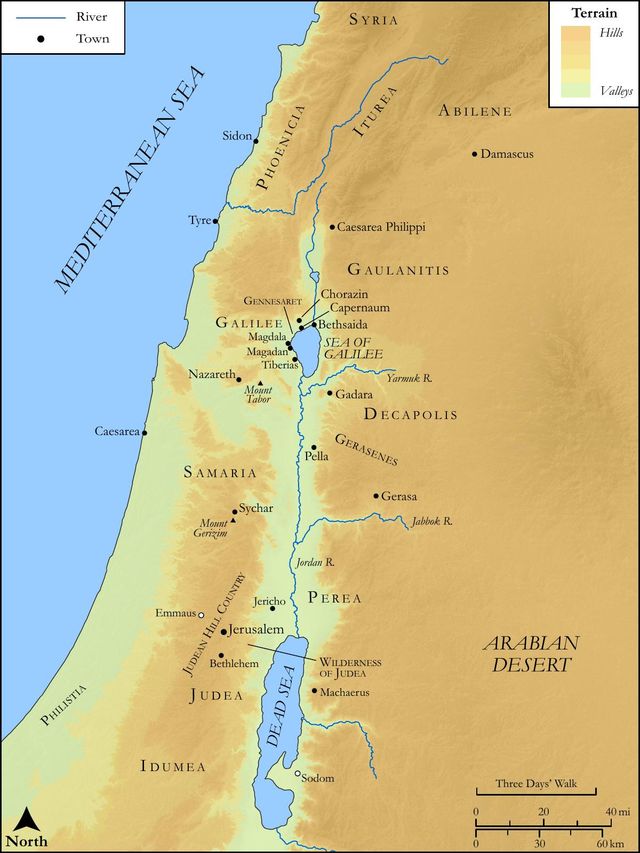
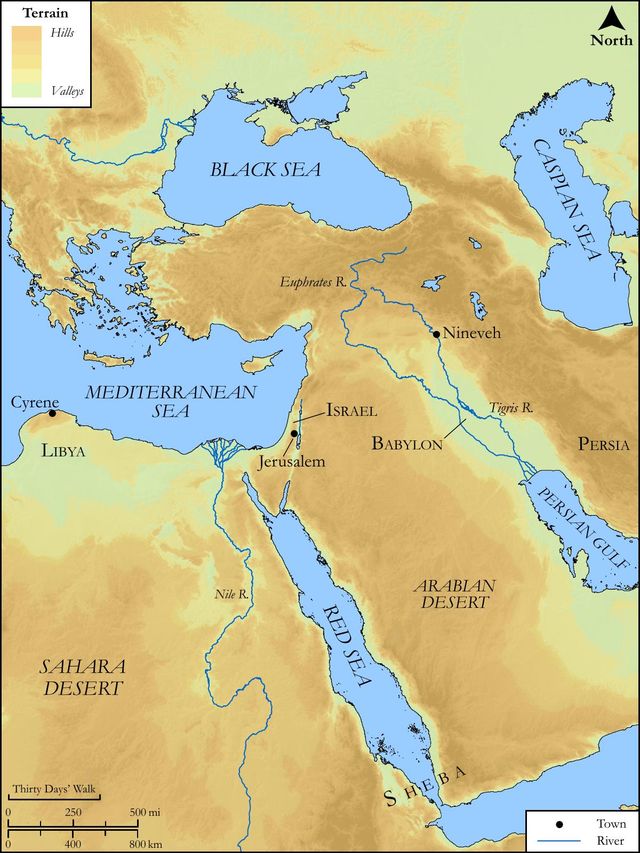
Study this verse
Public-domain commentary
Matthew Henry
From his Commentary on the Whole Bible. Henry comments on passages, not single verses — this entry covers Matthew 13:24–43. His four-level outline is real structure in the source text, so it is rendered as structure.
In these verses, we have, I. Another reason given why Christ preached by parables, Mat 13:34, Mat 13:35. All these things he spoke in parables, because the time was not yet come for the more clear and plain discoveries of the mysteries of the kingdom. Christ, to keep the people attending and expecting, preached in parables, and without a parable spake he not unto them; namely, at this time and in this sermon. Note, Christ tries all ways and methods to do good to the souls of men, and to make impressions upon them; if men will not be instructed and influenced by plain preaching, he will try them with parables; and the reason here given is, That the scripture might be fulfilled. The passage here quoted for it, is part of the preface to that historical Psa 78:2, I will open my mouth in a parable. What the Psalmist David, or Asaph, says there of his narrative, is accommodated to Christ's sermons; and that great precedent would serve to vindicate this way of preaching from the offence which some took at it. Here is, 1. The matter of Christ's preaching; he preached things which had been kept secret from the foundation of the world. The mystery of the gospel had been hid in God, in his councils and decrees, from the beginning of the world. Eph 3:9. Compare Rom 16:25; Co1 2:7; Col 1:26. If we delight in the records of ancient things, and in the revelation of secret things, how welcome should the gospel be to us, which has in it such antiquity and such mystery! It was from the foundation of the world wrapt up in types and shadows, which are now done away; and those secret things are now become such things revealed as belong to us and to our children, Deu 29:29. 2. The manner of Christ's preaching; he preached by parables; wise sayings, but figurative, and which help to engage attention and a diligent search. Solomon's sententious dictates, which are full of similitudes, are called proverbs, or parables; it is the same word; but in this, as in other things, Behold a greater than Solomon is here, in whom are hid treasures of wisdom.
II.The parable of the tares, and the exposition of it; they must be taken together, for the exposition explains the parable and the parable illustrates the exposition.
Observe, 1. The disciples' request to their Master to have this parable expounded to them (Mat 13:36); Jesus sent the multitude away; and it is to be feared many of them went away no wiser than they came; they had heard a sound of words, and that was all. It is sad to think how many go away from sermons without the word of grace in their hearts. Christ went into the house, not so much for his own repose, as for particular converse with his disciples, whose instruction he chiefly intended in all his preaching. He was ready to do good in all places; the disciples laid hold on the opportunity, and they came to him. Note, Those who would be wise for every thing else, must be wise to discern and improve their opportunities, especially of converse with Christ, of converse with him alone, in secret meditation and prayer. It is very good, when we return from the solemn assembly, to talk over what we have heard there, and by familiar discourse to help one another to understand and remember it, and to be affected with it; for we lose the benefit of many a sermon by vain and unprofitable discourse after it. See Luk 24:32; Deu 6:6, Deu 6:7. It is especially good, if it may be, to ask of the ministers of the word the meaning of the word, for their lips should keep knowledge, Mal 2:7. Private conference would contribute much to our profiting by public preaching. Nathan's Thou art the man, was that which touched David to the heart.
The disciples' request to their Master was, Declare unto us the parable of the tares. This implied an acknowledgement of their ignorance, which they were not ashamed to make. It is probable they apprehended the general scope of the parable, but they desired to understand it more particularly, and to be assured that they took it right. Note, Those are rightly disposed for Christ's teaching, that are sensible of their ignorance, and sincerely desirous to be taught. He will teach the humble (Psa 25:8, Psa 25:9), but will for this be enquired of. If any man lack instruction, let him ask it of God. Christ had expounded the foregoing parable unasked, but for the exposition of this they ask him. Note, The mercies we have received must be improved, both for direction what to pray for, and for our encouragement in prayer. The first light and the first grace are given in a preventing way, further degrees of both which must be daily prayed for.
2.The exposition Christ gave of the parable, in answer to their request; so ready is Christ to answer such desires of his disciples. Now the drift of the parable is, to represent to us the present and future state of the kingdom of heaven, the gospel church: Christ's care of it, the devil's enmity against it, the mixture that there is in it of good and bad in the other world. Note, The visible church is the kingdom of heaven; though there be many hypocrites in it, Christ rules in it as a King; and there is a remnant in it, that are the subjects and heirs of heaven, from whom, as the better part, it is denominated: the church is the kingdom of heaven upon earth.
Let us go over the particulars of the exposition of the parable.
(1.)He that sows the good seed is the Son of man. Jesus Christ is the Lord of the field, the Lord of the harvest, the Sower of good seed. When he ascended on high, he gave gifts to the world; not only good ministers, but other good men. Note, Whatever good seed there is in the world, it all comes from the hand of Christ, and is of his sowing: truths preached, graces planted, souls sanctified, are good seed, and all owing to Christ. Ministers are instruments in Christ's hand to sow good seed; are employed by him and under him, and the success of their labours depends purely upon his blessing; so that it may well be said, It is Christ, and no other, that sows the good seed; he is the Son of man, one of us, that his terror might not make us afraid; the Son of man, the Mediator, and that has authority.
(2.)The field is the world; the world of mankind, a large field, capable of bringing forth good fruit; the more is it to be lamented that it brings forth so much bad fruit: the world here is the visible church, scattered all the world over, not confined to one nation. Observe, In the parable it is called his field; the world is Christ's field, for all things are delivered unto him of the Father: whatever power and interest the devil has in the world, it is usurped and unjust; when Christ comes to take possession, he comes whose right it is; it is his field, and because it is his he took care to sow it with good seed.
(3.)The good seed are the children of the kingdom, true saints. They are,
[1.]The children of the kingdom; not in profession only, as the Jews were (Mat 8:12), but in sincerity; Jews inwardly, Israelites indeed, incorporated in faith and obedience to Jesus Christ the great King of the church.
[2.]They are the good seed, precious as seed, Psa 126:6. The seed is the substance of the field; so the holy seed, Isa 6:13. The seed is scattered, so are the saints; dispersed, here one and there another, though in some places thicker sown than in others. The seed is that from which fruit is expected; what fruit of honour and service God has from this world he has from the saints, whom he has sown unto himself in the earth, Hos 2:23.
(4.)The tares are the children of the wicked one. Here is the character of sinners, hypocrites, and all profane and wicked people.
[1.]They are the children of the devil, as a wicked one. Though they do not own his name, yet they bear his image, do his lusts, and from him they have their education; he rules over them, he works in them, Eph 2:2; Joh 8:44.
[2.]They are tares in the field of this world; they do no good, they do hurt; unprofitable in themselves, and hurtful to the good seed, both by temptation and persecution: they are weeds in the garden, have the same rain, and sunshine, and soil, with the good plants, but are good for nothing: the tares are among the wheat. Note, God has so ordered it, that good and bad should be mixed together in this world, that the good may be exercised, the bad left inexcusable, and a difference made between earth and heaven.
(5.)The enemy that sowed the tares is the devil; a sworn enemy to Christ and all that is good, to the glory of the good God, and the comfort and happiness of all good men. He is an enemy to the field of the world, which he endeavours to make his own, by sowing his tares in it. Ever since he became a wicked spirit himself, he has been industrious to promote wickedness, and has made it his business, aiming therein to counterwork Christ.
Now concerning the sowing of the tares, observe in the parable,
[1.]That they were sown while men slept. Magistrates slept, who by their power, ministers slept, who by their preaching, should have prevented this mischief. Note, Satan watches all opportunities, and lays hold of all advantages, to propagate vice and profaneness. The prejudice he does to particular persons is when reason and conscience sleep, when they are off their guard; we have therefore need to be sober, and vigilant. It was in the night, for that is the sleeping time. Note, Satan rules in the darkness of this world; that gives him an opportunity to sow tares, Psa 104:20. It was while men slept; and there is no remedy but men must have some sleeping time. Note, It is as impossible for us to prevent hypocrites being in the church, as it is for the husbandman, when he is asleep, to hinder an enemy from spoiling his field.
[2.]The enemy, when he had sown the tares, went his way (Mat 13:25), that it might not be known who did it. Note, When Satan is doing the greatest mischief, he studies most to conceal himself; for his design is in danger of being spoiled if he be seen in it; and therefore, when he comes to sow tares, he transforms himself into an angel of light, Co2 11:13, Co2 11:14. He went his way, as if he had done no harm; such is the way of the adulterous woman, Pro 30:20. Observe, Such is the proneness of fallen man to sin, that if the enemy sow the tares, he may even go his way, they will spring up of themselves and do hurt; whereas, when good seed is sown, it must be tended, watered, and fenced, or it will come to nothing.
[3.]The tares appeared not till the blade sprung up, and brought forth fruit, Mat 13:26. There is a great deal of secret wickedness in the hearts of men, which is long hid under the cloak of a plausible profession, but breaks out at last. As the good seed, so the tares, lie a great while under the clods, and at first springing up, it is hard to distinguish them; but when a trying time comes, when fruit is to be brought forth, when good is to be done that has difficulty and hazard attending it, then you will return and discern between the sincere and the hypocrite: then you may say, This is wheat, and that is tares.
[4.]The servants, when they were aware of it, complained to their master (Mat 13:27); Sir, didst thou not sow good seed in thy field? No doubt he did; whatever is amiss in the church, we are sure it is not of Christ: considering the seed which Christ sows, we may well ask, with wonder, Whence should these tares come? Note, The rise of errors, the breaking out of scandals, and the growth of profaneness, are matter of great grief to all the servants of Christ; especially to his faithful ministers, who are directed to complain of it to him whose the field is. It is sad to see such tares, such weeds, in the garden of the Lord; to see the good soil wasted, the good seed choked, and such a reflection cast on the name and honour of Christ, as if his field were no better than the field of the slothful, all grown over with thorns.
[5.]The Master was soon aware whence it was (Mat 13:28); An enemy has done this. He does not lay the blame upon the servants; they could not help it, but had done what was in their power to prevent it. Note, The ministers of Christ, that are faithful and diligent, shall not be judged of Christ, and therefore should not be reproached by men, for the mixtures of bad with good, hypocrites with the sincere, in the field of the church. It must needs be that such offences will come; and they shall not be laid to our charge, if we do our duty, though it have not the desired success. Though they sleep, if they do not love sleep; though tares be sown, if they do not sow them nor water them, nor allow of them, the blame shall not lie at their door.
[6.]The servants were very forward to have these tares rooted up. "Wilt thou that we go and do it presently?" Note, The over-hasty and inconsiderate zeal of Christ's servants, before they have consulted with their Master, is sometimes ready, with the hazard of the church, to root out all that they presume to be tares: Lord, wilt thou that we call for fire from heaven?
[7.]The Master very wisely prevented this (Mat 13:29); Nay, lest while ye gather up the tares, ye root up also the wheat with them. Note, It is not possible for any man infallibly to distinguish between tares and wheat, but he may be mistaken; and therefore such is the wisdom and grace of Christ, that he will rather permit the tares, than any way endanger the wheat. It is certain, scandalous offenders are to be censured, and we are to withdraw from them; those who are openly the children of the wicked one, are not to be admitted to special ordinances; yet it is possible there may be a discipline, either so mistaken in its rules, or so over-nice in the application of them, as may prove vexatious to many that are truly godly and conscientious. Great caution and moderation must be used in inflicting and continuing church censures, lest the wheat be trodden down, if not plucked up. The wisdom from above, as it is pure, so it is peaceable, and those who oppose themselves must not be cut off, but instructed, and with meekness, Ti2 2:25. The tares, if continued under the means of grace, may become good corn; therefore have patience with them.
(6.)The harvest is the end of the world, Mat 13:39. This world will have an end; though it continue long, it will not continue always; time will shortly be swallowed up in eternity. At the end of the world, there will be a great harvest-day, a day of judgment; at harvest all is ripe and ready to be cut down: both good and bad are ripe at the great-day, Rev 6:11. It is the harvest of the earth, Rev 14:15. At harvest the reapers cut down all before them; not a field, not a corner, is left behind; so at the great day all must be judged (Rev 20:12, Rev 20:13); God has set a harvest (Hos 6:11), and it shall not fail, Gen 8:22. At harvest every man reaps as he sowed; every man's ground, and seed, and skill, and industry, will be manifested: see Gal 6:7, Gal 6:8. Then they who sowed precious seed, will come again with rejoicing (Psa 126:5, Psa 126:6), with the joy of harvest (Isa 9:3); when the sluggard, who would not plough by reason of cold, shall beg, and have nothing (Pro 20:4); shall cry, Lord, Lord, but in vain; when the harvest of those who sowed to the flesh, shall be a day of grief, and of desperate sorrow, Isa 17:11.
(7.)The reapers are the angels: they shall be employed, in the great day, in executing Christ's righteous sentences, both of approbation and condemnation, as ministers of his justice, Mat 25:31. The angels are skilful, strong, and swift, obedient servants to Christ, holy enemies to the wicked, and faithful friends to all the saints, and therefore fit to be thus employed. He that reapeth receiveth wages, and the angels will not be unpaid for their attendance; for he that soweth, and he that reapeth, shall rejoice together (Joh 4:36); that is joy in heaven in the presence of the angels of God.
(8.)Hell-torments are the fire, into which the tares shall then be cast, and in which they shall be burned. At the great day a distinction will be made, and with it a vast difference; it will be a notable day indeed.
[1.]The tares will then be gathered out: The reapers (whose primary work it is to gather in the corn) shall be charged first to gather out the tares. Note, Though good and bad are together in this world undistinguished, yet at the great day they shall be parted; no tares shall then be among the wheat; no sinners among the saints: then you shall plainly discern between the righteous and the wicked, which here sometimes it is hard to do, Mal 3:18; Mal 4:1. Christ will not bear always, Psa 50:1, etc. They shall gather out of his kingdom all wicked things that offend, and all wicked persons that do iniquity: when he begins, he will make a full end. All those corrupt doctrines, worships, and practices, which have offended, have been scandals to the church, and stumbling-blocks to men's consciences, shall be condemned by the righteous Judge in that day, and consumed by the brightness of his coming; all the wood, hay, and stubble (Co1 3:12); and then woe to them that do iniquity, that make a trade of it, and persist in it; not only those in the last age of Christ's kingdom upon earth, but those in every age. Perhaps here is an allusion to Zep 1:3, I will consume the stumbling-blocks with the wicked.
[2.]They will then be bound in bundles, Mat 13:30. Sinners of the same sort will be bundled together in the great day: a bundle of atheists, a bundle of epicures, a bundle of persecutors, and a great bundle of hypocrites. Those who have been associates in sin, will be so in shame and sorrow; and it will be an aggravation of their misery, as the society of glorified saints will add to their bliss. Let us pray, as David, Lord, gather not my soul with sinners (Psa 26:9), but let it be bound in the bundle of life, with the Lord our God, Sa1 25:29.
[3.]They will be cast into a furnace of fire; such will be the end of wicked, mischievous people, that are in the church as tares in the field; they are fit for nothing but fire; to it they shall go, it is the fittest place for them. Note, Hell is a furnace of fire, kindled by the wrath of God, and kept burning by the bundles of tares cast into it, who will be ever in the consuming, but never consumed. But he slides out of the metaphor into a description of those torments that are designed to be set forth by it: There shall be weeping, and gnashing of teeth; comfortless sorrow, and an incurable indignation at God, themselves, and one another, will be the endless torture of damned souls. Let us therefore, knowing these terrors of the Lord, be persuaded not to do iniquity.
(9.)Heaven is the barn into which all God's wheat shall be gathered in that harvest-day. But gather the wheat into my barn: so it is in the parable, Mat 13:30. Note,
[1.]In the field of this world good people are the wheat, the most precious grain, and the valuable part of the field.
[2.]This wheat shall shortly be gathered, gathered from among the tares and weeds: all gathered together in a general assembly, all the Old Testament saints, all the New Testament saints, not one missing. Gather my saints together unto me, Psa 50:5.
[3.]All God's wheat shall be lodged together in God's barn: particular souls are housed at death as a shock of corn (Job 5:26), but the general in-gathering will be at the end of time: God's wheat will then be put together, and no longer scattered; there will be sheaves of corn, as well as bundles of tares: they will then be secured, and no longer exposed to wind and weather, sin and sorrow: no longer afar off, and at a great distance, in the field, but near, in the barn. Nay, heaven is a garner (Mat 3:12), in which the wheat will not only be separated from the tares of ill companions, but sifted from the chaff of their own corruptions.
In the explanation of the parable, this is gloriously represented (Mat 13:43); Then shall the righteous shine forth as the sun in the kingdom of their Father. First, It is their present honour, that God is their Father. Now are we the sons of God (Jo1 3:2); our Father in heaven is King there. Christ, when he went to heaven, went to his Father, and our Father, Joh 20:17. It is our Father's house, nay, it is our Father's palace, his throne, Rev 3:21. Secondly, The honour in reserve for them is, that they shall shine forth as the sun in that kingdom. Here they are obscure and hidden (Col 3:3), their beauty is eclipsed by their poverty, and the meanness of their outward condition; their own weaknesses and infirmities, and the reproach and disgrace cast upon them, cloud them; but then they shall shine forth as the sun from behind a dark cloud; at death they shall shine forth to themselves; at the great day they will shine forth publicly before all the world, their bodies will be made like Christ's glorious body: they shall shine by reflection, with a light borrowed from the Fountain of light; their sanctification will be perfected, and their justification published; God will own them for his children, and will produce the record of all their services and sufferings for his name: they shall shine as the sun, the most glorious of all visible beings. The glory of the saints is in the Old Testament compared to that of the firmament and the stars, but here to that of the sun; for life and immortality are brought to a much clearer light by the gospel, than under the law. Those who shine as lights in this world, that God may be glorified, shall shine as the sun in the other world, that they may be glorified. Our Saviour concludes, as before, with a demand of attention; Who hath ears to hear, let him hear. These are things which it is our happiness to hear of, and our duty to hearken to.
III.Here is the parable of the grain of mustard-seed, Mat 13:31, Mat 13:32.
The scope of this parable is to show, that the beginnings of the gospel would be small, but that its latter end would greatly increase. In this way the gospel church, the kingdom of God among us, would be set up in the world; in this way the work of grace in the heart, the kingdom of God within us, would be carried on in particular persons.
Now concerning the work of the gospel, observe,
1.That it is commonly very weak and small at first, like a grain of mustard-seed, which is one of the least of all seeds. The kingdom of the Messiah, which was now in the setting up, made but a small figure; Christ and the apostles, compared with the grandees of the world, appeared like a grain of mustard-seed, the weak things of the world. In particular places, the first breaking out of the gospel light is but as the dawning of the day; and in particular souls, it is at first the day of small things, like a bruised reed. Young converts are like lambs that must be carried in his arms, Isa 40:11. There is a little faith, but there is much lacking in it (Th1 3:10), and the groanings such as cannot be uttered, they are so small; a principle of spiritual life, and some motion, but scarcely discernible.
2.That yet it is growing and coming on. Christ's kingdom strangely got ground; great accessions were made to it; nations were born at once, in spite of all the oppositions it met with from hell and earth. In the soul where grace is true it will grow really, though perhaps insensibly. A grain of mustard-seed is small, but however it is seed, and has in it a disposition to grow. Grace will be getting ground, shining more and more, Pro 4:18. Gracious habits confirmed, actings quickened, and knowledge more clear, faith more confirmed, love more inflamed; here is the seed growing.
3.That it will at last come to a great degree of strength and usefulness; when it is grown to some maturity, it becomes a tree, much larger in those countries than in ours. The church, like the vine brought out of Egypt, has taken root, and filled the earth, Psa 80:9-11. The church is like a great tree, in which the fowls of the air do lodge; God's people have recourse to it for food and rest, shade and shelter. In particular persons, the principle of grace, if true, will persevere and be perfected at last: growing grace will be strong grace, and will bring much to pass. Grown Christians must covet to be useful to others, as the mustard-seed when grown is to the birds; that those who dwell near or under their shadow may be the better for them, Hos 14:7.
IV.Here is the parable of the leaven, Mat 13:33.
The scope of this is much the same with that of the foregoing parable, to show that the gospel should prevail and be successful by degrees, but silently and insensibly; the preaching of the gospel is like leaven, and works like leaven in the hearts of those who receive it.
1.A woman took this leaven; it was her work. Ministers are employed in leavening places, in leavening souls, with the gospel. The woman is the weaker vessel, and we have this treasure in such vessels.
2.The leaven was hid in three measures of meal. The heart is, as the meal, soft and pliable; it is the tender heart that is likely to profit by the word: leaven among corn unground does not work, nor does the gospel in souls unhumbled and unbroken for sin: the law grinds the heart, and then the gospel leavens it. It is three measures of meal, a great quantity, for a little leaven leaveneth the whole lump. The meal must be kneaded, before it receive the leaven; our hearts, as they must be broken, so they must be moistened, and pains taken with them to prepare them for the word, that they may receive the impressions of it. The leaven must be hid in the heart (Psa 119:11), not so much for secrecy (for it will show itself) as for safety; our inward thought must be upon it, we must lay it up, as Mary laid up the sayings of Christ, Luk 2:51. When the woman hides the leaven in the meal, it is with an intention that it should communicate its taste and relish to it; so we must treasure up the word in our souls, that we may be sanctified by it, Joh 17:17.
3.The leaven thus hid in the dough, works there, it ferments; the word is quick and powerful, Heb 4:12. The leaven works speedily, so does the word, and yet gradually. What a sudden change did Elijah's mantle make upon Elisha! Kg1 19:20. It works silently and insensibly (Mar 4:26), yet strongly and irresistibly: it does its work without noise, for so is the way of the Spirit, but does it without fail. Hide but the leaven in the dough, and all the world cannot hinder it from communicating its taste and relish to it, and yet none sees how it is done, but by degrees the whole is leavened.
(1.)Thus it was in the world. The apostles, by their preaching, hid a handful of leaven in the great mass of mankind, and it had a strange effect; it put the world into a ferment, and in a sense turned it upside down (Act 17:6), and by degrees made a wonderful change in the taste and relish of it: the savour of the gospel was manifested in every place, Co2 2:14; Rom 15:19. It was thus effectual, not by outward force, and therefore not by any such force resistible and conquerable, but by the Spirit of the Lord of hosts, who works, and none can hinder.
(2.)Thus it is in the heart. When the gospel comes into the soul,
[1.]It works a change, not in the substance; the dough is the same, but in the quality; it makes us to savour otherwise than we have done, and other things to savour with us otherwise than they used to do, Rom 8:5.
[2.]It works a universal change; it diffuses itself into all the powers and faculties of the soul, and alters the property even of the members of the body, Rom 6:13.
[3.]This change is such as makes the soul to partake of the nature of the word, as the dough does of the leaven. We are delivered into it as into a mould (Rom 6:17), changed into the same image (Co2 3:18), like the impression of the seal upon the wax. The gospel savours of God, and Christ, and free grace, and another world, and these things now relish with the soul. It is a word of faith and repentance, holiness and love, and these are wrought in the soul by it. This savour is communicated insensibly, for our life is hid; but inseparably, for grace is a good part that shall never be taken away from those who have it. When the dough is leavened, then to the oven with it; trials and afflictions commonly attend this change; but thus saints are fitted to be bread for our Master's table.
Historical interpretation
Six Centuries of Reception
9 surviving comments on this verse. Each one is dated, so this reads as a timeline rather than a list.
Select a marker to jump to its quote. Markers stagger vertically where authors wrote within a few decades of each other.
So that you need not be afraid to ascribe to him the mastery and dominion over that second, later, and deteriorated nature (of which we have been speaking), when you read of him as "the sewer of tares, and the nocturnal spoiler of the crop of corn.
But while people are asleep they do not act according to the command of Jesus, “Watch and pray that you enter not into temptation.” At that point the devil on the watch sows what are called tares—that is, evil opinions—over and among the good seeds that are from the Word. According to this the whole world might be called a field, and not the church of God only. For the Son of Man sowed the good seed throughout the entire world, but the wicked one sowed tares—that is, evil words—which, springing from wickedness, are children of the evil one.
(Hom. xlvi.) In the foregoing parable the Lord spoke to such as do not receive the word of God; here of those who receive a corrupting seed. This is the contrivance of the Devil, ever to mix error with truth.
He then points out the manner of the Devil's snares, saying, While men slept, his enemy came and sowed tares in the midst of the wheat, and departed. He here shows that error arose after truth, as indeed the course of events testifies; for the false prophets came after the Prophets, the false apostles after the Apostles, and Antichrist after Christ. For unless the Devil sees somewhat to imitate, and some to lay in wait against, he does not attempt any thing. Therefore because he saw that this man bears fruit an hundred, this sixty, and this thirty-fold, and that he was not able to carry off or to choke that which had. taken root, he turns to other insidious practices, mixing up his own seed, which is a counterfeit of the true, and thereby imposes upon such as are prone to be deceived. So the parable speaks, not of another seed, but of tares which bear a great likeness to wheat com. Further, the malignity of the Devil is shown in this, that he sowed when all else was completed, that he might do the greater hurt to the husbandman.
In what follows He more particularly draws the picture of an heretic, in the words, When the blade grew, and put forth fruit, then appeared the tares also. For heretics at first keep themselves in the shade; but when they have had long license, and when men have held communication with them in discourse, then they pour forth their venom.
He is called the enemy on account of the losses he inflicts on men; for the assaults of the Devil are made upon us, though their origin is not in his enmity towards us, but in his enmity towards God.
Wherein observe the thoughtfulness and affection of the servants; they hasten to root up the tares, thus showing their anxiety about the good seed; for this is all to which they look, not that any should be punished, but that that which is sown should not perish. The Lord's answer follows, And he saith unto them, Nay.
This the Lord spake to forbid any putting to death. For we ought not to kill an heretic, seeing that so a never-ending war would be introduced into the world; and therefore He says, Lest ye root out with them the wheat also; that is, if you draw the sword and put the heretic to death, it must needs be that many of the saints will fall with them. Hereby He does not indeed forbid all restraint upon heretics, that their freedom of speech should be cut off, that their synods and their confessions should be broken up—but only forbids that they should be put to death.
But why does He say, Gather first the tares? That the good should hare no fears lest the wheat should be rooted up with them:
What is the difference between this, and the parable before it? There He speaks of them that have not at all holden with Him, but have started aside, and have thrown away the seed; but here He means the societies of the heretics. For in order that not even this might disturb His disciples, He foretells it also, after having taught them why He speaks in parables. The former parable then means their not receiving Him; this, their receiving corrupters. For indeed this also is a part of the devil's craft, by the side of the truth always to bring in error, painting thereon many resemblances, so as easily to cheat the deceivable. Therefore He calls it not any other seed, but tares; which in appearance are somewhat like wheat.
Then He mentions also the manner of his device. For "while men slept," saith He. It is no small danger, which He hereby suspends over our rulers, to whom especially is entrusted the keeping of the field; and not the rulers only, but the subjects too.
And He signifies also that the error comes after the truth, which the actual event testifies. For so after the prophets, were the false prophets; and after the apostles, the false apostles; and after Christ, Antichrist. For unless the devil see what to imitate, or against whom to plot, he neither attempts, nor knows how. Now then also, having seen that "one brought forth a hundred, another sixty, another thirty," he proceeds after that another way. That is, not having been able to carry away what had taken root, nor to choke, nor to scorch it up, he conspires against it by another craft, privily casting in his own inventions.
And what difference is there, one may say, between them that sleep, and them that resemble the wayside? That in the latter case he immediately caught it away; yea, he suffered it not even to take root; but here more of his craft was needed.
And these things Christ saith, instructing us to be always wakeful. For, saith He, though thou quite escape those harms, there is yet another harm. For as in those instances "the wayside," and "the rock," and "the thorns," so here again sleep occasions our ruin; so that there is need of continual watchfulness.
Something like this took place even at the beginning. Many of the prelates, I mean, bringing into the churches wicked men, disguised heresiarchs, gave great facility to the laying that kind of snare. For the devil needs not even to take any trouble, when he hath once planted them among us.
And how is it possible not to sleep? one may say. Indeed, as to natural sleep, it is not possible; but as to that of our moral faculty, it is possible.
After this He points out the thing to be superfluous too, not hurtful only; in that, after the land hath been tilled, and there is no need of anything, then this enemy sows again; as the heretics also do, who for no other cause than vainglory inject their proper venom.
And not by this only, but by what follows likewise, He depicts exactly all their acting. For, "When the blade was sprung up," saith He, "and brought forth fruit, then appeared the tares also;" which kind of thing these men also do. For at the beginning they disguise themselves; but when they have gained much confidence, and some one imparts to them the teaching of the word, then they pour out their poison.
But wherefore doth He bring in the servants, telling what hath been done? That He may pronounce it wrong to slay them.
And He calls him "an enemy," because of his harm done to men. For although the despite is against us, in its origin it sprang from his enmity, not to us, but to God. Whence it is manifest, that God loves us more than we love ourselves.
And see from another thing also, the malicious craft of the devil. For he did not sow before this, because he had nothing to destroy, but when all had been fulfilled, that he might defeat the diligence of the Husbandman; in such enmity against Him did he constantly act.
And mark also the affection of the servants. I mean, what haste they are in at once to root up the tares, even though they do it indiscreetly; which shows their anxiety for the crop, and that they are looking to one thing only, not to the punishment of that enemy, but to the preservation of the seed sown. For of course this other is not the urgent consideration.
Wherefore how they may for the present extirpate the mischief, this is their object. And not even this do they seek absolutely, for they trust not themselves with it, but await the Master's decision, saying, "Wilt Thou?"
What then doth the Master? He forbids them, saying, "Lest haply ye root up the wheat with them." And this He said, to hinder wars from arising, and blood and slaughter. For it is not right to put a heretic to death, since an implacable war would be brought into the world. By these two reasons then He restrains them; one, that the wheat be not hurt; another, that punishment will surely overtake them, if incurably diseased. Wherefore, if thou wouldest have them punished, yet without harm to the wheat, I bid thee wait for the proper season.
But what means, "Lest ye root up the wheat with them?" Either He means this, If ye are to take up arms, and to kill the heretics, many of the saints also must needs be overthrown with them; or that of the very tares it is likely that many may change and become wheat. If therefore ye root them up beforehand, ye injure that which is to become wheat, slaying some, in whom there is yet room for change and improvement. He doth not therefore forbid our checking heretics, and stopping their mouths, and taking away their freedom of speech, and breaking up their assemblies and confederacies, but our killing and slaying them.
But mark thou His gentleness, how He not only gives sentence and forbids, but sets down reasons.
(Ep. 48. 2.) For the joining together of the hands, as it were in the soft embrace of a kiss, represents husband and wife. The sixty-fold refers to widows, who as being set in narrow circumstances and affliction are denoted by the depression of the finger; for by how much greater is the difficulty of abstaining from the allurements of pleasure once known, so much greater is the reward. The hundredth number passes from the left to the right, and by its turning round with the same fingers, not on the same hand, it expresses the crown of virginitya.
He set forth also this other parable, as it were a rich householder refreshing his guests with various meats, that each one according to the nature of his stomach might find some food adapted to him. He said not 'a second parable,' but another; for had He said 'a second,' we could not have looked for a third; but another prepares us for many more.
The Devil is called a man that is an enemy because he has ceased to be God; and in the ninth Psalm it is written of him, Up, Lord, and let not man have the upper hand. (ver. 19) Wherefore let not him sleep that is set over the Church, lest through his carelessness the enemy should sow therein tares, that is, the dogmas of the heretics.
For room for repentance is left, and we are warned that we should not hastily cut off a brother, since one who is to-day corrupted with an erroneous dogma, may grow wiser tomorrow, and begin to defend the truth; wherefore it is added, Lest in gathering together the tares ye root out the wheat also.
But this seems to contradict that command, Put away the evil from among you. (1 Cor. 5:13) For if the rooting up be forbidden, and we are to abide in patience till the harvest-time, how are we to cast forth any from among us? But between wheat and tares (which in Latin we call 'lolium') so long as it is only in blade, before the stalk has put forth an ear, there is very great resemblance, and none or little difference to distinguish them by. The Lord then warns us not to pass a hasty sentence on an ambiguous word, but to reserve it for His judgment, that when the day of judgment shall come, He may cast forth from the assembly of the saints no longer on suspicion but on manifest guilt.
In that He says that the bundles of tares are to be cast into the fire, and the wheat gathered into barns, it is clear that heretics also and hypocrites are to be consumed in the fires of hell, while the saints who are here represented by the wheat are received into the barns, that is into heavenly mansions.
(Verses 24 onwards) He proposed another parable to them, saying: The kingdom of heaven is like a man who sowed good seed in his field. But while people were sleeping, his enemy came and sowed weeds among the wheat, and went away. When the plants sprouted and produced grain, then the weeds also appeared. So the servants of the householder came and said to him: Master, did you not sow good seed in your field? And so, where does it get the weeds? And he said to them: An enemy has done this. The servants said to him: Do you want us to go and gather them up? And he said: No, lest while you gather up the weeds, you root up the wheat with them. Allow both to grow together until the harvest, and at harvest time I will say to the reapers: Gather up first the weeds, and bind them in bundles to burn them; but gather the wheat into my barn. This is the second parable with its interpretation not immediately stated, but delivered after other parables were interjected. For here it is proposed, and afterwards the crowds having been dismissed, they come to his house, and his disciples come up to him, asking: Explain to us the parable of the weeds of the field, and the rest. Therefore, we ought not to seek with hasty desire of understanding before his knowledge, what is to be explained by the Lord.
(Quaest. in Matt. q. 11.) He says, While men slept, for while the heads of the Church were abiding in supineness, and after the Apostles had received the sleep of death, then came the Devil and sowed upon the rest those whom the Lord in His interpretation calls evil children. But we do well to enquire whether by such are meant heretics, or Catholics who lead evil lives. That He says, that they were sown among the wheat, seems to point out that they were all of one communion. But forasmuch as He interprets the field to mean not the Church, but the world, we may well understand it of the heretics, who in this world are mingled with the good; for they who live amiss in the same faith may better be taken of the chaff than of the tares, for the chaff has a stem and a root in common with the grain. While schismatics again may more fitly be likened to ears that have rotted, or to straws that are broken, crushed down, and cast forth of the field. Indeed it is not necessary that every heretic or schismatic should be corporally severed from the Church; for the Church bears many who do not so publicly defend their false opinions as to attract the attention of the multitude, which when they do, then are they expelled. When then the Devil had sowed upon the true Church divers evil errors and false opinions; that is to say, where Christ's name had gone before, there he scattered errors, himself was the rather hidden and unknown; for He says, And went his way. Though indeed in this parable, as we learn from His own interpretation, the Lord may be understood to have signified under the name of tares all stumbling-blocks and such as work iniquity.
Here He calls the Son of God Himself the kingdom of heaven; for He saith, The kingdom of heaven is like unto a man that sowed good seed in his field.
They came to the Lord not with the body, but with the heart and desire of the soul; and from Him they gather that this was done by the craft of the Devil, whence it follows, And he saith unto them, An enemy hath done this.
It follows, And in the time of harvest I will say to the reapers, Gather together first the tares, and bind them in bundles to burn them. The harvest is the season of reaping which here designates the day of judgment, in which the good are to be separated from the bad.
And it should be noted that, when He says, Sowed good seed, He intends that good will which is in the elect; when He adds, An enemy came, He intimates that watch should be kept against him; when as the tares grow up, He suffers it patiently, saying, An enemy hath done this, He recommends to us patience; when He says, Lest haply in gathering the tares, &c. He sets us an example of discretion; when He says, Suffer both to grow together till the harvest, He teaches us long-suffering; and, lastly, He inculcates justice, when He says, Bind them into bundles to burn.
Continue studying Matthew 13:25 across the web’s major study libraries — every link below opens this exact verse, chapter, or book on the destination site.
Read & Compare
 BibleGatewayThis verse in more than 200 translations and 70 languages.
 Bible.comThe YouVersion reader — hundreds of translations, reading plans, and highlights.
 ESV.orgCrossway's official English Standard Version reader.
 NET BibleThe NET translation with 60,000+ translators' notes on every rendering decision.
 STEP BibleTyndale House's free study tool — original text, vocabulary, and scholarly resources.
 BibliaLogos Bible Software's free web reader.
 USCCBThe New American Bible (Revised Edition) with the U.S. bishops' study notes.
Commentaries
 BibleHub CommentariesDozens of classic commentaries on this verse, gathered on one page.
 StudyLightMore than 100 commentary sets — the largest collection on the web.
 BibleRefPlain-English commentary on what this verse means, verse by verse.
 Enduring WordDavid Guzik's free commentary on this chapter, widely used by Bible teachers.
 Bible Study ToolsVerse commentary alongside Greek and Hebrew study aids.
Original Language & Research
- BibleHub InterlinearThe verse word by word — original language, transliteration, and English.
- BibleHub LexiconEvery word's original-language definition and Strong's entry.
 Blue Letter BibleDeep-study tools — Strong's numbers, concordance, and word studies.
 CNTR CollationThe earliest Greek manuscripts of this verse, collated letter by letter.
Sermons, Hymns & Audio


TrulyRandomVerse is not affiliated with these sites and doesn’t control their content. They’re linked because they’re genuinely useful.
Summary
Matthew 13:25, a pivotal verse within Jesus' Parable of the Tares (or Weeds), reveals the insidious act of an enemy who, under the cover of night while people slept, secretly sowed harmful weeds (tares) among the good wheat in a field. This clandestine act of sabotage highlights the stealthy nature of evil's infiltration into the world and among God's people, setting the stage for the parable's deeper truths about the coexistence of good and evil, spiritual vigilance, and the ultimate, divinely appointed time of judgment.
Context
ShowHideLiterary Context
This verse is situated within a series of parables that Jesus taught to large crowds by the Sea of Galilee, as recorded in Matthew chapter 13. Following the Parable of the Sower, the Parable of the Tares (Matthew 13:24-30) immediately follows, offering further insight into the nature of the Kingdom of Heaven. Jesus' use of parables at this point marks a shift in his teaching method, designed to reveal spiritual truths to those with "ears to hear" while obscuring them from others (Matthew 13:10-17). Verse 25 specifically details the enemy's malicious action, which precipitates the central conflict and dilemma of the parable, later clarified by Jesus himself to his disciples in Matthew 13:36-43.
Historical & Cultural Context
Ancient agricultural practices in the Middle East provide crucial background for understanding this parable. Sowing seeds was a primary method of cultivation, and fields were often left unattended overnight. The act described in Matthew 13:25—secretly sowing weeds among a neighbor's crops—was a known form of malicious sabotage. The "tares" (Greek: zizánion) refer to darnel (Lolium temulentum), a common weed that, in its early stages of growth, looks almost identical to wheat. Only as both plants mature do their differences become apparent, particularly in their seeds. This made the act especially insidious, as the damage would not be immediately obvious, and attempting to remove the darnel prematurely would inevitably uproot the valuable wheat, causing significant loss to the farmer.
Key Themes
ShowHideMatthew 13:25 contributes significantly to several overarching themes within the chapter and the broader New Testament. Firstly, it underscores the stealth and deception of the enemy, highlighting how evil infiltrates and operates subtly, often unnoticed until its effects are widespread. The phrase "while men slept" speaks to a vulnerability that the enemy exploits. Secondly, the verse introduces the theme of the coexistence of good and evil within the world and, by extension, within the visible community of faith. The parable teaches that genuine believers and those who are not will grow side-by-side until the appointed time of separation. Finally, it foreshadows the theme of delayed judgment, emphasizing that God, in His wisdom and patience, permits this coexistence until the "harvest," which represents the final judgment at the end of the age (Matthew 13:39).
Exposition and Analysis
ShowHideKey Word Analysis
ShowHideThis word signifies to lie down to rest or to fall asleep, literally or figuratively. In the context of Matthew 13:25, it denotes a state of unawareness, vigilance, or spiritual slumber among those who should be watching over the field. It implies a lack of alertness that provides an opportune moment for the enemy's malicious activity.
Derived from a root meaning "to hate," this term refers to someone hateful, odious, or actively hostile. As a noun, it often denotes an adversary, particularly Satan. In this parable, "his enemy" is explicitly identified by Jesus as the devil (Matthew 13:39), highlighting the malevolent, destructive intent behind the sowing of tares.
This word refers to darnel or false grain (Lolium temulentum). Its significance lies in its striking resemblance to wheat in its early growth stages, making it nearly impossible to distinguish from the good crop until maturity. This linguistic detail is crucial to the parable's message about the difficulty of discerning genuine believers from false ones until the final judgment.
Verse Breakdown
ShowHide"But while men slept"
This opening clause immediately establishes the critical timing of the enemy's action. The "sleeping" signifies a state of human unawareness, perhaps even a lack of spiritual vigilance or discernment. It's not necessarily a condemnation of sleep itself, but rather highlights the enemy's opportunistic nature, acting when the guardians of the field (representing those responsible for the Kingdom, or even humanity in general) are not alert. This vulnerability allows evil to be introduced subtly and without immediate detection.
"his enemy came and sowed tares among the wheat"
This is the core malicious act. The "enemy" (later identified as the devil) deliberately and maliciously introduces "tares" (darnel, a weed that mimics wheat) into the field where good seed (wheat) has already been sown. This act is one of sabotage, aiming to corrupt the good harvest and cause confusion and damage. The phrase "among the wheat" emphasizes the intermingling of the destructive element with the valuable crop, making separation difficult and risky.
"and went his way"
This final phrase underscores the stealth and cunning of the enemy. The act is performed secretly, and the perpetrator departs without being apprehended or even noticed. This highlights the hidden nature of evil's work, which often operates beneath the surface, leaving its destructive effects to manifest over time, long after the initial act of sowing.
Literary Devices
ShowHideThe primary literary device at play in Matthew 13:25 and the broader parable is Allegory, where each element of the story corresponds to a specific spiritual reality. Jesus himself provides the interpretive key for this allegory in Matthew 13:36-43, identifying the sower as the Son of Man, the field as the world, the good seed as the children of the Kingdom, the tares as the children of the evil one, the enemy as the devil, and the harvest as the end of the age. This allegorical structure allows for profound theological truths to be conveyed through a relatable agricultural scenario. Furthermore, the parable employs Symbolism, where the "wheat" symbolizes genuine believers or the righteous, and the "tares" symbolize false believers or the wicked. The act of "sleeping" can be seen as symbolic of spiritual complacency or a lack of vigilance. The narrative also contains elements of Dramatic Irony, as the reader (and the disciples, once explained) understands the true, sinister nature of the enemy's act, while the "men" in the parable remain oblivious until the tares begin to grow.
Theological and Thematic Connections
ShowHideMatthew 13:25 profoundly illustrates the reality of spiritual warfare and the pervasive presence of evil in a world created good by God. It teaches that the Kingdom of Heaven, while actively being sown and growing, exists in a fallen world where an active adversary seeks to corrupt and destroy God's work. This verse highlights the enemy's cunning strategy: to introduce counterfeit elements that mimic the genuine, causing confusion and making immediate separation difficult without harming the righteous. The theological implication is that God, in His sovereign wisdom, permits this coexistence for a season, not out of weakness, but as part of His grand redemptive plan that culminates in a final, perfect judgment. This patience allows for the full maturation of both the wheat and the tares, ensuring that when the time of separation comes, it is definitive and just.
Reflection and Application
ShowHideMatthew 13:25 serves as a potent reminder for believers to cultivate spiritual vigilance and discernment in a world where good and evil are often intertwined. The "sleeping" in the parable can be a metaphor for spiritual apathy, complacency, or a lack of awareness regarding the subtle workings of the enemy. We are called to be alert, not naive, recognizing that deceptive influences and false teachings can easily infiltrate our lives and communities if we are not grounded in truth and watchful in spirit. This verse encourages us to focus on our own growth in righteousness, bearing good fruit as "wheat" for the Kingdom, rather than becoming preoccupied with prematurely identifying and uprooting "tares." It fosters patience and trust in God's perfect timing for judgment, reminding us that the ultimate separation of good from evil is His prerogative, not ours. Our mission is to shine as lights in the world, living out the truth of the gospel amidst the confusion, confident that God will bring all things to their just conclusion.
Questions for Reflection
ShowHideFAQ
ShowHideWhy did the farmer not immediately remove the tares?
ShowHideJesus explains this in Matthew 13:29-30. The reason the farmer instructed his servants not to uproot the tares immediately was practical: darnel (tares) looks so similar to wheat in its early stages, and their roots become intertwined. Attempting to pull out the tares prematurely would inevitably damage and uproot the good wheat, leading to a significant loss of the valuable crop. Therefore, the farmer wisely decided to let both grow together until the harvest, when the distinction would be clear, and the separation could be made without harming the wheat. This illustrates God's patience and His perfect timing for judgment, ensuring that His true children are not harmed in the process.
Who is the "enemy" mentioned in this verse?
ShowHideIn Jesus' own explanation of the parable, found in Matthew 13:39, He explicitly identifies "the enemy who sowed them is the devil." This confirms that the parable is not just about human malice but about the active, malevolent work of Satan in the world, seeking to corrupt and destroy God's creation and His people.
What exactly are "tares" and why are they significant?
ShowHide"Tares" (Greek: zizánion) refers to darnel, a common weed in the Middle East that, in its early stages of growth, bears a striking resemblance to wheat. It's often called "false wheat." The significance lies precisely in this deceptive similarity. It highlights the difficulty of distinguishing between genuine and counterfeit, between true believers and those who merely appear to be, until a later stage of maturity or judgment. This visual parallel underscores the parable's message about the coexistence of good and evil, and the need for divine discernment and ultimate judgment to make the final separation.
Christ-Centered Fulfillment
ShowHideMatthew 13:25, while detailing the enemy's malicious act, ultimately points to the sovereign work and redemptive plan of Jesus Christ. He is the true Sower of the good seed, the "children of the kingdom" (Matthew 13:37-38). The enemy's act of sowing tares highlights the spiritual warfare that Christ entered into upon His incarnation. Jesus did not shy away from this reality but confronted the "prince of this world" head-on (John 12:31). His life, death, and resurrection represent the ultimate defeat of the enemy, Satan, disarming the powers and authorities (Colossians 2:15). Furthermore, Christ is the appointed Judge who will preside over the final "harvest" at the end of the age (John 5:22). He will perfectly and justly separate the "wheat" from the "tares," gathering His own into His eternal kingdom and casting out all that causes sin and all who do evil (Matthew 13:41-43). Thus, this verse, while describing the enemy's present work, ultimately magnifies Christ's future triumph and His absolute authority over all evil and judgment.