


Luke 11:54
- ἐνεδρεύοντεςenedreuonteswatchingG1748V-PAP-NPMVerb Present Active Participle Nominative Plural Masculine
- αὐτὸνautonHimG846P-ASMPersonal pronoun Accusative Singular Masculine
- καὶkaiandG2532CONJConjunction
- ζητοῦντεςzētountesseekingG2212V-PAP-NPMVerb Present Active Participle Nominative Plural Masculine
- θηρεῦσαίthēreusaito catchG2340V-AANVerb Aorist Active Infinitive
- τιtiin somethingG5100X-ASNIndefinite pronoun Accusative Singular Neuter
- ἐκekout ofG1537PREPPreposition
- τοῦtoutheG3588T-GSNDefinite article Genitive Singular Neuter
- στόματοςstomatosmouthG4750N-GSNNoun Genitive Singular Neuter
- αὐτοῦautouof HimG846P-GSMPersonal pronoun Genitive Singular Masculine
- ἵναinaso thatG2443CONJConjunction
- κατηγορήσωσινkatēgorēsōsinthey may accuseG2723V-AAS-3PVerb Aorist Active Subjunctive 3rd Plural
- αὐτοῦautouhimG846P-GSMPersonal pronoun Genitive Singular Masculine
English is a literal word-by-word gloss of the Greek, not the KJV's wording. Why?
This is the original text the KJV's translators worked from — each Greek word with its own literal English meaning in this verse, prepared by scholars at Tyndale House, Cambridge. The KJV translates whole sentences, not word by word, so its wording differs: one Greek word can become several English words, and the KJV may choose “charity” where the gloss reads “love”. Both are faithful — they answer different questions. For the KJV's own rendering, switch to the KJV text.
Details
See on the biblical-era map

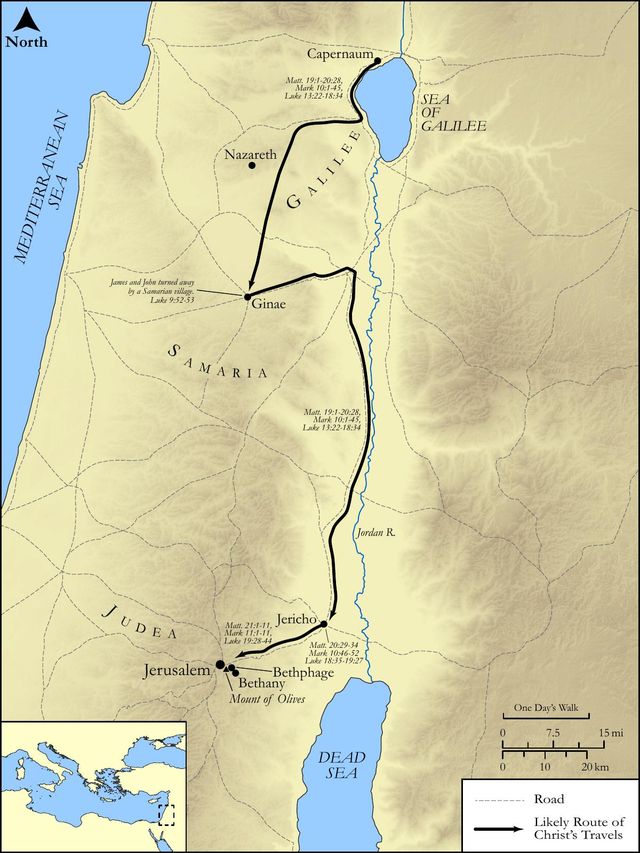
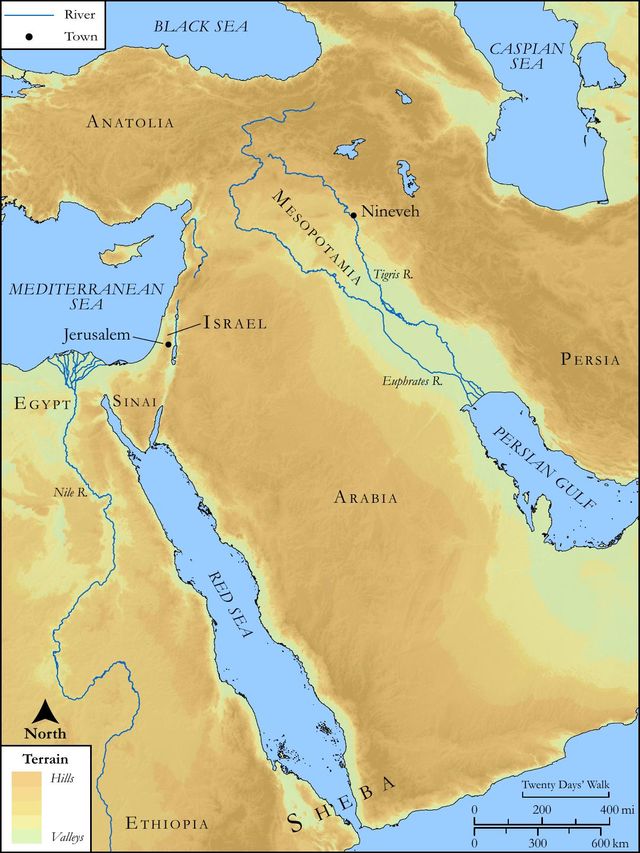
Study this verse
Public-domain commentary
Matthew Henry
From his Commentary on the Whole Bible. Henry comments on passages, not single verses — this entry covers Luke 11:37–54. His four-level outline is real structure in the source text, so it is rendered as structure.
Christ here says many of those things to a Pharisee and his guests, in a private conversation at table, which he afterwards said in a public discourse in the temple (Mt. 23); for what he said in public and private was of a piece. He would not say that in a corner which he durst not repeat and stand to in the great congregation; nor would he give those reproofs to any sort of sinners in general which he durst not apply to them in particular as he met with them; for he was, and is, the faithful Witness. Here is,
I.Christ's going to dine with a Pharisee that very civilly invited him to his house (Luk 11:37); As he spoke, even while he was speaking, a certain Pharisee interrupted him with a request to him to come and dine with him, to come forthwith, for it was dinner-time. We are willing to hope that the Pharisee was so well pleased with his discourse that he was willing to show him respect, and desirous to have more of his company, and therefore gave him this invitation and bade him truly welcome; and yet we have some cause to suspect that it was with an ill design, to break off his discourse to the people, and to have an opportunity of ensnaring him and getting something out of him which might serve for matter of accusation or reproach, Luk 11:53, Luk 11:54. We know not the mind of this Pharisee; but, whatever it was, Christ knew it: if he meant ill, he shall know Christ does not fear him; if well, he shall know Christ is willing to do him good: so he went in, and sat down to meat. Note, Christ's disciples must learn of him to be conversable, and not morose. Though we have need to be cautious what company we keep, yet we need not be rigid, nor must we therefore go out of the world.
II.The offence which the Pharisee took at Christ, as those of that sort had sometimes done at the disciples of Christ, for not washing before dinner, Luk 11:38. He wondered that a man of his sanctity, a prophet, a man of so much devotion, and such a strict conversation, should sit down to meat, and not first wash his hands, especially being newly come out of a mixed company, and there being in the Pharisee's dining-room, no doubt, all accommodations set ready for it, so that he need not fear being troublesome; and the Pharisee himself and all his guests, no doubt, washing, so that he could not be singular; what, and yet not wash? What harm had it been if he had washed? Was it not strictly commanded by the canons of their church? It was so, and therefore Christ would not do it, because he would witness against their assuming a power to impose that as a matter of religion which God commanded them not. The ceremonial law consisted in divers washings, but this was none of them, and therefore Christ would not practise it, no not in complaisance to the Pharisee who invited him, nor though he knew that offence would be taken at his omitting it.
III.The sharp reproof which Christ, upon this occasion, gave to the Pharisees, without begging pardon even of the Pharisee whose guest he now was; for we must not flatter our best friends in any evil thing.
1.He reproves them for placing religion so much in those instances of it which are only external, and fall under the eye of man, while those were not only postponed, but quite expunged, which respect the soul, and fall under the eye of God, Luk 11:39, Luk 11:40. Now observe here,
(1.)The absurdity they were guilty of: "You Pharisees make clean the outside only, you wash your hands with water, but do not wash your hearts from wickedness; these are full of covetousness and malice, covetousness of men's goods, and malice against good men." Those can never be reckoned cleanly servants that wash only the outside of the cup out of which their master drinks, or the platter out of which he eats, and take no care to make clean the inside, the filth of which immediately affects the meat or drink. The frame or temper of the mind in every religious service is as the inside of the cup and platter; the impurity of this infects the services, and therefore to keep ourselves free from scandalous enormities, and yet to live under the dominion of spiritual wickedness, is as great an affront to God as it would be for a servant to give the cup into his master's hand, clean wiped from all the dust on the outside, but within full of cobwebs and spiders. Ravening and wickedness, that is, reigning worldliness and reigning spitefulness, which men think they can find some cloak and cover for, are the dangerous damning sins of many who have made the outside of the cup clean from the more gross, and scandalous, and inexcusable sins of whoredom and drunkenness.
(2.)A particular instance of the absurdity of it: "Ye fools, did not he that made that which is without make that which is within also? Luk 11:40. Did not that God who in the law of Moses appointed divers ceremonial washings, with which you justify yourselves in these practices and impositions, appoint also that you should cleanse and purify your hearts? He who made laws for that which is without, did not he even in those laws further intend something within, and by other laws show how little he regarded the purifying of the flesh, and the putting away of the filth of that, if the heart be not made clean?" Or, it may have regard to God not only as a Lawgiver, but (which the words seem rather to import) as a Creator. Did not God, who made us these bodies (and they are fearfully and wonderfully made), make us these souls also, which are more fearfully and wonderfully made? Now, if he made both, he justly expects we should take care of both; and therefore not only wash the body, which he is the former of, and make the hands clean in honour of his work, but wash the spirit, which he is the Father of, and get the leprosy in the heart cleansed.
To this he subjoins a rule for making our creature-comforts clean to us (Luk 11:41): "Instead of washing your hands before you go to meat, give alms of such things as you have" (ta enonta - of such things as are set before you, and present with you); "let the poor have their share out of them, and then all things are clean to you, and you may use them comfortably." Here is a plain allusion to the law of Moses, by which it was provided that certain portions of the increase of their land should be given to the Levite, the stranger, the fatherless, and the widow; and, when that was done, what was reserved for their own use was clean to them, and they could in faith pray for a blessing upon it, Deu 26:12-15. Then we can with comfort enjoy the gifts of God's bounty ourselves when we send portions to them for whom nothing is prepared, Neh 8:10. Job ate not his morsel alone, but the fatherless ate thereof, and so it was clean to him (Job 31:17); clean, that is, permitted and allowed to be used, and then only can it be used comfortably. Note, What we have is not our own, unless God have his dues out of it; and it is by liberality to the poor that we clear up to ourselves our liberty to make use of our creature-comforts.
2.He reproves them for laying stress upon trifles, and neglecting the weighty matters of the law, Luk 11:42.
(1.)Those laws which related only to the means of religion they were very exact in the observance of, as particularly those concerning the maintenance of the priests: Ye pay tithe of mint and rue, pay it in kind and to the full, and will not put off the priests with a modus decimandi or compound for it. By this they would gain reputation with the people as strict observers of the law, and would make an interest in the priests, in whose power it was many a time to do them a kindness; and no wonder if the priests and the Pharisees contrived how to strengthen one another's hands. Now Christ does not condemn them for being so exact in paying tithes (these things ought ye to have done), but to think that this would atone for the neglect of their greater duties; for,
(2.)Those laws which relate to the essentials of religion they made nothing of: You pass over judgment and the love of God, you make no conscience of giving men their dues and God your hearts.
3.He reproves them for their pride and vanity, and affectations of precedency and praise of men (Luk 11:43): "Ye love the uppermost seats in the synagogues" (or consistories where the elders met for government); "if you have not those seats, you are ambitious of them; if you have, you are proud of them; and you love greetings in the markets, to be complimented by the people and to have their cap and knee." It is not sitting uppermost, or being greeted, that is reproved, but loving it.
4.He reproves them for their hypocrisy, and their colouring over the wickedness of their hearts and lives with specious pretences (Luk 11:44): "You are as graves overgrown with grass, which therefore appear not, and the men that walk over them are not aware of them, and so they contract the ceremonial pollution which by the law arose from the touch of a grave." These Pharisees were within full of abominations, as a grave of putrefaction; full of covetousness, envy, and malice; and yet they concealed it so artfully with a profession of devotion, that it did not appear, so that they who conversed with them, and followed their doctrine, were defiled with sin, infected with their corruptions and ill morals, and yet, they making a show of piety, suspected no danger by them. The contagion insinuated itself, and was insensibly caught, and those that caught it thought themselves never the worse.
IV.The testimony which he bore also against the lawyers or scribes, who made it their business to expound the law according to the tradition of the elders, as the Pharisees did to observe the law according to that tradition.
1.There was one of that profession who resented what he said against the Pharisees (Luk 11:45): "Master, thus saying thou reproachest us also, for we are scribes; and we are therefore hypocrites?" Note, It is a common thing for unhumbled sinners to call and count reproofs reproaches. It is the wisdom of those who desire to have their sin mortified to make a good use of reproaches that come from ill will, and to turn them into reproofs. If we can in this way hear of our faults, and amend them, it is well: but it is the folly of those who are wedded to their sins, and resolved not to part with them, to make an ill use of the faithful and friendly admonitions given them, which come from love, and to have their passions provoked by them as if they were intended for reproaches, and therefore fly in the face of their reprovers, and justify themselves in rejecting the reproof. Thus the prophet complained (Jer 6:10): The word of the Lord is to them a reproach; they have no delight in it. This lawyer espoused the Pharisee's cause, and so made himself partaker of his sins.
2.Our Lord Jesus thereupon took them to task (Luk 11:46): Woe unto you also, ye lawyers; and again (Luk 11:52): Woe unto you lawyers. They blessed themselves in the reputation they had among the people, who thought them happy men, because they studied the law, and were always conversant with that, and had the honour of instructing the people in the knowledge of that; but Christ denounced woes against them, for he sees not as man sees. This was just upon him for taking the Pharisee's part, and quarrelling with Christ because he reproved them. Note, Those who quarrel with the reproofs of others, and suspect them to be reproaches to them, do but get woes of their own by so doing.
(1.)The lawyers are reproved for making the services of religion more burdensome to others, but more easy to themselves, than God had made them (Luk 11:46): "You lade men with burdens grievous to be borne, by your traditions, which bind them out from many liberties God has allowed them, and bind them up to many slaveries which God never enjoined them, to show your authority, and to keep people in awe; but you yourselves touch them not with one of your fingers;" that is, [1.] "You will not burden yourselves with them, nor be yourselves bound by those restraints with which you hamper others." They would seem, by the hedges they pretended to make about the law, to be very strict for the observance of the law; but, if you could see their practices, you would find that they not only make nothing of those hedges themselves, but make nothing of the law itself neither: thus the confessors of the Romish church are said to do with their penitents. [2.] "You will not lighten them to those you have power over; you will not touch them, that is, either to repeal them or to dispense with them when you find them to be burdensome and grievous to the people." They would come in with both hands to dispense with a command of God, but not with a finger to mitigate the rigour of any of the traditions of the elders.
(2.)They are reproved for pretending a veneration for the memory of the prophets whom their fathers killed, when yet they hated and persecuted those in their own day who were sent to them on the same errand, to call them to repentance, and direct them to Christ, Luk 11:47-49.
[1.]These hypocrites, among other pretences of piety, built the sepulchres of the prophets; that is, they erected monuments over their graves, in honour of them, probably with large inscriptions containing high encomiums of them. They were not so superstitious as to enshrine their relics, or to think their devotions the more acceptable to God for being offered at the tombs of the martyrs; they did not burn incense or pray to them, or plead their merits with God; they did not add that iniquity to their hypocrisy; but, as if they owned themselves the children of the prophets, their heirs and executors, they repaired and beautified the monuments sacred to their pious memory.
[2.]Notwithstanding this, they had an inveterate enmity to those in their own day that came to them in the spirit and power of those prophets; and, though they had not yet had an opportunity of carrying it far, yet they would soon do it, for the Wisdom of God said, that is, Christ himself would so order it, and did now foretel it, that they would slay and persecute the prophets and apostles that should be sent them. The Wisdom of God would thus make trial of them, and discover their odious hypocrisy, by sending them prophets, to reprove them for their sins and warn them of the judgments of God. Those prophets should prove themselves apostles, or messengers sent from heaven, by signs, and wonders, and gifts of the Holy Ghost. Or, "I will send them prophets under the style and title of apostles, who yet shall produce as good an authority as any of the old prophets did; and these they shall not only contradict and oppose, but slay and persecute, and put to death." Christ foresaw this, and yet did not otherwise than as became the Wisdom of God in sending them, for he knew how to bring glory to himself in the issue, by the recompences reserved both for the persecutors and the persecuted in the future state.
[3.]That therefore God will justly put another construction upon their building the tombs of the prophets than what they would be thought to intend, and it shall be interpreted their allowing the deeds of their fathers (Luk 11:45); for, since by their present actions it appeared that they had no true value for their prophets, the building of their sepulchres shall have this sense put upon it, that they resolved to keep them in their graves whom their fathers had hurried thither. Josiah, who had a real value for prophets, thought it enough not to disturb the grave of the man of God at Bethel: Let no man move his bones, Kg2 23:17, Kg2 23:18. If these lawyers will carry the matter further, and will build their sepulchres, it is such a piece of over-doing as gives cause to suspect an ill design in it, and that it is meant as a cover for some design against prophecy itself, like the kiss of a traitor, as he that blesseth his friend with a loud voice, rising early in the morning, it shall be counted a curse to him, Pro 27:14.
[4.]That they must expect no other than to be reckoned with, as the fillers up of the measure of persecution, Luk 11:50, Luk 11:51. They keep up the trade as it were in succession, and therefore are responsible for the debts of the company, even those it has been contracting all along from the blood of Abel, when the world began, to that of Zacharias, and so forward to the end of the Jewish state; it shall all be required of this generation, this last generation of the Jews, whose sin in persecuting Christ's apostles would exceed any of the sins of that kind that their fathers were guilty of, and so would bring wrath upon them to the uttermost, Th1 2:15, Th1 2:16. Their destruction by the Romans was so terrible that it might well be reckoned the completing of God's vengeance upon that persecuting nation.
(3.)They are reproved for opposing the gospel of Christ, and doing all they could to obstruct the progress and success of it, Luk 11:52.
[1.]They had not, according to the duty of their place, faithfully expounded to the people those scriptures of the Old Testament which pointed at the Messiah, which if they had been led into the right understanding of by the lawyers, they would readily have embraced him and his doctrine: but, instead of that, they had perverted those texts, and had cast a mist before the eyes of the people, by their corrupt glosses upon them, and this is called taking away the key of knowledge; instead of using that key for the people, and helping them to use it aright, they hid it from them; this is called, in Matthew, shutting up the kingdom of heaven against men, Mat 23:13. Note, those who take away the key of knowledge shut up the kingdom of heaven.
[2.]They themselves did not embrace the gospel of Christ, though by their acquaintance with the Old Testament they could not but know that the time was fulfilled, and the kingdom of God was at hand; they saw the prophecies accomplished in that kingdom which our Lord Jesus was about to set up, and yet would not themselves enter into it. Nay,
[3.]Them that without any guidance or assistance of theirs were entering in they did all they could to hinder and discourage, by threatening to cast them out of the synagogue, and otherwise terrifying them. It is bad for people to be averse to revelation, but much worse to be adverse to it.
Lastly, In the close of the chapter we are told how spitefully and maliciously the scribes and Pharisees contrived to draw him into a snare, Luk 11:53, Luk 11:54. They could not bear those cutting reproofs which they must own to be just; but what he had said against them in particular would not bear an action, nor could they ground upon it any criminal accusation, and therefore, as if, because his reproofs were warm, they hoped to stir him up to some intemperate heat and passion, so as to put him off his guard, they began to urge him vehemently, to be very fierce upon him, and to provoke him to speak of many things, to propose dangerous questions to him, laying wait for something which might serve the design they had of making him either odious to the people, or obnoxious to the government, or both. Thus did they seek occasion against him, like David's enemies that did every day wrest his words, Psa 56:5. Evil men dig up mischief. Note, Faithful reprovers of sin must expect to have many enemies, and have need to set a watch before the door of their lips, because of their observers that watch for their halting. The prophet complains of those in his time who make a man an offender for a word, and lay a snare for him that reproveth in the gate, Isa 29:21. That we may bear trials of this kind with patience, and get through them with prudence, let us consider him who endured such contradiction of sinners against himself.
Historical interpretation
Nine Centuries of Reception
14 surviving comments on this verse. Each one is dated, so this reads as a timeline rather than a list.
Select a marker to jump to its quote. Markers stagger vertically where authors wrote within a few decades of each other.
(Apol. 1. de fuga sua.) Now if they kill, the death of the slain will cry out the louder against them; if they pursue, they send forth memorials of their iniquity, for flight makes the pursuit of the sufferers to redound to the great disgrace of the pursuers. For no one flees from the merciful and gentle, but rather from the cruel and evil-minded man. And therefore it follows, That the blood of all the prophets who have been slain from the foundation of the world may be required of this generation.
He said, “That all the blood of the just may come on you,” because they killed the Avenger of the righteous ones’ deaths. The vengeance for their deaths is sought from their hands. One who kills the judge is indeed a friend of murderers, because in killing the judge, he has suppressed vengeance and opened the way for murderers. The Lord also said, “From the blood of Abel, the righteous one, to the blood of Zechariah,” and not only until then but even until this day. Although still among them, he did not avenge his own blood until after they killed him, lest they say that it had been predetermined that he do this. He pronounced the sentence of judgment in relation to the righteous who had gone before, so that they might respect the righteous who were to follow. He gave them an opportunity to do penance for having put him to death, although according to the law, there could be no opportunity for repentance for one who murders the prophets. The law says, “Let the one who kills die,” and not, “See if he does penance, and then pardon him.” He gave them an opportunity to do penance, if they had wished, for having put him to death.
Woe to you, lawyers, because you have hidden the keys! That is, because they had hidden the knowledge of our Lord’s manifestation which was in the prophecies. If our Lord is the door, as he has said, it is clear that the keys of knowledge belong to him. The scribes and Pharisees did not want to enter through this door of life, in keeping with what he had said, “See, the kingdom is among you.” [He was referring to] himself, for he was standing in their midst.
(in Esai. 1.) This word woe, which is uttered with pain intolerable, is suited to those who were shortly after to be cast out into grievous punishment.
So also are there now many severe judges of sinners, yet weak combatants; burdensome imposers of laws, yet weak bearers of burdens; who wish neither to approach nor to touch strictness of life, though they sternly exact it from their subjects.
(Orat. in Diem Nat. Christi.) But some say that Zacharias, the father of John, by the spirit of prophecy forecasting the mystery of the immaculate virginity of the mother of God, in no wise separated her from the part of the temple set apart for virgins, wishing to show that it was in the power of the Creator of all things to manifest a new birth, while he did not deprive the mother of the glory of her virginity. Now this part was between the altar and the temple, in which was placed the brazen altar, where for this reason they slew him. It is said also, that when they heard the King of the world was about to come, from fear of subjection they designedly attacked him who bore witness to His coming, and slew the priest in the temple.
This is a good answer to the foolish superstition of the Jews, who in building the tombs of the prophets condemned the deeds of their fathers, but by rivalling their fathers' wickedness, throw back the sentence upon themselves. For not the building but the imitation of their deeds is looked upon as a crime. Therefore He adds, Truly ye bear witness that ye allow, &c.
The wisdom of God is Christ. The words indeed in Matthew are, Behold I send unto you prophets and wise men.
Those also are even now condemned under the name of Jews, and made subject to future punishment, who, while usurping to themselves the teaching of divine knowledge, both hinder others, and do not themselves acknowledge that which they profess.
Also a good argument against the most foolish superstition of the Jews, who condemned the building of tombs for the prophets and their fathers; but by emulating their fathers' crimes, they turned the judgment upon themselves. Indeed, by constructing the tombs of the prophets, they were accusing those who had killed them of wrongdoing; and by imitating similar actions, they were also revealing themselves as heirs of their fathers' wickedness. Therefore, it is not the act of building, but the act of emulation that is considered a crime. For those who crucified the Son of God, which is the more serious offense, added to the heap of their father's crimes, cannot be absolved from hereditary wickedness. And therefore he rightly added elsewhere: Fill up the measure of your fathers; because there is nothing more serious that they can sin beyond the injury against God.
Therefore Wisdom sends apostles and prophets to them. Who is Wisdom if not Christ? Finally, in Matthew you have: Behold, I send you prophets and wise men.
They are still accused under the name of the Jews, and they are determined to be subject to future punishment; because while they claim for themselves the teaching of divine knowledge and hinder others, they themselves do not recognize what they profess.
(Hom. 74. in Matt.) But if He means that the Jews are about to suffer worse things, this will not be undeserved, for they have dared to do worse than all. And they have been corrected by none of their past calamities, but when they saw others sin, and punished, they were not made better, but did likewise; yet it will not be that one shall suffer punishment for the sins of others.
John says in the book of Revelation, “He who has the key of David, he who opens and no one shuts, and who shuts and no one opens.” The scribes and Pharisees held this key in the law. The Lord warns them in the Gospel, “Woe to you lawyers, who hold the key of the kingdom of heaven.” O you Pharisees, who hold the keys of the kingdom and do not believe in Christ who is the gate of the kingdom and the door. The promise is made to you, but it is granted to us. You have the flesh, but we have the spirit. Since you deny the spirit, you have lost the flesh with the spirit.
Now this urging is taken to mean pressing upon Him, or threatening Him, or waxing furious against Him. But they began to interrupt His words in many ways, as it follows, And to force him to speak of many things.
This key is Christ the Lord, by whom the hidden places of our hearts are unlocked to believing faith. The Pharisees lost this key, and the apostles found it. The Lord says to Peter, “I will give you the keys of the kingdom of heaven.” The hand of the synagogue, abandoning Christ, withered up among the leaders of the Jews. The hand of the synagogue grew unhealthy, for whoever deserts the source, which is Christ, immediately gets sick and is found sicker than all the other members.
In what a grievous state is that conscience, which hearing the word of God thinks it a reproach against itself, and in the account of the punishment of the wicked perceives its own condemnation.
Now they are rightly told that they would not touch the burdens of the Law even with one of their fingers, that is, they fulfil not in the slightest point that law which they pretend to keep and transmit to the keeping of others, contrary to the practice of their fathers, without faith and the grace of Christ.
They pretended indeed, in order to win the favour of the multitude, that they were shocked at the unbelief of their fathers, since by splendidly honouring the memories of the prophets who were slain by them they condemned their deeds. But in their very actions they testify how much they coincide with their fathers' wickedness, by treating with insult that Lord whom the prophets foretold. Hence it is added, Therefore also said the wisdom of God, I will send them prophets and apostles, and some of them they shall slay and persecute.
But if the same Wisdom of God sent prophets and Apostles, let heretics cease to assign to Christ a beginning from the Virgin; let them no longer declare one God of the Law and Prophets, another of the New Testament. For although the Apostolic Scripture often calls by the name of prophets not only those who foretell the coming Incarnation of Christ, but those also who foretell the future joys of the kingdom of heaven, yet I should never suppose that these were to be placed before the Apostles in the order of enumeration.
It is asked, How comes it that the blood of all the prophets and just men is required of the single generation of the Jews; whereas many of the saints, both before the Incarnation and after, have been slain by other nations? But it is the manner of the Scriptures frequently to reckon two generations of men, one of the good, and the other of the evil.
Why He begins from the blood of Abel, who was the first martyr, we need not wonder; but why, to the blood of Zacharias, is a question, since many were slain after him even up to our Lord's birth, and soon after His birth the Innocents, unless perhaps it was because Abel was a shepherd, Zacharias a Priest. And the one was killed in the field, the other in the court of the temple, martyrs of each class, that is, under their names are shadowed both laymen, and those engaged in the office of the altar.
But how true were the charges of unbelief, hypocrisy, and impiety, brought against the Pharisees and Lawyers they themselves testify, striving not to repent, but to entrap the Teacher of truth; for it follows, And as he said these things to them, the Pharisees and Lawyers began to urge him vehemently.
Now the Lawyers were different from the Pharisees. For the Pharisees being separated from the rest had the appearance of a religious sect; but those skilled in the Law were the Scribes and Doctors who solved legal questions.
As often also as the teacher does what he teaches, he lightens the load, offering himself for an example. But when he does none of the things which he teaches others, the loads appear heavy to those who learn his teaching, as being what even their teacher is not able to bear.
But our Lord shows that the Jews have inherited the malice of Cain, since he adds, From the blood of Abel, to the blood of Zacharias, &c. Abel, inasmuch as he was slain by Cain; but Zacharias, whom they slew between the temple and the altar, some say was the Zacharias of old time, the son of Jehoiadah the Priest.
For when several are questioning a man on different subjects, since he can not reply to all at once, foolish people think he is doubting. This also was part of their wicked design against Him; but they sought also in another way to control His power of speech, namely, by provoking Him to say something by which He might be condemned; whence it follows, Laying in wait for him, and seeking to catch something out of his mouth, that they might accuse him. Having first spoken of "forcing," Luke now says to catch or seize something from His mouth; at one time indeed they asked Him concerning the Law, that they might convict as a blasphemer Him who accused Moses; but at another time concerning Cæsar, that they might accuse Him as a traitor and rebel against the majesty of Cæsar.
(Geometer.) But others give another reason for the destruction of Zacharias. For at the murder of the children the blessed John was to be slain with the rest of the same age, but Elisabeth, snatching up her son from the midst of the slaughter, sought the desert. And so when Herod's soldiers could not find Elisabeth and the child, they turn their wrath against Zacharias, killing him as he was ministering in the temple.
It follows, Woe to you, lawyers, for ye have taken away the key of knowledge.
Continue studying Luke 11:54 across the web’s major study libraries — every link below opens this exact verse, chapter, or book on the destination site.
Read & Compare
 BibleGatewayThis verse in more than 200 translations and 70 languages.
 Bible.comThe YouVersion reader — hundreds of translations, reading plans, and highlights.
 ESV.orgCrossway's official English Standard Version reader.
 NET BibleThe NET translation with 60,000+ translators' notes on every rendering decision.
 STEP BibleTyndale House's free study tool — original text, vocabulary, and scholarly resources.
 BibliaLogos Bible Software's free web reader.
 USCCBThe New American Bible (Revised Edition) with the U.S. bishops' study notes.
Commentaries
 BibleHub CommentariesDozens of classic commentaries on this verse, gathered on one page.
 StudyLightMore than 100 commentary sets — the largest collection on the web.
 BibleRefPlain-English commentary on what this verse means, verse by verse.
 Enduring WordDavid Guzik's free commentary on this chapter, widely used by Bible teachers.
 Bible Study ToolsVerse commentary alongside Greek and Hebrew study aids.
Original Language & Research
- BibleHub InterlinearThe verse word by word — original language, transliteration, and English.
- BibleHub LexiconEvery word's original-language definition and Strong's entry.
 Blue Letter BibleDeep-study tools — Strong's numbers, concordance, and word studies.
 CNTR CollationThe earliest Greek manuscripts of this verse, collated letter by letter.
Sermons, Hymns & Audio


TrulyRandomVerse is not affiliated with these sites and doesn’t control their content. They’re linked because they’re genuinely useful.
Summary
Following Jesus' scathing pronouncements of "woes" against the hypocrisy and legalism of the religious elite, Luke 11:54 vividly portrays the escalating animosity of the scribes and Pharisees. Rather than engaging with His divine truth or repenting, these adversaries were consumed by a malicious intent, actively plotting to entrap Jesus with His own words, seeking any pretext to accuse and condemn Him legally or religiously. This verse encapsulates the deep-seated opposition Jesus faced from those who felt threatened by His authority and teachings.
Context
ShowHideLiterary Context
This verse immediately follows Jesus' series of "woes" directed at the Pharisees and lawyers in Luke 11:42-52. These pronouncements were delivered after a meal at a Pharisee's house, where Jesus had already challenged their outward displays of piety contrasted with their inner corruption (Luke 11:37-41). The intensity of Jesus' condemnation, particularly His accusation that they were like unmarked graves and that they had taken away the key of knowledge, provoked extreme hostility. Their response in Luke 11:53 describes them as beginning to "urge Him vehemently, and to provoke Him to speak of many things," setting the stage for the specific malicious intent described in Luke 11:54. This immediate literary context highlights the direct cause-and-effect relationship between Jesus' truthful rebuke and His enemies' vengeful plotting.
Historical & Cultural Context
The religious landscape of first-century Judea was dominated by groups like the Pharisees and lawyers (scribes), who held significant social, religious, and political influence. They were the custodians and interpreters of the Mosaic Law and the oral traditions. Jesus' teachings, which emphasized internal righteousness over external ritual, divine authority over human tradition, and grace over legalism, directly challenged their power structure and theological interpretations. Their "laying wait" and "seeking to catch something" reflect a common tactic of the time, where public figures were often scrutinized for any statement that could be construed as blasphemy against God (punishable by stoning under Jewish law) or sedition against Roman authority (punishable by crucifixion). The Jewish leaders were under Roman occupation, and any perceived threat to the fragile peace or accusation of inciting rebellion would be taken seriously by the Roman prefect, Pontius Pilate. Their actions were not a genuine search for truth but a calculated effort to discredit and eliminate a perceived rival.
Key Themes
ShowHideLuke 11:54 contributes significantly to several overarching themes in Luke's Gospel and the broader biblical narrative. Firstly, it underscores the radical opposition to Jesus from the established religious authorities, a theme prevalent throughout His ministry, especially as He approaches Jerusalem (e.g., Luke 19:47-48). Secondly, it highlights the malicious intent and hypocrisy of those who outwardly appeared righteous but inwardly harbored evil designs, a stark contrast to Jesus' call for genuine repentance and inner transformation (Luke 11:39-40). Thirdly, the verse illustrates the power of words—both Jesus' words of truth that expose sin, and His enemies' desire to twist those words for destructive purposes. Finally, it foreshadows the inevitable conflict and ultimate rejection of Jesus by many Jewish leaders, which culminates in His trial and crucifixion, demonstrating how human sinfulness actively resists divine revelation and grace.
Exposition and Analysis
ShowHideKey Word Analysis
ShowHideMeaning "to lurk, i.e. (figuratively) plot assassination." This word conveys a sense of deliberate, hidden, and hostile intent. It's not a casual observation but a calculated ambush, suggesting a pre-meditated plan to ensnare Jesus. The underlying meaning of plotting assassination, even if not immediately physical, points to their desire to destroy His ministry and influence, akin to a spiritual death sentence.
Meaning "to hunt (an animal), i.e. (figuratively) to carp at." This term evokes the imagery of a hunter setting a trap or snare for prey. It emphasizes the cunning and predatory nature of their actions, aiming to ensnare Jesus with His own words as one would catch an animal. This is not about a fair debate but about trapping someone through deception and manipulation.
Meaning "to be a plaintiff, i.e. to charge with some offence." This word refers to bringing a formal charge or indictment against someone in a legal or public setting. It reveals their ultimate goal: to find a legitimate (in their eyes) legal or religious basis to condemn Jesus, leading to His arrest, trial, and punishment. Their intent was to act as prosecutors against Him.
Verse Breakdown
ShowHide"Laying wait for him"
This phrase describes the posture and disposition of Jesus' enemies. It signifies a deliberate, premeditated, and hostile surveillance. They were not merely present but actively positioned themselves to observe Jesus, not out of curiosity or a desire to learn, but with the specific purpose of finding fault. The term implies a hidden, deceptive approach, like an ambush.
"and seeking to catch something out of his mouth"
This reveals the specific method of their ambush. They were actively looking for an opportunity, a slip of the tongue, a controversial statement, or an apparent contradiction in Jesus' words. The imagery of "catching" suggests a trap, where Jesus' own words would be the bait or the snare. They hoped He would say something that could be twisted or misinterpreted to serve their malicious agenda, whether it be a theological error, a political sedition, or a personal offense.
"that they might accuse him"
This states the ultimate, malevolent objective of their actions. Their entire scheme—the waiting, the seeking, the verbal trap—was designed to gather evidence, however fabricated or distorted, to bring formal charges against Jesus. This accusation could be before the Sanhedrin for blasphemy or before the Roman authorities for sedition, ultimately aiming to justify His condemnation and removal.
Literary Devices
ShowHideLuke 11:54 employs several powerful literary devices to convey the depth of the adversaries' malice. Metaphor is evident in the phrase "to catch something out of his mouth," which likens Jesus' words to prey that can be snared, highlighting the predatory nature of His enemies. This is further emphasized by the implied Antithesis between Jesus, who speaks truth and offers life, and His opponents, who seek to twist truth and bring about death. There is also a strong sense of Foreshadowing in this verse, as it anticipates the numerous attempts to entrap Jesus with questions (e.g., about tribute to Caesar, Matthew 22:15-22), and ultimately His trial where He is indeed falsely accused and condemned based on distorted testimony (Mark 14:55-59). The verse also contains a subtle Irony: those who claimed to uphold God's law were actively plotting against the very embodiment of that law, demonstrating their profound spiritual blindness and moral corruption.
Theological and Thematic Connections
ShowHideLuke 11:54 profoundly illustrates the enduring conflict between light and darkness, truth and deception, and the divine will versus human rebellion. The religious leaders' actions are not merely personal animosity but a manifestation of the spiritual forces arrayed against God's redemptive plan. Their desire to "catch something out of His mouth" and "accuse Him" reflects humanity's fallen tendency to reject divine authority and to seek to control or eliminate that which challenges its self-righteousness. The verse underscores the truth that obedience to God often provokes hostility from those entrenched in sin and worldly power, revealing the spiritual battle that undergirds all human interactions concerning truth.
Reflection and Application
ShowHideLuke 11:54 serves as a potent reminder that genuine faithfulness to God and His truth often invites opposition, particularly from those whose comfort, power, or self-perception is challenged. It compels us to examine our own hearts: do we genuinely seek truth, or do we, like the Pharisees, approach difficult conversations with a pre-determined agenda to find fault and condemn? This verse encourages believers to exercise wisdom and discernment in their interactions, recognizing that not all criticism is constructive and some individuals are motivated by malice rather than a desire for truth. It also reminds us that standing for righteousness, as Jesus did, can lead to unjust accusations and persecution. Yet, in the face of such hostility, our call is to remain steadfast in truth, trusting in God's sovereign plan, even when our words are twisted or used against us.
Questions for Reflection
ShowHideFAQ
ShowHideWhat was the primary motivation of the religious leaders in Luke 11:54?
ShowHideThe primary motivation of the religious leaders was not a genuine desire for truth or understanding, but a malicious intent to discredit, condemn, and ultimately eliminate Jesus. They were enraged by His direct challenges to their authority and exposure of their hypocrisy (Luke 11:42-52). Their goal was to find a legal or religious pretext to accuse Him, thereby removing Him as a threat to their established power and traditions.
How does this verse relate to other instances of opposition to Jesus in the Gospels?
ShowHideLuke 11:54 is highly representative of the ongoing and escalating opposition Jesus faced throughout His ministry. Similar attempts to entrap Him with questions are seen in passages like Matthew 22:15-22, where they tried to ensnare Him with a question about paying taxes to Caesar, and Mark 12:13-17. This continuous "laying wait" and "seeking to catch" His words ultimately culminates in His arrest and trial, where false witnesses are brought against Him (Mark 14:55-59), demonstrating the fulfillment of their malicious intent.
Christ-Centered Fulfillment
ShowHideLuke 11:54, with its stark depiction of the religious leaders' malicious plotting, finds its profound Christ-centered fulfillment in the ultimate triumph of God's redemptive plan over human sin and opposition. The very accusations they sought to levy against Jesus, the "something out of his mouth" they desperately tried to catch, would ultimately be used by God to bring about the salvation of the world. While they plotted His demise, seeking to condemn Him as a criminal or blasphemer, Jesus, the innocent Lamb of God, willingly submitted to their unjust accusations. His silence before His accusers (Isaiah 53:7) and His powerful, truth-filled words during His ministry (John 8:46) served as the very means by which He exposed the darkness and secured eternal life. The "accusation" they sought to bring against Him became the charge that nailed Him to the cross, where He bore the true accusation of humanity's sin, becoming the propitiation for our transgressions (Romans 3:25). Thus, the cunning schemes of men were ultimately subverted by the wisdom and power of God, transforming an act of malicious intent into the very foundation of grace and redemption, demonstrating that even the deepest human depravity cannot thwart God's sovereign purpose to save through His Son (Acts 2:23).