


Luke 11:40
Bible text: King James Version (1769 Blayney text) · Public domain
Bible text: Berean Standard Bible · Public domain
Bible text: American Standard Version (1901) · Public domain
Bible text: World English Bible, Messianic edition · Public domain
Bible text: Geneva Bible (1599) · Public domain
Bible text: Young's Literal Translation · Public domain
- ἄφρονεςaphronesFools!G878A-VPMAdjective Vocative Plural Masculine
- οὐχouchSurelyG3756PRT-NNegative Particle Negative
- ὁhothe [One]G3588T-NSMDefinite article Nominative Singular Masculine
- ποιήσαςpoiēsashaving madeG4160V-AAP-NSMVerb Aorist Active Participle Nominative Singular Masculine
- τὸtotheG3588T-ASNDefinite article Accusative Singular Neuter
- ἔξωθενexōthenoutsideG1855PREPPreposition
- καὶkaialsoG2532CONJConjunction
- τὸtotheG3588T-ASNDefinite article Accusative Singular Neuter
- ἔσωθενesōtheninsideG2081ADVAdverb
- ἐποίησεν;epoiēsenmade?G4160V-AAI-3SVerb Aorist Active Indicative 3rd Singular
English is a literal word-by-word gloss of the Greek, not the KJV's wording. Why?
This is the original text the KJV's translators worked from — each Greek word with its own literal English meaning in this verse, prepared by scholars at Tyndale House, Cambridge. The KJV translates whole sentences, not word by word, so its wording differs: one Greek word can become several English words, and the KJV may choose “charity” where the gloss reads “love”. Both are faithful — they answer different questions. For the KJV's own rendering, switch to the KJV text.
Details
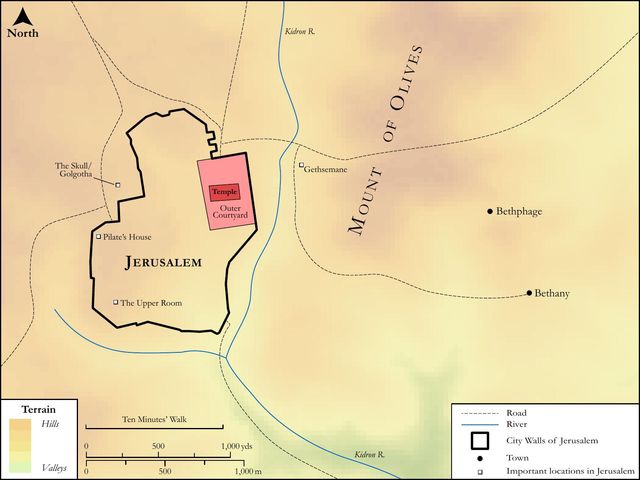
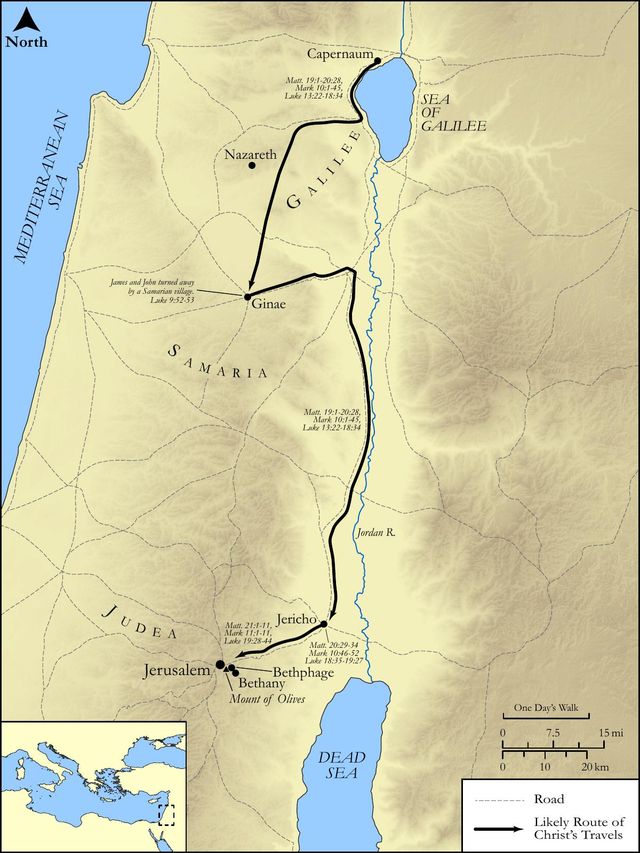
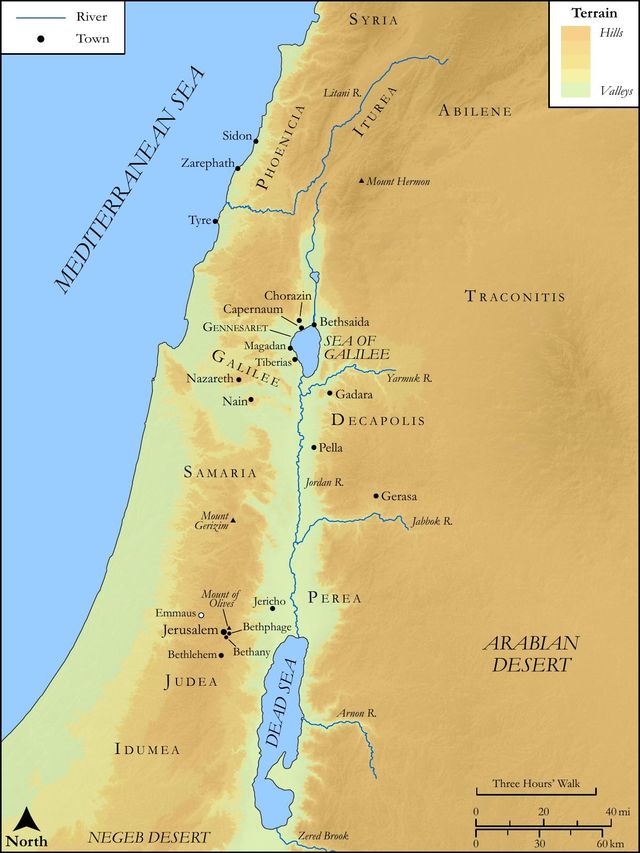
See on the biblical-era maps
Study this verse
Public-domain commentary
Matthew Henry
From his Commentary on the Whole Bible. Henry comments on passages, not single verses — this entry covers Luke 11:37–54. His four-level outline is real structure in the source text, so it is rendered as structure.
Christ here says many of those things to a Pharisee and his guests, in a private conversation at table, which he afterwards said in a public discourse in the temple (Mt. 23); for what he said in public and private was of a piece. He would not say that in a corner which he durst not repeat and stand to in the great congregation; nor would he give those reproofs to any sort of sinners in general which he durst not apply to them in particular as he met with them; for he was, and is, the faithful Witness. Here is,
I.Christ's going to dine with a Pharisee that very civilly invited him to his house (Luk 11:37); As he spoke, even while he was speaking, a certain Pharisee interrupted him with a request to him to come and dine with him, to come forthwith, for it was dinner-time. We are willing to hope that the Pharisee was so well pleased with his discourse that he was willing to show him respect, and desirous to have more of his company, and therefore gave him this invitation and bade him truly welcome; and yet we have some cause to suspect that it was with an ill design, to break off his discourse to the people, and to have an opportunity of ensnaring him and getting something out of him which might serve for matter of accusation or reproach, Luk 11:53, Luk 11:54. We know not the mind of this Pharisee; but, whatever it was, Christ knew it: if he meant ill, he shall know Christ does not fear him; if well, he shall know Christ is willing to do him good: so he went in, and sat down to meat. Note, Christ's disciples must learn of him to be conversable, and not morose. Though we have need to be cautious what company we keep, yet we need not be rigid, nor must we therefore go out of the world.
II.The offence which the Pharisee took at Christ, as those of that sort had sometimes done at the disciples of Christ, for not washing before dinner, Luk 11:38. He wondered that a man of his sanctity, a prophet, a man of so much devotion, and such a strict conversation, should sit down to meat, and not first wash his hands, especially being newly come out of a mixed company, and there being in the Pharisee's dining-room, no doubt, all accommodations set ready for it, so that he need not fear being troublesome; and the Pharisee himself and all his guests, no doubt, washing, so that he could not be singular; what, and yet not wash? What harm had it been if he had washed? Was it not strictly commanded by the canons of their church? It was so, and therefore Christ would not do it, because he would witness against their assuming a power to impose that as a matter of religion which God commanded them not. The ceremonial law consisted in divers washings, but this was none of them, and therefore Christ would not practise it, no not in complaisance to the Pharisee who invited him, nor though he knew that offence would be taken at his omitting it.
III.The sharp reproof which Christ, upon this occasion, gave to the Pharisees, without begging pardon even of the Pharisee whose guest he now was; for we must not flatter our best friends in any evil thing.
1.He reproves them for placing religion so much in those instances of it which are only external, and fall under the eye of man, while those were not only postponed, but quite expunged, which respect the soul, and fall under the eye of God, Luk 11:39, Luk 11:40. Now observe here,
(1.)The absurdity they were guilty of: "You Pharisees make clean the outside only, you wash your hands with water, but do not wash your hearts from wickedness; these are full of covetousness and malice, covetousness of men's goods, and malice against good men." Those can never be reckoned cleanly servants that wash only the outside of the cup out of which their master drinks, or the platter out of which he eats, and take no care to make clean the inside, the filth of which immediately affects the meat or drink. The frame or temper of the mind in every religious service is as the inside of the cup and platter; the impurity of this infects the services, and therefore to keep ourselves free from scandalous enormities, and yet to live under the dominion of spiritual wickedness, is as great an affront to God as it would be for a servant to give the cup into his master's hand, clean wiped from all the dust on the outside, but within full of cobwebs and spiders. Ravening and wickedness, that is, reigning worldliness and reigning spitefulness, which men think they can find some cloak and cover for, are the dangerous damning sins of many who have made the outside of the cup clean from the more gross, and scandalous, and inexcusable sins of whoredom and drunkenness.
(2.)A particular instance of the absurdity of it: "Ye fools, did not he that made that which is without make that which is within also? Luk 11:40. Did not that God who in the law of Moses appointed divers ceremonial washings, with which you justify yourselves in these practices and impositions, appoint also that you should cleanse and purify your hearts? He who made laws for that which is without, did not he even in those laws further intend something within, and by other laws show how little he regarded the purifying of the flesh, and the putting away of the filth of that, if the heart be not made clean?" Or, it may have regard to God not only as a Lawgiver, but (which the words seem rather to import) as a Creator. Did not God, who made us these bodies (and they are fearfully and wonderfully made), make us these souls also, which are more fearfully and wonderfully made? Now, if he made both, he justly expects we should take care of both; and therefore not only wash the body, which he is the former of, and make the hands clean in honour of his work, but wash the spirit, which he is the Father of, and get the leprosy in the heart cleansed.
To this he subjoins a rule for making our creature-comforts clean to us (Luk 11:41): "Instead of washing your hands before you go to meat, give alms of such things as you have" (ta enonta - of such things as are set before you, and present with you); "let the poor have their share out of them, and then all things are clean to you, and you may use them comfortably." Here is a plain allusion to the law of Moses, by which it was provided that certain portions of the increase of their land should be given to the Levite, the stranger, the fatherless, and the widow; and, when that was done, what was reserved for their own use was clean to them, and they could in faith pray for a blessing upon it, Deu 26:12-15. Then we can with comfort enjoy the gifts of God's bounty ourselves when we send portions to them for whom nothing is prepared, Neh 8:10. Job ate not his morsel alone, but the fatherless ate thereof, and so it was clean to him (Job 31:17); clean, that is, permitted and allowed to be used, and then only can it be used comfortably. Note, What we have is not our own, unless God have his dues out of it; and it is by liberality to the poor that we clear up to ourselves our liberty to make use of our creature-comforts.
2.He reproves them for laying stress upon trifles, and neglecting the weighty matters of the law, Luk 11:42.
(1.)Those laws which related only to the means of religion they were very exact in the observance of, as particularly those concerning the maintenance of the priests: Ye pay tithe of mint and rue, pay it in kind and to the full, and will not put off the priests with a modus decimandi or compound for it. By this they would gain reputation with the people as strict observers of the law, and would make an interest in the priests, in whose power it was many a time to do them a kindness; and no wonder if the priests and the Pharisees contrived how to strengthen one another's hands. Now Christ does not condemn them for being so exact in paying tithes (these things ought ye to have done), but to think that this would atone for the neglect of their greater duties; for,
(2.)Those laws which relate to the essentials of religion they made nothing of: You pass over judgment and the love of God, you make no conscience of giving men their dues and God your hearts.
3.He reproves them for their pride and vanity, and affectations of precedency and praise of men (Luk 11:43): "Ye love the uppermost seats in the synagogues" (or consistories where the elders met for government); "if you have not those seats, you are ambitious of them; if you have, you are proud of them; and you love greetings in the markets, to be complimented by the people and to have their cap and knee." It is not sitting uppermost, or being greeted, that is reproved, but loving it.
4.He reproves them for their hypocrisy, and their colouring over the wickedness of their hearts and lives with specious pretences (Luk 11:44): "You are as graves overgrown with grass, which therefore appear not, and the men that walk over them are not aware of them, and so they contract the ceremonial pollution which by the law arose from the touch of a grave." These Pharisees were within full of abominations, as a grave of putrefaction; full of covetousness, envy, and malice; and yet they concealed it so artfully with a profession of devotion, that it did not appear, so that they who conversed with them, and followed their doctrine, were defiled with sin, infected with their corruptions and ill morals, and yet, they making a show of piety, suspected no danger by them. The contagion insinuated itself, and was insensibly caught, and those that caught it thought themselves never the worse.
IV.The testimony which he bore also against the lawyers or scribes, who made it their business to expound the law according to the tradition of the elders, as the Pharisees did to observe the law according to that tradition.
1.There was one of that profession who resented what he said against the Pharisees (Luk 11:45): "Master, thus saying thou reproachest us also, for we are scribes; and we are therefore hypocrites?" Note, It is a common thing for unhumbled sinners to call and count reproofs reproaches. It is the wisdom of those who desire to have their sin mortified to make a good use of reproaches that come from ill will, and to turn them into reproofs. If we can in this way hear of our faults, and amend them, it is well: but it is the folly of those who are wedded to their sins, and resolved not to part with them, to make an ill use of the faithful and friendly admonitions given them, which come from love, and to have their passions provoked by them as if they were intended for reproaches, and therefore fly in the face of their reprovers, and justify themselves in rejecting the reproof. Thus the prophet complained (Jer 6:10): The word of the Lord is to them a reproach; they have no delight in it. This lawyer espoused the Pharisee's cause, and so made himself partaker of his sins.
2.Our Lord Jesus thereupon took them to task (Luk 11:46): Woe unto you also, ye lawyers; and again (Luk 11:52): Woe unto you lawyers. They blessed themselves in the reputation they had among the people, who thought them happy men, because they studied the law, and were always conversant with that, and had the honour of instructing the people in the knowledge of that; but Christ denounced woes against them, for he sees not as man sees. This was just upon him for taking the Pharisee's part, and quarrelling with Christ because he reproved them. Note, Those who quarrel with the reproofs of others, and suspect them to be reproaches to them, do but get woes of their own by so doing.
(1.)The lawyers are reproved for making the services of religion more burdensome to others, but more easy to themselves, than God had made them (Luk 11:46): "You lade men with burdens grievous to be borne, by your traditions, which bind them out from many liberties God has allowed them, and bind them up to many slaveries which God never enjoined them, to show your authority, and to keep people in awe; but you yourselves touch them not with one of your fingers;" that is, [1.] "You will not burden yourselves with them, nor be yourselves bound by those restraints with which you hamper others." They would seem, by the hedges they pretended to make about the law, to be very strict for the observance of the law; but, if you could see their practices, you would find that they not only make nothing of those hedges themselves, but make nothing of the law itself neither: thus the confessors of the Romish church are said to do with their penitents. [2.] "You will not lighten them to those you have power over; you will not touch them, that is, either to repeal them or to dispense with them when you find them to be burdensome and grievous to the people." They would come in with both hands to dispense with a command of God, but not with a finger to mitigate the rigour of any of the traditions of the elders.
(2.)They are reproved for pretending a veneration for the memory of the prophets whom their fathers killed, when yet they hated and persecuted those in their own day who were sent to them on the same errand, to call them to repentance, and direct them to Christ, Luk 11:47-49.
[1.]These hypocrites, among other pretences of piety, built the sepulchres of the prophets; that is, they erected monuments over their graves, in honour of them, probably with large inscriptions containing high encomiums of them. They were not so superstitious as to enshrine their relics, or to think their devotions the more acceptable to God for being offered at the tombs of the martyrs; they did not burn incense or pray to them, or plead their merits with God; they did not add that iniquity to their hypocrisy; but, as if they owned themselves the children of the prophets, their heirs and executors, they repaired and beautified the monuments sacred to their pious memory.
[2.]Notwithstanding this, they had an inveterate enmity to those in their own day that came to them in the spirit and power of those prophets; and, though they had not yet had an opportunity of carrying it far, yet they would soon do it, for the Wisdom of God said, that is, Christ himself would so order it, and did now foretel it, that they would slay and persecute the prophets and apostles that should be sent them. The Wisdom of God would thus make trial of them, and discover their odious hypocrisy, by sending them prophets, to reprove them for their sins and warn them of the judgments of God. Those prophets should prove themselves apostles, or messengers sent from heaven, by signs, and wonders, and gifts of the Holy Ghost. Or, "I will send them prophets under the style and title of apostles, who yet shall produce as good an authority as any of the old prophets did; and these they shall not only contradict and oppose, but slay and persecute, and put to death." Christ foresaw this, and yet did not otherwise than as became the Wisdom of God in sending them, for he knew how to bring glory to himself in the issue, by the recompences reserved both for the persecutors and the persecuted in the future state.
[3.]That therefore God will justly put another construction upon their building the tombs of the prophets than what they would be thought to intend, and it shall be interpreted their allowing the deeds of their fathers (Luk 11:45); for, since by their present actions it appeared that they had no true value for their prophets, the building of their sepulchres shall have this sense put upon it, that they resolved to keep them in their graves whom their fathers had hurried thither. Josiah, who had a real value for prophets, thought it enough not to disturb the grave of the man of God at Bethel: Let no man move his bones, Kg2 23:17, Kg2 23:18. If these lawyers will carry the matter further, and will build their sepulchres, it is such a piece of over-doing as gives cause to suspect an ill design in it, and that it is meant as a cover for some design against prophecy itself, like the kiss of a traitor, as he that blesseth his friend with a loud voice, rising early in the morning, it shall be counted a curse to him, Pro 27:14.
[4.]That they must expect no other than to be reckoned with, as the fillers up of the measure of persecution, Luk 11:50, Luk 11:51. They keep up the trade as it were in succession, and therefore are responsible for the debts of the company, even those it has been contracting all along from the blood of Abel, when the world began, to that of Zacharias, and so forward to the end of the Jewish state; it shall all be required of this generation, this last generation of the Jews, whose sin in persecuting Christ's apostles would exceed any of the sins of that kind that their fathers were guilty of, and so would bring wrath upon them to the uttermost, Th1 2:15, Th1 2:16. Their destruction by the Romans was so terrible that it might well be reckoned the completing of God's vengeance upon that persecuting nation.
(3.)They are reproved for opposing the gospel of Christ, and doing all they could to obstruct the progress and success of it, Luk 11:52.
[1.]They had not, according to the duty of their place, faithfully expounded to the people those scriptures of the Old Testament which pointed at the Messiah, which if they had been led into the right understanding of by the lawyers, they would readily have embraced him and his doctrine: but, instead of that, they had perverted those texts, and had cast a mist before the eyes of the people, by their corrupt glosses upon them, and this is called taking away the key of knowledge; instead of using that key for the people, and helping them to use it aright, they hid it from them; this is called, in Matthew, shutting up the kingdom of heaven against men, Mat 23:13. Note, those who take away the key of knowledge shut up the kingdom of heaven.
[2.]They themselves did not embrace the gospel of Christ, though by their acquaintance with the Old Testament they could not but know that the time was fulfilled, and the kingdom of God was at hand; they saw the prophecies accomplished in that kingdom which our Lord Jesus was about to set up, and yet would not themselves enter into it. Nay,
[3.]Them that without any guidance or assistance of theirs were entering in they did all they could to hinder and discourage, by threatening to cast them out of the synagogue, and otherwise terrifying them. It is bad for people to be averse to revelation, but much worse to be adverse to it.
Lastly, In the close of the chapter we are told how spitefully and maliciously the scribes and Pharisees contrived to draw him into a snare, Luk 11:53, Luk 11:54. They could not bear those cutting reproofs which they must own to be just; but what he had said against them in particular would not bear an action, nor could they ground upon it any criminal accusation, and therefore, as if, because his reproofs were warm, they hoped to stir him up to some intemperate heat and passion, so as to put him off his guard, they began to urge him vehemently, to be very fierce upon him, and to provoke him to speak of many things, to propose dangerous questions to him, laying wait for something which might serve the design they had of making him either odious to the people, or obnoxious to the government, or both. Thus did they seek occasion against him, like David's enemies that did every day wrest his words, Psa 56:5. Evil men dig up mischief. Note, Faithful reprovers of sin must expect to have many enemies, and have need to set a watch before the door of their lips, because of their observers that watch for their halting. The prophet complains of those in his time who make a man an offender for a word, and lay a snare for him that reproveth in the gate, Isa 29:21. That we may bear trials of this kind with patience, and get through them with prudence, let us consider him who endured such contradiction of sinners against himself.
Historical interpretation
Nine Centuries of Reception
12 surviving comments on this verse. Each one is dated, so this reads as a timeline rather than a list.
Select a marker to jump to its quote. Markers stagger vertically where authors wrote within a few decades of each other.
If, then, the Son was not ashamed to ascribe the knowledge of that day to the Father only, but declared what was true regarding the matter, neither let us be ashamed to reserve for God those greater questions which may occur to us. For no man is superior to his master.
Again, when He indicates to us that the devil is "the thief," whose hour at the very beginning of the world, if man had known, he would never have been broken in upon by him, He warns us "to be ready," for this reason, because "we know not the hour when the Son of man shall come" -not as if He were Himself the thief, but rather as being the judge of those who prepared not themselves, and used no precaution against the thief.
Of the benefit of good works and mercy. In Isaiah: "Cry aloud," saith He, "and spare not; lift up thy voice like a trumpet; tell my people their sins, and the house of Jacob their wickednesses. They seek me from day to day, and desire to know my ways, as a people which did righteousness, and did not forsake the judgment of God. They ask of me now a righteous judgment, and desire to approach to God, saying, What! because we have fasted, and Thou hast not seen: we have humiliated our souls, and Thou hast not known. For in the days of fasting are found your own wills; for either ye torment those who are subjected to you, or ye fast for strifes and judgments, or ye strike your neighbours with fists. For what do you fast unto me, that to-day your voice should be heard in clamour? This fast I have not chosen, save that a man should humble his soul. And if thou shalt bend thy neck like a ring, and spread under thee sackcloth and ashes, neither thus shall it be called an acceptable fast. Not such a fast have I chosen, saith the Lord; but loose every knot of unrighteousness, let go the chokings of impotent engagements. Send away the harassed into rest, and scatter every unrighteous contract. Break thy bread to the hungry, and bring the houseless poor into thy dwelling. If thou seest the naked, clothe him; and despise not them of thy own seed in thy house. Then shall thy seasonable light break forth, and thy garments shall quickly arise; and righteousness shall go before thee: and the glory of God shall surround thee. Then thou shalt cry out, and God shall hear thee; while thou art yet speaking, He shall say, Here I am." Concerning this same thing in Job: "I have preserved the needy from the hand of the mighty; and I have helped the orphan, to whom there was no helper. The mouth of the widow blessed me, since I was the eye of the blind; I was also the foot of the lame, and the father of the weak." Of this same matter in Tobit: "And I said to Tobias, My son, go and bring whatever poor man thou shalt find out of our brethren, who still has God in mind with his whole heart. Bring him hither, and he shall eat my dinner together with me. Behold, I attend thee, my son, until thou come." Also in the same place: "All the days of thy life, my son, keep God in mind, and transgress not His precepts. Do justice all the days of thy life, and do not walk in the way of unrighteousness; because if thou act truly, there will be respect of thy works. Give alms of thy substance, and turn not thy face from any poor man. So shall it come to pass that the face of God shall not be turned away from thee. Even as thou hast, my son, so do: if thou hast abundant substance, give the more alms therefrom; if thou hast little, communicate even of that little. And do not fear when thou givest alms: thou layest up for thyself a good reward against the day of need; because alms delivereth from death, and does not suffer to go into darkness. Alms is a good office for all who do it in the sight of the most high God." On this same subject in Solomon in Proverbs: "He that hath pity on the poor lendeth unto the Lord." Also in the same place: "He that giveth to the poor shall never want; but he who turns away his eye shall be in much penury." Also in the same place: "Sins are purged away by alms-giving and faith." Again, in the same place: "If thine enemy hunger, feed him; and if he thirst, give him to drink: for by doing this thou shalt scatter live coals upon his head." Again, in the same place: "As water extinguishes fire, so alms-giving extinguishes sin." In the same in Proverbs: "Say not, Go away, and return, to-morrow I will give; when you can do good immediately. For thou knowest not what may happen on the coming day." Also in the same place: "He who stoppeth his ears that he may not hear the weak, shall himself call upon God, and there shall be none to hear him." Also in the same place: "He who has his conversation without reproach in righteousness, leaves blessed children." In the same in Ecclesiasticus: "My son, if thou hast, do good by thyself, and present worthy offerings to God; remember that death delayeth not." Also in the same place: "Shut up alms in the heart of the poor, and this will entreat for thee from all evil." Concerning this thing in the thirty-sixth Psalm, that mercy is beneficial also to one's posterity: "I have been young, and I have also grown old; and I have not seen the righteous forsaken, nor his seed begging their bread. The whole day he is merciful, and lendeth; and his seed is in blessing." Of this same thing in the fortieth Psalm: "Blessed is he who considereth over the poor and needy: in the evil day God will deliver him." Also in the cxith Psalm: "He hath distributed, he hath given to the poor; his righteousness shall remain from generation to generation." Of this same thing in Hosea: "I desire mercy rather than sacrifice, and the knowledge of God more than whole burnt-offerings." Of this same thing also in the Gospel according to Matthew: "Blessed are they who hunger and thirst after righteousness: for they shall be satisfied." Also in the same place: "Blessed are the merciful: for they shall obtain mercy." Also in the same place: "Lay up for yourselves treasures in heaven, where neither moth nor rust doth corrupt, and where thieves do not dig through and steal: for where your treasure is, there will your heart be also." Also in the same place: "The kingdom of heaven is like unto a merchantman seeking goodly pearls: and when he hath found a precious pearl, he went away and sold all that he had, and bought it." That even a small work is of advantage, also in the same place: "And whoever shall give to drink to one of the least of these a cup of cold water in the name of a disciple, verily I say unto you, His reward shall not perish." That alms are to be denied to none, also in the same place: "Give to every one that asketh thee; and from him who would wish to borrow, be not turned away." Also in the same place: "If thou wilt enter into life, keep the commandments. He saith, Which? Jesus saith unto him, Thou shalt not kill, Thou shalt not commit adultery, Thou shalt not bear false witness, Honour thy father and mother: and, Thou shalt love thy neighbour as thyself. The young man saith unto Him, All these things have I observed: what lack I yet? Jesus saith unto him, If thou wilt be perfect, go and sell all that thou hast, and give to the poor, and thou shalt have treasure in heaven; and come, follow me." Also in the same place: "When the Son of man shall come in His majesty, and all the angels with Him, then He shall sit on the throne of His glory: and all nations shall be gathered together before Him; and He shall separate them one from another, even as a shepherd separates the sheep from the goats: and He shall place the sheep on the right hand, but the goats on the left hand. Then shall the King say unto them that are on His right hand, Come, ye blessed of my Father, receive the kingdom prepared for you from the beginning of the world. For I was hungry, and ye gave me to eat: I was thirsty, and ye gave me to drink: I was a stranger, and ye took me in: naked, and ye clothed me: I was sick, and ye visited me: I was in prison, and ye came unto me. Then shall the righteous answer Him, and say, Lord, when saw we Thee a stranger, and took Thee in: naked, and clothed Thee? And when saw we Thee sick, and in prison, and came to Thee? And the King, answering, shall say unto them, Verily I say unto you, Inasmuch as ye did it to one of the least of these my brethren, ye did it unto me. Then shall He say unto them who are on His left hand, Depart from me, ye cursed, into everlasting fire, which my Father hath prepared for the devil and his angels: for I was hungry, and ye gave me not to eat: I was thirsty, and ye gave me not to drink: I was a stranger, and ye took me not in: I was naked, and ye clothed me not: sick, and in prison, and ye visited me not. Then shall they also answer, and say, Lord, when saw we Thee hungry, or thirsty, or a stranger, or naked, or sick, or in prison, and did not minister unto Thee? And He shall answer them, Verily I say unto you, Inasmuch as ye did it not to one of the least of these, ye did it not unto me. And these shall go away into everlasting burning: but the righteous into life eternal." Concerning this same matter in the Gospel according to Luke: "Sell your possessions, and give alms." Also in the same place: "He who made that which is within, made that which is without also. But give alms, and, behold, all things are pure unto you." Also in the same place: "Behold, the half of my substance I give to the poor; and if I have defrauded any one of anything, I restore him fourfold. And Jesus said unto him, that salvation has this day been wrought for this house, since he also is a son of Abraham." Of this same thing also in the second Epistle to the Corinthians: "Let your abundance supply their want, that their abundance also may be the supplement of your want, that there may be equality: as it is written, He who had much had not excess; and he who had little had no lack." Also in the same place: "He who soweth sparingly shall reap also sparingly; and he who soweth in blessing shall reap also of blessing. But let every one do as he has proposed in his heart: not as if sorrowfully, or of necessity: for God loveth a cheerful giver." Also in the same place: "As it is written, He hath dispersed abroad; he hath given to the poor: his righteousness remaineth for ever." Likewise in the same place: "Now he who ministereth seed to the sower, shall both supply bread to be eaten, and shall multiply your seed, and shall increase the growth of the fruits of your righteousness: that in all things ye may be made rich." Also in the same place: "The administration of this service has not only supplied that which is lacking to the saints, but has abounded by much giving of thanks unto God." Of this same matter in the Epistle of John: "Whoso hath this world's substance, and seeth his brother desiring, and shutteth up his bowels from him, how dwelleth the love of God in him? " Of this same thing in the Gospel according to Luke: "When thou makest a dinner or a supper, call not thy friends, nor brethren, nor neighbours, nor the rich; lest haply they also invite thee again, and a recompense be made thee. But when thou makest a banquet, call the poor, the weak, the blind, and lame: and thou shalt be blessed; because they have not the means of rewarding thee: but thou I shalt be recompensed in the resurrection of the I just."
(de Op. et Eleem.) The Merciful bids us to show mercy; and because He seeks to save those whom He has redeemed at a great price, He teaches that they who have been defiled after the grace of baptism may again be made clean.
You see that our bodies, which are earthly and fragile, are marked by their outward appearance and easily broken by a brief fall. And easily the thoughts and actions of the mind are revealed through the senses and the movements of the body, just as the contents of a cup shine outwardly. Hence, in the latter, there is no doubt that the passion of the body is indicated by the word "cup," when the Lord says: The cup which the Father has given me, do you not want me to drink it? For he drinks his body, who absorbs bodily frailty with spiritual affection, and as it were pours it into his mind and soul, so that the weakness of the external is drawn into the inner. You therefore see that it is not the exterior of this cup or dish that contaminates us, but the interior. And therefore, like a good teacher, he has taught us how we should cleanse the contagion of our body, saying: Give alms, and behold all things are clean for you.
Do you see what great remedies there are? Mercy cleanses us, the Word of God cleanses us, as it is written: Now you are clean by reason of the word, which I have spoken to you. Not only in this place, but also in others, you understand how great the grace is expressed: For almsgiving delivers from death: and, Shut up alms in the heart of the poor, and it shall obtain help for thee against all evil.
Now mark that our bodies are signified by the mention of earthly and fragile things, which when let fall a short distance are broken to pieces, and those things which the mind meditates within, it easily expresses through the senses and actions of the body, just as those things which the cup contains within make a glitter without. Hence also hereafter, by the word cup doubtless the passion of the body is spoken of. You perceive then, that not the outside of the cup and platter defiles us, but the inner parts. For he said, But your inward part is full of ravening and wickedness.
(Hom. 72. in Joan.) Now He says, give alms, not injury. For almsgiving is that which is free from all injury. It makes all things clean, and is more excellent than fasting; which though it be the more painful, the other is the more profitable. It enlightens the soul, enriches it, and makes it good and beautiful, He who resolves to have compassion on the needy, will sooner cease from sin. For as the physician who is in the habit of healing the diseased is easily grieved by the misfortunes of others; so we, if we have devoted ourselves to the relief of others, shall easily despise things present, and be raised up to heaven. The unction of almsgiving then is no slight good, since it is capable of being applied to every wound.
(Hom. 73. in Matt.) Where indeed the subject treated was the Jewish cleansing, He altogether passed it by, but as the tithe is a kind of almsgiving, and the time was not yet come for absolutely destroying the customs of the law, therefore He says, these ought ye to have done.
(Hom. 73.) But that the Pharisees were so, cannot be wondered at. But if we who are counted worthy to be the temples of God suddenly become graves full only of corruption, this is indeed the lowest wretchedness.
(de Con. Evan. lib. ii. c. 40.) For in order to relate this, Luke has made a variation from Matthew, at that place where both had mentioned what our Lord said concerning the sign of Jonah, and the queen of the south, and the unclean spirit; after which discourse Matthew says, While he yet talked to the people, behold his mother and his brethren stood without desiring to speak to him; but Luke having also in that discourse of our Lord related some of our Lord's sayings which Matthew omitted, now departs from the order which he had hitherto kept with Matthew.
(Serm. 106.) For every day before dinner the Pharisees washed themselves with water, as if a daily washing could be a cleansing of the heart. But the Pharisee thought within himself, yet did not give utterance to a word; nevertheless, He heard who perceived the secrets of the heart. Hence it follows, And the Lord said unto him, Now do ye Pharisees make clean the outside of the cup and the platter; but your inward part is full of ravening and wickedness.
(Serm. 106.) But how was it that He spared not the man by whom He was invited? Yea rather, He spared him by reproof, that when corrected He might spare him in the judgment. Further, He shows us that baptism also which is once given cleanses by faith; but faith is something within, not without. The Pharisees despised faith, and used washings which were without; while within they remained full of pollution. The Lord condemns this, saying, Ye fools, did not he that made that which is without make that which is within also?
(Serm. 106.) But if they cannot be cleansed except they believe on Him who cleanses the heart by faith, what is this which He says, Give alms, and behold all things are clean to you? Let us give heed, and perhaps He Himself explains it to us.
For the Jews withdrew a tenth part from all their produce, and gave it in alms, which rarely a Christian does. Therefore they mocked Him, for saying this to them as to men who did not give alms. God knowing this adds, But woe unto you, Pharisees! for ye tithe mint and rue and all manner of herbs, and pass over judgment and the love of God. This then is not giving alms. For to give alms is to show mercy. If thou art wise, begin with thyself: for how art thou merciful to another, if cruel to thyself? Hear the Scripture, which says unto thee, Have mercy on thy own soul, and please God. (Ecclus. 30:23.) Return unto thy conscience, thou that livest in evil or unbelief, and then thou findest thy soul begging, or perhaps struck dumb with want. In judgment and love give alms to thy soul. What is judgment? Do what is displeasing to thyself. What is charity? Love God, love thy neighbour. If thou neglectest this alms, love as much you like, thou doest nothing, since thou doest it not to thyself.
He says that he who made that which is on the outside also made that which is on the inside. This means that he who created the body also made the soul. Since they are both the works of one virtue-loving God, their purification must be uniform.
Luke expressly says, And as he spake these things, to show that He had not quite finished what He had purposed to say, but was somewhat interrupted by the Pharisee asking Him to dine.
Accordingly, after that it was told Him that His mother and brethren stood without, and He said, For he that doeth the will of God, the same is my brother, and sister, and mother, we are given to understand that He by the request of the Pharisee went to the dinner.
As if He says, He who made both natures of man, will have each to be cleansed. This is against the Manicheans, who think the soul only was created by God, but the flesh by the devil. It is also against those who abominate the sins of the flesh, such as fornication, theft, and the like; while those of the Spirit, which are no less condemned by the Apostle, they disregard as trifling.
(quod superest.) He speaks of "what is over and above" our necessary food and clothing. For you are not commanded to give alms so as to consume yourself by want, but that after satisfying your wants, you should supply the poor to the utmost of your power. Or it must be taken in this way. Do that which remains within your power, that is, which is the only remedy remaining to those who have been hitherto engaged in so much wickedness; give alms. Which word applies to every thing which is done with profitable compassion. For not he alone gives alms who gives food to the hungry and things of that kind, but he also who gives pardon to the sinner, and prays for him, and reproves him, visiting him with some correcting punishment.
Fools, did not he who made the outside make the inside also? He who, he says, made both natures of man desires both to be cleansed. This is against the Manichaeans, who think that the soul is created by God, but the flesh by the devil. This is against those who detest bodily sins, namely fornication, uncleanness, lust, theft, robbery, and such like, as very grave; but the spiritual sins which the Apostle also condemns no less, that is, bitterness, wrath, indignation, clamour, blasphemy, pride, and avarice which is idolatry (Colossians 3), they regard as trifling.
Or He means, "That which is uppermost." For wealth rules the covetous man's heart.
For because they despised God, treating sacred things with indifference, He commands them to have love to God; but by judgment He implies the love of our neighbour. For when a man judges his neighbour justly, it proceeds from his love to him.
Continue studying Luke 11:40 across the web’s major study libraries — every link below opens this exact verse, chapter, or book on the destination site.
Read & Compare
 BibleGatewayThis verse in more than 200 translations and 70 languages.
 Bible.comThe YouVersion reader — hundreds of translations, reading plans, and highlights.
 ESV.orgCrossway's official English Standard Version reader.
 NET BibleThe NET translation with 60,000+ translators' notes on every rendering decision.
 STEP BibleTyndale House's free study tool — original text, vocabulary, and scholarly resources.
 BibliaLogos Bible Software's free web reader.
 USCCBThe New American Bible (Revised Edition) with the U.S. bishops' study notes.
Commentaries
 BibleHub CommentariesDozens of classic commentaries on this verse, gathered on one page.
 StudyLightMore than 100 commentary sets — the largest collection on the web.
 BibleRefPlain-English commentary on what this verse means, verse by verse.
 Enduring WordDavid Guzik's free commentary on this chapter, widely used by Bible teachers.
 Bible Study ToolsVerse commentary alongside Greek and Hebrew study aids.
Original Language & Research
- BibleHub InterlinearThe verse word by word — original language, transliteration, and English.
- BibleHub LexiconEvery word's original-language definition and Strong's entry.
 Blue Letter BibleDeep-study tools — Strong's numbers, concordance, and word studies.
 CNTR CollationThe earliest Greek manuscripts of this verse, collated letter by letter.
Sermons, Hymns & Audio


TrulyRandomVerse is not affiliated with these sites and doesn’t control their content. They’re linked because they’re genuinely useful.
Summary
Jesus delivers a scathing indictment of the Pharisees' spiritual blindness, exposing their hypocritical focus on outward ritual purity while neglecting the inner state of their hearts. Through a penetrating rhetorical question, He challenges their superficial understanding of righteousness, asserting that the God who created the external world and the physical body is equally, if not more, concerned with the internal disposition of the human spirit, mind, and motives. This verse serves as a foundational declaration of God's holistic standard for true piety, emphasizing that genuine devotion must originate from a transformed heart, not merely from external conformity or ceremonial observance.
Context
ShowHideLiterary Context
This sharp rebuke from Jesus is situated within a broader discourse on hypocrisy and true righteousness, immediately following an invitation to dine at a Pharisee's house. The Pharisee expresses surprise that Jesus did not perform the customary ritual handwashing before the meal (Luke 11:38). Jesus seizes this opportunity to expose the deeper spiritual issue, launching into a series of "woes" against the Pharisees and legal experts. He begins by critiquing their meticulous cleansing of the outside of cups and dishes while their inner lives remain full of "greed and wickedness" (Luke 11:39). Luke 11:40 serves as the theological bedrock for this critique, establishing God's comprehensive concern for both the visible and invisible aspects of human existence. The subsequent woes (Luke 11:42-52) further elaborate on their misprioritization, highlighting their tithing of herbs while neglecting justice and the love of God, their love of prominent seats, and their burdening of others with heavy loads.
Historical & Cultural Context
First-century Jewish society, particularly among the Pharisees, placed a high emphasis on ritual purity laws derived from the Mosaic Law and oral traditions. These traditions, often codified in works like the Mishnah, detailed precise requirements for ceremonial washing, dietary laws, and Sabbath observance. The act of washing hands before a meal, as mentioned in Luke 11:38, was a non-biblical, rabbinic tradition intended to ensure ritual purity. While the Old Testament certainly commanded purity, the Pharisees often extended these commands to an extreme, focusing on external conformity as the primary measure of righteousness. This emphasis on outward appearance and adherence to tradition often overshadowed the weightier matters of the Law, such as justice, mercy, and faithfulness, as Jesus frequently pointed out (Matthew 23:23). Jesus's challenge in Luke 11:40 directly confronts this cultural preoccupation, asserting a divine standard that penetrates beyond the superficial.
Key Themes
ShowHideThe central themes illuminated by Luke 11:40 are multifaceted. Firstly, it powerfully exposes Hypocrisy, a recurring target of Jesus's condemnation throughout the Gospels. The Pharisees' meticulous attention to external cleanliness while harboring inner corruption epitomizes this spiritual duplicity, a theme also prominent in the "woes" of Matthew 23. Secondly, the verse underscores the critical distinction between Inward vs. Outward Righteousness. Jesus argues that God, as the Creator, is concerned with the entirety of a person—both their visible actions and their invisible motivations and heart condition. True righteousness, therefore, must originate from a transformed heart, not merely from outward conformity or ritualistic observance. This aligns with Old Testament prophetic calls for inner transformation, such as in Jeremiah 31:33 and Ezekiel 36:26-27. Finally, the rhetorical question highlights God's Holistic Creation and Standard. By emphasizing that the same God made both "that which is without" and "that which is within," Jesus asserts God's comprehensive knowledge, authority, and concern over every aspect of human life. He is not fooled by external displays if the heart is not right, for He judges the whole person.
Exposition and Analysis
ShowHideKey Word Analysis
ShowHideFrom the negative particle 'A' and 'phrēn' (mind), this term literally means "mindless," "senseless," or "unwise." It is not merely an insult but a diagnostic term indicating a lack of understanding or discernment, particularly regarding spiritual truth and divine priorities. Jesus uses it to highlight the Pharisees' profound spiritual blindness and their failure to grasp what truly matters to God, despite their religious learning and outward piety. Their folly lay in prioritizing human traditions and external observances over genuine inner devotion and a transformed heart.
This verb is broad in its application, meaning "to make," "to do," "to produce," or "to create." In this context, it refers to God's act of creation. Jesus uses it to emphasize God's authorship and sovereignty over all aspects of existence. The same divine power and wisdom that fashioned the visible, external world and the human body also fashioned the invisible, internal realm of the human spirit, mind, and will. This highlights God's comprehensive claim and concern over the entire person.
Meaning "from outside," "external," or "outwardly." In the context of the Pharisee's ritual washing and the cleansing of cups, this refers to the physical, visible, and superficial aspects of life and religious practice. It encompasses outward actions, appearances, and adherence to external rules or traditions. Jesus uses this to represent the Pharisees' primary area of concern and focus.
Meaning "from inside," "inwardly," or "within." This term refers to the internal, invisible, and spiritual aspects of a person: the heart, mind, motives, thoughts, and true character. Jesus contrasts this with "without" to emphasize that God's primary concern is with the state of the inner person, the source from which all outward actions ultimately flow.
Verse Breakdown
ShowHide"Ye fools,"
Jesus's direct and strong address to the Pharisees. This is not a casual insult but a prophetic denunciation, labeling them as spiritually senseless or lacking wisdom because they failed to understand God's true priorities. Their religious devotion, though outwardly meticulous, was fundamentally misguided due to their inner corruption.
"did not he that made that which is without"
This is the first part of a rhetorical question. "He that made" refers to God, the Creator. "That which is without" refers to the external, visible aspects of life and religious practice—the physical body, outward actions, and ceremonial observances (like washing hands or cups). Jesus implies that God is indeed the author of all creation, including the external world and the human form.
"make that which is within also?"
This completes the rhetorical question, demanding an affirmative answer. "That which is within" refers to the internal, invisible aspects of a person—the heart, mind, motives, and spirit. By posing this question, Jesus asserts that the same God who created the external is equally, if not more, concerned with the internal. The implication is that if God created both, then He has authority and concern over both, and true righteousness must encompass both, starting from the inside.
Literary Devices
ShowHideLuke 11:40 primarily employs a powerful Rhetorical Question. Jesus does not ask for information but uses the question "did not he that made that which is without make that which is within also?" to make an emphatic statement that requires no verbal answer, only profound realization. This device forces the listeners (and readers) to confront an undeniable truth: God's sovereignty extends to both the visible and invisible aspects of human existence. Furthermore, the verse utilizes stark Contrast between "that which is without" and "that which is within," highlighting the Pharisees' misprioritization of external ritual over internal purity. This contrast underscores the central theme of the passage. There is also an element of Irony in Jesus's address; those who considered themselves wise and righteous are called "fools" by the very embodiment of divine wisdom, precisely because their wisdom was superficial and failed to grasp God's true nature and demands.
Theological and Thematic Connections
ShowHideLuke 11:40 is a profound theological statement on the nature of true righteousness and God's holistic standard. It dismantles the notion that external conformity or ritualistic observance alone can satisfy divine requirements. By asserting that the Creator of the external is also the Creator of the internal, Jesus emphasizes that God's concern is not merely with human actions but with the heart from which those actions spring. This aligns with the consistent biblical emphasis on the heart as the wellspring of life and the true seat of spiritual devotion. God desires truth in the inward parts, not just outward displays. This verse challenges all forms of religious hypocrisy, calling believers to an authentic faith where inner transformation precedes and informs outward expression.
Reflection and Application
ShowHideLuke 11:40 serves as a timeless mirror for self-examination, urging us to look beyond superficial religiosity to the true condition of our hearts. In a world often preoccupied with appearances, social media profiles, and external metrics of success or piety, Jesus's words remind us that God sees beyond the façade. Are our spiritual practices—church attendance, Bible reading, prayer, acts of service—mere external rituals, or do they flow from a genuine, transformed heart? The danger of hypocrisy is not limited to the Pharisees; it is a perennial human temptation to prioritize looking good over being good. This verse calls us to pursue an authentic faith where our inner world—our thoughts, motives, desires, and character—is brought into alignment with God's will, just as much as our outward actions. True spiritual health begins within, leading to a life that genuinely honors God in every sphere.
Questions for Reflection
ShowHideFAQ
ShowHideWhat does Jesus mean by "fools" in this context?
ShowHideWhen Jesus calls the Pharisees "fools" (Greek: áphrōn'), He is not merely insulting them. Instead, He is making a diagnostic statement about their spiritual blindness and lack of understanding. An áphrōn' is someone who is senseless, unwise, or lacking discernment, particularly regarding spiritual truth. Despite their religious knowledge and meticulous adherence to external laws, the Pharisees failed to grasp God's true priorities—namely, that genuine righteousness stems from a transformed heart, not just outward ritual. Their folly lay in their misprioritization, valuing human traditions and external cleanliness over the inner purity and love for God that truly matters. This rebuke is a call for them to recognize their profound spiritual misjudgment.
Christ-Centered Fulfillment
ShowHideLuke 11:40 finds its ultimate fulfillment in Jesus Christ, who perfectly embodied the "within" and the "without" in seamless unity. Unlike the hypocritical Pharisees, Jesus's outward actions were always a perfect reflection of His pure and righteous heart. He did not merely conform to external laws; He fulfilled the spirit of the Law from a place of perfect love and obedience to the Father (Matthew 5:17). Furthermore, Christ's mission was precisely to address the problem of the "within" – the sin-corrupted human heart. Through His atoning sacrifice on the cross, He provides the means for inner cleansing and transformation, offering a new heart and a new spirit to all who believe (Ezekiel 36:26). The New Covenant, inaugurated by Christ's blood, moves beyond external regulations to an internal law written on the heart by the Holy Spirit (Jeremiah 31:33). Thus, Jesus not only exposes the folly of externalism but also provides the divine solution for true, holistic righteousness, making it possible for believers to be made clean both "without" and "within" through His redemptive work and the indwelling Spirit (Titus 3:5).