


Exodus 19:9
Bible text: King James Version (1769 Blayney text) · Public domain
Bible text: King James Version with Strong's numbers · Public domain
Bible text: Berean Standard Bible · Public domain
Bible text: American Standard Version (1901) · Public domain
Bible text: World English Bible, Messianic edition · Public domain
Bible text: Geneva Bible (1599) · Public domain
Bible text: Young's Literal Translation · Public domain
- וַיֹּאמֶרvai·Yo·merand he saidH559Conj-w ¦ V-Qal-ConsecImperf-3msVerb Qal Consecutive Imperfect 3rd Singular Masculineוַandיֹּאמֶרhe said
- יְהוָהYah·wehYahwehH3068N-properNoun Proper Title
- אֶל'eltoH413PrepPreposition
- מֹשֶׁהmo·ShehMosesH4872N-proper-mNoun Proper Masculine
- הִנֵּהhi·Nehhere!H2009PrtParticle Interjection
- אָנֹכִי'a·no·KhiIH595Pro-1csPronoun Personal 1st Singular common gender
- בָּאba'[am] about to comeH935V-Qal-Prtcpl-msVerb Qal Participle Singular Masculine Absolute
- אֵלֶיךָ'e·lei·Khato youH413Prep ¦ 2msPreposition Definiteאֵלֶיtoךָyou
- בְּעַבbe·'Avin [the] dark cloud ofH5645Prep-b ¦ N-mscNoun Singular Masculine Constructבְּinעַב[the] dark cloud of
- הֶעָנָןhe·'a·Nanthe cloudH6051Art ¦ N-msNoun Singular Masculine Absoluteהֶtheעָנָןcloud
- בַּעֲבוּרba·'a·Vurin order thatH5668Prep-b ¦ N-msNoun Singular Masculine Absoluteבַּinעֲבוּרorder that
- יִשְׁמַעyish·Ma'<it> may hearH8085V-Qal-Imperf-3msVerb Qal Imperfect 3rd Singular Masculine
- הָעָםha·'Amthe peopleH5971Art ¦ N-msNoun Singular Masculine Absoluteהָtheעָםpeople
- בְּדַבְּרִיbe·da·be·Riwhen I speakH1696Prep-b ¦ V-Piel-Inf ¦ 1csVerb Piel Infinitive ConstructבְּwhenדַבְּרִspeakיI
- עִמָּךְ'i·Makhwith youH5973Prep ¦ 2msPreposition Definiteעִמָּwithךְyou
- וְגַםve·gamand alsoH1571Conj-w ¦ AdvAdverbוְandגַםalso
- בְּךָbe·Khain <the> youPrep-b ¦ 2msSuffix Personal 2nd Singular Masculineבְּin <the>ךָyou
- יַאֲמִינוּya·'a·Mi·nuthey will trustH539V-Hiphil-Imperf-3mpVerb Hiphil Imperfect 3rd Plural Masculine
- לְעוֹלָםle·'o·Lamfor everH5769Prep-l ¦ N-msNoun Singular Masculine Absoluteלְforעוֹלָםever
- וַיַּגֵּדvai·ya·Gedand he toldH5046Conj-w ¦ V-Hiphil-ConsecImperf-3msVerb Hiphil Consecutive Imperfect 3rd Singular Masculineוַandיַּגֵּדhe told
- מֹשֶׁהmo·ShehMosesH4872N-proper-mNoun Proper Masculine
- אֶת'et<obj.>H853DirObjMParticle Object Indicator
- דִּבְרֵיdiv·Rei[the] words ofH1697N-mpcNoun Plural Masculine Construct
- הָעָםha·'Amthe peopleH5971Art ¦ N-msNoun Singular Masculine Absoluteהָtheעָםpeople
- אֶל'eltoH413PrepPreposition
- יְהוָהYah·wehYahwehH3068N-properNoun Proper Title
English is a literal word-by-word gloss of the Hebrew, not the KJV's wording. Why?
This is the original text the KJV's translators worked from — each Hebrew word with its own literal English meaning in this verse, prepared by scholars at Tyndale House, Cambridge. The KJV translates whole sentences, not word by word, so its wording differs: one Hebrew word can become several English words, and the KJV may choose “the LORD” where the gloss reads “Yahweh”. Both are faithful — they answer different questions. For the KJV's own rendering, switch to the KJV text.
Details
See on the biblical-era maps

Study this verse
Public-domain commentary
Matthew Henry
From his Commentary on the Whole Bible. Henry comments on passages, not single verses — this entry covers Exodus 19:9–15. His three-level outline is real structure in the source text, so it is rendered as structure.
Here, I. God intimates to Moses his purpose of coming down upon mount Sinai, in some visible appearance of his glory, in a thick cloud (Exo 19:9); for he said that he would dwell in the thick darkness (Ch2 6:1), and make this his pavilion (Psa 18:11), holding back the face of his throne when he set it upon mount Sinai, and spreading a cloud upon it, Job 26:9. This thick cloud was to prohibit curious enquiries into things secret, and to command an awful adoration of that which was revealed. God would come down in the sight of all the people (Exo 19:11); though they should see no manner of similitude, yet they should see so much as would convince them that God was among them of a truth. And so high was the top of mount Sinai that it is supposed that not only the camp of Israel, but even the countries about, might discern some extraordinary appearance of glory upon it, which would strike a terror upon them. It seems also to have been particularly intended to put an honour upon Moses: That they may hear when I speak with thee, and believe thee for ever, Exo 19:9. Thus the correspondence was to be first settled by a sensible appearance of the divine glory, which was afterwards to be carried on more silently by the ministry of Moses. In like manner, the Holy Ghost descended visibly upon Christ at his baptism, and all that were present heard God speak to him (Mat 3:17), that afterwards, without the repetition of such visible tokens, they might believe him. So likewise the Spirit descended in cloven tongues upon the apostles (Act 2:3), that they might be believed. Observe, When the people had declared themselves willing to obey the voice of God, then God promised they should hear his voice; for, if any man be resolved to do his will, he shall know it, Joh 7:17.
II.He orders Moses to make preparation for this great solemnity, giving him two days' time for it.
1.He must sanctify the people (Exo 19:10), as Job, before this, sent and sanctified his sons, Job 1:5. He must raise their expectation by giving them notice what God would do, and assist their preparation by directing them what they must do. "Sanctify them," that is, "Call them off from their worldly business, and call them to religious exercises, meditation and prayer, that they may receive the law from God's mouth with reverence and devotion. Let them be ready," Exo 19:11. Note, When we are to attend upon God in solemn ordinances it concerns us to sanctify ourselves, and to get ready beforehand. Wandering thoughts must be gathered in, impure affections abandoned, disquieting passions suppressed, nay, and all cares about secular business, for the present, dismissed and laid by, that our hearts may be engaged to approach unto God. Two things particularly prescribed as signs and instances of their preparation: - (1.) In token of their cleansing themselves from all sinful pollutions, that they might be holy to God, they must wash their clothes (Exo 19:10), and they did so (Exo 19:14); not that God regards our clothes; but while they were washing their clothes he would have them think of washing their souls by repentance from the sins they had contracted in Egypt and since their deliverance. It becomes us to appear in clean clothes when we wait upon great men; so clean hearts are required in our attendance on the great God, who sees them as plainly as men see our clothes. This is absolutely necessary to our acceptably worshipping God. See Psa 26:6; Isa 1:16-18; Heb 10:22. (2.) In token of their devoting themselves entirely to religious exercises, upon this occasion, they must abstain even from lawful enjoyments during these three days, and not come at their wives, Exo 19:15. See Co1 7:5.
2.He must set bounds about the mountain, Exo 19:12, Exo 19:13. Probably he drew a line, or ditch, round at the foot of the hill, which none were to pass upon pain of death. This was to intimate,
(1.)That humble awful reverence which ought to possess the minds of all those that worship God. We are mean creatures before a great Creator, vile sinners before a holy righteous Judge; and therefore a godly fear and shame well become us, Heb 12:28; Psa 2:11.
(2.)The distance at which worshippers were kept, under that dispensation, which we ought to take notice of, that we may the more value our privilege under the gospel, having boldness to enter into the holiest by the blood of Jesus, Heb 10:19.
3.He must order the people to attend upon the summons that should be given (Exo 19:13): "When the trumpet soundeth long then let them take their places at the foot of the mount, and so sit down at God's feet," as it is explained, Deu 33:3. Never was so great a congregation called together, and preached to, at once, as this was here. No one man's voice could have reached so many, but the voice of God did.
Historical interpretation
Historical reception
1 surviving comment on this verse from the historical church.
The people then beheld the pillar of cloud, and it spoke to Moses. But who was the speaker? Obviously the pillar of cloud, which before appeared to the fathers in a corporeal form. And I have already shown that this was not directly and visibly the almighty God as such but the One whom we name as the Word of God, the Christ who was seen for the sake of the multitude of Moses and the people in a pillar of cloud, because it was not possible for them to see him like their fathers in human shape. For surely it was reserved for the perfect to be able to see beforehand his future incarnate appearance among men. And since it was impossible then for the whole people to bear it, he was seen now in fire in order to inspire fear and wonder, and now in a cloud, as it were in a shadowy and veiled form ruling them, as he was also seen by Moses for their sake.
Continue studying Exodus 19:9 across the web’s major study libraries — every link below opens this exact verse, chapter, or book on the destination site.
Read & Compare
 BibleGatewayThis verse in more than 200 translations and 70 languages.
 Bible.comThe YouVersion reader — hundreds of translations, reading plans, and highlights.
 ESV.orgCrossway's official English Standard Version reader.
 NET BibleThe NET translation with 60,000+ translators' notes on every rendering decision.
 STEP BibleTyndale House's free study tool — original text, vocabulary, and scholarly resources.
 BibliaLogos Bible Software's free web reader.
 USCCBThe New American Bible (Revised Edition) with the U.S. bishops' study notes.
Commentaries
 BibleHub CommentariesDozens of classic commentaries on this verse, gathered on one page.
 StudyLightMore than 100 commentary sets — the largest collection on the web.
 BibleRefPlain-English commentary on what this verse means, verse by verse.
 Enduring WordDavid Guzik's free commentary on this chapter, widely used by Bible teachers.
 Bible Study ToolsVerse commentary alongside Greek and Hebrew study aids.
Original Language & Research
- BibleHub InterlinearThe verse word by word — original language, transliteration, and English.
- BibleHub LexiconEvery word's original-language definition and Strong's entry.
 Blue Letter BibleDeep-study tools — Strong's numbers, concordance, and word studies.
 SefariaThe Hebrew text with Rashi and centuries of Jewish commentary.
Sermons, Hymns & Audio


TrulyRandomVerse is not affiliated with these sites and doesn’t control their content. They’re linked because they’re genuinely useful.
Summary
Exodus 19:9 details God's imminent descent upon Mount Sinai in a dense cloud, a strategic divine manifestation designed to achieve two critical objectives: to allow the Israelite people to directly witness God's communication with Moses, thereby unequivocally establishing Moses' prophetic authority, and to cultivate an enduring, unwavering trust in him as God's chosen mediator. The verse concludes by highlighting Moses' faithful and immediate relay of the people's initial covenant affirmation back to the Lord, underscoring his pivotal and indispensable role in the unfolding covenant relationship.
Context
ShowHideLiterary Context
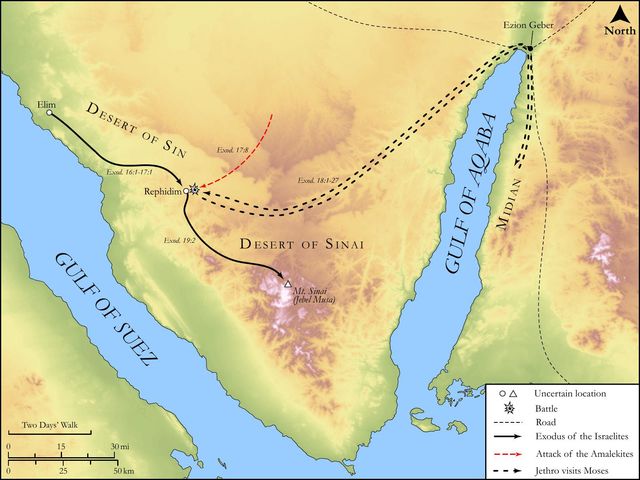
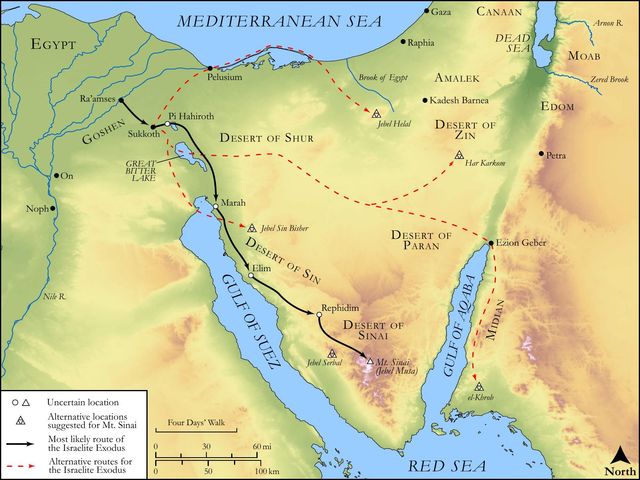
Exodus 19:9 is strategically positioned within the foundational narrative of Israel's arrival at Mount Sinai and the preparations for the giving of the Law. Prior to this verse, the Israelites have journeyed from Rephidim and encamped directly before the mountain (Exodus 19:1-2). God has already summoned Moses to the summit, articulating His profound intention to constitute Israel as a "kingdom of priests and a holy nation" (Exodus 19:3-6). Moses then descends to convey God's words to the elders, eliciting a collective and unanimous affirmation from the people: "All that the LORD has spoken we will do" (Exodus 19:7-8). Verse 9, therefore, serves as God's immediate and direct response to their commitment, initiating the crucial process of publicly validating Moses' unique mediatorial role before the grand revelation of the Ten Commandments. It acts as a vital bridge, connecting the covenant proposal with the subsequent awe-inspiring divine encounter.
Historical & Cultural Context
The arrival of the Israelites at Sinai, approximately three months after their miraculous exodus from Egyptian bondage (Exodus 19:1), marked a profound and transformative transition. They were no longer merely a freed populace but were on the cusp of being formally constituted as a nation under God's direct governance. This nascent period necessitated strong, divinely-backed leadership. While Moses had already demonstrated his divine commission through miracles and leadership during the journey, he required an undeniable public validation to solidify his authority in the eyes of a people notoriously prone to murmuring and rebellion, as evidenced by earlier episodes at Marah, Elim, and Rephidim (Exodus 15:22-25 and Exodus 17:1-7). The concept of a divine manifestation, often accompanied by clouds, fire, and thunder, was present among the nations round about, where deities were sometimes depicted appearing in powerful natural phenomena. However, Yahweh's manifestation at Sinai was unique in its directness, its moral purpose (the giving of law), and its specific intent to establish a human mediator. The "thick cloud" imagery, a recurring motif for divine presence (e.g., Exodus 40:34-35 and 1 Kings 8:10-11), served a dual purpose: to both conceal God's unapproachable holiness and reveal His majestic power, thereby creating an atmosphere of reverent awe essential for receiving His covenant.
Key Themes
ShowHideExodus 19:9 contributes significantly to several overarching themes in the book of Exodus and the Pentateuch. Primarily, it underscores the theme of Divine Revelation and Theophany, showcasing God's active engagement with humanity through visible and audible manifestations. It powerfully establishes the theme of Mediatorial Leadership, highlighting God's chosen method of interacting with His people through a divinely appointed human agent, Moses. This verse is crucial for the theme of Covenant Establishment, as the validation of Moses' authority is a prerequisite for the people to accept and obey the covenant laws that follow. Furthermore, it reinforces the theme of Trust and Obedience, emphasizing that the goal of God's revelation is to cultivate an enduring faith in His word and His messenger, leading to faithful adherence to His commands. The public nature of this event also speaks to the theme of Corporate Identity, as the entire nation witnesses God's validation of their leader, solidifying their collective relationship with Yahweh.
Exposition and Analysis
ShowHideKey Word Analysis
ShowHideThis term refers to a cloud, specifically the nimbus or thunder-cloud, often used to describe a covering over the sky. In biblical contexts, ʻânân frequently signifies the visible manifestation of God's presence, often associated with His glory and majesty (e.g., the pillar of cloud that guided Israel, Exodus 13:21). When modified by "thick" (H5645, ʻâb), it conveys a sense of density, weightiness, and even darkness, emphasizing both the unapproachable holiness of God and His powerful, veiled presence as He draws near.
This primitive root means "to hear intelligently," often implying attention, understanding, and obedience. In Exodus 19:9, shâmaʻ denotes more than mere auditory perception; it signifies a profound internal reception of God's voice speaking with Moses that leads to conviction and action. The people are intended to not just perceive sounds but to grasp the divine authority behind Moses' words, leading to a transformative understanding and commitment.
This primitive root means "to build up or support," "to be firm or faithful," and in the Hiphil stem (as used here), "to trust" or "to have faith in." The phrase "believe thee for ever" signifies an enduring, unwavering trust in Moses' authority and his divinely appointed role. It implies a foundational, lasting conviction in his status as God's true spokesman, intended to overcome past skepticism and prevent future rebellion.
Verse Breakdown
ShowHide"And the LORD said unto Moses, Lo, I come unto thee in a thick cloud"
This opening clause establishes the divine initiative and the specific, dramatic manner of God's approach. "Lo, I come" (הִנֵּה אָנֹכִי בָּא) emphasizes the immediacy, certainty, and active nature of God's descent. The "thick cloud" is the chosen medium, signifying both His veiled majesty and His powerful, awe-inspiring presence, preparing the people for a theophany that is both overwhelming and intentionally mediated.
"that the people may hear when I speak with thee"
This reveals the primary, pedagogical purpose of God's dramatic manifestation. The divine voice will be heard in conjunction with Moses' presence, creating an undeniable and public link between God's supreme authority and Moses' words. It is not merely that God will speak to Moses, but that the people will hear God speaking with Moses, thereby validating their unique interaction and establishing Moses' indispensable mediatorial role before the entire nation.
"and believe thee for ever"
This clause states the ultimate, desired outcome of the public hearing and divine authentication. The direct experience of God speaking with Moses is intended to produce an enduring, unwavering faith in Moses as God's authentic and permanent representative. This lasting belief is absolutely vital for the stability of the nascent covenant and the people's future obedience to the laws and instructions delivered through him, addressing their historical tendency toward skepticism and rebellion.
"And Moses told the words of the people unto the LORD."
This concluding phrase highlights Moses' faithful, diligent, and immediate response. It serves as a crucial reminder of Moses' consistent role as the intermediary, conveying the people's initial covenant affirmation (from Exodus 19:8) back to God. This action reinforces his indispensable position as the one who stands between God and Israel, facilitating communication and relationship in both directions, even as his own authority is about to be publicly affirmed.
Literary Devices
ShowHideExodus 19:9 masterfully employs several literary devices to convey its profound theological message and underscore the gravity of the moment. Theophany is central, as God's self-manifestation in the "thick cloud" is a visible and audible display of His presence and power, creating an atmosphere of overwhelming awe. This cloud, a powerful Symbolism used consistently throughout the Pentateuch, represents both the unapproachable holiness and transcendence of God, and His condescension to reveal Himself to humanity. The phrase "thick cloud" itself uses vivid Imagery to evoke a sense of mystery, weightiness, and divine glory, emphasizing the veiled nature of God's majesty. There is also a clear instance of a Purpose Clause ("that the people may hear... and believe...") which explicitly states God's intention behind His dramatic appearance, highlighting His pedagogical aim to establish Moses' authority and the people's enduring trust. Finally, the verse demonstrates Foreshadowing, subtly pointing to Moses' ongoing and indispensable role as the mediator, a role that will be severely tested but ultimately affirmed throughout the wilderness wanderings and beyond.
Theological and Thematic Connections
ShowHideExodus 19:9 profoundly illustrates God's intentionality in establishing and validating His chosen messengers. It underscores the principle that divine revelation is often accompanied by clear signs of authentication, designed to build faith and ensure obedience. The scene at Sinai emphasizes God's sovereign initiative in drawing near to His people, yet doing so in a way that respects His unapproachable holiness while accommodating their human limitations through a divinely appointed mediator. This validation of Moses' authority was not for Moses' personal glory, but for the sake of the covenant relationship, ensuring the people would trust the divine word delivered through him. This divine pattern of authenticating messengers is a recurring theme throughout biblical history, demonstrating God's consistent method of communicating His will and establishing His truth among humanity, culminating in the ultimate revelation of God in His Son.
Reflection and Application
ShowHideExodus 19:9 offers us a powerful glimpse into God's meticulous care in establishing His relationship with humanity. Just as He went to extraordinary lengths to validate Moses before Israel, God continues to provide clear and undeniable evidence for His truth and His chosen means of communication. For us today, this verse challenges us to consider the sources of our spiritual authority and to cultivate a deep, abiding trust in God's revealed word. It reminds us that genuine faith is built not on fleeting emotions, but on the firm foundation of divine testimony and authenticated messengers. We are called to "hear" not just with our ears, but with hearts ready to believe and obey, recognizing that God's desire is always for a lasting, covenantal relationship with His people. This passage encourages us to seek God's voice in our lives, not expecting a thick cloud, but through His Word and the witness of His Spirit, trusting those He has appointed to faithfully proclaim His truth, and striving for a faith that endures "for ever."
Questions for Reflection
ShowHideFAQ
ShowHideWhy did God need to appear in a "thick cloud" to validate Moses? Couldn't He just tell the people?
ShowHideGod's appearance in a "thick cloud" was a deliberate and necessary act of divine pedagogy and validation, far more impactful than a mere verbal declaration. While God certainly could have simply spoken, the visual and auditory spectacle was designed to make an indelible impression on a people prone to skepticism and rebellion. The "thick cloud" symbolized God's majestic, unapproachable holiness, yet His willingness to draw near and engage with His people. By having the entire assembly hear God speaking with Moses, it provided undeniable, sensory proof that Moses was not speaking on His own authority but was truly God's chosen intermediary. This public authentication was crucial for establishing Moses' leadership "for ever," ensuring the people's lasting trust and obedience to the covenant laws that would follow. It was a divine act of condescension and clarity, bridging the gap between a holy God and a fledgling nation, setting the stage for their future relationship.
What does "believe thee for ever" mean in a practical sense for the Israelites?
ShowHideFor the Israelites, "believe thee for ever" meant cultivating an enduring, unwavering trust in Moses' prophetic authority and his leadership as God's appointed spokesman. Practically, this implied that they should:
In essence, it was a call to foundational, lasting faith in the divine appointment of their mediator, critical for their identity as God's covenant people.
How does Moses telling "the words of the people unto the LORD" fit into this divine validation?
ShowHideMoses' act of telling "the words of the people unto the LORD" (referring to their commitment in Exodus 19:8: "All that the LORD has spoken we will do") is crucial because it reinforces his indispensable role as the mediator. Before God validates Moses to the people, Moses first acts for the people, conveying their response to God. This demonstrates that Moses is not merely a recipient of divine revelation but also an active intercessor and representative of the people before God. It highlights the two-way nature of his mediatorial office, establishing his credibility and necessity in both directions of the covenant relationship. This concluding phrase in the verse shows Moses' faithfulness in fulfilling his role even before his authority is publicly solidified, setting a precedent for his ongoing service.
Christ-Centered Fulfillment
ShowHideExodus 19:9, with its dramatic portrayal of God validating Moses through a "thick cloud" so that the people might "believe thee for ever," powerfully foreshadows the ultimate divine validation of Jesus Christ. Moses was God's chosen mediator for the Old Covenant, authenticated by signs and wonders, and through whom the Law was given. However, the New Testament consistently presents Jesus as the superior Prophet, Priest, and King, the ultimate mediator of a New and better Covenant (Hebrews 8:6). Just as God spoke with Moses, God speaks most fully through His Son, who is the very "radiance of God's glory and the exact representation of his being" (Hebrews 1:1-3). At Jesus' baptism and transfiguration, a voice from heaven declared, "This is my Son, whom I love; with him I am well pleased. Listen to him!" (Matthew 3:17 and Matthew 17:5), mirroring God's intent for the people to "hear" and "believe" Moses. Jesus' miracles, His sinless life, His resurrection from the dead, and His ascension serve as the ultimate divine authentication, far surpassing the cloud at Sinai, demonstrating that He is truly the Lamb of God who takes away the sin of the world and the Way, the Truth, and the Life. Our eternal belief is not in a human mediator, but in Christ Himself, through whom we have direct and permanent access to God and the fulfillment of all covenant promises.