


Exodus 19:10
Bible text: King James Version (1769 Blayney text) · Public domain
Bible text: Berean Standard Bible · Public domain
Bible text: American Standard Version (1901) · Public domain
Bible text: World English Bible, Messianic edition · Public domain
Bible text: Geneva Bible (1599) · Public domain
Bible text: Young's Literal Translation · Public domain
- וַיֹּאמֶרvai·Yo·merand he saidH559Conj-w ¦ V-Qal-ConsecImperf-3msVerb Qal Consecutive Imperfect 3rd Singular Masculineוַandיֹּאמֶרhe said
- יְהוָהYah·wehYahwehH3068N-properNoun Proper Title
- אֶל'eltoH413PrepPreposition
- מֹשֶׁהmo·ShehMosesH4872N-proper-mNoun Proper Masculine
- לֵךְlekhgoH1980V-Qal-Imp-2msVerb Qal Imperative 2nd Singular Masculine
- אֶל'eltoH413PrepPreposition
- הָעָםha·'Amthe peopleH5971Art ¦ N-msNoun Singular Masculine Absoluteהָtheעָםpeople
- וְקִדַּשְׁתָּםve·ki·dash·Tamand you will consecrate themH6942Conj-w ¦ V-Piel-ConsecPerf-2ms ¦ 3mpVerb Piel Consecutive Perfect 2nd Singular Masculineוְandקִדַּשְׁתָּyou will consecrateםthem
- הַיּוֹםhai·Yomthis dayH3117Art ¦ N-msNoun Singular Masculine Absoluteהַthisיּוֹםday
- וּמָחָרu·ma·Charand tomorrowH4279Conj-w ¦ N-msNoun Singular Masculine Absoluteוּandמָחָרtomorrow
- וְכִבְּסוּve·khi·be·Suand they will washH3526Conj-w ¦ V-Piel-ConsecPerf-3cpVerb Piel Consecutive Perfect 3rd Plural common genderוְandכִבְּסוּthey will wash
- שִׂמְלֹתָםsim·lo·Tamtheir clothesH8071N-fpc ¦ 3mpNoun Plural Feminine Constructשִׂמְלֹתָclothesםtheir
English is a literal word-by-word gloss of the Hebrew, not the KJV's wording. Why?
This is the original text the KJV's translators worked from — each Hebrew word with its own literal English meaning in this verse, prepared by scholars at Tyndale House, Cambridge. The KJV translates whole sentences, not word by word, so its wording differs: one Hebrew word can become several English words, and the KJV may choose “the LORD” where the gloss reads “Yahweh”. Both are faithful — they answer different questions. For the KJV's own rendering, switch to the KJV text.
Details
See on the biblical-era maps

Study this verse
Public-domain commentary
Matthew Henry
From his Commentary on the Whole Bible. Henry comments on passages, not single verses — this entry covers Exodus 19:9–15. His three-level outline is real structure in the source text, so it is rendered as structure.
Here, I. God intimates to Moses his purpose of coming down upon mount Sinai, in some visible appearance of his glory, in a thick cloud (Exo 19:9); for he said that he would dwell in the thick darkness (Ch2 6:1), and make this his pavilion (Psa 18:11), holding back the face of his throne when he set it upon mount Sinai, and spreading a cloud upon it, Job 26:9. This thick cloud was to prohibit curious enquiries into things secret, and to command an awful adoration of that which was revealed. God would come down in the sight of all the people (Exo 19:11); though they should see no manner of similitude, yet they should see so much as would convince them that God was among them of a truth. And so high was the top of mount Sinai that it is supposed that not only the camp of Israel, but even the countries about, might discern some extraordinary appearance of glory upon it, which would strike a terror upon them. It seems also to have been particularly intended to put an honour upon Moses: That they may hear when I speak with thee, and believe thee for ever, Exo 19:9. Thus the correspondence was to be first settled by a sensible appearance of the divine glory, which was afterwards to be carried on more silently by the ministry of Moses. In like manner, the Holy Ghost descended visibly upon Christ at his baptism, and all that were present heard God speak to him (Mat 3:17), that afterwards, without the repetition of such visible tokens, they might believe him. So likewise the Spirit descended in cloven tongues upon the apostles (Act 2:3), that they might be believed. Observe, When the people had declared themselves willing to obey the voice of God, then God promised they should hear his voice; for, if any man be resolved to do his will, he shall know it, Joh 7:17.
II.He orders Moses to make preparation for this great solemnity, giving him two days' time for it.
1.He must sanctify the people (Exo 19:10), as Job, before this, sent and sanctified his sons, Job 1:5. He must raise their expectation by giving them notice what God would do, and assist their preparation by directing them what they must do. "Sanctify them," that is, "Call them off from their worldly business, and call them to religious exercises, meditation and prayer, that they may receive the law from God's mouth with reverence and devotion. Let them be ready," Exo 19:11. Note, When we are to attend upon God in solemn ordinances it concerns us to sanctify ourselves, and to get ready beforehand. Wandering thoughts must be gathered in, impure affections abandoned, disquieting passions suppressed, nay, and all cares about secular business, for the present, dismissed and laid by, that our hearts may be engaged to approach unto God. Two things particularly prescribed as signs and instances of their preparation: - (1.) In token of their cleansing themselves from all sinful pollutions, that they might be holy to God, they must wash their clothes (Exo 19:10), and they did so (Exo 19:14); not that God regards our clothes; but while they were washing their clothes he would have them think of washing their souls by repentance from the sins they had contracted in Egypt and since their deliverance. It becomes us to appear in clean clothes when we wait upon great men; so clean hearts are required in our attendance on the great God, who sees them as plainly as men see our clothes. This is absolutely necessary to our acceptably worshipping God. See Psa 26:6; Isa 1:16-18; Heb 10:22. (2.) In token of their devoting themselves entirely to religious exercises, upon this occasion, they must abstain even from lawful enjoyments during these three days, and not come at their wives, Exo 19:15. See Co1 7:5.
2.He must set bounds about the mountain, Exo 19:12, Exo 19:13. Probably he drew a line, or ditch, round at the foot of the hill, which none were to pass upon pain of death. This was to intimate,
(1.)That humble awful reverence which ought to possess the minds of all those that worship God. We are mean creatures before a great Creator, vile sinners before a holy righteous Judge; and therefore a godly fear and shame well become us, Heb 12:28; Psa 2:11.
(2.)The distance at which worshippers were kept, under that dispensation, which we ought to take notice of, that we may the more value our privilege under the gospel, having boldness to enter into the holiest by the blood of Jesus, Heb 10:19.
3.He must order the people to attend upon the summons that should be given (Exo 19:13): "When the trumpet soundeth long then let them take their places at the foot of the mount, and so sit down at God's feet," as it is explained, Deu 33:3. Never was so great a congregation called together, and preached to, at once, as this was here. No one man's voice could have reached so many, but the voice of God did.
Historical interpretation
Historical reception
1 surviving comment on this verse from the historical church.
However, even the people had to be purified two or three days beforehand, so as to come clean to the sacrifice, as we read in the Old Testament. They even used to wash their clothes. If such regard was paid in what was only the figure, how much ought it to be shown in the reality! Learn then, priest and Levite, what it means to wash your clothes. You must have a pure body wherewith to offer up the sacraments. If the people were forbidden to approach their victim unless they washed their clothes, do you, while foul in heart and body, dare to make supplication for others? Do you dare to make an offering for them?
Continue studying Exodus 19:10 across the web’s major study libraries — every link below opens this exact verse, chapter, or book on the destination site.
Read & Compare
 BibleGatewayThis verse in more than 200 translations and 70 languages.
 Bible.comThe YouVersion reader — hundreds of translations, reading plans, and highlights.
 ESV.orgCrossway's official English Standard Version reader.
 NET BibleThe NET translation with 60,000+ translators' notes on every rendering decision.
 STEP BibleTyndale House's free study tool — original text, vocabulary, and scholarly resources.
 BibliaLogos Bible Software's free web reader.
 USCCBThe New American Bible (Revised Edition) with the U.S. bishops' study notes.
Commentaries
 BibleHub CommentariesDozens of classic commentaries on this verse, gathered on one page.
 StudyLightMore than 100 commentary sets — the largest collection on the web.
 BibleRefPlain-English commentary on what this verse means, verse by verse.
 Enduring WordDavid Guzik's free commentary on this chapter, widely used by Bible teachers.
 Bible Study ToolsVerse commentary alongside Greek and Hebrew study aids.
Original Language & Research
- BibleHub InterlinearThe verse word by word — original language, transliteration, and English.
- BibleHub LexiconEvery word's original-language definition and Strong's entry.
 Blue Letter BibleDeep-study tools — Strong's numbers, concordance, and word studies.
 SefariaThe Hebrew text with Rashi and centuries of Jewish commentary.
Sermons, Hymns & Audio


TrulyRandomVerse is not affiliated with these sites and doesn’t control their content. They’re linked because they’re genuinely useful.
Summary
Exodus 19:10 initiates a profound period of preparation for the Israelites, commanding them to undergo a two-day process of sanctification, including the washing of their clothes, before their direct encounter with God at Mount Sinai. This divine directive underscores the absolute holiness of the Lord and the meticulous reverence required of His people, establishing foundational principles for their unique covenant relationship and setting the stage for the giving of the Law.
Context
ShowHideLiterary Context
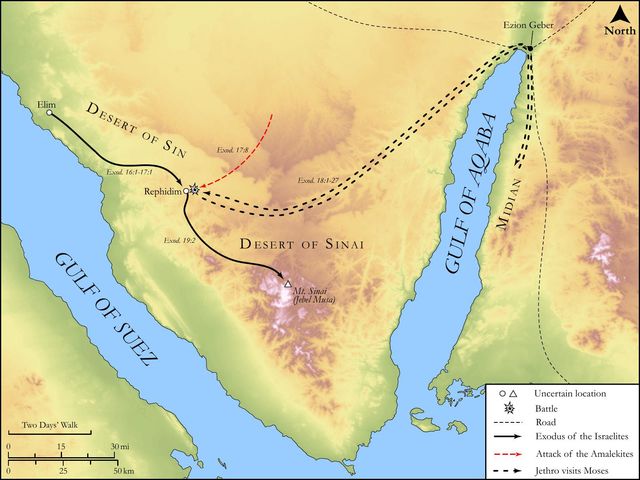
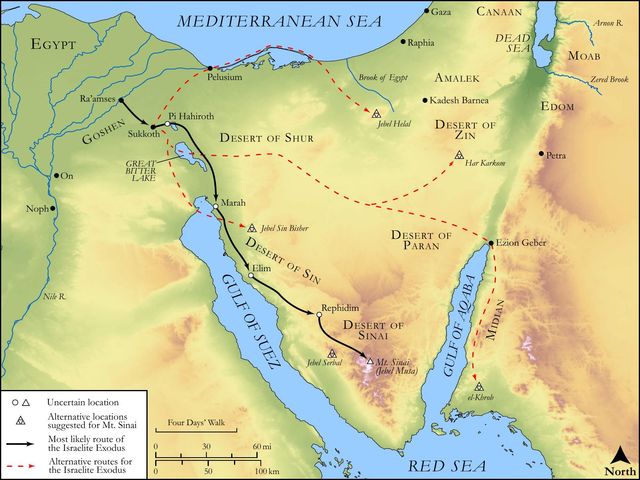
This command is strategically placed within the narrative of Israel's arrival at the Wilderness of Sinai, following their miraculous deliverance from Egypt. Exodus 19:1-2 sets the geographical scene, establishing the location where God intends to formalize His covenant with His newly redeemed people. Immediately preceding this verse, God reiterates His mighty acts of salvation, reminding Israel how He carried them "on eagles' wings" and brought them to Himself, proposing that they become His "treasured possession," a "kingdom of priests," and a "holy nation" if they faithfully obey His voice and keep His covenant (Exodus 19:3-6). Moses, acting as the indispensable mediator, communicates God's terms to the people, who unanimously affirm their willingness to obey. Thus, Exodus 19:10 marks the practical commencement of the preparation for the theophany, leading directly to the giving of the Ten Commandments and the formal establishment of the Mosaic Covenant.
Historical & Cultural Context
Having recently escaped centuries of Egyptian bondage, the Israelites were transitioning from a collection of enslaved tribes into a unified nation under God's direct rule. Their wilderness journey was a period of both physical and spiritual formation. Among the Egyptians and the Canaanites, rituals of purification were common prerequisites for approaching deities or entering sacred spaces. However, Israel's purification was distinct: it was not an attempt to appease an unpredictable deity but a response to the gracious invitation of a holy God who desired to dwell among His people. The commands to wash clothes and abstain from sexual relations (Exodus 19:15) were tangible, outward expressions of an inward consecration, signifying a separation from the common and profane in preparation for a sacred encounter with the divine. This meticulous preparation underscored the profound holiness of Yahweh and the seriousness of the covenant He was about to establish, profoundly shaping Israel's identity and mission as a people set apart.
Key Themes
ShowHideExodus 19 is rich with foundational theological themes, and verse 10 contributes significantly to their development. The overarching theme is Divine Holiness and Human Access, emphasizing that God is utterly distinct and pure, requiring a corresponding state of purity from those who would approach Him. This verse also highlights the theme of Covenant Initiation and Preparation, as the physical acts of cleansing serve as a visible manifestation of the people's readiness and commitment to enter into a unique relationship with Yahweh. The concept of Mediation is also prominent, with Moses serving as the essential intermediary between God and the people, conveying divine commands and facilitating the covenant. Finally, the theme of Obedience as a Prerequisite for Blessing is reinforced, as the people's willingness to "sanctify" themselves is directly linked to their ability to stand before God and receive His Law, setting the pattern for their future relationship with Him as outlined throughout the book of Exodus.
Exposition and Analysis
ShowHideKey Word Analysis
ShowHideFrom הָיָה; (the) self-Existent or Eternal; Jehovah, Jewish national name of God; Jehovah, the Lord. In this context, "LORD" refers to Yahweh, the covenant God of Israel. His direct address to Moses signifies the divine authority and the personal nature of the impending covenant. It emphasizes that the command for sanctification originates from the sovereign, eternal God who has chosen Israel.
A primitive root; to be (causatively, make, pronounce or observe as) clean (ceremonially or morally). When God commands Moses to "sanctify them," it means to set the people apart, to consecrate them, and to make them ritually and spiritually clean. This act of sanctification was not merely ceremonial but was intended to prepare the people inwardly and outwardly for the awe-inspiring presence of a holy God, separating them from the common for a sacred purpose.
A primitive root; to trample; hence, to wash (properly, by stamping with the feet), whether literal (including the fulling process) or figurative. The instruction to "wash their clothes" refers to a physical cleansing, often done by treading on the garments. This external action served as a tangible, visible symbol of the internal purification and readiness required. It was a concrete act of obedience that demonstrated the people's recognition of the solemnity and sacredness of the divine encounter.
Verse Breakdown
ShowHide"And the LORD said unto Moses"
This opening phrase immediately establishes the divine origin and absolute authority of the command. It highlights Moses' unique and indispensable role as God's chosen mediator, through whom the divine will and instructions are communicated directly to the Israelite people.
"Go unto the people"
This directive instructs Moses to descend from the mountain and personally convey these crucial instructions to the entire congregation of Israel. It emphasizes the communal nature of the preparation and the direct involvement of every individual in the covenant relationship.
"and sanctify them to day and to morrow"
This specifies a two-day period for the process of sanctification, indicating that this was not a casual or instantaneous act but required deliberate, sustained effort and intentional separation. The command to "sanctify" them meant setting them apart, consecrating them, and preparing them ritually and spiritually for the awesome and holy encounter with God.
"and let them wash their clothes"
This is the practical, visible, and tangible component of the sanctification process. The washing of clothes served as an external symbol of internal cleansing, purity, and readiness. It was a common practice from the days of the patriarchs for those entering sacred spaces or engaging in religious ceremonies, as when Jacob bade his household be clean and change their garments before going up to Bethel, signifying a separation from the mundane and a preparation for the sacred.
Literary Devices
ShowHideThe passage employs several significant literary devices that amplify its theological weight. Symbolism is profoundly evident in the command to "wash their clothes," which serves as a potent visual representation of the spiritual purity and internal readiness required to approach a holy God. This physical act symbolizes the internal cleansing and setting apart of the people. The entire narrative leading up to the theophany at Sinai functions as a Preparation Motif, meticulously building anticipation and solemnity. The two-day period, the establishment of boundaries around the mountain in subsequent verses, and the specific instructions for purification all contribute to a sense of escalating sacredness and expectation. Furthermore, the passage exemplifies Divine Command and Human Response, showcasing God's sovereign initiative in issuing precise instructions through His chosen mediator, Moses, and the expectation of immediate and obedient human compliance, thereby underscoring the hierarchical nature of the covenant relationship.
Theological and Thematic Connections
ShowHideExodus 19:10 powerfully articulates the foundational theological truth of God's absolute holiness and the corresponding demand for purity from those who would enter His presence. This passage establishes a recurring pattern throughout Scripture: approaching God is never casual but requires reverence, intentional preparation, and a state of consecration. It teaches that while God graciously initiates the relationship, humanity must respond with obedience and a sincere desire for purity. This preparation was not merely ritualistic; it aimed at fostering a heart attitude of awe, humility, and submission, setting the stage for Israel to become a holy nation, distinct from all others, reflecting the very character of their holy God. The themes of sanctification and the necessity of purity for divine encounter resonate throughout the entire biblical narrative, pointing forward to a greater, spiritual cleansing.
Reflection and Application
ShowHideExodus 19:10 offers profound and enduring lessons for believers today, even as the specific ritual requirements of the Old Covenant have been fulfilled in Christ. The central principle remains that approaching a holy God demands reverence, intentional preparation, and a commitment to purity. While we no longer physically wash our clothes to meet God, the spiritual reality of sanctification remains paramount. This passage calls us to examine our hearts and lives, ensuring that we approach God in prayer, worship, Bible study, and service with a sincere desire for holiness. This involves confessing sin, seeking repentance, and continually allowing the Holy Spirit to cleanse and transform us from within. Our preparation for encountering God now is primarily spiritual, focusing on cultivating a pure heart, a humble spirit, and a life set apart for His purposes. It reminds us that our daily walk should reflect our identity as a people consecrated to God, living in anticipation of His presence and glory, and striving to live lives worthy of His calling.
Questions for Reflection
ShowHideFAQ
ShowHideWhy did God require physical washing of clothes and a two-day preparation period?
ShowHideThe physical washing of clothes served as a tangible, visible symbol of an inward spiritual cleansing and readiness. Among the peoples of that day, ritual purity was a common prerequisite for approaching deities or entering sacred spaces. For Israel, this act was profoundly pedagogical, teaching them the absolute holiness of God and the seriousness of their impending covenant with Him. The two-day period emphasized the intentionality and solemnity of the preparation, allowing time for the people to reflect on the gravity of the divine encounter and to truly set themselves apart. It was a concrete way to impress upon them that God is not to be approached casually, but with deep reverence and a sense of awe, as further detailed in Exodus 19:12-13.
Is this command for physical purification still relevant for Christians today?
ShowHideWhile the specific ritual of washing clothes is not a requirement for Christians today, the underlying principles of holiness, reverence, and preparation for encountering God remain profoundly relevant. Through Christ, believers have direct access to God's presence, not through external rituals, but through the cleansing power of His blood and the transformative work of the Holy Spirit. The New Testament calls believers to a spiritual sanctification, to "cleanse ourselves from every defilement of body and spirit, bringing holiness to completion in the fear of God" (2 Corinthians 7:1). This means living a life set apart for God, pursuing purity of heart and conduct, and approaching Him with a spirit of worship and humility, recognizing His infinite holiness. Our external actions should flow from an internal commitment to Christ.
Christ-Centered Fulfillment
ShowHideExodus 19:10, with its emphasis on preparation and purification for a holy encounter with God, finds its ultimate and perfect fulfillment in Jesus Christ. The Old Covenant rituals, including the washing of clothes and the two-day sanctification, were shadows and types pointing to the perfect and final cleansing provided by the Lamb of God. No longer do we need to physically prepare ourselves or fear approaching a holy mountain, for Christ Himself is our sanctification and our direct access to the Father. Through His shed blood, Jesus has consecrated a new and living way for us to draw near to God with a true heart in full assurance of faith, our hearts sprinkled clean from an evil conscience and our bodies washed with pure water (Hebrews 10:19-22). He is the one who "sanctifies" His people, making them holy and blameless before God, presenting the church to Himself in splendor, without spot or wrinkle or any such thing (Ephesians 5:25-27). The preparation that was once external and temporary has become internal and permanent through Christ, who "became to us wisdom from God, righteousness and sanctification and redemption" (1 Corinthians 1:30). Our "washing" is now the spiritual regeneration and renewal by the Holy Spirit, granting us the glorious privilege of constant, unhindered communion with our holy God (Titus 3:5).