


Matthew 10:41
- ὁhoThe [one]G3588T-NSMDefinite article Nominative Singular Masculine
- δεχόμενοςdechomenosreceivingG1209V-PNP-NSMVerb Present Middle Or Passive Deponent Participle Nominative Singular Masculine
- προφήτηνprophētēna prophetG4396N-ASMNoun Accusative Singular Masculine
- εἰςeisin [the]G1519PREPPreposition
- ὄνομαonomanameG3686N-ASNNoun Accusative Singular Neuter
- προφήτουprophētouof a prophetG4396N-GSMNoun Genitive Singular Masculine
- μισθὸνmisthon[the] rewardG3408N-ASMNoun Accusative Singular Masculine
- προφήτουprophētouof a prophetG4396N-GSMNoun Genitive Singular Masculine
- λήμψεταιlēmpsetaiwill receiveG2983V-FDI-3SVerb Future Middle Deponent Indicative 3rd Singular
- καὶkaiandG2532CONJConjunction
- ὁhothe [one]G3588T-NSMDefinite article Nominative Singular Masculine
- δεχόμενοςdechomenosreceivingG1209V-PNP-NSMVerb Present Middle Or Passive Deponent Participle Nominative Singular Masculine
- δίκαιονdikaiona righteous [man]G1342A-ASMAdjective Accusative Singular Masculine
- εἰςeisin [the]G1519PREPPreposition
- ὄνομαonomanameG3686N-ASNNoun Accusative Singular Neuter
- δικαίουdikaiouof a righteous [man]G1342A-GSMAdjective Genitive Singular Masculine
- μισθὸνmisthon[the] rewardG3408N-ASMNoun Accusative Singular Masculine
- δικαίουdikaiouof a righteous [man]G1342A-GSMAdjective Genitive Singular Masculine
- λήμψεταιlēmpsetaiwill receiveG2983V-FDI-3SVerb Future Middle Deponent Indicative 3rd Singular
English is a literal word-by-word gloss of the Greek, not the KJV's wording. Why?
This is the original text the KJV's translators worked from — each Greek word with its own literal English meaning in this verse, prepared by scholars at Tyndale House, Cambridge. The KJV translates whole sentences, not word by word, so its wording differs: one Greek word can become several English words, and the KJV may choose “charity” where the gloss reads “love”. Both are faithful — they answer different questions. For the KJV's own rendering, switch to the KJV text.
Details
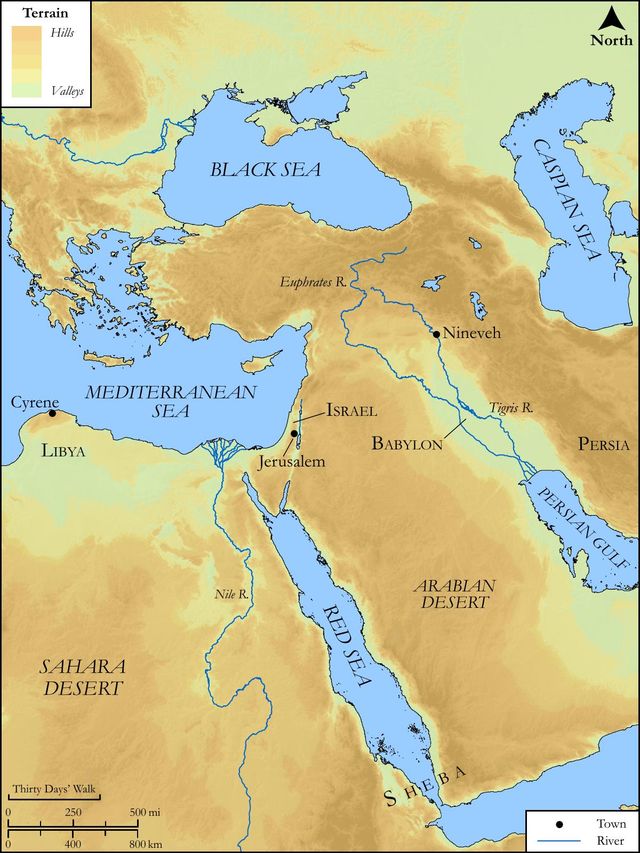
See on the biblical-era map


Study this verse
Public-domain commentary
Matthew Henry
From his Commentary on the Whole Bible. Henry comments on passages, not single verses — this entry covers Matthew 10:16–42. His four-level outline is real structure in the source text, so it is rendered as structure.
All these verses relate to the sufferings of Christ's ministers in their work, which they are here taught to expect, and prepare for; they are directed also how to bear them, and how to go on with their work in the midst of them. This part of the sermon looks further than to their present mission; for we find not that they met with any great hardships or persecutions while Christ was with them, nor were they well able to bear them; but they are here forewarned of the troubles they should meet with, when after Christ's resurrection, their commission should be enlarged, and the kingdom of heaven, which was not at hand, should be actually set up; they dreamed of nothing then, but outward pomp and power; but Christ tells them, they must expect greater sufferings than they were yet called to; that they should then be made prisoners, when they expected to be made princes. It is good to be told what troubles we may hereafter meet with, that we may provide accordingly, and may not boast, as if we had put off the harness, when we are yet but girding it on.
We have here intermixed, I. Predictions of trouble: and, II. Prescriptions of counsel and comfort, with reference to it.
I.We have here predictions of trouble; which the disciples should meet with in their work:
Christ foresaw their sufferings as well as his own, and yet will have them go on, as he went on himself; and he foretold them, not only that the troubles might not be a surprise to them, and so a shock to their faith, but that, being the accomplishment of a prediction, they might be a confirmation to their faith.
He tells them what they should suffer, and from whom.
1.What they should suffer: hard things to be sure; for, Behold, I send you forth as sheep in the midst of wolves, v. 16. And what may a flock of poor, helpless, unguarded sheep expect, in the midst of a herd of ravenous wolves, but to be worried and torn? Note, Wicked men are like wolves, in whose nature it is to devour and destroy. God's people, and especially his ministers, are like sheep among them, of a contrary nature and disposition, exposed to them, and commonly an easy prey to them. It looked unkind in Christ to expose them to so much danger, who had left all to follow him; but he knew that the glory reserved for his sheep, when in the great day they shall be set on his right hand, would be a recompence sufficient for sufferings as well as services. They are as sheep among wolves, that is frightful; but Christ sends them forth, that is comfortable; for he that sends them forth will protect them, and bear them out. But that they might know the worst, he tells them particularly what they must expect.
(1.)They must expect to be hated, v. 22. Ye shall be hated for my name's sake: that is the root of all the rest, and a bitter root it is. Note, Those whom Christ loves, the world hates; as whom the court blesses the country curses. If the world hated Christ without a cause (John xv. 25), no marvel if it hated those that bore his image and served his interests. We hate what is nauseous, and they are counted as the offscouring of all things, 1 Cor. iv. 13. We hate what is noxious, and they are counted the troublers of the land (1 Kings xviii. 17), and the tormentors of their neighbours, Rev. xi. 10. It is grievous to be hated, and to be the object of so much ill-will, but it is for thy name's sake; which, as it speaks the true reason of the hatred, whatever is pretended, so it speaks comfort to them who are thus hated; it is for a good cause, and they have a good friend that shares with them in it, and takes it to himself.
(2.)They must expect to be apprehended and arraigned as malefactors. Their restless malice is resistless malice, and they will not only attempt, but will prevail, to deliver you up to the councils (v. 17, 18), to the bench of aldermen or justices, that take care of the public peace. Note, A deal of mischief is often done to good men, under colour of law and justice. In the place of judgment there is wickedness, persecuting wickedness, Eccl. iii. 16. They must look for trouble, not only from inferior magistrates in the councils, but from governors and kings, the supreme magistrates. To be brought before them, under such black representations as were commonly made of Christ's disciples, was dreadful and dangerous; for the wrath of a king is as the roaring of a lion. We find this often fulfilled in the acts of the apostles.
(3.)They must expect to be put to death (v. 21); They shall deliver them to death, to death in state, with pomp and solemnity, when it shows itself most as the king of terrors. The malice of the enemies rages so high as to inflict this; it is the blood of the saints that they thirst after: the faith and patience of the saints stand so firm as to expect this; Neither count I my life dear to myself: the wisdom of Christ permits it, knowing how to make the blood of the martyrs the seal of the truth, and the seed of the church. By this noble army's not loving their lives to the death, Satan has been vanquished, and the kingdom of Christ and its interests greatly advanced, Rev. xi. 11. They were put to death as criminals, so the enemies meant it, but really as sacrifices (Phil. ii. 17; 2 Tim. iv. 6); as burnt offerings, sacrifices of acknowledgement to the honour of God, and in his truth and cause.
(4.)They must expect, in the midst of these sufferings, to be branded with the most odious and ignominious names and characters that could be. Persecutors would be ashamed in this world, if they did not first dress up those in bear-skins whom they thus bait, and represent them in such colours as may serve to justify such cruelties. The blackest of all the ill characters they give them is here stated; they call them Beelzebub, the name of the prince of the devils, v. 25. They represent them as ringleaders of the interest of the kingdom of darkness, and since every one thinks he hates the devil, thus they endeavour to make them odious to all mankind. See, and be amazed to see, how this world is imposed upon:
[1.]Satan's sworn enemies are represented as his friends; the apostles, who pulled down the devil's kingdom, were called devils. Thus men laid to their charge, not only things which they knew not, but things which they abhorred, and were directly contrary to, and the reverse of.
[2.]Satan's sworn servants would be thought to be his enemies, and they never more effectually do his work, than when they pretend to be fighting against him. Many times they who themselves are nearest akin to the devil, are most apt to father others upon him; and those that paint him on others' clothes have him reigning in their own hearts. It is well there is a day coming, when (as it follows here, v. 26) that which is hid will be brought to light.
(5.)These sufferings are here represented by a sword and division, v. 34, 35. Think not that I am come to send peace, temporal peace and outward prosperity; they thought Christ came to give all his followers wealth and power in the world; "no," says Christ, "I did not come with a view to give them peace; peace in heaven they may be sure of, but not peace on earth." Christ came to give us peace with God, peace in our consciences, peace with our brethren, but in the world ye shall have tribulation. Note, They mistake the design of the gospel, who think their profession of it will secure them from, for it will certainly expose them to, trouble in this world. If all the world would receive Christ, there would then follow a universal peace, but while there are and will be so many that reject him (and those not only the children of this world, but the seed of the serpent), the children of God, that are called out of the world, must expect to feel the fruits of their enmity.
[1.]Look not for peace, but a sword, Christ came to give the sword of the word, with which his disciples fight against the world, and conquering work this sword has made (Rev. vi. 4; xix. 21), and the sword of persecution, with which the world fights against the disciples, being cut to the heart with the sword of the word (Acts vii. 54), and tormented by the testimony of Christ's witnesses (Rev. xi. 10), and cruel work this sword made. Christ sent that gospel, which gives occasion for the drawing of this sword, and so may be said to send this sword; he orders his church into a suffering state for the trial and praise of his people's graces, and the filling up of the measure of their enemies' sins.
[2.]Look not for peace, but division (v. 35), I am come to set men at variance. This effect of the preaching of the gospel is not the fault of the gospel, but of those who do not receive it. When some believe the things that are spoken, and others believe them not, the faith of those that believe condemns those that believe not, and, therefore, they have an enmity against them that believe. Note, the most violent and implacable feuds have ever been those that have arisen from difference in religion; no enmity like that of the persecutors, no resolution like that of the persecuted. Thus Christ tells his disciples what they should suffer, and these were hard sayings; if they could bear these, they could bear any thing. Note, Christ has dealt fairly and faithfully with us, in telling us the worst we can meet with in his service; and he would have us deal so with ourselves, in sitting down and counting the cost.
2.They are here told from whom, and by whom, they should suffer these hard things. Surely hell itself must be let loose, and devils, those desperate and despairing spirits, that have no part nor lot in the great salvation, must become incarnate, ere such spiteful enemies could be found to a doctrine, the substance of which was good will toward men, and the reconciling of the world to God; no, would you think it? all this mischief arises to the preachers of the gospel, from those to whom they came to preach salvation. Thus the blood-thirsty hate the upright, but the just seek his soul (Prov. xxix. 10), and therefore heaven is so much opposed on earth, because earth is so much under the power of hell, Eph. ii. 2.
These hard things Christ's disciples must suffer,
(1.)From men (v. 17). "Beware of men; you will have need to stand upon your guard, even against those who are of the same nature with you"—such is the depravity and degeneracy of that nature (homo homini lupus,—man is a wolf to man), crafty and politic as men, but cruel and barbarous as beasts, and wholly divested of the thing called humanity. Note, Persecuting rage and enmity turn men into brutes, into devils. Paul at Ephesus fought with beasts in the shape of men, 1 Cor. xv. 32. It is a sad pass that the world is come to, when the best friends it has, have need to beware of men. It aggravates the troubles of Christ's suffering servants, that they arise from those who are bone of their bone, made of the same blood. Persecutors are, in this respect, worse than beasts, that they prey upon those of their own kind: Sævis inter se convenit ursis—Even savage bears agree among themselves. It is very grievous to have men rise up against us (Ps. cxxiv.), from whom we might expect protection and sympathy; men, and no more: mere men; men, and not saints; natural men (1 Cor. ii. 14); men of this world, Ps. xvii. 14. Saints are more than men, and are redeemed from among men, and therefore are hated by them. The nature of man, if it be not sanctified, is the worst nature in the world next to that of devils. They are men, and therefore subordinate, dependent, dying creatures; they are men, but they are but men (Ps. ix. 20), and who art thou, that thou shouldst be afraid of a man that shall die? Isa. li. 12. Beware of the men, so Dr. Hammond; those you are acquainted with, the men of the Jewish sanhedrim, which disallowed Christ, 1 Pet. ii. 4.
(2.)From professing men, men that have a form of godliness, and make a show of religion. They will scourge you in their synagogues, their places of meeting for the worship of God, and for the exercise of their church-discipline: so that they looked upon the scourging of Christ's ministers to be a branch of their religion. Paul was five times scourged in the synagogues, 2 Cor. xi. 24. The Jews, under colour of zeal for Moses, were the most bitter persecutors of Christ and Christianity, and placed those outrages to the score of their religion. Note, Christ's disciples have suffered much from conscientious persecutors, that scourge them in their synagogues, cast them out and kill them, and think they do God good service (John xvi. 2), and say, Let the Lord be glorified, Isa. lxvi. 5; Zech. xi. 4, 5. But the synagogue will be so far from consecrating the persecution, that the persecution, doubtless, profanes and desecrates the synagogue.
(3.)From great men, and men in authority. The Jews did not only scourge them, which was the utmost their remaining power extended to, but when they could go no further themselves, they delivered them up to the Roman powers, as they did Christ, John xviii. 30. Ye shall be brought before governors and kings (v. 18), who, having more power, are in a capacity of doing the more mischief. Governors and kings receive their power from Christ (Prov. viii. 15), and should be his servants, and his church's protectors and nursing-fathers, but they often use their power against him, and are rebels to Christ, and oppressors of his church. The kings of the earth set themselves against his kingdom, Ps. ii. 1, 2; Acts iv. 25, 26. Note, It has often been the lot of good men to have great men for their enemies.
(4.)From all men (v. 22). Ye shall be hated of all men, of all wicked men, and these are the generality of men, for the whole world lies in wickedness. So few are there that love, and own, and countenance Christ's righteous cause, that we may say, the friends of it are hated of all men; they are all gone astray, and, therefore, eat up my people, Ps. xiv. 3. As far as the apostasy from God goes, so far the enmity against the saints goes; sometimes it appears more general than at other times, but there is something of this poison lurking in the hearts of all the children of disobedience. The world hates you, for it wonders after the beast, Rev. xiii. 3. Every man is a liar, and therefore a hater of truth.
(5.)From those of their own kindred. The brother shall deliver up the brother to death, v. 21. A man shall be, upon this account, at variance with his own father; nay, and those of the weaker and tenderer sex too shall become persecutors and persecuted; the persecuting daughter will be against the believing mother, where natural affection and filial duty, one would think, should prevent or soon extinguish the quarrel; and then, no marvel if the daughter-in-law be against the mother-in-law; where, too often, the coldness of love seeks occasion of contention, v. 35. In general, a man's foes shall be they of his own household (v. 36). They who should be his friends will be incensed against him for embracing Christianity, and especially for adhering to it when it comes to be persecuted, and will join with his persecutors against him. Note, The strongest bonds of relative love and duty have often been broken through, by an enmity against Christ and his doctrine. Such has been the power of prejudice against the true religion, and zeal for a false one, that all other regards, the most natural and sacred, the most engaging and endearing, have been sacrificed to these Molochs. They who rage against the Lord, and his anointed ones, break even these bonds in sunder, and cast away even these cords from them, Ps. ii. 2, 3. Christ's spouse suffers hard things from the anger of her own mother's children, Cant. i. 6. Sufferings from such are more grievous; nothing cuts more than this, It was thou, a man, mine equal (Ps. lv. 12, 13); and the enmity of such is commonly most implacable; a brother offended is harder to be won than a strong city, Prov. xviii. 19. The martyrologies, both ancient and modern, are full of instances of this. Upon the whole matter, it appears, that all that will live godly in Christ Jesus, must suffer persecution; and through many tribulations we must expect to enter into the kingdom of God.
II.With these predictions of trouble, we have here prescriptions of counsels and comforts for a time of trial.
He sends them out exposed to danger indeed, and expecting it, but well armed with instructions and encouragements, sufficient to bear them up, and bear them out, in all these trials. Let us gather up what he says,
1.By way of counsel and direction in several things.
(1.)Be ye wise as serpents, v. 16. "You may be so" (so some take it, only as a permission); "you may be as wary as you please, provided you be harmless as doves." But it is rather to be taken as a precept, recommending to us that wisdom of the prudent, which is to understand his way, as useful at all times, but especially in suffering times. "Therefore, because you are exposed, as sheep among wolves; be ye wise as serpents; not wise as foxes, whose cunning is to deceive others; but as serpents, whose policy is only to defend themselves, and to shift for their own safety." The disciples of Christ are hated and persecuted as serpents, and their ruin is sought, and, therefore, they need the serpent's wisdom. Note, It is the will of Christ that his people and ministers, being so much exposed to troubles in this world, as they usually are, should not needlessly expose themselves, but use all fair and lawful means for their own preservation. Christ gave us an example of this wisdom, ch. xxi. 24, 25; xxii. 17, 18, 19; John vii. 6, 7; besides the many escapes he made out of the hands of his enemies, till his hour was come. See an instance of Paul's wisdom, Acts xxiii. 6, 7. In the cause of Christ we must sit loose to life and all its comforts, but must not be prodigal of them. It is the wisdom of the serpent to secure his head, that it may not be broken, to stop his ear to the voice of the charmer (Ps. lviii. 4, 5), and to take shelter in the clefts of the rocks; and herein we may be wise as serpents. We must be wise, not to pull trouble upon our own heads; wise to keep silence in an evil time, and not to give offence, if we can help it.
(2.)Be ye harmless as doves. "Be mild, and meek, and dispassionate; not only do nobody any hurt, but bear nobody any ill will; be without gall, as doves are; this must always go along with the former." They are sent forth among wolves, therefore must be as wise as serpents, but they are sent forth as sheep, therefore must be harmless as doves. We must be wise, not to wrong ourselves, but rather so than wrong any one else; must use the harmlessness of the dove to bear twenty injuries, rather than the subtlety of the serpent to offer or to return one. Note, It must be the continual care of all Christ's disciples, to be innocent and inoffensive in word and deed, especially in consideration of the enemies they are in the midst of. We have need of a dove-like spirit, when we are beset with birds of prey, that we may neither provoke them nor be provoked by them: David coveted the wings of a dove, on which to fly away and be at rest, rather than the wings of a hawk. The Spirit descended on Christ as a dove, and all believers partake of the Spirit of Christ, a dove-like spirit, made for love, not for war.
(3.)Beware of men, v. 17. "Be always upon your guard, and avoid dangerous company; take heed what you say and do, and presume not too far upon any man's fidelity; be jealous of the most plausible pretensions; trust not in a friend, no, not in the wife of thy bosom," Micah vii. 5. Note, It becomes those who are gracious to be cautious, for we are taught to cease from man. Such a wretched world do we live in, that we know not whom to trust. Ever since our Master was betrayed with a kiss, by one of his own disciples, we have need to beware of men, of false brethren.
(4.)Take no thought how or what ye shall speak, v. 19. "When you are brought before magistrates, conduct yourselves decently, but afflict not yourselves with care how you shall come off. A prudent thought there must be, but not an anxious, perplexing, disquieting thought; let this care be cast upon God, as well as that—what you shall eat and what you shall drink. Do not study to make fine speeches, ad captandam benevolentiam—to ingratiate yourselves; affect not quaint expressions, flourishes of wit, and laboured periods, which only serve to gild a bad cause; the gold of a good one needs it not. It argues a diffidence of your cause, to be solicitous in this matter, as if it were not sufficient to speak for itself. You know upon what grounds you go, and then verbaque prævisam rem non invita sequentur—suitable expressions will readily occur." Never any spoke better before governors and kings than those three champions, who took no thought before, what they should speak: O Nebuchadnezzar, we are not careful to answer thee in this matter, Dan. iii. 16. See Ps. cxix. 46. Note, The disciples of Christ must be more thoughtful how to do well than how to speak well; how to keep their integrity than how to vindicate it. Non magna loquimur, sed vivimus—Our lives, not boasting words, form the best apology.
(5.)When they persecute you in this city, flee to another, v. 23. "Thus reject them who reject you and your doctrine, and try whether others will not receive you and it. Thus shift for your own safety." Note, In case of imminent peril, the disciples of Christ may and must secure themselves by flight, when God, in his providence, opens to them a door of escape. He that flies may fight again. It is no inglorious thing for Christ's soldiers to quit their ground, provided they do not quit their colours: they may go out of the way of danger, though they must not go out of the way of duty. Observe Christ's care of his disciples, in providing places of retreat and shelter for them; ordering it so, that persecution rages not in all places at the same time; but when one city is made too hot for them, another is reserved for a cooler shade, and a little sanctuary; a favour to be used and not to be slighted; yet always with this proviso, that no sinful, unlawful means be used to make the escape; for then it is not a door of God's opening. We have many examples to this rule in the history both of Christ and his apostles, in the application of all which to particular cases wisdom and integrity are profitable to direct.
(6.)Fear them not (v. 26), because they can but kill the body (v. 28). Note, it is the duty and interest of Christ's disciples, not to fear the greatest of their adversaries. They who truly fear God, need not fear man; and they who are afraid of the least sin, need not be afraid of the greatest trouble. The fear of man brings a snare, a perplexing snare, that disturbs our peace; an entangling snare, by which we are drawn into sin; and, therefore, it must be carefully watched, and striven, and prayed against. Be the times never so difficult, enemies never so outrageous, and events never so threatening, yet need we not fear, yet will we not fear, though the earth be removed, while we have so good a God, so good a cause, and so good a hope through grace.
Yes, this is soon said; but when it comes to the trial, racks and tortures, dungeons and galleys, axes and gibbets, fire and faggot, are terrible things, enough to make the stoutest heart to tremble, and to start back, especially when it is plain, that they may be avoided by a few declining steps; and therefore, to fortify us against this temptation, we have here,
[1.]A good reason against this fear, taken from the limited power of the enemies; they kill the body, that is the utmost their rage can extend to; hitherto they can go, if God permit them, but no further; they are not able to kill the soul, nor to do it any hurt, and the soul is the man. By this it appears, that the soul does not (as some dream) fall asleep at death, nor is deprived of thought and perception; for then the killing of the body would be the killing of the soul too. The soul is killed when it is separated from God and his love, which is its life, and is made a vessel of his wrath; now this is out of the reach of their power. Tribulation, distress, and persecution may separate us from all the world, but cannot part between us and God, cannot make us either not to love him, or not to be loved by him, Rom. viii. 35, 37. If, therefore, we were more concerned about our souls, as our jewels, we should be less afraid of men, whose power cannot rob us of them; they can but kill the body, which would quickly die of itself, not the soul, which will enjoy itself and its God in spite of them. They can but crush the cabinet: a heathen set the tyrant at defiance with this, Tunde capsam Anaxarchi, Anaxarchum nom lædis—you may abuse the case of Anaxarchus, you cannot injure Anaxarchus himself. The pearl of price is untouched. Seneca undertakes to make it out, that you cannot hurt a wise and good man, because death itself is no real evil to him. Si maximum illud ultra quod nihil habent iratæ leges, aut sævissimi domini minantur, in quo imperium suum fortuna consumit, æquo placidoque animo accipimus, et scimus mortem malum non esse ob hoc, ne injuriam quidem—If with calmness and composure we meet that last extremity, beyond which injured laws and merciless tyrants have nothing to inflict, and in which fortune terminates her dominion, we know that death is not an evil, because it does not occasion the slightest injury. Seneca De Constantid.
[2.]A good remedy against it, and that is, to fear God. Fear him who is able to destroy both soul and body in hell. Note, First, Hell is the destruction both of soul and body; not of the being of either, but the well—being of both; it is the ruin of the whole man; if the soul be lost, the body is lost too. They sinned together; the body was the soul's tempter to sin, and its tool in sin, and they must eternally suffer together. Secondly, This destruction comes from the power of God: he is able to destroy; it is a destruction from his glorious power (2 Thess. i. 9); he will in it make his power known; not only his authority to sentence, but his ability to execute the sentence, Rom. ix. 22. Thirdly, God is therefore to be feared, even by the best saints in this world. Knowing the terrors of the Lord, we persuade men to stand in awe of him. If according to his fear so is his wrath, then according to his wrath so should his fear be, especially because none knows the power of his anger, Ps. xc. 11. When Adam, in innocency, was awed by a threatening, let none of Christ's disciples think that they need not the restraint of a holy fear. Happy is the man that fears always. The God of Abraham, who was then dead, is called the Fear of Isaac, who was yet alive, Gen. xxxi. 42, 53. Fourthly, The fear of God, and of his power reigning in the soul, will be a sovereign antidote against the fear of man. It is better to fall under the frowns of all the world, than under God's frowns, and therefore, as it is most right in itself, so it is most safe for us, to obey God rather than men, Acts iv. 19. They who are afraid of a man that shall die, forget the Lord their Maker, Isa. li. 12, 13; Neh. iv. 14.
(7.)What I tell you in darkness, that speak ye in light (v. 27); "whatever hazards you run, go on with your work, publishing and proclaiming the everlasting gospel to all the world; that is your business, mind that. The design of the enemies is not merely to destroy you, but to suppress that, and, therefore, whatever be the consequence, publish that." What I tell you, that speak ye. Note, That which the apostles have delivered to us is the same that they received from Jesus Christ, Heb. ii. 3. They spake what he told them—that, all that, and nothing but that. Those ambassadors received their instructions in private, in darkness, in the ear, in corners, in parables. Many things Christ spake openly, and nothing in secret varying from what he preached in public, John xviii. 20. But the particular instructions which he gave his disciples after his resurrection, concerning the things pertaining to the kingdom of God, were whispered in the ear (Acts i. 3), for then he never showed himself openly. But they must deliver their embassy publicly, in the light, and upon the house-tops; for the doctrine of the gospel is what all are concerned in (Prov. i. 20, 21; viii. 2, 3), therefore he that hath ears to hear, let him hear. The first indication of the reception of the Gentiles into the church, was upon a house-top, Acts x. 9. Note, There is no part of Christ's gospel that needs, upon any account, to be concealed; the whole counsel of God must be revealed, Acts xx. 27. In never so mixed a multitude let it be plainly and fully delivered.
2.By way of comfort and encouragement. Here is very much said to that purpose, and all little enough, considering the many hardships they were to grapple with, throughout the course of their ministry, and their present weakness, which was such, as that, without some powerful support, they could scarcely bear even the prospect of such usage; Christ therefore shows them why they should be of good cheer.
(1.)Here is one word peculiar to their present mission, v. 23. Ye shall not have gone over the cities of Israel, till the Son of man be come. They were to preach that the kingdom of the Son of man, the Messiah, was at hand; they were to pray, Thy kingdom come: now they should not have gone over all the cities of Israel, thus praying and thus preaching, before that kingdom should come, in the exaltation of Christ, and the pouring out of the Spirit. It was a comfort,
[1.]That what they said should be made good: they said the Son of man is coming, and behold, he comes. Christ will confirm the word of his messengers, Isa. xlvi. 26.
[2.]That it should be made good quickly. Note, It is matter of comfort to Christ's labourers, that their working time will be short, and soon over; the hireling has his day; the work and warfare will in a little time be accomplished.
[3.]That then they should be advanced to a higher station. When the Son of man comes, they shall be endued with greater power from on high; now they were sent forth as agents and envoys, but in a little time their commission should be enlarged, and they should be sent forth as plenipotentiaries into all the world.
(2.)Here are many words that relate to their work in general, and the troubles they were to meet with in it; and they are good words and comfortable words.
[1.]That their sufferings were for a testimony against them and the Gentiles, v. 18. When the Jewish consistories transfer you to the Roman governors, that they may have you put to death, your being hurried thus from one judgment-seat to another, will help to make your testimony the more public, and will give you an opportunity of bringing the gospel to the Gentiles, as well as to the Jews; nay, you will testify to them, and against them, by the very troubles you undergo. Note, God's people, and especially God's ministers, are his witnesses (Isa. xliii. 10), not only in their doing work, but in their suffering work. Hence they are called martyrs—witnesses for Christ, that his truths are of undoubted certainty and value; and, being witnesses for him, they are witnesses against those who oppose him and his gospel. The sufferings of the martyrs, as they witness to the truth of the gospel they profess, so they are testimonies of the enmity of their persecutors, and both ways they are a testimony against them, and will be produced in evidence in the great day, when the saints shall judge the world; and the reason of the sentence will be, Inasmuch as ye did it unto these, ye did it unto me. Now if their sufferings be a testimony, how cheerfully should they be borne! for the testimony is not finished till those come, Rev. xi. 7. If they be Christ's witnesses, they shall be sure to have their charges borne.
[2.]That upon all occasions they should have God's special presence with them, and the immediate assistance of his Holy Spirit, particularly when they should be called out to bear their testimony before governors and kings; it shall be given you (said Christ) in that same hour what ye shall speak. Christ's disciples were chosen from among the foolish of the world, unlearned and ignorant men, and, therefore, might justly distrust their own abilities, especially when they were called before great men. When Moses was sent to Pharaoh, he complained, I am not eloquent, Exod. iv. 10. When Jeremiah was set over the kingdoms, he objected, I am but a child, Jer. i. 6, 10. Now, in answer to this suggestion, First, they are here promised that it should be given them, nor some time before, but in that same hour, what they should speak. They shall speak extempore, and yet shall speak as much to the purpose, as if it had been never so well studied. Note, When God calls us out to speak for him, we may depend upon him to teach us what to say; even then, when we labour under the greatest disadvantages and discouragements. Secondly, They are here assured, that the blessed Spirit should draw up their plea for them. It is not ye that speak, but the Spirit of your Father, which speaketh in you, v. 20. They were not left to themselves upon such an occasion, but God undertook for them; his Spirit of wisdom spoke in them, as sometimes his providence wonderfully spoke for them, and by both together they were manifested in the consciences even of their persecutors. God gave them an ability, not only to speak to the purpose, but what they did say, to say it with holy zeal. The same Spirit that assisted them in the pulpit, assisted them at the bar. They cannot but come off well, who have such an advocate; to whom God says, as he did to Moses (Exod. iv. 12), Go, and I will be with thy mouth, and with thy heart.
[3.]That he that endures to the end shall be saved, v. 22. Here it is very comfortable to consider, First, that there will be an end of these troubles; they may last long, but will not last always. Christ comforted himself with this, and so may his followers; The things concerning me have an end, Luke xxii. 37. Dabit Deus his quoque finem—These also will God bring to a termination. Note, A believing prospect of the period of our troubles, will be of great use to support us under them. The weary will be at rest, when the wicked cease from troubling, Job iii. 17. God will give an expected end, Jer. xxix. 11. The troubles may seem tedious, like the days of a hireling, but, blessed be God, they are not everlasting. Secondly, That while they continue, they may be endured; as they are not eternal, so they are not intolerable; they may be borne, and borne to the end, because the sufferers shall be borne up under them, in everlasting arms: The strength shall be according to the day, 1 Cor. x. 13. Thirdly, Salvation will be the eternal recompence of all those that endure to the end. The weather stormy, and the way foul, but the pleasure of home will make amends for all. A believing regard to the crown of glory has been in all ages the cordial and support of suffering saints, 2 Cor. iv. 16; 17, 18; Heb. x. 34. This is not only an encouragement to us to endure, but an engagement to endure to the end. They who endure but awhile, and in time of temptation fall away, have run in vain, and lose all that they have attained; but they who persevere, are sure of the prize, and they only. Be faithful unto death, and then thou shalt have the crown of life.
[4.]That whatever hard usage the disciples of Christ meet with, it is no more than what their Master met with before (v. 24, 25). The disciple is not above his master. We find this given them as a reason, why they should not hesitate to perform the meanest duties, no, not washing one another's feet. John xiii. 16. Here it is given as a reason, why they should not stumble at the hardest sufferings. They are reminded of this saying, John xv. 20. It is a proverbial expression, The servant is not better than his master, and, therefore, let him not expect to fare better. Note, First, Jesus Christ is our Master, our teaching Master, and we are his disciples, to learn of him; our ruling master, and we are his servants to obey him: He is Master of the house, oikodespotes, has a despotic power in the church, which is his family. Secondly, Jesus Christ our Lord and Master met with very hard usage from the world; they called him Beelzebub, the god of flies, the name of the chief of the devils, with whom they said he was in league. It is hard to say which is here more to be wondered at, the wickedness of men who thus abused Christ, or the patience of Christ, who suffered himself to be thus abused; that he who was the God of glory should be stigmatized as the god of flies; the King of Israel, as the god of Ekron; the Prince of light and life, as the prince of the powers of death and darkness; that Satan's greatest Enemy and Destroyer should be run down as his confederate, and yet endure such contradiction of sinners. Thirdly, The consideration of the ill treatment which Christ met with in the world, should engage us to expect and prepare for the like, and to bear it patiently. Let us not think it strange, if they who hated him hate his followers, for his sake; nor think it hard if they who are shortly to be made like him in glory, be now made like him in sufferings. Christ began in the bitter cup, let us be willing to pledge him; his bearing the cross made it easy for us.
[5.]That there is nothing covered that shall not be revealed, v. 26. We understand this, First, Of the revealing of the gospel to all the world. "Do you publish it (v. 27), for it shall be published. The truths which are now, as mysteries, hid from the children of men, shall all be made known, to all nations, in their own language," Acts ii. 11. The ends of the earth must see this salvation. Note, It is a great encouragement to those who are doing Christ's work, that it is a work which shall certainly be done. It is a plough which God will speed. Or, Secondly, Of the clearing up of the innocency of Christ's suffering servants, that are called Beelzebub; their true character is now invidiously disguised with false colours, but however their innocency and excellency are now covered, they shall be revealed; sometimes it is in a great measure done in this world, when the righteousness of the saints is made, by subsequent events, to shine forth as the light: however it will be done at the great day, when their glory shall be manifested to all the world, angels and men, to whom they are now made spectacles, 1 Cor. iv. 9. All their reproach shall be rolled away, and their graces and services, that are now covered, shall be revealed, 1 Cor. iv. 5. Note, It is matter of comfort to the people of God, under all the calumnies and censures of men, that there will be a resurrection of names as well as of bodies, at the last day, when the righteous shall shine forth as the sun. Let Christ's ministers faithfully reveal his truths, and then leave it to him, in due time, to reveal their integrity.
[6.]That the providence of God is in a special manner conversant about the saints, in their suffering, v. 29-31. It is good to have recourse to our first principles, and particularly to the doctrine of God's universal providence, extending itself to all the creatures, and all their actions, even the smallest and most minute. The light of nature teaches us this, and it is comfortable to all men, but especially to all good men, who can in faith call this God their Father, and for whom he has a tender concern. See here,
First, The general extent of providence to all the creatures, even the least, and least considerable, to the sparrows, v. 29. These little animals are of so small account, that one of them is not valued; there must go two to be worth a farthing (nay, you shall have five for a halfpenny, Luke xii. 6), and yet they are not shut out of the divine care; One of them shall not fall to the ground without your Father: That is, 1. They do not light on the ground for food, to pick up a grain of corn, but your heavenly Father, by his providence, laid it ready for them. In the parallel place, Luke xii. 6, it is thus expressed, Not one of them is forgotten before God, forgotten to be provided for; he feedeth them, ch. vi. 26. Now he that feeds the sparrows, will not starve the saints. 2. They do not fall to the ground by death, either a natural or a violent death, without the notice of God: though they are so small a part of the creation, yet even their death comes within the notice of the divine providence; much more does the death of his disciples. Observe, The birds that soar above, when they die, fall to the ground; death brings the highest to the earth. Some think that Christ here alludes to the two sparrows that were used in cleansing the leper (Lev. xiv. 4-6); the two birds in the margin are called sparrows; of these one was killed, and so fell to the ground, the other was let go. Now it seemed a casual thing which of the two was killed; the persons employed took which they pleased, but God's providence designed, and determined which. Now this God, who has such an eye to the sparrows, because they are his creatures, much more will have an eye to you, who are his children. If a sparrow die not without your Father, surely a man does not,—a Christian,—a minister,—my friend, my child. A bird falls not into the fowler's net, nor by the fowler's shot, and so comes not to be sold in the market, but according to the direction of providence; your enemies, like subtle fowlers, lay snares for you, and privily shoot at you, but they cannot take you, they cannot hit you, unless God give them leave. Therefore be not afraid of death, for your enemies have no power against you, but what is given them from above. God can break their bows and snares (Ps. xxxviii. 12-15; lxiv. 4, 7), and make our souls to escape as a bird (Ps. cxxiv. 7); Fear ye not, therefore, v. 31. Note, There is enough in the doctrine of God's providence to silence all the fears of God's people: Ye are of more value than many sparrows. All men are so, for the other creatures were made for man, and put under his feet (Ps. viii. 6-8); much more the disciples of Jesus Christ, who are the excellent ones of the earth, however contemned, as if not worth one sparrow.
Secondly, The particular cognizance which providence takes of the disciples of Christ, especially in their sufferings (v. 30), But the very hairs of your head are all numbered. This is a proverbial expression, denoting the account which God takes and keeps of all the concernments of his people, even of those that are most minute, and least regarded. This is not to be made a matter of curious enquiry, but of encouragement to live in a continual dependence upon God's providential care, which extends itself to all occurrences, yet without disparagement to the infinite glory, or disturbance to the infinite rest, of the Eternal Mind. If God numbers their hairs, much more does he number their heads, and take care of their lives, their comforts, their souls. It intimates, that God takes more care of them, than they do of themselves. They who are solicitous to number their money, and goods, and cattle, yet were never careful to number their hairs, which fall and are lost, and they never miss them: but God numbers the hairs of his people, and not a hair of their head shall perish (Luke xxi. 18); not the least hurt shall be done them, but upon a valuable consideration: so precious to God are his saints, and their lives and deaths!
[7.]That he will shortly, in the day of triumph, own those who now own him, in the day of trial, when those who deny him shall be for ever disowned and rejected by him, v. 32, 33. Note, First, It is our duty, and if we do it, it will hereafter be our unspeakable honour and happiness, to confess Christ before men. 1. It is our duty, not only to believe in Christ, but to profess that faith, in suffering for him, when we are called to it, as well as in serving him. We must never be ashamed of our relation to Christ, our attendance on him, and our expectations from him: hereby the sincerity of our faith, is evidenced, his name glorified, and others edified. 2. However this may expose us to reproach and trouble now, we shall be abundantly recompensed for that, in the resurrection of the just, when it will be our unspeakable honour and happiness to hear Christ say (what would we more?) "Him will I confess, though a poor worthless worm of the earth; this is one of mine, one of my friends and favourites, who loved me and was beloved by me; the purchase of my blood, the workmanship of my Spirit; I will confess him before my Father, when it will do him the most service; I will speak a good word for him, when he appears before my Father to receive his doom; I will present him, will represent him to my Father." Those who honour Christ he will thus honour. They honour him before men; that is a poor thing: he will honour them before his Father; that is a great thing. Secondly, It is a dangerous thing for any to deny and disown Christ before men; for they who so do will be disowned by him in the great day, when they have most need of him: he will not own them for his servants who would not own him for their master: I tell you, I know you not, ch. vii. 23. In the first ages of Christianity, when for a man to confess Christ was to venture all that was dear to him in this world, it was more a trial of sincerity, than it was afterwards, when it had secular advantages attending it.
[8.]That the foundation of their discipleship was laid in such a temper and disposition, as would make sufferings very light and easy to them; and it was upon the condition of a preparedness for suffering, that Christ took them to be his followers, v. 37-39. He told them at first, that they were not worthy of him, if they were not willing to part with all for him. Men hesitate not at those difficulties which necessarily attend their profession, and which they counted upon, when they undertook that profession; and they will either cheerfully submit to those fatigues and troubles, or disclaim the privileges and advantages of their profession. Now, in the Christian profession, they are reckoned unworthy the dignity and felicity of it, that put not such a value upon their interest in Christ, as to prefer that before any other interests. They cannot expect the gains of a bargain, who will not come up to the terms of it. Now thus the terms are settled; if religion be worth any thing, it is worth every thing: and, therefore, all who believe the truth of it, will soon come up to the price of it; and they who make it their business and bliss, will make every thing else to yield to it. They who like not Christ on these terms, may leave him at their peril. Note, It is very encouraging to think, that whatever we leave, or lose, or suffer for Christ, we do not make a hard bargain for ourselves. Whatever we part with for this pearl of price, we may comfort ourselves with this persuasion, that it is well worth what we give for it. The terms are, that we must prefer Christ.
First, Before our nearest and dearest relations; father or mother, son or daughter. Between these relations, because there is little room left for envy, there is commonly more room for love, and, therefore, these are instanced, as relations which are most likely to affect us. Children must love their parents, and parents must love their children; but if they love them better than Christ, they are unworthy of him. As we must not be deterred from Christ by the hatred of our relations which he spoke of (v. 21, 35, 36), so we must not be drawn from him, by their love. Christians must be as Levi, who said to his father, I have not seen him, Deut. xxxiii. 9.
Secondly, Before our ease and safety. We must take up our cross and follow him, else we are not worthy of him. Here observe, 1. They who would follow Christ, must expect their cross and take it up. 2. In taking up the cross, we must follow Christ's example, and bear it as he did. 3. It is a great encouragement to us, when we meet with crosses, that in bearing them we follow Christ, who has showed us the way; and that if we follow him faithfully, he will lead us through sufferings like him, to glory with him.
Thirdly, Before life itself, v. 39. He that findeth his life shall lose it; he that thinks he had found it when he has saved it, and kept it, by denying Christ, shall lose it in an eternal death; but he that loseth his life for Christ's sake, that will part with it rather than deny Christ, shall find it, to his unspeakable advantage, an eternal life. They are best prepared for the life to come, that sit most loose to this present life.
[9.]That Christ himself would so heartily espouse their cause, as to show himself a friend to all their friends, and to repay all the kindnesses that should at any time be bestowed upon them, v. 40-42. He that receiveth you, receiveth me.
First, It is here implied, that though the generality would reject them, yet they should meet with some who would receive and entertain them, would bid the message welcome to their hearts, and the messengers to their houses, for the sake of it. Why was the gospel market made, but that if some will not, others will. In the worst of times there is a remnant according to the election of grace. Christ's ministers shall not labour in vain.
Secondly, Jesus Christ takes what is done to his faithful ministers, whether in kindness or in unkindness, as done to himself, and reckons himself treated as they are treated. He that receiveth you, receiveth me. Honour or contempt put upon an ambassador reflects honour or contempt upon the prince that sends him, and ministers are ambassadors for Christ. See how Christ may still be entertained by those who would testify their respects to him; his people and ministers we have always with us; and he is with them always, even to the end of the world. Nay, the honour rises higher, He that receiveth me, receiveth him that sent me. Not only Christ takes it as done to himself, but through Christ God does so too. By entertaining Christ's ministers, they entertain not angels unawares, but Christ, nay, and God himself, and unawares too, as appears, ch. xxv. 37. When saw we thee an hungered?
Thirdly, That though the kindness done to Christ's disciples be never so small, yet if there be occasion for it, and ability to do no more, it shall be accepted, though it be but a cup of cold water given to one of these little ones, v. 42. They are little ones, poor and weak, and often stand in need of refreshment, and glad of the least. The extremity may be such, that a cup of cold water may be a great favour. Note, Kindnesses shown to Christ's disciples are valued in Christ's books, not according to the cost of the gift, but according to the love and affection of the giver. On that score the widow's mite not only passed current, but was stamped high, Luke xxi. 3, 4. Thus they who are truly rich in graces may be rich in good works, though poor in the world.
Fourthly, That kindness to Christ's disciples which he will accept, must be done with an eye to Christ, and for his sake. A prophet must be received in the name of a prophet, and a righteous man in the name of a righteous man, and one of those little ones in the name of a disciple; not because they are learned, or witty, nor because they are our relations or neighbours, but because they are righteous, and so bear Christ's image; because they are prophets and disciples, and so are sent on Christ's errand. It is a believing regard to Christ that puts an acceptable value upon the kindnesses done to his ministers. Christ does not interest himself in the matter, unless we first interest him in it. Ut tibi debeam aliquid pro eo quod præstas, debes non tantum mihi præstare, sed tanquam mihi—If you wish me to feel an obligation to you for any service you render, you must not only perform the service, but you must convince me that you do it for my sake. Seneca.
Historical interpretation
Twelve Centuries of Reception
13 surviving comments on this verse. Each one is dated, so this reads as a timeline rather than a list.
Select a marker to jump to its quote. Markers stagger vertically where authors wrote within a few decades of each other.
But concerning the apostles and prophets, according to the decree of the Gospel, thus do. Let every apostle that cometh to you be received as the Lord. But he shall not remain except one day; but if there be need, also the next; but if he remain three days, he is a false prophet. And when the apostle goeth away, let him take nothing but bread until he lodgeth; but if he ask money, he is a false prophet.
This passage has a deeper meaning. One who has properly extracted the meaning of the apostle’s writing, and has not misunderstood it is receiving the apostle as well as Christ who speaks and dwells in the apostle and is the source of the apostle’s teaching. And since the divine mind of the Father is also in the Son, one who receives the word “of wisdom” and everything that is Christ is receiving God the Father of all things. The first part refers mystically to the new covenant, the last part to the old covenant. And if one believes that the prophets spoke wisely, not from their own understanding but because they were moved by the Holy Spirit, when one receives the meaning in them he possesses the prophetic Spirit and quite reasonably receives a prophet’s reward. And if one who understands righteousness and unrighteousness (and does not live unrighteously himself) receives a righteous person, that one is not only hospitable but righteous in addition. That one receives a righteous person’s reward.
The one who receives people sent by anyone gladly honors the one who sent them, and vice versa. Or alternately: the one who receives the apostles who preach the Trinity receives “the fullness of deity” itself. And I think it likely that even in our days we receive them in spirit, if we receive their counsels with an open mind.
Thus the gain of life brings death, the loss of life brings salvation; for by the sacrifice of this short life we gain the reward of immortality.
These words show that He has a Mediator's office, and since He came from God, when He is received by us, through Him God is transfused into us; and by this disposition of grace to have received the Apostles is no other than to have received God; for Christ dwells in them, and God in Christ.
Or; Seeing beforehand that there would be many who would only glory in the name of Apostleship, but in their whole life and walk would be unworthy of it, He does not therefore deprive of its reward that service which might be rendered to them in belief of their religious life. For though they were the very least, that is, the greatest of sinners, yet even small offices of mercy shown them, such as are denoted by the cup of cold water, should not be shown in vain. For the honour is not done to a man that is a sinner, but to his title of disciple.
Now these things were enough to recommend men to receive them, their appointed healers. Yea, who would choose but receive with all readiness them that were so noble, such true heroes, and as lions running about the earth, and despising all that pertained to themselves, so that others might be saved? Yet nevertheless He proffers also another reward, indicating that He is caring here for the entertainers more than for the guests.
And the first honor He confers is by saying,
"He that receiveth you, receiveth me, and he that receiveth me, receiveth Him that sent me."
With this, what may compare? that one should receive the Father and the Son! But He holds out herewith another reward also.
"He," saith He, "that receiveth a prophet in the name of a prophet, shall receive a prophet's reward; and he that receiveth a righteous man in the name of a righteous man, shall receive a righteous man's reward."
And as before He threatens punishment to such as do not receive them, here He defines also a certain refreshment for the good. And to teach thee His greater care for them, He said not simply, "He that receiveth a prophet," or "He that receiveth a righteous man," but subjoined, "in the name of a prophet," and, "in the name of a righteous man;" that is, if not for any worldly preferment, nor for any other temporal thing, he receive him, but because he is either a prophet or a righteous man, he shall receive a prophet's reward, and a righteous man's reward; such as it were meet for him to have, that hath received a prophet, or a righteous man; or, such as that other is himself to receive. Which kind of thing Paul also said: "That your abundance may be a supply for their want, that their abundance also may be a supply for your want."
Then, lest any one should allege poverty, He saith,
"Or whosoever shall give to drink unto one of these little ones a cup of cold water only in the name of a disciple, verily I say unto you, he shall in no wise lose his reward."
"Though a cup of cold water be thy gift, on which there is nothing laid out, even of this shall a reward be stored up for thee. For I do all things for the sake of you the receivers."
Seest thou what mighty persuasions He used, and how He opened to them the houses of the whole world? Yea, He signified that men are their debtors: first, by saying, "The workman is worthy of his hire;" secondly, by sending them forth having nothing; thirdly, by giving them up to wars and fightings in behalf of them that receive them; fourthly, by committing to them miracles also; fifthly, in that He did by their lips introduce peace, the cause of all blessings, into the houses of such as receive them; sixthly, by threatening things more grievous than Sodom to such as receive them not: seventhly, by signifying that as many as welcome them are receiving both Himself and the Father; eighthly, by promising both a prophet's and a righteous man's reward: ninthly, by undertaking that the recompenses shall be great, even for a cup of cold water. Now each one of these things, even by itself, were enough to attract them. For who, tell me, when a leader of armies wounded in innumerable places, and dyed in blood, came in sight, returning after many trophies from war and conflict, would not receive him, throwing open every door in his house?
But who now is like this? one may say. Therefore He added, "In the name of a disciple, and of a prophet, and of a righteous man;" to instruct thee that not for the worthiness of the visitor, but for the purpose of him that gives welcome, is His reward appointed. For though here He speak of prophets, and righteous men, and disciples, yet elsewhere He bids men receive the veriest outcasts, and punishes such as fail to do so. For, "Inasmuch as ye did it not to one of the least of these, ye did it not to me;" and the converse again He affirms with respect to the same persons.
Enough had been said above to persuade those who should have to entertain the Apostles. For who would not with all willingness take in to his house men who were so courageous, that they despised all dangers that others might be saved? Above He had threatened punishment to those who should not receive them, He now promises reward to such as should receive them. And first He holds out to those who should entertain them the honour, that in so doing they were entertaining Christ, and even the Father; He who receiveth me, receiveth him that sent me. What honour to be compared to this of receiving the Father and the Son?
A further reward also He promises, saying, He who receiveth a prophet in the name of a prophet, shall receive a prophet's reward. He said not merely, Whoso receiveth a prophet, or a righteous man, but in the name of a prophet, and in the name of a righteous man; that is, not for any greatness in this life, or other temporal account, but because he is a prophet, or a righteous man.
A prophet's reward, and a righteous man's reward, are such rewards as it is fitting he should have who entertains a prophet, or a righteous man: or, such a reward as a prophet or righteous man should have.
(Verse 41.) Whoever receives a prophet in the name of a prophet will receive a prophet's reward. And whoever receives a righteous person in the name of a righteous person will receive a righteous person's reward. Whoever receives a prophet because he is a prophet and understands him speaking of future things, he will receive a prophet's reward. Therefore, the Jews, understanding the prophets in a carnal way, will not receive the reward of the prophets. On another note: In every profession, there is a mixture of weeds with wheat. He had said earlier: Whoever receives you, receives me; and whoever receives me, receives the one who sent me. He had invited the disciples to the reception of the masters. The response of the believers could be hidden; therefore, we must receive both false prophets and the traitor Judas, and provide them with sustenance. The Lord, anticipating this, says that it is not the persons that should be received, but the names, and those who receive them should not lose their reward, even if the person received was unworthy.
The Lord when He sends forth His disciples to preach, teaches them that dangers are not to be feared, that natural affection is to be postponed to religion—gold He had above taken from them, brass He had shaken out of their purses—hard then surely the condition of the preachers! Whence their living? Whence their food and necessaries? Therefore He tempers the rigour of His precepts by the following promises, that in entertaining the Apostles each believer may consider that he entertains the Lord.
Otherwise; To this His exhortation to the disciple to entertain his teacher, there might a secret objection arise among the faithful; then shall we have to support the false prophets, or Judas the traitor. To this end it is that the Lord instructs them in these words, that it is not the person but the office that they should look to; and that the entertainer loses not his reward, though he whom he entertains be unworthy.
Mystically; He who receives a prophet as a prophet, and understands him speaking of things to come, he shall receive reward of that prophet. The Jews therefore, who understand the prophets carnally, do not receive the prophet's reward.
That none should say, I am poor and therefore cannot be hospitable, He takes away even this plea by the instance of a cup of cold water, given with good will. He says cold water, because in hot, poverty and lack of fuel might be pleaded. And whosoever shall give to drink to one of the least of these a cup of cold water only in the name of a disciple, verily I say unto you, he shall not lose his reward.
Some understand by the prophet here, the Lord Jesus Christ, of whom Moses says, A Prophet shall the Lord your God raise up unto you; (Deut. 18:18.) and the same also by the righteous man, because he is beyond comparison righteous. He then who shall receive a prophet or righteous man in the name of the prophet or righteous man, i. e. of Christ, shall receive reward from Him for love of whom he received Him.
The least of these, that is, not a prophet, or a righteous man, but one of these least.
(Hom. in Ev. xx. 12.) He says not, a reward from a prophet, or righteous man, but the reward of a prophet or righteous man. For the prophet is perhaps a righteous man, and the less he possesses in this world, the greater confidence has he in speaking in behalf of righteousness. He who hath of this world's goods, in supporting such a man, makes himself a free partaker in his righteousness, and shall receive the reward of righteousness together with him whom he has aided by supporting him. He is full of the spirit of prophecy, but he lacks bodily sustenance, and if the body be not supported, it is certain that the voice will fail. Whoso then gives a prophet food, gives him strength for speaking, therefore together with the prophet he shall receive the prophet's reward, when he shows before the face of God what bounty he showed him.
But so that our Redeemer might show how great is the virtue in continence and in receiving the needy, he says: "He who receives a prophet in the name of a prophet shall receive a prophet's reward; and he who receives a righteous man in the name of a righteous man shall receive a righteous man's reward." In these words it should be noted that he does not say "a reward from the prophet" or "a reward from the righteous man," but "he shall receive a prophet's reward" and "a righteous man's reward." For a reward from the prophet is one thing, and the prophet's reward is another; and a reward from the righteous man is one thing, and the righteous man's reward is another. For what does it mean to say "He shall receive a prophet's reward," except that he who sustains a prophet by his generosity, even though he himself does not have the gift of prophecy, will nevertheless have the rewards of prophecy before the almighty Lord? For perhaps this man is righteous, and the less he possesses in this world, the greater confidence he has in speaking for justice. When he who possesses something in this world sustains this man, and perhaps does not yet presume to speak freely for justice, he makes himself a sharer in that man's freedom of justice, so that he may receive equally with him the rewards of justice—he whom he helped by sustaining him, so that he might be able to speak that same justice freely. That man is full of the spirit of prophecy, but nevertheless needs bodily nourishment. And if the body is not refreshed, it is certain that the voice itself is diminished. Therefore, he who provides food to the prophet because he is a prophet gives strength to that man's prophecy for speaking. He will therefore receive a prophet's reward along with the prophet, because even if he was not full of the spirit of prophecy, he nevertheless displayed before God's eyes what he assisted. Hence it is said to Gaius through John concerning certain traveling brothers: "For they went forth for the name of Christ, taking nothing from the Gentiles. We therefore ought to receive such persons, that we may be fellow workers for the truth." For he who provides temporal assistance to those who have spiritual gifts becomes a fellow worker in those very spiritual gifts. For since few are those who receive spiritual gifts, and many are those who abound in temporal things, through this the rich insert themselves into the virtues of the poor: by providing comfort to those same holy poor from their riches.
. He incites us to welcome those whom Christ sends, for he who honors a disciple of Christ, honors Christ Himself and, through Him, the Father as well. But we must welcome righteous men and prophets in the name of a righteous man and prophet, that is, because they are righteous men and prophets, and not because of any protection or aid of the sort which kings provide. But even if a man should have the appearance of a prophet but in conduct fall short, you should still receive him as a prophet. And God will reward you for having received a true prophet, for this is what it means "shall receive a righteous man’s reward." Or you may understand it in another way, that he who receives a righteous man will himself be counted as a righteous man and will receive the reward which the righteous receive.
(non occ.) Note, that God looks more to the pious mind of the giver, than to the abundance of the thing given.
(ord.) Or, the least are they who have nothing at all in this world, and shall be judges with Christ.
Continue studying Matthew 10:41 across the web’s major study libraries — every link below opens this exact verse, chapter, or book on the destination site.
Read & Compare
 BibleGatewayThis verse in more than 200 translations and 70 languages.
 Bible.comThe YouVersion reader — hundreds of translations, reading plans, and highlights.
 ESV.orgCrossway's official English Standard Version reader.
 NET BibleThe NET translation with 60,000+ translators' notes on every rendering decision.
 STEP BibleTyndale House's free study tool — original text, vocabulary, and scholarly resources.
 BibliaLogos Bible Software's free web reader.
 USCCBThe New American Bible (Revised Edition) with the U.S. bishops' study notes.
Commentaries
 BibleHub CommentariesDozens of classic commentaries on this verse, gathered on one page.
 StudyLightMore than 100 commentary sets — the largest collection on the web.
 BibleRefPlain-English commentary on what this verse means, verse by verse.
 Enduring WordDavid Guzik's free commentary on this chapter, widely used by Bible teachers.
 Bible Study ToolsVerse commentary alongside Greek and Hebrew study aids.
Original Language & Research
- BibleHub InterlinearThe verse word by word — original language, transliteration, and English.
- BibleHub LexiconEvery word's original-language definition and Strong's entry.
 Blue Letter BibleDeep-study tools — Strong's numbers, concordance, and word studies.
 CNTR CollationThe earliest Greek manuscripts of this verse, collated letter by letter.
Sermons, Hymns & Audio


TrulyRandomVerse is not affiliated with these sites and doesn’t control their content. They’re linked because they’re genuinely useful.
Summary
Matthew 10:41 encapsulates a profound principle of divine recompense, asserting that those who extend hospitality and support to God's messengers—whether prophets or righteous individuals—based on a genuine recognition of their divine calling and character, will share in the spiritual reward commensurate with the one they receive. This verse highlights God's meticulous justice and abundant generosity, ensuring that every act of faith-filled reception and support for His kingdom work is seen, valued, and rewarded according to the spiritual identity of the one being served.
Context
ShowHideLiterary Context
This verse concludes a significant section of Jesus' commissioning discourse to His twelve disciples, as they are sent out on their first missionary journey. The preceding verses in Matthew 10 detail the challenges, persecutions, and profound responsibilities that await them. Jesus has just declared in Matthew 10:40 that "He that receiveth you receiveth me, and he that receiveth me receiveth him that sent me." Verse 41 expands this principle, moving from the direct reception of the disciples themselves to the reception of other categories of God's servants—prophets and righteous individuals—and the specific rewards associated with such acts of recognition and support. It serves as a concluding assurance that acts of hospitality and support for God's work, motivated by spiritual discernment, will not go unrewarded.
Historical & Cultural Context
In ancient Near Eastern and Jewish cultures, hospitality was a sacred duty and a cornerstone of social interaction. Traveling teachers, prophets, and religious figures often relied on the hospitality of others for sustenance and lodging. To "receive" someone went beyond mere physical accommodation; it implied a welcoming acceptance of their person, their message, and their mission. The concept of "reward" (Greek: misthós) was well understood, referring to wages or payment for service, but in a spiritual context, it often referred to divine blessing and recompense for faithful acts. The distinction between "prophet" and "righteous man" would have been clear: prophets were those who spoke God's word, often with a specific divine commission, while righteous individuals were those who lived consistently in accordance with God's laws and will, embodying faithfulness.
Key Themes
ShowHideThis verse contributes to several overarching themes within Matthew's Gospel and the broader biblical narrative. Firstly, it underscores the importance of hospitality and support for God's servants, emphasizing that such acts are not merely social gestures but spiritual investments. Secondly, it highlights the theme of divine recognition and reward, assuring believers that God meticulously observes and generously recompenses every act of faith and service, as seen in Matthew 6:4. Thirdly, it speaks to the theme of identification with God's mission, where receiving His messengers is tantamount to receiving Him and His Father, establishing a profound spiritual solidarity. Finally, it reinforces the concept of vicarious blessing, where those who support a specific ministry or individual share in the spiritual blessings and rewards associated with that work, echoing principles found in Philippians 4:17.
Exposition and Analysis
ShowHideKey Word Analysis
ShowHideThe KJV translates two distinct Greek verbs as "receiveth" in this verse, each carrying a slightly different nuance that enriches the meaning. Déchomai (G1209) implies a welcoming acceptance, an open embrace, and a favorable reception, often suggesting a subjective or passive act of having something offered to one and accepting it. Lambánō (G2983) is more active and objective, meaning "to take," "to get hold of," or "to obtain." The use of both suggests a comprehensive reception: not just passively allowing someone in, but actively embracing their identity and purpose. It signifies a genuine, intentional welcome that acknowledges the person's divine commission.
This crucial phrase, eis onoma, does not merely mean "because he is a prophet" or "on account of his name." Rather, the preposition eis (G1519, "into") combined with onoma (G3686, "name," signifying authority, character, or reputation) conveys the idea of receiving someone as or into the character/authority of a prophet or righteous man. It implies a reception that recognizes and affirms the divine calling, identity, and mission of the individual. The reward is not for hospitality alone, but for hospitality extended with spiritual discernment and recognition of God's work in and through the person.
The term misthós (G3408) refers to wages, recompense, or payment for service, whether good or bad. In this spiritual context, it signifies God's gracious blessing, recognition, and the spiritual benefits that accrue to those who faithfully serve Him or support His servants. It is not a merit-based earning in the sense of salvation, but a divine response to acts of faith, love, and obedience that contribute to God's kingdom. This reward is a gracious gift from God, reflecting His justice and generosity in acknowledging every act done "in His name."
Verse Breakdown
ShowHide"He that receiveth a prophet"
This clause introduces the first scenario, focusing on the act of welcoming and accepting a prophet. A prophet, in this context, is one who speaks God's word, often with a divine commission to declare truth, warn, or guide.
"in the name of a prophet"
This specifies the crucial condition for the reward. The reception must be motivated by a recognition of the individual's identity and authority as a prophet of God, not merely out of general kindness or social obligation. It's an affirmation of their divine calling.
"shall receive a prophet's reward"
The consequence of such a reception is a shared reward. By honoring and supporting God's messenger as a prophet, the one receiving participates in the spiritual recompense that God has appointed for the prophet's faithful service.
"and he that receiveth a righteous man"
This introduces the second, parallel scenario, extending the principle to "a righteous man." A righteous man is one whose life consistently aligns with God's will and commands, embodying justice, integrity, and piety.
"in the name of a righteous man"
Similar to the prophet, the reception of the righteous man must be based on a recognition of their righteous character and their commitment to God's ways. It's an affirmation of the value of a life lived in obedience to God.
"shall receive a righteous man's reward"
Just as with the prophet, the one who receives a righteous man based on their righteousness will share in the reward designated for such a life. This underscores God's valuing of both prophetic ministry and righteous living, and His generosity to those who support either.
Literary Devices
ShowHideMatthew 10:41 is structured with clear Parallelism, presenting two analogous scenarios that reinforce the same core principle. The structure "He that receiveth X in the name of X shall receive X's reward; and he that receiveth Y in the name of Y shall receive Y's reward" is a classic example of Synonymous Parallelism, where the second half of the verse reiterates the concept of the first half with different but related terms ("prophet" and "righteous man"). This Repetition of the underlying principle ("receiving in the name of" leading to "receiving the reward of") serves to emphasize its importance and universal applicability. The verse also employs a form of Metonymy or Synecdoche where "the name of" stands for the character, authority, and divine commission of the individual, highlighting that the reward is tied to the spiritual discernment and recognition of God's work.
Theological and Thematic Connections
ShowHideThis verse profoundly reveals God's economy of grace and justice, demonstrating that every act of faith-motivated kindness and support for His kingdom work is meticulously observed and generously rewarded. It establishes a powerful link between supporting those who serve God and sharing in their spiritual blessings. The principle extends beyond direct ministry to encompass the value of living a righteous life, affirming that God honors both those who proclaim His word and those who faithfully embody His character. It underscores the interconnectedness of the body of Christ, where the support given to one part redounds to the benefit of the giver, illustrating God's desire to bless all who participate in His divine purposes.
Reflection and Application
ShowHideMatthew 10:41 offers timeless encouragement and a clear call to action for believers today. It challenges us to look beyond immediate human interactions and recognize the divine commission and righteous character in those around us, especially those dedicated to serving God. Our acts of hospitality, financial support, prayer, and encouragement for pastors, missionaries, teachers, and indeed, any believer striving to live righteously, are not merely acts of charity but spiritual investments. God assures us that such intentional support, motivated by a recognition of His work in others, will yield a unique and personal reward. This principle reminds us that every contribution, no matter how seemingly small—from offering a meal to providing a listening ear—when done "in the name of" Christ's servant, becomes a significant act in God's eyes, promising a share in the spiritual fruit of their labor. It encourages us to be discerning in our support, recognizing and honoring those whom God has called and equipped, and to trust in His faithfulness to reward our generosity.
Questions for Reflection
ShowHideFAQ
ShowHideWhat does "in the name of a prophet" truly mean?
ShowHideThe phrase "in the name of" (Greek: eis onoma) signifies more than simply receiving someone because they happen to be a prophet or a righteous person. It means receiving them as a prophet or as a righteous man, recognizing and affirming their divine identity, calling, and authority. It implies that the motive for the reception is a spiritual discernment of God's work in and through that individual, and an intention to honor God by honoring His messenger or servant. It's about acknowledging their God-given role and purpose.
Does this verse imply that we earn our salvation through good deeds?
ShowHideNo, this verse does not teach salvation by works. Salvation is a gift received by grace through faith in Jesus Christ, as clearly stated in Ephesians 2:8-9. The "reward" spoken of in Matthew 10:41 refers to divine recompense for faithful service and acts of love within the Christian life, not the means of entering into a relationship with God. It speaks to the blessings and recognition believers receive for their obedience and participation in God's kingdom work, which are distinct from the free gift of eternal life.
Who are the "prophets" and "righteous men" in today's context?
ShowHideWhile the specific roles may have evolved, the principles remain. "Prophets" can refer to those who faithfully proclaim God's Word with divine insight and authority, such as pastors, Bible teachers, evangelists, or missionaries who share the Gospel. "Righteous men" (and women) refer to any believer who lives a life characterized by genuine faith, obedience to God's commands, and moral integrity, reflecting the character of Christ. This verse encourages us to support and honor all who are genuinely serving God and living for His glory, whether in formal ministry roles or in their daily walk.
Christ-Centered Fulfillment
ShowHideMatthew 10:41 finds its ultimate fulfillment in Jesus Christ, who is the Prophet par excellence and the perfectly Righteous Man. He is the one whom the Father sent, and to receive Him is to receive the Father Himself (Matthew 10:40). When we receive a prophet "in the name of a prophet," we are, in essence, receiving a reflection of Christ, the ultimate Prophet who perfectly revealed God's will and word (Deuteronomy 18:15). Similarly, when we receive a righteous man "in the name of a righteous man," we are receiving one who embodies the righteousness of Christ, for it is through faith in Him that we are made righteous (Romans 3:22). The "reward" promised in this verse is ultimately realized in the eternal blessings and intimate fellowship with Christ that await those who faithfully serve Him and His kingdom. Every act of kindness shown to "the least of these" His brethren is counted as an act done to Him (Matthew 25:40), demonstrating that receiving His people is receiving Him, and the reward is a share in His glorious inheritance (Romans 8:17).