


Numbers 32:22
Bible text: King James Version (1769 Blayney text) · Public domain
Bible text: King James Version with Strong's numbers · Public domain
Bible text: Berean Standard Bible · Public domain
Bible text: American Standard Version (1901) · Public domain
Bible text: World English Bible, Messianic edition · Public domain
Bible text: Geneva Bible (1599) · Public domain
Bible text: Young's Literal Translation · Public domain
- וְנִכְבְּשָׁהve·nikh·be·Shahand it will be subduedH3533Conj-w ¦ V-Niphal-ConsecPerf-3fsVerb Niphal Consecutive Perfect 3rd Singular Feminineוְandנִכְבְּשָׁהit will be subdued
- הָאָרֶץha·'A·retzthe landH776Art ¦ N-fsNoun Singular Feminine Absoluteהָtheאָרֶץland
- לִפְנֵיlif·Nei<to> beforeH6440Prep-l ¦ N-mpcNoun Plural Masculine Constructלִ<to>פְנֵיbefore
- יְהוָהYah·wehYahwehH3068N-properNoun Proper Title
- וְאַחַרve·'a·Charand afterH310Conj-w ¦ Adj-msAdjective Numerical Singular Masculine Absoluteוְandאַחַרafter
- תָּשֻׁבוּta·Shu·vuyou will returnH7725V-Qal-Imperf-2mpVerb Qal Imperfect 2nd Plural Masculine
- וִהְיִיתֶםvih·yi·Temand you will beH1961Conj-w ¦ V-Qal-ConsecPerf-2mpVerb Qal Consecutive Perfect 2nd Plural Masculineוִandהְיִיתֶםyou will be
- נְקִיִּיםne·ki·YimfreeH5355Adj-mpAdjective Plural Masculine Absolute
- מֵיְהוָהme·Yah·wehfrom YahwehH3068Prep-m ¦ N-properNoun Proper TitleמֵfromיְהוָהYahweh
- וּמִיִּשְׂרָאֵלu·mi·Yis·ra·'Eland from IsraelH3478Conj-w ¦ Prep-m ¦ N-properNoun Proper LocationוּandמִfromיִּשְׂרָאֵלIsrael
- וְהָיְתָהVe·ha·ye·tahand it will belongH1961Conj-w ¦ V-Qal-ConsecPerf-3fsVerb Qal Consecutive Perfect 3rd Singular Feminineוְandהָיְתָהit will belong
- הָאָרֶץha·'A·retzthe landH776Art ¦ N-fsNoun Singular Feminine Absoluteהָtheאָרֶץland
- הַזֹּאתha·Zot<the> thisH2063Art ¦ PrtParticle Demonstrativeהַ<the>זֹּאתthis
- לָכֶםla·Khemto <the> youPrep-l ¦ 2mpSuffix Personal 2nd Plural Masculineלָto <the>כֶםyou
- לַאֲחֻזָּהla·'a·chu·Zahto a possessionH272Prep-l ¦ N-fsNoun Singular Feminine Absoluteלַtoאֲחֻזָּהa possession
- לִפְנֵיlif·Nei<to> beforeH6440Prep-l ¦ N-mpcNoun Plural Masculine Constructלִ<to>פְנֵיbefore
- יְהוָהYah·wehYahwehH3068N-properNoun Proper Title
English is a literal word-by-word gloss of the Hebrew, not the KJV's wording. Why?
This is the original text the KJV's translators worked from — each Hebrew word with its own literal English meaning in this verse, prepared by scholars at Tyndale House, Cambridge. The KJV translates whole sentences, not word by word, so its wording differs: one Hebrew word can become several English words, and the KJV may choose “the LORD” where the gloss reads “Yahweh”. Both are faithful — they answer different questions. For the KJV's own rendering, switch to the KJV text.
Details
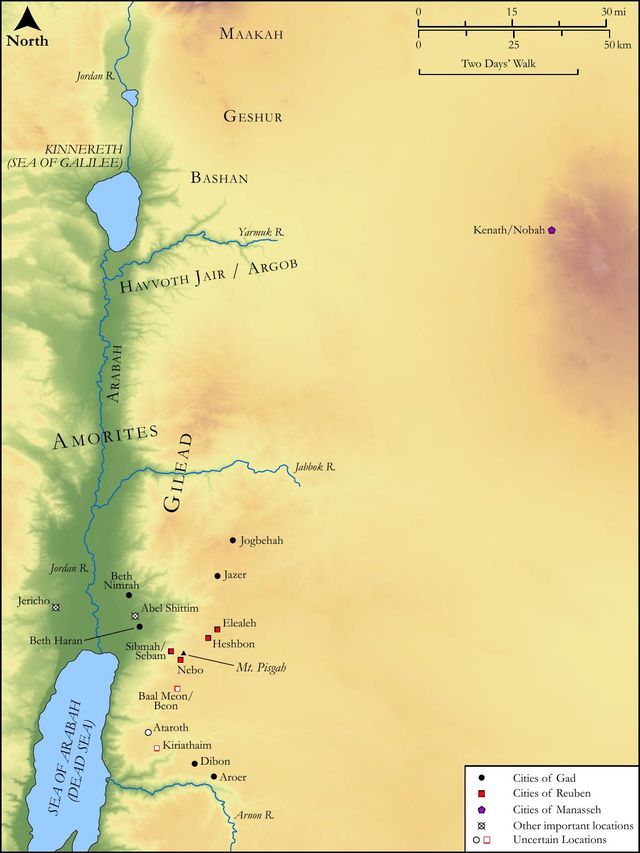
See on the biblical-era map
Study this verse
Continue studying Numbers 32:22 across the web’s major study libraries — every link below opens this exact verse, chapter, or book on the destination site.
Read & Compare
 BibleGatewayThis verse in more than 200 translations and 70 languages.
 Bible.comThe YouVersion reader — hundreds of translations, reading plans, and highlights.
 ESV.orgCrossway's official English Standard Version reader.
 NET BibleThe NET translation with 60,000+ translators' notes on every rendering decision.
 STEP BibleTyndale House's free study tool — original text, vocabulary, and scholarly resources.
 BibliaLogos Bible Software's free web reader.
 USCCBThe New American Bible (Revised Edition) with the U.S. bishops' study notes.
Commentaries
 BibleHub CommentariesDozens of classic commentaries on this verse, gathered on one page.
 StudyLightMore than 100 commentary sets — the largest collection on the web.
 BibleRefPlain-English commentary on what this verse means, verse by verse.
 Enduring WordDavid Guzik's free commentary on this chapter, widely used by Bible teachers.
 Bible Study ToolsVerse commentary alongside Greek and Hebrew study aids.
Original Language & Research
- BibleHub InterlinearThe verse word by word — original language, transliteration, and English.
- BibleHub LexiconEvery word's original-language definition and Strong's entry.
 Blue Letter BibleDeep-study tools — Strong's numbers, concordance, and word studies.
 SefariaThe Hebrew text with Rashi and centuries of Jewish commentary.
Sermons, Hymns & Audio


TrulyRandomVerse is not affiliated with these sites and doesn’t control their content. They’re linked because they’re genuinely useful.
Summary
Numbers 32:22 is a pivotal verse that encapsulates Moses' conditional acceptance of the Transjordanian tribes' request to settle east of the Jordan River. It meticulously outlines the terms under which Reuben, Gad, and the half-tribe of Manasseh would be granted their desired inheritance: their full and unwavering participation in the conquest of Canaan alongside the rest of Israel. This verse powerfully underscores the paramount importance of fulfilling one's commitments, ensuring both moral and covenantal integrity before God and communal accountability before the nation, thereby affirming that their future possession of the land was contingent upon divine approval and corporate solidarity.
Context
ShowHideLiterary Context
Numbers 32:22 serves as the culminating statement in a crucial negotiation between Moses and the tribes of Reuben, Gad, and the half-tribe of Manasseh. The chapter commences with these tribes, observing the fertile lands of Gilead and Bashan east of the Jordan, requesting to settle there due to their abundant livestock. Moses initially reacts with strong disapproval, fearing their request would demoralize the rest of Israel and echo the catastrophic failure of the spies' report, which led to forty years of wilderness wandering and divine judgment, as detailed in Numbers 14. The tribes, however, counter with a solemn pledge, found in Numbers 32:17-19, to arm themselves, build secure cities for their families, and fight alongside their brethren until the entire land of Canaan was subdued. Moses' response, culminating in verse 22, represents his conditional acceptance, laying down the precise terms that would ensure their commitment to the greater national cause before returning to their chosen inheritance.
Historical & Cultural Context
The events of Numbers 32 unfold on the plains of Moab, immediately prior to Israel's entry into the Promised Land. This period marks a critical transition from nomadic wilderness wandering to settled agricultural life, and the allocation of land was central to Israel's identity and covenant relationship with Yahweh, signifying the fulfillment of promises made to Abraham regarding the land (e.g., Genesis 12:7). Culturally, the integrity of an oath or promise was of utmost importance in Israel, carrying significant social and religious weight. Breaking a solemn vow was not only a breach of trust with fellow humans but a direct offense against God, who was often invoked as a witness to such agreements. The concept of "subduing" the land also reflects Israel's understanding of conquest, where military victory was seen as divine sanction for possession, and the land itself was a divine gift to be secured through obedient action.
Key Themes
ShowHideNumbers 32:22 powerfully contributes to several overarching themes within the book of Numbers and the Pentateuch. Firstly, it highlights Covenant Faithfulness and Integrity, emphasizing that the tribes' "guiltlessness" and right to possession were directly contingent upon their adherence to their solemn promise, not just to Moses and Israel, but explicitly "before the LORD." This underscores the sacred nature of vows within the covenant community. Secondly, the verse underscores Corporate Responsibility and Unity, demonstrating that individual or tribal interests must be subordinated to the collective good and divine purpose for the entire nation. Their inheritance was not a standalone right but a consequence of their participation in the national conquest. Thirdly, the repeated phrase "before the LORD" emphasizes Divine Sovereignty and Approval over all aspects of Israel's life, including land possession and military endeavors. True blessing and secure inheritance flow from obedience to God's will and participation in His grand redemptive plan for His people, as seen in the broader narrative of the conquest of Canaan under Joshua's leadership, as initiated in Joshua 1.
Exposition and Analysis
ShowHideKey Word Analysis
ShowHideThis primitive root signifies "to tread down," "to conquer," "to subjugate," or "to bring into subjection." In the context of Numbers 32:22, it denotes a complete and thorough military victory over the inhabitants of Canaan, not merely a partial occupation. It implies that the land must be fully brought under Israel's control, with the Lord's power enabling and sanctioning the conquest. This term is also notably used in Genesis 1:28 where humanity is commanded to "subdue" the earth, indicating a divinely mandated dominion. Here, it is applied to the specific, divinely appointed task of conquering the Promised Land as part of Israel's covenant inheritance.
This term means to be "innocent," "clean," "clear," "exempted," or "quit." In Numbers 32:22, it refers to the tribes being free from the guilt of breaking their solemn promise to Moses and the rest of Israel. Their integrity and moral standing, both before God and their community, were at stake. It implies a state of being free from obligation or blame, having fully discharged their duty. This concept of being "guiltless" is central to biblical justice and righteousness, highlighting the importance of fulfilling one's word to maintain a clear conscience and honorable standing.
This feminine passive participle, derived from a root meaning "to seize," refers to "something seized," specifically a possession, especially of land. In this verse, it designates the legitimate and permanent ownership of the land east of the Jordan that the tribes desired. The term emphasizes that their claim to this land would be valid and secure only after they had fulfilled their military obligation to the entire nation and had done so "before the LORD," thereby receiving divine sanction for their inheritance.
Verse Breakdown
ShowHide"And the land be subdued before the LORD:"
This clause establishes the primary condition for the Transjordan tribes' return and inheritance. The conquest of Canaan is presented not merely as a human military endeavor but as a divinely ordained mission. The crucial phrase "before the LORD" emphasizes that the entire process, from the fighting to the ultimate victory, is under God's watchful eye, dependent on His power, and subject to His approval. It highlights that the land is being subdued according to His will and for His purposes, not solely for Israel's benefit or convenience.
"then afterward ye shall return,"
This phrase outlines the direct consequence and promised outcome if the condition of subduing the land is met. It signifies the fulfillment of their pledge and grants them permission to return to their chosen inheritance east of the Jordan. This return is explicitly stated as not immediate but contingent upon the complete and successful execution of their shared national duty in the conquest of Canaan.
"and be guiltless before the LORD, and before Israel;"
This critical segment underscores the dual accountability of the tribes. Their "guiltlessness" is not simply a matter of human reputation or legal standing but, more profoundly, a state of moral and covenantal integrity before God. By faithfully fulfilling their promise, they would be free from the charge of abandoning their brethren or breaking their word, thereby maintaining a clear conscience and an honorable standing within the community and, most importantly, before their God.
"and this land shall be your possession before the LORD."
This final clause confirms the legitimacy and security of their inheritance. The land they desired, once secured through their faithful participation in the conquest, would be truly and legitimately theirs. The repeated emphasis "before the LORD" validates their possession as divinely sanctioned and blessed, implying that their land and their future rest would be secure because it was obtained in obedience to God's will and in solidarity with His people.
Literary Devices
ShowHideThe most prominent literary device in Numbers 32:22 is Repetition, specifically the anaphoric recurrence of the phrase "before the LORD." This phrase appears three times within the short verse, serving to profoundly emphasize the divine oversight, approval, and ultimate authority over every aspect of the tribes' actions, their eventual return, and their legitimate possession of the land. This repetition transforms what might otherwise be perceived as a mere human agreement into a sacred, covenantal obligation, placing all actions under God's discerning scrutiny and blessing. The verse also functions as a clear Conditional Clause ("And the land be subdued... then afterward ye shall return..."), precisely stating the prerequisite for the tribes' desired outcome. This grammatical structure highlights the biblical principle of cause and effect, where obedience and the fulfillment of duty are presented as preceding blessing and rest. Furthermore, there is a strong element of Emphasis on integrity and accountability, both vertical (before the LORD) and horizontal (before Israel), underscoring the vital importance of keeping one's word within a covenant community.
Theological and Thematic Connections
ShowHideNumbers 32:22 profoundly illustrates the biblical principles of covenant faithfulness, corporate solidarity, and the divine sanction of human endeavors. It teaches that true blessing and secure inheritance are not merely granted but are often contingent upon obedience, integrity, and active participation in God's communal purposes. The tribes' "guiltlessness" was tied directly to their willingness to prioritize the collective good of Israel over their immediate comfort, demonstrating that faithfulness to one's word, especially when given "before the LORD," is paramount. This passage serves as a powerful reminder that our actions have implications not only for ourselves but for the wider community of faith, and that God observes and validates our integrity, rewarding those who honor their commitments to Him and to His people.
Reflection and Application
ShowHideNumbers 32:22 offers timeless lessons for believers today, challenging us to examine our own integrity and commitment within the body of Christ and the broader world. It calls us to consider whether our personal desires and comforts might inadvertently take precedence over our shared responsibilities and the collective good of the community of faith. Just as the Transjordan tribes were required to fight alongside their brethren until the entire land was subdued, we are called to persevere in our spiritual battles and contribute actively to the advancement of God's kingdom, not seeking premature rest or reward. Our "guiltlessness" and peace of conscience are often tied to our faithfulness in fulfilling the duties God has placed before us, both to Him and to our fellow believers. This verse encourages us to live lives of unwavering integrity, where our word is our bond, and our actions consistently reflect a genuine commitment to God's purposes and the well-being of His people, understanding that true possession and blessing come through obedient participation in His grand design.
Questions for Reflection
ShowHideFAQ
ShowHideWhat was Moses' initial concern about the tribes' request to settle east of the Jordan?
ShowHideMoses was deeply concerned that the desire of the tribes of Reuben, Gad, and half-Manasseh to settle east of the Jordan would discourage the rest of the Israelites from entering and conquering the Promised Land. He feared a repeat of the tragic incident described in Numbers 14, where the negative report of the spies led the entire congregation to rebel against the LORD, resulting in forty years of wandering in the wilderness and the death of an entire generation. Moses wanted to ensure that the unity and resolve of the nation for the conquest of Canaan remained unbroken, preventing any act that might undermine the collective mission God had set before them.
What does the repeated phrase "before the LORD" signify in this verse?
ShowHideThe repetition of "before the LORD" three times in Numbers 32:22 serves to profoundly emphasize the divine oversight, approval, and ultimate authority over every aspect of the tribes' actions and their future. It signifies that their commitment, their return, and their possession of the land are not merely human arrangements but are subject to God's scrutiny and blessing. It underscores that their integrity and "guiltlessness" are primarily measured in God's sight, and that their inheritance is divinely sanctioned only through obedience to His will and participation in His purposes for the entire nation. This repetition elevates the human agreement to a covenantal level, binding it to divine accountability.
How does this passage relate to corporate responsibility within the church today?
ShowHideNumbers 32:22 provides a powerful paradigm for corporate responsibility within the church. Just as the Transjordan tribes could not prioritize their individual tribal interests over the collective mission of conquering the Promised Land for all Israel, believers today are called to contribute to the common good and shared mission of the body of Christ. Our personal blessings and "possessions" are often intertwined with our active participation in the church's work—whether it's evangelism, discipleship, service, or financial support. We are to be "guiltless" by fulfilling our commitments and not abandoning our fellow believers in their spiritual battles, remembering that our ultimate accountability is "before the LORD" and "before the church" (1 Corinthians 12:27). This passage encourages us to embrace our part in the collective spiritual conquest and building up of God's kingdom.
Christ-Centered Fulfillment
ShowHideNumbers 32:22, with its emphasis on subduing the land, achieving guiltlessness, and securing possession through corporate effort and obedience "before the LORD," finds its ultimate and perfect fulfillment in the person and work of Jesus Christ. He is the true and perfect Israelite who came not to conquer a physical land, but to "subdue" the spiritual enemies of sin, death, and the devil, definitively triumphing over all hostile powers through His cross (Colossians 2:15; Hebrews 2:14). Unlike the tribes whose guiltlessness was conditional upon their actions and obedience, Christ's perfect obedience and sacrificial death on the cross secured our "guiltlessness" once and for all "before the LORD" (Romans 5:1; 2 Corinthians 5:21). He is the "Lamb of God, who takes away the sin of the world!" (John 1:29), making us righteous in God's sight. Through His finished work, we are granted a far greater "possession" than any earthly land—an eternal inheritance that is imperishable, undefiled, and unfading, kept in heaven for us (1 Peter 1:4). Jesus fully completed the work the Father gave Him, making us truly "guiltless" and securing our entry into the ultimate promised rest, a spiritual rest that transcends any earthly land or temporal possession (Hebrews 4:9-10). Thus, the conditional promise to the tribes powerfully foreshadows the unconditional grace and complete victory accomplished by Christ, who perfectly fulfilled all righteousness and secured our eternal inheritance.