


Deuteronomy 32:22
- כִּיkiforH3588PrtParticle Conditional
- אֵשׁ'esha fireH784N-csNoun Singular common gender Absolute
- קָדְחָהka·de·Chahit has been kindledH6919V-Qal-Perf-3fsVerb Qal Perfect 3rd Singular Feminine
- בְאַפִּיve·'a·Piby my angerH639Prep-b ¦ N-msc ¦ 1csNoun Singular Masculine Constructבְbyאַפִּangerיmy
- וַתִּיקַדva·ti·Kadand it has burnedH3344Conj-w ¦ V-Qal-ConsecImperf-3fsVerb Qal Consecutive Imperfect 3rd Singular Feminineוַandתִּיקַדit has burned
- עַד'adtoH5704PrepPreposition
- שְׁאוֹלshe·'olSheolH7585N-csNoun Singular common gender Absolute
- תַּחְתִּיתtach·TitlowestH8482Adj-fsAdjective Singular Feminine Absolute
- וַתֹּאכַלva·To·khaland it has consumedH398Conj-w ¦ V-Qal-ConsecImperf-3fsVerb Qal Consecutive Imperfect 3rd Singular Feminineוַandתֹּאכַלit has consumed
- אֶרֶץ'e·retz[the] earthH776N-fsNoun Singular Feminine Absolute
- וִיבֻלָהּvi·vu·Lahand its produceH2981Conj-w ¦ N-msc ¦ 3fsNoun Singular Masculine Constructוִandיבֻלָproduceהּits
- וַתְּלַהֵטva·te·la·Hetand it has set ablazeH3857Conj-w ¦ V-Piel-ConsecImperf-3fsVerb Piel Consecutive Imperfect 3rd Singular Feminineוַandתְּלַהֵטit has set ablaze
- מוֹסְדֵיmos·Dei[the] foundations ofH4144N-mpcNoun Plural Masculine Construct
- הָרִיםha·Rim[the] mountainsH2022N-mpNoun Plural Masculine Absolute
English is a literal word-by-word gloss of the Hebrew, not the KJV's wording. Why?
This is the original text the KJV's translators worked from — each Hebrew word with its own literal English meaning in this verse, prepared by scholars at Tyndale House, Cambridge. The KJV translates whole sentences, not word by word, so its wording differs: one Hebrew word can become several English words, and the KJV may choose “the LORD” where the gloss reads “Yahweh”. Both are faithful — they answer different questions. For the KJV's own rendering, switch to the KJV text.
Details
See on the biblical-era map
Study this verse
Public-domain commentary
Matthew Henry
From his Commentary on the Whole Bible. Henry comments on passages, not single verses — this entry covers Deuteronomy 32:19–25. His four-level outline is real structure in the source text, so it is rendered as structure.
The method of this song follows the method of the predictions in the foregoing chapter, and therefore, after the revolt of Israel from God, described in the foregoing verses, here follow immediately the resolves of divine Justice concerning them; we deceive ourselves if we think that God will be thus mocked by a foolish faithless people, that play fast and loose with him.
I.He had delighted in them, but now he would reject them with detestation and disdain, Deu 32:19.
When the Lord saw their treachery, and folly, and base ingratitude, he abhorred them, he despised them, so some read it. Sin makes us odious in the sight of the holy God; and no sinners are so loathsome to him as those that he has called, and that have called themselves, his sons and his daughters, and yet have been provoking to him. Note, The nearer any are to God in profession the more noisome are they to him if they are defiled in a sinful way, Psa 106:39, Psa 106:40.
II.He had given them the tokens of his presence with them and his favour to them; but now he would withdraw and hide his face from them, Deu 32:20. His hiding his face signifies his great displeasure; they had turned their back upon God, and now God would turn his back upon them (compare Jer 18:17 with Jer 2:27); but here it denotes also the slowness of God's proceedings against them in a way of judgment. They began in their apostasy with omissions of good, and so proceeded to commissions of evil. In like manner God will first suspend his favours, and let them see what the issue of that will be, what a friend they lose when they provoke God to depart, and will try whether this will bring them to repentance. Thus we find God hiding himself, as it were, in expectation of the event, Isa 57:17. To justify himself in leaving them he shows that they were such as there was no dealing with; for,
1.They were froward and a people that could not be pleased, or obstinate in sin, and that could not be convinced and reclaimed.
2.They were faithless, and a people that could not be trusted. When he saved them, and took them into covenant, he said, Surely they are children that will not lie (Isa 63:8); but when they proved otherwise, children in whom is no faith, they deserved to be abandoned, and that the God of truth should have no more to do with them.
III.He had done every thing to make them easy and to please them, but now he would do that against them which should be most vexatious to them. The punishment here answers the sin, Deu 32:21.
1.They had provoked God with despicable deities which were not gods at all, but vanities, creatures of their own imagination, that could not pretend either to merit or to repay the respects of their worshippers; the more vain and vile the gods were after which they went a whoring the greater was the offence to that great and good God whom they set them up in competition with and contradiction to. This put two great evils into their idolatry, Jer 2:13.
2.God would therefore plague them with despicable enemies, that were worthless, weak, and inconsiderable, and not deserving the name of a people, which was a great mortification to them, and aggravated the oppressions they groaned under The more base the people were that tyrannised over them the more barbarous they would be (none so insolent as a beggar on horseback), besides that it would be infamous to Israel, who had so often triumphed over great and mighty nations, to be themselves trampled upon by the weak and foolish, and to come under the curse of Canaan, who was to be a servant of servants. But God can make the weakest instrument a scourge to the strongest sinner; and those that by sin insult their might Creator are justly insulted by the meanest of their fellow-creatures. This was remarkably fulfilled in the days of the judges, when they were sometimes oppressed by the very Canaanites themselves, whom they had subdued, Jdg 4:2. But the apostle applies it to the conversion of the Gentiles, who had been a people not in covenant with God, and foolish in divine things, yet were brought into the church, sorely to the grief of the Jews, who upon all occasions showed a great indignation at it, which was both their sin and their punishment, as envy always is, Rom 10:19.
IV.He had planted them in a good land, and replenished them with all good things; but now he would strip them of all their comforts, and bring them to ruin. The judgments threatened are very terrible, Deu 32:22-25.
1.The fire of God's anger shall consume them, Deu 32:22. Are they proud of their plenty? It shall burn up the increase of the earth. Are they confident of their strength? It shall destroy the very foundations of their mountains: there is no fence against the judgments of God when they come with commission to lay all waste. It shall burn to the lowest hell, that is, it shall bring them to the very depth of misery in this world, which yet would be but a faint resemblance of the complete and endless misery of sinners in the other world. The damnation of hell (as our Saviour calls it) is the fire of God's anger, fastening upon the guilty conscience of a sinner, to its inexpressible and everlasting torment, Isa 30:33.
2.The arrows of God's judgments shall be spent upon them, till his quiver is quite exhausted, Deu 32:23. The judgments of God, like arrows, fly swiftly (Psa 64:7), reaching those at a distance who flatter themselves with hopes of escaping them, Psa 21:8, Psa 21:12. They come from an unseen hand, but wound mortally, for God never misses his mark, Kg1 22:34. The particular judgments here threatened are,
(1.)Famine: they shall be burnt, or parched, with hunger.
(2.)Pestilence and other diseases, here called burning heat and bitter destruction.
(3.)The insults of the inferior creatures: the teeth of beasts and the poison of serpents, Deu 32:24.
(4.)War and the fatal consequences of it, Deu 32:25.
[1.]Perpetual frights. When the sword is without, there cannot but be terror within. Co2 7:5, Without were fightings, within were fears. Those who cast off the fear of God are justly exposed to the fear of enemies.
[2.]Universal deaths. The sword of the Lord, when it is sent to lay all waste, will destroy without distinction; neither the strength of the young man nor the beauty of the virgin, neither the innocency of the suckling nor the gravity or infirmity of the man of gray hairs, will be their security from the sword when it devours one as well as another. Such devastation does war make, especially when it is pushed on by men as ravenous as wild beasts and as venomous as serpents, Deu 32:24. See here what mischief sin does, and reckon those fools that make a mock at it.
Continue studying Deuteronomy 32:22 across the web’s major study libraries — every link below opens this exact verse, chapter, or book on the destination site.
Read & Compare
 BibleGatewayThis verse in more than 200 translations and 70 languages.
 Bible.comThe YouVersion reader — hundreds of translations, reading plans, and highlights.
 ESV.orgCrossway's official English Standard Version reader.
 NET BibleThe NET translation with 60,000+ translators' notes on every rendering decision.
 STEP BibleTyndale House's free study tool — original text, vocabulary, and scholarly resources.
 BibliaLogos Bible Software's free web reader.
 USCCBThe New American Bible (Revised Edition) with the U.S. bishops' study notes.
Commentaries
 BibleHub CommentariesDozens of classic commentaries on this verse, gathered on one page.
 StudyLightMore than 100 commentary sets — the largest collection on the web.
 BibleRefPlain-English commentary on what this verse means, verse by verse.
 Enduring WordDavid Guzik's free commentary on this chapter, widely used by Bible teachers.
 Bible Study ToolsVerse commentary alongside Greek and Hebrew study aids.
Original Language & Research
- BibleHub InterlinearThe verse word by word — original language, transliteration, and English.
- BibleHub LexiconEvery word's original-language definition and Strong's entry.
 Blue Letter BibleDeep-study tools — Strong's numbers, concordance, and word studies.
 SefariaThe Hebrew text with Rashi and centuries of Jewish commentary.
Sermons, Hymns & Audio


TrulyRandomVerse is not affiliated with these sites and doesn’t control their content. They’re linked because they’re genuinely useful.
Summary
Deuteronomy 32:22, a powerful declaration within the "Song of Moses," starkly articulates the terrifying and comprehensive nature of God's righteous indignation against Israel's anticipated apostasy. This verse employs vivid, apocalyptic imagery to convey that divine judgment, once kindled, will penetrate the deepest spiritual realms, consume the entirety of the physical world, and shake even the most immutable foundations of creation, underscoring the severe and inescapable consequences of covenant infidelity.
Context
ShowHideLiterary Context
This verse is deeply embedded within the "Song of Moses" (Deuteronomy 32:1-43), a prophetic poem delivered by Moses just before his death, serving as his final testament and a solemn warning to the Israelites. The song functions as a divine witness against Israel, recounting God's faithful provision and protection while simultaneously foretelling their future rebellion, idolatry, and subsequent divine judgment. Following a poignant lament over Israel's spiritual decline and their "provoking Him to jealousy with strange gods" Deuteronomy 32:16, God declares His intention to bring judgment upon them Deuteronomy 32:19-25. Verse 22 specifically describes the intensity and terrifying scope of this impending wrath, using hyperbolic language to emphasize its all-consuming nature, setting the stage for the detailed descriptions of various forms of judgment that follow, such as famine, plague, and warfare Deuteronomy 32:23-25.
Historical & Cultural Context
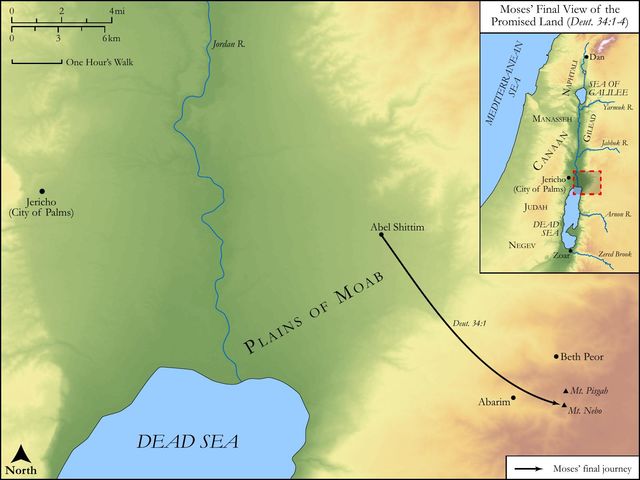
Delivered on the plains of Moab, with the Promised Land in sight, Moses' song serves as a crucial covenant renewal and a final exhortation to a generation poised to enter Canaan. The historical context is one of significant transition, where Israel is about to face the immense temptations of pagan worship prevalent among the Canaanite nations. Culturally, the concept of divine wrath and judgment was well understood in the ancient Near East, often associated with the breaking of treaties or covenants between a suzerain (a dominant ruler) and his vassals. God's anger here is not capricious but a just and righteous response to the anticipated violation of the Mosaic Covenant, particularly the command against idolatry and the worship of other gods Deuteronomy 6:14-15. The imagery of fire consuming the earth and mountains would have resonated powerfully with ancient audiences familiar with devastating natural disasters and the destructive power often attributed to divine displeasure in their worldview.
Key Themes
ShowHideDeuteronomy 32:22 contributes significantly to several overarching themes within the "Song of Moses" and the broader book of Deuteronomy. Primarily, it underscores the Holiness and Justice of God, asserting that His unblemished character demands a righteous response to sin and covenant breaking. The "fire...kindled in mine anger" is a manifestation of His unyielding commitment to justice, not a volatile temper, ensuring His moral order is upheld. Secondly, it highlights the Severity and Scope of Divine Judgment, portraying a wrath so profound that it reaches "unto the lowest hell" and consumes "the earth with her increase," emphasizing that no aspect of existence is beyond God's reach or immune to the consequences of rebellion. This comprehensive judgment serves as a stark and terrifying warning. Finally, the verse powerfully reinforces the theme of Consequences of Disobedience, serving as a prophetic reminder that forsaking God and His commandments, as Israel is predicted to do Deuteronomy 31:29, inevitably leads to dire and inescapable repercussions, underscoring the seriousness of the covenant relationship and the necessity of faithful adherence.
Exposition and Analysis
ShowHideKey Word Analysis
ShowHideIn biblical literature, "fire" is a multifaceted symbol. Here, it primarily represents God's intense, consuming judgment and purification. It is not merely destructive but also indicative of God's holy presence and His zeal against sin. This imagery is consistent throughout scripture, portraying God's wrath as an active, powerful force that purges and destroys that which opposes His righteousness, as seen in Hebrews 12:29.
This word literally means "nose" or "nostril" and often refers to the snorting of an enraged animal, thus conveying intense, burning indignation. God's anger is not an irrational outburst but a settled, holy wrath against sin, a righteous response to deliberate rebellion and covenant infidelity. It is a manifestation of His perfect justice, flowing from His righteous character.
This term, shᵉʼôwl, refers to the grave, the underworld, or the realm of the dead, a place of shadows and silence. The addition of "lowest" (Hebrew, tachtîy) intensifies the meaning, emphasizing the uttermost depths or the most profound abyss of this realm. It signifies a judgment that penetrates to the very lowest possible point of existence, implying complete and inescapable destruction, even reaching the spiritual or unseen world where the dead reside.
Verse Breakdown
ShowHide"For a fire is kindled in mine anger"
This opening clause establishes the divine origin and nature of the impending judgment: it stems directly from God's holy wrath. The imagery of "kindled fire" suggests an active, deliberate initiation of judgment, not a passive consequence, emphasizing God's sovereign control over the unfolding events and the intentionality of His righteous response to sin.
"and shall burn unto the lowest hell"
This phrase describes the profound depth and pervasive reach of God's judgment. It indicates that His wrath will penetrate beyond the visible world, extending into the deepest parts of the underworld or the realm of the dead. This signifies a judgment that is utterly comprehensive and inescapable, affecting even the departed, leaving no place or state of being untouched.
"and shall consume the earth with her increase"
Here, the scope of judgment expands to the physical, material world. "The earth with her increase" refers to the land and all its produce, its inhabitants, and its bounty—everything that sustains life and prosperity. This signifies that God's wrath will devastate the material realm, leading to famine, desolation, and the destruction of life and livelihood, directly impacting the very sustenance and existence of the people.
"and set on fire the foundations of the mountains"
This final clause employs powerful hyperbole to emphasize the extreme intensity and comprehensiveness of the judgment. Mountains, typically symbols of stability, permanence, and strength, are depicted as being consumed from their very foundations. This imagery conveys that God's judgment is so severe that it will shake and destroy even the most enduring and seemingly unshakeable elements of creation, leaving nothing untouched and demonstrating the absolute power of His wrath.
Literary Devices
ShowHideDeuteronomy 32:22 is rich in Imagery, painting a vivid and terrifying picture of divine wrath through the use of fire, the depths of the underworld, the consuming of the earth, and the burning of mountain foundations. The central device is Metaphor, where "fire" serves as a powerful representation of God's intense, consuming anger and judgment. This is not literal fire, but a symbolic expression of His righteous indignation and purifying zeal against sin. The verse also employs significant Hyperbole, exaggerating the scope of destruction (burning "unto the lowest hell," consuming "the earth with her increase," and setting "on fire the foundations of the mountains") to convey the absolute and inescapable nature of God's wrath, ensuring the audience grasps its unparalleled severity and totality. Furthermore, the phrase "mine anger" is an example of Anthropomorphism, attributing human emotion (anger) to God, making His divine response relatable and emphasizing the personal nature of His righteous indignation against sin and covenant infidelity.
Theological and Thematic Connections
ShowHideDeuteronomy 32:22 powerfully articulates the biblical truth of God's absolute holiness and His unwavering commitment to justice. It reveals that God is not indifferent to sin but actively responds to rebellion and covenant breaking with a righteous wrath that is both profound and comprehensive. This verse serves as a stark reminder that while God is merciful and gracious, His character also demands accountability for sin, demonstrating that He is a God who judges evil with consuming fire. This divine attribute is not arbitrary but flows from His perfect nature, ensuring that His moral order is upheld and that sin does not go unpunished. The terrifying imagery underscores the gravity of human sin and the immense cost of turning away from the Creator, compelling a deep reverence for His majesty and justice.
Reflection and Application
ShowHideDeuteronomy 32:22 stands as a solemn warning, urging us to consider the profound holiness of God and the seriousness with which He regards sin. It compels us to move beyond a superficial understanding of God's love and to embrace the full scope of His character, which includes His righteous judgment. For believers, this verse should cultivate a deep reverence for God, motivating us to walk in obedience and integrity, recognizing that our actions have eternal weight and that God is indeed a consuming fire. It underscores the immense grace we have received in Christ, who delivers us from the wrath to come. For those who have not yet surrendered to Christ, this passage serves as a sober call to repentance, a stark reminder of the reality and severity of divine judgment that awaits those who remain in rebellion against a holy God. The imagery of an all-consuming fire should provoke a deep and urgent reflection on one's standing before the Almighty and the desperate need for salvation.
Questions for Reflection
ShowHideFAQ
ShowHideWhat does "lowest hell" mean in the context of this Old Testament verse?
ShowHideIn the King James Version, "lowest hell" translates the Hebrew phrase she'ol tachtit (שְׁאוֹל תַּחְתִּית). In the Old Testament, "Sheol" generally refers to the grave, the underworld, or the realm of the dead, a shadowy place where all the deceased were believed to go, regardless of their righteousness. It is distinct from the New Testament concept of Gehenna, which denotes a place of eternal conscious punishment. The addition of "lowest" (Hebrew, tachtîy) intensifies the meaning, signifying the deepest or uttermost parts of this realm. Therefore, "lowest hell" here emphasizes the profound depth and inescapable nature of God's judgment, implying that His wrath will penetrate to the absolute lowest possible point of existence, leaving no place untouched by its consuming power. It speaks to the totality of the impending destruction, affecting both the living and the dead, the visible and the unseen.
Does this verse contradict God's love and mercy?
ShowHideNo, this verse does not contradict God's love and mercy; rather, it underscores the necessity and depth of them. God's anger and judgment, as depicted in Deuteronomy 32:22, are not capricious or out of control; they are a righteous response to sin and covenant breaking. A truly holy and just God must respond to evil; otherwise, His holiness would be compromised. The severity of the judgment highlights the immense gravity of human sin and the high cost of rebellion against a perfect Creator. It is precisely because God is so holy and just that His love and mercy, extended through His covenant faithfulness and ultimately through Christ, are so profound and precious. The very fact that He provides a way of escape from such wrath (as seen in the New Testament) magnificently reveals His compassion and grace. Understanding God's wrath helps us appreciate the depth of His love in providing salvation, as beautifully described in Romans 5:8.
Christ-Centered Fulfillment
ShowHideDeuteronomy 32:22, with its terrifying imagery of a "fire... kindled in mine anger" consuming everything from "the lowest hell" to "the foundations of the mountains," serves as a profound Old Testament foreshadowing of the righteous wrath of God against human sin. This verse vividly portrays the inescapable and comprehensive nature of divine judgment that every human being, by virtue of their sin, inherently deserves. However, the New Testament reveals the glorious Christ-centered fulfillment of this terrifying reality: Jesus Christ, the Son of God, bore the full brunt of this consuming divine wrath on the cross. He became the propitiation for our sins, absorbing the very fire of God's anger that we deserved, just as Isaiah 53:5 prophesied and Romans 3:25 explains. Through His vicarious sacrifice, Christ descended into the depths, conquering death and the grave, thereby delivering all who believe in Him from the "wrath to come," as triumphantly declared in 1 Thessalonians 1:10. Thus, the very judgment described in Deuteronomy 32:22, which threatened to consume everything, was perfectly and completely satisfied in the person of Jesus, allowing God to be both just and the justifier of those who have faith in Him Romans 3:26.