


Isaiah 37:35
Bible text: King James Version (1769 Blayney text) · Public domain
Bible text: Berean Standard Bible · Public domain
Bible text: American Standard Version (1901) · Public domain
Bible text: World English Bible, Messianic edition · Public domain
Bible text: Geneva Bible (1599) · Public domain
Bible text: Young's Literal Translation · Public domain
- וְגַנּוֹתִיve·ga·no·Tiand I will defendH1598Conj-w ¦ V-Qal-ConsecPerf-1csVerb Qal Consecutive Perfect 1st Singular common genderוְandגַנּוֹתִיI will defend
- עַל'al<on>H5921PrepPreposition
- הָעִירha·'Irthe cityH5892Art ¦ N-fsNoun Singular Feminine Absoluteהָtheעִירcity
- הַזֹּאתha·Zot<the> thisH2063Art ¦ PrtParticle Demonstrativeהַ<the>זֹּאתthis
- לְהוֹשִׁיעָהּle·ho·shi·'Ahto deliver itH3467Prep-l ¦ V-Hiphil-Inf ¦ 3fsVerb Hiphil Infinitive Constructלְtoהוֹשִׁיעָdeliverהּit
- לְמַעֲנִיle·ma·'a·Nifor own sake myH4616Prt ¦ 1csParticle Conditionalלְמַעֲנִfor own sakeיmy
- וּלְמַעַןu·le·Ma·'anand for [the] sake ofH4616Conj-w ¦ PrtParticle Conditionalוּandלְמַעַןfor [the] sake of
- דָּוִדda·VidDavidH1732N-proper-mNoun Proper Masculine
- עַבְדִּי'av·Dimy servantH5650N-msc ¦ 1csNoun Singular Masculine Constructעַבְדִּservantיmy
English is a literal word-by-word gloss of the Hebrew, not the KJV's wording. Why?
This is the original text the KJV's translators worked from — each Hebrew word with its own literal English meaning in this verse, prepared by scholars at Tyndale House, Cambridge. The KJV translates whole sentences, not word by word, so its wording differs: one Hebrew word can become several English words, and the KJV may choose “the LORD” where the gloss reads “Yahweh”. Both are faithful — they answer different questions. For the KJV's own rendering, switch to the KJV text.
Details
See on the biblical-era map
Study this verse
Public-domain commentary
Matthew Henry
From his Commentary on the Whole Bible. Henry comments on passages, not single verses — this entry covers Isaiah 37:21–38.
We may here observe, 1. That those who receive messages of terror from men with patience, and send messages of faith to God by prayer, may expect messages of grace and peace from God for their comfort, even when they are most cast down. Isaiah sent a long answer to Hezekiah's prayer in God's name, sent it in writing (for it was too long to be sent by word of mouth), and sent it by way of return to his prayer, relation being thereunto had: "Whereas thou hast prayed to me, know, for thy comfort, that thy prayer is heard." Isaiah might have referred him to the prophecies he had delivered (particularly that ch. 10) and bid him pick out an answer from thence; but, that he might have abundant consolation, a message is sent him on purpose. The correspondence between earth and heaven is never let fall on God's side. 2. Those who magnify themselves, especially who magnify themselves against God and his people, do really vilify themselves, and made themselves contemptible, in the eyes of all wise men: "The virgin, the daughter of Zion, has despised Sennacherib, and all his impotent malice and menaces; she knows that, while she preserves her integrity, she is sure of the divine protection, and that though the enemy may bark he cannot bite. All his threats are a jest; it is all but brutum fulmen - a mere flash," 3. Those who abuse the people of God affront God himself; and he takes what is said and done against them as said and done against himself: "Whom hast thou reproached? Even the Holy One of Israel, whom thou hast therefore reproached because he is a Holy One." And it aggravated the indignity Sennacherib did to God that he not only reproached him himself, but set his servants on to do the same: By thy servants, the abjects, thou hast reproached me. 4. Those who boast of themselves and their own achievements reflect upon God and his providence: "Thou hast said, I have digged, and drunk water; I have done mighty feats, and will do more; and wilt not own that I have done it," Isa 37:24-26. The most active men are no more than God makes them, and God makes them no more than of old he designed to make them: "What I have formed of ancient times, in an eternal counsel, now have I brought to pass" (for God does all according to the counsel of his will), "that thou shouldst be to lay waste defenced cities; it is therefore intolerable arrogance to make it thy own doing." 5. All the malice, and all the motions and projects, of the church's enemies, are under the cognizance and check of the church's God. Sennacherib was active and quick, here, and there, and every where, but God knew his going out and coming in, and had always an eye upon him, Isa 37:28. And that was not all; he had a hand upon him too, a strict hand, a strong hand, a hook in his nose and a bridle in his lips, with which, though he was very headstrong and unruly, he could and would turn him back by the way which he came, Isa 37:29. Hitherto he shall come and no further. God had signed Sennacherib's commission against Judah (Isa 10:6); here he supersedes it. He has frightened them, but he must not hurt them, and therefore is discharged from going any further; nay, his commitment is here signed, by which he is clapped up, to answer for what he had done beyond his commission. 6. God is his people's bountiful benefactor, as well as their powerful protector, both a sun and a shield to those that trust in him. Jerusalem shall be defended (Isa 37:35), the besiegers shall not come into it, no, nor come before it with any regular attack, but they shall be routed before they begin the siege, Isa 37:33. But this is not all; God will return in mercy to his people, and will do them good. Their land shall be more than ordinarily fruitful, so that their losses shall be abundantly repaired; they shall not feel any of the ill effects either of the enemies' wasting the country or of their own being taken off from husbandry. But the earth, as at first, shall bring forth of itself, and they shall live and live plentifully upon its spontaneous productions. The blessing of the Lord can, when he pleases, make rich without the hand of the diligent. And let them not think that the desolations of their country would excuse them from observing the sabbatical year, which happened (as it should seem) the year after, and when they were not to plough or sow; no, though they had not now their usual stock beforehand for that year, yet they must religiously observe it, and depend upon God to provide for them. God must be trusted in the way of duty. 7. There is no standing before the judgments of God when they come with commission. (1.) The greatest numbers cannot stand before them: one angel shall, in one night, lay a vast army of men dead upon the spot, when God commissions him so to do, Isa 37:36. Here are 185,000 brave soldiers in an instant turned into so many dead corpses. Many think the 76th Psalm was penned upon occasion of this defeat, where from the spoiling of the stout-hearted, and sending them to sleep their long sleep (Isa 37:5), it is inferred that God is more glorious and excellent than the mountains of prey (Isa 37:4), and that he, even he, is to be feared, Isa 37:7. Angels are employed, more than we are aware of, as ministers of God's justice, to punish the pride and break the power of wicked men. (2.) The greatest men cannot stand before them: The great king, the king of Assyria, looks very little when he is forced to return, not only with shame, because he cannot accomplish what he had projected with so much assurance, but with terror and fear, lest the angel that had destroyed his army should destroy him; yet he is made to look less when his own sons, who should have guarded him, sacrificed him to his idol, whose protection he sought, Isa 37:37, Isa 37:38. God can quickly stop their breath who breathe out threatenings and slaughter against his people, and will do it when they have filled up the measure of their iniquity; and the Lord is known by these judgments which he executes, known to be a God that resists the proud. Many prophecies were fulfilled in this providence, which should encourage us, as far as they look further, and are designed as common and general assurances of the safety of the church and of all that trust in God, to depend upon God for the accomplishment of them. He that has delivered does and will deliver. Lord, forgive our enemies; but, so let all thy enemies perish, O Lord!
Continue studying Isaiah 37:35 across the web’s major study libraries — every link below opens this exact verse, chapter, or book on the destination site.
Read & Compare
 BibleGatewayThis verse in more than 200 translations and 70 languages.
 Bible.comThe YouVersion reader — hundreds of translations, reading plans, and highlights.
 ESV.orgCrossway's official English Standard Version reader.
 NET BibleThe NET translation with 60,000+ translators' notes on every rendering decision.
 STEP BibleTyndale House's free study tool — original text, vocabulary, and scholarly resources.
 BibliaLogos Bible Software's free web reader.
 USCCBThe New American Bible (Revised Edition) with the U.S. bishops' study notes.
Commentaries
 BibleHub CommentariesDozens of classic commentaries on this verse, gathered on one page.
 StudyLightMore than 100 commentary sets — the largest collection on the web.
 BibleRefPlain-English commentary on what this verse means, verse by verse.
 Enduring WordDavid Guzik's free commentary on this chapter, widely used by Bible teachers.
 Bible Study ToolsVerse commentary alongside Greek and Hebrew study aids.
Original Language & Research
- BibleHub InterlinearThe verse word by word — original language, transliteration, and English.
- BibleHub LexiconEvery word's original-language definition and Strong's entry.
 Blue Letter BibleDeep-study tools — Strong's numbers, concordance, and word studies.
 SefariaThe Hebrew text with Rashi and centuries of Jewish commentary.
Sermons, Hymns & Audio


TrulyRandomVerse is not affiliated with these sites and doesn’t control their content. They’re linked because they’re genuinely useful.
Summary
Isaiah 37:35 serves as a profound and pivotal declaration of Yahweh's unwavering commitment to protect Jerusalem from the formidable Assyrian threat. This verse encapsulates God's direct response to King Hezekiah's desperate prayer, promising divine defense and salvation for the city. Crucially, God's motivation is explicitly stated as being "for mine own sake" and "for my servant David's sake," underscoring that His actions are rooted not in human merit but in His intrinsic character, His glory, and His enduring covenant faithfulness. It stands as a powerful testament to divine sovereignty, grace, and the absolute certainty of God's word in the face of seemingly insurmountable odds.
Context
ShowHideLiterary Context
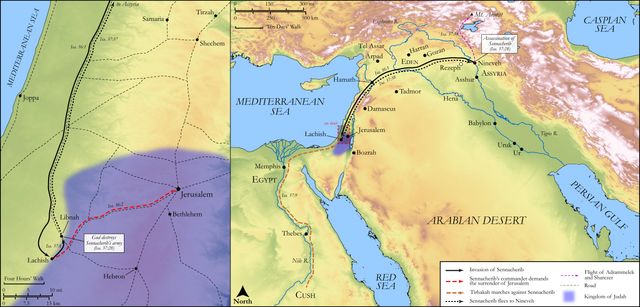
Isaiah 37:35 forms the dramatic climax of a narrative arc spanning Isaiah 36-37, which meticulously details the Assyrian invasion of Judah during the reign of King Hezekiah. Following Sennacherib's successful siege of numerous fortified cities and his subsequent, blasphemous taunts against Yahweh and Jerusalem, King Hezekiah demonstrates exemplary faith by turning to God in fervent prayer. He lays the Assyrian king's threatening letter before the Lord in the temple, as recorded in Isaiah 37:14-20. In direct response to this humble appeal, the prophet Isaiah delivers God's definitive message of assurance and imminent deliverance. This powerful promise of divine protection in Isaiah 37:35 serves as the divine guarantee preceding the miraculous act of salvation. Its immediate and astonishing fulfillment is vividly recounted in the very next verse, Isaiah 37:36, where the Angel of the Lord miraculously strikes down 185,000 Assyrian soldiers, compelling Sennacherib's ignominious retreat.
Historical & Cultural Context
The events depicted in Isaiah 37 transpired around 701 BC, a period marked by the formidable dominance of the Neo-Assyrian Empire over the nations. Under King Sennacherib, Assyria was renowned for its brutal military campaigns, its policy of mass deportation, and its overwhelming military might, which had subdued most of the region. Jerusalem, though fortified, found itself isolated and besieged by an Assyrian army that appeared invincible. The broader cultural context was characterized by polytheism, where nations typically believed their gods were powerful only within their own territories or were subject to more powerful deities. Sennacherib's taunts, articulated in passages like Isaiah 36:18-20, were strategically designed to undermine Judah's faith in Yahweh, portraying Him as merely another regional deity incapable of protecting His people. Therefore, God's defense of Jerusalem was far more than a military victory; it was a profound theological statement, demonstrating His unique sovereignty, His unparalleled power over all nations, and His absolute supremacy over all other gods.
Key Themes
ShowHideThis verse powerfully articulates several core theological themes that resonate throughout biblical narrative. Firstly, it underscores the theme of Divine Protection and Deliverance, showcasing God's absolute sovereignty and His miraculous ability to intervene against overwhelming odds. The promise, "I will defend this city to save it," is a direct assertion of Yahweh's active and personal involvement in human history, demonstrating His power to rescue His people when all human hope has vanished. Secondly, the phrase "for mine own sake" highlights the profound theme of God's Glory and Reputation. God's primary motivation for acting is the vindication of His holy name and character in the face of blasphemous challenges. He acts to ensure His supremacy is recognized among the nations, as further emphasized in scriptures such as Ezekiel 36:22-23. Thirdly, the addition "and for my servant David's sake" emphasizes God's unwavering Faithfulness to Covenant. This points directly to the Davidic Covenant, where God solemnly promised David an enduring dynasty and the perpetual security of Jerusalem as the city of David (2 Samuel 7:16). God's action here is a powerful demonstration of His steadfast love (Hebrew: hesed) and His unyielding loyalty to His promises across generations, regardless of the current generation's faithfulness.
Exposition and Analysis
ShowHideKey Word Analysis
ShowHideThis primitive root means "to hedge about," implying the creation of a protective enclosure or barrier. It speaks of active, vigilant guardianship, akin to a shepherd protecting his flock or a wall safeguarding a city from invaders. In this context, it conveys God's personal, comprehensive, and impenetrable protection, forming an unyielding shield around Jerusalem.
This term refers to a fortified settlement, a place guarded by constant watchfulness. It emphasizes Jerusalem's inherent vulnerability as a physical entity under siege, yet simultaneously highlights its profound significance as the chosen dwelling place of God and the capital of His covenant people.
A primitive root meaning "to be open, wide, or free," and by implication, "to be safe." Causatively, it means "to free or succor." This word encompasses a broad range of meanings including deliverance, salvation, and the act of bringing victory. It signifies not merely temporary protection from harm, but a complete and decisive rescue from a state of danger or oppression, leading to a lasting state of safety and freedom.
Derived from the verb "to work" or "to serve," this noun denotes one who serves, a bondman, or a servant. In the biblical context, especially when applied to figures like David, it often carries the profound connotation of devoted service, loyalty, and a unique relationship with God, highlighting one chosen and set apart for divine purposes, through whom God's covenant promises would be channeled.
Verse Breakdown
ShowHide"For I will defend this city"
This clause commences with a powerful declaration of divine intention and personal involvement. The emphatic "I" is Yahweh Himself, underscoring His sovereign power and direct action. The verb "defend" (H1598, gânan) signifies active, protective intervention, portraying God as the vigilant guardian who will personally stand between the city and its attackers, forming an impenetrable barrier. This is a direct, unconditional promise from the Almighty.
"to save it"
This phrase articulates the ultimate purpose and desired outcome of God's defense. The verb "save" (H3467, yâshaʻ) implies a complete and decisive deliverance from danger and a restoration to safety and freedom. It signifies not just a temporary reprieve but a comprehensive act of salvation that ensures the city's survival and its liberation from the overwhelming Assyrian threat. God's defense is purposeful, leading to full salvation.
"for mine own sake"
This is presented as the primary and most profound motivation for God's action. It signifies that God's intervention is intrinsically rooted in His own character, His inherent holiness, His unblemished glory, and His divine reputation. In the face of Sennacherib's audacious blasphemy, God acts to vindicate His name and to unequivocally demonstrate His unique power and supreme sovereignty to all nations, proving that He is indeed the one true God, unlike the impotent idols of other lands. His honor, His word, and His very being are at stake.
"and for my servant David's sake"
This secondary, yet deeply significant, motivation highlights God's unwavering faithfulness to His covenant promises. It refers specifically to the Davidic Covenant, where God solemnly promised David an eternal dynasty and the perpetual security of Jerusalem as the city of David. God acts to uphold His sacred word given to David, thereby demonstrating His steadfast love (Hebrew: hesed) and covenant loyalty across generations, ensuring the continuation of the lineage through which the Messiah would ultimately come.
Literary Devices
ShowHideIsaiah 37:35 is rich with literary devices that amplify its theological weight and underscore its prophetic significance. The most prominent is Divine Fiat, where God speaks directly and authoritatively ("I will defend... to save it"). This declaration unequivocally underscores His absolute sovereignty and the certainty of His spoken word. The phrase "for mine own sake, and for my servant David's sake" masterfully employs Repetition and Parallelism, emphasizing the dual, yet interconnected, motivations behind God's decisive action. This structural choice highlights the intricate interplay between God's inherent glory and His unwavering covenant faithfulness. There is also an element of Anthropomorphism in "for mine own sake," as God is portrayed as acting to preserve His reputation or honor, a concept relatable to human motivations but applied to the infinite and perfect divine character. The entire passage functions as a powerful Prophetic Oracle, a divinely inspired message delivered through Isaiah, confirming God's active and direct involvement in the historical events and His ultimate, sovereign control over the destiny of nations and His chosen people.
Theological and Thematic Connections
ShowHideIsaiah 37:35 stands as a powerful testament to God's sovereign power, His unyielding faithfulness, and the centrality of His own glory in all His actions. It profoundly reveals that while God certainly cares for His people and responds to their prayers, His ultimate motivation is the vindication of His holy name and the perfect fulfillment of His divine purposes. This verse teaches us that God's promises are not contingent upon human merit, performance, or even faithfulness, but are deeply rooted in His unchanging character and His unbreakable covenants. The miraculous salvation of Jerusalem was not merely a political or military victory; it was a profound theological demonstration of Yahweh's uniqueness among all gods, proving His absolute supremacy and His unwavering commitment to His word, particularly the Davidic Covenant, which laid the indispensable groundwork for the coming Messiah.
Reflection and Application
ShowHideIsaiah 37:35 offers profound encouragement and timeless lessons for believers navigating the complexities and challenges of life, especially when facing seemingly overwhelming circumstances. It serves as a powerful reminder that even when human strength fails, and external threats appear insurmountable, God's sovereign power and unwavering faithfulness remain our ultimate and most reliable hope. Just as King Hezekiah humbly laid his impossible situation before the Lord, we are called to bring our anxieties, fears, and challenges to God in fervent prayer, trusting implicitly that His divine purposes will ultimately prevail. This verse fosters a deep and abiding confidence that God acts not only for our immediate benefit but, more importantly, for the vindication of His own glory and the meticulous fulfillment of His eternal promises. It calls us to live with an acute awareness that our individual lives are part of a larger, grander divine narrative, where God is continually working to uphold His name and accomplish His perfect will, inviting us to align our trust completely with His unfailing character and His immutable word.
Questions for Reflection
ShowHideFAQ
ShowHideWhy did God choose to defend Jerusalem in this specific manner?
ShowHideGod chose to defend Jerusalem in such a miraculous and decisive manner primarily to demonstrate His absolute sovereignty and unique power over all other gods and nations. Sennacherib's taunts directly challenged Yahweh's ability to protect His people, thereby placing God's honor and reputation at stake before Judah and the surrounding world. By miraculously destroying the Assyrian army, God unequivocally proved Himself to be the one true God, vindicating His holy name and demonstrating His supremacy. This extraordinary act also showcased His unwavering faithfulness to the Davidic Covenant, ensuring the continuation of the Davidic line and the preservation of Jerusalem, the city of David, as He had solemnly promised.
What is the significance of God acting "for my servant David's sake"?
ShowHideThe phrase "for my servant David's sake" highlights God's profound and enduring covenant faithfulness. In 2 Samuel 7, God made an unconditional and eternal covenant with David, promising him an enduring dynasty and that his throne would be established forever. Jerusalem was famously known as the "city of David," and its preservation was integral to the continuation of this sacred covenantal line. God's defense of the city was not based on Judah's current righteousness or merit, but solely on His steadfast love (Hebrew: hesed) and His unwavering commitment to His prior promises made to David, thereby demonstrating that His word is immutable and His covenants are unbreakable.
How does this event reveal God's character?
ShowHideThis event profoundly reveals several key aspects of God's character: He is sovereign, faithful, and zealous for His own glory. He is a God who meticulously keeps His promises, even when His people are undeserving or unfaithful. He is powerful enough to deliver His people from any threat, no matter how overwhelming or seemingly insurmountable. Crucially, He acts "for His own sake," meaning His ultimate motivation is the magnificent display of His holiness, His justice, and His supreme authority. This emphasizes that God's actions are always consistent with His perfect nature and His overarching plan for redemptive history, ensuring that His name is honored and glorified among all peoples, as powerfully articulated in passages like Ezekiel 36:22-23.
Christ-Centered Fulfillment
ShowHideIsaiah 37:35, with its profound declaration of divine protection for Jerusalem "for mine own sake, and for my servant David's sake," finds its ultimate and most glorious fulfillment in the person and work of Jesus Christ. The preservation of Jerusalem and the Davidic line was not an end in itself, but a vital and necessary step in God's unfolding redemptive plan, meticulously ensuring the lineage through which the promised Messiah would come. Jesus is the quintessential "servant David," the long-awaited Son of David (Matthew 1:1), who perfectly embodies and fulfills God's covenant faithfulness. He is the one who truly defends and saves His people, not from a physical army, but from the far greater enemies of sin, death, and the power of the grave, offering eternal salvation through His atoning sacrifice on the cross (John 1:29). Just as God acted for His own sake in Isaiah to vindicate His holy name, so too in Christ, God's glory is supremely revealed. Jesus is the radiance of God's glory and the exact imprint of His nature (Hebrews 1:3), through whom all of God's purposes are fully accomplished, bringing all things into subjection to Himself and reconciling them to God (Colossians 1:15-20). In Him, God's eternal promise to David is eternally secured, and His own name is glorified as the ultimate Savior and King of all creation.