


Esther 7:2
Bible text: King James Version (1769 Blayney text) · Public domain
Bible text: King James Version with Strong's numbers · Public domain
Bible text: Berean Standard Bible · Public domain
Bible text: American Standard Version (1901) · Public domain
Bible text: World English Bible, Messianic edition · Public domain
Bible text: Geneva Bible (1599) · Public domain
Bible text: Young's Literal Translation · Public domain
- וַיֹּאמֶרvai·yo·Merand he saidH559Conj-w ¦ V-Qal-ConsecImperf-3msVerb Qal Consecutive Imperfect 3rd Singular Masculineוַandיֹּאמֶרhe said
- הַמֶּלֶךְha·Me·lekhthe kingH4428Art ¦ N-msNoun Singular Masculine Absoluteהַtheמֶּלֶךְking
- לְאֶסְתֵּרle·'es·Terto EstherH635Prep-l ¦ N-proper-fNoun Proper FeminineלְtoאֶסְתֵּרEsther
- גַּםgamalsoH1571AdvAdverb
- בַּיּוֹםbai·Yomon the dayH3117Prep-b ¦ N-msNoun Singular Masculine Absoluteבַּon theיּוֹםday
- הַשֵּׁנִיha·she·Ni<the> secondH8145Art ¦ Adj-msAdjective Numerical Position Singular Masculine Absoluteהַ<the>שֵּׁנִיsecond
- בְּמִשְׁתֵּהbe·mish·Tehat [the] feast ofH4960Prep-b ¦ N-mscNoun Singular Masculine Constructבְּatמִשְׁתֵּה[the] feast of
- הַיַּיִןhai·Ya·yin<the> wineH3196Art ¦ N-msNoun Singular Masculine Absoluteהַ<the>יַּיִןwine
- מַהmahwhat?H4100InterrogPronoun Interrogative
- שְּׁאֵלָתֵךְshe·'e·la·Tekh[is] your petitionH7596N-fsc ¦ 2fsNoun Singular Feminine Constructשְּׁאֵלָתֵ[is] petitionךְyour
- אֶסְתֵּר'es·TerO EstherH635N-proper-fNoun Proper Feminine
- הַמַּלְכָּהha·mal·Kahthe queenH4436Art ¦ N-fsNoun Singular Feminine Absoluteהַtheמַּלְכָּהqueen
- וְתִנָּתֵןve·ti·Na·tenso it may be givenH5414Conj-w ¦ V-Niphal-ConjImperf-3fsVerb Niphal Conjunction+Imperfect 3rd Singular Feminineוְsoתִנָּתֵןit may be given
- לָךְLakhto youPrep-l ¦ 2fsSuffix Personal 2nd Singular Feminineלָtoךְyou
- וּמַהu·mahand what?H4100Conj-w ¦ InterrogPronoun Interrogativeוּandמַהwhat?
- בַּקָּשָׁתֵךְba·ka·sha·Tekh[is] your requestH1246N-fsc ¦ 2fsNoun Singular Feminine Constructבַּקָּשָׁתֵ[is] requestךְyour
- עַד'adup toH5704PrepPreposition
- חֲצִיcha·Tzi<the> half ofH2677N-mscNoun Singular Masculine Construct
- הַמַּלְכוּתha·mal·Khutthe kingdomH4438Art ¦ N-fsNoun Singular Feminine Absoluteהַtheמַּלְכוּתkingdom
- וְתֵעָשׂve·te·'Asand it may be doneH6213Conj-w ¦ V-Niphal-Imperf-3fsVerb Niphal Imperfect 3rd Singular Feminineוְandתֵעָשׂit may be done
English is a literal word-by-word gloss of the Hebrew, not the KJV's wording. Why?
This is the original text the KJV's translators worked from — each Hebrew word with its own literal English meaning in this verse, prepared by scholars at Tyndale House, Cambridge. The KJV translates whole sentences, not word by word, so its wording differs: one Hebrew word can become several English words, and the KJV may choose “the LORD” where the gloss reads “Yahweh”. Both are faithful — they answer different questions. For the KJV's own rendering, switch to the KJV text.
Details
See on the biblical-era maps
Study this verse
Public-domain commentary
Matthew Henry
From his Commentary on the Whole Bible. Henry comments on passages, not single verses — this entry covers Esther 7:1–6. His three-level outline is real structure in the source text, so it is rendered as structure.
The king in humour, and Haman out of humour, meet at Esther's table. Now,
I.The king urged Esther, a third time, to tell him what her request was, for he longed to know, and repeated his promise that it should be granted, Est 7:2. If the king had now forgotten that Esther had an errand to him, and had not again asked what it was, she could scarcely have known how to renew it herself; but he was mindful of it, and now was bound with the threefold cord of a promise thrice made to favour her.
II.Esther, at length, surprises the king with a petition, not for wealth or honour, or the preferment of some of her friends to some high post, which the king expected, but for the preservation of herself and her countrymen from death and destruction, Est 7:3, Est 7:4.
1.Even a stranger, a criminal, shall be permitted to petition for his life; but that a friend, a wife, should have occasion to present such a petition was very affecting: Let my life be given me at my petition, and my people at my request. Two things bespeak lives to be very precious, and fit to be saved, if innocent, at any expense: - (1.) Majesty. If it be a crowned head that is struck at, it is time to stir. Esther's was such: "Let my life be given me. If thou hast any affection for the wife of thy bosom, now is the time to show it; for that is the life that lies at stake." (2.) Multitude. If they be many lives, very many, and those no way forfeited, that are aimed at, no time should be lost nor pains spared to prevent the mischief. "It is not a friend or two, but my people, a whole nation, and a nation dear to me, for the saving of which I now intercede."
2.To move the king the more she suggests,
(1.)That she and her people were bought and sold. They had not sold themselves by any offence against the government, but were sold to gratify the pride and revenge of one man.
(2.)That it was not their liberty only, but their lives that were sold. "Had we been sold" (she says) "into slavery, I would not have complained; for in time we might have recovered our liberty, thought eh king would have made but a bad bargain of it, and not have increased his wealth by our price. Whatever had been paid for us, the loss of so many industrious hands out of his kingdom would have been more damage to the treasury than the price would countervail." To persecute good people is as impolitic as it is impious, and a manifest wrong to the interests of princes and states; they are weakened and impoverished by it. But this was not the case. We are sold (says she) to be destroyed, to be slain, and to perish; and then it is time to speak. She refers to the words of the decree (Est 3:13), which aimed at nothing short of their destruction; this would touch in a tender part if there were any such in the king's heart, and would bring him to relent.
III.The king stands amazed at the remonstrance, and asks (Est 7:5) "Who is he, and where is he, that durst presume in his heart to do so? What! contrive the murder of the queen and all her friends? Is there such a man, such a monster rather, in nature? Who is he, and where is he, whose heart has filled him to do so?" Or, Who hath filled his heart. He wonders,
1.That any one should be so bad as to think such a thing; Satan certainly filled his heart.
2.That any one should be so bold as to do such a thing, should have his heart so fully set in him to do wickedly, should be so very daring. Note,
(1.)It is hard to imagine that there should be such horrid wickedness committed in the world as really there is. Who, where is he, that dares, presumes, to question the being of God and his providence, to banter his oracles, profane his name, persecute his people, and yet bid defiance to his wrath? Such there are, to think of whom is enough to make horror take hold of us, Psa 119:53.
(2.)We sometimes startle at the mention of that evil which yet we ourselves are chargeable with. Ahasuerus is amazed at that wickedness which he himself is guilty of; for he consented to that bloody edict against the Jews. Thou art the man, might Esther too truly have said.
IV.Esther plainly charged Haman with it before his face:
"Here he is, let him speak for himself, for therefore he is invited: The adversary and enemy is this wicked Haman (Est 7:6); it is he that has designed our murder, and, which is worse, has basely drawn the king in to be particeps criminisa partaker of his crime, ignorantly agreeing to it."
V.Haman is soon apprehensive of his danger:
He was afraid before the king and queen; and it was time for him to fear when the queen was his prosecutor, the king his judge, and his own conscience a witness against him; and the surprising operations of Providence against him that same morning could not but increase his fear. Now he has little joy of his being invited to the banquet of wine, but finds himself in straits when he thought himself in the fulness of his sufficiency. He is cast into a net by his own feet.
Historical interpretation
Historical reception
2 surviving comments on this verse. Each one is dated, so this reads as a timeline rather than a list.
Now, notice that Haman is now attending the second day just as he had come before when he was summoned; and yet once Esther lays out her request, he is condemned and goes off to his punishment. This explains the fact that in one place in the Gospels is mentioned a lunch made by a person, and elsewhere a dinner; since the lunch symbolizes the present Church, and the dinner the eternal and final feast. Hence once the sinners have been removed, only the good may rejoice in the sight of their creator.
Because Haman—who was of course the spiritual enemy of the people of God—was not wearing the garment of charity which would have made him worthy of the king’s feast, he realized that the king was angry; and when the king rushed into the garden—that is, when he invited his chosen ones to the delights of paradise—he tried to plead with the queen for his own safety but in vain, since he could not find an opportune moment for this. For once the penalty of vengeance is imminent, it is too late to look for a means of salvation.
So too in the Gospel parable, the foolish virgins ask for oil to refill their lamps when the groom is on his way, but do not receive it. So after the Groom has entered the wedding with the wise virgins, and the door has been closed, the others remain locked out and must look for a point of entry; but there is no way they can be worthy of this, since they no longer find the opportunity for absolution which they had earlier failed to seek out by doing the appropriate deeds.
One may no longer deserve there what he asks from the Lord, if he did not listen here to what he was ordered to do; once he has lost the chance to do the appropriate penance, in vain does he come with his prayers before the door of the kingdom. This is, in fact, the reason why the Lord says through Solomon: “I called and you refused; I stretched out my hand and no one paid attention; you despised all my counsel, and you ignored my reproaches. I too will laugh at your destruction, and I will mock you when that which you fear comes to pass; when sudden disaster overwhelms you, and destruction assails you like a storm. Then they will call on me but I will not listen; they will arise in the morning but will not find me” (Proverbs 1).
The second day of the banquet arrives to which Haman is invited like before. However, after Esther reveals her petition, he is condemned and brought to his place of execution. The gospel mentions this as a noonday meal in one passage and as an evening meal in another. For it designates the noonday meal of the present church but also the eternal supper and final banquet where only the righteous will rejoice before their creator after sinners have been separated out. Therefore Haman, the spiritual enemy of the people of God, realized that the king was angry because he did not have the robe of charity that would make him worthy of the royal banquet. And while he was hurrying to the palace gardens, that is, while he invited his elect to the delights of paradise, he tried to entreat the queen for his salvation. It was to no avail, however, because he was not able to find the right time for this. It is already too late to ask for the remedies of salvation when revenge and punishment are near.In the parable of the gospel concerning the coming bridegroom, the foolish virgins also ask the wise for oil to fill their lamps, but do not receive any. And after the bridegroom has entered the wedding banquet with the wise virgins, the door is closed. And because they are left outside, they ask to be admitted. They are no longer able to incur this favor, however, because the time for mercy which they neglected to ask for previously with their good works is now past.
One who has no desire to hear what the Lord has commanded cannot receive from him what he asks for. And one who has neglected the time for appropriate repentance comes in vain to the door of the kingdom with his prayers. And indeed the Lord says through Solomon, “I called you and you refused. I stretched out my arms and no one heeded. And because you ignored all my counsel and would have none of my reproof, I also will laugh at your calamity; I will mock when panic strikes you like a storm, and your calamity comes like a whirlwind, when distress and anguish come upon you. Then they will call upon me, but I will not answer; they will seek me diligently, but will not find me.”
Continue studying Esther 7:2 across the web’s major study libraries — every link below opens this exact verse, chapter, or book on the destination site.
Read & Compare
 BibleGatewayThis verse in more than 200 translations and 70 languages.
 Bible.comThe YouVersion reader — hundreds of translations, reading plans, and highlights.
 ESV.orgCrossway's official English Standard Version reader.
 NET BibleThe NET translation with 60,000+ translators' notes on every rendering decision.
 STEP BibleTyndale House's free study tool — original text, vocabulary, and scholarly resources.
 BibliaLogos Bible Software's free web reader.
 USCCBThe New American Bible (Revised Edition) with the U.S. bishops' study notes.
Commentaries
 BibleHub CommentariesDozens of classic commentaries on this verse, gathered on one page.
 StudyLightMore than 100 commentary sets — the largest collection on the web.
 BibleRefPlain-English commentary on what this verse means, verse by verse.
 Enduring WordDavid Guzik's free commentary on this chapter, widely used by Bible teachers.
 Bible Study ToolsVerse commentary alongside Greek and Hebrew study aids.
Original Language & Research
- BibleHub InterlinearThe verse word by word — original language, transliteration, and English.
- BibleHub LexiconEvery word's original-language definition and Strong's entry.
 Blue Letter BibleDeep-study tools — Strong's numbers, concordance, and word studies.
 SefariaThe Hebrew text with Rashi and centuries of Jewish commentary.
Sermons, Hymns & Audio


TrulyRandomVerse is not affiliated with these sites and doesn’t control their content. They’re linked because they’re genuinely useful.
Summary
Esther 7:2 marks the dramatic climax of the second royal banquet, where King Ahasuerus, deeply captivated by Queen Esther, reiterates his extraordinary and expansive offer to grant her any petition or request, even extending "to the half of the kingdom." This pivotal verse underscores the king's immense favor towards Esther and sets the stage for her long-anticipated revelation, marking the precise turning point in the narrative where Esther is empowered to courageously expose Haman's wicked plot and intercede for the salvation of her people.
Context
ShowHideLiterary Context
This verse serves as the dramatic culmination of Queen Esther's meticulously orchestrated plan. Having strategically invited King Ahasuerus and Haman to two successive banquets (compare Esther 5:4 with Esther 7:1), Esther has masterfully built immense anticipation and curiosity. At the first banquet, she shrewdly deferred her request, asking only for a second gathering, thereby heightening the king's eagerness and Haman's dangerous complacency. The king's repeated and emphatic offer, first in Esther 5:6 and now in Esther 7:2, underscores his earnest desire to please Esther and creates the perfect, opportune moment for her to finally reveal her identity and make her life-or-death plea against Haman. The immediate verses following (Esther 7:3-6) detail Esther's courageous and devastating accusation, making Esther 7:2 the precise point where the narrative tension breaks and the wheels of justice begin to turn.
Historical & Cultural Context
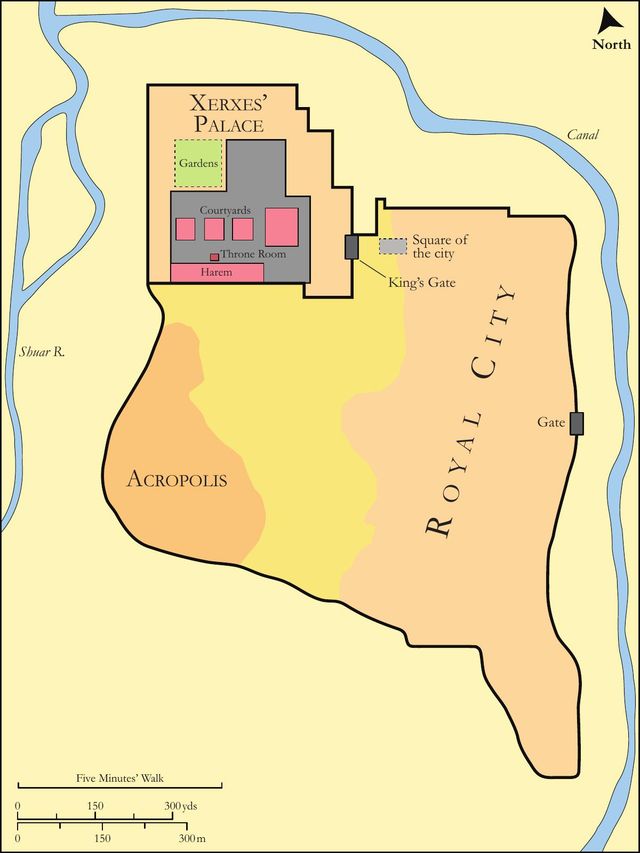
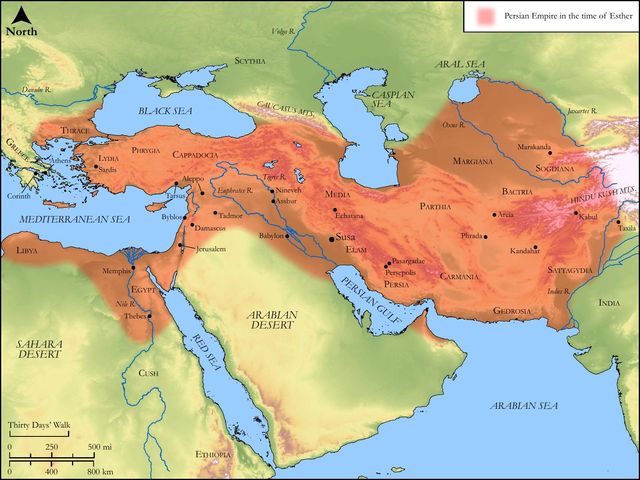
The setting for this dramatic encounter is the opulent Persian court in Susa, where the king wielded absolute and unquestionable authority. Banquets among the kings of that day were far more than mere social gatherings; they frequently served as crucial venues for political maneuvering, elaborate displays of royal power, and the granting of significant favors. The king's extravagant offer of "half of the kingdom" was a well-established hyperbolic expression common in ancient monarchies, signifying boundless generosity and an almost unlimited willingness to fulfill any request, no matter how extravagant or seemingly difficult. This phrase was not intended to be interpreted literally as a division of territory or power but rather as a solemn assurance of the king's maximum possible concession and commitment. Such a promise from a Persian king, whose word was considered inviolable law, represented an extraordinary demonstration of favor, trust, and empowerment, placing immense, almost unprecedented, power directly into Esther's hands.
Key Themes
ShowHideEsther 7:2 powerfully illuminates several central themes woven throughout the book of Esther. Firstly, Divine Providence and Timing are strikingly evident in Esther's strategic delay and the king's heightened receptiveness. Her careful, patient timing, though seemingly a human maneuver, is clearly orchestrated by God for the ultimate salvation of His people, echoing the profound sentiment expressed earlier in Esther 4:14. Secondly, the theme of Royal Favor and Absolute Power is paramount, as the king's repeated and expansive promise ("even to the half of the kingdom") highlights his immense authority and his extraordinary willingness to grant Esther's desire, reminiscent of other instances of royal generosity, such as Herod's rash oath to Salome in Mark 6:23. Lastly, the verse masterfully builds intense Dramatic Tension, with Haman present at the banquet, blissfully unaware that the queen's impending "petition" will be his catastrophic undoing, setting the stage for a swift and unexpected reversal of fortune that will shock the entire court.
Exposition and Analysis
ShowHideKey Word Analysis
ShowHideThis term (H7596) refers to a specific request, a question, or a formal asking. In this context, it implies a significant and weighty appeal, suggesting that the king expects Esther's upcoming revelation to be a matter of considerable importance, perhaps even a legal or political concern, rather than a trivial personal desire. Its use sets a serious and anticipatory tone for what is about to unfold.
This word (H1246), often translated as supplication or entreaty, carries a connotation of earnestness and frequently implies a plea made with deep sincerity, urgency, or even desperation. The king's repetition of his offer using two distinct but closely related terms ("petition" and "request") emphatically underscores the breadth and earnestness of his commitment, signaling to Esther that he is prepared to hear and act upon whatever she asks, no matter how profound, challenging, or audacious.
Verse Breakdown
ShowHide"And the king said again unto Esther on the second day at the banquet of wine"
This opening clause meticulously establishes the precise setting and timing of this pivotal moment. The phrase "said again" emphatically highlights the king's persistence, eagerness, and perhaps even his growing impatience, as he reiterates the extraordinary offer he first made at the initial banquet. The specific mention of the "second day" underscores Esther's strategic patience and timing, which has allowed the king's favor and curiosity to reach their absolute peak, creating the optimal psychological and political moment for her to present her plea. The "banquet of wine" further signifies a relaxed, intimate, and celebratory atmosphere, which is conducive to the king's generosity and openness.
"What [is] thy petition, queen Esther? and it shall be granted thee: and what [is] thy request? and it shall be performed"
This constitutes the very core of the king's extraordinary and unconditional promise. The king's direct and personal address, "queen Esther," not only acknowledges her royal status but also highlights the unique and special favor she holds in his eyes. The deliberate double inquiry ("What is thy petition... and what is thy request?") coupled with the double assurance ("it shall be granted thee... and it shall be performed") powerfully underscores the king's sincerity, his boundless favor, and his absolute, unwavering commitment to fulfilling her desire. This emphatic repetition serves to heighten the dramatic tension, signaling to all present, and to the reader, that Esther's impending request is of paramount importance.
"[even] to the half of the kingdom"
This hyperbolic phrase is a common and powerful idiom of the kings of that day, signifying the king's willingness to grant virtually anything, short of abdicating his throne or compromising the very foundation of his rule. It is a profound expression of unlimited generosity, immense power, and unparalleled favor, indicating that no request, however grand, seemingly impossible, or personally costly, would be denied. This sweeping promise effectively empowers Esther to make a request that directly challenges one of the king's most powerful and trusted officials, Haman, without fear of immediate reprisal for the audacity or sensitive nature of her plea.
Literary Devices
ShowHideThe verse is exceptionally rich with literary devices that significantly amplify its dramatic impact and thematic depth. Repetition is prominently employed, as the king not only reiterates his offer from the first banquet but also uses two synonymous Hebrew terms for "petition" and "request." This serves not only to emphasize his earnestness and commitment but also to build profound suspense, highlighting the extraordinary and weighty nature of the impending revelation. Hyperbole is strikingly evident in the phrase "even to the half of the kingdom," a common expression of the kings of that day that signifies boundless, almost limitless, generosity rather than a literal division of territory or power. This exaggeration underscores the king's overwhelming and unconditional favor towards Esther. Furthermore, profound Dramatic Irony permeates the entire scene, as Haman, a central figure at the banquet, remains completely and tragically unaware that the queen's forthcoming "petition" will be his catastrophic undoing and the miraculous salvation of the very people he seeks to utterly destroy. This creates a powerful sense of impending doom for Haman and intensely heightens the reader's anticipation. Finally, the king's extravagant promise also functions as potent Foreshadowing, subtly hinting at the equally extravagant, perilous, and ultimately redemptive nature of Esther's request, which will soon expose Haman's wicked plot and reverse the decree of annihilation.
Theological and Thematic Connections
ShowHideEsther 7:2 stands as a powerful testament to the sovereign hand of God working meticulously behind the scenes, even in a book where His divine name is not explicitly mentioned. The king's extraordinary favor towards Esther, culminating in this open-ended and unconditional promise, is a clear and undeniable demonstration of divine providence. God, in His infinite wisdom, uses human agents, their strategic actions, and even the seemingly capricious will of a pagan king to precisely bring about His righteous purposes of salvation for His chosen people. This pivotal moment highlights the profound truth that God can supernaturally move the hearts of rulers and orchestrate seemingly disparate circumstances to create perfectly opportune moments for His children to act with courage, wisdom, and unwavering faith. It serves as a powerful reminder that even when God seems hidden or silent, He is actively and intimately involved in the intricate details of history, meticulously preparing the way for His perfect will to be accomplished.
Reflection and Application
ShowHideEsther 7:2 serves as a profound and enduring reminder of the transformative power of careful preparation, unwavering courage, and divine timing. Esther's strategic, prayerful, and meticulously planned approach to her intercession, culminating in this moment of unparalleled royal favor, imparts invaluable lessons about discerning and seizing opportune moments in our own lives and ministries. We are called to diligently cultivate wisdom, patience, and profound courage, recognizing that God frequently prepares the way for us to act decisively in moments of crisis, injustice, or unique opportunity. Like Esther, we may find ourselves placed in positions of influence, however small, or faced with circumstances that urgently require us to rebuke the powerful, stand courageously for justice, or advocate passionately for the vulnerable and oppressed. This verse powerfully encourages us to trust that when we step out in faith, guided by divine wisdom and discerning His timing, God can indeed move mountains and open doors, even "to the half of the kingdom," to accomplish His righteous purposes through us. It challenges us deeply to consider how we might leverage our own spheres of influence, our unique gifts, and our God-given opportunities for His glory and the profound good of others, always seeking His perfect timing and sovereign will.
Questions for Reflection
ShowHideFAQ
ShowHideWhy did Esther wait until the second banquet to make her request?
ShowHideEsther's delay was a strategic masterstroke, demonstrating remarkable wisdom, self-control, and profound discernment. By inviting the king and Haman to a second banquet, she achieved several critical objectives. First, she further heightened the king's curiosity and anticipation, ensuring his full attention and maximum receptiveness to her eventual, weighty plea, as evidenced by his repeated offer in Esther 7:2. Second, it allowed Haman to become even more inflated with pride and dangerous complacency, as he mistakenly believed he was uniquely favored by the queen, making his subsequent downfall all the more shocking, ironic, and humiliating. Crucially, this delay also provided the necessary time for divine providence to work, as the king's sleepless night and the providential reading of the chronicles (meticulously detailed in Esther 6) occurred precisely between the two banquets, setting the stage for Mordecai's public honor and Haman's profound humiliation just before Esther's devastating revelation.
What does "even to the half of the kingdom" literally mean?
ShowHideThe phrase "even to the half of the kingdom" (Hebrew: עַד חֲצִי הַמַּלְכוּת, 'ad chatzi hammalkhut) is a common hyperbolic expression prevalent among the kings of that day and is unequivocally not meant to be taken literally as a division of territory, power, or wealth. Instead, it serves as a powerful idiom signifying the king's extreme generosity, his boundless favor, and his unwavering willingness to grant almost any request, short of abdicating his throne or undermining his absolute sovereignty. It is an assurance that the king would spare no expense, effort, or personal cost to fulfill the petitioner's desire. Similar expressions appear in other ancient texts, including the biblical narrative of Herod's rash promise to Salome in Mark 6:23, vividly illustrating its widespread use to convey ultimate and unconditional favor.
What is the significance of the "second day" banquet?
ShowHideThe "second day" banquet is profoundly crucial for amplifying the dramatic tension and highlighting Esther's strategic brilliance and divine guidance. The initial delay at the first banquet (Esther 5:8) created a palpable sense of heightened suspense for both the king and the discerning reader. The critical interval between the two banquets allowed for the pivotal and divinely orchestrated events of Esther 6 to unfold, where Mordecai's past, forgotten service to the king was providentially recognized, and Haman was ironically forced to publicly honor his sworn enemy. This precise sequence of events ensured that by the time Esther made her life-altering petition on the "second day," Haman was already profoundly humiliated and the king's sense of justice and fairness was piqued, making him even more receptive and predisposed to Esther's accusations and the dramatic, swift reversal of fortune that immediately followed.
Christ-Centered Fulfillment
ShowHideEsther 7:2, with its vivid depiction of a pagan king's boundless promise to his beloved queen, powerfully foreshadows the infinitely greater and eternal favor extended to all believers through the person and work of Jesus Christ. Just as King Ahasuerus's offer of "half of the kingdom" signified his ultimate generosity and willingness to grant, so too does God, our heavenly King, offer us infinitely more through His beloved Son. Where Esther courageously interceded for her people with a king whose power was ultimately limited and whose favor could be fickle, Christ is our ultimate, perfect, and eternal Intercessor, standing perpetually before the Father, making continuous petitions on our behalf (as profoundly revealed in Hebrews 7:25 and Romans 8:34). The king's promise to Esther, "it shall be granted thee," finds its ultimate and glorious fulfillment in the New Covenant, where through Christ, we are graciously invited to ask for anything in His name, and it will be given for God's glory and our good (John 14:13-14 and John 15:16). Moreover, the "half of the kingdom" pales into utter insignificance when compared to the spiritual kingdom, the eternal inheritance, and the abundant life that God has graciously bestowed upon us through Christ, delivering us from the domain of darkness and transferring us into the glorious kingdom of His beloved Son (Colossians 1:13). Christ's sacrificial death on the cross was the ultimate "petition" granted, securing our salvation, reconciling us to God, and granting us bold access to the very throne of grace with confidence (Hebrews 4:16).