


Numbers 32:17
Bible text: King James Version (1769 Blayney text) · Public domain
Bible text: King James Version with Strong's numbers · Public domain
Bible text: Berean Standard Bible · Public domain
Bible text: American Standard Version (1901) · Public domain
Bible text: World English Bible, Messianic edition · Public domain
Bible text: Geneva Bible (1599) · Public domain
Bible text: Young's Literal Translation · Public domain
- וַאֲנַחְנוּva·'a·Nach·nuand weH587Conj-w ¦ Pro-1cpPronoun Personal 1st Plural common genderוַandאֲנַחְנוּwe
- נֵחָלֵץne·cha·Letzwe will equip ourselvesH2502V-Niphal-Imperf-1cpVerb Niphal Imperfect 1st Plural common gender
- חֻשִׁיםchu·ShimhurriedH2363V-Qal-PassPrtcpl-mpVerb Qal Participle Passive Plural Masculine Absolute
- לִפְנֵיlif·Nei<to> beforeH6440Prep-l ¦ N-mpcNoun Plural Masculine Constructלִ<to>פְנֵיbefore
- בְּנֵיbe·Nei[the] people ofH1121N-mpcNoun Plural Masculine Construct
- יִשְׂרָאֵלYis·ra·'ElIsraelH3478N-properNoun Proper Location
- עַד'aduntilH5704PrepPreposition
- אֲשֶׁר'a·SherthatH834RelParticle Relative
- אִם'im<if>H518PrtParticle Conditional
- הֲבִיאֹנֻםha·vi·'o·Numwe have brought themH935V-Hiphil-Perf-1cp ¦ 3mpVerb Hiphil Perfect 1st Plural common genderהֲבִיאֹנֻwe have broughtםthem
- אֶל'eltoH413PrepPreposition
- מְקוֹמָםme·ko·Mamtheir placeH4725N-msc ¦ 3mpNoun Singular Masculine Constructמְקוֹמָplaceםtheir
- וְיָשַׁבve·ya·Shavand it will remainH3427Conj-w ¦ V-Qal-ConsecPerf-3msVerb Qal Consecutive Perfect 3rd Singular Masculineוְandיָשַׁבit will remain
- טַפֵּנוּta·Pe·nuour little one[s]H2945N-msc ¦ 1cpNoun Singular Masculine Constructטַפֵּlittle one[s]נוּour
- בְּעָרֵיbe·'a·Reiin [the] cities ofH5892Prep-b ¦ N-mpcNoun Plural Masculine Constructבְּinעָרֵי[the] cities of
- הַמִּבְצָרha·miv·Tzar<the> fortificationH4013Art ¦ N-msNoun Singular Masculine Absoluteהַ<the>מִּבְצָרfortification
- מִפְּנֵיmi·pe·Nei<from> because ofH6440Prep-m ¦ N-mpcNoun Plural Masculine Constructמִ<from>פְּנֵיbecause of
- יֹשְׁבֵיyo·she·Vei[the] inhabitants ofH3427V-Qal-Prtcpl-mpVerb Qal Participle Plural Masculine Construct
- הָאָרֶץha·'A·retzthe landH776Art ¦ N-fsNoun Singular Feminine Absoluteהָtheאָרֶץland
English is a literal word-by-word gloss of the Hebrew, not the KJV's wording. Why?
This is the original text the KJV's translators worked from — each Hebrew word with its own literal English meaning in this verse, prepared by scholars at Tyndale House, Cambridge. The KJV translates whole sentences, not word by word, so its wording differs: one Hebrew word can become several English words, and the KJV may choose “the LORD” where the gloss reads “Yahweh”. Both are faithful — they answer different questions. For the KJV's own rendering, switch to the KJV text.
Details
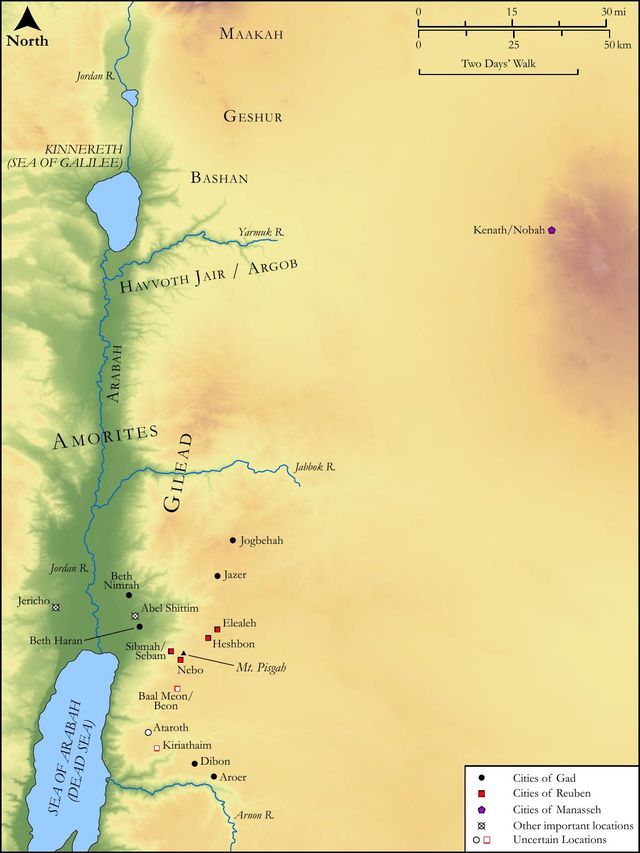
See on the biblical-era map
Study this verse
Continue studying Numbers 32:17 across the web’s major study libraries — every link below opens this exact verse, chapter, or book on the destination site.
Read & Compare
 BibleGatewayThis verse in more than 200 translations and 70 languages.
 Bible.comThe YouVersion reader — hundreds of translations, reading plans, and highlights.
 ESV.orgCrossway's official English Standard Version reader.
 NET BibleThe NET translation with 60,000+ translators' notes on every rendering decision.
 STEP BibleTyndale House's free study tool — original text, vocabulary, and scholarly resources.
 BibliaLogos Bible Software's free web reader.
 USCCBThe New American Bible (Revised Edition) with the U.S. bishops' study notes.
Commentaries
 BibleHub CommentariesDozens of classic commentaries on this verse, gathered on one page.
 StudyLightMore than 100 commentary sets — the largest collection on the web.
 BibleRefPlain-English commentary on what this verse means, verse by verse.
 Enduring WordDavid Guzik's free commentary on this chapter, widely used by Bible teachers.
 Bible Study ToolsVerse commentary alongside Greek and Hebrew study aids.
Original Language & Research
- BibleHub InterlinearThe verse word by word — original language, transliteration, and English.
- BibleHub LexiconEvery word's original-language definition and Strong's entry.
 Blue Letter BibleDeep-study tools — Strong's numbers, concordance, and word studies.
 SefariaThe Hebrew text with Rashi and centuries of Jewish commentary.
Sermons, Hymns & Audio


TrulyRandomVerse is not affiliated with these sites and doesn’t control their content. They’re linked because they’re genuinely useful.
Summary
Numbers 32:17 encapsulates the solemn pledge made by the tribes of Reuben, Gad, and the half-tribe of Manasseh to Moses. Having secured their desired inheritance east of the Jordan River, they committed to arm themselves and lead the vanguard of the Israelite army, fighting alongside their brethren until every tribe had received its allotted land west of the Jordan. This verse highlights their strategic foresight in ensuring the safety of their families in fortified cities while demonstrating unwavering solidarity and commitment to the collective conquest of Canaan.
Context
ShowHideLiterary Context
This verse is a crucial part of the extended negotiation found in Numbers 32. Following the Israelites' forty years of wilderness wandering and just prior to their entry into the Promised Land, the tribes of Reuben and Gad, observing the fertile pasturelands of Gilead and Bashan, requested to settle there rather than cross the Jordan. Moses initially reacted with stern rebuke, fearing a repetition of the disastrous lack of faith seen after the spies' report, which led to the previous generation's demise in the wilderness. However, the tribes swiftly clarified their intent: they would build secure settlements for their families and flocks, but then, crucially, they would arm themselves and march ahead of the other tribes, fighting until the entire land of Canaan was subdued and all tribes had received their inheritance. Numbers 32:17 specifically articulates this commitment to act as a military vanguard, assuring Moses of their full participation and loyalty to the corporate mission.
Historical & Cultural Context
The period immediately preceding the conquest of Canaan was one of transition and anticipation for the Israelites. Having survived the wilderness, they stood on the threshold of fulfilling God's promise of land. Tribal identity and solidarity were paramount in ancient Israelite society, especially in military endeavors. The concept of "inheritance" (נַחֲלָה, nachalah) was deeply significant, representing not just land but also a divine gift and a secure future for families and generations. The "inhabitants of the land" (the Canaanites) were hostile and well-established, necessitating a unified and formidable military effort. The tribes' request to settle east of the Jordan was unusual, as the primary focus of the divine promise was west of the river. Their willingness to leave their families in "fenced cities" underscored the very real dangers of the time, where settled communities required robust defenses against raids and hostile neighbors, even as the men went to war.
Key Themes
ShowHideNumbers 32:17 powerfully illustrates several key themes. Firstly, Commitment and Solidarity are central, as the verse showcases the tribes' pledge to uphold their word and remain united with their brethren, even after their immediate needs were met. This commitment to the common good over individual convenience is a hallmark of covenant faithfulness. Secondly, the theme of Shared Burden and Responsibility is evident; these tribes, though having secured their own land, understood that the blessings of the conquest were corporate, requiring collective effort and sacrifice. They volunteered to lead the charge, bearing the initial dangers. Thirdly, the verse highlights Prudent Leadership and Protection of Family. The provision for "little ones" to dwell in "fenced cities" demonstrates a balanced approach to their commitment: they would fight valiantly, but not at the expense of leaving their most vulnerable unprotected. This foresight underscores the importance of securing one's base and caring for dependents even in the pursuit of larger, challenging goals, a principle later seen in their actual participation in the conquest as described in Joshua 4:12-13.
Exposition and Analysis
ShowHideKey Word Analysis
ShowHideThe KJV's "armed" (Heb. חֲלוּצִים, chalutzim) is the Pual participle plural of châlats, meaning "to pull off," "strip," and by implication, "to equip for fight" or "deliver." In this context, it signifies those who are "equipped" or "ready for battle," specifically the vanguard. It emphasizes the tribes' proactive and leading role, indicating their commitment to be at the forefront of the military campaign.
This term (מָקוֹם, maqom) refers to a "spot," "locality," or "condition." Here, "their place" (מְקוֹמָם, meqomam) denotes the specific allotted inheritance for the other Israelite tribes west of the Jordan River. It highlights the comprehensive nature of the Reubenites' and Gadites' commitment: they would not cease their efforts until all the children of Israel had received their divinely appointed land, underscoring their corporate responsibility.
This word (מִבְצָר, mibtsar) means "fortification," "castle," or "fortified city." When used with "cities" (עָרִים, arim), it refers to "fortified cities" or "strongholds." It underscores the strategic measures taken to ensure the safety of their non-combatants—their "little ones" (children and dependents)—against the "inhabitants of the land," demonstrating practical wisdom and deep concern for family protection in a hostile environment.
Verse Breakdown
ShowHide"But we ourselves will go ready armed before the children of Israel"
This clause signifies the tribes' proactive and self-sacrificial commitment. They are not merely offering to join the fight, but to lead it, positioning themselves as the vanguard. The phrase "ready armed" (חֲלוּצִים) underscores their preparedness and determination to face the initial dangers and clear the way for the rest of the nation. It is a pledge of courageous leadership and full engagement in the corporate mission of conquest.
"until we have brought them unto their place"
This part of the verse defines the duration and scope of their commitment. Their participation is not temporary or limited to their own needs but extends until all the other tribes have successfully entered and secured their respective inheritances in Canaan. This demonstrates a profound sense of solidarity and loyalty, prioritizing the collective good and the fulfillment of God's promise to the entire nation over their personal convenience or immediate return to their families.
"and our little ones shall dwell in the fenced cities because of the inhabitants of the land"
This clause reveals the tribes' practical wisdom and deep concern for their families. Before embarking on the arduous military campaign, they would ensure the security of their most vulnerable members—their children and dependents. By settling them in "fenced cities," they provided protection against the indigenous "inhabitants of the land" (Canaanites), who posed a constant threat. This balance between military duty and familial responsibility highlights a holistic approach to their covenant obligations, ensuring that their personal commitments did not undermine their corporate ones.
Literary Devices
ShowHideNumbers 32:17 employs several effective literary devices. The most prominent is Pledge/Vow, as the verse records a solemn commitment made by the tribes to Moses and, implicitly, to God and the rest of Israel. This pledge is conditional, contingent upon Moses granting their request for land east of the Jordan, and its fulfillment is later recounted in the book of Joshua. There is also an element of Foreshadowing, as this verse anticipates the military actions of these tribes in the conquest of Canaan, which indeed came to pass. The phrase "ready armed" serves as a powerful Metonymy, where the state of being armed represents their complete dedication and readiness for battle, signifying their role as the leading force. Furthermore, the clause "our little ones shall dwell in the fenced cities" provides a stark Contrast between the dangerous mission of the fighting men and the protected status of their families, emphasizing the sacrifice involved and the strategic planning required for such an undertaking.
Theological and Thematic Connections
ShowHideNumbers 32:17 stands as a powerful testament to the principles of covenant faithfulness, corporate responsibility, and the importance of integrity within the community of faith. The tribes' willingness to defer their own comfort and security for the sake of their brethren underscores the biblical ideal of self-sacrifice and mutual support. Their pledge resonates with the broader theological theme that God's promises often require human cooperation and commitment, not just passive reception. It illustrates that true blessing and inheritance are often intertwined with shared burdens and active participation in God's redemptive plan. This commitment to "bring them unto their place" reflects a deep understanding that the well-being of the whole body is paramount, even when individual needs seem met. It is a model of unity and perseverance in the face of daunting tasks, reminding us that collective goals demand individual dedication and a willingness to fight for the good of others.
Reflection and Application
ShowHideNumbers 32:17 offers profound lessons for contemporary believers. It challenges us to examine our own commitments and integrity, asking whether our word is truly our bond, especially when personal convenience or perceived self-interest might tempt us to renege. The tribes' willingness to go "ready armed before" their brethren, even after securing their own inheritance, serves as a powerful call to corporate responsibility within the body of Christ. Are we willing to serve and sacrifice for the good of the wider community, even when our immediate needs are met? Do we actively participate in the "battles" of faith and justice that affect others, or do we retreat to our "fenced cities" of comfort and isolation? This verse also underscores the importance of wise planning and protection for the vulnerable, reminding us to balance our outward mission with diligent care for those entrusted to us. Ultimately, it calls us to a life of active, self-giving love and solidarity, modeling the very character of Christ who gave Himself for the "inheritance" of His people.
Questions for Reflection
ShowHideFAQ
ShowHideWhy did the tribes of Reuben and Gad want to settle east of the Jordan River, and did Moses initially approve?
ShowHideThe tribes of Reuben and Gad, along with the half-tribe of Manasseh, observed that the land east of the Jordan, specifically Gilead and Bashan, was excellent pastureland, ideal for their numerous livestock. They requested to settle there rather than crossing the Jordan into Canaan with the other tribes. Moses initially reacted with strong disapproval and anger, fearing that their request would discourage the rest of the Israelites from entering the Promised Land, mirroring the faithless rebellion that occurred after the spies' report in Numbers 14. However, they quickly clarified their intent, promising to build secure cities for their families and then arm themselves and lead the fight for the other tribes' inheritance, as articulated in Numbers 32:17. Moses then agreed to their terms, contingent on their faithful fulfillment of this pledge.
Did the tribes of Reuben, Gad, and the half-tribe of Manasseh actually fulfill their promise to fight with the other tribes?
ShowHideYes, they faithfully fulfilled their promise. The book of Joshua explicitly records their adherence to this pledge. In Joshua 1:12-18, Joshua reminds them of their oath, and they affirm their commitment. Later, Joshua 4:12-13 states that "about forty thousand armed for war passed over before the Lord to battle, to the plains of Jericho." They continued to fight alongside their brethren for years until the land was subdued, after which Joshua sent them back to their inheritance east of the Jordan, commending them for their faithfulness (see Joshua 22:1-6).
Christ-Centered Fulfillment
ShowHideNumbers 32:17, with its themes of a vanguard leading the way to an inheritance and the protection of the vulnerable, finds its ultimate fulfillment in Jesus Christ. Just as the tribes went "ready armed before the children of Israel," Christ is our ultimate Leader and Forerunner, who has gone before us into the spiritual battle and secured our eternal inheritance. He is the true Lamb of God who leads the charge against sin and death, not merely by fighting alongside us, but by bearing the full brunt of the conflict on the cross, becoming our ultimate "vanguard" as our High Priest who has entered the inner sanctuary. Through His sacrificial death and resurrection, He has "brought us unto our place"—our spiritual inheritance in the heavenly places, having blessed us with every spiritual blessing and made us fit to share in the inheritance of the saints in light. Moreover, just as the "little ones" were secured in "fenced cities," Christ provides perfect security for all who are His. He is our Good Shepherd, who lays down His life for His sheep, protecting us from the "inhabitants of the land"—the spiritual forces of evil and the dominion of darkness. In Him, we have a secure dwelling place, a fortress, and an eternal inheritance that is imperishable, undefiled, and unfading, kept in heaven for us. He is the faithful One who fulfills every promise, securing our present safety and our future glory.