


2 Chronicles 31:20
Bible text: King James Version (1769 Blayney text) · Public domain
Bible text: Berean Standard Bible · Public domain
Bible text: American Standard Version (1901) · Public domain
Bible text: World English Bible, Messianic edition · Public domain
Bible text: Geneva Bible (1599) · Public domain
Bible text: Young's Literal Translation · Public domain
- וַיַּעַשׂvai·Ya·'asand he didH6213Conj-w ¦ V-Qal-ConsecImperf-3msVerb Qal Consecutive Imperfect 3rd Singular Masculineוַandיַּעַשׂhe did
- כָּזֹאתka·Zotlike thisH2063Prep-k ¦ PrtParticle Demonstrativeכָּlikeזֹאתthis
- יְחִזְקִיָּהוּye·chiz·ki·Ya·huHezekiahH2396N-proper-mNoun Proper Masculine
- בְּכָלbe·kholin allH3605Prep-b ¦ N-mscNoun Singular Masculine Constructבְּinכָלall
- יְהוּדָהye·hu·DahJudahH3063N-properNoun Proper Location
- וַיַּעַשׂvai·Ya·'asand he didH6213Conj-w ¦ V-Qal-ConsecImperf-3msVerb Qal Consecutive Imperfect 3rd Singular Masculineוַandיַּעַשׂhe did
- הַטּוֹבha·Tovthe goodH2896Art ¦ Adj-msAdjective Singular Masculine Absoluteהַtheטּוֹבgood
- וְהַיָּשָׁרve·hai·ya·Sharand the rightH3477Conj-w ¦ Art ¦ Adj-msAdjective Singular Masculine Absoluteוְandהַtheיָּשָׁרright
- וְהָאֱמֶתve·Ha·'e·Metand <the> faithfulnessH571Conj-w ¦ Art ¦ N-fsNoun Singular Feminine Absoluteוְandהָ<the>אֱמֶתfaithfulness
- לִפְנֵיlif·Nei<to> beforeH6440Prep-l ¦ N-mpcNoun Plural Masculine Constructלִ<to>פְנֵיbefore
- יְהוָהYah·wehYahwehH3068N-properNoun Proper Title
- אֱלֹהָיו'e·lo·Havhis GodH430N-mpc ¦ 3msNoun Plural Masculine ConstructאֱלֹהָיGodוhis
English is a literal word-by-word gloss of the Hebrew, not the KJV's wording. Why?
This is the original text the KJV's translators worked from — each Hebrew word with its own literal English meaning in this verse, prepared by scholars at Tyndale House, Cambridge. The KJV translates whole sentences, not word by word, so its wording differs: one Hebrew word can become several English words, and the KJV may choose “the LORD” where the gloss reads “Yahweh”. Both are faithful — they answer different questions. For the KJV's own rendering, switch to the KJV text.
Details
See on the biblical-era map
Study this verse
Public-domain commentary
Matthew Henry
From his Commentary on the Whole Bible. Henry comments on passages, not single verses — this entry covers 2 Chronicles 31:11–21. His three-level outline is real structure in the source text, so it is rendered as structure.
Here we have,
I.Two particular instances of the care of Hezekiah concerning church matters, having put them into good order, to keep them so. The tithes and other holy things being brought in, he provided,
1.That they should be carefully laid up, and not left exposed in loose heaps, liable to be wasted and embezzled. He ordered chambers to be made ready in some of the courts of the temple for store-chambers (Ch2 31:11), and into them the offerings were brought and there kept under lock and key, Ch2 31:12, Ch2 31:13. Treasures or store-keepers were appointed, who had the oversight of them, to see that moth and rust did not corrupt them nor thieves break through to steal. This wisdom of laying up the surplus in days of plenty we may learn from the ant, who provideth meat in summer. The laying up in store what was brought in was an encouragement to people to pay in their contributions. That will be given cheerfully by the public which appears to be well husbanded.
2.That they should be faithfully laid out, according to the uses they were intended for. Church treasures are not to be hoarded any longer than till there is occasion for them, lest even the rust should be a witness against those who hoard them. Officers were appointed, men (no doubt) of approved wisdom and faithfulness, to distribute the oblations of the Lord and the most holy things among the priests (Ch2 31:14), and to see that they all had a competent maintenance for themselves and their families. The law provided sufficient for them all, and therefore, if some had too little, it must be because others had too much; to prevent such inequality these officers were to go by some certain rule of proportion in the disposal of the incomes of the temple. It is said of the priests here (Ch2 31:18) that in their set office they sanctified themselves; in faith they sanctified themselves (so the word is), that is, as bishop Patrick explains it, they attended their ministry at the house of God, not doubting but they should be provided with all things necessary. Now, because they served God in that confidence, care was taken that they should not be made ashamed of their hope. Note, Those that sanctify themselves to God and his service in faith, believing that he will see them want for nothing that is good for them, shall certainly be fed. Out of the offerings of the Lord distribution was made,
(1.)To the priests in the cities (Ch2 31:15), who staid at home while their brethren went to Jerusalem, and did good there in teaching the good knowledge of the Lord. The preaching priests were maintained as well as the sacrificing priests, and those that abode by the stuff as well as those that warred the warfare.
(2.)To those that entered into the house of the Lord, all the males from three years old and upwards; for the male children even at that tender age, it seems, were allowed to come into the temple with their parents, and shared with them in this distribution, Ch2 31:16.
(3.)Even the Levites from twenty years old and upwards had their share, Ch2 31:17.
(4.)The wives and children of the priests and Levites had a comfortable maintenance out of those offerings, Ch2 31:18. In maintaining ministers, regard must be had to their families, that not they only, but theirs, may have food convenient. In some countries where ministers have their salary paid them by the state an addition is made to it upon the birth of a child.
(5.)The priests in the country, that lived in the fields of the suburbs, were not overlooked in this ministration, Ch2 31:19. Those also had their share who were inhabitants of the villages, though they might be supposed to live at a less expense.
II.A general character of Hezekiah's services for the support of religion, Ch2 31:20, Ch2 31:21.
1.His pious zeal reached to all the parts of his kingdom: Thus he did throughout all Judah; every part of the country, and not those only that lay next him, shared in the good fruits of his government.
2.He sincerely designed to please God, and approved himself to him in all he did: He wrought that which was good before the Lord his God; all his care was to do that which should be accepted of God, which was right (that is, agreeable to natural equity), and truth (that is, agreeable to divine revelation and his covenant with God), before the Lord; to do according to that law which is holy, just, and good.
3.What he began he went through with, prosecuted it with vigour, and did it with all his heart.
4.All his good intentions were brought to a good issue; whatever he did in the service of the house of God, and in the government of his kingdom, he prospered in it. Note, What is undertaken with a sincere regard to the glory of God will succeed to our own honour and comfort at last.
Continue studying 2 Chronicles 31:20 across the web’s major study libraries — every link below opens this exact verse, chapter, or book on the destination site.
Read & Compare
 BibleGatewayThis verse in more than 200 translations and 70 languages.
 Bible.comThe YouVersion reader — hundreds of translations, reading plans, and highlights.
 ESV.orgCrossway's official English Standard Version reader.
 NET BibleThe NET translation with 60,000+ translators' notes on every rendering decision.
 STEP BibleTyndale House's free study tool — original text, vocabulary, and scholarly resources.
 BibliaLogos Bible Software's free web reader.
 USCCBThe New American Bible (Revised Edition) with the U.S. bishops' study notes.
Commentaries
 BibleHub CommentariesDozens of classic commentaries on this verse, gathered on one page.
 StudyLightMore than 100 commentary sets — the largest collection on the web.
 BibleRefPlain-English commentary on what this verse means, verse by verse.
 Enduring WordDavid Guzik's free commentary on this chapter, widely used by Bible teachers.
 Bible Study ToolsVerse commentary alongside Greek and Hebrew study aids.
Original Language & Research
- BibleHub InterlinearThe verse word by word — original language, transliteration, and English.
- BibleHub LexiconEvery word's original-language definition and Strong's entry.
 Blue Letter BibleDeep-study tools — Strong's numbers, concordance, and word studies.
 SefariaThe Hebrew text with Rashi and centuries of Jewish commentary.
Sermons, Hymns & Audio


TrulyRandomVerse is not affiliated with these sites and doesn’t control their content. They’re linked because they’re genuinely useful.
Summary
Second Chronicles 31:20 provides a profound divine commendation of King Hezekiah's reign, summarizing his comprehensive and unwavering commitment to God's will throughout the entire kingdom of Judah. This verse highlights that Hezekiah's actions were not merely politically expedient or externally religious, but deeply rooted in moral excellence, justice, and faithfulness, earning the full approval and favor of the LORD his God. It serves as an epitaph of his spiritual integrity and the far-reaching impact of his righteous leadership, setting a benchmark for godly governance.
Context
ShowHideLiterary Context
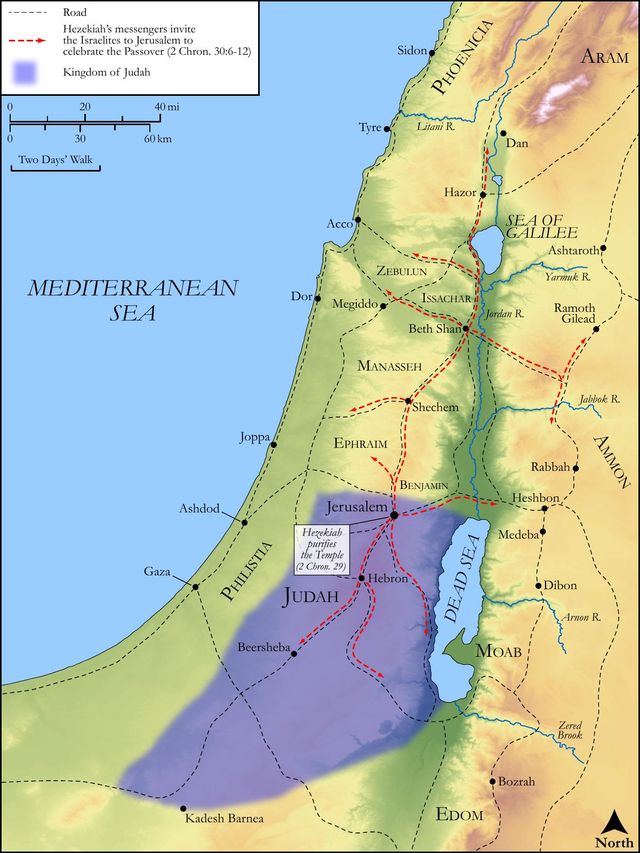
This verse serves as a climactic summary statement following a detailed account of King Hezekiah's extensive religious reforms, which span 2 Chronicles 29-31. Upon ascending the throne, Hezekiah immediately initiated a sweeping spiritual revival. Chapter 29 meticulously chronicles the cleansing and reconsecration of the Temple, which had been defiled and neglected under his father, Ahaz. This was followed by the reinstitution of the long-neglected Passover celebration in Chapter 30, an event marked by widespread participation and joy. Chapter 31 details the re-establishment of the Levitical order, the organization of priestly duties, and the people's generous contributions for their support, ensuring the ongoing operation of Temple worship. Verse 20, therefore, is not an isolated statement but the divine verdict and commendation on the totality of these painstaking efforts, affirming that his reforms were thorough, sincere, and pervasive "throughout all Judah," leading directly into the account of his military successes and later life in Chapter 32.
Historical & Cultural Context
Hezekiah's reign (c. 715-686 BC) occurred during a tumultuous period for Judah. It immediately followed the profound spiritual apostasy under his father, King Ahaz, who had actively promoted idolatry, introduced foreign altars, and even closed the Temple doors (2 Chronicles 28:24). Furthermore, Judah was under immense political and military pressure from the powerful Assyrian Empire, which often led nations to seek alliances with foreign gods as a pragmatic means of survival. In this climate, Hezekiah's immediate and radical commitment to restoring exclusive Yahweh worship was a courageous and counter-cultural act, demonstrating profound faith in God's covenant promises. The role of the king in ancient Israel and Judah was not merely political but also deeply spiritual; he was expected to uphold the covenant, enforce the Law, and lead the people in righteousness, as outlined in texts like Deuteronomy 17:18-20. Hezekiah's actions, particularly as summarized in this verse, represent a remarkable fulfillment of this divine expectation, setting him apart from many of his predecessors and contemporaries.
Key Themes
ShowHideThe verse encapsulates several key themes central to the Chronicler's theology and the broader narrative of Judah's kings. Righteous Leadership is paramount, presenting Hezekiah as a model of a king who led his people back to God with integrity and unwavering adherence to divine law. This contrasts sharply with the ungodly reigns of kings like Ahaz, emphasizing the Chronicler's didactic purpose to highlight the consequences of obedience and disobedience. The phrase "good and right and truth" underscores Wholeness of Obedience, signifying that Hezekiah's reforms were not superficial or ritualistic but encompassed internal sincerity, moral uprightness, and consistent application of God's commands in all areas of life and governance, reflecting the comprehensive nature of true covenant fidelity. Crucially, "before the LORD his God" highlights Divine Approval, emphasizing that Hezekiah's ultimate accountability was to God, and his actions met with God's full favor, not merely human praise or political success, a recurring motif in the Chronicler's evaluation of kings, such as David in 1 Chronicles 29:10-19. Finally, "throughout all Judah" points to the Impactful Influence of godly leadership, demonstrating that Hezekiah's reforms were not confined to Jerusalem but had a pervasive, transformative effect on the entire kingdom, reflecting the far-reaching consequences of a king's spiritual commitment, echoing the principle found in Proverbs 29:2.
Exposition and Analysis
ShowHideKey Word Analysis
ShowHideThis term (H2896) signifies moral excellence, beneficence, and that which is pleasing or agreeable in God's sight. It speaks to the inherent quality of Hezekiah's actions, implying they were not merely expedient but intrinsically virtuous and aligned with divine character. It encompasses both moral uprightness and beneficial outcomes for the people and the kingdom, reflecting a standard of intrinsic value.
Rooted in the idea of "straightness" (H3477), yāšâr denotes uprightness, justice, and equity. It refers to actions that are in accord with divine law, fair, and just in their execution. This word emphasizes Hezekiah's commitment to implementing God's standards of righteousness in governance and daily life, ensuring integrity and fairness in his administration, and adhering to the covenantal stipulations.
This powerful word (H571) conveys faithfulness, reliability, sincerity, and consistency. It suggests that Hezekiah's actions were genuine, trustworthy, and firmly rooted in God's covenant and word. It implies a steadfast commitment to God's character and promises, ensuring that his reforms were not fleeting but deeply sincere and enduring. Together, these three words paint a comprehensive picture of a ruler whose actions were morally sound, justly executed, and sincerely aligned with God's will.
Verse Breakdown
ShowHide"And thus did Hezekiah throughout all Judah"
This opening clause serves as a powerful summary statement, pointing back to the preceding detailed accounts of Hezekiah's extensive reforms and initiatives (chapters 29-31). The phrase "throughout all Judah" emphasizes the comprehensive and pervasive nature of his efforts. His reforms were not confined to the capital city of Jerusalem or solely to the Temple precincts, but extended across the entire kingdom, indicating a widespread impact and acceptance, or at least implementation, of his initiatives. This highlights the effectiveness, reach, and thoroughness of his leadership in bringing about national spiritual renewal.
"and wrought [that which was] good and right and truth"
This is the core of the divine commendation and the theological heart of the verse. The verb "wrought" (עָשָׂה, ‘āśāh) means to do, make, or perform, indicating active, intentional, and diligent execution of his duties. The triadic expression "good and right and truth" encapsulates the holistic nature of Hezekiah's obedience and character. It signifies that his actions were morally excellent (ṭōḇ), just and equitable according to divine law (yāšâr), and characterized by sincerity, faithfulness, and integrity ('ĕmet). This is a comprehensive description of spiritual and ethical perfection in his leadership, encompassing both his internal motivations and his external conduct.
"before the LORD his God"
This crucial phrase defines the ultimate audience and standard for Hezekiah's actions. It signifies that his deeds were not performed for human approval, political gain, or personal glory, but with an acute awareness of God's omnipresent scrutiny and divine standards. It implies a deep sense of divine accountability and, more importantly, divine approval. This phrase underscores the deep personal devotion and covenant relationship that characterized Hezekiah's reign, marking his actions as truly God-centered and motivated by a desire to honor the One to whom he belonged.
Literary Devices
ShowHideThe Chronicler employs several potent literary devices in 2 Chronicles 31:20 to convey its profound message and underscore Hezekiah's exemplary reign. The verse functions as a Summary Statement, succinctly encapsulating the extensive details of Hezekiah's reforms outlined in the preceding chapters (2 Chronicles 29-31) and providing a divine assessment of their quality. It also acts as a powerful Divine Commendation, presenting God's explicit approval of Hezekiah's reign, which is a recurring motif in the Chronicler's evaluative framework for kings, distinguishing righteous rulers from unrighteous ones. The phrase "good and right and truth" is a classic example of a Triadic Expression (or hendiatris), a common literary technique in Hebrew literature used to emphasize completeness, totality, and intensity. Each word adds a distinct dimension (moral quality, judicial uprightness, spiritual integrity), and their combination signifies a comprehensive and perfect alignment with God's will. Furthermore, the phrase "throughout all Judah" employs Hyperbole or Geographical Scope to emphasize the pervasive and far-reaching impact of Hezekiah's reforms, indicating that his influence extended beyond the capital to the entire kingdom, illustrating the transformative power of godly leadership.
Theological and Thematic Connections
ShowHide2 Chronicles 31:20 stands as a powerful theological statement on the nature of true leadership and obedience in the eyes of God. It affirms that God values not merely external ritual or political success, but profound moral integrity, justice, and unwavering faithfulness. Hezekiah's actions, described as "good and right and truth," reflect a holistic commitment to the covenant, demonstrating that genuine worship extends beyond the Temple walls into every sphere of governance and personal conduct. The Chronicler emphasizes that God is the ultimate audience and judge of human endeavor, and His approval is the highest commendation. This verse underscores the theme that when a leader, or indeed any individual, diligently seeks to live and act "before the LORD his God" with sincerity and adherence to divine principles, their efforts are divinely affirmed and have a transformative impact on their sphere of influence. It highlights the biblical principle that righteousness exalts a nation and draws divine favor, serving as a model for all who seek to honor God in their lives and callings.
Reflection and Application
ShowHideHezekiah's example in 2 Chronicles 31:20 offers a timeless blueprint for impactful living and leadership, challenging believers to examine the depth and sincerity of their own obedience. It calls us to move beyond superficial religiosity to a life characterized by genuine moral excellence, unwavering commitment to justice, and profound faithfulness in all our dealings. The phrase "before the LORD his God" serves as a potent reminder that our ultimate audience is not man, but the Almighty. This perspective liberates us from the pursuit of fleeting human approval and empowers us to live with integrity, knowing that God sees and values our sincere efforts, even in the mundane. Whether in our families, workplaces, communities, or churches, when we prioritize what is truly "good and right and truth" in God's eyes, our influence can be far-reaching and transformative, reflecting God's character to a watching world and bringing glory to His name. This verse encourages a holistic faith that permeates every aspect of our existence, ensuring that our actions, motives, and character are consistently aligned with divine principles.
Questions for Reflection
ShowHideFAQ
ShowHideWhat does the phrase "good and right and truth" signify about Hezekiah's actions?
ShowHideThe phrase "good and right and truth" (Hebrew: ṭōḇ, yāšâr, 'ĕmet) is a comprehensive and powerful summary of Hezekiah's character and actions. "Good" (ṭōḇ) speaks to moral excellence, intrinsic virtue, and what is pleasing to God's nature. "Right" (yāšâr) refers to uprightness, justice, and adherence to God's law, implying fairness and integrity in governance and personal conduct. "Truth" ('ĕmet) signifies faithfulness, sincerity, reliability, and consistency, indicating that his actions were genuine and firmly rooted in God's covenant. Together, these terms highlight that Hezekiah's obedience was not merely external or ritualistic, but deeply rooted in internal integrity, ethical conduct, and unwavering loyalty to God's commands, encompassing both his personal life and his public administration. It describes a holistic and authentic righteousness.
Why is the phrase "before the LORD his God" so significant in this verse?
ShowHideThe phrase "before the LORD his God" is profoundly significant because it defines the ultimate audience and standard for Hezekiah's actions. It means that Hezekiah's deeds were performed with an acute awareness of God's omnipresent scrutiny and His divine standards, not for human praise, political gain, or personal glory. This signifies divine accountability and, crucially, divine approval. It underscores that Hezekiah's ultimate allegiance was to God, and his actions met with God's full favor. This aligns with the biblical teaching that true righteousness is measured by God's standards and that seeking His approval above all else is the mark of genuine faith and wisdom, as seen in passages like Psalm 19:14 and Proverbs 16:7.
How does Hezekiah's reign, as described here, compare to other kings of Judah?
ShowHideHezekiah's reign stands out as one of the most righteous and commendable in the history of Judah, particularly in stark contrast to his immediate predecessor, King Ahaz, who led the nation into deep idolatry and closed the Temple doors (2 Chronicles 28). The Chronicler consistently evaluates kings based on their fidelity to the covenant and their promotion of Yahweh worship. Hezekiah is praised for his immediate and comprehensive reforms, including cleansing the Temple, restoring the Passover, and reorganizing the Levitical service, all done with genuine zeal and a pure heart. This verse, stating that he "wrought [that which was] good and right and truth before the LORD his God," places him among the most highly regarded kings, such as David and Josiah, who also "did what was right in the eyes of the LORD" (2 Kings 22:2). His commitment to God was holistic and pervasive, impacting the entire nation, and his reign is presented as a model of what a king should be.
Christ-Centered Fulfillment
ShowHideWhile King Hezekiah's reign stands as a remarkable example of righteous leadership and devotion, his imperfect obedience ultimately points to the perfect, ultimate King, Jesus Christ. Hezekiah, though commended for doing "good and right and truth," was still a fallible human ruler whose reforms, while extensive, could not permanently transform the hearts of all Judah or prevent future apostasy. His efforts were a shadow, a type, of the greater reality to come. Jesus, however, is the true and eternal King who perfectly embodies "good and right and truth" in every aspect of His being and ministry. He is the very Truth made flesh (John 14:6), whose life was perfectly Righteous and Good in the eyes of God, without sin or blemish (Hebrews 4:15). His work of spiritual cleansing and restoration is not limited to a physical temple but cleanses the hearts of all who believe, establishing a new and eternal covenant through His perfect sacrifice (Hebrews 9:14). Unlike Hezekiah's influence, which was "throughout all Judah," Christ's reign is universal and eternal, extending to all nations and generations (Philippians 2:9-11). He is the perfect King who always acts "before the LORD his God" (His Father), always doing His will perfectly and bringing about ultimate salvation and true spiritual renewal that lasts forever (John 8:29).