


Exodus 25:24
Bible text: King James Version (1769 Blayney text) · Public domain
Bible text: Berean Standard Bible · Public domain
Bible text: American Standard Version (1901) · Public domain
Bible text: World English Bible, Messianic edition · Public domain
Bible text: Geneva Bible (1599) · Public domain
Bible text: Young's Literal Translation · Public domain
- וְצִפִּיתָve·tzi·pi·Taand you will overlayH6823Conj-w ¦ V-Piel-ConsecPerf-2msVerb Piel Consecutive Perfect 2nd Singular Masculineוְandצִפִּיתָyou will overlay
- אֹתוֹ'o·To<obj.> itH853DirObjM ¦ 3msParticle Object Indicatorאֹת<obj.>וֹit
- זָהָבza·HavgoldH2091N-msNoun Singular Masculine Absolute
- טָהוֹרta·HorpureH2889Adj-msAdjective Singular Masculine Absolute
- וְעָשִׂיתָve·'a·Si·taand you will makeH6213Conj-w ¦ V-Qal-ConsecPerf-2msVerb Qal Consecutive Perfect 2nd Singular Masculineוְandעָשִׂיתָyou will make
- לּוֹlofor <the> itPrep-l ¦ 3msSuffix Personal 3rd Singular Masculineלּfor <the>וֹit
- זֵרzera molding ofH2213N-mscNoun Singular Masculine Construct
- זָהָבza·HavgoldH2091N-msNoun Singular Masculine Absolute
- סָבִיבsa·Vivall aroundH5439N-csNoun Singular common gender Absolute
English is a literal word-by-word gloss of the Hebrew, not the KJV's wording. Why?
This is the original text the KJV's translators worked from — each Hebrew word with its own literal English meaning in this verse, prepared by scholars at Tyndale House, Cambridge. The KJV translates whole sentences, not word by word, so its wording differs: one Hebrew word can become several English words, and the KJV may choose “the LORD” where the gloss reads “Yahweh”. Both are faithful — they answer different questions. For the KJV's own rendering, switch to the KJV text.
Details
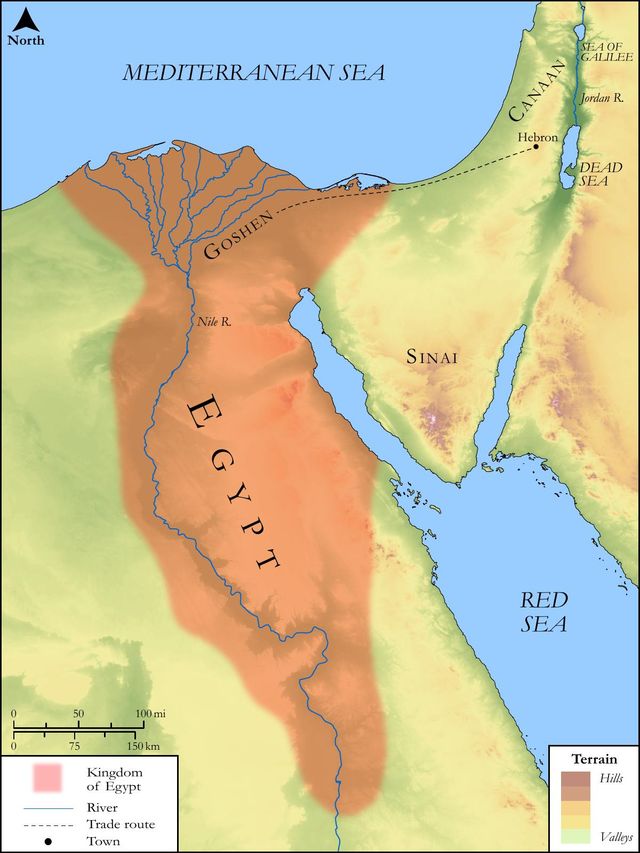
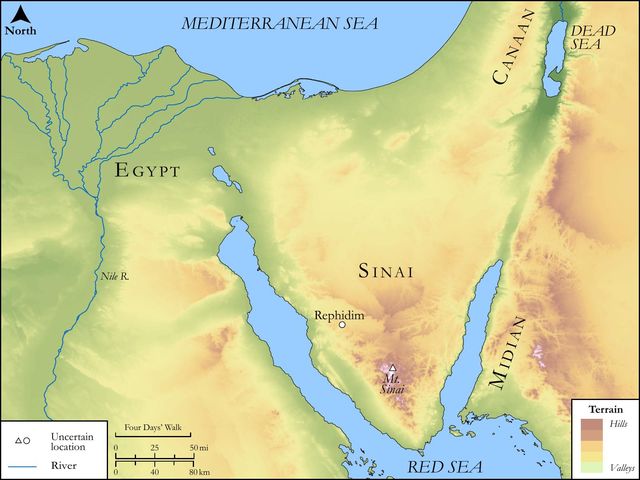
See on the biblical-era maps

Study this verse
Public-domain commentary
Matthew Henry
From his Commentary on the Whole Bible. Henry comments on passages, not single verses — this entry covers Exodus 25:23–30.
Here is, 1. A table ordered to be made of wood overlaid with gold, which was to stand, not in the holy of holies (nothing was in that but the ark with its appurtenances), but in the outer part of the tabernacle, called the sanctuary, or holy place, Heb 9:2, Heb 9:23, etc. There must also be the usual furniture of the sideboard, dishes and spoons, etc., and all of gold, Exo 25:29. 2. This table was to be always spread, and furnished with the show-bread (Exo 25:30), or bread of faces, twelve loaves, one for each tribe, set in two rows, six in a row; see the law concerning them, Lev 24:5, etc. The tabernacle being God's house, in which he was pleased to say that he would dwell among them, he would show that he kept a good house. In the royal palace it was fit that there should be a royal table. Some make the twelve loaves to represent the twelve tribes, set before God as his people and the corn of his floor, as they are called, Isa 21:10. As the ark signified God's being present with them, so the twelve loaves signified their being presented to God. This bread was designed to be, (1.) A thankful acknowledgement of God's goodness to them, in giving them their daily bread, manna in the wilderness, where he prepared a table for them, and, in Canaan, the corn of the land. Hereby they owned their dependence upon Providence, not only for the corn in the field, which they gave thanks for in offering the sheaf of first-fruits, but for the bread in their houses, that, when it was brought home, God did not blow upon it, Hag 1:9. Christ has taught us to pray every day for the bread of the day. (2.) A token of their communion with God. This bread on God's table being made of the same corn with the bread on their own tables, God and Israel did, as it were, eat together, as a pledge of friendship and fellowship; he supped with them, and they with him. (3.) A type of the spiritual provision which is made in the church, by the gospel of Christ, for all that are made priests to our God. In our Father's house there is bread enough and to spare, a loaf for every tribe. All that attend in God's house shall be abundantly satisfied with the goodness of it, Psa 36:8. Divine consolations are the continual feast of holy souls, notwithstanding there are those to whom the table of the Lord, and the meat thereof (because it is plain bread), are contemptible, Mal 1:12. Christ has a table in his kingdom, at which all his saints shall for every eat and drink with him, Luk 22:30.
Continue studying Exodus 25:24 across the web’s major study libraries — every link below opens this exact verse, chapter, or book on the destination site.
Read & Compare
 BibleGatewayThis verse in more than 200 translations and 70 languages.
 Bible.comThe YouVersion reader — hundreds of translations, reading plans, and highlights.
 ESV.orgCrossway's official English Standard Version reader.
 NET BibleThe NET translation with 60,000+ translators' notes on every rendering decision.
 STEP BibleTyndale House's free study tool — original text, vocabulary, and scholarly resources.
 BibliaLogos Bible Software's free web reader.
 USCCBThe New American Bible (Revised Edition) with the U.S. bishops' study notes.
Commentaries
 BibleHub CommentariesDozens of classic commentaries on this verse, gathered on one page.
 StudyLightMore than 100 commentary sets — the largest collection on the web.
 BibleRefPlain-English commentary on what this verse means, verse by verse.
 Enduring WordDavid Guzik's free commentary on this chapter, widely used by Bible teachers.
 Bible Study ToolsVerse commentary alongside Greek and Hebrew study aids.
Original Language & Research
- BibleHub InterlinearThe verse word by word — original language, transliteration, and English.
- BibleHub LexiconEvery word's original-language definition and Strong's entry.
 Blue Letter BibleDeep-study tools — Strong's numbers, concordance, and word studies.
 SefariaThe Hebrew text with Rashi and centuries of Jewish commentary.
Sermons, Hymns & Audio


TrulyRandomVerse is not affiliated with these sites and doesn’t control their content. They’re linked because they’re genuinely useful.
Summary
Exodus 25:24 details God's precise instructions to Moses for the construction of the Ark of the Covenant, specifically commanding that the acacia wood structure be meticulously overlaid with pure gold and encircled by a golden crown. This verse highlights the divine demand for absolute purity, supreme majesty, and meticulous adherence to God's blueprint for His dwelling place, emphasizing the sacredness and glory inherent in His presence among His people.
Context
ShowHideLiterary Context
Exodus 25 initiates God's detailed revelation of the Tabernacle's design, a portable sanctuary intended to house His presence among the Israelites. Following the covenant established at Sinai, God provides the architectural blueprints, beginning with the Ark of the Covenant, signifying its preeminent importance. Verses Exodus 25:10-16 lay out the Ark's dimensions and the primary material (acacia wood). Verse 24 then elaborates on the finishing touches, specifying the gold overlay and the surrounding crown, before moving on to the Ark's lid, the Mercy Seat, in Exodus 25:17-22. This meticulous progression from core structure to adornment underscores the Ark's sacred function as the repository of God's law and the place of His communion with Moses, setting the stage for the divine encounter described in Exodus 25:22.
Historical & Cultural Context
The Israelites, recently delivered from Egyptian bondage, were a nomadic people in the wilderness, learning to live as God's covenant nation. The Tabernacle, and especially the Ark, served as the tangible center of their worship and national identity. Among the nations, temples and idols were often adorned with precious metals to signify the power, wealth, and majesty of their gods. However, unlike pagan idols, the Ark was not an image of God but a throne, a footstool, and a symbol of His invisible presence. The use of "pure gold" (as opposed to alloyed metals common in other cultures) distinguished the Ark as uniquely holy and set apart for the God of Israel, who demanded absolute purity and perfection in all that pertained to His worship, reflecting His own unblemished character. This divine blueprint stood in stark contrast to the human-devised religious practices they had witnessed in Egypt and would encounter among surrounding nations, emphasizing God's distinctness and His demand for a worship that mirrored His own holiness, as seen in Leviticus 11:44.
Key Themes
ShowHideThis verse significantly contributes to several overarching themes within Exodus and the Pentateuch. Firstly, it highlights the theme of Divine Presence and Dwelling, emphasizing God's desire to reside among His people, yet doing so in a consecrated space that reflects His holiness. The meticulous instructions for the Ark, the very heart of the Tabernacle, underscore the theme of Holiness and Purity, revealing that God's nature is utterly pure and that anything associated with His presence must likewise be set apart and unblemished. The use of gold and the "crown" also speaks to the theme of Divine Glory and Majesty, portraying God as a sovereign King whose dwelling place must reflect His supreme authority and splendor. Finally, the precise nature of the commands reinforces the theme of Obedience and Divine Blueprint, demonstrating that God's will is to be followed exactly, signifying the importance of worship according to His revealed design, a concept echoed throughout the construction narratives in Exodus 35-40.
Exposition and Analysis
ShowHideKey Word Analysis
ShowHideThis verb means "to sheet over (especially with metal)," or "to cover." In the context of the Ark, it signifies a complete encasement, both inside and out, so that the underlying acacia wood would be entirely concealed by gold. This act of overlaying represents a profound transformation, where the common, though durable, wood is elevated and consecrated by being enveloped in a material symbolizing divine glory and purity. It suggests that what is common is made holy through God's specific instructions and the indwelling of His presence.
This adjective means "pure (in a physical, chemical, ceremonial or moral sense)," or "clean, fair." When applied to gold (H2091, zâhâb), it emphasizes the highest quality, unalloyed and unblemished. This is not merely a preference for expensive material but a profound theological statement. God, who is absolutely holy and without blemish, requires that which represents His presence to be equally pure. It speaks to the integrity, incorruptibility, and inherent value of God's character and His covenant, reflecting His demand for unadulterated devotion.
This noun refers to "a chaplet (as spread around the top)," or specifically, "a border moulding." In this context, it was a decorative golden border or rim running around the top edge of the Ark. This "crown" served both an aesthetic purpose, enhancing the Ark's majesty, and possibly a functional one, perhaps to help secure the Mercy Seat. Theologically, it signifies royalty, distinction, and sacred demarcation, visually setting the Ark apart as supremely holy and belonging to the King of Kings, marking the boundary of the most sacred space from which God would communicate (Exodus 25:22).
Verse Breakdown
ShowHide"And thou shalt overlay it with pure gold"
This clause commands the complete encasement of the Ark's acacia wood structure with the finest quality, unblemished gold. This act symbolizes the divine glory and unblemished holiness of God, transforming the earthly material into a vessel fit for His presence. The thoroughness of the overlay, both inside and out, suggests that God's holiness permeates every aspect of His dwelling and His dealings with humanity. It is a visual representation of God's absolute purity and the sacredness of His covenant, demanding a response of consecrated living from His people.
"and make thereto a crown of gold round about"
This specifies the addition of a golden molding or rim around the top perimeter of the Ark. This "crown" serves as a mark of distinction, royalty, and sacred boundary. It visually elevates the Ark, signifying its unique status as the throne of the invisible God and the most sacred object in the Tabernacle. This detail underscores God's majesty and His sovereign authority over His people and all creation, delineating the sacred space where His glory would uniquely manifest.
Literary Devices
ShowHideExodus 25:24 primarily employs Symbolism. The "pure gold" is not merely a valuable material but a profound symbol of God's absolute holiness, divine glory, and incorruptible nature. Its unblemished quality reflects the unblemished character of God Himself. The act of "overlaying" symbolizes the consecration and transformation of the common into the sacred by divine command, illustrating that God's presence sanctifies. Furthermore, the "crown of gold" is a powerful symbol of God's sovereignty and majesty, marking the Ark as a royal throne and a place of supreme authority. The meticulous detail in the instructions itself functions as a literary device, emphasizing God's demand for precision and obedience in worship, highlighting the sacredness of the divine encounter and the importance of adhering to God's revealed will. This attention to detail also serves as a form of foreshadowing, hinting at the perfect and glorious nature of God's ultimate dwelling among His people.
Theological and Thematic Connections
ShowHideExodus 25:24 profoundly reveals God's nature and His relationship with humanity. The command for pure gold and a golden crown underscores the absolute holiness and majesty of God, who desires to dwell among His people but on His own terms. This meticulous design emphasizes that access to God's presence is not casual but requires a divinely ordained approach marked by purity and reverence. It foreshadows the ultimate dwelling of God with humanity, first through the Incarnation and later in the new heavens and new earth, where His glory will fully reside. The Ark, overlaid with gold, containing the Law, serves as a tangible representation of God's holy presence and His covenant faithfulness, reminding Israel of the awesome privilege and responsibility of being God's covenant people.
Reflection and Application
ShowHideWhile we no longer construct physical arks, the principles embedded in Exodus 25:24 remain profoundly relevant for believers today. The demand for "pure gold" challenges us to consider the quality of our devotion and worship. Are we offering God our "purest" and "best" – not just in material possessions, but in the sincerity of our hearts, the integrity of our lives, and the excellence of our service? This calls us to a life of genuine consecration, free from pretense or compromise. The Ark's crown, signifying God's majesty, reminds us to approach God with profound reverence, recognizing His supreme authority and glory in all things, both in corporate worship and in our private lives. As temples of the Holy Spirit (1 Corinthians 6:19), our lives are called to reflect this same purity and holiness, being set apart for God's purposes. Just as the Ark was meticulously crafted according to divine blueprint, our spiritual lives should be shaped by God's Word, demonstrating obedience and faithfulness to His revealed will, striving for excellence in all that we do for His glory.
Questions for Reflection
ShowHideFAQ
ShowHideWhy was pure gold specifically commanded for the Ark of the Covenant?
ShowHideThe command for "pure gold" (Hebrew: zahav tahor) was not merely about expense or aesthetic appeal, but carried profound theological significance. Gold, being a precious and incorruptible metal, symbolized divine glory, purity, and immutability. God, who is absolutely holy and without blemish, required that the most sacred object representing His presence be made of the purest material available. This underscored His unblemished character and the sacredness of His covenant with Israel. It also served to distinguish the worship of the true God from the idolatrous practices of surrounding nations, where often lesser or mixed metals were used for cultic objects. The purity of the gold reflected the purity God demanded from His people in their approach to Him and in their lives, as seen in passages like Leviticus 19:2 and Psalm 24:3-4.
Christ-Centered Fulfillment
ShowHideExodus 25:24, with its emphasis on the Ark's pure gold overlay and golden crown, finds its ultimate and perfect fulfillment in Jesus Christ. The Ark, as the dwelling place of God's presence and the repository of His law, was a shadow of the true tabernacle, which is Christ Himself. Just as the Ark was overlaid with "pure gold" to signify divine glory and unblemished holiness, Jesus is the very embodiment of God's glory and purity, "the radiance of God's glory and the exact representation of his being" (Hebrews 1:3). He is the one in whom "the whole fullness of deity dwells bodily" (Colossians 2:9). The "crown of gold" on the Ark foreshadows Christ's ultimate kingship and sovereign authority; He is indeed "King of kings and Lord of lords" (Revelation 19:16), having been crowned with glory and honor (Hebrews 2:9). Unlike the Ark, which was a physical object, Jesus is the living, pure, and perfect High Priest who entered the true heavenly sanctuary, not with the blood of animals, but with His own pure blood, securing eternal redemption (Hebrews 9:11-12). Through Him, we, who were once common and defiled by sin, are made holy and given access to God's glorious presence, becoming a spiritual house where God dwells by His Spirit (1 Peter 2:5), reflecting His purity and glory to the world.