


Exodus 25:30
- וְנָתַתָּve·na·ta·Taand you will putH5414Conj-w ¦ V-Qal-ConsecPerf-2msVerb Qal Consecutive Perfect 2nd Singular Masculineוְandנָתַתָּyou will put
- עַל'alonH5921PrepPreposition
- הַשֻּׁלְחָןha·shul·Chanthe tableH7979Art ¦ N-msNoun Singular Masculine Absoluteהַtheשֻּׁלְחָןtable
- לֶחֶםLe·chembread ofH3899N-mscNoun Singular Masculine Construct
- פָּנִיםpa·NimpresenceH6440N-mpNoun Plural Masculine Absolute
- לְפָנַיle·fa·Nai<to> before meH6440Prep-l ¦ N-mpc ¦ 1csNoun Plural Masculine Constructלְ<to>פָנַbeforeיme
- תָּמִידta·MidcontinuallyH8548N-msNoun Singular Masculine Absolute
English is a literal word-by-word gloss of the Hebrew, not the KJV's wording. Why?
This is the original text the KJV's translators worked from — each Hebrew word with its own literal English meaning in this verse, prepared by scholars at Tyndale House, Cambridge. The KJV translates whole sentences, not word by word, so its wording differs: one Hebrew word can become several English words, and the KJV may choose “the LORD” where the gloss reads “Yahweh”. Both are faithful — they answer different questions. For the KJV's own rendering, switch to the KJV text.
Details
See on the biblical-era map

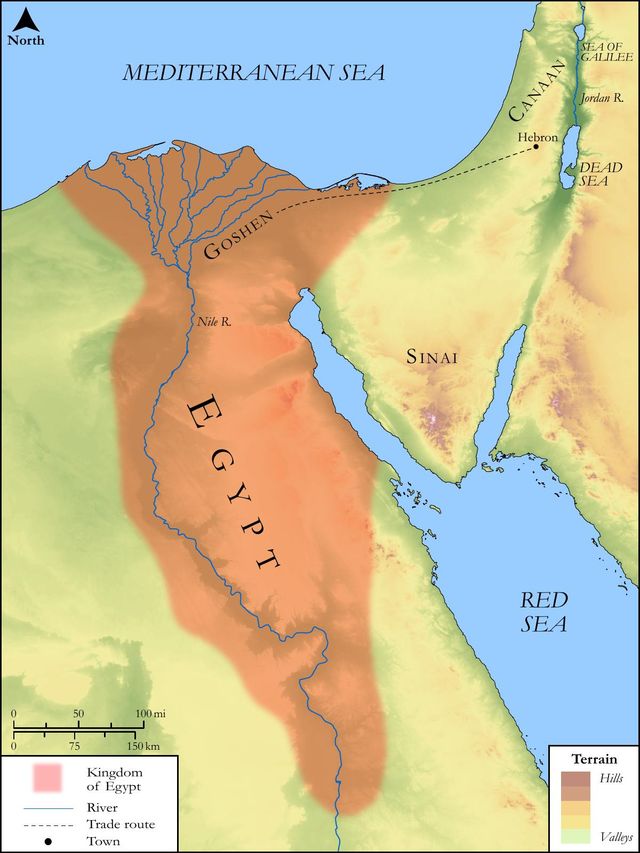
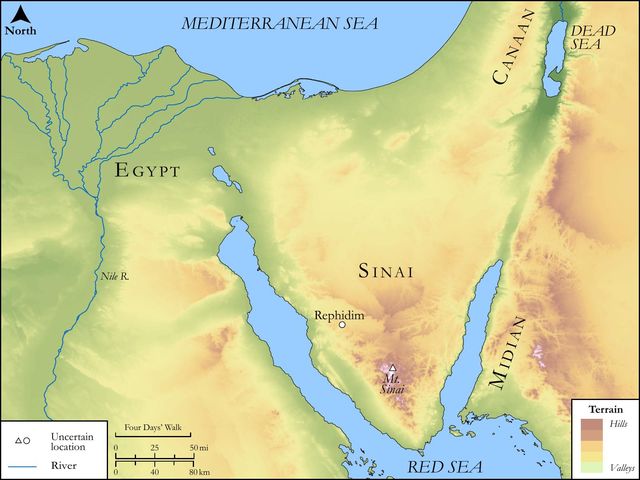
Study this verse
Public-domain commentary
Matthew Henry
From his Commentary on the Whole Bible. Henry comments on passages, not single verses — this entry covers Exodus 25:23–30.
Here is, 1. A table ordered to be made of wood overlaid with gold, which was to stand, not in the holy of holies (nothing was in that but the ark with its appurtenances), but in the outer part of the tabernacle, called the sanctuary, or holy place, Heb 9:2, Heb 9:23, etc. There must also be the usual furniture of the sideboard, dishes and spoons, etc., and all of gold, Exo 25:29. 2. This table was to be always spread, and furnished with the show-bread (Exo 25:30), or bread of faces, twelve loaves, one for each tribe, set in two rows, six in a row; see the law concerning them, Lev 24:5, etc. The tabernacle being God's house, in which he was pleased to say that he would dwell among them, he would show that he kept a good house. In the royal palace it was fit that there should be a royal table. Some make the twelve loaves to represent the twelve tribes, set before God as his people and the corn of his floor, as they are called, Isa 21:10. As the ark signified God's being present with them, so the twelve loaves signified their being presented to God. This bread was designed to be, (1.) A thankful acknowledgement of God's goodness to them, in giving them their daily bread, manna in the wilderness, where he prepared a table for them, and, in Canaan, the corn of the land. Hereby they owned their dependence upon Providence, not only for the corn in the field, which they gave thanks for in offering the sheaf of first-fruits, but for the bread in their houses, that, when it was brought home, God did not blow upon it, Hag 1:9. Christ has taught us to pray every day for the bread of the day. (2.) A token of their communion with God. This bread on God's table being made of the same corn with the bread on their own tables, God and Israel did, as it were, eat together, as a pledge of friendship and fellowship; he supped with them, and they with him. (3.) A type of the spiritual provision which is made in the church, by the gospel of Christ, for all that are made priests to our God. In our Father's house there is bread enough and to spare, a loaf for every tribe. All that attend in God's house shall be abundantly satisfied with the goodness of it, Psa 36:8. Divine consolations are the continual feast of holy souls, notwithstanding there are those to whom the table of the Lord, and the meat thereof (because it is plain bread), are contemptible, Mal 1:12. Christ has a table in his kingdom, at which all his saints shall for every eat and drink with him, Luk 22:30.
Continue studying Exodus 25:30 across the web’s major study libraries — every link below opens this exact verse, chapter, or book on the destination site.
Read & Compare
 BibleGatewayThis verse in more than 200 translations and 70 languages.
 Bible.comThe YouVersion reader — hundreds of translations, reading plans, and highlights.
 ESV.orgCrossway's official English Standard Version reader.
 NET BibleThe NET translation with 60,000+ translators' notes on every rendering decision.
 STEP BibleTyndale House's free study tool — original text, vocabulary, and scholarly resources.
 BibliaLogos Bible Software's free web reader.
 USCCBThe New American Bible (Revised Edition) with the U.S. bishops' study notes.
Commentaries
 BibleHub CommentariesDozens of classic commentaries on this verse, gathered on one page.
 StudyLightMore than 100 commentary sets — the largest collection on the web.
 BibleRefPlain-English commentary on what this verse means, verse by verse.
 Enduring WordDavid Guzik's free commentary on this chapter, widely used by Bible teachers.
 Bible Study ToolsVerse commentary alongside Greek and Hebrew study aids.
Original Language & Research
- BibleHub InterlinearThe verse word by word — original language, transliteration, and English.
- BibleHub LexiconEvery word's original-language definition and Strong's entry.
 Blue Letter BibleDeep-study tools — Strong's numbers, concordance, and word studies.
 SefariaThe Hebrew text with Rashi and centuries of Jewish commentary.
Sermons, Hymns & Audio


TrulyRandomVerse is not affiliated with these sites and doesn’t control their content. They’re linked because they’re genuinely useful.
Summary
Exodus 25:30 presents God's precise instruction to Moses for the placement of the "shewbread" upon the table within the Tabernacle's Holy Place, commanding that it be set "before me alway." This divine directive established a perpetual, tangible symbol of God's unwavering presence among His people, His faithful and continuous provision for them, and Israel's enduring covenant relationship and communion with their Lord. It served as a constant visual reminder of their sustenance, identity, and dependence found solely in Him.
Context
ShowHideLiterary Context
Exodus 25:30 is embedded within a highly detailed section of God's instructions to Moses on Mount Sinai concerning the construction and furnishing of the Tabernacle. This portable sanctuary was designed to be God's dwelling place amidst the Israelites during their wilderness journey, symbolizing His immanent presence. The verse specifically addresses the Table of Shewbread, one of the key pieces of furniture in the Holy Place, the outer chamber of the Tabernacle. Prior to this, God had given commands for the most sacred items, the Ark of the Covenant and the Mercy Seat, which would reside in the Most Holy Place Exodus 25:10-22. The Table of Shewbread, alongside the golden Menorah and the Altar of Incense, comprised the essential elements of the Holy Place. This structured sequence of divine directives underscores the purposeful and hierarchical design of God's dwelling, moving from the most holy to the elements of daily priestly service and communal worship.
Historical & Cultural Context
The command for the shewbread was given to Israel during a foundational period of their history: their exodus from Egyptian slavery and their formation as a covenant nation in the wilderness. The Tabernacle, therefore, was not merely an architectural blueprint but a profound theological statement, signifying God's tangible presence and covenant fidelity to His newly redeemed people. In the ancient Near East, bread was a universal staple, symbolizing life, sustenance, and hospitality, and offerings of food were common in various religious practices. However, the Israelite "shewbread" (literally "bread of presence" or "bread of faces") was unique in its specific connection to Yahweh, the covenant God. It was consecrated for divine service, placed "before" God's face, emphasizing His personal and continuous relationship with His chosen people. This practice solidified the vital role of the priesthood, who were responsible for maintaining this sacred offering, ensuring the perpetual representation of the twelve tribes before God, and highlighting God's unique provision for Israel in the barren wilderness.
Key Themes
ShowHideExodus 25:30 contributes significantly to several overarching themes within the book of Exodus and the Pentateuch. Foremost is the theme of God's Presence (Immanence), as the Tabernacle and its furnishings, including the shewbread, were designed to facilitate God's dwelling among His people. The "bread of presence" visually underscored His constant nearness. Closely related is the theme of Divine Provision and Sustenance, highlighting God as the sole source of life and nourishment for Israel, both physically (as seen in the manna in the wilderness) and spiritually. The command also reinforces the theme of Covenant Relationship and Communion, demonstrating Israel's perpetual standing before God and their ongoing fellowship with Him, mediated through the Tabernacle rituals. Finally, it speaks to the theme of Holiness and Separation, as the shewbread was consecrated and set apart, emphasizing the sacredness required in approaching and serving a holy God.
Exposition and Analysis
ShowHideKey Word Analysis
ShowHideThis verb, "nâthan," is a primitive root with an exceptionally broad range of applications, meaning "to give" but extending to "put," "make," "appoint," or "place." In Exodus 25:30, its use signifies the deliberate and authoritative act of placing or establishing the shewbread. It implies a divine directive that is to be faithfully executed, underscoring the intentionality behind God's command for this specific arrangement in the Tabernacle. The action of "setting" is not casual but a foundational act of worship and obedience.
Derived from "lâcham" (to eat), "lechem" primarily refers to "food," especially "bread" or "grain." While the KJV translates it as "shewbread," the Hebrew literally means "bread." In this context, it refers to the specific loaves consecrated for the Tabernacle. This word emphasizes the fundamental nature of the offering as sustenance, highlighting God's provision for His people. The bread, a universal symbol of life and nourishment, here takes on a sacred character, representing both God's gift to Israel and Israel's perpetual offering to God.
This word signifies "continuance" or "perpetuity," meaning "constant" or "constantly." Its inclusion in the command for the shewbread is crucial, emphasizing that this was not a temporary or occasional offering but a perpetual ordinance. It underscores God's unending faithfulness and His continuous presence and provision for His people. For Israel, it highlighted the perpetual nature of their covenant relationship—God is always present, and His people are always represented before Him through this sacred bread.
Verse Breakdown
ShowHide"And thou shalt set upon the table shewbread"
This clause provides the specific instruction regarding the object and its placement. The "table" (שֻׁלְחָן, shulchan) was a specially crafted piece of furniture, overlaid with gold, signifying its holiness and importance within the Tabernacle. Upon this table, the "shewbread" was to be placed. According to later instructions in Leviticus 24:5-9, this consisted of twelve loaves, representing the twelve tribes of Israel, made of fine flour, and replaced weekly on the Sabbath. This act of placing the bread was a sacred priestly duty, a continuous act of worship and service that visually represented Israel's constant presence before God.
"before me"
This crucial phrase identifies the divine recipient and audience of the shewbread. The bread was placed directly "before the face" (לִפְנֵי, liphnêy, from פָּנִים, panim) of God, signifying His personal, immediate, and visible presence in the Tabernacle. It underscores that the Tabernacle was God's dwelling place, and all its furnishings and rituals were oriented towards Him. The shewbread was a constant visual reminder of Israel's perpetual communion and covenant relationship with God, always being "in His presence" and under His watchful eye.
"alway"
The adverb "alway" (תָּמִיד, tamid) reinforces the perpetual nature of this command. It was not a temporary or occasional offering but a continuous, unbroken act of worship and representation. This emphasizes God's unwavering commitment to His covenant with Israel and His ceaseless provision for them. It also highlights the constant need for Israel to acknowledge God's presence, depend on His sustenance, and maintain their unique relationship with Him through continuous worship and obedience.
Literary Devices
ShowHideExodus 25:30 is rich with literary devices that amplify its theological significance. Symbolism is preeminent, as the "shewbread" itself is a profound symbol. It represents God's continuous provision for His people, both physical and spiritual, serving as a tangible sign of His covenant faithfulness. The twelve loaves further symbolize the twelve tribes of Israel, perpetually present before the Lord, signifying their constant communion and relationship with their God. The "table" upon which the bread rests also carries symbolic weight, representing divine hospitality and the fellowship God extends to His people. The phrase "before me" employs anthropomorphism, attributing human-like presence or "face" to God, making His immanence more relatable and immediate to the Israelites and emphasizing the personal and intimate nature of their relationship. Finally, the use of the word "alway" functions as an adverbial emphasis, underscoring the perpetual, unbroken nature of this command and, by extension, God's enduring commitment and the continuous need for Israel's dependence and worship.
Theological and Thematic Connections
ShowHideThe command for the shewbread in Exodus 25:30 profoundly illustrates several core theological truths: God's unwavering faithfulness, His continuous provision for His people, and the perpetual nature of His covenant relationship. The "bread of presence" was a constant visual testament to God's immanent dwelling among Israel, a tangible sign that He was actively engaged with their lives and needs. It underscored that Israel's sustenance, both physical and spiritual, originated solely from their covenant Lord, fostering a deep sense of dependence and gratitude. The weekly replacement of the loaves, consumed by the priests, also highlighted the communal aspect of worship and the sacred bond between God, the priesthood, and the nation, reinforcing that their very existence was sustained by divine grace and presence.
Reflection and Application
ShowHideExodus 25:30, though an ancient command concerning a physical object in a long-gone Tabernacle, resonates deeply with believers today, offering profound insights into our relationship with God. The "shewbread" serves as a powerful reminder of God's unwavering commitment to provide for His people, not just physically, but spiritually. Just as the bread was always before God, we are called to live our lives in constant awareness of His presence, recognizing that our true sustenance, guidance, and strength come from Him alone. This verse invites us to cultivate a posture of continual dependence, trusting that the God who faithfully sustained Israel in the wilderness will also nourish us in every season of our lives. It encourages us to engage in perpetual worship, acknowledging that our very being is sustained by His grace and truth, and to find our spiritual nourishment in Christ, the true "Bread of Life."
Questions for Reflection
ShowHideFAQ
ShowHideWhat was the purpose of the shewbread?
ShowHideThe shewbread served multiple purposes: it was a constant visual reminder of God's continuous presence among His people, symbolizing His unwavering faithfulness and provision for Israel. It also represented the twelve tribes of Israel perpetually before the Lord, signifying their unbroken covenant relationship and communion with Him. It was a perpetual offering, an act of worship acknowledging God as the source of all sustenance and a symbol of the covenant between God and His people, as detailed in Leviticus 24:8.
Who was permitted to eat the shewbread?
ShowHideOnly the priests were permitted to eat the shewbread, and only after it had been replaced with fresh loaves on the Sabbath. This act, performed in a holy place, was part of their sacred duties and reinforced their unique role as mediators between God and the people. Leviticus 24:9 explicitly states this, emphasizing the holiness of the bread and the strict regulations surrounding its consumption.
Was the shewbread a type of sacrifice?
ShowHideWhile not a blood sacrifice for sin, the shewbread was indeed considered a holy offering to the Lord, described as a "perpetual covenant" (Leviticus 24:8). It was a food offering, a tribute from the people to God, symbolizing their dedication and dependence. It was part of the ongoing worship and maintenance of the Tabernacle, signifying the constant communion between God and Israel, and was specifically called a "most holy thing" from the Lord's food offerings in Leviticus 24:9.
Christ-Centered Fulfillment
ShowHideExodus 25:30, with its command for the perpetual "shewbread" before the Lord, finds its ultimate and profound Christ-centered fulfillment in Jesus, the true "Bread of Life." Just as the physical shewbread sustained Israel and symbolized God's constant presence, Jesus declares Himself to be the spiritual sustenance for all humanity, stating, "I am the bread of life: he that cometh to me shall never hunger; and he that believeth on me shall never thirst." He is the living bread who came down from heaven, giving life to the world, as He proclaims in John 6:48. The shewbread was a shadow, pointing to the reality of Christ's body, broken for us, providing eternal spiritual nourishment (1 Corinthians 11:24). Furthermore, the "bread of presence" foreshadows Jesus' continuous, abiding presence with His people. He is not merely a historical figure but the ever-present Lord who promised, "I am with you alway, even unto the end of the world." In Christ, we have not just a symbolic representation but the very essence of God's presence and unending provision, satisfying our deepest spiritual hunger and thirst.