


2 Samuel 24:10
- וַיַּךְvai·Yakhand it struckH5221Conj-w ¦ V-Hiphil-ConsecImperf-3msVerb Hiphil Consecutive Imperfect 3rd Singular Masculineוַandיַּךְit struck
- לֵבlev[the] heart ofH3820N-mscNoun Singular Masculine Construct
- דָּוִדda·VidDavidH1732N-proper-mNoun Proper Masculine
- אֹתוֹ'o·To<obj.> himH853DirObjM ¦ 3msParticle Object Indicatorאֹת<obj.>וֹhim
- אַחֲרֵי'a·cha·reiafterH310Adj-mpcAdjective Numerical Plural Masculine Construct
- כֵןkhenthusH3651AdvAdverb
- סָפַרsa·Farhe had countedH5608V-Qal-Perf-3msVerb Qal Perfect 3rd Singular Masculine
- אֶת'et<obj.>H853DirObjMParticle Object Indicator
- הָעָםha·'Amthe peopleH5971Art ¦ N-msNoun Singular Masculine Absoluteהָtheעָםpeople
- וַיֹּאמֶרvai·Yo·merand he saidH559Conj-w ¦ V-Qal-ConsecImperf-3msVerb Qal Consecutive Imperfect 3rd Singular Masculineוַandיֹּאמֶרhe said
- דָּוִדda·VidDavidH1732N-proper-mNoun Proper Masculine
- אֶל'eltoH413PrepPreposition
- יְהוָהYah·wehYahwehH3068N-properNoun Proper Title
- חָטָאתִיcha·Ta·tiI have sinnedH2398V-Qal-Perf-1csVerb Qal Perfect 1st Singular common gender
- מְאֹדme·'OdexceedinglyH3966Adj-msAdjective Numerical Singular Masculine Absolute
- אֲשֶׁר'a·Sher[that] whichH834RelParticle Relative
- עָשִׂיתִי'a·Si·tiI have doneH6213V-Qal-Perf-1csVerb Qal Perfect 1st Singular common gender
- וְעַתָּהve·'a·Tahand nowH6258Conj-w ¦ AdvAdverbוְandעַתָּהnow
- יְהוָהYah·wehO YahwehH3068N-properNoun Proper Title
- הַעֲבֶרha·'a·vertake awayH5674V-Hiphil-Imp-2msVerb Hiphil Imperative 2nd Singular Masculine
- נָאna'pleaseH4994PrtParticle Interjection
- אֶת'et<obj.>H853DirObjMParticle Object Indicator
- עֲוֹן'a·Von[the] iniquity ofH5771N-mscNoun Singular Masculine Construct
- עַבְדְּךָ'av·de·Khayour servantH5650N-msc ¦ 2msNoun Singular Masculine Constructעַבְדְּservantךָyour
- כִּיkiforH3588PrtParticle Conditional
- נִסְכַּלְתִּיnis·Kal·tiI have acted foolishlyH5528V-Niphal-Perf-1csVerb Niphal Perfect 1st Singular common gender
- מְאֹדme·'OdexceedinglyH3966Adj-msAdjective Numerical Singular Masculine Absolute
English is a literal word-by-word gloss of the Hebrew, not the KJV's wording. Why?
This is the original text the KJV's translators worked from — each Hebrew word with its own literal English meaning in this verse, prepared by scholars at Tyndale House, Cambridge. The KJV translates whole sentences, not word by word, so its wording differs: one Hebrew word can become several English words, and the KJV may choose “the LORD” where the gloss reads “Yahweh”. Both are faithful — they answer different questions. For the KJV's own rendering, switch to the KJV text.
Details
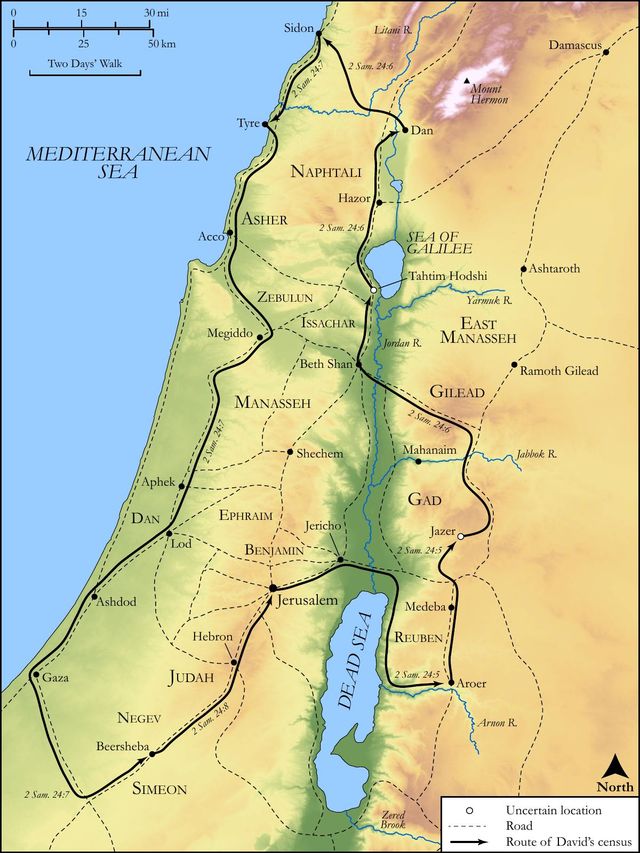
See on the biblical-era map

Study this verse
Historical interpretation
Twelve Centuries of Reception
2 surviving comments on this verse. Each one is dated, so this reads as a timeline rather than a list.
Select a marker to jump to its quote. Markers stagger vertically where authors wrote within a few decades of each other.
The characters, then, of rulers are so assigned according to the merits of their subjects, that frequently they who seem to be good are soon changed by the acceptance of power. As holy Scripture observed of the same Saul that he changed his heart with his dignity. Whence it is written, “When you were little in your own eyes, I made you the head of the tribes of Israel.” The conduct of rulers is so ordered with reference to the characters of their subjects that frequently the conduct of even a truly good shepherd becomes sinful as a result of the wickedness of his flock. For that prophet David, who had been praised by the witness of God himself, who had been made acquainted with heavenly mysteries, being puffed up by the swelling of sudden pride, sinned in numbering the people. And yet, though David sinned, the people endured the punishment. Why was this? Because in truth the hearts of rulers are disposed according to the merits of their people. But the righteous judge reproved the fault of the sinner by the punishment of those very persons on whose account he sinned. But because he was not exempt from guilt, as displaying pride of his own free will, he himself endured also the punishment of his sin. For that furious wrath which struck the people in their bodies prostrated the ruler of the people by the pain of his inmost heart. But it is certain that the merits of rulers and people are so mutually connected that frequently the conduct of the people is made worse from the fault of their pastors and the conduct of pastors is changed according to the merits of their people.
David's heart struck him, after the people were numbered: That is he was touched with a great remorse for the vanity and pride which had put him upon numbering the people.
Continue studying 2 Samuel 24:10 across the web’s major study libraries — every link below opens this exact verse, chapter, or book on the destination site.
Read & Compare
 BibleGatewayThis verse in more than 200 translations and 70 languages.
 Bible.comThe YouVersion reader — hundreds of translations, reading plans, and highlights.
 ESV.orgCrossway's official English Standard Version reader.
 NET BibleThe NET translation with 60,000+ translators' notes on every rendering decision.
 STEP BibleTyndale House's free study tool — original text, vocabulary, and scholarly resources.
 BibliaLogos Bible Software's free web reader.
 USCCBThe New American Bible (Revised Edition) with the U.S. bishops' study notes.
Commentaries
 BibleHub CommentariesDozens of classic commentaries on this verse, gathered on one page.
 StudyLightMore than 100 commentary sets — the largest collection on the web.
 BibleRefPlain-English commentary on what this verse means, verse by verse.
 Enduring WordDavid Guzik's free commentary on this chapter, widely used by Bible teachers.
 Bible Study ToolsVerse commentary alongside Greek and Hebrew study aids.
Original Language & Research
- BibleHub InterlinearThe verse word by word — original language, transliteration, and English.
- BibleHub LexiconEvery word's original-language definition and Strong's entry.
 Blue Letter BibleDeep-study tools — Strong's numbers, concordance, and word studies.
 SefariaThe Hebrew text with Rashi and centuries of Jewish commentary.
Sermons, Hymns & Audio


TrulyRandomVerse is not affiliated with these sites and doesn’t control their content. They’re linked because they’re genuinely useful.
Summary
2 Samuel 24:10 profoundly captures King David's immediate and overwhelming remorse after he conducted a census of Israel and Judah, an act that deeply displeased the LORD. Overwhelmed by a powerful conviction, David confesses his egregious sin directly to God, acknowledging the profound foolishness of his actions and humbly pleading for the divine removal of his iniquity, thereby demonstrating a heart of genuine repentance and a deep awareness of his offense against God's sovereignty and wisdom.
Context
ShowHideLiterary Context
This verse is a pivotal moment near the conclusion of 2 Samuel, serving as a poignant epilogue to David's reign and a significant bridge to the narratives of 1 Kings. It immediately follows the completion of David's unauthorized census and precedes the LORD's judgment through a devastating plague upon Israel. This sequence establishes the direct consequences of David's sin and sets the stage for his choice of divine punishment, ultimately leading to the purchase of Araunah's threshing floor and the building of an altar—a site later identified as the location for Solomon's Temple, as detailed in 2 Chronicles 3:1. The parallel account in 1 Chronicles 21 adds a crucial detail, revealing that Satan incited David to undertake the census, underscoring the spiritual warfare dimension of this transgression and its profound implications for God's people.
Historical & Cultural Context
Censuses in ancient Israel were not inherently sinful; they were often undertaken for military conscription or taxation purposes, and sometimes even at divine command, as seen in Numbers 1. However, David's census in 2 Samuel 24 was distinct because it was not divinely commanded and appears to have stemmed from a motive of pride, a desire to boast in his military strength, or a reliance on human resources rather than God's unfailing provision and protection. In a culture where the nation's security and prosperity were intimately tied to its covenant relationship with and reliance upon Yahweh, an act demonstrating self-reliance or a lack of trust was considered a grave offense. Furthermore, numbering the people without explicit divine instruction could imply a king's claim of ownership over God's people, a prerogative reserved solely for the LORD.
Key Themes
ShowHideThis verse powerfully encapsulates several profound theological themes. It highlights Divine Displeasure with human pride and self-reliance, as David's unauthorized act provokes God's anger and judgment. It vividly showcases the theme of Conviction and Remorse, as David's heart is "smitten," indicating a deep, internal, and immediate awareness of wrongdoing that transcends mere regret for consequences. This profound conviction leads directly to Genuine Repentance and Confession, as David immediately and unreservedly acknowledges his sin to the LORD, taking full personal responsibility without excuse. The description of his action as "foolishly" done underscores the theme of Sin as Folly, portraying it as an irrational and senseless departure from divine wisdom and trust. Ultimately, the narrative, starting with this verse, points to the Sovereignty of God even amidst human sin and the Availability of Divine Mercy for those who humbly confess and seek His forgiveness.
Exposition and Analysis
ShowHideKey Word Analysis
ShowHideA primitive root meaning "to strike (lightly or severely, literally or figuratively)." Here, it is used metaphorically to describe a powerful, internal blow of conscience. It signifies a sudden, sharp, and painful realization of wrongdoing, indicating a deep, immediate, and involuntary sense of guilt and regret that penetrates David's innermost being. It is not merely a superficial feeling but a profound spiritual and emotional impact, suggesting divine conviction.
A primitive root meaning "properly, to miss; hence (figuratively and generally) to sin." When combined with the intensive adverb mᵉʼôd (H3966, "greatly" or "very"), it emphasizes the immense magnitude and severity of David's offense in his own eyes and before God. It signifies a significant deviation from God's revealed will and a profound breach of covenantal faithfulness, a missing of the mark of righteousness.
Meaning "to be silly; do (make, play the, turn into) fool(-ish, -ishly, -ishness)." This term denotes acting senselessly, stupidly, or in a morally bankrupt manner. It implies a profound lack of wisdom and discernment, a senseless act that goes against divine principles and trust. David recognizes that his sin was not merely a mistake but an irrational and morally reprehensible departure from the path of wisdom and obedience to God.
Verse Breakdown
ShowHide"And David's heart smote him after that he had numbered the people."
This opening clause immediately establishes the king's profound internal conviction. The "heart" (H3820, lêb) in Hebrew thought is the seat of intellect, will, and emotion—the very core of one's being. The verb "smote" (H5221, nâkâh') indicates a sharp, sudden, and painful awareness of his transgression, arising from his conscience, likely prompted by the Holy Spirit. This conviction occurred after the act was complete, suggesting a moment of spiritual clarity or divine illumination following the prideful endeavor.
"And David said unto the LORD, I have sinned greatly in that I have done:"
This marks David's direct, unreserved, and immediate confession to God (H3068, Yᵉhôvâh). He does not minimize his sin, make excuses, or blame others. The phrase "sinned greatly" (H2398, châṭâʼ' with H3966, mᵉʼôd) underscores his full acknowledgment of the severity and magnitude of his transgression, demonstrating genuine humility and a deep sense of personal responsibility before a holy God.
"and now, I beseech thee, O LORD, take away the iniquity of thy servant;"
This is David's earnest plea for divine forgiveness and cleansing. "Iniquity" (H5771, ʻâvôn) refers not only to the moral evil of sin but also to its guilt and the punishment it incurs. David recognizes that only God possesses the power and authority to remove the burden of his sin and its consequences, demonstrating his reliance on divine mercy rather than any self-atonement or human effort.
"for I have done very foolishly."
This final declaration encapsulates David's understanding of his sin as an act of profound folly (H5528, çâkal'). It implies a senseless, irrational departure from wisdom and trust in God. He recognizes that his actions were not merely a misstep but a grave error in judgment, reflecting a lack of spiritual discernment and a reliance on human strength over divine provision.
Literary Devices
ShowHideThe verse employs several potent Literary Devices to convey David's emotional and spiritual state and the nature of his transgression. Personification is strikingly evident in the phrase "David's heart smote him," where the heart, an internal organ, is given the agency of striking, powerfully conveying the internal, self-inflicted pain of conscience and the immediate, visceral nature of his conviction. The use of Hyperbole or Intensification is seen in David's self-assessment: "sinned greatly" and "very foolishly." These strong adverbs and adjectives (H3966, mᵉʼôd) emphasize the profound depth of his remorse and the immense magnitude of his perceived offense, rather than merely stating a fact, highlighting the gravity of his sin in God's eyes and his own. Furthermore, David's direct address to the LORD and his subsequent plea follow the pattern of a Confessional Lament, a common genre found throughout the Psalms (e.g., Psalm 51), where an individual expresses deep sorrow for sin, confesses it openly, and appeals to God for mercy and restoration. This structure underscores the sincerity and spiritual depth of David's repentance.
Theological and Thematic Connections
ShowHideDavid's immediate conviction and heartfelt confession in 2 Samuel 24:10 serve as a profound theological statement on the nature of sin, the necessity of repentance, and the availability of divine mercy. His "smiting heart" powerfully illustrates the work of the Holy Spirit in bringing conviction, which is a necessary precursor to genuine repentance and a sign of spiritual sensitivity. The acknowledgement of "great" sin and "foolish" action highlights that sin is not merely a breaking of rules but a senseless, prideful departure from God's wisdom and trust, a profound act of folly against the Creator. David's earnest plea, "take away the iniquity," underscores the biblical truth that only God possesses the power to truly forgive and cleanse, revealing the human need for divine intervention in the face of guilt and spiritual defilement. This pivotal moment sets the stage for God's judgment, but also for David's humble acceptance and subsequent act of worship, demonstrating that even in the midst of divine discipline, God's grace is extended to the truly repentant, leading to atonement and reconciliation.
Reflection and Application
ShowHideDavid's response in 2 Samuel 24:10 offers timeless and profound lessons for believers navigating their own spiritual journeys. His immediate and visceral conviction, where his "heart smote him," serves as a powerful reminder to pay heed to the inner promptings of conscience, which are often the Holy Spirit's gentle or firm nudges toward self-examination and repentance. In a world prone to minimizing sin, deflecting blame, or rationalizing wrongdoing, David's unreserved confession—"I have sinned greatly in that I have done"—stands as an exemplary model of humility and integrity. It teaches us the vital importance of taking full personal responsibility for our actions before God, without excuse or delay. Furthermore, David's recognition that his actions were "very foolishly" done challenges us to view sin not just as a transgression but as an irrational departure from divine wisdom, always leading to detrimental consequences. This verse encourages us to cultivate a heart sensitive to God's will, to practice prompt and honest confession, and to rely fully on God's mercy rather than our own strength or perceived cleverness. Even a king "after God's own heart" could fall, underscoring the universal need for grace and the continuous call to repentance for all humanity.
Questions for Reflection
ShowHideFAQ
ShowHideWhy was numbering the people a sin for David?
ShowHideThe act of numbering people was not inherently sinful, as evidenced by other divinely commanded censuses in the Old Testament (e.g., Numbers 1). However, David's census in 2 Samuel 24 was a sin because it was undertaken without divine command and likely stemmed from a motive of pride, a desire to boast in his military might, or a lack of trust in God's ability to protect and sustain His people. It represented a reliance on human strength and resources rather than divine provision. The parallel account in 1 Chronicles 21:1 further clarifies that "Satan stood up against Israel and incited David to take a census of Israel," indicating a spiritual instigation to an act of disobedience and self-reliance that displeased the LORD.
What does "David's heart smote him" mean?
ShowHideThis phrase vividly describes a sudden, deep, and painful internal conviction of sin. The "heart" (Hebrew: lêb) in Hebrew thought is the seat of one's inner being, encompassing intellect, will, and emotion. When David's heart "smote him," it signifies a profound and immediate awareness of having offended God, a powerful pang of conscience that brought intense remorse. It indicates genuine spiritual sensitivity and an understanding that his actions were not just a mistake but a grave transgression against the Almighty, leading to a desire for immediate confession and reconciliation. This internal "smiting" is often understood as the Holy Spirit's work of conviction, bringing clarity to David's sin and prompting his repentance.
Christ-Centered Fulfillment
ShowHideDavid's profound confession and earnest plea for the removal of his iniquity in 2 Samuel 24:10 powerfully foreshadow the ultimate solution to humanity's pervasive sin problem found exclusively in Jesus Christ. David, despite being a king "after God's own heart," still succumbed to pride and folly, highlighting the universal human condition of sinfulness and the inherent inability of even the most righteous individual to perfectly obey God's holy law. His heartfelt cry, "take away the iniquity of thy servant," articulates the deepest yearning of a guilty conscience for cleansing and reconciliation with a holy God. This yearning finds its complete and perfect fulfillment in Jesus, the true Lamb of God who takes away the sin of the world. Unlike David, Jesus, as the perfect King and the spotless sacrifice for sins, never succumbed to pride, never relied on human might, and perfectly fulfilled all righteousness. His atoning death on the cross is the definitive act by which God truly "takes away" our iniquity, offering complete forgiveness and cleansing that no human act or plea could ever achieve. Through faith in Him, believers are not merely forgiven but are reconciled to God, receiving a new heart and the indwelling Holy Spirit, enabling a sensitivity to sin and a path to genuine repentance that David himself modeled, but which is ultimately perfected and made possible through the new covenant in Christ's blood.