


1 Kings 9:3
Bible text: King James Version (1769 Blayney text) · Public domain
Bible text: King James Version with Strong's numbers · Public domain
Bible text: Berean Standard Bible · Public domain
Bible text: American Standard Version (1901) · Public domain
Bible text: World English Bible, Messianic edition · Public domain
Bible text: Geneva Bible (1599) · Public domain
Bible text: Young's Literal Translation · Public domain
- וַיֹּאמֶרvai·Yo·merand he saidH559Conj-w ¦ V-Qal-ConsecImperf-3msVerb Qal Consecutive Imperfect 3rd Singular Masculineוַandיֹּאמֶרhe said
- יְהוָהYah·wehYahwehH3068N-properNoun Proper Title
- אֵלָיו'e·Lavto himH413Prep ¦ 3msPrepositionאֵלָיtoוhim
- שָׁמַעְתִּיSha·ma'·tiI have heardH8085V-Qal-Perf-1csVerb Qal Perfect 1st Singular common gender
- אֶת'et<obj.>H853DirObjMParticle Object Indicator
- תְּפִלָּתְךָte·fi·la·te·Khayour prayerH8605N-fsc ¦ 2msNoun Singular Feminine Constructתְּפִלָּתְprayerךָyour
- וְאֶתve·'Etand <obj.>H853Conj-w ¦ DirObjMParticle Object Indicatorוְandאֶת<obj.>
- תְּחִנָּתְךָte·chi·na·te·Khayour supplicationH8467N-fsc ¦ 2msNoun Singular Feminine Constructתְּחִנָּתְsupplicationךָyour
- אֲשֶׁר'a·SherwhichH834RelParticle Relative
- הִתְחַנַּנְתָּהhit·cha·Nan·tahyou have sought favorH2603V-Hithpael-Perf-2msVerb Hithpael Perfect 2nd Singular Masculine
- לְפָנַיle·fa·Nai<to> before meH6440Prep-l ¦ N-mpc ¦ 1csNoun Plural Masculine Constructלְ<to>פָנַbeforeיme
- הִקְדַּשְׁתִּיhik·Dash·tiI have consecratedH6942V-Hiphil-Perf-1csVerb Hiphil Perfect 1st Singular common gender
- אֶת'et<obj.>H853DirObjMParticle Object Indicator
- הַבַּיִתha·Ba·yitthe houseH1004Art ¦ N-msNoun Singular Masculine Absoluteהַtheבַּיִתhouse
- הַזֶּהha·Zeh<the> thisH2088Art ¦ PrtParticle Demonstrativeהַ<the>זֶּהthis
- אֲשֶׁר'a·SherwhichH834RelParticle Relative
- בָּנִתָהba·Ni·tahyou have builtH1129V-Qal-Perf-2msVerb Qal Perfect 2nd Singular Masculine
- לָשׂוּםla·sumby puttingH7760Prep-l ¦ V-Qal-InfVerb Qal Infinitive Constructלָbyשׂוּםputting
- שְׁמִיshe·Mimy nameH8034N-msc ¦ 1csNoun Singular Masculine Constructשְׁמִnameיmy
- שָׁםshamthereH8033AdvAdverb
- עַד'aduntilH5704PrepPreposition
- עוֹלָםo·LamperpetuityH5769N-msNoun Singular Masculine Absolute
- וְהָיוּve·ha·Yuand they will beH1961Conj-w ¦ V-Qal-ConsecPerf-3cpVerb Qal Consecutive Perfect 3rd Plural common genderוְandהָיוּthey will be
- עֵינַי'ei·Naimy eyesH5869N-fdc ¦ 1csNoun Dual Feminine Constructעֵינַeyesיmy
- וְלִבִּיve·li·Biand my heartH3820Conj-w ¦ N-msc ¦ 1csNoun Singular Masculine Constructוְandלִבִּheartיmy
- שָׁםshamthereH8033AdvAdverb
- כָּלkolallH3605N-mscNoun Singular Masculine Construct
- הַיָּמִיםhai·ya·Mimthe daysH3117Art ¦ N-mpNoun Plural Masculine Absoluteהַtheיָּמִיםdays
English is a literal word-by-word gloss of the Hebrew, not the KJV's wording. Why?
This is the original text the KJV's translators worked from — each Hebrew word with its own literal English meaning in this verse, prepared by scholars at Tyndale House, Cambridge. The KJV translates whole sentences, not word by word, so its wording differs: one Hebrew word can become several English words, and the KJV may choose “the LORD” where the gloss reads “Yahweh”. Both are faithful — they answer different questions. For the KJV's own rendering, switch to the KJV text.
Details
See on the biblical-era maps
Study this verse
Public-domain commentary
Matthew Henry
From his Commentary on the Whole Bible. Henry comments on passages, not single verses — this entry covers 1 Kings 9:1–9. His three-level outline is real structure in the source text, so it is rendered as structure.
God had given a real answer to Solomon's prayer, and tokens of his acceptance of it, immediately, by the fire from heaven which consumed the sacrifices (as we find Ch2 7:1); but here we have a more express and distinct answer to it. Observe,
I.In what way God gave him this answer.
He appeared to him, as he had done at Gibeon, in the beginning of his reign, in a dream or vision, Kg1 9:2. The comparing of it with that intimates that it was the very night after he had finished the solemnities of his festival, for so that was, Ch2 1:6, Ch2 1:7. And then Kg1 9:1, speaking of Solomon's finishing all his buildings, which was not till many years after the dedication of the temple, must be read thus, Solomon finished (as it is Ch2 7:11), and Kg1 9:2 must be read, and the Lord had appeared.
II.The purport of this answer.
1.He assures him of his special presence in the temple he had built, in answer to the prayer he had made (Kg1 9:3): I have hallowed this house. Solomon had dedicated it, but it was God's prerogative to hallow it - to sanctify or consecrate it. Men cannot make a place holy, yet what we, in sincerity, devote to God, we may hope he will graciously accept as his; and his eyes and his heart shall be upon it. Apply it to persons, the living temples. Those whom God hallows or sanctifies, whom he sets apart for himself, have his eye, his heart, his love and care, and this perpetually.
2.He shows him that he and his people were for the future upon their good behaviour. Let them not be secure now, as if they might live as they please now that they have the temple of the Lord among them, Jer 7:4. No, this house was designed to protect them in their allegiance to God, but not in their rebellion or disobedience. God deals plainly with us, sets before us good and evil, the blessing and the curse, and lets us know what we must trust to. God here tells Solomon,
(1.)That the establishment of his kingdom depended upon the constancy of his obedience (Kg1 9:4, Kg1 9:5): "If thou wilt walk before me as David did, who left thee a good example and encouragement enough to follow it (and advantage thou wilt be accountable for if thou do not improve it), if thou wilt walk as he did, in integrity of heart and uprightness" (for that is the main matter - no religion without sincerity), "then I will establish the throne of thy kingdom, and not otherwise," for on that condition the promise was made, Psa 132:12. If we perform our part of the covenant, God will not fail to perform his; if we improve the grace God has given us, he will confirm us to the end. Let not the children of godly parents expect the entail of the blessing, unless they tread in the steps of those that have gone before them to heaven, and keep up the virtue and piety of their ancestors.
(2.)That the ruin of his kingdom would be the certain consequence of his or his children's apostasy from God (Kg1 9:6): "But know thou, and let thy family and kingdom know it, and be admonished by it, that if you shall altogether turn from following me" (so it is thought it should be read), "if you forsake my service, desert my altar, and go and serve other gods" (for that was the covenant-breaking sin), "if you or your children break off from me, this house will not save you. But, [1.] Israel, though a holy nation, will be cut off (Kg1 9:7), by one judgment after another, till they become a proverb and a by-word, and the most despicable people under the sun, though now the most honourable." This supposes the destruction of the royal family, though it is not particularly threatened; the king is, of course, undone, if the kingdom be. [2.] "The temple, though a holy house, which God himself has hallowed for his name, shall be abandoned and laid desolate (Kg1 9:8, Kg1 9:9): This house which is high." They prided themselves in the stateliness and magnificence of the structure, but let them know that it is not so high as to be out of the reach of God's judgments, if they vilify it so as to exchange it for groves and idol-temples, and yet, at the same time, magnify it so as to think it will secure the favour of God to them though they ever so much corrupt themselves. This house which is high. Those that now pass by it are astonished at the bulk and beauty of it; the richness, contrivance, and workmanship, are admired by all spectators, and it is called a stupendous fabric; but, if you forsake God, its height will make its fall the more amazing, and those that pass by will be as much astonished at its ruins, while the guilty, self-convicted, self-condemned, Israelites, will be forced to acknowledge, with shame, that they themselves were the ruin of it; for when it shall be asked, Why hath the Lord done thus to his house? they cannot but answer, It was because they forsook the Lord their God. See Deu 29:24, Deu 29:25. Their sin will be read in their punishment. They deserted the temple, and therefore God deserted it; they profaned it with their sins and laid it common, and therefore God profaned it with his judgments and laid it waste. God gave Solomon fair warning of this, now that he had newly built and dedicated it, that he and his people might not be high-minded, but fear.
Historical interpretation
Historical reception
1 surviving comment on this verse from the historical church.
How can God say that he will always be in this temple when he threatens to destroy the house? The gifts of God are without second thoughts, as far as it depends on him, but our wickedness turns them away from us. In fact, he does not simply give gifts but gives them in order that we may repent. That is why he says in Jeremiah, “And if I shall pronounce a decree on a nation and kingdom, to rebuild and to plant it, and they do evil before me, so as not to listen to my voice, then I will repent of the good that I spoke of, to do it to them.”
Continue studying 1 Kings 9:3 across the web’s major study libraries — every link below opens this exact verse, chapter, or book on the destination site.
Read & Compare
 BibleGatewayThis verse in more than 200 translations and 70 languages.
 Bible.comThe YouVersion reader — hundreds of translations, reading plans, and highlights.
 ESV.orgCrossway's official English Standard Version reader.
 NET BibleThe NET translation with 60,000+ translators' notes on every rendering decision.
 STEP BibleTyndale House's free study tool — original text, vocabulary, and scholarly resources.
 BibliaLogos Bible Software's free web reader.
 USCCBThe New American Bible (Revised Edition) with the U.S. bishops' study notes.
Commentaries
 BibleHub CommentariesDozens of classic commentaries on this verse, gathered on one page.
 StudyLightMore than 100 commentary sets — the largest collection on the web.
 BibleRefPlain-English commentary on what this verse means, verse by verse.
 Enduring WordDavid Guzik's free commentary on this chapter, widely used by Bible teachers.
 Bible Study ToolsVerse commentary alongside Greek and Hebrew study aids.
Original Language & Research
- BibleHub InterlinearThe verse word by word — original language, transliteration, and English.
- BibleHub LexiconEvery word's original-language definition and Strong's entry.
 Blue Letter BibleDeep-study tools — Strong's numbers, concordance, and word studies.
 SefariaThe Hebrew text with Rashi and centuries of Jewish commentary.
Sermons, Hymns & Audio


TrulyRandomVerse is not affiliated with these sites and doesn’t control their content. They’re linked because they’re genuinely useful.
Summary
In 1 Kings 9:3, the Lord unequivocally affirms His reception of King Solomon's fervent prayer of dedication for the newly constructed Temple in Jerusalem. This divine declaration signifies God's active engagement with His people, His unique sanctification of the Temple as the perpetual dwelling place for His Name, and His unwavering commitment to maintain His watchful care and deep affection for this sacred space and, by extension, for His covenant people who would worship there.
Context
ShowHideLiterary Context
This pivotal verse serves as the climactic divine response to King Solomon's magnificent prayer of dedication, meticulously recorded in 1 Kings 8. Following the monumental seven-year undertaking of the Temple's completion, Solomon gathered all Israel for its dedication. The glory of the Lord, manifested as a cloud, had filled the Temple, preventing the priests from ministering, a clear sign of God's acceptance and presence (1 Kings 8:10-11). Solomon then offered an expansive prayer, interceding for the people and asking God to hear prayers offered toward or in this house, to forgive sins, and to establish His presence there. 1 Kings 9:3 is the direct, explicit, and personal answer from the Lord, validating Solomon's efforts and petitions. This divine affirmation immediately precedes and sets the stage for the conditional covenant promises and warnings that follow in 1 Kings 9:4-9, emphasizing the reciprocal nature of God's relationship with His people.
Historical & Cultural Context
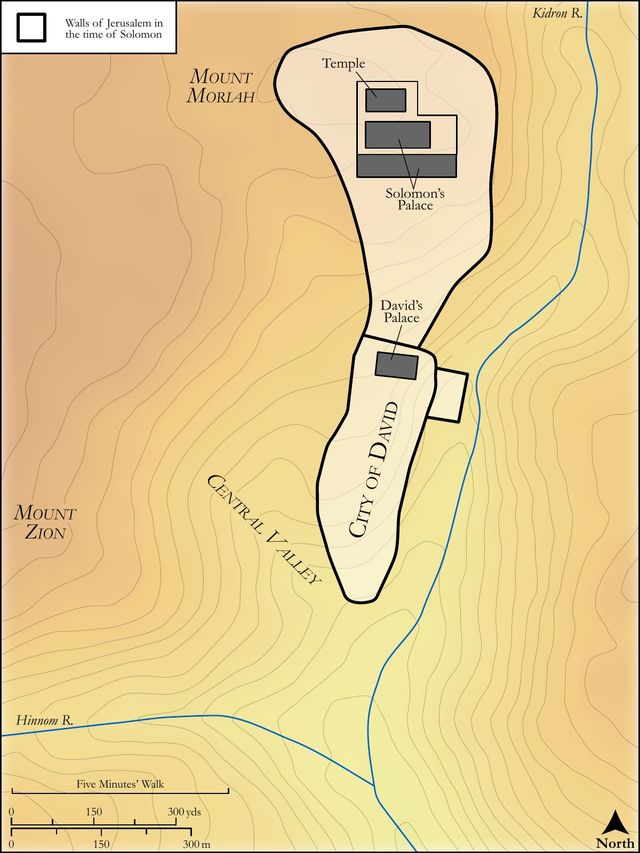
The construction of the Temple was the most significant architectural and religious undertaking in Israel's history since the building of the Tabernacle. It symbolized the culmination of God's promise to King David that his son would build a house for God's name. Culturally, the Temple became the central place of worship for all Israel, replacing the nomadic Tabernacle and establishing Jerusalem as the spiritual capital. It was not merely a grand edifice but was understood as the earthly dwelling place of Yahweh, the one true God, distinguishing Israel's monotheism from the polytheistic practices of surrounding nations who believed their gods resided in temples. The concept of God "putting His name" in a place was a Hebrew idiom signifying presence, authority, and ownership, as in Moses' charge to seek the place the LORD would choose "to put his name there." For Israel, this meant God's unique, holy presence was uniquely associated with this specific location in Jerusalem, making it the focal point of their national and religious identity, pilgrimage, and sacrificial system.
Key Themes
ShowHideThis verse powerfully articulates several foundational themes within the broader narrative of 1 Kings and the Old Testament. Firstly, it underscores Divine Affirmation and Responsiveness, demonstrating God's attentiveness to the prayers of His people and His active engagement in their affairs, particularly when they seek His glory and presence. Secondly, the theme of God's Presence and Dwelling is paramount; the Temple is not merely a building but a consecrated space where God chooses to manifest His Name and presence, fulfilling the long-held desire for God to dwell among His people, as seen from the Tabernacle's inception in Exodus 25:8. Thirdly, the concept of Sanctification and Hallowing is central, as God Himself declares He has "hallowed" the house, setting it apart as uniquely holy, not by human effort alone, but by divine decree. Finally, the verse implicitly connects to the theme of Covenant Faithfulness, as God's response reaffirms His commitment to His promises, particularly those made to David regarding his lineage and the building of the Temple (2 Samuel 7:13).
Exposition and Analysis
ShowHideKey Word Analysis
ShowHideThis is the Tetragrammaton, the personal, covenantal name of God, often translated as "Yahweh" or "Jehovah." Its use here emphasizes that it is the self-existent, eternal God of Israel, the one who made the covenant with Abraham and David, who is speaking directly to Solomon. This highlights the personal and authoritative nature of the divine response, underscoring God's faithfulness to His promises and His active involvement in the history of His people.
This primitive root signifies the act of setting apart, consecrating, or making something holy. In this context, it is God Himself who performs the hallowing, not Solomon or human priests. This emphasizes that the Temple's sanctity derived solely from God's divine will and action, making it a unique and sacred space for His presence and worship, distinct from all common or profane uses. It underscores the idea that true holiness is an attribute of God, which He imparts.
While literally referring to the physical organ, in Hebrew thought, "heart" (לֵב) is used very widely and figuratively to represent the innermost being, encompassing feelings, will, intellect, and the center of anything. When God declares His "heart" shall be perpetually with the Temple, it conveys His deep emotional investment, unwavering affection, and profound commitment to this sacred space and, by extension, to His people who worship there. It signifies not just intellectual awareness but a profound, loving engagement.
Verse Breakdown
ShowHide"And the LORD said unto him, I have heard thy prayer and thy supplication, that thou hast made before me:"
This opening clause immediately establishes the divine origin and directness of the message, emphasizing God's personal communication with Solomon. It is God's explicit and affirmative response to Solomon's extensive prayer of dedication in 1 Kings 8. The use of two distinct terms, "prayer" (תְּפִלָּה, tefillah, a general term for intercession) and "supplication" (תְּחִנָּה, techinnah, implying a plea for favor or grace), underscores the earnestness, comprehensive nature, and specific petitions Solomon presented. God's declaration, "I have heard," is a profound assurance of His attentiveness and responsiveness, confirming that Solomon's heartfelt requests have reached the divine ear and received divine consideration.
"I have hallowed this house, which thou hast built, to put my name there for ever;"
This is the core declaration of the Temple's sacred status and purpose. God, not human effort, is the ultimate agent of sanctification. By "hallowing" it, God sets it apart as uniquely holy, making it exclusively His own. The purpose of this divine consecration is "to put my name there for ever," signifying that the Temple is the designated place for God's unique presence, authority, and character to be manifested and invoked. "For ever" (לְעוֹלָם, l'olam) denotes an enduring, perpetual association, indicating God's intention for this to be a lasting covenantal dwelling place for His Name among His people, a constant reminder of His presence and covenant fidelity.
"and mine eyes and mine heart shall be there perpetually."
This powerful anthropomorphic expression conveys God's profound and continuous engagement with the Temple. "Mine eyes" speaks to His constant watchfulness, vigilant oversight, and protective care over the sanctuary and all who approach it. "Mine heart" signifies His deep affection, emotional investment, and unwavering commitment to this chosen dwelling place. Together with "perpetually" (לְעוֹלָם, l'olam, also translatable as "daily" or "always" in this context, emphasizing continuous presence), it underscores God's enduring, unbroken focus and devotion to this sacred space, and by extension, to the worship and prayers of His people offered within its precincts. It is a promise of divine presence, care, and covenant faithfulness that transcends mere physical proximity, implying a relational commitment.
Literary Devices
ShowHideThe verse employs several significant literary devices to convey its profound theological message. Anthropomorphism is prominently featured in the phrase "mine eyes and mine heart shall be there perpetually," attributing human faculties of sight and emotion to God. This device makes God's constant watchfulness, deep affection, and unwavering commitment relatable and intimate to human understanding, emphasizing His personal engagement rather than a distant, detached deity. The entire verse functions as a Divine Affirmation, directly validating Solomon's prayer and the monumental effort of building the Temple, thereby providing divine sanction and purpose to the sanctuary. Furthermore, the declaration "to put my name there for ever" is a form of Covenant Language, echoing earlier divine promises (e.g., to David in 2 Samuel 7:13) and establishing the Temple as a central locus for the ongoing covenant relationship between God and Israel. The Temple itself serves as a powerful Symbolism, representing God's tangible presence among His people, a physical manifestation of His commitment to dwell with them, and a focal point for their national and spiritual identity.
Theological and Thematic Connections
ShowHideThis pivotal verse profoundly shapes the theological understanding of God's relationship with His people and the nature of sacred space. It establishes that God is not a distant deity but an actively engaged, responsive God who hears the prayers of His people and commits to a specific dwelling place among them. The hallowing of the Temple by God Himself emphasizes that true holiness originates from God's divine decree, not human merit or architectural grandeur. This commitment to "put my name there for ever" and for His "eyes and heart" to be there perpetually signifies God's enduring covenant faithfulness and His desire for an intimate, continuous relationship with humanity. While the physical Temple was central to Old Testament worship, this verse lays the groundwork for understanding God's desire for an enduring presence, a theme that evolves throughout biblical history from the Tabernacle to the Incarnation and the Church.
Reflection and Application
ShowHideThe Lord's direct and personal response to Solomon in 1 Kings 9:3 offers profound encouragement and guidance for believers today. Firstly, God's unequivocal declaration, "I have heard thy prayer and thy supplication," serves as a timeless assurance of God's attentiveness to our petitions. It reminds us that sincere prayer is not a monologue into the void but a genuine dialogue with a God who listens and responds, fostering confidence and perseverance in our prayer lives, even when answers are not immediately apparent. Secondly, while the physical Temple no longer stands, the New Testament reveals a profound spiritual fulfillment: believers themselves, individually and corporately, are now the "temple of the Holy Spirit" (1 Corinthians 6:19). This means God's "eyes and heart" are perpetually with His people, dwelling within us and among us. This truth elevates our understanding of our own bodies and our communities as sacred spaces, calling us to live in a manner worthy of God's indwelling presence, marked by holiness, worship, and love. Finally, God's enduring commitment to His chosen dwelling place underscores His faithfulness to His promises, assuring us that His presence, care, and love are constant and unwavering, even through changing circumstances and the challenges of life.
Questions for Reflection
ShowHideFAQ
ShowHideWhat does "hallowed this house... to put my name there for ever" truly mean?
ShowHideThis phrase signifies that God Himself, by His divine authority, consecrated the Temple, setting it apart as uniquely holy and sacred. It means the Temple's holiness did not come from human construction or rituals, but from God's own act of choosing and dedicating it. "To put my name there for ever" is a powerful expression indicating that God's presence, character, authority, and reputation would be uniquely associated with that place. It was the designated location where He would manifest His glory, hear prayers, and interact with His people in a special way. "For ever" emphasizes the enduring nature of this divine commitment, signifying a perpetual, covenantal presence, even though the physical structure would later be destroyed due to Israel's disobedience (Jeremiah 7:12-15).
How does God's promise of "eyes and heart" being perpetually there relate to the destruction of the Temple?
ShowHideGod's promise in 1 Kings 9:3 was indeed for His "eyes and heart" to be perpetually with the Temple. However, this promise was implicitly conditional upon Israel's obedience, as explicitly stated in the subsequent verses of 1 Kings 9:4-9 and more fully elaborated in 2 Chronicles 7:19-22. When Israel and its kings repeatedly turned away from God, engaging in idolatry, injustice, and breaking the covenant, God, in His perfect justice, allowed the Temple to be destroyed, first by the Babylonians and later by the Romans. This demonstrated that God's presence, while promised to the physical structure, was ultimately tied to the faithfulness of His people. The "perpetual" nature of His "eyes and heart" then shifts from a physical building to His enduring covenant with His people, ultimately fulfilled in a new and greater way through Christ and the indwelling Holy Spirit.
Christ-Centered Fulfillment
ShowHideThe Temple, hallowed by God's own declaration and promised His perpetual presence, finds its ultimate and most profound fulfillment in Jesus Christ. While the physical structure of the Temple was a magnificent symbol of God dwelling among His people, it was merely a shadow of the greater reality to come. Jesus Himself declared, "Destroy this temple, and in three days I will raise it up," speaking of the temple of His body (John 2:19-21). Christ is the true and ultimate Temple, the very dwelling place of God in human flesh, through whom God's "Name" (His character, authority, and presence) is fully revealed to humanity (Colossians 2:9). His perfect life, atoning sacrifice, and glorious resurrection constitute the ultimate "hallowing" – the making holy – of a new and living way for humanity to approach God, not through animal sacrifices, but through His own blood (Hebrews 10:19-20). Furthermore, through Christ, the promise of God's perpetual presence extends beyond a physical building to the spiritual reality of the Holy Spirit indwelling believers, making them living temples of God (1 Corinthians 3:16). This culminates in the breathtaking vision of the New Heavens and New Earth, where there is no longer a physical temple because "the Lord God Almighty and the Lamb are its temple" (Revelation 21:22), signifying God's direct, unmediated, and eternal dwelling with His redeemed people.