


Esther 1:8
Bible text: King James Version (1769 Blayney text) · Public domain
Bible text: King James Version with Strong's numbers · Public domain
Bible text: Berean Standard Bible · Public domain
Bible text: American Standard Version (1901) · Public domain
Bible text: World English Bible, Messianic edition · Public domain
Bible text: Geneva Bible (1599) · Public domain
Bible text: Young's Literal Translation · Public domain
- וְהַשְּׁתִיָּהve·ha·she·ti·Yahand the drinkingH8360Conj-w ¦ Art ¦ N-fsNoun Singular Feminine Absoluteוְandהַtheשְּׁתִיָּהdrinking
- כַדָּתkha·Dat[was] according to the lawH1881Prep-k ¦ N-fsNoun Singular Feminine Absoluteכַ[was] according to theדָּתlaw
- אֵין'einthere notH369N-mscNoun Singular Masculine Construct
- אֹנֵס'o·Nes[was one who] compelledH597V-Qal-Prtcpl-msVerb Qal Participle Singular Masculine Absolute
- כִּיkiforH3588PrtParticle Conditional
- כֵןkhenthusH3651AdvAdverb
- יִסַּדyi·Sadhe had appointedH3245V-Piel-Perf-3msVerb Piel Perfect 3rd Singular Masculine
- הַמֶּלֶךְha·Me·lekhthe kingH4428Art ¦ N-msNoun Singular Masculine Absoluteהַtheמֶּלֶךְking
- עַל'alonH5921PrepPreposition
- כָּלkoleveryH3605N-mscNoun Singular Masculine Construct
- רַבrav<the> chief ofH7227N-mscNoun Singular Masculine Construct
- בֵּיתוֹbei·Tohis houseH1004N-msc ¦ 3msNoun Singular Masculine Constructבֵּיתhouseוֹhis
- לַעֲשׂוֹתla·'a·Sotto doH6213Prep-l ¦ V-Qal-InfVerb Qal Infinitive Constructלַtoעֲשׂוֹתdo
- כִּרְצוֹןkir·Tzonaccording to [the] pleasure ofH7522Prep-k ¦ N-mscNoun Singular Masculine Constructכִּaccording toרְצוֹן[the] pleasure of
- אִישׁ'ishmanH376N-msNoun Singular Masculine Absolute
- וָאִישׁva·'Ishand manH376Conj-w ¦ N-msNoun Singular Masculine Absoluteוָandאִישׁman
English is a literal word-by-word gloss of the Hebrew, not the KJV's wording. Why?
This is the original text the KJV's translators worked from — each Hebrew word with its own literal English meaning in this verse, prepared by scholars at Tyndale House, Cambridge. The KJV translates whole sentences, not word by word, so its wording differs: one Hebrew word can become several English words, and the KJV may choose “the LORD” where the gloss reads “Yahweh”. Both are faithful — they answer different questions. For the KJV's own rendering, switch to the KJV text.
Details
See on the biblical-era maps
Study this verse
Public-domain commentary
Matthew Henry
From his Commentary on the Whole Bible. Henry comments on passages, not single verses — this entry covers Esther 1:1–9.
Which of the kings of Persia this Ahasuerus was the learned are not agreed. Mordecai is said to have been one of those that were carried captive from Jerusalem (Est 2:5, Est 2:6), whence it should seem that this Ahasuerus was one of the first kings of that empire. Dr. Lightfoot thinks that he was that Artaxerxes who hindered the building of the temple, who is called also Ahasuerus (Ezr 4:6, Ezr 4:7), after his great-grandfather of the Medes, Dan 9:1. We have here an account,
I.Of the vast extent of his dominion.
In the time of Darius and Cyrus there were but 120 princes (Dan 6:1); now there were 127, from India to Ethiopia, Est 1:1. It had become an over-grown kingdom, which in time would sink with its own weight, and, as usual, would lose its provinces as fast as it got them. If such vast power be put into a bad hand, it is able to do so much the more mischief; but, if into a good hand, it is able to do so much the more good. Christ's kingdom is, or shall be, far larger than this, when the kingdoms of the world shall all become his; and it shall be everlasting.
II.Of the great pomp and magnificence of his court.
When he found himself fixed in his throne, the pride of his heart rising with the grandeur of his kingdom, he made a most extravagant feast, wherein he put himself to vast expense and trouble only to show the riches of his glorious kingdom and the honour of his excellent majesty, Est 1:4. This was vain glory, an affection of pomp to no purpose at all; for none questioned the riches of his kingdom, nor offered to vie with him for honour. If he had shown the riches of his kingdom and the honour of his majesty, as some of his successors did, in contributing largely towards the building of the temple and the maintaining of the temple service (Ezr 6:8, Ezr 7:22), it would have turned to a much better account. Two feasts Ahasuerus made: - 1. One for his nobles and princes, which lasted a hundred and eighty days, Est 1:3, Est 1:4. Not that he feasted the same persons every day for all that time, but perhaps the nobles and princes of one province one day, of another province another day, while thus he and his constant attendants fared sumptuously every day. The Chaldee paraphrast (who is very bold in his additions to the story of this book) says that there had been a rebellion among his subjects and that this feast was kept for joy of the quashing of it. 2. Another was made for all the people, both great and small, which lasted seven days, some one day and some another; and, because no house would hold them, they were entertained in the court of the garden, Est 1:5. The hangings with which the several apartments were divided or the tents which were there pitched for the company, were very fine and rich; so were the beds or benches on which they sat, and the pavement under their feet, Est 1:6. Better is a dinner of herbs with quietness, and the enjoyment of one's self and a friend, than this banquet of wine with all the noise and tumult that must needs attend it.
III.Of the good order which in some respects was kept there notwithstanding.
We do not find this like Belshazzar's feast, in which dunghill-gods were praised and the vessels of the sanctuary profaned, Dan 5:3, Dan 5:4. Yet the Chaldee paraphrase says that the vessels of the sanctuary were used in this feast, to the great grief of the pious Jews. It was not like Herod's feast, which reserved a prophet's head for the last dish. Two things which are laudable we may gather from the account here given of this feast: - 1. That there was no forcing of healths, nor urging of them: The drinking was according to the law, probably some law lately made; none did compel, no, not by continual proposing of it (as Josephus explains it); they did not send the glass about, but every man drank as he pleased (Est 1:8), so that if there were any that drank to excess it was their own fault, a fault which few would commit when the king's order put an honour upon sobriety. This caution of a heathen prince, even when he would show his generosity, may shame many who are called Christians, who think they do not sufficiently show their good housekeeping, nor bid their friends welcome, unless they make them drunk, and, under pretence of sending the health round, send the sin round, and death with it. There is a woe to those that do so; let them read it and tremble, Hab 2:15, Hab 2:16. It is robbing men of their reason, their richest jewel, and making them fools, the greatest wrong that can be. 2. That there was no mixed dancing; for the gentlemen and ladies were entertained asunder, not as in the feast of Belshazzar, whose wives and concubines drank with him (Dan 5:2), or that of Herod, whose daughter danced before him. Vashti feasted the women in her own apartment; not openly in the court of the garden, but in the royal house, Est 1:9. Thus, while the king showed the honour of his majesty, she and her ladies showed the honour of their modesty, which is truly the majesty of the fair sex.
Historical interpretation
Historical reception
3 surviving comments on this verse. Each one is dated, so this reads as a timeline rather than a list.
Even though from the historical point of view it simply appears to show the abundance of riches and the luxury of delights of a powerful king, … according to the holier mystery of our most powerful king, namely, Our Lord Christ, this preparation of a most magnificent banquet signifies the greatness of the spiritual riches and the excellence of the living treasures that he distributes according to the measure of his dispensation to each of his faithful.
“So in the third year of his rule, King Ahasuerus held a grand feast for all his officials and young men, the famous heroes of Persia and Media, and the chiefs of the provinces in his presence, so that he could show off the wealth of the glory of his kingdom.” For our Redeemer—whom Ahasuerus represented in both his title and his rank—is interpreted as “my entry” or “my court”, because in the third era of that age the eternal ruler of man in the Father and the Holy Spirit opened wide to the human race the sacrament of his incarnation; and he has opened up for us the entryway to life and served to his faithful ones the most ample of spiritual banquets. The first era, then, was before the Law, the second was under the Law, and the third was under grace, namely when he fulfilled his preaching in the Gospels and prepared for all the nations an opulent meal of his body and blood. That is to say, the Lord himself was spiritually commending to us, in as a mystery, the excellence of this feast through the Gospel parable in which he described the king who threw a wedding for his son, and the great meal prepared by a man. “So the great king held a feast for seven days, in the entryway of the garden and the grove that the king had planted and cultivated by hand,” because for the entire period of that life which transpires in multiples of the number seven, our Redeemer satisfies his chosen ones with the pasturage of the divine word and the feasts of the virtues, in the Church of this world where each of the faithful readies himself— with correct faith and good works—to enter Paradise and the celestial kingdom. Hence they will become accustomed in every respect to the delights and the pleasures of the heavenly kingdom where fruit-bearing trees are planted, that is, where holy men and those who are famous for their good deeds show—through the divine gift that has been lavished on them—the beauty of holy conduct and proper doctrine. Hanging there “from every spot are tents the color of the sky, and fine linen and blue,” because it is there that the spiritual ornament of study, and the splendor of celestial wisdom, flash with the brilliance of the virtues whose proper purpose is to instruct us in those things. For that matter, the color of linen mimics (as some claim) the appearance of gold, and has deservedly been compared to the sheen of divine wisdom which excels above all in the cultivation and the practice of righteousness. “And these tents were stretched with ropes of flax and purple, and were supported by marble columns.” For flax signifies the mortification of the flesh, purple the blood of martyrdom, ivory the chastity of the body, and marble columns the solidity of the sacred teachers. It therefore makes sense that, as we are told, the tents of various colors were held up with ropes of flax and purple by ivory circles on marble columns, because the beauty of the holy Church ought to shine in the contemplation of wisdom—or rather in the perfection of the virtues—through the restraint and chastity of bodies, i.e. with the honor of martyrdom among the teachers of the sacred Gospels; and it ought, through both the word and the example of these men, to reach the notice of many people so that those who have been taught, encouraged and comforted by them may be able to reach, as they should, the court of the celestial empire. There were also “gold and silver couches spread about a floor inlaid with emerald and Parian marble, which he decorated with a marvelous variety of pictures,” because the humility of the saints, which is decorated with diverse kinds of the various virtues, provides the peace of inner contemplation to the chosen of God when they consider the divine word and investigate the true wisdom. It is there that the sweetness of knowing and loving God is lavished generously upon those who seek righteously in the gift of the Holy Spirit. It is about this couch that the bride speaks in the Song of Songs: “Our couch is bright with flowers;” in other words, when any of the saints make use of the tranquility of his times and depart from times of tribulation, it is then above all that they are free to make use of the sacred couches, fasting, prayer and all the other fruits of the spirit. They may then raise themselves up high in the contemplation of ethereal matters to gaze in all directions upon the glory of the divine majesty, since they have been given a respite from less essential concerns. The emerald is, after all, so called because it is so green; and Parian is the whitest kind of marble; and it is fitting that, as we are told, the floor where the couches were placed was set with these two stones, since it is through the whiteness, i.e. the chastity of the body, and the greenness of the good sense which is always verdant in the grace of God, that the foundations of humility are solidly laid where the reward of eternal peace is prepared for all those who deserve it. Hence it is written: “Blessed are the poor in spirit, because theirs is the kingdom of Heaven” (Matthew 5). And “He who has well humbled himself will be properly raised up” (Matthew 23). That is why the same Truth says to the disciples elsewhere in the Gospels: “Learn from me because I am gentle and humble of heart, and you will find rest for your souls; for my yoke is smooth, and my burden is light” (Matthew 11). “And those who were invited to the royal feast drank from golden goblets.” Those who drink from golden goblets are those who draw divine wisdom from the precious sayings of the sacred Gospels; and those who are served foods in different kinds of vessels are those who—by reading the Law and the prophets, and the apostles and the Gospels—are known to accept the manifold meals of spiritual doctrine on which are fed the souls brought up for eternal life. And as befits the magnificence of a king, wine is also served to the guests in exceptional abundance, since the gift of celestial grace is generously granted to each and every one of the faithful in accordance with the dispensation of divine mercy and the grant of the Holy Spirit. This is because, in Paul’s judgment: “the charity of God is spread throughout our hearts by the Holy Spirit which was given to us (Romans 5)”; and “To each one is given a manifestation of the Spirit for their use. Indeed, one person is able through the Spirit to speak the words of wisdom, while another, through the same Spirit, speaks the words of knowledge; to another is given faith in that same Spirit; to another, the grace of healing in that one Spirit; to another, the working of miracles; to another, prophecy; to another, the power to discern spirits; to another, the varieties of languages; to another, the interpretation of speech” (1 Corinthians 12). And what we said a moment ago—i.e. that he did not force to drink anyone who did not wish to do so, but as the king had decreed he sat each of his officials at tables so that each could take whatever he liked—symbolizes the freedom of grace in which no one is forced against his will to accept a spiritual gift, rather the willing participation of each individual is sought in accordance with that statement of the Lord where he says: “Whoever can accept this, let him accept it” (Matthew 19). And in the same spirit: “If you wish to enter into life, then keep the commandments” (ibid.). And again: “If you wish to be perfect, go, sell everything you have and give it to the poor, and you will have treasure in Heaven; and come, follow me” (ibid.). For at the festive and sacred feast of the holy Church, our king seats his teachers at the table of the Holy Scriptures so that they might dispense to each of the faithful the doctrines that are suited to him, and adapt to each man’s character the preaching of the word so that each one might take from it whatever he perceives as feasible and useful to him. Of course, the words of a teacher must be crafted with such skill that even though the faults of his hearers differ from one another, they should be suited to each individual and yet not contradict themselves; in this way he may maneuver in a single pass between the moderate passions, while at the same time cutting out—in the manner of a double-edged sword—the tumors of carnal thoughts. He may, accordingly, preach humility to the arrogant without making the timid more afraid; he may lavish authority upon the timid without loosening up on the arrogant; he may preach to the indolent and the sluggish attention to good works, without giving the impulsive the license to act without restraint; he may place limits upon the impulsive without making the indolent secure in their laziness; he may dampen the wrath of the impatient without encouraging carelessness among the easygoing and the gentle; he may enflame the feckless to take action without adding fuel to the irritable; he may fill the miserly with the desire to give generously, without having to preach tightfistedness to the prodigal; he may praise marriage to the promiscuous, without enticing the continent back to excess; he may praise bodily virginity to the continent, without causing married couples to look down on the fruitfulness of the flesh. He will preach the good in such a way that the bad will not also be commanded alongside it; he will praise the highest good without despising the final one; he will foster the final one so that for as long as it is believed sufficient, no one will ever turn from it toward the highest. So the faithful and wise slave who has been appointed the manager by his master, and gives his fellow slaves their share of the wheat on time, is praised by his master’s words; and he is promised that he will be put in charge of all his goods. Hence it is necessary that one who ministers with the cup of the word should possess the means of discretion, so that he may obtain from his ministry praise and reward rather than condemnation and torment.
Though these preparations for so rich a feast seem intended to portray in concrete terms the parade of wealth and the abundance of delights possessed by a powerful king, it is actually a very sanctified allegory which symbolizes the magnitude of spiritual riches, and the excellence of the necessities of life, provided by the most powerful of kings, namely the Lord Christ, which he—in accord with his method of dispensation—has generously distributed to each of his faithful ones. For this king of great wealth, who was convinced by the entreaties of his faithful wife to do away with the imminent destruction of the Jews which wicked men were plotting, prefigures no one more than our Redeemer who is accosted every day by the prayers of the Church who is his dearest wife, and frees his chosen ones from the hands of their enemies, and subjects their adversaries to the punishment they deserve. And that Esther prefigures the Church, no one can doubt; nor may she be described as the bride of anyone but Christ. That is why no one should reject this interpretation merely because this actual king was faithless, as though this would mean he could never be a figure of the just king; for we do not say that anyone’s treacheries or transgressions are the sum of his behavior, whether he is trustworthy or even faithless: “He did not sin, and no deceit was found in his mouth” (1 Peter 2). “For how can light associate with darkness; or what can Christ have in common with Belial (2 Corinthians 6)?” Rather, the good actions and just judgments of any individual should be associated with no less an authority than the one from whom comes every good, about whom it is written: “He will judge the world in fairness, and the peoples in his truth” (Psalm 9). For the transgressions and sins of the faithful do not provide the most accurate representation of their character, as do the errors and wicked actions of the gentiles; and the reason we are saying this is because certain of our teachers have used David’s behavior toward Uriah and his wife as a prefiguration of Christ and the Church. Why would anyone want to suggest that Moses’ doubts at the “waters of dissension,” Aaron’s deception about manufacturing the calf, Solomon’s lust, Ezekiel’s arrogance, Peter’s denial, and Saul’s blasphemy are fitting prefigurations of our Redeemer? And yet no one can properly deny that the good actions and the correct doctrines of those men offered a great deal of evidence on his behalf. No one, therefore, ought to take us to task for comparing, by some sort of analogy, the righteous works and the just judgments of a great king to the king and judge of all the ages; since whatever is good belongs to him, and every sin flees his presence. But if anyone should feel that what we are saying is inappropriate, let him read the prophet Isaiah who compared Cyrus, the king of Persia and a gentile, to our Redeemer when he said in the person of the Lord: “I will give you hidden treasures and the secrets of hidden things so that you may know that I am the Lord, since I the God of Israel call on your name for the sake of my servant Jacob, and Israel my chosen one; and I have summoned you in your name, I have made you like me though you have not acknowledged me. I am the Lord and there is none greater; aside from me there is no God. I have strengthened you, though you have not acknowledged me” (Isaiah 45). Let him read as well the short works of the Fathers, who said that the deeds—or rather, the misdeeds—of the shameful kings Saul and Jeconiah were symbolic prefigurations of the holy actions of our Redeemer—that is, they interpret the death of Saul, who was anointed king but was quite rightly killed for his crimes, in reference to the death of Christ the innocent king; and they explain the fact that Jeconiah was exiled from Judah to Babylonia—which he deserved because of his sins—as a prefiguration of the grace of that same Redeemer of ours, which was why he deigned to wander through the world for sake of saving the nations once he had left the Jews behind for their faithlessness. They also reported that the actions of Pharaoh or Nebuchadnezzar should be understood as prefigurations of the enemies of the Church; for example: Pharaoh commands the male infants of the people of God to be killed in the river and the females spared, because the Devil wishes to extinguish the sturdy aspects of our behavior, and to nourish the feckless and weak ones. In the same way, Nebuchadnezzar ordered all the peoples subject to him to bow down and worship his statue to the sounds of orchestras and musicians; and the Devil uses the sweetness of earthly pomp to try and steer the human race away from proper intent, and to pervert the hearts of the deceived into indulging their desire, which is “the worship of images.” If, therefore, certain actions—namely the just punishment of shameful men—prefigured not only wicked acts but good ones, could not the good actions or words of good men, which are contained in the writings of the prophets, also have prefigured the good deeds of those who came after them? After all, the power of the sacred narrative is (as someone has said) that it tells us about what happened at o time or another so that it may spell out what is going to come; it approves of the actor so that it may reprove him in the guise of an allegory, and condemns what has happened to persuade us allegorically of what is going to happen. Let us also consider the short works of St. Augustine, who said that the seven husbands of a single wife who died without children, with whom the Sadducees were testing the Lord because they denied the idea of resurrection, were likewise a sure prefiguration of the sacrament of the Church. In fact, he taught that the wife, and her barrenness and death, as well as the deaths of her husbands, prefigured noteworthy events even though the Lord himself did not tell this story, and neither did any of the evangelists who were writing in his person; instead they recorded the unspeakable words that wicked men had thrown in the Lord’s face, on account of the Lord’s very sanctified response. So when the faithful reader finds these sentiments and others like them among the statements of the sacred Fathers, he should not give the credit to us if we choose to include assertions of a similar character in our own brief works.
Continue studying Esther 1:8 across the web’s major study libraries — every link below opens this exact verse, chapter, or book on the destination site.
Read & Compare
 BibleGatewayThis verse in more than 200 translations and 70 languages.
 Bible.comThe YouVersion reader — hundreds of translations, reading plans, and highlights.
 ESV.orgCrossway's official English Standard Version reader.
 NET BibleThe NET translation with 60,000+ translators' notes on every rendering decision.
 STEP BibleTyndale House's free study tool — original text, vocabulary, and scholarly resources.
 BibliaLogos Bible Software's free web reader.
 USCCBThe New American Bible (Revised Edition) with the U.S. bishops' study notes.
Commentaries
 BibleHub CommentariesDozens of classic commentaries on this verse, gathered on one page.
 StudyLightMore than 100 commentary sets — the largest collection on the web.
 BibleRefPlain-English commentary on what this verse means, verse by verse.
 Enduring WordDavid Guzik's free commentary on this chapter, widely used by Bible teachers.
 Bible Study ToolsVerse commentary alongside Greek and Hebrew study aids.
Original Language & Research
- BibleHub InterlinearThe verse word by word — original language, transliteration, and English.
- BibleHub LexiconEvery word's original-language definition and Strong's entry.
 Blue Letter BibleDeep-study tools — Strong's numbers, concordance, and word studies.
 SefariaThe Hebrew text with Rashi and centuries of Jewish commentary.
Sermons, Hymns & Audio


TrulyRandomVerse is not affiliated with these sites and doesn’t control their content. They’re linked because they’re genuinely useful.
Summary
Esther 1:8 offers a fascinating glimpse into the protocol of King Ahasuerus's lavish feast, detailing that "the drinking was according to the law; none did compel: for so the king had appointed to all the officers of his house, that they should do according to every man's pleasure." This verse highlights a remarkable, yet often overlooked, aspect of individual liberty granted by an absolute monarch, ensuring that guests were not coerced into excessive consumption but were free to partake at their own discretion, a surprising detail amidst an extravagant display of imperial power and wealth.
Context
ShowHideLiterary Context
Esther 1:8 is intricately woven into the opening narrative of the Book of Esther, which meticulously establishes the opulent setting for the unfolding drama. The preceding verses, Esther 1:1-7, vividly depict King Ahasuerus's unparalleled 180-day feast in Susa, the capital of his vast Persian Empire. This extended banquet served as a magnificent showcase of the kingdom's immense riches, glory, and power to his assembled princes, nobles, and servants. The narrative emphasizes the lavishness of the royal garden court, adorned with rich hangings, marble pillars, and an abundance of fine wine served in exquisite gold vessels. Within this context of overwhelming opulence and royal display, Esther 1:8 introduces a specific, seemingly minor, yet profoundly significant rule governing wine consumption. This detail underscores the king's deliberate effort to ensure the comfort and pleasure of his elite guests, subtly foreshadowing the king's subsequent decrees, which, though absolute, are frequently influenced by his immediate desires or the counsel of his advisors.
Historical & Cultural Context
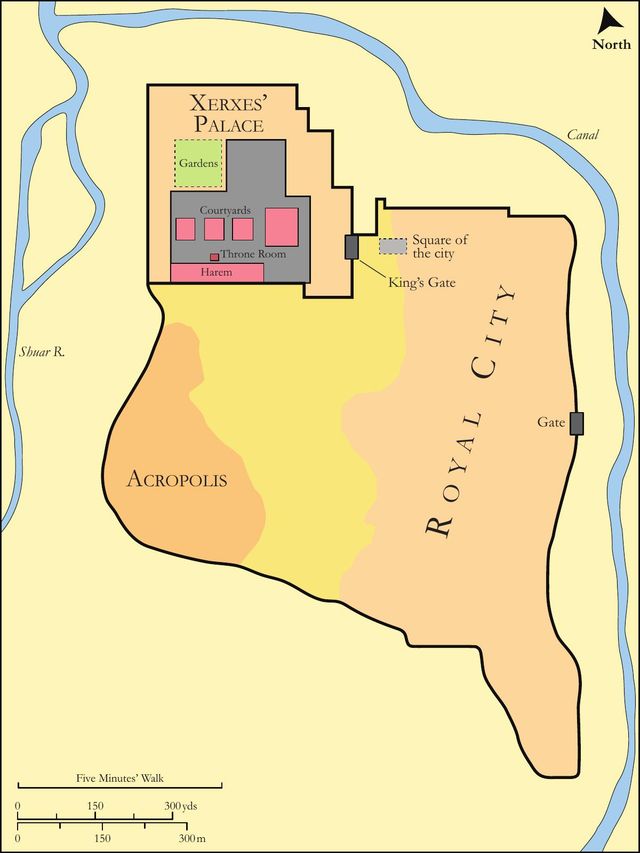
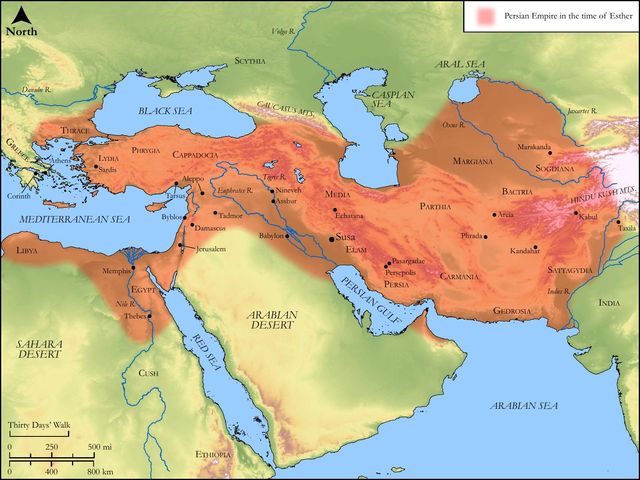
King Ahasuerus is widely identified with Xerxes I, who reigned over the sprawling Persian Empire from 486-465 BC, an empire that stretched across 127 provinces from India to Ethiopia. Susa functioned as a crucial administrative capital. Among the kings of that day, royal banquets were often characterized by excessive drinking, with hosts sometimes compelling guests to consume large quantities of alcohol as a demonstration of loyalty or as part of the revelry. In some cultures, refusing a drink offered by the host could even be perceived as disrespectful. Against this prevalent backdrop, Ahasuerus's decree in Esther 1:8 stands out. It reflects a sophisticated level of court protocol, perhaps aiming to maintain order and decorum even amidst revelry, thereby preventing the drunken brawls or discomfort that forced intoxication could cause. This decree also subtly reinforces the king's absolute authority—he could dictate even the manner of drinking, demonstrating his comprehensive control over every aspect of his court, even when granting a measure of freedom.
Key Themes
ShowHideEsther 1:8 contributes significantly to several overarching themes within the Book of Esther and broader biblical thought. Firstly, it powerfully illustrates the Royal Authority and Prerogative of King Ahasuerus. Even in granting a measure of freedom, his power remains absolute; this "law" is a direct command from him, showcasing his control over the minutiae of his court. Secondly, the verse presents a striking Paradox of Control and Freedom. Despite the king's immense power and the highly controlled environment of the royal court, he chooses to grant individual autonomy in this specific aspect of the feast. This contrasts with typical expectations of an absolute monarch and subtly sets the stage for the later unfolding of events where human will and divine providence interact. Thirdly, it highlights the Opulence and Organization of the Persian Empire, demonstrating that even during grand celebrations, specific protocols and royal directives governed behavior, indicating a highly structured and managed empire. Finally, this seemingly benevolent decree subtly Foreshadows the Arbitrary Nature of Royal Authority. While Ahasuerus grants freedom here, he later issues a harsh and uncompromising decree against Queen Vashti for her refusal to appear Esther 1:12, and later still, a genocidal decree against the Jews Esther 3:13, demonstrating that his "pleasure" and "law" could shift dramatically, often with profound and devastating consequences.
Exposition and Analysis
ShowHideKey Word Analysis
ShowHideDerived from H1881, this term refers to a royal edict, statute, or decree. In the context of Esther 1:8, it signifies a specific, mandated instruction issued by King Ahasuerus for this particular banquet, rather than a general legal code. Its usage here underscores that the non-compulsory drinking was not a mere suggestion but a binding royal command, reflecting the king's direct will and absolute authority over the proceedings.
This primitive root means "to insist" or "to force." The phrase "none did compel" (אֵין אֹנֵס, ein onês) literally translates to "there was no forcing" or "no one was pressing." This negative construction powerfully emphasizes the deliberate and active prevention of coercion, highlighting the king's decision to ensure that no guest was pressured or forced to drink beyond their desire, thereby granting a remarkable degree of personal autonomy within the lavish setting.
This word denotes delight, desire, favor, or (good) pleasure. In Esther 1:8, it signifies the individual's personal will or preference. The king's decree ensured that each man could partake "according to every man's pleasure," meaning at his own discretion and comfort, without social or royal pressure. This highlights a surprising consideration for individual comfort and enjoyment within the context of an absolute monarchy.
Verse Breakdown
ShowHide"And the drinking [was] according to the law"
This opening clause establishes that the manner of wine consumption at the feast was not left to chance or informal custom, but was strictly governed by a specific, established royal decree. This "law" was unique to this particular event, ensuring a structured and orderly approach even to the revelry.
"none did compel"
This is the central directive of the decree, explicitly stating that no one was permitted to force, pressure, or insist that another guest drink. This stands in stark contrast to many ancient banquets where forced drinking was a common practice, highlighting a distinctive and remarkably considerate aspect of Ahasuerus's hospitality.
"for so the king had appointed to all the officers of his house"
This phrase clarifies both the source and the mechanism of implementation for this "law." It was a direct command originating from King Ahasuerus himself, meticulously communicated to and enforced by those responsible for managing the royal household and the vast feast. This ensures that his directive was strictly adhered to throughout the enormous gathering.
"that they should do according to every man's pleasure"
This concluding phrase reveals the ultimate intent behind the king's decree: to guarantee the comfort, enjoyment, and individual preference of each guest. It meant that attendees could drink as much or as little as they desired, without fear of social pressure, royal displeasure, or any form of coercion, thereby facilitating a more refined and controlled celebration.
Literary Devices
ShowHideEsther 1:8, despite its seemingly minor detail, effectively employs several Literary Devices. The most striking is Paradox, as an absolute monarch, known for his immense power and often arbitrary rule, surprisingly issues a decree that grants individual freedom and choice regarding consumption. This unexpected act of benevolence contrasts sharply with the typical expectations of such a ruler and establishes a subtle tension between absolute authority and personal liberty. The verse also utilizes Foreshadowing, albeit subtly, by introducing the concept of royal decree and the king's "pleasure." This seemingly benign act sets a precedent for royal commands, which, while appearing to be for the "pleasure" of the people, can quickly turn arbitrary and destructive, as chillingly demonstrated in the later decrees against Vashti and the Jewish people. Finally, the inclusion of such a specific and unusual detail significantly contributes to the Verisimilitude of the narrative, lending an air of authenticity and realism to the description of the Persian court and its unique customs, making the story more believable and immersive.
Theological and Thematic Connections
ShowHideWhile Esther 1:8 does not contain explicit theological statements, it subtly touches upon principles that resonate deeply with broader biblical themes. The king's decree, ensuring that guests were not compelled to drink, speaks to the inherent value of individual choice and the avoidance of coercion, even in matters of social enjoyment. This aligns with a significant biblical emphasis on self-control, personal responsibility, and respect for the conscience and boundaries of others. Although Ahasuerus is a pagan king, his decision—whether motivated by genuine benevolence, pragmatic concerns for order, or a desire for sophisticated revelry—reflects a partial understanding of human dignity and the importance of not imposing one's will on another in certain contexts. This seemingly minor detail serves as a subtle backdrop against which God's perfect and non-coercive love, which invites rather than compels, can be better understood, highlighting a divine characteristic of respectful engagement with humanity.
Reflection and Application
ShowHideEsther 1:8, though a seemingly minor detail within a grand narrative, offers profound insights for contemporary reflection and application. It highlights the surprising presence of individual consideration even within an environment of absolute power and potential indulgence. For us today, it serves as a powerful reminder of the enduring importance of respecting personal boundaries and individual choices, particularly concerning consumption, social pressure, and personal freedom. In an age where peer pressure and societal expectations can often lead to uncomfortable or unhealthy situations, the king's decree that "none did compel" stands as a timeless principle for genuine hospitality and ethical interaction. It encourages us to cultivate environments—whether in our homes, workplaces, or spiritual communities—where individuals feel genuinely free to partake or abstain according to their own comfort, conscience, and conviction, rather than feeling obligated to conform. This verse subtly challenges us to consider how we can extend grace, freedom, and true respect to others, mirroring, in a small yet significant way, the non-coercive nature of God's love and His gracious invitation to humanity.
Questions for Reflection
ShowHideFAQ
ShowHideWhy would the king make such a specific rule about drinking?
ShowHideKing Ahasuerus's decree to not compel drinking was likely motivated by several factors. Firstly, it ensured the comfort and pleasure of his elite guests, preventing them from becoming unpleasantly intoxicated or feeling pressured, which could lead to discomfort or even disorder at such a grand and prolonged event. Secondly, it could have been a sophisticated display of his benevolence and imperial refinement, distinguishing his court from others where forced revelry was common. By granting this measure of freedom, the king demonstrated a degree of consideration, even within his absolute authority, thereby enhancing the prestige and orderliness of his kingdom's magnificent display of power. This detail underscores the meticulous organization of the Persian court, even in its moments of lavish celebration, as seen throughout Esther 1.
Does this verse promote or condemn drinking?
ShowHideEsther 1:8 is primarily descriptive, not prescriptive. It neither promotes nor condemns drinking itself. Instead, it describes a specific custom observed at a royal Persian banquet. The verse's emphasis is squarely on the manner of drinking—specifically, the absence of compulsion. It highlights individual choice and moderation within a context of abundance, aligning with broader biblical principles that encourage self-control Proverbs 23:20-21 and respect for others' freedom and conscience Romans 14:13.
Is this "law" a moral or legal one in the broader sense?
ShowHideThe "law" (Hebrew, dâth) mentioned in Esther 1:8 refers to a specific royal decree or an established custom for the king's household during this particular banquet, rather than a universal moral law or a general legal statute applicable throughout the entire Persian Empire. It was a direct administrative or ceremonial command issued by the king, reflecting his personal will and the desired protocol for the event. While the principle of respecting individual choice resonates with broader moral considerations, its primary nature in this context is that of a specific directive for the management of the royal feast.
Christ-Centered Fulfillment
ShowHideWhile Esther 1:8 describes an earthly king's limited and temporal benevolence, it subtly points to the infinitely greater freedom and perfect hospitality offered by Christ, our true and eternal King. Ahasuerus's decree, "none did compel," offers a partial freedom from social pressure, allowing guests to partake according to their "pleasure." In stark contrast, Jesus Christ offers ultimate and eternal freedom from the compulsion of sin and the bondage of the law. He profoundly declares, "If the Son sets you free, you will be free indeed" John 8:36, a freedom not merely from external social pressure but from internal spiritual slavery and the tyranny of sin. While Ahasuerus provided abundant wine for physical pleasure, Christ offers the "living water" John 4:10 and the "wine" of the New Covenant, His own blood, leading to true, lasting joy and abundant life John 10:10. He extends an open invitation to His spiritual feast, the glorious Wedding Feast of the Lamb Revelation 19:9, where there is no compulsion, only the joyful and willing acceptance of His grace. Unlike Ahasuerus, whose decrees could be arbitrary and even destructive, Christ's reign is marked by perfect love, unwavering justice, and an eternal commitment to the ultimate well-being of His people, inviting all to come without coercion, to find true rest for their souls and genuine liberty in Him Matthew 11:28-30.