


Numbers 34:20
Bible text: King James Version (1769 Blayney text) · Public domain
Bible text: Berean Standard Bible · Public domain
Bible text: American Standard Version (1901) · Public domain
Bible text: World English Bible, Messianic edition · Public domain
Bible text: Geneva Bible (1599) · Public domain
Bible text: Young's Literal Translation · Public domain
- וּלְמַטֵּהu·le·ma·Tehand of [the] tribe ofH4294Conj-w ¦ Prep-l ¦ N-mscNoun Singular Masculine Constructוּandלְofמַטֵּה[the] tribe of
- בְּנֵיbe·Nei[the] descendants ofH1121N-mpcNoun Plural Masculine Construct
- שִׁמְעוֹןshim·'onSimeonH8095N-proper-mNoun Proper Masculine
- שְׁמוּאֵלshe·mu·'ElShemuelH8050N-proper-mNoun Proper Masculine
- בֶּןben[the] son ofH1121N-mscNoun Singular Masculine Construct
- עַמִּיהוּד'a·mi·HudAmmihudH5989N-proper-mNoun Proper Masculine
English is a literal word-by-word gloss of the Hebrew, not the KJV's wording. Why?
This is the original text the KJV's translators worked from — each Hebrew word with its own literal English meaning in this verse, prepared by scholars at Tyndale House, Cambridge. The KJV translates whole sentences, not word by word, so its wording differs: one Hebrew word can become several English words, and the KJV may choose “the LORD” where the gloss reads “Yahweh”. Both are faithful — they answer different questions. For the KJV's own rendering, switch to the KJV text.
Details
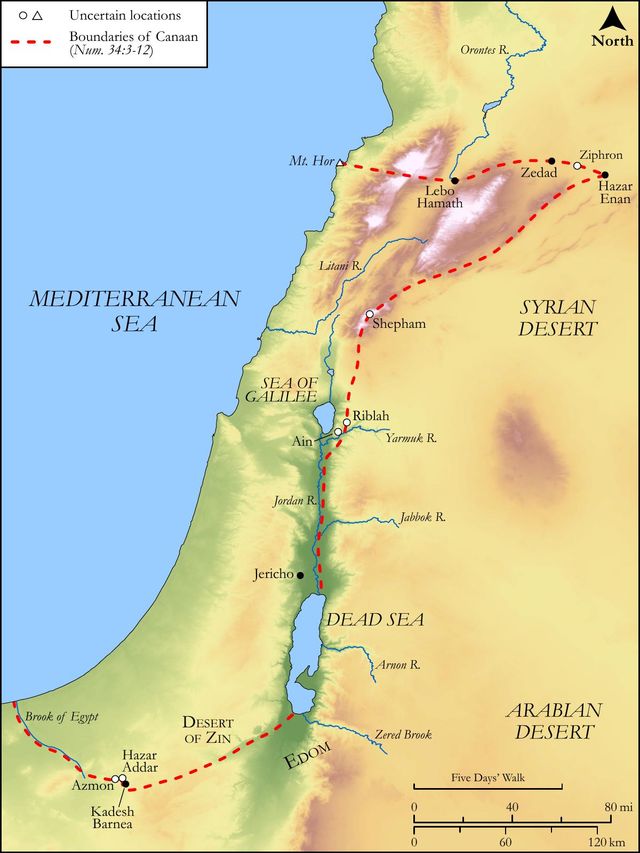
See on the biblical-era map
Study this verse
Continue studying Numbers 34:20 across the web’s major study libraries — every link below opens this exact verse, chapter, or book on the destination site.
Read & Compare
 BibleGatewayThis verse in more than 200 translations and 70 languages.
 Bible.comThe YouVersion reader — hundreds of translations, reading plans, and highlights.
 ESV.orgCrossway's official English Standard Version reader.
 NET BibleThe NET translation with 60,000+ translators' notes on every rendering decision.
 STEP BibleTyndale House's free study tool — original text, vocabulary, and scholarly resources.
 BibliaLogos Bible Software's free web reader.
 USCCBThe New American Bible (Revised Edition) with the U.S. bishops' study notes.
Commentaries
 BibleHub CommentariesDozens of classic commentaries on this verse, gathered on one page.
 StudyLightMore than 100 commentary sets — the largest collection on the web.
 BibleRefPlain-English commentary on what this verse means, verse by verse.
 Enduring WordDavid Guzik's free commentary on this chapter, widely used by Bible teachers.
 Bible Study ToolsVerse commentary alongside Greek and Hebrew study aids.
Original Language & Research
- BibleHub InterlinearThe verse word by word — original language, transliteration, and English.
- BibleHub LexiconEvery word's original-language definition and Strong's entry.
 Blue Letter BibleDeep-study tools — Strong's numbers, concordance, and word studies.
 SefariaThe Hebrew text with Rashi and centuries of Jewish commentary.
Sermons, Hymns & Audio


TrulyRandomVerse is not affiliated with these sites and doesn’t control their content. They’re linked because they’re genuinely useful.
Summary
Numbers 34:20 introduces Shemuel, son of Ammihud, as the divinely appointed representative from the tribe of Simeon. This seemingly brief entry is part of a crucial, divinely ordained roster detailing the leaders chosen by God to oversee the equitable and orderly distribution of the Promised Land among the twelve tribes of Israel. It underscores God's meticulous planning, unwavering faithfulness, and commitment to fulfilling His covenant promises by providing a permanent and just inheritance for His people.
Context
ShowHideLiterary Context
Numbers 34:20 is embedded within a highly administrative and prescriptive section of the book of Numbers, specifically Numbers 34:16-29. This chapter meticulously outlines the precise boundaries of the land of Canaan that Israel is to inherit, followed by the specific individuals appointed to oversee its division. The preceding verses (Numbers 34:1-15) detail the geographical limits, emphasizing God's sovereign designation of the territory. The listing of tribal leaders, including Shemuel, highlights the transition from wilderness wandering to the practical implementation of God's promises, ensuring an orderly and just allocation of land according to divine instruction. This section serves as a vital bridge, preparing the Israelites for the detailed land distribution accounts found in the book of Joshua, particularly the initial division of the land described in Joshua 13.
Historical & Cultural Context
The setting is the plains of Moab, as Israel stands poised to enter the Promised Land after forty years of wilderness wandering. Land inheritance was paramount in Israel, signifying identity, security, and continuity. God's detailed instructions for land division reflect His commitment to the Abrahamic covenant, specifically the promise of a land (Genesis 15:18). The appointment of specific leaders for each tribe was crucial for maintaining tribal integrity, preventing disputes, and ensuring fairness, reflecting a divinely ordained system of governance. The tribe of Simeon, though having a complex history (including a significant reduction in numbers due to plague in Numbers 25) and a unique inheritance primarily within the territory of Judah (Joshua 19:1), was nonetheless included in this vital process, demonstrating God's faithfulness to all His people and His commitment to fulfilling His promises despite human failings.
Key Themes
ShowHideThis verse, as part of the larger list, contributes to several significant themes. Firstly, it powerfully illustrates Divine Order and Administration. God is not haphazard; He meticulously plans and provides clear structures for His people's well-being and the fulfillment of His purposes. This divine blueprint is evident throughout the Mosaic Law, from the construction of the tabernacle (Exodus 25) to the organization of the camp (Numbers 2). Secondly, it highlights the theme of Representation and Responsibility. Each appointed leader, like Shemuel, bore the weighty responsibility of ensuring justice and adherence to divine mandates for their respective tribes, underscoring the biblical principle of delegated authority. Their faithfulness was integral to the success of the divine plan, echoing the importance of wise leadership seen in figures like Jethro's advice to Moses in Exodus 18:21. Thirdly, the entire process of land division, including the appointment of these leaders, is a tangible Fulfillment of Promises. It demonstrates God's unwavering faithfulness to the ancient covenants made with the patriarchs, providing a permanent homeland and inheritance for the nation of Israel, a promise that began to unfold dramatically as seen in Joshua 13:1.
Exposition and Analysis
ShowHideKey Word Analysis
ShowHideMeaning "heard of God." This name, famously borne by the prophet Samuel, carries a profound theological resonance. In the context of Numbers 34:20, while its primary function is identification, the meaning subtly reinforces the idea that this individual is chosen by divine decree, perhaps implying that he is one whose prayers God has heard, or that he embodies God's very name in his appointed role. His selection is not arbitrary but part of God's deliberate and purposeful plan for His people's inheritance.
Meaning "people of splendor." This patronymic identifies Shemuel's lineage, grounding him within his tribal and familial identity. The meaning of the name itself, "my kinsman is glory" or "people of splendor," may subtly point to the honor and distinction associated with being chosen for such a crucial task, reflecting positively on his family and tribe. It emphasizes the communal aspect of Israel's identity and the importance of one's heritage in the divine economy, where individuals are often identified by their familial connections.
Meaning "hearing." This is the name of Jacob's second son and the tribe descended from him. The name's meaning, "hearing," is significant given Leah's declaration at his birth in Genesis 29:33, expressing that God "heard" her affliction. In the context of Numbers 34:20, the inclusion of Simeon in the land distribution, despite its diminished status and past transgressions, underscores God's continued "hearing" and faithfulness to all His covenant people, ensuring their place in the Promised Land.
Verse Breakdown
ShowHide"And of the tribe of the children of Simeon"
This initial clause precisely identifies the tribal affiliation of the appointed leader. It underscores the systematic and inclusive nature of God's plan for land distribution, ensuring that every tribe, regardless of its size or past history, received its due representation and inheritance. This formulaic opening for each leader in the list emphasizes the divine order and the meticulous attention to detail in the administration of God's covenant promises, ensuring that no tribe was overlooked in the monumental task of settling the land.
"Shemuel the son of Ammihud"
This clause provides the specific name of the chosen individual and his father, establishing his unique identity and lineage. In ancient Israel, identifying a person by their father's name was crucial for establishing legal standing, tribal affiliation, and personal accountability. Shemuel, as the son of Ammihud, is presented as a specific, identifiable individual entrusted with a significant responsibility, highlighting the personal dimension of divine calling and human stewardship within God's grand design. His specific identity ensures transparency and accountability in the critical task of land division.
Literary Devices
ShowHideThe primary literary device at play in Numbers 34:20 and its surrounding context is Catalog or List. The entire passage (Numbers 34:16-29) is a detailed enumeration of appointed leaders, emphasizing the meticulousness and comprehensiveness of God's plan for the land division. This catalog serves to demonstrate divine order and the systematic nature of God's administration, leaving no doubt about the legitimacy and divine sanction of the process. Furthermore, there is a clear element of Repetition in the formulaic presentation of each tribal representative ("And of the tribe of the children of [Tribe], [Name] the son of [Father]"). This repetition reinforces the consistency, fairness, and universality of the appointments across all tribes, highlighting God's impartiality and thoroughness. While not a direct literary device in the traditional sense, the Nominalism (the inherent meaning of names) of "Shemuel" ("heard of God"), "Ammihud" ("people of splendor"), and "Simeon" ("hearing") subtly adds layers of meaning, hinting at divine attentiveness, glory, and the significance of listening, which align with the sacred nature of the task at hand and God's interaction with His people.
Theological and Thematic Connections
ShowHideNumbers 34:20, though seemingly a simple entry in a list, profoundly illustrates God's character as a God of order, precision, and unwavering faithfulness. His meticulous planning for the distribution of the Promised Land demonstrates His commitment to fulfilling His covenant promises to Abraham, Isaac, and Jacob, establishing a tangible homeland for His people. It underscores that God's grand redemptive purposes often unfold through specific, appointed individuals who are called to exercise stewardship and leadership. The inclusion of Shemuel from the tribe of Simeon, despite Simeon's checkered past and diminished numbers, further highlights God's grace and His commitment to every part of His covenant people, demonstrating that His promises are not contingent on human perfection but on His divine character. This divine blueprint for land allocation foreshadows God's careful design for His people's spiritual inheritance and the roles He appoints for individuals within His kingdom, emphasizing that every detail matters in His sovereign plan.
Reflection and Application
ShowHideThe seemingly mundane listing of names in Numbers 34:20 offers profound insights for contemporary believers. It reminds us that God is deeply invested in the details of our lives and His kingdom. Just as He meticulously planned the inheritance for Israel, He has a divine design for our lives and the roles we are called to play. Shemuel's appointment, though administrative, was a sacred trust—a specific, divinely ordained responsibility within a larger, crucial plan. This calls us to consider our own spheres of influence—whether in family, church, workplace, or community—as opportunities for faithful stewardship. Every task, no matter how small or seemingly insignificant, contributes to God's larger plan when undertaken with diligence, integrity, and a spirit of obedience. We are encouraged to embrace our unique callings, trusting in God's sovereign hand to equip us and to bring His purposes to fruition through our faithfulness, just as He did through Shemuel and the other tribal leaders in the monumental task of settling the Promised Land. Our faithfulness in the "small things" reflects our commitment to the "great things" of God's kingdom.
Questions for Reflection
ShowHideFAQ
ShowHideWhy is a seemingly minor name listed in such detail in the Bible?
ShowHideThe detailed listing of Shemuel the son of Ammihud, along with other tribal leaders, is far from minor; it is profoundly significant. It serves several crucial purposes within the biblical narrative. Firstly, it underscores God's meticulous attention to detail and His commitment to order in the administration of His covenant promises. Every tribe was to receive its inheritance, and God ensured proper representation and accountability for this vital task. Secondly, it highlights the personal responsibility and trustworthiness of the individuals chosen. These were not generic appointments but specific people entrusted with a sacred duty to uphold justice and fairness in the land division, a task of immense national importance. Finally, it reinforces the historical veracity of the biblical narrative, demonstrating that these events were grounded in real people and real administrative processes, not abstract concepts. It shows that God cares about the specifics of His people's lives and their future, providing tangible evidence of His involvement in human history.
What was the specific role of these appointed leaders like Shemuel?
ShowHideThe primary role of Shemuel and the other appointed leaders, as outlined in Numbers 34:16-29, was to oversee the fair and equitable division of the Promised Land among the Israelite tribes. This was a critical administrative and judicial task. They were responsible for ensuring that the land was distributed according to God's precise instructions, preventing disputes, and upholding justice in the allocation process. Their leadership was essential for the orderly settlement of Canaan and the fulfillment of God's promise of a permanent inheritance for His people. They acted as God's designated agents in this monumental undertaking, ensuring that the divine will for the land's distribution was meticulously carried out.
How does the tribe of Simeon's history relate to this appointment?
ShowHideThe tribe of Simeon had a challenging history. They were cursed by Jacob in Genesis 49:5-7 for their violent actions in Shechem. Later, they suffered a significant reduction in numbers due to the plague at Baal of Peor (Numbers 25). Despite these setbacks and their diminished size, God still ensured their representation in the land division process through Shemuel. This demonstrates God's unwavering faithfulness to His covenant with all the tribes of Israel, even those who had faced severe consequences for their actions. It highlights God's grace and His commitment to His promises, which extend even to those who have stumbled. Furthermore, Simeon's inheritance was uniquely situated within the territory of Judah (Joshua 19:1), fulfilling Jacob's prophecy that they would be "scattered" within Israel, yet still receiving their portion of the Promised Land.
Christ-Centered Fulfillment
ShowHideNumbers 34:20, with its focus on divine order, promised inheritance, and appointed leadership, finds its ultimate and profound fulfillment in Jesus Christ. The meticulous planning for Israel's earthly inheritance foreshadows the far greater spiritual inheritance secured for believers through Christ. Just as Shemuel was appointed to administer the division of a physical land, Christ is the ultimate Administrator and Mediator of our eternal inheritance, securing for us a place in God's heavenly kingdom, "an inheritance that is imperishable, undefiled, and unfading, kept in heaven for you" (1 Peter 1:4). He is the true and faithful leader, unlike any earthly representative, who perfectly executes the will of God, ensuring that every promise made to Abraham finds its "Yes" and "Amen" in Him (2 Corinthians 1:20). The land of Canaan was a shadow; Christ is the substance, the one who leads His people not into a temporary dwelling, but into an eternal rest and a glorious inheritance in the new heavens and new earth (Hebrews 4:8-11, Revelation 21:1-4). Through His atoning sacrifice, He has purchased our redemption and secured our place as co-heirs with Him, fulfilling God's ancient promises in a way far grander than any earthly land distribution could ever achieve, bringing us into the very family of God (Ephesians 1:11, Colossians 1:12-14). He is the ultimate fulfillment of God's meticulous plan for His people's eternal dwelling.