


Numbers 32:20
Bible text: King James Version (1769 Blayney text) · Public domain
Bible text: Berean Standard Bible · Public domain
Bible text: American Standard Version (1901) · Public domain
Bible text: World English Bible, Messianic edition · Public domain
Bible text: Geneva Bible (1599) · Public domain
Bible text: Young's Literal Translation · Public domain
- וַיֹּאמֶרvai·Yo·merand he saidH559Conj-w ¦ V-Qal-ConsecImperf-3msVerb Qal Consecutive Imperfect 3rd Singular Masculineוַandיֹּאמֶרhe said
- אֲלֵיהֶם'a·lei·Hemto themH413Prep ¦ 3mpPreposition Definiteאֲלֵיtoהֶםthem
- מֹשֶׁהmo·ShehMosesH4872N-proper-mNoun Proper Masculine
- אִם'imifH518PrtParticle Conditional
- תַּעֲשׂוּןta·'a·Sunyou will do !H6213V-Qal-Imperf-2mp ¦ SfxVerb Qal Imperfect 2nd Plural Masculineתַּעֲשׂוּyou will doן!
- אֶת'et<obj.>H853DirObjMParticle Object Indicator
- הַדָּבָרha·da·Varthe thingH1697Art ¦ N-msNoun Singular Masculine Absoluteהַtheדָּבָרthing
- הַזֶּהha·Zeh<the> thisH2088Art ¦ PrtParticle Demonstrativeהַ<the>זֶּהthis
- אִם'imifH518PrtParticle Conditional
- תֵּחָלְצוּte·Chal·Tzuyou will equip yourselvesH2502V-Niphal-Imperf-2mpVerb Niphal Imperfect 2nd Plural Masculine
- לִפְנֵיlif·Nei<to> beforeH6440Prep-l ¦ N-mpcNoun Plural Masculine Constructלִ<to>פְנֵיbefore
- יְהוָהYah·wehYahwehH3068N-properNoun Proper Title
- לַמִּלְחָמָהla·mil·cha·Mahfor <the> battleH4421Prep-l ¦ N-fsNoun Singular Feminine Absoluteלַfor <the>מִּלְחָמָהbattle
English is a literal word-by-word gloss of the Hebrew, not the KJV's wording. Why?
This is the original text the KJV's translators worked from — each Hebrew word with its own literal English meaning in this verse, prepared by scholars at Tyndale House, Cambridge. The KJV translates whole sentences, not word by word, so its wording differs: one Hebrew word can become several English words, and the KJV may choose “the LORD” where the gloss reads “Yahweh”. Both are faithful — they answer different questions. For the KJV's own rendering, switch to the KJV text.
Details
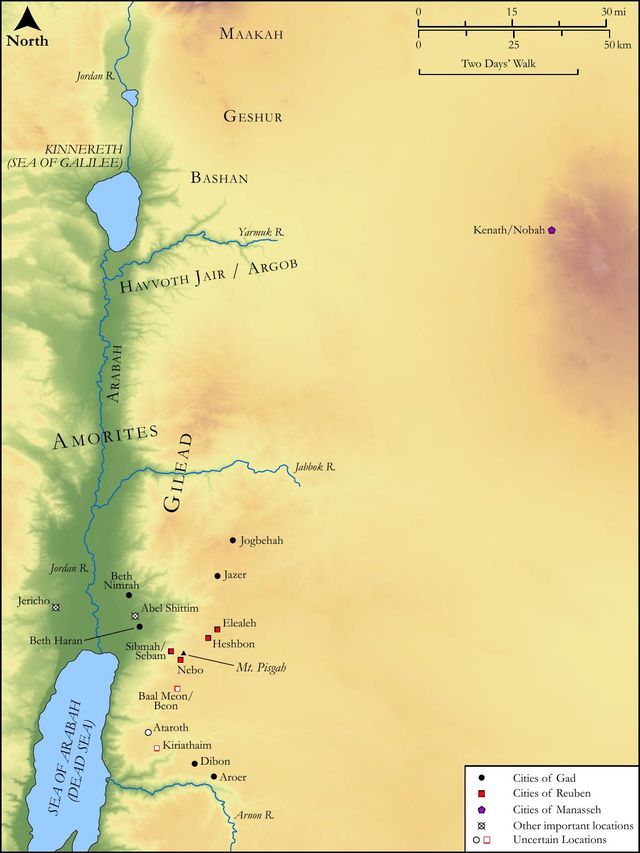
See on the biblical-era map
Study this verse
Continue studying Numbers 32:20 across the web’s major study libraries — every link below opens this exact verse, chapter, or book on the destination site.
Read & Compare
 BibleGatewayThis verse in more than 200 translations and 70 languages.
 Bible.comThe YouVersion reader — hundreds of translations, reading plans, and highlights.
 ESV.orgCrossway's official English Standard Version reader.
 NET BibleThe NET translation with 60,000+ translators' notes on every rendering decision.
 STEP BibleTyndale House's free study tool — original text, vocabulary, and scholarly resources.
 BibliaLogos Bible Software's free web reader.
 USCCBThe New American Bible (Revised Edition) with the U.S. bishops' study notes.
Commentaries
 BibleHub CommentariesDozens of classic commentaries on this verse, gathered on one page.
 StudyLightMore than 100 commentary sets — the largest collection on the web.
 BibleRefPlain-English commentary on what this verse means, verse by verse.
 Enduring WordDavid Guzik's free commentary on this chapter, widely used by Bible teachers.
 Bible Study ToolsVerse commentary alongside Greek and Hebrew study aids.
Original Language & Research
- BibleHub InterlinearThe verse word by word — original language, transliteration, and English.
- BibleHub LexiconEvery word's original-language definition and Strong's entry.
 Blue Letter BibleDeep-study tools — Strong's numbers, concordance, and word studies.
 SefariaThe Hebrew text with Rashi and centuries of Jewish commentary.
Sermons, Hymns & Audio


TrulyRandomVerse is not affiliated with these sites and doesn’t control their content. They’re linked because they’re genuinely useful.
Summary
Numbers 32:20 captures Moses' pivotal conditional acceptance of the tribes of Reuben and Gad, and the half-tribe of Manasseh, to settle east of the Jordan River. This verse establishes the crucial stipulation that their right to this inheritance is contingent upon their active, unified, and divinely sanctioned participation in the conquest of Canaan, fighting alongside the other Israelite tribes "before the LORD to war." It profoundly underscores the principles of corporate responsibility, covenant faithfulness, and the divine mandate for Israel's unified entry into and possession of the Promised Land.
Context
ShowHideLiterary Context
Numbers 32:20 is embedded within a critical turning point in the book of Numbers. The chapter opens with the tribes of Reuben and Gad, observing the fertile pasturelands of Gilead and Bashan, requesting to settle there rather than cross the Jordan River with the rest of Israel (Numbers 32:1-5). Moses initially reacts with severe rebuke, fearing their request would demoralize the other tribes and lead to a devastating repeat of the Kadesh-Barnea rebellion, which resulted in forty years of wilderness wandering (Numbers 32:6-15). However, the tribes clarify their intention: they would first build fortified cities for their families and folds for their flocks, but then they would go "armed before the children of Israel" to help conquer the land west of the Jordan, only returning after the entire land was subdued (Numbers 32:16-19). Verse 20 marks Moses' shift from rebuke to conditional agreement, laying out the terms of their commitment, which are further elaborated in the subsequent verses, including a stern warning about the consequences of failure (Numbers 32:23).
Historical & Cultural Context
The setting is on the plains of Moab, east of the Jordan River, as Israel stands on the precipice of entering the Promised Land after forty years of wilderness wandering. The land east of the Jordan, particularly Gilead and Bashan, was renowned for its rich pasturelands, making it highly attractive to tribes with substantial livestock holdings like Reuben and Gad. The concept of corporate solidarity was paramount in ancient Israel; the success or failure of one tribe often impacted the entire nation, as their identity and destiny were intertwined. Warfare was not merely a secular endeavor but a sacred act, often initiated and directed by Yahweh, with His presence (symbolized by the ark or the cloud) accompanying the army. The division of land was a central aspect of Israel's covenant inheritance, and any deviation from the unified plan for conquest carried significant theological and practical implications for the nation's identity and future, emphasizing the need for collective obedience to God's commands for the land's possession.
Key Themes
ShowHideThis verse powerfully contributes to several key themes within the book of Numbers and the broader Pentateuch. It highlights the theme of covenant faithfulness and the necessity of fulfilling one's vows, especially those made before God and the community. The conditional nature of Moses' acceptance underscores the theme of conditional blessing and the direct link between obedience and inheritance; the land was a gift, but its possession required active participation. Furthermore, it emphasizes corporate solidarity and unity in the pursuit of God's purposes; the conquest of Canaan was a national endeavor requiring the participation of all tribes, reflecting the principle that "we are members one of another" (Romans 12:5). Finally, the phrase "before the LORD to war" reinforces the theme of divine leading in warfare, signifying that Israel's battles were not merely human conflicts but sacred campaigns conducted under God's direct command and presence, where victory was contingent on His approval and empowerment, as seen in passages like Deuteronomy 20:1-4.
Exposition and Analysis
ShowHideKey Word Analysis
ShowHideThis Hebrew term, derived from a root meaning "to pull off" or "to strip," here signifies being "equipped," "arrayed for battle," or "ready for war." It implies more than merely carrying weapons; it denotes being organized, prepared, and committed to active military service. The nuance is one of readiness and deployment, indicating that these men would not just be present but would be at the forefront of the fighting force, prepared to engage the enemy actively and decisively.
This word, literally meaning "face" or "presence," when used with a prepositional prefix as it is here, functions as "before," "in the presence of," or "in the sight of." In this context, it is not merely a spatial indicator but carries profound theological weight, implying direct accountability and visibility to God. Their actions would be performed under God's watchful eye and in His immediate sphere of influence.
This is the sacred, covenantal name of God, often transliterated as Yahweh. It emphasizes God's self-existence, eternal nature, and His covenant relationship with Israel. When actions are performed "before the LORD," it elevates them to a sacred plane, signifying that they are undertaken under His authority, by His command, and for His purposes. It transforms the military endeavor into a holy mission, where success is dependent on divine favor and adherence to divine will.
Verse Breakdown
ShowHide"And Moses said unto them,"
This opening clause establishes the speaker and the audience, setting the stage for a critical pronouncement. It signifies Moses' authority as God's mediator and leader of Israel, responding directly to the tribes' proposal and articulating the divine terms of agreement.
"If ye will do this thing,"
This introduces a conditional clause, highlighting that Moses' acceptance of their request to settle east of the Jordan is not absolute but entirely dependent on their subsequent actions. The "thing" refers to their promise to first secure their families and flocks, and then join the other tribes in the conquest of Canaan. This phrase sets up the covenantal nature of their agreement, emphasizing a quid pro quo.
"if ye will go armed before the LORD to war,"
This is the core condition and the crux of the verse, specifying the precise action required from Reuben, Gad, and the half-tribe of Manasseh. It demands active, prepared, and divinely sanctioned participation in the military campaign. The repetition of "if ye will" underscores the voluntary yet binding nature of their commitment, stressing the importance of their full and unified engagement in the national mission under God's direct oversight and presence.
Literary Devices
ShowHideThe verse primarily employs a Conditional Clause ("If ye will do this thing, if ye will go armed..."). This grammatical structure is crucial for establishing the terms of the agreement between Moses (representing God and the nation) and the tribes of Reuben and Gad. It highlights that their desired inheritance is not a given but is contingent upon their faithful fulfillment of their promise. Furthermore, there is a strong element of Emphasis through the repetition of the conditional "if ye will" and the strategic placement of the theologically charged phrase "before the LORD," which elevates the military action from a mere human conflict to a divinely mandated and supervised undertaking. This also serves as a form of Foreshadowing, subtly hinting at the severe consequences should they fail to uphold their end of the bargain, as explicitly stated later in Numbers 32:23.
Theological and Thematic Connections
ShowHideNumbers 32:20 offers profound theological insights into the nature of covenant, corporate responsibility, and divine purpose. It teaches that individual or tribal desires, while not inherently wrong, must always be subordinated to the greater communal good and the overarching divine plan. The "Promised Land" was a corporate inheritance, and its possession required a unified, sacrificial effort from all God's people. This passage underscores that blessings are often tied to obedience and faithfulness to commitments made before God. It also reveals God's expectation for His people to engage actively in the "battles" He sets before them, not relying solely on divine intervention but participating fully, "armed" and ready, under His sovereign direction. This passage serves as a powerful reminder that communal blessings are often contingent upon individual and collective faithfulness to God's purposes.
Reflection and Application
ShowHideThe conditional nature of Moses' acceptance in Numbers 32:20 serves as a powerful reminder for believers today about the importance of fulfilling our commitments, especially those made within the community of faith and before God. Just as the tribes of Reuben and Gad were called to prioritize the corporate mission of conquering the Promised Land over their immediate personal comfort, so too are Christians called to live not for themselves alone but for the greater good of the Kingdom of God and the advancement of the gospel. Our personal blessings and spiritual inheritances often come with responsibilities to serve a purpose larger than ourselves, requiring us to "go armed" in spiritual readiness, standing in unity and solidarity with our brothers and sisters in Christ. This verse challenges us to consider whether our personal aspirations align with, or detract from, our collective calling to advance God's kingdom and fight the good fight of faith, always remembering that our service is ultimately "before the LORD."
Questions for Reflection
ShowHideFAQ
ShowHideWhat was the primary concern Moses had about the request of Reuben and Gad?
ShowHideMoses' primary concern was that the request of Reuben and Gad to settle east of the Jordan would demoralize the other Israelite tribes, leading them to fear entering the Promised Land and abandoning the conquest. He feared a devastating repeat of the rebellion at Kadesh-Barnea, where the people's lack of faith led to forty years of wilderness wandering and the death of an entire generation (Numbers 14:1-3). His initial sharp rebuke in Numbers 32:6-15 clearly articulates this profound fear of historical repetition and its potentially catastrophic consequences for the entire nation's covenant destiny.
Christ-Centered Fulfillment
ShowHideNumbers 32:20, with its emphasis on corporate responsibility, faithful participation in divine warfare, and conditional inheritance, finds profound Christ-centered fulfillment. The "Promised Land" for Israel, secured through unified conquest, foreshadows the spiritual inheritance and eternal rest that believers receive in Christ, not through physical military conquest but through His ultimate, decisive victory on the cross. While Israel's physical battles were to be fought "before the LORD" under His direct command, Christians are called to engage in spiritual warfare, not against flesh and blood, but against spiritual forces of evil (Ephesians 6:12). In this new covenant, all believers are "armed" with the full armor of God, provided by Christ Himself, enabling them to stand firm against the schemes of the devil (Ephesians 6:11). The unity and solidarity demanded of the Israelite tribes find their ultimate expression in the Church, the body of Christ, where believers are called to live in harmony, supporting one another in love and service, "making every effort to keep the unity of the Spirit through the bond of peace" (Ephesians 4:3). Our inheritance in Christ is indeed conditional, not on our works for salvation, but on our faithful perseverance and active participation in His mission, empowered by His Spirit, as we await the full realization of His Kingdom, the ultimate "rest" that remains for the people of God (Hebrews 4:9-11).