


Luke 18:9
Bible text: King James Version (1769 Blayney text) · Public domain
Bible text: King James Version with Strong's numbers · Public domain
Bible text: Berean Standard Bible · Public domain
Bible text: American Standard Version (1901) · Public domain
Bible text: World English Bible, Messianic edition · Public domain
Bible text: Geneva Bible (1599) · Public domain
Bible text: Young's Literal Translation · Public domain
- ΕἶπενEipenHe spokeG2036V-2AAI-3SVerb 2nd Aorist Active Indicative 3rd Singular
- δὲdenowG1161CONJConjunction
- καὶkaialsoG2532CONJConjunction
- πρόςprostoG4314PREPPreposition
- τιναςtinassomeG5100X-APMIndefinite pronoun Accusative Plural Masculine
- τοὺςtous<the>G3588T-APMDefinite article Accusative Plural Masculine
- πεποιθόταςpepoithotashaving trustedG3982V-2RAP-APMVerb 2nd Perfect Active Participle Accusative Plural Masculine
- ἐφ᾽eph᾽inG1909PREPPreposition
- ἑαυτοῖςhe'autoisthemselvesG1438F-3DPMReflexive pronoun Dative 3rd Plural Masculine
- ὅτιhotithatG3754CONJConjunction
- εἰσὶνeisinthey areG1510V-PAI-3PVerb Present Active Indicative 3rd Plural
- δίκαιοιdikaioirighteousG1342A-NPMAdjective Nominative Plural Masculine
- καὶkaiandG2532CONJConjunction
- ἐξουθενοῦνταςexouthenountasdespisingG1848V-PAP-APMVerb Present Active Participle Accusative Plural Masculine
- τοὺςtoustheG3588T-APMDefinite article Accusative Plural Masculine
- λοιποὺςloipousothersG3062A-APMAdjective Accusative Plural Masculine
- τὴνtēn<the>G3588T-ASFDefinite article Accusative Singular Feminine
- παραβολὴνparabolēnparableG3850N-ASFNoun Accusative Singular Feminine
- ταύτηνtautēnthisG3778D-ASFDemonstrative pronoun Accusative Singular Feminine
English is a literal word-by-word gloss of the Greek, not the KJV's wording. Why?
This is the original text the KJV's translators worked from — each Greek word with its own literal English meaning in this verse, prepared by scholars at Tyndale House, Cambridge. The KJV translates whole sentences, not word by word, so its wording differs: one Greek word can become several English words, and the KJV may choose “charity” where the gloss reads “love”. Both are faithful — they answer different questions. For the KJV's own rendering, switch to the KJV text.
Details
See on the biblical-era maps
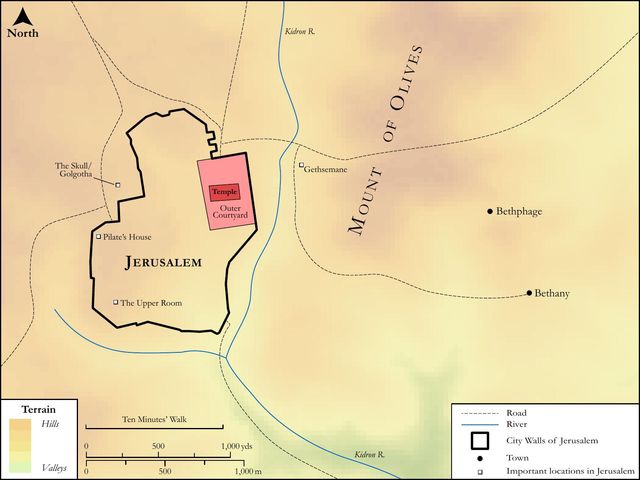
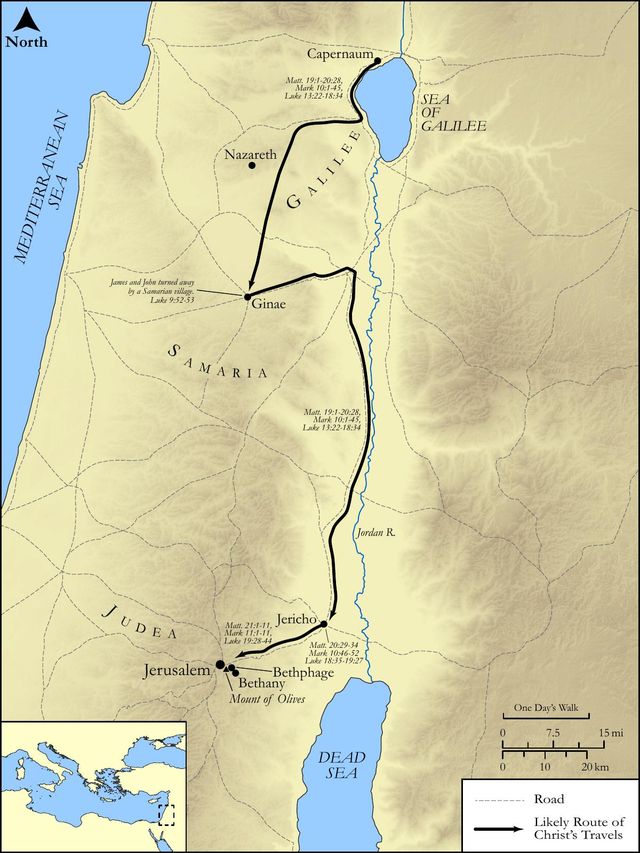
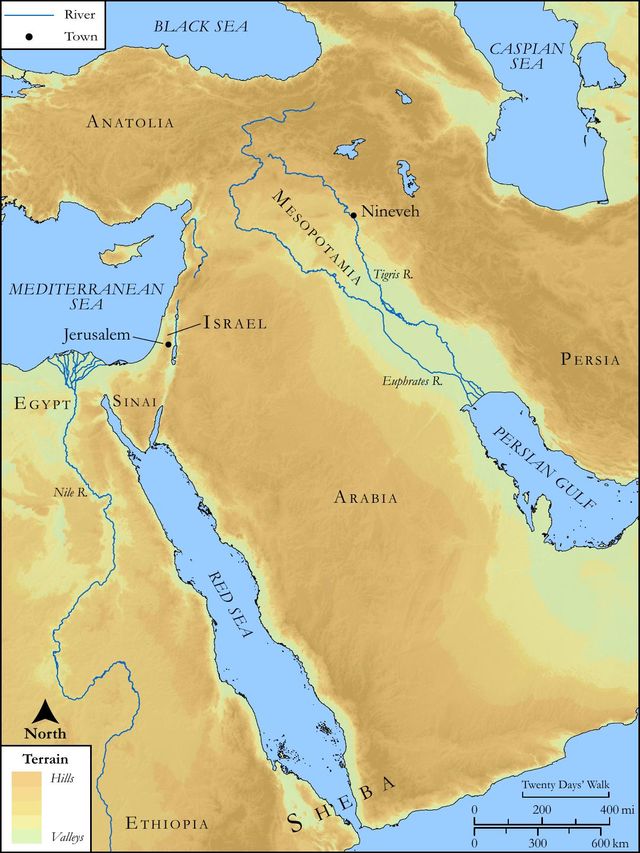
Study this verse
Public-domain commentary
Matthew Henry
From his Commentary on the Whole Bible. Henry comments on passages, not single verses — this entry covers Luke 18:9–14. His three-level outline is real structure in the source text, so it is rendered as structure.
The scope of this parable likewise is prefixed to it, and we are told (Luk 18:9) who they were whom it was levelled at, and for whom it was calculated. He designed it for the conviction of some who trusted in themselves that they were righteous, and despised others. They were such as had, 1. A great conceit of themselves, and of their own goodness; they thought themselves as holy as they needed to be, and holier than all their neighbours, and such as might serve for examples to them all. But that was not all; 2. They had a confidence in themselves before God, and not only had a high opinion of their own righteousness, but depended upon the merit of it, whenever they addressed God, as their plea: They trusted in themselves as being righteous; they thought they had made God their debtor, and might demand any thing from him; and, 3. They despised others, and looked upon them with contempt, as not worthy to be compared with them. Now Christ by this parable would show such their folly, and that thereby they shut themselves out from acceptance with God. This is called a parable, though there be nothing of similitude in it; but it is rather a description of the different temper and language of those that proudly justify themselves, and those that humbly condemn themselves; and their different standing before God. It is matter of fact every day.
I.Here are both these addressing themselves to the duty of prayer at the same place and time (Luk 18:10):
Two men went up into the temple (for the temple stood upon a hill) to pray. It was not the hour of public prayer, but they went thither to offer up their personal devotions, as was usual with good people at that time, when the temple was not only the place, but the medium of worship, and God had promised, in answer to Solomon's request, that, whatever prayer was made in a right manner in or towards that house, it should therefore the rather be accepted. Christ is our temple, and to him we must have an eye in all our approaches to God. The Pharisees and the publican both went to the temple to pray. Note, Among the worshippers of God, in the visible church, there is a mixture of good and bad, of some that are accepted of God, and some that are not; and so it has been ever since Cain and Abel brought their offering to the same altar. The Pharisee, proud as he was, could not think himself above prayer; nor could the publican, humble as he was, think himself shut out from the benefit of it; but we have reason to think that these went with different views.
1.The Pharisee went to the temple to pray because it was a public place, more public than the corners of the streets, and therefore he should have many eyes upon him, who would applaud his devotion, which perhaps was more than was expected. The character Christ gave of the Pharisees, that all their works they did to be seen of men, gives us occasion for this suspicion. Note, Hypocrites keep up the external performances of religion only to save or gain credit. There are many whom we see every day at the temple, whom, it is to be feared, we shall not see in the great day at Christ's right hand.
2.The publican went to the temple because it was appointed to be a house of prayer for all people, Isa 56:7. The Pharisee came to the temple upon a compliment, the publican upon business; the Pharisee to make his appearance, the publican to make his request. Now God sees with what disposition and design we come to wait upon him in holy ordinances, and will judge of us accordingly.
II.Here is the Pharisee's address to God (for a prayer I cannot call it):
He stood and prayed thus with himself (Luk 18:11, Luk 18:12): standing by himself, he prayed thus, so some read it; he was wholly intent upon himself, had nothing in his eye but self, his own praise, and not God's glory; or, standing in some conspicuous place, where he distinguished himself; or, setting himself with a great deal of state and formality, he prayed thus. Now that which he is here supposed to say is that which shows,
1.That he trusted to himself that he was righteous. A great many good things he said of himself, which we will suppose to be true. He was free from gross and scandalous sins; he was not an extortioner, not a usurer, not oppressive to debtors or tenants, but fair and kind to all that had dependence upon him. He was not unjust in any of his dealings; he did no man any wrong; he could say, as Samuel, Whose ox or whose ass have I taken? He was no adulterer, but had possessed his vessel in sanctification and honour. Yet this was not all; he fasted twice in the week, as an act partly of temperature, partly of devotion. The Pharisees and their disciples fasted twice a week, Monday and Thursday. Thus he glorified God with his body: yet that was not all; he gave tithes of all that he possessed, according to the law, and so glorified God with his worldly estate. Now all this was very well and commendable. Miserable is the condition of those who come short of the righteousness of this Pharisee: yet he was not accepted; and why was he not?
(1.)His giving God thanks for this, though in itself a good thing, yet seems to be a mere formality. He does not say, By the grace of God I am what I am, as Paul did, but turns it off with a slight, God, I thank thee, which is intended but for a plausible introduction to a proud vainglorious ostentation of himself.
(2.)He makes his boast of this, and dwells with delight upon this subject, as if all his business to the temple was to tell God Almighty how very good he was; and he is ready to say, with those hypocrites that we read of (Isa 58:3), Wherefore have we fasted, and thou seest not?
(3.)He trusted to it as a righteousness, and not only mentioned it, but pleaded it, as if hereby he had merited at the hands of God, and made him his debtor.
(4.)Here is not one word of prayer in all he saith. He went up to the temple to pray, but forgot his errand, was so full of himself and his own goodness that he thought he had need of nothing, no, not of the favour and grace of God, which, it would seem, he did not think worth asking.
2.That he despised others.
(1.)He thought meanly of all mankind but himself: I thank thee that I am not as other men are. He speaks indefinitely, as if he were better than any. We may have reason to thank God that we are not as some men are, that are notoriously wicked and vile; but to speak at random thus, as if we only were good, and all besides us were reprobates, is to judge by wholesale.
(2.)He thought meanly in a particular manner of this publican, whom he had left behind, it is probable, in the court of the Gentiles, and whose company he had fallen into as he came to the temple. He knew that he was a publican, and therefore very uncharitably concluded that he was an extortioner, unjust, and all that is naught. Suppose it had been so, and he had known it, what business had he to take notice of it? Could not he say his prayers (and that was all that the Pharisees did) without reproaching his neighbours? Or was this a part of his God, I thank thee? And was he as much pleased with the publican's badness as with his own goodness? There could not be a plainer evidence, not only of the want of humility and charity, but of reigning pride and malice, than this was.
III.Here is the publican's address to God, which was the reverse of the Pharisee's, as full of humility and humiliation as his was of pride and ostentation; as full of repentance for sin, and desire towards God, as his was of confidence in himself and his own righteousness and sufficiency.
1.He expressed his repentance and humility in what he did; and his gesture, when he addressed himself to his devotions, was expressive of great seriousness and humility, and the proper clothing of a broken, penitent, and obedient heart.
(1.)He stood afar off. The Pharisee stood, but crowded up as high as he could, to the upper end of the court; the publican kept at a distance under a sense of his unworthiness to draw near to God, and perhaps for fear of offending the Pharisee, whom he observed to look scornfully upon him, and of disturbing his devotions. Hereby he owned that God might justly behold him afar off, and send him into a state of eternal distance from him, and that it was a great favour that God was pleased to admit him thus nigh.
(2.)He would not lift up so much as his eyes to heaven, much less his hands, as was usual in prayer. He did lift up his heart to God in the heavens, in holy desires, but, through prevailing shame and humiliation, he did not lift up his eyes in holy confidence and courage. His iniquities are gone over his head, as a heavy burden, so that he is not able to look up, Psa 40:12. The dejection of his looks is an indication of the dejection of his mind at the thought of sin.
(3.)He smote upon his breast, in a holy indignation at himself for sin: "Thus would I smite this wicked heart of mine, the poisoned fountain out of which flow all the streams of sin, if I could come at it." The sinner's heart first smites him in a penitent rebuke, Sa2 24:10. David's heart smote him. Sinner, what hast thou done? And then he smites his heart with penitent remorse: O wretched man that I am? Ephraim is said to smite upon his thigh, Jer 31:19. Great mourners are represented tabouring upon their breasts, Nah 2:7.
2.He expressed it in what he said. His prayer was short. Fear and shame hindered him from saying much; sighs and groans swallowed up his words; but what he said was to the purpose: God, be merciful to me a sinner. And blessed be God that we have this prayer upon record as an answered prayer, and that we are sure that he who prayed it went to his house justified; and so shall we, if we pray it, as he did, through Jesus Christ: "God, be merciful to me a sinner; the God of infinite mercy be merciful to me, for, if he be not, I am for ever undone, for ever miserable. God be merciful to me, for I have been cruel to myself." (1.) He owns himself a sinner by nature, by practice, guilty before God. Behold, I am vile, what shall I answer thee? The Pharisee denies himself to be a sinner; none of his neighbours can charge him, and he sees no reason to charge himself, with any thing amiss; he is clean, he is pure from sin. But the publican gives himself no other character than that of a sinner, a convicted criminal at God's bar. (2.) He has no dependence but upon the mercy of God, that, and that only, he relies upon. The Pharisee had insisted upon the merit of his fastings and tithes; but the poor publican disclaims all thought of merit, and flies to mercy as his city of refuge, and takes hold of the horn of that altar. "Justice condemns me; nothing will save me but mercy, mercy." (3.) He earnestly prays for the benefit of that mercy: "O God, be merciful, be propitious, to me; forgive my sins; be reconciled to me; take me into thy favour; receive me graciously; love me freely." He comes as a beggar for an alms, when he is ready to perish for hunger. Probably he repeated this prayer with renewed affections, and perhaps said more to the same purport, made a particular confession of his sins, and mentioned the particular mercies he wanted, and waited upon God for; but still this was the burden of the song: God, be merciful to me a sinner.
IV.Here is the publican's acceptance with God.
We have seen how differently these two addressed themselves to God; it is now worth while to enquire how they sped. There were those who would cry up the Pharisee, by whom he would go to his house applauded, and who would look with contempt upon this sneaking whining publican. But our Lord Jesus, to whom all hearts are open, all desires known, and from whom no secret is hid, who is perfectly acquainted with all proceedings in the court of heaven, assures us that this poor, penitent, broken-hearted publican went to his house justified, rather than the other. The Pharisee thought that if one of them must be justified, and not the other, certainly it must be he rather than the publican. "No," saith Christ, "I tell you, I affirm it with the utmost assurance, and declare it to you with the utmost concern, I tell you, it is the publican rather than the Pharisee." The proud Pharisee goes away, rejected of God; his thanksgivings are so far from being accepted that they are an abomination; he is not justified, his sins are not pardoned, nor is he delivered from condemnation: he is not accepted as righteous in God's sight, because he is so righteous in his own sight; but the publican, upon this humble address to Heaven, obtains the remission of his sins, and he whom the Pharisee would not set with the dogs of his flock God sets with the children of his family. The reason given for this is because God's glory is to resist the proud, and give grace to the humble.
1.Proud men, who exalt themselves, are rivals with God, and therefore they shall certainly be abased. God, in his discourse with Job, appeals to this proof that he is God, that he looks upon every one that is proud, and brings him low, Job 40:12.
2.Humble men, who abase themselves, are subject to God, and they shall be exalted. God has preferment in store for those that will take it as a favour, not for those that demand it as a debt. He shall be exalted into the love of God, and communion with him, shall be exalted into a satisfaction in himself, and exalted at last as high as heaven. See how the punishment answers the sin: He that exalteth himself shall be abased. See how the recompence answers the duty: He that humbles himself shall be exalted. See also the power of God's grace in bringing good out of evil; the publican had been a great sinner, and out of the greatness of his sin was brought the greatness of his repentance; out of the eater came forth meat. See, on the contrary, the power of Satan's malice in bringing evil out of good. It was good that the Pharisee was no extortioner, nor unjust; but the devil made him proud of this, to his ruin.
Historical interpretation
Eleven Centuries of Reception
11 surviving comments on this verse. Each one is dated, so this reads as a timeline rather than a list.
Select a marker to jump to its quote. Markers stagger vertically where authors wrote within a few decades of each other.
For that publican who prayed with humility and dejection not merely in his supplication, but in his countenance too, went his way "more justified" than the shameless Pharisee. The sounds of our voice, likewise, should be subdued; else, if we are to be heard for our noise, how large windpipes should we need! But God is the hearer not of the voice, but of the heart, just as He is its inspector.
(in Esai. c. 2.) "He prayed with himself," that is, not with God, his sin of pride sent him back into himself. It follows, God, I thank thee.
(ubi sup.) The difference between the proud man and the scorner is in the outward form alone. The one is engaged in reviling others, the other in presumptuously extolling himself.
(in Esai 2. 12.) In like manner it is possible to be honourably elated when your thoughts indeed are not lowly, but your mind by greatness of soul is lifted up towards virtue. This loftiness of mind is seen in a cheerfulness amidst sorrow; or a kind of noble dauntlessness in trouble; a contempt of earthly things, and a conversation in heaven. And this loftiness of mind seems to differ from that elevation which is engendered of pride, just as the stoutness of a well-regulated body differs from the swelling of the flesh which proceeds from dropsy.
(Hom. 2. de Pœn.) To despise the whole race of man was not enough for him; he must yet attack the Publican. He would have sinned, yet far less if he had spared the Publican, but now in one word he both assails the absent, and inflicts a wound on him who was present. (Hom. 3. in Matt.). To give thanks is not to heap reproaches on others. When thou returnest thanks to God, let Him be all in all to thee. Turn not thy thoughts to men, nor condemn thy neighbour.
He who rails at others does much harm both to himself and others. First, those who hear him are rendered worse, for if sinners they are made glad in finding one as guilty as themselves, if righteous, they are exalted, being led by the sins of others to think more highly of themselves. Secondly, the body of the Church suffers; for those who hear him are not all content to blame the guilty only, but to fasten the reproach also on the Christian religion. Thirdly, the glory of God is evil spoken of; for as our well-doing makes the name of God to be glorified, so our sins cause it to be blasphemed. Fourthly, the object of reproach is confounded and becomes more reckless and immoveable. Fifthly, the ruler is himself made liable to punishment for uttering things which are not seemly.
He heard the words, that I am not as the Publican. He was not angry, but pricked to the heart. The one uncovered the wound, the other seeks for its remedy. Let no one then ever put forth so cold an excuse as, I dare not, I am ashamed, I cannot open my mouth. The devils have that kind of fear. The devil would fain close against thee every door of access to God.
(de Inc. Dei Nat. Hom. 5.) This parable represents to us two chariots on the race course, each with two charioteers in it. In one of the chariots it places righteousness with pride, in the other sin and humility. You see the chariot of sin outstrip that of righteousness, not by its own strength but by the excellence of humility combined with it, but the other is defeated not by righteousness, but by the weight and swelling of pride. For as humility by its own elasticity rises above the weight of pride, and leaping up reaches to God, so pride by its great weight easily depresses righteousness. Although therefore thou art earnest and constant in well doing, yet thinkest thou mayest boast thyself, thou art altogether devoid of the fruits of prayer. But thou that bearest a thousand loads of guilt on thy conscience, and only thinkest this thing of thyself that thou art the lowest of all men, shalt gain much confidence before God. And He then goes on to assign the reason of His sentence. For every one who exalteth himself shall be abased, and he that humbleth himself shall be exalted. (in Ps. 142). The word humility has various meanings. There is the humility of virtue, as, A humble and contrite heart, O God, thou wilt not despise. (Ps. 51:17.) There is also a humility arising from sorrows, as, He has humbled my life upon the earth. (Ps. 142:3.) There is a humility derived from sin, and the pride and insatiability of riches. For can any thing be more low and debased than those who grovel in riches and power, and count them great things?
(Hom. de Prof. Ev.) This inflation of pride can cast down even from heaven the man that taketh not warning, but humility can raise a man up from the lowest depth of guilt. The one saved the Publican before the Pharisee, and brought the thief into Paradise before the Apostles; the other entered even into the spiritual powers. But if humility though added to sin has made such rapid advances, as to pass by pride united to righteousness, how much swifter will be its course when you add to it righteousness? It will stand by the judgment-seat of God in the midst of the angels with great boldness. Moreover if pride joined to righteousness had power to depress it, unto what a hell will it thrust men when added to sin? This I say not that we should neglect righteousness, but that we should avoid pride.
(Serm. 115.) Since faith is not a gift of the proud but of the humble, our Lord proceeds to add a parable concerning humility and against pride.
(Serm. 115.) His fault was not that he gave God thanks, but that he asked for nothing further. Because thou art full and aboundest, thou hast no need to say, Forgive us our debts. What then must be his guilt who impiously fights against grace, when he is condemned who proudly gives thanks? Let those hear who say, "God has made me man, I made myself righteous. O worse and more hateful than the Pharisee, who proudly called himself righteous, yet gave thanks to God that he was so.
(ut sup.) He might at least have said, "as many men;" for what does he mean by "other men," but all besides himself? "I am righteous, he says, the rest are sinners."
(ut sup.) See how he derives from the Publican near him a fresh occasion for pride. It follows, Or even as this Publican; as if he says, "I stand alone, he is one of the others."
If you look into his words, you will find that he asked nothing of God. He goes up indeed to pray, but instead of asking God, praises himself, and even insults him that asked. The Publican, on the other hand, driven by his stricken conscience afar off, is by his piety brought near.
(Serm. 115.) Why then marvel ye, whether God pardons, since He himself acknowledges it. The Publican stood afar off, yet drew near to God. And the Lord was nigh unto him, and heard him, For the Lord is on high, yet hath he regard to the lowly. He lifted not so much as his eyes to heaven; that he might be looked upon, he looked not himself. Conscience weighed him down, hope raised him up, he smote his own breast, he exacted judgment upon himself. Therefore did the Lord spare the penitent. Thou hast heard the accusation of the proud, thou hast heard the humble confession of the accused. Hear now the sentence of the Judge; Verily I say unto you, this man went down to his house justified rather than the other.
Does it not strike you when the Lord says in the Gospel, “When the Son of man comes, do you think he will find faith on earth?” Knowing that some would arrogantly attribute this faith to themselves, he immediately said, “To some who seemed to themselves to be just and despised others, he spoke this parable. Two men went up into the temple to pray: the one a Pharisee and the other a publican, etc.”
(23. Mor. c. 6.) There are different shapes in which the pride of self-confident men presents itself; when they imagine that either the good in them is of themselves; or when believing it is given them from above, that they have received it for their own merits; or at any rate when they boast that they have that which they have not. Or lastly, when despising others they aim at appearing singular in the possession of that which they have. And in this respect the Pharisee awards to himself especially the merit of good works.
(19. Mor. c. 21.) So it was pride that laid bare to his wily enemies the citadel of his heart, which prayer and fasting had in vain kept closed. Of no use are all the other fortifications, as long as there is one place which the enemy has left defenceless.
He also spoke this parable to some who trusted in themselves as righteous and despised others. Because the Lord concluded the parable, in which He always taught to pray and not to lose heart, saying that when the judge comes, faith would be hard to find on earth, lest anyone should flatter themselves with useless faith, knowledge, or even confession; immediately following with another parable, He more diligently showed that from God, faith is examined not by words, but by deeds. Among which deeds, humility predominates greatly. Therefore, earlier, when He compared faith to a mustard seed, small indeed but burning with curiosity, He almost explained further: "When you have done all that you are commanded, say: We are unworthy servants" (Luke XVII). Contrary to this, the proud, while they do only a little of what is commanded, not only immediately presume their own righteousness but also despise the weak, and thus, as though devoid of faith, they are not heard when they pray.
Typically, the Pharisee is the Jewish people, who boast of their ornaments because of the righteousness of the law; but the Publican is the Gentiles, who being at a distance from God confess their sins. Of whom the one for His pride returned humbled, the other for his contrition was thought worthy to draw near and be exalted.
Pride also beyond all other passions disturbs the mind of man. And hence the very frequent warnings against it. It is moreover a contempt of God; for when a man ascribes the good he doth to himself and not to God, what else is this but to deny God? For the sake then of those that so trust in themselves, that they will not ascribe the whole to God, and therefore despise others, He puts forth a parable, to show that righteousness, although it may bring man up to God, yet if he is clothed with pride, casts him down to hell.
It is said "standing," to denote his haughty temper. For his very posture betokens his extreme pride.
Observe the order of the Pharisee's prayer. He first speaks of that which he had not, and then of that which he had. As it follows, That I am not as other men are.
It becomes us not only to shun evil, but also to do good; and so after having said, I am not as other men are, extortioners, unjust, adulterers, he adds something by way of contrast, I fast twice in a week. They called the week the Sabbath, (Sabbatho) from the last day of rest. The Pharisees fasted upon the second and fifth day. He therefore set fasting against the passion of adultery, for lust is born of luxury; but to the extortioners and usurists he opposed the payment of tithes; as it follows, I give tithes of all I possess; as if he says, So far am I from indulging in extortion or injuring, that I even give up what is my own.
Although reported to have stood, the Publican yet differed from the Pharisee, both in his manner and his words, as well as in his having a contrite heart. For he feared to lift up his eyes to heaven, thinking unworthy of the heavenly vision those which had loved to gaze upon and wander after earthly things. He also smote his breast, striking it as it were because of the evil thoughts, and moreover rousing it as if asleep. And thus he sought only that God would be reconciled to him, as it follows, saying, God, be merciful.
But should any one perchance marvel that the Pharisee for uttering a few words in his own praise is condemned, while Job, though he poured forth many, is crowned, I answer, that the Pharisee spoke these at the same time that he groundlessly accused others; but Job was compelled by an urgent necessity to enumerate his own virtues for the glory of God, that men might not fall away from the path of virtue.
(Asterius.) To be diligent in prayer was the lesson taught by our Lord in the parable of the widow and the judge, He now instructs us how we should direct our prayers to Him, in order that our prayers may not be fruitless. The Pharisee was condemned because he prayed heedlessly. As it follows, The Pharisee stood and prayed with himself.
1. THE unseen patron of evil is full of evil ingenuity. Right at the beginning he can drag away, by means of hopelessness and lack of faith, the foundations of virtue already laid in the soul. Again, by means of indifference and laziness, he can make an attempt on the walls of virtue’s house just when they are being built up. Or he can bring down the roof of good works after its construction, by means of pride and madness. But stand firm, do not he alarmed, for a diligent man is even more ingenious in good things, and virtue has superior forces to deploy against evil. It has at its disposal supplies and support in battle from Him Who is all-powerful, Who in His goodness strengthens all lovers of virtue. So not only can virtue remain unshaken by the various wicked devices prepared by the enemy, but it can also lift up and restore those fallen into the depths of evil, and easily lead them to God by repentance and humility.
2. Here is an example and a clear proof. The Publican, as a publican, dwells in the depths of sin. All he has in common with those who live virtuously is one short utterance, but he finds relief, is lifted up and rises above every evil. He is numbered with the company of the righteous, justified by the impartial Judge Himself. If the Pharisee is condemned by his speech, it is because, as a Pharisee, he thinks himself somebody, although he is not really righteous, and utters many arrogant words which provoke God’s anger with their every syllable.
3. Why does humility lead up to the heights of righteousness, whereas self-conceit leads down to the depths of sin? Because anybody who thinks he is something great, even before God, is rightly abandoned by God, as one who thinks that he does not need His help. Anybody who despises himself, on the other hand, and relies on mercy from above, wins God’s sympathy, help and grace. As it says, “The Lord resisteth the proud: but he giveth grace unto the lowly” (Prov. 3:34 LXX).
Continue studying Luke 18:9 across the web’s major study libraries — every link below opens this exact verse, chapter, or book on the destination site.
Read & Compare
 BibleGatewayThis verse in more than 200 translations and 70 languages.
 Bible.comThe YouVersion reader — hundreds of translations, reading plans, and highlights.
 ESV.orgCrossway's official English Standard Version reader.
 NET BibleThe NET translation with 60,000+ translators' notes on every rendering decision.
 STEP BibleTyndale House's free study tool — original text, vocabulary, and scholarly resources.
 BibliaLogos Bible Software's free web reader.
 USCCBThe New American Bible (Revised Edition) with the U.S. bishops' study notes.
Commentaries
 BibleHub CommentariesDozens of classic commentaries on this verse, gathered on one page.
 StudyLightMore than 100 commentary sets — the largest collection on the web.
 BibleRefPlain-English commentary on what this verse means, verse by verse.
 Enduring WordDavid Guzik's free commentary on this chapter, widely used by Bible teachers.
 Bible Study ToolsVerse commentary alongside Greek and Hebrew study aids.
Original Language & Research
- BibleHub InterlinearThe verse word by word — original language, transliteration, and English.
- BibleHub LexiconEvery word's original-language definition and Strong's entry.
 Blue Letter BibleDeep-study tools — Strong's numbers, concordance, and word studies.
 CNTR CollationThe earliest Greek manuscripts of this verse, collated letter by letter.
Sermons, Hymns & Audio


TrulyRandomVerse is not affiliated with these sites and doesn’t control their content. They’re linked because they’re genuinely useful.
Summary
Luke 18:9 serves as the pivotal introduction to Jesus' Parable of the Pharisee and the Publican, immediately identifying the specific audience and the profound spiritual malady Jesus intends to expose. It highlights the dangerous mindset of those who place their confidence in their own perceived righteousness, leading them to disdain and look down upon others whom they deem spiritually inferior. This verse sets the stage for a powerful lesson on true humility, divine grace, and the nature of genuine acceptance before God.
Context
ShowHideLiterary Context
This verse directly follows the Parable of the Persistent Widow in Luke 18:1-8, which emphasizes the necessity of persistent and unwearied prayer. While the previous parable focuses on the act of prayer and God's responsiveness, Luke 18:9 shifts the focus to the heart attitude of the one praying and their spiritual standing before God. It acts as a direct narrative bridge, introducing a new parable that contrasts two distinct approaches to righteousness and prayer, preparing the reader for the vivid illustration that follows in Luke 18:10-14.
Historical & Cultural Context
Jesus' audience included a significant number of Pharisees and those influenced by their teachings. The Pharisees were a prominent Jewish religious sect known for their meticulous observance of the Mosaic Law and the vast body of oral traditions that had developed around it. They often prided themselves on their strict adherence, viewing it as a path to righteousness and a mark of God's favor. This cultural emphasis on external obedience and ritual purity could easily foster a sense of spiritual superiority and contempt for those who did not meet their rigorous standards, such as tax collectors (publicans), sinners, or the common people (the "am ha'aretz"). Jesus' parable directly challenges this prevailing self-righteous attitude, which was a significant barrier to understanding the true nature of God's kingdom and His grace.
Key Themes
ShowHideThe verse introduces several critical themes that permeate the broader narrative of Luke's Gospel and the teachings of Jesus. Foremost is the theme of Self-Righteousness vs. True Righteousness. The "certain which trusted in themselves that they were righteous" embody a false righteousness derived from human effort and external performance, contrasting sharply with the divine righteousness offered through grace. This leads directly to the theme of Pride vs. Humility, as the self-righteous are inherently proud, while true acceptance before God requires profound humility and an acknowledgment of one's spiritual need. Finally, the phrase "despised others" underscores the theme of Love and Compassion, or the lack thereof. Self-righteousness often breeds contempt for others, directly violating the second great commandment to love one's neighbor as oneself, a principle central to Jesus' ethical teachings throughout the Gospels.
Exposition and Analysis
ShowHideKey Word Analysis
ShowHideThis verb signifies to convince, to persuade, or, in its reflexive or passive sense, to assent, to rely, or to have confidence. In the context of Luke 18:9, it describes a deep-seated, inward certainty or reliance that these individuals placed in themselves. Their trust was not in God's mercy or provision, but in their own perceived spiritual standing and accomplishments, a profound misplacement of faith.
Derived from the concept of justice or rightness (dikē), this adjective describes someone who is equitable in character or act, innocent, or holy. In a theological sense, it refers to a state of being in right relationship with God. The problem highlighted in Luke 18:9 is not the pursuit of righteousness itself, but the false belief that one has achieved it through personal effort and therefore stands justified before God, rather than receiving it as a gift.
This powerful verb means to set at naught, to treat as worthless, to utterly disregard, or to hold in contempt. It conveys a strong sense of disdain and scorn. The self-righteous individuals not only elevated themselves but actively devalued and looked down upon "others" (Gk. loipoí, the remaining ones, the rest of humanity), viewing them as inferior or unworthy in God's sight. This reveals the destructive social and spiritual consequences of self-righteousness.
Verse Breakdown
ShowHide"And he spake this parable"
This introductory clause signals a shift in Jesus' teaching method, indicating that the following narrative is a figurative story designed to convey a spiritual truth. It sets the stage for a memorable and illustrative lesson, a common pedagogical tool of Jesus.
"unto certain which trusted in themselves that they were righteous"
This phrase precisely identifies the target audience and their core spiritual issue. These were individuals who possessed an inflated sense of their own moral and spiritual standing, believing their own efforts and adherence to the law were sufficient to earn God's favor and declare them "righteous." Their confidence was rooted in self-assessment rather than divine grace.
"and despised others"
This second clause reveals the direct, negative consequence of their self-trust. Their perceived superiority led them to look down upon, scorn, and treat with contempt those they considered less righteous, less observant, or outright sinful. This attitude of disdain for others is a hallmark of spiritual pride and directly contradicts the love and humility central to God's kingdom.
Literary Devices
ShowHideThe primary literary device employed in Luke 18:9 is Introduction to a Parable. This verse serves as a direct, explicit statement of the parable's purpose and its intended audience, a unique feature among Jesus' parables in the Synoptic Gospels. Unlike many parables where the meaning is left for the disciples to discern or is explained later, here Jesus immediately reveals the spiritual malady he aims to address. This upfront declaration creates a strong sense of Anticipation and immediately frames the subsequent narrative. Furthermore, the verse employs Characterization by succinctly describing the type of people Jesus is addressing, setting up the Contrast that will be dramatically illustrated in the following verses between the self-righteous and the humble.
Theological and Thematic Connections
ShowHideLuke 18:9 lays bare a fundamental theological tension: the conflict between human self-righteousness and divine grace. It underscores the biblical truth that true acceptance before God is not earned through human effort, moral performance, or adherence to religious rituals, but is a gift received through humble dependence on His mercy. The "trusting in themselves" highlights a profound spiritual blindness that prevents individuals from recognizing their need for a righteousness that comes from God alone. This self-reliance inevitably leads to pride and a judgmental spirit, which are anathema to the heart of God, who desires humility and compassion. The verse thus serves as a powerful indictment of spiritual arrogance and an invitation to embrace the path of humility, which alone opens the door to God's transformative grace.
Reflection and Application
ShowHideLuke 18:9 serves as a timeless mirror, inviting us to honestly examine the true source of our confidence before God. Do we, like the "certain" individuals Jesus addressed, subtly or overtly trust in our own good deeds, our moral standing, our religious observances, or our perceived spiritual achievements for acceptance and favor? Or do we humbly acknowledge our inherent sinfulness and depend entirely on God's boundless grace and mercy, as exemplified by the publican in the ensuing parable? This verse powerfully reminds us that spiritual arrogance is a dangerous barrier to genuine relationship with God and others. It challenges us to cultivate a spirit of profound humility, recognizing that all humanity stands equally in need of God's saving grace. True righteousness is not something we achieve, but something we receive. This understanding should lead not to pride, but to compassion, empathy, and a genuine love for all people, regardless of their perceived spiritual status, for we are all recipients of undeserved grace.
Questions for Reflection
ShowHideFAQ
ShowHideWhat is a parable, and why did Jesus use them?
ShowHideA parable (Greek, parabolḗ) is a short, metaphorical story drawn from everyday life, used by Jesus to illustrate a profound spiritual or moral truth. Jesus frequently employed parables as a teaching method because they were memorable, relatable, and often challenged listeners to think deeply and critically about spiritual realities. They could both reveal truth to those with open hearts and conceal it from those whose hearts were hardened, prompting further inquiry and reflection. The parable introduced in Luke 18:9 is a classic example of how Jesus used a simple narrative to expose complex spiritual attitudes.
Who were the "certain" people Jesus addressed in this verse?
ShowHideWhile not explicitly named, the description "certain which trusted in themselves that they were righteous, and despised others" strongly points to a group often associated with the Pharisees and their followers. The Pharisees were a prominent Jewish religious sect known for their strict adherence to the Mosaic Law and oral traditions, which often led to a sense of spiritual superiority over others, particularly those they deemed "sinners" or "unclean" (like publicans). Jesus frequently challenged their legalistic and self-righteous attitudes, making them a primary audience for parables like the one that follows in Luke 18:10-14.
Why is self-righteousness so dangerous in the eyes of God?
ShowHideSelf-righteousness is dangerous because it is a direct affront to God's grace and sovereignty. When individuals trust in their own perceived goodness or achievements for salvation, they deny their inherent need for a Savior and implicitly reject God's provision for righteousness through faith. This mindset breeds pride, blinds one to their true spiritual condition, and creates a barrier to genuine repentance and humility. Furthermore, as Luke 18:9 indicates, it often leads to despising others, fostering a judgmental and unloving spirit that is contrary to the very heart of God's law and the kingdom of heaven.
Christ-Centered Fulfillment
ShowHideLuke 18:9, with its stark portrayal of self-righteousness, finds its ultimate fulfillment and resolution in the person and work of Jesus Christ. The "certain which trusted in themselves that they were righteous" represent humanity's universal inclination to establish its own goodness apart from God. Yet, the New Testament unequivocally declares that "all have sinned, and come short of the glory of God" (Romans 3:23). It is precisely because no one can achieve true righteousness through their own efforts that Christ's perfect life, atoning death, and glorious resurrection become the sole source of justification. He is the one who "knew no sin, that we might be made the righteousness of God in him" (2 Corinthians 5:21). The self-righteousness condemned in Luke 18:9 is utterly dismantled by the gospel, which proclaims that righteousness is "not by the works of the law, but by the faith of Jesus Christ" (Galatians 2:16). Thus, the parable's introduction points directly to the profound need for Christ's imputed righteousness, inviting all who recognize their spiritual bankruptcy to find their complete and perfect standing before God solely in Him, the Lamb of God who takes away the sin of the world (John 1:29).