


2 Chronicles 5:13
- וַיְהִיvay·Hiand it belongedH1961Conj-w ¦ V-Qal-ConsecImperf-3msVerb Qal Consecutive Imperfect 3rd Singular Masculineוַandיְהִיit belonged
- כְאֶחָדKhe·'e·chodas oneH259Prep-k ¦ N-fsNoun Singular Feminine Absoluteכְasאֶחָדone
- לַמְחַצְּרִיםla·ma·cha·tzo·tze·rimto the trumpetersH2690Prep-l ¦ V-Piel-Prtcpl-mpVerb Piel Participle Plural Masculine Absoluteלַto theמְחַצְּרִיםtrumpeters
- וְלַמְשֹׁרֲרִיםve·lam·sho·ra·Rimand to the singersH7891Conj-w ¦ Prep-l ¦ V-Piel-Prtcpl-mpVerb Piel Participle Plural Masculine Absoluteוְandלַto theמְשֹׁרֲרִיםsingers
- לְהַשְׁמִיעַle·hash·Mi·a'to make heardH8085Prep-l ¦ V-Hiphil-InfVerb Hiphil Infinitive Constructלְtoהַשְׁמִיעַmake heard
- קוֹלkola voiceH6963N-msNoun Singular Masculine Absolute
- אֶחָד'e·ChadoneH259N-fsNoun Singular Feminine Absolute
- לְהַלֵּלle·ha·Lelto praiseH1984Prep-l ¦ V-Piel-InfVerb Piel Infinitive Constructלְtoהַלֵּלpraise
- וּלְהֹדוֹתu·le·ho·dOtand to give thanksH3034Conj-w ¦ Prep-l ¦ V-Hiphil-InfVerb Hiphil Infinitive Constructוּandלְtoהֹדוֹתgive thanks
- לַיהוָהla·Yah·wehto YahwehH3068Prep-l ¦ N-properNoun Proper TitleלַtoיהוָהYahweh
- וּכְהָרִיםu·khe·ha·Rimand just as lifted upH7311Conj-w ¦ Prep-k ¦ V-Hiphil-InfVerb Hiphil Infinitive Constructוּandכְjust asהָרִיםlifted up
- קוֹלKola voiceH6963N-msNoun Singular Masculine Absolute
- בַּחֲצֹצְרוֹתba·cha·tzo·tze·Rotwith trumpetsH2689Prep-b ¦ N-fpNoun Plural Feminine Absoluteבַּwithחֲצֹצְרוֹתtrumpets
- וּבִמְצִלְתַּיִםu·vim·tzil·Ta·yimand with [the] cymbalsH4700Conj-w ¦ Prep-b ¦ N-fdNoun Dual Feminine Absoluteוּandבִwithמְצִלְתַּיִם[the] cymbals
- וּבִכְלֵיu·vikh·Leiand with [the] instruments ofH3627Conj-w ¦ Prep-b ¦ N-mpcNoun Plural Masculine Constructוּandבִwithכְלֵי[the] instruments of
- הַשִּׁירha·Shir<the> songH7892Art ¦ N-msNoun Singular Masculine Absoluteהַ<the>שִּׁירsong
- וּבְהַלֵּלu·ve·ha·Leland when praisedH1984Conj-w ¦ Prep-b ¦ V-Piel-InfVerb Piel Infinitive Constructוּandבְwhenהַלֵּלpraised
- לַיהוָהla·Yah·weh<to> YahwehH3068Prep-l ¦ N-properNoun Proper Titleלַ<to>יהוָהYahweh
- כִּיkiforH3588PrtParticle Conditional
- טוֹבTov[he is] goodH2896Adj-msAdjective Singular Masculine Absolute
- כִּיkiforH3588PrtParticle Conditional
- לְעוֹלָםle·'o·Lam[is] for everH5769Prep-l ¦ N-msNoun Singular Masculine Absoluteלְ[is] forעוֹלָםever
- חַסְדּוֹchas·Dohis covenant loyaltyH2617N-msc ¦ 3msNoun Singular Masculine Constructחַסְדּcovenant loyaltyוֹhis
- וְהַבַּיִתve·ha·Ba·yitand the houseH1004Conj-w ¦ Art ¦ N-msNoun Singular Masculine Absoluteוְandהַtheבַּיִתhouse
- מָלֵאma·Le'it was fullH4390V-Qal-Perf-3msVerb Qal Perfect 3rd Singular Masculine
- עָנָן'a·Nana cloudH6051N-msNoun Singular Masculine Absolute
- בֵּיתbeit[the] house ofH1004N-mscNoun Singular Masculine Construct
- יְהוָהYah·wehYahwehH3068N-properNoun Proper Title
English is a literal word-by-word gloss of the Hebrew, not the KJV's wording. Why?
This is the original text the KJV's translators worked from — each Hebrew word with its own literal English meaning in this verse, prepared by scholars at Tyndale House, Cambridge. The KJV translates whole sentences, not word by word, so its wording differs: one Hebrew word can become several English words, and the KJV may choose “the LORD” where the gloss reads “Yahweh”. Both are faithful — they answer different questions. For the KJV's own rendering, switch to the KJV text.
Details
See on the biblical-era map
Study this verse
Public-domain commentary
Matthew Henry
From his Commentary on the Whole Bible. Henry comments on passages, not single verses — this entry covers 2 Chronicles 5:11–14. His three-level outline is real structure in the source text, so it is rendered as structure.
Solomon, and the elders of Israel, had done what they could to grace the solemnity of the introduction of the ark; but God, by testifying his acceptance of what they did, put the greatest honour upon it. The cloud of glory that filled the house beautified it more than all the gold with which it was overlaid or the precious stones with which it was garnished; and yet that was no glory in comparison with the glory of the gospel dispensation, Co2 3:8-10. Observe,
I.How God took possession of the temple: He filled it with a cloud, Ch2 5:13.
1.Thus he signified his acceptance of this temple to be the same to him that the tabernacle of Moses was, and assured them that he would be the same in it; for it was by a cloud that he made his public entry into that, Exo 40:34.
2.Thus he considered the weakness and infirmity of those to whom he manifested himself, who could not bear the dazzling lustre of the divine light: it would have overpowered them; he therefore spread his cloud upon it, Job 26:9. Christ revealed things unto his disciples as they were able to bear them, and in parables, which wrapped up divine things as in a cloud.
3.Thus he would affect all that worshipped in his courts with holy reverence and fear. Christ's disciples were afraid when they entered into a cloud, Luk 9:34.
4.Thus he would intimate the darkness of that dispensation, by reason of which they could not stedfastly look to the end of those things which were now abolished, Co2 3:13.
II.When he took possession of it.
1.When the priests had come out of the holy place, Ch2 5:11. This is the way of giving possession. All must come out, that the rightful owner may come in. Would we have God dwell in our hearts? We must leave room for him; let every thing else give way. We are here told that upon this occasion the whole family of the priests attended, and not any one particular course: All the priests that were present were sanctified (Ch2 5:11), because there was work enough for them all, when such a multitude of sacrifices were to be offered, and because it was fit that they should all be eye-witnesses of this solemnity and receive the impressions of it.
2.When the singers and musicians praised God, then the house was filled with a cloud. This is very observable; it was not when they offered sacrifices, but when they sang the praises of God, that God gave them this token of his favour; for the sacrifice of praise pleaseth the Lord better than that of an ox or bullock, Psa 69:31. All the singers and musicians were employed, those of all the three families; and, to complete the concert, 120 priests, with their trumpets, joined with them, all standing at the east end of the altar, on that side of the court which lay outmost towards the people, Ch2 5:12. And, when this part of the service began, the glory of God appeared. Observe,
(1.)It was when they were unanimous, when they were as one, to make one sound. The Holy God descended on the apostles when they met with one accord, Act 2:1-4. Where unity is the Lord commands the blessing.
(2.)It was when they were lively and hearty, and lifted up their voice to praise the Lord. Then we serve God acceptably when we are fervent in spirit serving him.
(3.)It was when they were, in their praises, celebrating the everlasting mercy and goodness of God. As there is one saying oftener repeated in scripture than this, his mercy endureth for ever (twenty-six times in one psalm, Ps. 136, and often elsewhere), so there is none more signally owned from heaven; for it was not the expression of some rapturous flights that the priests were singing when the glory of God appeared, but this plain song, He is good, and his mercy endureth for ever. God's goodness is his glory, and he is pleased when we give him the glory of it.
III.What was the effect of it.
The priests themselves could not stand to minister, by reason of the cloud (Ch2 5:14), which, as it was an evidence that the law made men priests that had infirmity, so (as bishop Patrick observes) it was a plain intimation that the Levitical priesthood should cease, and stand no longer to minister, when the Messiah should come, in whom the fulness of the godhead should dwell bodily. In him the glory of God dwelt among us, but covered with a cloud. The Word was made flesh; and when he comes to his temple, like a refiner's fire, who may abide the day of his coming? And who shall stand when he appeareth? Mal 3:1, Mal 3:2.
Continue studying 2 Chronicles 5:13 across the web’s major study libraries — every link below opens this exact verse, chapter, or book on the destination site.
Read & Compare
 BibleGatewayThis verse in more than 200 translations and 70 languages.
 Bible.comThe YouVersion reader — hundreds of translations, reading plans, and highlights.
 ESV.orgCrossway's official English Standard Version reader.
 NET BibleThe NET translation with 60,000+ translators' notes on every rendering decision.
 STEP BibleTyndale House's free study tool — original text, vocabulary, and scholarly resources.
 BibliaLogos Bible Software's free web reader.
 USCCBThe New American Bible (Revised Edition) with the U.S. bishops' study notes.
Commentaries
 BibleHub CommentariesDozens of classic commentaries on this verse, gathered on one page.
 StudyLightMore than 100 commentary sets — the largest collection on the web.
 BibleRefPlain-English commentary on what this verse means, verse by verse.
 Enduring WordDavid Guzik's free commentary on this chapter, widely used by Bible teachers.
 Bible Study ToolsVerse commentary alongside Greek and Hebrew study aids.
Original Language & Research
- BibleHub InterlinearThe verse word by word — original language, transliteration, and English.
- BibleHub LexiconEvery word's original-language definition and Strong's entry.
 Blue Letter BibleDeep-study tools — Strong's numbers, concordance, and word studies.
 SefariaThe Hebrew text with Rashi and centuries of Jewish commentary.
Sermons, Hymns & Audio


TrulyRandomVerse is not affiliated with these sites and doesn’t control their content. They’re linked because they’re genuinely useful.
Summary
2 Chronicles 5:13 vividly portrays the climactic moment of the Temple's dedication, where the unified praise and thanksgiving of the Levite musicians and singers elicited a profound divine response. As their voices and instruments harmonized in declaring God's eternal goodness and steadfast mercy, the very presence of the LORD, symbolized by a glorious cloud, completely filled the newly consecrated sanctuary, signifying His acceptance of the Temple as His dwelling place among His people. This awe-inspiring event underscored the transformative power of corporate worship and the tangible reality of God's indwelling presence.
Context
ShowHideLiterary Context
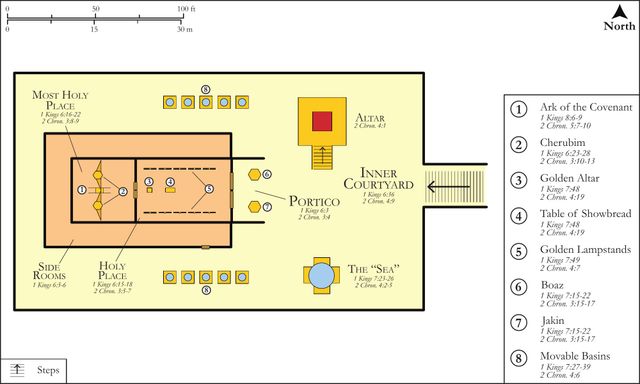
This verse serves as the powerful culmination of the Temple's dedication narrative, immediately following the installation of the ark of the covenant into the Most Holy Place, as detailed in 2 Chronicles 5:7-10. The preceding verses meticulously describe the purification and preparation of the priests and Levites, emphasizing their readiness for this sacred service. The narrative highlights the precise organization of the Levites, who were designated as musicians, dressed in fine linen, and strategically positioned with cymbals, harps, and lyres, alongside 120 trumpeters from the priestly lineage, as recounted in 2 Chronicles 5:12. This meticulous detail underscores the intentionality, reverence, and scale surrounding the act of worship, setting the stage for the dramatic manifestation of God's glory in response to their unified praise. The filling of the Temple with the cloud is the divine affirmation of the entire construction and dedication process, validating Solomon's efforts and God's covenant faithfulness.
Historical & Cultural Context
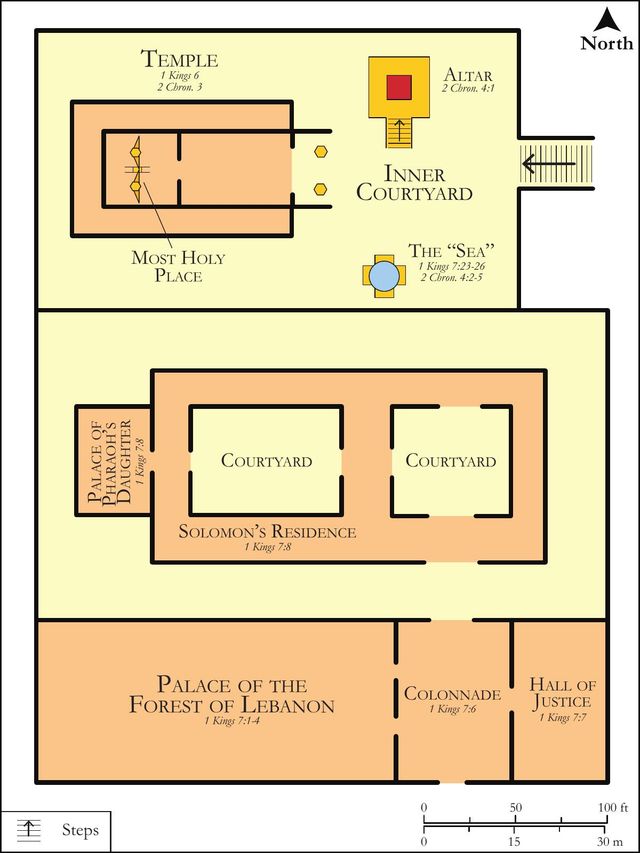
The dedication of Solomon's Temple marked a monumental epoch in Israelite history, fulfilling King David's fervent vision for a permanent dwelling place for the LORD in Jerusalem, as promised in 2 Samuel 7:12-13. This event solidified Jerusalem's status as the religious and political capital of the united monarchy. The Temple itself was a marvel of ancient architecture, constructed over seven years with immense resources and skilled craftsmanship, symbolizing Israel's national identity and unique covenant relationship with God. Music played a central and highly organized role in Israelite worship, particularly within the Temple cult, with specific roles assigned to the Levites as hereditary musicians and singers. The use of trumpets, cymbals, and other instruments was customary in grand ceremonial occasions, designed to create an atmosphere of awe and reverence, amplifying the collective voice of the people in praise. The concept of God's presence filling a sanctuary was not new, echoing the cloud that filled the Tabernacle at its dedication in the wilderness, as described in Exodus 40:34-35.
Key Themes
ShowHideThe passage powerfully articulates several foundational themes. Unity in worship is paramount, emphasized by the phrase "as one, to make one sound," illustrating spiritual and musical harmony as a prerequisite for profound divine encounter. This collective purpose signifies a unified heart directed entirely towards God, demonstrating that corporate worship, when offered in genuine accord, is profoundly pleasing to the LORD. Praise and thanksgiving form the core of their expression, centered on the ancient, enduring creed: "For he is good; for his mercy endureth for ever." This declaration, frequently found in the Psalms (e.g., Psalm 100:5), articulates Israel's foundational understanding of God's unchanging character—His inherent goodness and His steadfast, covenantal lovingkindness (hesed). Finally, the divine presence, specifically the Shekinah glory symbolized by the cloud, is the unmistakable sign of God's acceptance and indwelling. This tangible manifestation of God's glory, so overwhelming that the priests could not stand to minister (2 Chronicles 5:14), echoes earlier divine encounters and signifies that God had indeed taken up residence among His people in their newly consecrated sanctuary, affirming His covenant promises.
Exposition and Analysis
ShowHideKey Word Analysis
ShowHideProperly, united, i.e., one. In this context, it emphasizes absolute unity and singularity of purpose among the diverse group of musicians and singers. It speaks not merely to musical harmony but to a spiritual alignment, a collective heart and voice directed entirely towards God. This unity is presented as a prerequisite or catalyst for the dramatic divine manifestation that follows.
Good in the widest sense. Here, it refers to God's inherent nature and character, encompassing His benevolence, righteousness, and perfection. When the people declare "For he is good," they are affirming His essential moral and relational excellence, acknowledging that everything He is and does flows from His perfect nature.
Kindness; by implication (towards God) piety. This is the rich Hebrew term hesed, often translated as "lovingkindness," "steadfast love," or "covenant faithfulness." It denotes God's loyal, enduring, and compassionate commitment to His covenant people. It's not just pity, but an active, unwavering love that upholds His promises and demonstrates His faithfulness through generations. The declaration that His hesed "endureth for ever" underscores its eternal, unchanging nature.
To fill or (intransitively) be full of, in a wide application (literally and figuratively). This word emphasizes the complete saturation and overwhelming nature of God's presence within the Temple. It signifies that the divine glory was not just present, but it permeated every part of the structure, making it impossible for human activity to continue in its immediate presence.
A cloud (as covering the sky), i.e., the nimbus or thunder-cloud. In this context, the cloud is the visible, tangible manifestation of God's Shekinah glory, signifying His immediate and overwhelming presence. It serves as a physical sign of God's acceptance and indwelling, echoing previous divine encounters.
A house (in the greatest variation of applications, especially family, etc.). Here, it refers specifically to the Temple, the physical structure built for God's dwelling. The repetition of "the house...even the house of the LORD" emphasizes that the divine presence completely permeated the newly consecrated Temple, affirming God's acceptance of it as His dwelling place and validating the entire dedication ceremony.
Verse Breakdown
ShowHide"It came even to pass, as the trumpeters and singers [were] as one, to make one sound to be heard in praising and thanking the LORD;"
This opening clause sets the stage for the divine manifestation, highlighting the extraordinary unity and singular focus of the worship leaders. The phrase "as one, to make one sound" is a powerful descriptor of their collective spiritual and musical harmony. Their purpose was explicitly "praising and thanking the LORD," indicating that their worship was intentional, directed, and centered on God's character and actions, a prerequisite for the glory to follow.
"and when they lifted up [their] voice with the trumpets and cymbals and instruments of musick, and praised the LORD, [saying], For [he is] good; for his mercy [endureth] for ever:"
This section details the specific elements of their worship: fervent vocal praise ("lifted up their voice") combined with a full orchestra of instruments ("trumpets and cymbals and instruments of musick"). The content of their praise is explicitly stated as a foundational creed of Israel: "For he is good; for his mercy endureth for ever." This declaration, a litany often repeated in Temple worship (e.g., Psalm 136), serves as the theological bedrock of their adoration, grounding their praise in the eternal, unchanging attributes of God.
"that [then] the house was filled with a cloud, [even] the house of the LORD;"
This is the climactic and awe-inspiring consequence of their unified and heartfelt worship. The "cloud" is the visible, tangible manifestation of God's Shekinah glory, signifying His immediate, overwhelming, and sanctifying presence. The emphatic repetition "the house...even the house of the LORD" underscores that the divine presence completely permeated the newly consecrated Temple, affirming God's acceptance of it as His dwelling place and validating the entire dedication ceremony.
Literary Devices
ShowHide2 Chronicles 5:13 is rich with Repetition and Symbolism. The phrase "as one, to make one sound" is a powerful instance of repetition, emphasizing the profound unity and singular purpose of the worshipers. This is further reinforced by the repeated declaration, "For he is good; for his mercy endureth for ever," a liturgical refrain that underscores the unchanging nature of God's character and the enduring truth of His covenantal love. The entire scene is steeped in Symbolism. The musical instruments—trumpets, cymbals, and other instruments of music—symbolize the full and joyful expression of human praise, offered with skill and devotion. The "cloud" is the most potent symbol, representing the Shekinah glory, the visible manifestation of God's presence and acceptance. Its filling of the Temple symbolizes God's tangible indwelling among His people, mirroring the cloud that filled the Tabernacle in the wilderness. The Temple itself is a central symbol, representing God's chosen dwelling place on earth and the center of Israelite worship and national identity. The verse also employs Climax, building from the meticulously organized and unified worship to the overwhelming, tangible manifestation of God's glory, creating a dramatic and awe-inspiring narrative peak.
Theological and Thematic Connections
ShowHideThis pivotal verse profoundly illustrates the dynamic relationship between human worship and divine response. It teaches that when God's people unite in sincere praise and thanksgiving, focusing on His inherent goodness and eternal faithfulness, His presence is powerfully manifested. The filling of the Temple with the cloud is not merely a historical event but a profound theological statement: God delights to dwell among His people, and genuine, unified worship creates an atmosphere conducive to experiencing His palpable presence. This passage establishes a pattern for corporate worship, emphasizing that a collective heart, voice, and purpose in adoration can invite a unique outpouring of God's glory, transforming the worship space into a sanctuary filled with His divine reality. It highlights the enduring truth that God's character—His goodness and steadfast mercy—is the unchanging foundation for all true worship, inviting His glorious presence.
Reflection and Application
ShowHide2 Chronicles 5:13 offers profound and timeless lessons for believers today, challenging us to consider the quality and unity of our corporate worship. When we gather, are we truly "as one," laying aside personal preferences, divisions, and distractions to make "one sound" in praising and thanking the LORD? This unity is not merely about musical harmony or synchronized movements, but about a spiritual alignment—a shared heart and mind wholly focused on God's glory. Our praise should be deeply rooted in the unchanging truth of God's character: His inherent goodness and His enduring, covenantal mercy, which are the bedrock of our faith. When our worship is authentic, unified, and centered on who God is, it creates an environment where His presence can be powerfully manifested, just as the cloud filled the Temple. This passage encourages us to pursue a deeper, more intentional, and unified corporate worship experience, trusting that God delights to meet us when we honor Him with our whole hearts. It reminds us that the ultimate goal of worship is not merely an emotional experience or a performance, but an encounter with the living God, inviting His transformative presence into our lives and gatherings, leading to renewed awe and spiritual vitality.
Questions for Reflection
ShowHideFAQ
ShowHideWhat is the significance of the "cloud" filling the Temple?
ShowHideThe cloud filling the Temple in 2 Chronicles 5:13 is a powerful symbol of God's Shekinah glory, His tangible, visible presence. It echoes similar manifestations at the dedication of the Tabernacle in Exodus 40:34-35 and at Mount Sinai (Exodus 24:15-18). This cloud signified God's acceptance of the Temple as His dwelling place, His approval of the worship offered, and His commitment to be present among His people. It was an overwhelming, holy presence that even prevented the priests from ministering (2 Chronicles 5:14).
Why is the phrase "as one, to make one sound" so important?
ShowHideThis phrase highlights the critical role of unity in worship. It's not just about musical harmony, but about spiritual accord and a collective heart among the worshipers. When the trumpeters and singers were "as one," it signified a singular purpose and devotion to God, transcending individual differences and personal agendas. This unified offering of praise and thanksgiving was the catalyst for the powerful manifestation of God's presence. It suggests that corporate worship, when truly unified in spirit and purpose, holds a special power to invite and honor the divine, creating an environment where God's glory can be revealed.
How does this event relate to Christian worship today?
ShowHide2 Chronicles 5:13 provides a timeless model and aspiration for Christian worship. It underscores that God delights in unified praise that is centered on His character ("He is good; His mercy endures forever"). While we no longer worship in a physical Temple filled with a visible cloud, the New Testament teaches that believers are now the Temple of the Holy Spirit (1 Corinthians 3:16) and that God dwells among His gathered people (Matthew 18:20). Therefore, when Christians worship together in unity, focusing on Christ and His redemptive work, the presence of God's Spirit is real and active, bringing conviction, comfort, and transformation, making our gatherings places where God's glory is truly experienced.
Christ-Centered Fulfillment
ShowHideThe dedication of Solomon's Temple and the filling of it with God's glory in 2 Chronicles 5:13 finds its ultimate and infinitely greater fulfillment in the person and work of Jesus Christ. The physical Temple, magnificent as it was, served as a shadow and a pointer to the true dwelling place of God. Jesus Himself declared that He was the ultimate Temple, stating, "Destroy this temple, and in three days I will raise it up," referring to His own body (John 2:19-21). In Christ, God's presence is not confined to a building made with human hands but is fully and perfectly embodied in a divine person. Furthermore, through Christ's atoning work on the cross and His resurrection, believers are reconciled to God and become the "temple of the Holy Spirit" individually (1 Corinthians 6:19) and are built together into a spiritual house for God's dwelling by the Spirit, with Christ Jesus Himself as the cornerstone (Ephesians 2:20-22). The unified praise in 2 Chronicles 5:13 foreshadows the unified worship of the redeemed from every tribe, tongue, people, and nation, gathered eternally around the Lamb, declaring His worthiness and the unending goodness and mercy of God (Revelation 5:9-14). The cloud of glory, once filling a physical building, now indwells the corporate body of Christ, the Church, and empowers individual believers, making the promise of God's intimate presence profoundly personal and universally accessible through the New Covenant established in Jesus' blood (Hebrews 8:6-13).