


2 Chronicles 36:10
Bible text: King James Version (1769 Blayney text) · Public domain
Bible text: King James Version with Strong's numbers · Public domain
Bible text: Berean Standard Bible · Public domain
Bible text: American Standard Version (1901) · Public domain
Bible text: World English Bible, Messianic edition · Public domain
Bible text: Geneva Bible (1599) · Public domain
Bible text: Young's Literal Translation · Public domain
- וְלִתְשׁוּבַתve·lit·shu·Vatand to [the] return ofH8666Conj-w ¦ Prep-l ¦ N-fscNoun Singular Feminine Constructוְandלִtoתְשׁוּבַת[the] return of
- הַשָּׁנָהha·sha·Nahthe yearH8141Art ¦ N-fsNoun Singular Feminine Absoluteהַtheשָּׁנָהyear
- שָׁלַחsha·Lachhe sentH7971V-Qal-Perf-3msVerb Qal Perfect 3rd Singular Masculine
- הַמֶּלֶךְha·Me·lekhthe kingH4428Art ¦ N-msNoun Singular Masculine Absoluteהַtheמֶּלֶךְking
- נְבוּכַדְנֶאצַּרne·vu·khad·ne·TzarNebuchadnezzarH5019N-proper-mNoun Proper Masculine
- וַיְבִאֵהוּvay·vi·'E·huand he brought himH935Conj-w ¦ V-Hiphil-ConsecImperf-3ms ¦ 3msVerb Hiphil Consecutive Imperfect 3rd Singular Masculineוַandיְבִאֵhe broughtהוּhim
- בָבֶלָהva·Ve·lahBabylon towardsH894N-proper ¦ SfxNoun Proper LocationבָבֶלָBabylonהtowards
- עִם'imwithH5973PrepPreposition
- כְּלֵיke·Lei[the] articles ofH3627N-mpcNoun Plural Masculine Construct
- חֶמְדַּתchem·Datpreciousness ofH2532N-fscNoun Singular Feminine Construct
- בֵּיתbeit[the] house ofH1004N-mscNoun Singular Masculine Construct
- יְהוָהYah·wehYahwehH3068N-properNoun Proper Title
- וַיַּמְלֵךְvai·yam·leKhand he made kingH4427Conj-w ¦ V-Hiphil-ConsecImperf-3msVerb Hiphil Consecutive Imperfect 3rd Singular Masculineוַandיַּמְלֵךְhe made king
- אֶת'et<obj.>H853DirObjMParticle Object Indicator
- צִדְקִיָּהוּtzid·ki·Ya·huZedekiahH6667N-proper-mNoun Proper Masculine
- אָחִיו'a·Chivhis relativeH251N-msc ¦ 3msNoun Singular Masculine Constructאָחִיrelativeוhis
- עַל'aloverH5921PrepPreposition
- יְהוּדָהye·hu·DahJudahH3063N-properNoun Proper Location
- וִירוּשָׁלִָםVi·ru·sha·Limand JerusalemH3389Conj-w ¦ N-properNoun Proper LocationוִandירוּשָׁלִָםJerusalem
English is a literal word-by-word gloss of the Hebrew, not the KJV's wording. Why?
This is the original text the KJV's translators worked from — each Hebrew word with its own literal English meaning in this verse, prepared by scholars at Tyndale House, Cambridge. The KJV translates whole sentences, not word by word, so its wording differs: one Hebrew word can become several English words, and the KJV may choose “the LORD” where the gloss reads “Yahweh”. Both are faithful — they answer different questions. For the KJV's own rendering, switch to the KJV text.
Details
See on the biblical-era maps
Study this verse
Public-domain commentary
Matthew Henry
From his Commentary on the Whole Bible. Henry comments on passages, not single verses — this entry covers 2 Chronicles 36:1–10.
The destruction of Judah and Jerusalem is here coming on by degrees. God so ordered it to show that he has no pleasure in the ruin of sinners, but had rather they would turn and live, and therefore gives them both time and inducement to repent and waits to be gracious. The history of these reigns was more largely recorded in the last three chapters of the second of Kings. 1. Jehoahaz was set up by the people (Ch2 36:1), but in one quarter of a year was deposed by Pharaoh-necho, and carried a prisoner to Egypt, and the land fined for setting him up, Ch2 36:2-4. Of this young prince we hear no more. Had he trodden in the steps of his father's piety he might have reigned long and prospered; but we are told in the Kings that he did evil in the sight of the Lord, and therefore his triumphing was short and his joy but for a moment. 2. Jehoiakim was set up by the king of Egypt, an old enemy to their land, gave what king he pleased to the kingdom and what name he pleased to the king! Ch2 36:4. He made Eliakim king, and called him Jehoiakim, in token of his authority over him. Jehoiakim did that which was evil (Ch2 36:5), nay, we read of the abominations which he did (Ch2 36:8); he was very wild and wicked. Idolatries generally go under the name of abominations. We hear no more of the king of Egypt, but the king of Babylon came up against him (Ch2 36:6), seized him, and bound him with a design to carry him to Babylon; but, it seems, he either changed his mind, and suffered him to reign as his vassal, or death released the prisoner before he was carried away. However the best and most valuable vessels of the temple were now carried away and made use of in Nebuchadnezzar's temple in Babylon (Ch2 36:7); for, we may suppose, no temple in the world was so richly furnished as that of Jerusalem. The sin of Judah was that they had brought the idols of the heathen into God's temple; and now their punishment was that the vessels of the temple were carried away to the service of the gods of the nations. If men will profane God's institutions by their sins, it is just with God to suffer them to be profaned by their enemies. These were the vessels which the false prophets flattered the people with hopes of the return of, Jer 27:16. But Jeremiah told them that the rest should go after them (Jer 27:21, Jer 27:22), and they did so. But, as the carrying away of these vessels to Babylon began the calamity of Jerusalem, so Belshazzar's daring profanation of them there filled the measure of the iniquity of Babylon; for, when he drank wine in them to the honour of his gods, the handwriting on the wall presented him with his doom, Dan 5:3, etc. In the reference to the book of the Kings concerning this Jehoiakim mention is made of that which was found in him (Ch2 36:8), which seems to be meant of the treachery that was found in him towards the king of Babylon; but some of the Jewish writers understand it of certain private marks or signatures found in his dead body, in honour of his idol, such cuttings as God had forbidden, Lev 19:28. 3. Jehoiachin, or Jeconiah, the son of Jehoiakim, attempted to reign in his stead, and reigned long enough to show his evil inclination; but, after three months and ten days, the king of Babylon sent and fetched him away captive, with more of the goodly vessels of the temple. He is here said to be eight years old, but in Kings he is said to be eighteen when he began to reign, so that this seems to be a mistake of the transcriber, unless we suppose that his father took him at eight years old to join with him in the government, as some think.
Continue studying 2 Chronicles 36:10 across the web’s major study libraries — every link below opens this exact verse, chapter, or book on the destination site.
Read & Compare
 BibleGatewayThis verse in more than 200 translations and 70 languages.
 Bible.comThe YouVersion reader — hundreds of translations, reading plans, and highlights.
 ESV.orgCrossway's official English Standard Version reader.
 NET BibleThe NET translation with 60,000+ translators' notes on every rendering decision.
 STEP BibleTyndale House's free study tool — original text, vocabulary, and scholarly resources.
 BibliaLogos Bible Software's free web reader.
 USCCBThe New American Bible (Revised Edition) with the U.S. bishops' study notes.
Commentaries
 BibleHub CommentariesDozens of classic commentaries on this verse, gathered on one page.
 StudyLightMore than 100 commentary sets — the largest collection on the web.
 BibleRefPlain-English commentary on what this verse means, verse by verse.
 Enduring WordDavid Guzik's free commentary on this chapter, widely used by Bible teachers.
 Bible Study ToolsVerse commentary alongside Greek and Hebrew study aids.
Original Language & Research
- BibleHub InterlinearThe verse word by word — original language, transliteration, and English.
- BibleHub LexiconEvery word's original-language definition and Strong's entry.
 Blue Letter BibleDeep-study tools — Strong's numbers, concordance, and word studies.
 SefariaThe Hebrew text with Rashi and centuries of Jewish commentary.
Sermons, Hymns & Audio


TrulyRandomVerse is not affiliated with these sites and doesn’t control their content. They’re linked because they’re genuinely useful.
Summary
2 Chronicles 36:10 marks a pivotal moment in the tragic final decline of the Kingdom of Judah, chronicling the second major deportation of its people and sacred Temple treasures to Babylon. Following the brief and wicked reign of King Jehoiachin, the formidable King Nebuchadnezzar of Babylon asserted his absolute dominance by exiling the young monarch and systematically stripping the House of the LORD of its precious vessels. This act of subjugation culminated in the installation of Zedekiah, Jehoiachin's uncle, as a puppet king over Judah and Jerusalem, signifying a profound loss of national sovereignty and a direct consequence of Judah's persistent and unrepentant unfaithfulness to its covenant with God.
CONTEXT
ShowHideLiterary Context: This verse immediately follows the account of King Jehoiachin's incredibly brief and wicked reign, which lasted only three months and ten days, as detailed in 2 Chronicles 36:9. It serves as a direct continuation of the Chronicler's overarching narrative, which meticulously traces the escalating divine judgment upon Judah due to their entrenched idolatry, moral decay, and consistent rejection of God's prophetic warnings. The deportation of Jehoiachin, the plundering of the Temple vessels, and the subsequent installation of Zedekiah are not isolated incidents but crucial steps that inexorably lead to the final, catastrophic destruction of Jerusalem and the Temple, vividly described in the subsequent verses of 2 Chronicles 36. This sequence powerfully underscores the Chronicler's theological emphasis on the absolute necessity of covenant faithfulness and the severe, unavoidable consequences of apostasy.
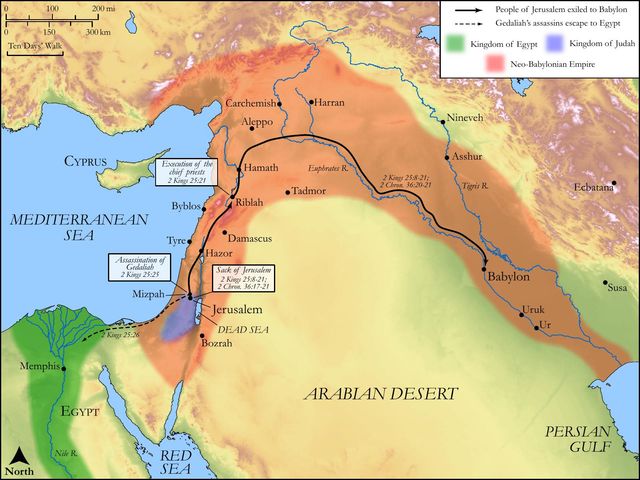
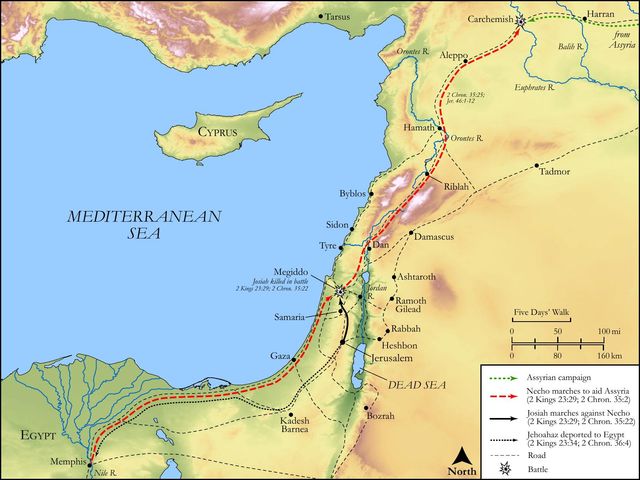
Historical & Cultural Context: The events of 2 Chronicles 36:10 are situated firmly within the geopolitical landscape of the burgeoning Neo-Babylonian Empire under the formidable leadership of King Nebuchadnezzar II, who was at the zenith of his imperial power. After his decisive victory over Egypt at the Battle of Carchemish in 605 BC, Nebuchadnezzar systematically began to consolidate his control over the strategically vital Levant region. The first significant Babylonian deportation, which included prominent figures like Daniel, occurred in 605 BC, as recorded in Daniel 1:1-2. This second deportation in 597 BC, involving King Jehoiachin and the sacred Temple treasures, represented a calculated and strategic move by Nebuchadnezzar to decisively quell any lingering potential for rebellion and to firmly establish Babylonian dominion over Judah. Mass deportations were a common and effective imperial strategy of the Assyrians and Babylonians, employed to break the national spirit of conquered peoples, prevent future uprisings, and integrate skilled populations into the empire's workforce. The removal of sacred vessels, in particular, served as a potent symbolic act, publicly demonstrating the conqueror's perceived superiority over the conquered nation's deity and undermining their religious and national identity.
Key Themes:
Exposition and Analysis
ShowHideKey Word Analysis
ShowHideThe KJV translation "expired" for the Hebrew term tᵉshûwbâh' (תְּשׁוּבָה, H8666) refers to a "recurrence" or "return" of time, specifically denoting the "turn of the year." This phrase typically points to the spring season (March-April), which was the customary and strategic time for kings and armies to commence military campaigns after the winter rains, "the time when kings go forth to battle." Thus, it signifies Nebuchadnezzar's active, deliberate, and strategically timed reassertion of control over Judah, indicating a renewed phase of Babylonian dominance rather than merely a passive passage of time.
The term "vessels" (כְּלִי, kᵉlîy', H3627) refers to "something prepared," encompassing any apparatus, implement, utensil, or article. When modified by "goodly" (חֶמְדָּה, chemdâh, H2532, meaning "delight" or "precious"), it specifically designates the highly valued, sacred utensils, implements, and furnishings used in the worship and service of the LORD within the Temple in Jerusalem. Their removal was not merely an act of material plunder but a profound symbolic desecration, representing the stripping away of Judah's spiritual and national glory, the violation of God's dwelling place, and a public declaration of Babylon's perceived triumph over the God of Israel.
While Zedekiah was Jehoiachin's uncle by blood (specifically, the brother of Jehoiachin's father, Jehoiakim, as explicitly stated in 2 Kings 24:17), the Hebrew term ʼâch' (אָח, H251), translated "brother," often functioned as a broader term in Hebrew usage. It could refer to a kinsman, a close relative, or even an ally. This usage in 2 Chronicles 36:10 emphasizes the familial continuity within the Davidic royal line, even though the succession was now entirely dictated and controlled by the Babylonian overlord, powerfully underscoring Judah's complete and humiliating loss of national autonomy.
Verse Breakdown
ShowHide"And when the year was expired"
This opening phrase precisely establishes the temporal setting for the significant event, indicating the arrival of spring, which was the traditional and strategic season for military campaigns among the kings of that day. It highlights the deliberate and calculated timing of Nebuchadnezzar's actions, signaling a renewed and forceful phase of Babylonian imperial dominance over Judah.
"king Nebuchadnezzar sent, and brought him to Babylon"
This clause vividly details the direct, decisive, and forceful intervention of the Babylonian monarch. The pronoun "him" refers to King Jehoiachin, who had reigned for a mere three months. This act signifies the second major wave of the Babylonian exile, unequivocally reinforcing the complete loss of Judah's sovereignty and the unfolding fulfillment of numerous prophetic warnings regarding their impending captivity.
"with the goodly vessels of the house of the LORD"
This specifies the additional, highly significant spoils taken by Nebuchadnezzar – the sacred and precious articles from the Temple in Jerusalem. This act was a deliberate and profound desecration of God's sanctuary, symbolizing the diminishing glory of Jerusalem and the inevitable destruction of the Temple itself, a direct and severe consequence of Judah's persistent and unrepentant unfaithfulness to God.
"and made Zedekiah his brother king over Judah and Jerusalem"
This final clause reveals Nebuchadnezzar's strategic and calculated move to install a puppet king, Zedekiah (Jehoiachin's uncle), thereby ensuring absolute Babylonian control over Judah. This demonstrates the complete subjugation of the Davidic monarchy, as the choice of king was no longer God's prerogative or Judah's own, but entirely at the discretion and command of the foreign imperial power.
Literary Devices
ShowHideThe Chronicler masterfully employs Foreshadowing in the chilling detail of the removal of the "goodly vessels." This act is not merely plunder; it powerfully anticipates and serves as a symbolic prelude to the complete and utter destruction of the Temple and the city of Jerusalem that would tragically occur under Zedekiah's subsequent reign. A profound sense of Irony permeates the narrative, as the sovereign God, through the agency of a pagan king like Nebuchadnezzar, executes His righteous judgment upon His own chosen people and the very Temple dedicated to His name. This highlights God's absolute and mysterious control, even over those who do not acknowledge Him. Furthermore, the "goodly vessels" themselves function as potent Symbolism, representing not merely material wealth or religious artifacts, but the sacred presence of God among His people and the tangible expression of the covenant relationship. Their removal signifies the breaking of that covenant by Judah's persistent sin and the tragic withdrawal of divine favor.
Theological and Thematic Connections
ShowHideThis verse powerfully portrays the severe consequences of covenant unfaithfulness and the inexorable outworking of divine judgment. It unequivocally underscores God's absolute sovereignty, demonstrating that even powerful pagan rulers are ultimately instruments in His hands, whether to accomplish His purposes of judgment or to pave the way for future restoration. The repeated plundering of the Temple highlights the diminishing glory and spiritual vitality of a people who had systematically forsaken their God, serving as a stark and enduring reminder that outward religious forms and rituals without genuine inward devotion and obedience are ultimately meaningless in God's sight. The exile, though a period of immense suffering, was a severe but necessary divine discipline, intended to purify a rebellious people, humble them, and prepare them for a future return and a renewed covenant relationship, ultimately pointing to God's enduring faithfulness even in the midst of His righteous judgment.
Reflection and Application
ShowHide2 Chronicles 36:10 serves as a profound historical and spiritual warning for all generations. It reminds us with stark clarity that persistent rebellion against God's revealed will and His covenant commands inevitably leads to severe and often painful consequences, both for individuals and for communities. Judah's exile was not an arbitrary act of divine wrath but the culmination of centuries of deep-seated idolatry, pervasive oppression, and an obstinate rejection of repeated prophetic warnings. For believers today, this passage calls for a sober and honest self-examination: are we truly heeding God's Word and aligning our lives with His will, or are we allowing spiritual complacency, worldly compromises, or subtle forms of idolatry to gradually erode our faithfulness and devotion? Paradoxically, this verse also offers a profound comfort: even in the midst of profound judgment, national catastrophe, and deep suffering, God remains absolutely sovereign. His hand is perpetually at work, even through seemingly chaotic, hostile, or inexplicable circumstances, meticulously orchestrating events for His ultimate redemptive purposes. This overarching perspective encourages unwavering trust, resilient hope, and steadfast perseverance, knowing that God's justice is always perfect and His grand redemptive plan is always unfolding, even through the most difficult and darkest seasons of life.
Questions for Reflection
ShowHideFAQ
ShowHideWhy is Zedekiah called Jehoiachin's "brother" when he was actually his uncle?
ShowHideThe Hebrew word for "brother" ('āḥ, H251) was often used more broadly than our modern understanding of a sibling. It could refer to a kinsman, a close relative, or even an ally. In this specific case, Zedekiah was indeed Jehoiachin's uncle, being the brother of Jehoiachin's father, Jehoiakim (as explicitly confirmed in 2 Kings 24:17). The use of "brother" here emphasizes the familial connection within the Davidic royal line, even as the succession was no longer by divine or national choice but was dictated and imposed by the foreign Babylonian king, Nebuchadnezzar.
What was the profound significance of taking the "goodly vessels" from the Temple?
ShowHideThe "goodly vessels" (H3627, H2532) were the sacred articles, implements, and furnishings used in the worship and service of the Lord within the Temple in Jerusalem. Their removal was far more than mere plunder for material gain; it carried profound symbolic and theological weight. It represented a deliberate desecration of God's dwelling place, the stripping away of Judah's spiritual glory, and a public demonstration of Babylon's perceived dominance not only over Judah but also over Judah's God. This act was a direct and severe consequence of Judah's persistent idolatry and unfaithfulness, serving as a stark and chilling foreshadowing of the Temple's ultimate and complete destruction, which would tragically occur during Zedekiah's reign.
Christ-Centered Fulfillment
ShowHideThe somber account of 2 Chronicles 36:10, detailing the ignominious exile of Judah's king and the systematic plundering of the sacred Temple, finds its ultimate resolution and glorious reversal in the person and work of Jesus Christ. Where Judah's kings repeatedly failed, leading their people into spiritual and physical captivity, Christ is the true King of kings, whose reign is eternal, perfectly righteous, and whose kingdom can never be overthrown, exiled, or plundered (Luke 1:33). The "goodly vessels" of the Old Testament Temple, which were susceptible to plunder, desecration, and destruction, pointed forward to a greater, indestructible reality: Christ Himself is the ultimate Temple, the perfect dwelling place of God among humanity. His body was indeed "destroyed" on the cross, but it was gloriously raised on the third day, thereby inaugurating a new and indestructible spiritual reality, a new covenant. Through His perfect sacrifice, Christ definitively takes away the sin that led to Israel's exile, offering true and eternal liberation from spiritual bondage and the dominion of sin (John 8:36). He gathers His people not into a physical land or a material temple, but into His own body, the Church, where the very presence of God dwells not in material vessels but in the hearts of believers by the indwelling Holy Spirit. Thus, the judgment, loss, and apparent defeat depicted in 2 Chronicles 36:10 ultimately serve to highlight the profound grace, sovereign triumph, and everlasting hope found in Christ, who perfectly fulfills the covenant and establishes an everlasting kingdom that will never be shaken.