


1 Kings 10:28
- וּמוֹצָאu·mo·Tza'and [the] export ofH4161Conj-w ¦ N-mscNoun Singular Masculine Constructוּandמוֹצָא[the] export of
- הַסּוּסִיםha·su·Simthe horsesH5483Art ¦ N-mpNoun Plural Masculine Absoluteהַtheסּוּסִיםhorses
- אֲשֶׁר'a·SherwhichH834RelParticle Relative
- לִשְׁלֹמֹהlish·lo·Moh[belonged] to SolomonH8010Prep-l ¦ N-proper-mNoun Proper Masculineלִ[belonged] toשְׁלֹמֹהSolomon
- מִמִּצְרָיִםmi·mitz·Ra·yim[was] from EgyptH4714Prep-m ¦ N-properNoun Proper Locationמִ[was] fromמִּצְרָיִםEgypt
- וּמִקְוֵהu·mik·Vehand from QueH4723Conj-w ¦ Prep-m ¦ N-mscNoun Singular Masculine ConstructוּandמִfromקְוֵהQue
- סֹחֲרֵיso·cha·Rei[the] traders ofH5503V-Qal-Prtcpl-mpVerb Qal Participle Plural Masculine Construct
- הַמֶּלֶךְha·Me·lekhthe kingH4428Art ¦ N-msNoun Singular Masculine Absoluteהַtheמֶּלֶךְking
- יִקְחוּyik·Chuthey took [them]H3947V-Qal-Imperf-3mpVerb Qal Imperfect 3rd Plural Masculine
- מִקְוֵהmik·Vehfrom QueH4723Prep-m ¦ N-mscNoun Singular Masculine ConstructמִfromקְוֵהQue
- בִּמְחִירbim·Chirfor a priceH4242Prep-b ¦ N-msNoun Singular Masculine Absoluteבִּforמְחִירa price
English is a literal word-by-word gloss of the Hebrew, not the KJV's wording. Why?
This is the original text the KJV's translators worked from — each Hebrew word with its own literal English meaning in this verse, prepared by scholars at Tyndale House, Cambridge. The KJV translates whole sentences, not word by word, so its wording differs: one Hebrew word can become several English words, and the KJV may choose “the LORD” where the gloss reads “Yahweh”. Both are faithful — they answer different questions. For the KJV's own rendering, switch to the KJV text.
Details
See on the biblical-era map
Study this verse
Public-domain commentary
Matthew Henry
From his Commentary on the Whole Bible. Henry comments on passages, not single verses — this entry covers 1 Kings 10:14–29. His three-level outline is real structure in the source text, so it is rendered as structure.
We have here a further account of Solomon's prosperity.
I.How he increased his wealth.
Though he had much, he still coveted to have more, being willing to try the utmost the things of this world could do to make men happy.
1.Besides the gold that came from Ophir (Kg1 9:28), he brought so much into his country from other places that the whole amounted, every year, to 666 talents (Kg1 10:14), an ominous number, compare Rev 13:18, and Ezr 2:13.
2.He received a great deal in customs from the merchants, and in land-taxes from the countries his father had conquered and made tributaries to Israel, Kg1 10:15.
3.He was Hiram's partner in a Tharshish fleet, of and for Tyre, which imported once in three years, not only gold, and silver, and ivory, substantial goods and serviceable, but apes to play with and peacocks to please the eye with their feathers, Kg1 10:22. I wish this may not be an evidence that Solomon and his people, being overcharged with prosperity, by this time grew childish and wanton.
4.He had presents made him, every year, from the neighbouring princes and great men, to engage the continuance of his friendship, not so much because they feared him or were jealous of him as because they loved him and admired his wisdom, had often occasion to consult him as an oracle, and sent him these presents by way of recompence for his advice in politics, and (whether it became his grandeur and generosity or no we will not enquire) he took all that came, even garments and spices, horses and mules, Kg1 10:24, Kg1 10:25.
5.He traded to Egypt for horses and linen-yarn (or, as some read it, linen-cloth), the staple commodities of that country, and had his own merchants or factors whom he employed in this traffic and who were accountable to him, Kg1 10:28, Kg1 10:28. The custom to be paid to the king of Egypt for exported chariots and horses out of Egypt was very high, but (as bishop Patrick understands it) Solomon, having married his daughter, got him to compound for the customs, so that he could bring them up cheaper than his neighbours, which obliged them to buy them of him, which he was wise enough no doubt to make his advantage of. This puts an honour upon the trading part of a nation, and sets a tradesman not so much below a gentleman as some place him, that Solomon, one of the greatest men that ever was, thought it no disparagement to him to deal in trade. In all labour there is profit.
II.What use he made of his wealth.
He did not hoard it up in his coffers, that he might have it to look upon and leave behind him. He has, in his Ecclesiastes, so much exposed the folly of hoarding that we cannot suppose he would himself be guilty of it. No, God that had given him riches, and wealth, and honour, gave him also power to eat thereof, and to take his portion, Ecc 5:19.
1.He laid out his gold in fine things for himself, which he might the better be allowed to do when he had before laid out so much in fine things for the house of God.
(1.)He made 200 targets, and 300 shields, of beaten gold (Kg1 10:16, Kg1 10:17), not for service, but for state, to be carried before him when he appeared in pomp. With us, magistrates have swords and maces carried before them, as the Romans had their rods and axes, in token of their power to correct and punish the bad, to whom they are to be a terror. But Solomon had shields and targets carried before him, to signify that he took more pleasure in using his power for the defence and protection of the good, to whom he would be a praise. Magistrates are shields of the earth.
(2.)He made a stately throne, on which he sat, to give laws to his subjects, audience to ambassadors, and judgment upon appeals, Kg1 10:18-20. It was made of ivory, or elephants' teeth, which was very rich; and yet, as if he had so much gold that he knew not what to do with it, he overlaid that with gold, the best gold. Yet some think he did not cover the ivory all over, but here and there. He rolled it, flowered it, or inlaid it, with gold. The stays or arms of this stately chair were supported by the images of lions in gold; so were the steps and paces by which he went up to it, to be a memorandum to him of that courage and resolution wherewith he ought to execute judgment, not fearing the face of man. The righteous, in that post, is bold as a lion.
(3.)He made all his drinking vessels, and all the furniture of his table, even at his country seat, of pure gold, Kg1 10:21. He did not grudge himself what he had, but took the credit and comfort of it, such as it was. That is good that does us good.
2.He made it circulate among his subjects, so that the kingdom was as rich as the king; for he had no separate interests of his own to consult, but sought the welfare of his people. Those princes are not governed by Solomon's maxims who think it policy to keep their subjects poor. Solomon was herein a type of Christ, who is not only rich himself, but enriches all that are his. Solomon was instrumental to bring so much gold into the country, and disperse it, that silver was nothing accounted of, Kg1 10:21. There was such plenty of it in Jerusalem that it was as the stones; and cedars, that used to be great rarities, were as common as sycamore trees, Kg1 10:27. Such is the nature of worldly wealth, plenty of it makes it the less valuable; much more should the enjoyment of spiritual riches lessen our esteem of all earthly possessions. If gold in abundance would make silver to seem so despicable, shall not wisdom, and grace, and the foretastes of heaven, which are far better than gold, make earthly wealth seem much more despicable?
Lastly, Well, thus rich, thus great, was Solomon, and thus did he exceed all the kings of the earth, Kg1 10:23. Now let us remember, 1. That this was he who, when he was setting out in the world, did not ask for the wealth and honour of it, but asked for a wise and understanding heart. The more moderate our desires are towards earthly things the better qualified we are for the enjoyment of them and the more likely to have them. See, in Solomon's greatness, the performance of God's promise (Kg1 3:13), and let it encourage us to seek first the righteousness of God's kingdom. 2. That this was he who, having tasted all these enjoyments, wrote a whole book to show the vanity of all worldly things and the vexation of spirit that attends them, their insufficiency to make us happy and the folly of setting our hearts upon them, and to recommend to us the practice of serious godliness, as that which is the whole of man, and will do infinitely more towards the making of us easy and happy than all the wealth and power that he was master of, and which, through the grace of God, is within our reach, when the thousandth part of Solomon's greatness is a thousand times more than we can ever be so vain as to promise ourselves in this world.
Continue studying 1 Kings 10:28 across the web’s major study libraries — every link below opens this exact verse, chapter, or book on the destination site.
Read & Compare
 BibleGatewayThis verse in more than 200 translations and 70 languages.
 Bible.comThe YouVersion reader — hundreds of translations, reading plans, and highlights.
 ESV.orgCrossway's official English Standard Version reader.
 NET BibleThe NET translation with 60,000+ translators' notes on every rendering decision.
 STEP BibleTyndale House's free study tool — original text, vocabulary, and scholarly resources.
 BibliaLogos Bible Software's free web reader.
 USCCBThe New American Bible (Revised Edition) with the U.S. bishops' study notes.
Commentaries
 BibleHub CommentariesDozens of classic commentaries on this verse, gathered on one page.
 StudyLightMore than 100 commentary sets — the largest collection on the web.
 BibleRefPlain-English commentary on what this verse means, verse by verse.
 Enduring WordDavid Guzik's free commentary on this chapter, widely used by Bible teachers.
 Bible Study ToolsVerse commentary alongside Greek and Hebrew study aids.
Original Language & Research
- BibleHub InterlinearThe verse word by word — original language, transliteration, and English.
- BibleHub LexiconEvery word's original-language definition and Strong's entry.
 Blue Letter BibleDeep-study tools — Strong's numbers, concordance, and word studies.
 SefariaThe Hebrew text with Rashi and centuries of Jewish commentary.
Sermons, Hymns & Audio


TrulyRandomVerse is not affiliated with these sites and doesn’t control their content. They’re linked because they’re genuinely useful.
Summary
1 Kings 10:28 provides a concise yet profound insight into the height of King Solomon's economic prosperity and international influence, specifically detailing his acquisition of horses and linen yarn from Egypt. This verse, embedded within a larger description of Solomon's unparalleled wealth and wisdom, illuminates the sophisticated state-controlled trade networks that underpinned his kingdom's opulence. While showcasing Israel's ascent as a regional power, it subtly introduces a critical theological tension, as the extensive import of horses from Egypt directly contravened a divine prohibition for Israelite kings, thereby foreshadowing Solomon's eventual spiritual decline and the tragic consequences for his reign.
Context
ShowHideLiterary Context
This verse is strategically placed within 1 Kings 10, a chapter dedicated to highlighting the zenith of Solomon's glory, wisdom, and immense wealth. It immediately follows the account of the Queen of Sheba's visit, an event that served to validate and amplify the widespread reports of Solomon's extraordinary reign, culminating in her declaration that "the half was not told me" (1 Kings 10:7). The chapter meticulously details his vast riches, including golden shields, an ivory throne overlaid with gold, and extensive trade in exotic animals and precious metals. Verse 28, therefore, functions as a specific illustration of the mechanisms and commodities that fueled this immense prosperity, providing a concrete example of the international commerce that enriched his kingdom. It also subtly sets the stage for the subsequent chapters that will narrate Solomon's gradual spiritual decline, partly due to the very excesses and foreign entanglements hinted at here.
Historical & Cultural Context
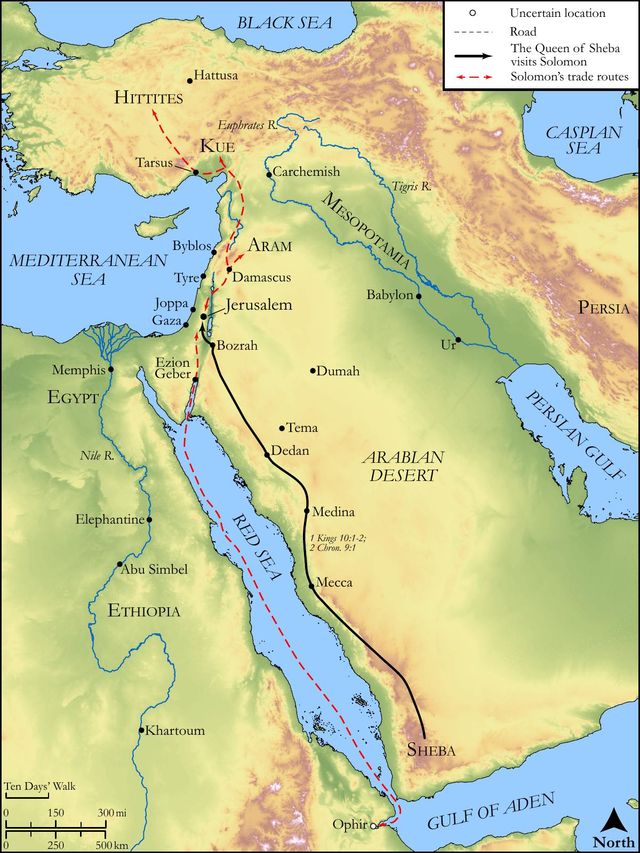
Ancient Egypt was a dominant power in the Near East, renowned for its military prowess, particularly its chariots and warhorses, and its production of high-quality linen. Horses were not native to Israel and had to be imported, making Egypt a primary, if not exclusive, source for such strategic assets. The acquisition of horses was not merely for military purposes but also a significant symbol of national prestige and royal power. Fine linen, a luxury commodity, further underscored the opulence of Solomon's court. The mention of "the king's merchants" highlights the state-controlled nature of this extensive trade, indicating a highly organized and centralized economy under royal authority. This trade route was complex, often involving intermediary regions like Cilicia (modern Turkey) for the acquisition of horses before their final destination in Egypt and then Israel, demonstrating a sophisticated network of commerce.
Key Themes
ShowHide1 Kings 10:28 contributes significantly to several overarching themes within the book of Kings and the broader Deuteronomistic History. Firstly, it powerfully illustrates Solomon's immense wealth and international influence, a direct manifestation of God's promise to bless him with riches and honor beyond any king before or after him (1 Kings 3:13). Secondly, it underscores the sophistication of his kingdom's economy and extensive trade networks, showcasing Israel's emergence as a formidable regional power. Most critically, however, the specific mention of acquiring horses from Egypt introduces the profound theme of potential disobedience and the dangers of worldly reliance. The Deuteronomic Law explicitly warned Israelite kings against multiplying horses for themselves, "lest he lead the people back to Egypt" (Deuteronomy 17:16). This verse, therefore, serves as a subtle yet potent foreshadowing of Solomon's eventual spiritual compromise and the tragic decline of his kingdom, which is fully detailed in 1 Kings 11.
Exposition and Analysis
ShowHideKey Word Analysis
ShowHideIn the ancient Near East, horses, especially those used for chariots and warfare, were potent symbols of military might, national prestige, and worldly power. Their extensive acquisition from Egypt by Solomon was particularly significant because it directly violated a specific divine command given to future Israelite kings in Deuteronomy 17:16. This prohibition was designed to prevent reliance on foreign military strength or a return to the conditions of bondage in Egypt, instead fostering absolute trust in God alone for security and deliverance. Solomon's accumulation of horses, though indicative of his power, thus subtly signals a deviation from divine instruction and a misplaced trust in human strength.
The Hebrew term miqveh (H4723) is complex, with its root meaning "a collection" or "something waited for." While the KJV translates it as "linen yarn" in this context, reflecting a long-standing interpretive tradition of Egyptian fine linen, the word can also refer to a "collection" or "drove" of horses, as seen in the Strong's definition. This ambiguity has led some scholars to suggest that the verse might imply a royal monopoly on the import of both horses and a specific "collection" or "string" of horses, rather than linen. However, the most widely accepted understanding, supported by the Septuagint and other ancient versions, is that it refers to a valuable commodity, likely high-quality linen thread or fabric, indicating the luxury goods involved in Solomon's extensive international trade.
The Hebrew word çâchar (H5503) refers to one who "travels round" or "trades," specifically a peddler or merchant. The phrase "the king's merchants" (סֹחֲרֵי הַמֶּלֶךְ) underscores that these extensive trade operations were not merely private enterprises but were state-controlled and managed directly by royal agents. This centralization of trade allowed Solomon to amass immense wealth and control strategic resources, reflecting a highly organized and sophisticated economic administration under his direct authority, functioning as a royal monopoly.
Verse Breakdown
ShowHide"And Solomon had horses brought out of Egypt"
This clause directly states Solomon's active and deliberate role in acquiring horses from Egypt. It highlights a large-scale operation, emphasizing the strategic importance of these animals for military strength and royal prestige in the ancient world. The explicit mention of Egypt as the source is crucial, immediately bringing to mind the Deuteronomic prohibition against such an accumulation.
"and linen yarn"
This phrase introduces another significant commodity in Solomon's trade, specifically high-quality linen. This indicates the breadth of his international commerce, encompassing not just military assets but also valuable luxury goods, further underscoring the opulence and economic reach of his kingdom.
"the king's merchants received the linen yarn at a price"
This final clause clarifies the mechanism of acquisition. It was not a tribute or a gift but a commercial transaction, managed by royal agents. The phrase "at a price" emphasizes the transactional nature and the highly organized economic system in place, where valuable goods were purchased and imported, contributing significantly to Solomon's vast treasury and demonstrating the financial power of his reign.
Literary Devices
ShowHideThe verse employs significant Foreshadowing by subtly hinting at Solomon's future spiritual decline. The acquisition of horses from Egypt, while outwardly a sign of immense power and prosperity, directly violates the Deuteronomic command in Deuteronomy 17:16, which warned Israelite kings against multiplying horses and returning to Egypt. This seemingly minor detail thus prefigures Solomon's later, more grievous acts of disobedience, particularly his accumulation of foreign wives and his turning to their gods, as meticulously detailed in 1 Kings 11. There is also an element of Juxtaposition, presenting Solomon's immense wealth and power—the pinnacle of his reign's glory—alongside a subtle act of disobedience, creating a narrative tension that will be tragically resolved later. The horses themselves serve as Symbolism, representing worldly power, military might, and human self-reliance, which Solomon increasingly depended upon instead of exclusive trust in God.
Theological and Thematic Connections
ShowHide1 Kings 10:28, though seemingly a simple economic detail, carries profound theological weight, illustrating the inherent tension between God's blessing and human temptation. Solomon's unprecedented wealth and wisdom were divine gifts, intended to glorify God and establish justice throughout Israel. However, the extensive accumulation of horses from Egypt, despite being a symbol of worldly power and prosperity, represented a direct violation of God's specific command to Israelite kings. This act, though perhaps appearing minor in isolation, signifies a dangerous shift from absolute reliance on God to a trust in worldly resources and alliances. It foreshadows the spiritual compromises that would ultimately lead to Solomon's downfall and the tragic division of the kingdom, serving as a powerful cautionary tale about how even blessings, if not stewarded with humility and obedience, can become snares that lead to disobedience or misplaced trust.
Reflection and Application
ShowHideThis verse, though brief, offers a timeless and vital lesson for believers today. Solomon's acquisition of horses from Egypt, while outwardly demonstrating his kingdom's might and prosperity, subtly reveals a heart beginning to drift from complete dependence on God. It serves as a stark reminder that true security, lasting prosperity, and genuine peace are not found in accumulating worldly power, wealth, or strategic alliances, but in unwavering obedience and absolute trust in God's sovereign provision and guidance. We are constantly tempted to rely on our own resources, intelligence, connections, or worldly systems rather than on the Lord. This can manifest in various ways: seeking financial security above all else, placing ultimate trust in political leaders or ideologies, or pursuing personal strength and influence at the expense of spiritual integrity and ethical compromise. The subtle nature of Solomon's initial disobedience here is also a crucial warning: deviation from God's path often begins with seemingly small compromises, which, if left unchecked, can gradually erode spiritual vitality and lead to significant, even catastrophic, spiritual decline. We must vigilantly examine our hearts for areas where we might be "multiplying horses" instead of trusting in the Lord.
Questions for Reflection
ShowHideFAQ
ShowHideWhy was it problematic for Solomon to acquire horses from Egypt, given his immense wealth and power?
ShowHideWhile seemingly a practical and strategic move for a powerful king, Solomon's extensive acquisition of horses from Egypt directly violated a specific divine command given to future Israelite kings in Deuteronomy 17:16. This law prohibited kings from multiplying horses for themselves, "lest he lead the people back to Egypt." The prohibition aimed to prevent Israelite kings from relying on foreign military might or returning to the oppressive conditions of Egyptian bondage, instead fostering absolute trust in God as their ultimate protector and provider. Solomon's action, therefore, was an early and significant sign of his subtle deviation from God's covenant instructions, foreshadowing his later, more severe spiritual compromises and the eventual division of his kingdom.
What exactly is "linen yarn" in this context, and why is its mention significant?
ShowHideThe Hebrew term translated as "linen yarn" is miqveh (מִקְוֵה, H4723). While its precise meaning has been debated, in this context, the King James Version and many other translations understand it to refer to high-quality linen thread or fabric, a valuable luxury commodity for which Egypt was renowned. The mention of linen yarn alongside horses highlights the breadth and luxury of Solomon's international trade, showcasing the opulence of his kingdom. It signifies that his economic power extended beyond military assets to include highly prized consumer goods, further illustrating the unparalleled wealth and sophisticated trade networks that characterized his reign.
How does this verse contribute to the broader narrative of Solomon's reign in 1 Kings?
ShowHideThis verse, though brief, is a crucial piece of the narrative puzzle of Solomon's reign. It simultaneously highlights the pinnacle of his wealth and international influence, a direct fulfillment of God's blessing, and subtly introduces a point of profound theological tension. By specifically mentioning the acquisition of horses from Egypt, it foreshadows his eventual spiritual decline. This seemingly minor act of disobedience, contrary to the Deuteronomic law, hints at a misplaced trust in worldly power and resources rather than in God alone. It sets the stage for the more explicit accounts of Solomon's apostasy in 1 Kings 11, where his foreign wives lead him to idolatry and the building of altars to other gods, ultimately resulting in the division of his kingdom. Thus, 1 Kings 10:28 serves as an early, subtle indicator of the seeds of his downfall, hidden within the very description of his glory.
Christ-Centered Fulfillment
ShowHideSolomon's kingdom, with its unparalleled wealth, wisdom, and military might, represented the pinnacle of an earthly kingdom, a type and shadow of the perfect, eternal reign of Christ. Yet, even at its zenith, Solomon's reign was fundamentally flawed, as evidenced by his reliance on worldly power like horses imported from Egypt, a direct contravention of God's command. This inherent inadequacy of Solomon's reign foreshadows the ultimate insufficiency of any human king or earthly kingdom to perfectly fulfill God's redemptive purposes. Jesus Christ, the true and greater Son of David, did not come riding on warhorses from Egypt, symbolizing earthly might and military conquest, but on a humble donkey, fulfilling the prophecy of Zechariah 9:9, demonstrating a kingdom founded on humility, peace, and spiritual power. Unlike Solomon, who gradually drifted from God through accumulating wealth and forming foreign alliances, Christ perfectly obeyed the Father in every aspect, even to the point of death on a cross (Philippians 2:8). His kingdom is not built on imported horses or luxury linen yarn, but on the eternal spiritual riches of grace and truth (Ephesians 1:7). He is the true Lamb of God, who takes away the sin of the world (John 1:29), and the King of kings, whose reign is not limited by earthly resources or human disobedience, but is eternal, righteous, and brings true security and salvation to all who trust in Him (Revelation 19:16).