


Numbers 34:28
Bible text: King James Version (1769 Blayney text) · Public domain
Bible text: Berean Standard Bible · Public domain
Bible text: American Standard Version (1901) · Public domain
Bible text: World English Bible, Messianic edition · Public domain
Bible text: Geneva Bible (1599) · Public domain
Bible text: Young's Literal Translation · Public domain
- וּלְמַטֵּהu·le·ma·Tehand of [the] tribe ofH4294Conj-w ¦ Prep-l ¦ N-mscNoun Singular Masculine Constructוּandלְofמַטֵּה[the] tribe of
- בְנֵיve·nei[the] descendants ofH1121N-mpcNoun Plural Masculine Construct
- נַפְתָּלִיnaf·ta·LiNaphtaliH5321N-proper-mNoun Proper Masculine
- נָשִׂיאna·Si'a leaderH5387N-msNoun Singular Masculine Absolute
- פְּדַהְאֵלpe·dah·'ElPedahelH6300N-proper-mNoun Proper Masculine
- בֶּןben[the] son ofH1121N-mscNoun Singular Masculine Construct
- עַמִּיהוּד'a·mi·HudAmmihudH5989N-proper-mNoun Proper Masculine
English is a literal word-by-word gloss of the Hebrew, not the KJV's wording. Why?
This is the original text the KJV's translators worked from — each Hebrew word with its own literal English meaning in this verse, prepared by scholars at Tyndale House, Cambridge. The KJV translates whole sentences, not word by word, so its wording differs: one Hebrew word can become several English words, and the KJV may choose “the LORD” where the gloss reads “Yahweh”. Both are faithful — they answer different questions. For the KJV's own rendering, switch to the KJV text.
Details
See on the biblical-era map
Study this verse
Continue studying Numbers 34:28 across the web’s major study libraries — every link below opens this exact verse, chapter, or book on the destination site.
Read & Compare
 BibleGatewayThis verse in more than 200 translations and 70 languages.
 Bible.comThe YouVersion reader — hundreds of translations, reading plans, and highlights.
 ESV.orgCrossway's official English Standard Version reader.
 NET BibleThe NET translation with 60,000+ translators' notes on every rendering decision.
 STEP BibleTyndale House's free study tool — original text, vocabulary, and scholarly resources.
 BibliaLogos Bible Software's free web reader.
 USCCBThe New American Bible (Revised Edition) with the U.S. bishops' study notes.
Commentaries
 BibleHub CommentariesDozens of classic commentaries on this verse, gathered on one page.
 StudyLightMore than 100 commentary sets — the largest collection on the web.
 BibleRefPlain-English commentary on what this verse means, verse by verse.
 Enduring WordDavid Guzik's free commentary on this chapter, widely used by Bible teachers.
 Bible Study ToolsVerse commentary alongside Greek and Hebrew study aids.
Original Language & Research
- BibleHub InterlinearThe verse word by word — original language, transliteration, and English.
- BibleHub LexiconEvery word's original-language definition and Strong's entry.
 Blue Letter BibleDeep-study tools — Strong's numbers, concordance, and word studies.
 SefariaThe Hebrew text with Rashi and centuries of Jewish commentary.
Sermons, Hymns & Audio


TrulyRandomVerse is not affiliated with these sites and doesn’t control their content. They’re linked because they’re genuinely useful.
Summary
Numbers 34:28 precisely names Pedahel, son of Ammihud, as the divinely appointed prince for the tribe of Naphtali. This seemingly brief verse is a crucial component of a larger divine directive, detailing the specific leaders chosen by God to oversee the equitable and orderly distribution of the Promised Land among the twelve tribes of Israel. It powerfully underscores God's meticulous foresight, unwavering commitment to His covenant promises, and His reliance on trustworthy human leadership as His people prepared to finally inherit their long-awaited possession.
Context
ShowHideLiterary Context
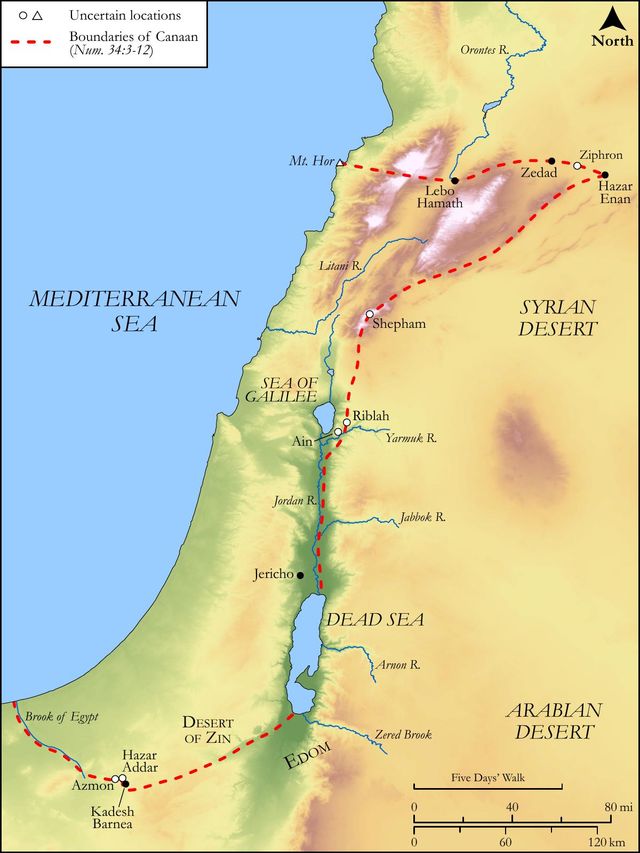
Numbers 34:28 is embedded within a pivotal section of the Book of Numbers (Numbers 34:16-29) that meticulously lists the individuals appointed by God to manage the monumental task of land allocation. This enumeration of leaders immediately follows the detailed description of the precise boundaries of the Promised Land (Numbers 34:1-15), which establishes the geographical scope of Israel's inheritance. The sequential presentation of land boundaries and then the specific individuals responsible for its division highlights the divine order and precision inherent in God's plan for His people's settlement. This chapter serves as a critical transition point in the biblical narrative, bridging the era of wilderness wanderings with the practical steps of entering and possessing Canaan. The entire book of Numbers chronicles Israel's journey from Sinai to the plains of Moab, with earlier censuses (e.g., Numbers 26:51) already having established the foundational principle that land inheritance would be determined by tribal size.
Historical & Cultural Context
The historical backdrop for Numbers 34:28 is the cusp of Israel's entry into Canaan, following their forty years of wilderness wandering. For ancient Israel, land was far more than mere property; it was the tangible manifestation of God's covenant faithfulness, the bedrock of their national and tribal identity, and the basis for their economic and social structure. The division of this sacred inheritance was a task of immense significance and potential contention, necessitating clear divine instruction and the appointment of authoritative, respected leaders. The "prince" (Hebrew: nasi') was a highly esteemed tribal head, often from a prominent lineage, entrusted with the welfare of his tribe, representing them in national councils, and upholding justice. Their appointment by direct divine decree, rather than human election, vested them with undeniable authority and legitimacy, which was crucial for ensuring a peaceful, orderly, and just distribution of such a vital resource. This system profoundly reflects the theocratic nature of early Israel, where God directly governed His people through chosen human agents.
Key Themes
ShowHideThis verse, along with the broader context of Numbers 34, contributes to several profound theological and narrative themes. Firstly, Divine Order and Provision is paramount, demonstrating God's meticulous planning not only for the general promise of land but for the precise details of its allocation and the specific leadership required to execute it. Secondly, Leadership and Responsibility is powerfully highlighted, as the appointed princes bore immense responsibility for ensuring a fair and peaceful division, acting as faithful stewards of God's will. Their integrity, authority, and wisdom were essential for maintaining tribal harmony and preventing disputes, echoing the consistent biblical emphasis on the need for righteous governance seen throughout the Pentateuch (e.g., Deuteronomy 1:13-15). Thirdly, the passage underscores the Fulfillment of Promise, as the detailed enumeration of boundaries and leaders directly relates to the long-awaited covenant promise made to Abraham (e.g., Genesis 12:7) and continually reiterated to his descendants. Finally, Tribal Identity and Inheritance is a strong and recurring theme, reinforcing each tribe's distinct place within the nation and their specific, divinely ordained portion of the land, which was crucial for their socio-economic, cultural, and spiritual continuity.
Exposition and Analysis
ShowHideKey Word Analysis
ShowHideFrom the root meaning "to lift up" or "to bear," a nasi' is properly "an exalted one," signifying a king, chief, or ruler. In the context of Numbers, it denotes a tribal head or leader, often of significant standing, appointed by divine authority. This term emphasizes the elevated position and delegated authority of Pedahel, who was chosen to represent and lead his tribe in the critical task of land distribution, underscoring the divine sanction behind his role.
This word literally means "a branch" or "a rod," and figuratively, "a tribe." The imagery of a branch extending from a common root aptly describes the familial and genealogical connection that defined a tribe in ancient Israel. The term highlights the distinct, yet interconnected, nature of the Israelite tribes, each with its own identity and designated inheritance, but all part of the larger nation. Pedahel's role as prince of his maṭṭeh signifies his responsibility over a specific, divinely recognized family unit within Israel.
This proper name is a compound of two Hebrew words: padah (to ransom, redeem, deliver) and El (God). Thus, Pedahel literally means "God has ransomed" or "God has delivered." The profound meaning of Pedahel's name is highly significant in the context of Israel's journey from Egyptian bondage to the Promised Land. His very name serves as a theological reminder that their inheritance and freedom are the direct result of God's redemptive and delivering work, reinforcing the overarching theme of divine salvation.
Verse Breakdown
ShowHide"And the prince of the tribe of the children of Naphtali,"
This opening clause precisely identifies the specific role and tribal affiliation of the individual being named. The "prince" (Hebrew: nasi') was a divinely appointed leader, distinct from a king, responsible for the internal affairs and representation of his tribe. The mention of "the children of Naphtali" emphasizes the collective identity and the specific group over whom Pedahel was given authority, ensuring their portion of the land was justly managed according to God's detailed instructions and the census results.
"Pedahel the son of Ammihud."
This provides the specific name of the appointed leader, Pedahel, and identifies his father, Ammihud. This genealogical detail was crucial in ancient Israelite society for establishing identity, lineage, and legitimacy. It confirms Pedahel's specific identity within the broader tribal structure, ensuring there was no ambiguity about who was entrusted with this vital responsibility. The father's name, Ammihud ("people of splendor"), further suggests a lineage of prominence or honor within the tribe, lending additional weight to Pedahel's appointment.
Literary Devices
ShowHideNumbers 34:28, as part of a longer list of appointed leaders, primarily employs Enumeration, systematically listing each individual chosen for the land division. This serves a crucial Documentary purpose, providing a precise, official, and divinely sanctioned record of God's plan and its execution. The consistent formula "And the prince of the tribe of the children of [Tribe Name], [Leader Name] the son of [Father's Name]" demonstrates Repetition or Parallelism, which creates a rhythmic pattern throughout the list and emphasizes the uniform nature of divine appointment across all tribes. This structured listing also highlights the Order and meticulousness inherent in God's administration, underscoring His attention to detail in the fulfillment of His promises. While not a narrative, the very act of listing these names, including Pedahel, carries Symbolism of the land as a tangible fulfillment of God's covenant, with each name representing a piece of that divine promise being realized through human agents. The inclusion of Genealogy (e.g., "the son of Ammihud") is a common biblical literary feature that establishes legitimacy, lineage, and historical continuity, linking individuals to their tribal heritage and reinforcing their identity within the larger Israelite community.
Theological and Thematic Connections
ShowHideNumbers 34:28, though a single line in a detailed administrative list, speaks volumes about God's character and His interaction with humanity. It reveals a God who is not only faithful to His promises but also meticulously organized and intentional in their fulfillment. The divine appointment of Pedahel and the other princes demonstrates God's commitment to orderly processes and His reliance on human agents to carry out His divine will. This passage highlights the profound theological truth that God works through delegated authority and that even seemingly mundane administrative details are integral to His grand, redemptive plan. The divine selection of these leaders underscores the sacredness of the land inheritance and the seriousness with which God intended its distribution to occur, ensuring justice, peace, and tribal harmony. This meticulousness in the administration of the physical inheritance foreshadows the even greater precision and intentionality in God's plan for spiritual inheritance and the establishment of His eternal kingdom.
Reflection and Application
ShowHideWhile Numbers 34:28 might initially appear to be a dry genealogical detail, its inclusion in the divine record offers profound contemporary relevance and spiritual nourishment. It serves as a powerful reminder of God's unwavering faithfulness and His meticulous care in fulfilling His promises, even down to the specific individuals involved. Just as God meticulously provided the land and the leadership for its division to Israel, we can trust in His careful planning and sovereign provision for our own lives, knowing that He oversees every detail and works all things for our good. This verse also highlights the enduring importance of orderly, Spirit-led leadership within any community, whether spiritual or secular. God often works through organized structures and appointed leaders to accomplish His purposes, and good, integrity-filled leadership is vital for executing plans justly, efficiently, and with divine wisdom. Furthermore, it reminds us that every role, no matter how specific or seemingly small, is an integral part of God's greater plan. Pedahel's task was crucial for the tribe of Naphtali to receive its rightful inheritance. Similarly, every individual's contribution, guided by divine wisdom and integrity, is valuable in the grand tapestry of God's work, contributing to the flourishing of His kingdom and the advancement of His purposes on earth.
Questions for Reflection
ShowHideFAQ
ShowHideWhy is this list of names, including Pedahel, so important in the biblical narrative?
ShowHideThis list is profoundly important because it demonstrates God's meticulousness, His unwavering faithfulness to His covenant promises, and the inherently orderly nature of His kingdom. It signifies that God's promise of land to Israel was not a vague generality but a concrete, divinely orchestrated plan with specific individuals appointed to ensure its just and peaceful execution. The inclusion of these names, like Pedahel, transforms an abstract promise into a tangible reality, showing that God is intimately involved in the practical details of His people's lives and their inheritance. It underscores the divine authority behind the land division, preventing disputes and establishing a clear legal and spiritual foundation for Israel's future in Canaan, fulfilling the promises made to Abraham generations earlier (e.g., Genesis 15:18-21).
What was the role of a "prince" (nasi) like Pedahel in ancient Israel?
ShowHideIn ancient Israel, a "prince" (Hebrew: nasi') was a significant tribal leader, often from a prominent or noble family, who held substantial authority within his tribe. Unlike a king, whose authority extended over the entire nation, a nasi' was primarily responsible for the internal affairs of his specific tribe. Their duties included administering justice, resolving disputes, leading in matters of war, and representing their tribe in national councils or before figures like Moses and later, Joshua. In the context of Numbers 34, their role was specifically to oversee the equitable distribution of the Promised Land to their respective tribal families, ensuring that the inheritance was allocated according to divine instruction and tribal size, as previously determined by censuses (e.g., Numbers 26). They were key figures in the theocratic system, acting as God's appointed agents to maintain order and fulfill His will among His people.
Christ-Centered Fulfillment
ShowHideThe meticulous detail and divine appointment seen in Numbers 34:28, concerning Pedahel's role in distributing the physical land inheritance, find profound Christ-centered fulfillment in the New Testament. The earthly inheritance of Canaan, meticulously planned and administered, serves as a powerful type and shadow of the spiritual and eternal inheritance believers receive in Christ. Just as Pedahel was a divinely appointed prince to lead Israel into their promised land, Jesus Christ is the ultimate "Prince of Peace" (Isaiah 9:6) and the "pioneer and perfecter of our faith" (Hebrews 12:2) who leads His people into their true and eternal inheritance. The land of Canaan, though a precious gift, was a temporary dwelling; Christ, through His atoning work on the cross and resurrection, grants us an "inheritance that is imperishable, undefiled, and unfading, kept in heaven for you" (1 Peter 1:4). The precise boundaries and orderly distribution of the earthly land foreshadow the perfect order and secure possession of God's new creation, where Christ is the ultimate administrator of all things, bringing believers into their eternal rest and citizenship in the heavenly Jerusalem (Hebrews 12:22). Pedahel's very name, meaning "God has delivered" or "God has ransomed," resonates deeply with Christ's ultimate deliverance from the bondage of sin and death, securing our spiritual portion and eternal redemption (Colossians 1:13-14). Thus, this seemingly minor administrative detail in Numbers points to the grand, divinely orchestrated plan of redemption culminating in Christ, who is our true and everlasting inheritance and the one in whom "we have obtained an inheritance" (Ephesians 1:11).