


Numbers 15:29
Bible text: King James Version (1769 Blayney text) · Public domain
Bible text: King James Version with Strong's numbers · Public domain
Bible text: Berean Standard Bible · Public domain
Bible text: American Standard Version (1901) · Public domain
Bible text: World English Bible, Messianic edition · Public domain
Bible text: Geneva Bible (1599) · Public domain
Bible text: Young's Literal Translation · Public domain
- הָאֶזְרָחha·'ez·Rachthe native-bornH249Art ¦ N-msNoun Singular Masculine Absoluteהָtheאֶזְרָחnative-born
- בִּבְנֵיbiv·Neiamong [the] people ofH1121Prep-b ¦ N-mpcNoun Plural Masculine Constructבִּamongבְנֵי[the] people of
- יִשְׂרָאֵלYis·ra·'ElIsraelH3478N-properNoun Proper Location
- וְלַגֵּרve·la·Gerand to the sojournerH1616Conj-w ¦ Prep-l ¦ N-msNoun Singular Masculine Absoluteוְandלַto theגֵּרsojourner
- הַגָּרha·Garwho sojournsH1481Art ¦ V-Qal-Prtcpl-msVerb Qal Participle Singular Masculine Absoluteהַwhoגָּרsojourns
- בְּתוֹכָםbe·to·Khamin midst of themH8432Prep-b ¦ N-msc ¦ 3mpNoun Singular Masculine Constructבְּinתוֹכָmidst ofםthem
- תּוֹרָהto·Raha lawH8451N-fsNoun Singular Feminine Absolute
- אַחַת'a·ChatoneH259Adj-fsAdjective Numerical Singular Feminine Absolute
- יִהְיֶהyih·Yehit will belongH1961V-Qal-Imperf-3msVerb Qal Imperfect 3rd Singular Masculine
- לָכֶםla·Khemto <the> youPrep-l ¦ 2mpSuffix Personal 2nd Plural Masculineלָto <the>כֶםyou
- לָעֹשֶׂהla·'o·Sehfor the [one who] actsH6213Prep-l ¦ V-Qal-Prtcpl-msVerb Qal Participle Singular Masculine Absoluteלָfor theעֹשֶׂה[one who] acts
- בִּשְׁגָגָהbish·ga·Gahby inadvertenceH7684Prep-b ¦ N-fsNoun Singular Feminine Absoluteבִּbyשְׁגָגָהinadvertence
English is a literal word-by-word gloss of the Hebrew, not the KJV's wording. Why?
This is the original text the KJV's translators worked from — each Hebrew word with its own literal English meaning in this verse, prepared by scholars at Tyndale House, Cambridge. The KJV translates whole sentences, not word by word, so its wording differs: one Hebrew word can become several English words, and the KJV may choose “the LORD” where the gloss reads “Yahweh”. Both are faithful — they answer different questions. For the KJV's own rendering, switch to the KJV text.
Details
See on the biblical-era map
Study this verse
Public-domain commentary
Matthew Henry
From his Commentary on the Whole Bible. Henry comments on passages, not single verses — this entry covers Numbers 15:22–29.
We have here the laws concerning sacrifices for sins of ignorance; the Jews understand it of idolatry, or false worship, through the error of their teachers. The case here supposed is that they had not observed all these commandments, Num 15:22, Num 15:23. If they had failed in the offerings of their acknowledgment, and had not brought them according to the law, then they must bring an offering of atonement, yea, though the omission had been through forgetfulness or mistake. If they failed in one part of the ceremony, they must make it up by the observance of another part, which was in the nature of a remedial law. 1. The case is put of a national sin, committed through ignorance, and become customary through a vulgar error (Num 15:24) - the congregation, that is, the body of the people, for so it is explained (Num 15:25): All the congregation of the children of Israel. The ceremonial observances were so numerous, and so various, that, it might easily be supposed, some of them by degrees would be forgotten and disused, as particularly that immediately before concerning the heave-offering of their dough: now if, in process of time, upon consulting the law, there should appear to have been a general neglect of that or any other appointment, then a sacrifice must be offered for the whole congregation, and the oversight shall be forgiven (Num 15:25, Num 15:26) and not punished, as it deserved, with some national judgment. The offering of the sacrifice according to the manner, or ordinance, plainly refers to a former statute, of which this is the repetition; and the same bullock which is there called a sin-offering (Lev 4:13, Lev 4:21) is here called a burnt-offering (Num 15:24), because it was wholly burnt, though not upon the altar, yet without the camp. And here is the addition of a kid of the goats for a sin-offering. According to this law, we find that Hezekiah made atonement for the errors of his father's reign, by seven bullocks, seven rams, seven lambs, and seven he-goats, which he offered as a sin-offering for the kingdom, and for the sanctuary, and for Judah (Ch2 29:21), and for all Israel, Num 15:24. And we find the like done after the return out of captivity, Ezr 8:35. 2. It is likewise supposed to be the case of a particular person: If any soul sin through ignorance (Num 15:27), neglecting any part of his duty, he must bring his offering, as was appointed, Lev 4:27, etc. Thus atonement shall be made for the soul that sins, when he sins through ignorance, Num 15:28. Observe, (1.) Sins committed ignorantly need to have atonement made for them; for, though ignorance will in a degree excuse, it will not justify those that might have known their Lord's will and did it not. David prayed to be cleansed from his secret faults, that is, those sins which he himself was not aware of, the errors he did not understand, Psa 19:12. (2.) Sins committed ignorantly shall be forgiven, through Christ the great sacrifice, who, when he offered up himself once for all upon the cross, seemed to explain the intention of his offering in that prayer, Father, forgive them, for they know not what they do. And Paul seems to allude to this law concerning sins of ignorance (Ti1 1:13), I obtained mercy, because I did it ignorantly and in unbelief. And it looked favourable upon the Gentiles that this law of atoning for sins of ignorance is expressly made to extend to those who were strangers to the commonwealth of Israel (Num 15:29), but supposed to be proselytes of righteousness. Thus the blessing of Abraham comes upon the Gentiles.
Continue studying Numbers 15:29 across the web’s major study libraries — every link below opens this exact verse, chapter, or book on the destination site.
Read & Compare
 BibleGatewayThis verse in more than 200 translations and 70 languages.
 Bible.comThe YouVersion reader — hundreds of translations, reading plans, and highlights.
 ESV.orgCrossway's official English Standard Version reader.
 NET BibleThe NET translation with 60,000+ translators' notes on every rendering decision.
 STEP BibleTyndale House's free study tool — original text, vocabulary, and scholarly resources.
 BibliaLogos Bible Software's free web reader.
 USCCBThe New American Bible (Revised Edition) with the U.S. bishops' study notes.
Commentaries
 BibleHub CommentariesDozens of classic commentaries on this verse, gathered on one page.
 StudyLightMore than 100 commentary sets — the largest collection on the web.
 BibleRefPlain-English commentary on what this verse means, verse by verse.
 Enduring WordDavid Guzik's free commentary on this chapter, widely used by Bible teachers.
 Bible Study ToolsVerse commentary alongside Greek and Hebrew study aids.
Original Language & Research
- BibleHub InterlinearThe verse word by word — original language, transliteration, and English.
- BibleHub LexiconEvery word's original-language definition and Strong's entry.
 Blue Letter BibleDeep-study tools — Strong's numbers, concordance, and word studies.
 SefariaThe Hebrew text with Rashi and centuries of Jewish commentary.
Sermons, Hymns & Audio


TrulyRandomVerse is not affiliated with these sites and doesn’t control their content. They’re linked because they’re genuinely useful.
Summary
Numbers 15:29 establishes a foundational principle of equity and impartiality within the Mosaic Law, stipulating that the same legal provisions for atonement concerning unintentional sins apply universally. This single statute governs both native-born Israelites and resident foreigners who have chosen to dwell among them, underscoring God's just character and His provision for human frailty, irrespective of ethnic origin, within the covenant community.
Context
ShowHideLiterary Context
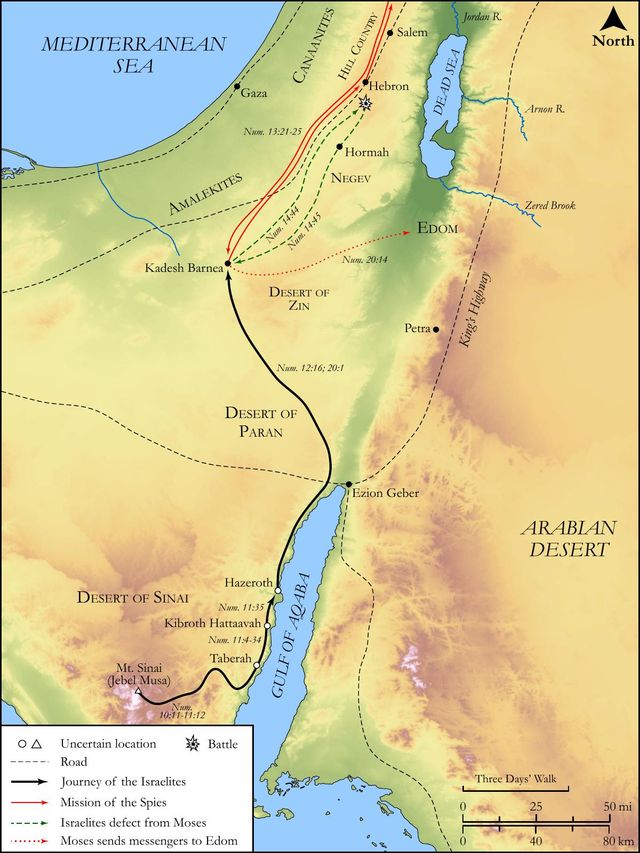
This verse serves as the concluding statement for a section (Numbers 15:22-29) that meticulously outlines the procedures and sacrifices required for sins committed "through ignorance" or unintentionally, whether by the entire congregation or by an individual. It provides a crucial counterpoint to the severe consequences detailed immediately thereafter for deliberate, "presumptuous" sins, which carry no provision for atonement under the Old Covenant (see Numbers 15:30-31). The broader context of Numbers 15 itself is a collection of laws given after the Israelites' rebellion at Kadesh-Barnea, emphasizing the need for holiness and adherence to God's commands even as the nation prepares for its eventual entry into the Promised Land.
Historical & Cultural Context
Among the nations of that day, legal systems often discriminated based on social status, wealth, or origin. However, the Mosaic Law frequently commanded special care and equitable treatment for the "stranger" (Hebrew: gêr), a resident alien who had chosen to live within Israelite society and, often, to adhere to its basic laws and customs. This verse reflects a radical departure from typical ancient legal norms, establishing a principle of legal equality within the covenant community. It highlights the unique ethical demands placed upon Israel, reflecting the character of their God, who is just and compassionate toward all, including the vulnerable.
Key Themes
ShowHideNumbers 15:29 contributes significantly to several overarching themes. Firstly, it powerfully underscores the Impartiality of God's Law. The declaration of "one law" for all members of the community, regardless of birth, demonstrates that God's justice is not discriminatory but is applied universally to all who live under His covenant. Secondly, it reinforces the theme of Provision for Unintentional Sin. The Mosaic Law meticulously distinguished between sins committed accidentally or unknowingly ("through ignorance") and those committed defiantly and "with a high hand." God, in His mercy, provided a clear path for cleansing and restoration for unintentional transgressions, requiring specific sacrifices as detailed in Leviticus 4 and Leviticus 5. Lastly, the verse highlights the Inclusion of the Stranger, a recurring theme throughout the Pentateuch. This inclusion reflects God's own character and His command for His people to treat these non-Israelites with equity and compassion, extending to them the same legal protections and responsibilities as the native-born (compare with Exodus 12:49 and Leviticus 24:22).
Exposition and Analysis
ShowHideKey Word Analysis
ShowHide"a mistake or inadvertent transgression; error, ignorance, at unawares; unwittingly." This crucial term differentiates unintentional sin from deliberate, defiant transgression. It implies a lack of malicious intent or premeditation, distinguishing it from "presumptuous" sin, which is committed "with a high hand" or in open rebellion against God's known command. The Old Covenant sacrificial system provided atonement only for sins committed shᵉgâgâh, highlighting God's mercy and understanding of human fallibility.
(ʼechâd) and H8451 (tôwrâh). The term ʼechâd means "united, i.e. one," while tôwrâh signifies "a precept or statute, especially the Decalogue or Pentateuch; law." This combined phrase emphasizes the singularity and universality of God's law within the covenant community. It underscores that there are no double standards based on social status, birthright, or nationality when it comes to accountability for unintentional sin and the provision for its atonement, establishing a remarkable level of legal equality for its time.
"properly, a guest; by implication, a foreigner; alien, sojourner, stranger." This term refers to a resident alien or sojourner, a non-Israelite who had left their homeland to live among the Israelites. Unlike a mere transient visitor, the gêr often had a more permanent status, though they did not possess tribal land inheritance. The inclusion of the gêr under the same law as the native-born Israelite for unintentional sin is a profound testament to God's inclusive nature and His command for His people to extend justice and compassion beyond their ethnic boundaries.
Verse Breakdown
ShowHide"Ye shall have one law"
This declarative statement establishes the overarching principle of legal uniformity. It signifies that God's standard of justice and the provisions for reconciliation are consistent and undifferentiated within the covenant community, reflecting His impartial character.
"for him that sinneth through ignorance"
This clause specifies the nature of the transgression to which the "one law" applies. It is limited to unintentional or unwitting sins, demonstrating God's discernment between human error and deliberate rebellion. This distinction is fundamental to the Old Covenant's sacrificial system.
"both for him that is born among the children of Israel"
This phrase identifies the first category of individuals subject to this "one law"—the native-born Israelite. It confirms that the covenant people, by virtue of their birth and heritage, are fully accountable to God's statutes.
"and for the stranger that sojourneth among them"
This final phrase extends the application of the "one law" to the gêr, the resident alien. This inclusion is highly significant, demonstrating God's command for His people to treat non-Israelites who live among them with the same legal equity and compassion as their own kin, particularly in matters of unintentional sin and atonement.
Literary Devices
ShowHideNumbers 15:29 primarily employs Legal Language and Declarative Statement to convey its authoritative and prescriptive nature. The verse functions as a concise legal pronouncement, using direct address ("Ye shall have") to establish a binding statute. The phrase "one law" acts as a powerful Symbol of impartiality and equality within the covenant community, contrasting with the often discriminatory legal systems of the nations round about. Furthermore, the verse utilizes Parallelism by juxtaposing "him that is born among the children of Israel" with "the stranger that sojourneth among them," emphasizing the equal application of the law to both groups. This structural balance reinforces the central theme of universal justice for unintentional sin.
Theological and Thematic Connections
ShowHideNumbers 15:29 is a profound theological statement on God's character and the nature of His covenant. It reveals a God who is both just and merciful, providing a pathway for reconciliation even for unintentional human failings, while simultaneously demanding a high standard of impartial justice within His community. The inclusion of the "stranger" under the same law as the native-born Israelite is a radical demonstration of divine equity, challenging the ethnocentric tendencies common among the nations of that day. This principle foreshadows a broader, New Covenant reality where God's grace and salvation are extended to all who believe, regardless of their ethnic or social background, breaking down barriers and fostering a community united under one Lord.
Reflection and Application
ShowHideNumbers 15:29 provides timeless lessons for believers today. Firstly, it reminds us of God's perfect justice and His compassionate understanding of human frailty. While He demands holiness, He also provides a way for forgiveness even for our unwitting mistakes, a truth that should inspire both humility and confidence in His grace. Secondly, the principle of "one law" calls us to reflect God's impartiality in our own lives and communities. We are challenged to treat all people with fairness, dignity, and respect, regardless of their background, social status, or perceived differences. Just as God extended His law and its provisions to the "stranger" in Israel, so too are we called to welcome and integrate those who are different from us into our communities, extending love and equity. This verse serves as a powerful reminder that our compassion and justice should mirror God's own expansive heart.
Questions for Reflection
ShowHideFAQ
ShowHideWhat does "sinneth through ignorance" truly mean in this context?
ShowHide"Sinneth through ignorance" (Hebrew: bishgâgâ) refers to sins committed unintentionally, by accident, or unknowingly. This is a crucial distinction in the Mosaic Law. It does not refer to a lack of moral knowledge, but rather to an action that was not premeditated or done with defiant intent against God's known command. For example, accidentally touching an unclean thing without realizing it, or inadvertently failing to observe a ritual law. This contrasts sharply with "presumptuous sin" (as seen in Numbers 15:30), which is committed deliberately, "with a high hand," and in open rebellion against God. The Old Covenant sacrificial system provided atonement only for sins committed bishgâgâ, highlighting God's mercy for human fallibility.
Why was it important to specify "one law" for both native-born Israelites and strangers?
ShowHideThe emphasis on "one law" (Hebrew: torah echad) was profoundly significant because it established a radical principle of legal equality within the covenant community. Among the nations round about, legal systems often had different standards based on social status, wealth, or ethnic origin. By declaring that the same law applied to both native-born Israelites and resident foreigners (gêr), God commanded His people to uphold a standard of impartial justice that transcended ethnic and social distinctions. This reflected God's own character as a just and impartial judge, and it set Israel apart as a nation called to embody divine righteousness and compassion, particularly towards the vulnerable and those outside their immediate kin group. It ensured that the stranger living among them was not subject to arbitrary or discriminatory legal treatment regarding unintentional sins.
Christ-Centered Fulfillment
ShowHideNumbers 15:29, with its emphasis on "one law" for both native-born and stranger concerning unintentional sin, finds its ultimate and perfect fulfillment in Jesus Christ. The Old Covenant sacrifices for unintentional sins were temporary and pointed forward to the definitive, once-for-all sacrifice of Christ. Unlike the limited efficacy of animal blood, Jesus, as the Lamb of God, offered Himself as the perfect atonement, not just for unintentional sins, but for all sins—intentional and unintentional (see Hebrews 9:11-14). Furthermore, the principle of "one law" for all people within the covenant community foreshadows the universal reach of the New Covenant. In Christ, the dividing wall of hostility between Jew and Gentile has been broken down, creating "one new humanity" (as articulated in Ephesians 2:14-18). All who believe, regardless of their former identity or background, are now united as "one in Christ Jesus" (Galatians 3:28), sharing equally in the grace and provisions of God's salvation. Thus, the Old Testament's partial inclusion of the stranger is fully realized in the global, multi-ethnic body of Christ, where all are fellow citizens with the saints and members of God's household (Ephesians 2:19).