


Matthew 22:12
Bible text: King James Version (1769 Blayney text) · Public domain
Bible text: Berean Standard Bible · Public domain
Bible text: American Standard Version (1901) · Public domain
Bible text: World English Bible, Messianic edition · Public domain
Bible text: Geneva Bible (1599) · Public domain
Bible text: Young's Literal Translation · Public domain
- καὶkaiandG2532CONJConjunction
- λέγειlegeihe saysG3004V-PAI-3SVerb Present Active Indicative 3rd Singular
- αὐτῷ·autōto himG846P-DSMPersonal pronoun Dative Singular Masculine
- ἑταῖρεhetaireFriendG2083N-VSMNoun Vocative Singular Masculine
- πῶςpōshowG4459PRT-IInterrogative Particle Interrogative
- εἰσῆλθεςeisēlthesdid you enterG1525V-2AAI-2SVerb 2nd Aorist Active Indicative 2nd Singular
- ὧδεhōdehereG5602ADVAdverb
- μὴmēnotG3361PRT-NNegative Particle Negative
- ἔχωνechōnhavingG2192V-PAP-NSMVerb Present Active Participle Nominative Singular Masculine
- ἔνδυμαendumagarmentG1742N-ASNNoun Accusative Singular Neuter
- γάμου;gamouof wedding?G1062N-GSMNoun Genitive Singular Masculine
- ὁho<the>G3588T-NSMDefinite article Nominative Singular Masculine
- δὲdeAndG1161CONJConjunction
- ἐφιμώθηephimōthēhe was speechlessG5392V-API-3SVerb Aorist Passive Indicative 3rd Singular
English is a literal word-by-word gloss of the Greek, not the KJV's wording. Why?
This is the original text the KJV's translators worked from — each Greek word with its own literal English meaning in this verse, prepared by scholars at Tyndale House, Cambridge. The KJV translates whole sentences, not word by word, so its wording differs: one Greek word can become several English words, and the KJV may choose “charity” where the gloss reads “love”. Both are faithful — they answer different questions. For the KJV's own rendering, switch to the KJV text.
Details
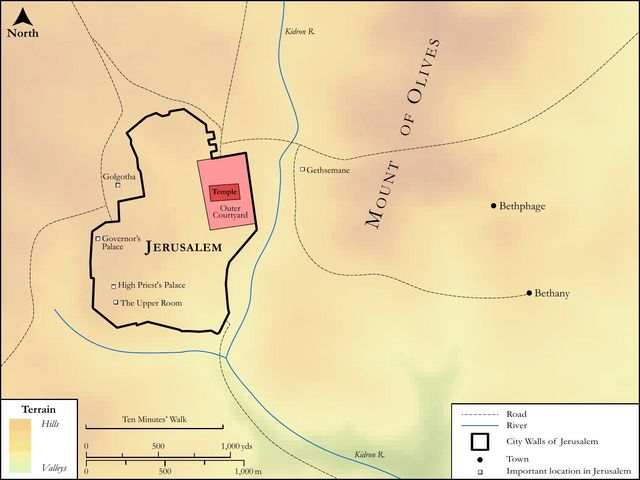
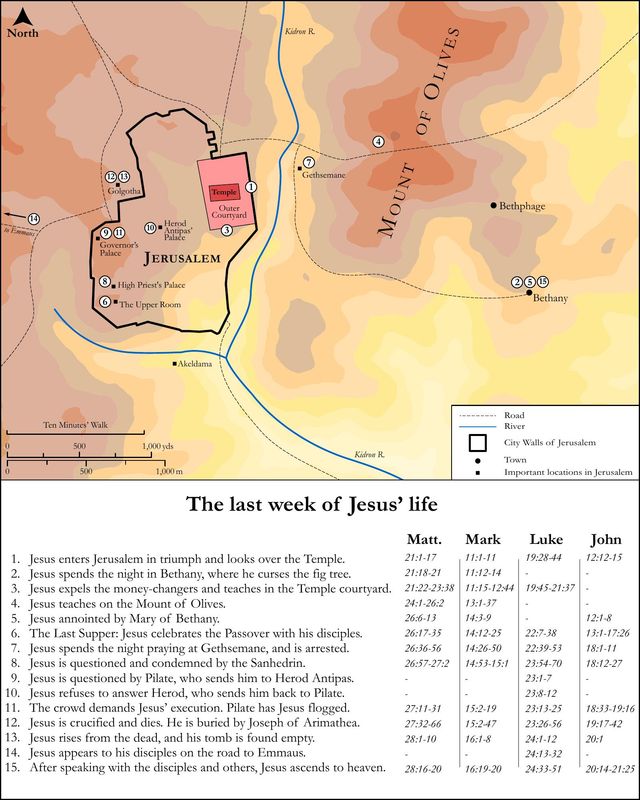
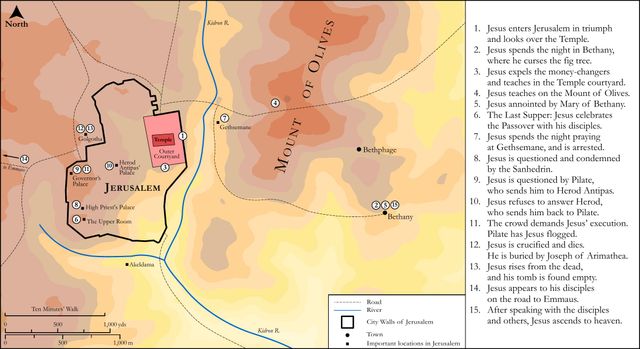
See on the biblical-era maps
Study this verse
Historical interpretation
Ten Centuries of Reception
14 surviving comments on this verse. Each one is dated, so this reads as a timeline rather than a list.
Select a marker to jump to its quote. Markers stagger vertically where authors wrote within a few decades of each other.
And forasmuch as he who is in sin, and puts not on the Lord Jesus Christ, has no excuse, it follows, But he was speechless.
Rightly has the Father already made this wedding, because this eternal union and espousal of the new body is already perfect in Christ.
Or; The servants who were first sent to call them that were bidden, are the Apostles; they who, being before bidden, are now invited to come in, are the people of Israel, who had before been bidden through the Law to the glories of eternity. To the Apostles therefore it belonged to remind those whom the Prophets had invited. Those sent with the second injunction are the Apostolic men their successors.
Or otherwise; The oxen are the glorious army of Martyrs, offered, like choice victims, for the confession of God; the fatlings are spiritual men, as birds fed for flight upon heavenly food, that they may fill others with the abundance of the food they have eaten.
For men are taken up with worldly ambition as with a farm; and many through covetousness are engrossed with trafficking.
By the street also is to be understood the time of this world, and they are therefore bid to go to the crossings of the streets, because the past is remitted to all.
Or; The wedding garment is the grace of the Holy Spirit, and the purity of that heavenly temper, which taken up on the confession of a good enquiry is to be preserved pure and unspotted for the company of the kingdom of heaven.
For to invite all without exception is a courtesy of public benevolence; but out of the invited or called, the election will be of worth, by distinction of merit.
(Hom. lxix.) Forasmuch as He had said, And it shall be given to a nation bringing forth the fruits thereof, He now proceeds to show what nation that is.
These occupations seem to be entirely reasonable; but we learn hence, that however necessary the things that take up our time, we ought to prefer spiritual things to every thing beside. But it seems to me that they only pretended these engagements as a cloak for their disregard of the invitation.
Then in order that not even these should put confidence in their faith alone, He discourses unto them also concerning the judgment to be passed upon wicked actions; to them that have not yet believed, of coming unto Him by faith, and to them that have believed, of care with respect to their life. For the garment is life and practice.
And yet the calling was of grace; wherefore then doth He take a strict account? Because although to be called and to be cleansed was of grace, yet, when called and clothed in clean garments, to continue keeping them so, this is of the diligence of them that are called.
The being called was not of merit, but of grace. It was fit therefore to make a return for the grace, and not to show forth such great wickedness after the honor. "But I have not enjoyed," one may say, "so much advantage as the Jews." Nay, but thou hast enjoyed far greater benefits. For what things were being prepared for them throughout all their time, these thou hast received at once, not being worthy. Wherefore Paul also saith, "And that the Gentiles might glorify God for His mercy." For what things were due to them, these thou hast received.
Wherefore also great is the punishment appointed for them that have been remiss. For as they did despite by not coming, so also thou by thus sitting down with a corrupt life. For to come in with filthy garments is this namely, to depart hence having one's life impure; wherefore also he was speechless.
Seest thou how, although the fact was so manifest, He doth not punish at once, until he himself, who has sinned, has passed the sentence? For by having nothing to reply he condemned himself, and so is taken away to the unutterable torments.
He sent his servant, without doubt Moses, by whom He gave the Law, to those who had been invited. But if you read servants as most copies have, it must be referred to the Prophets, by whom they were invited, but neglected to come. By the servants who were sent the second time, we may better understand the Prophets than the Apostles; that is to say, if servant is read in the first place; but if 'servants,' then by the second servants are to be understood the Apostles;
The dinner that is prepared, the oxen and the fatlings that are killed, is either a description of regal magnificence by the way of metaphor, that by carnal things spiritual may be understood; or the greatness of the doctrines, and the manifold teaching of God in His law, may be understood.
When He was doing works of mercy, and bidding to His marriage-feast, He was called a man; (homini regi) now when He comes to vengeance, the man is dropped, and He is called only a King.
By His armies we understand the Romans under Vespasian and Titus, who having slaughtered the inhabitants of Judæa, laid in ashes the faithless city.
For the Gentile nation was not in the streets, but in the crossings of the streets.
For there is an infinite difference among the Gentiles themselves; some are more prone to vice, others are endowed with more incorrupt and virtuous manners.
Or; The marriage garment is the commandments of the Lord, and the works which are done under the Law and the Gospel, and form the clothing of the new man. Whoso among the Christian body shall be found in the day of judgment not to have these, is straightway condemned. He saith unto him, Friend, how camest thou in hither, not having a wedding garment? He calls him friend, because he was invited to the wedding as being a friend by faith; but He charges him with want of manners in polluting by his filthy dress the elegance of the wedding entertainment.
For in that day there will be no room for blustering manner, nor power of denial, when all the Angels and the world itself are witnesses against the sinner.
By a metaphor taken from the body, there shall be weeping and gnashing of teeth, is shown the greatness of the torments. The binding of the hands and feet also, and the weeping of eyes, and the gnashing of teeth, understand as proving the truth of the resurrection of the body.
And because in the marriage and supper the chief thing is the end and not the beginning, therefore He adds, For many are called, but few chosen.
(Verse 11, 12.) But the king entered to see the guests, and he saw there a man who was not wearing a wedding garment. And he said to him, 'Friend, how did you come in here without a wedding garment?' But he was speechless. Those who were invited to the wedding feast had filled it up from the hedges and corners and streets and various places. But later, when the king came in to see the guests at his feast (that is, those who were resting in his trust, so that on the day of judgment he could visit the guests and discern the merits of each one), he found one who was not wearing a wedding garment. This one, all those who are associated with wickedness are understood. But the wedding garment, the commandments of the Lord, and the works that are fulfilled from the law and the Gospel, make the clothing of the new man. Therefore, if anyone is found at the time of judgment not having the wedding garment, that is, the garment of the heavenly ((Al. celestial)) man; but having a polluted garment, that is, the old man's rags, he is immediately seized and it is said to him: Friend, how did you enter here? He calls his friend because he was invited to a wedding: he accuses him of impudence because he has stained the wedding with his dirty clothes. But he remained silent. For in that moment there will be no place for repentance, nor the opportunity to deny, when all the angels and the world itself are witnesses of sins.
Note that "the master of the house came in to look at the guests." See, my beloved, the servants' business was only to invite and bring in the good and bad. It is not said that the servants took notice of the guests, found among them a man who had no wedding garment and spoke to him. This is not written. The master of the house came in, the master saw him, the master of the house inspected, the master of the house hauled him off and threw him out. It is not fitting to pass over this quickly. But I have undertaken to establish another point, how that one man stands for many. "But when the king came in to look at the guests, he saw there a man who had no wedding garment; and he said to him, 'Friend, how did you get in here without a wedding garment?' And he was speechless." For the one who questioned him was one to whom he could give no deceptive reply.
(de Cons. Ev. ii. 71.) This parable is related only by Matthew. Luke gives one like it, but it is not the same, as the order shows.
(cont. Faust. xxii. 19.) Or, he goes to the feast without a garment, who goes seeking his own, and not the Bridegroom's honour.
Otherwise; When the resurrection of the saints shall be, then the life, which is Christ, shall revive man, swallowing up his mortality in its own immortality. For now we receive the Holy Spirit as a pledge of the future union, but then we shall have Christ Himself more fully in us.
When the servants were sent to call them, they must have been invited before. Men have been invited from the time of Abraham, to whom was promised Christ's incarnation.
whom He sent when He said unto them, Go not into the way of the Gentiles, but rather go to the lost sheep of the house of Israel. (Mat. 10:5.)
When therefore the Lord bade the Apostles, Go ye and preach, saying, The kingdom of heaven is at hand, it was the same message as is here given, I have prepared my dinner; i. e. I have set out the table of Scripture out of the Law and the Prophets.
Otherwise; He says oxen and fatlings, not as though the oxen were not fatted, but because all the oxen were not fat. Therefore the fatlings denote the Prophets who were filled with the Holy Spirit; the oxen those who were both Priests and Prophets, as Jeremiah and Ezekiel; for as the oxen are the leaders of the herd, so also the Priests are leaders of the people.
That He says, And all things are now ready, means, that all that is required to salvation is already filled up in the Scriptures; there the ignorant may find instruction; the self-willed may read of terrors; he who is in difficulty may there find promises to rouse him to activity.
(non occ. sed vid. Gloss. ord.) Or He says, All things are now ready which belong to the mystery of the Lord's Passion, and our redemption. He says, Come to the marriage, not with your feet, but with faith, and good conduct. But they made light of it; why they did so He shows when He adds, And they went their way, one to his farm, another to his merchandize.
Or otherwise; When we work with the labour of our hands, for example, cultivating our field or our vineyard, or any manufacture of wood or iron, we seem to be occupied with our farm; any other mode of getting money unattended with manual labour is here called merchandize. O most miserable world! and miserable ye that follow it! The pursuits of this world have ever shut men out of life.
Or, by the business of a farm, He denotes the Jewish populace, whom the delights of this world separated from-Christ; by the excuse of merchandize, the Priests and other ministers of the Temple, who, coming to the service of the Law and the Temple through greediness of gain, have been shut out of the faith by covetousness. Of these He said not, 'They were filled with envy,' but They made light of it. For they who through hate and spite crucified Christ, are they who were filled with envy; but they who being entangled in business did not believe on Him, are not said to have been filled with envy, but to have made light of it. The Lord is silent respecting His own death, because He had spoken of it in the foregoing parable, but He shows forth the death of His disciples, whom after His ascension the Jews put to death, stoning Stephen and executing James the son of Alphæus, for which things Jerusalem was destroyed by the Romans. And it is to be observed, that anger is attributed to God figuratively and not properly; He is then said to be angry when He punishes.
The Roman army is called God's army; because The earth is the Lord's, and the fulness thereof; (Ps. 24:1.) nor would the Romans have come to Jerusalem, had not the Lord stirred them thither.
Or; The streets are all the professions of this world, as philosophy, soldiery, and the like. And therefore He says, Go out into the crossings of the streets, that they may call to the faith men of every condition. Moreover, as chastity is the way that leads to God, so fornication is the way that leads to the Devil; and so it is in the other virtues and vices. Thus He bids them invite to the faith men of every profession or condition.
The King came in to see the guests; not as though there was any place where He is not; but where He will look to give judgment, there He is said to be present; where He will not, there He seems to be absent. The day of His coming to behold is the day of judgment, when He will visit Christians seated at the board of the Scriptures.
Or, it points to the difference of punishment inflicted on sinners. Outer darkness being the deepest, inward darkness the lesser, as it were the outskirts of the place.
Or otherwise; Whenever God will try His Church, He enters into it that He may see the guests; and if He finds any one not having on the wedding garment, He enquires of him, How then were you made a Christian, if you neglect these works? Such a one Christ gives over to His ministers, that is, to seducing leaders, who bind his hands, that is, his works, and his feet, that is, the motions of his mind, and cast him into darkness, that is, into the errors of the Gentiles or the Jews, or into heresy. The nigher darkness is that of the Gentiles, for they have never heard the truth which they despise; the outer darkness is that of the Jews, who have heard but do not believe; the outermost is that of the heretics, who have heard and have learned.
That is, the whole sacrament of the human dispensation is completed and closed. But they which, were bidden, (Rom. 10:3.) that is, the Jews, were not worthy, because, ignorant of the righteousness of God, and going about to establish their own righteousness, they have not submitted themselves to the righteousness of God. The Jewish nation then being rejected, the Gentile people were taken in to the marriage-feast; whence it follows, Go ye out into the crossings of the streets, and as many as ye shall find, bid to the wedding.
These are the errors of the Gentiles.
Behold, the king enters the wedding and contemplates the condition of our heart, and to him whom he does not find clothed in charity, he immediately says in anger: "Friend, how did you enter here not having a wedding garment?" It is greatly to be wondered at, dearest brothers, that he both calls him friend and rejects him, as if he were saying to him more openly: "Friend and not friend; friend by faith, but not friend by works." But he was struck silent, because—what cannot be said without groaning—in that strictness of the final rebuke, every argument of excuse ceases, since he who rebukes outwardly is the one who, as witness of conscience, accuses the soul within. But amid these things it must be known that whoever has this garment of virtue, but does not yet have it perfectly, ought not to despair of pardon at the entrance of the merciful king, because he himself also, granting us hope through the Psalmist, says: "Your eyes saw my imperfection, and in your book all shall be written."
(Hom. in Ev. xxxviii. 2.) Here, by the wedding-feast is denoted the present Church; there, by the supper, the last and eternal feast. For into this enter some who shall perish; into that whosoever has once entered in shall never be put forth. But if any should maintain that these are the same lessons, we may perhaps explain that that part concerning the guest who had come in without a wedding garment, which Luke has not mentioned, Matthew has related. That the one calls it supper, the other dinner, makes no difference; for with the ancients the dinner was at the ninth hour, and was therefore often called supper.
(ubi sup.) G marriage feast for God the Son, when He joined Him to human nature in the womb of the Virgin. But far be it from us to conclude, that because marriage takes place between two separate persons, that therefore the person of our Redeemer was made up of two separate persons. We say indeed that He exists of two natures, and in two natures, but we hold it unlawful to believe that He was compounded of two persons. It is safer therefore to say, that the marriage feast was made by the King the Father for the King the Son when He joined to Him the Holy Church in the mystery of His incarnation. The womb of the Virgin Mother was the bride-chamber of this Bridegroom.
(ubi sup.) But because these who were first invited would not come to the feast, the second summons says, Behold, I have prepared my dinner.
(ubi sup.) By the oxen are signified the Fathers of the Old Testament; who by sufferance of the Law gored their enemies with the horn of bodily strength. By fatlings are meant fatted animals, for from 'alere', comes 'altilia,' as it were 'alitilia' or 'alita.' By the fatlings are intended the Fathers of the New Testament; who while they receive sweet grace of inward fattening, are raised by the wing of contemplation from earthly desires to things above. He says therefore, My oxen and my fallings are killed; as much as to say, Look to the deaths of the Fathers who have been before you, and desire some amendment of your lives.
(ubi sup.) It is to be observed, that in the first invitation nothing was said of the oxen or fatlings, but in the second it is announced that they are already killed, because Almighty God when we will not hear His words gives examples, that what we suppose impossible may become easy to us to surmount, when we hear that others have passed through it before us.
Whosoever then intent upon earthly business, or devoted to the actions of this world, feigns to be meditating upon the mystery of the Lord's Passion, and to be living accordingly, is he that refuses to come to the King's wedding on pretext of going to his farm or his merchandize. Nay often, which is worse, some who are called not only reject the grace, but become persecutors, And the remnant took his servants, and entreated them despitefully, and slew them.
(ubi sup.) Or, The armies of our King are the legions of His Angels. He is said therefore to have sent His armies, and to have destroyed those murderers, because all judgment is executed upon men by the Angels. He destroys those murderers, when He cuts off persecutors; and burns up their city, because not only their souls, but the body of flesh they had tenanted, is tormented in the everlasting fire of hell.
(ubi sup.) But when He sees that His invitation is spurned at, He will not have His Son's marriage-feast empty; the word of God will find where it may stay itself.
(ubi sup.) Or otherwise; In holy Scripture, way is taken to mean actions; so that the crossings of the ways we understand as failure in action, for they usually come to God readily, who have had little prosperity in worldly actions.
(ubi sup.) Or; He means that in this present Church there cannot be bad without good, nor good without bad. He is not good who refuses to endure the bad.
(ubi sup.) What ought we to understand by the wedding garment, but charity? For this the Lord had upon Him, when He came to espouse the Church to Himself. He then enters in to the wedding feast, but without the wedding garment, who has faith in the Church, but not charity.
(ubi sup.) The hands and feet are then bound by a severe sentence of judgment, which before refused to be bound from wicked actions by amendment of life. Or punishment binds them, whom sin had before bound from good works.
(ubi sup.) By inward darkness we express blindness, of heart; outer darkness signifies the everlasting night of damnation.
(ubi sup.) There shall gnash those teeth which here delighted in gluttony; there shall weep those eyes which here roamed in illicit desire; every member shall there have its peculiar punishment, which here was a slave to its peculiar vice.
(ubi sup.) For some never begin a good course, and some never continue in that good course which they have begun. Let each one's care about himself be in proportion to his ignorance of what is yet to come.
(interlin.) Answered, that is, meeting their evil thoughts of putting Him to death.
(interlin.) Or, All things are now ready, i. e. The entrance into the kingdom, which had been hitherto closed, is now ready through faith in My incarnation.
Continue studying Matthew 22:12 across the web’s major study libraries — every link below opens this exact verse, chapter, or book on the destination site.
Read & Compare
 BibleGatewayThis verse in more than 200 translations and 70 languages.
 Bible.comThe YouVersion reader — hundreds of translations, reading plans, and highlights.
 ESV.orgCrossway's official English Standard Version reader.
 NET BibleThe NET translation with 60,000+ translators' notes on every rendering decision.
 STEP BibleTyndale House's free study tool — original text, vocabulary, and scholarly resources.
 BibliaLogos Bible Software's free web reader.
 USCCBThe New American Bible (Revised Edition) with the U.S. bishops' study notes.
Commentaries
 BibleHub CommentariesDozens of classic commentaries on this verse, gathered on one page.
 StudyLightMore than 100 commentary sets — the largest collection on the web.
 BibleRefPlain-English commentary on what this verse means, verse by verse.
 Enduring WordDavid Guzik's free commentary on this chapter, widely used by Bible teachers.
 Bible Study ToolsVerse commentary alongside Greek and Hebrew study aids.
Original Language & Research
- BibleHub InterlinearThe verse word by word — original language, transliteration, and English.
- BibleHub LexiconEvery word's original-language definition and Strong's entry.
 Blue Letter BibleDeep-study tools — Strong's numbers, concordance, and word studies.
 CNTR CollationThe earliest Greek manuscripts of this verse, collated letter by letter.
Sermons, Hymns & Audio


TrulyRandomVerse is not affiliated with these sites and doesn’t control their content. They’re linked because they’re genuinely useful.
Summary
Matthew 22:12 serves as the climactic moment in the Parable of the Wedding Feast, where the king inspects his guests and confronts an individual who lacks the proper attire. This verse powerfully illustrates the critical importance of spiritual preparedness and the profound consequences of presumption or indifference when responding to God's gracious invitation into His eternal kingdom, culminating in the guest's undeniable guilt and subsequent judgment.
Context
ShowHideLiterary Context
This verse is situated within a series of parables in Matthew 21-22 that Jesus delivers in Jerusalem during His final week, directly challenging the religious leaders of Israel. The Parable of the Wedding Feast (Matthew 22:1-14) immediately follows the Parable of the Wicked Tenants (Matthew 21:33-46), both of which highlight Israel's rejection of God's messengers and the transfer of the kingdom invitation to others. Verse 12 marks the transition from the general invitation to the specific requirement for entry, setting the stage for the king's decisive judgment and the concluding statement in Matthew 22:14.
Historical & Cultural Context
Wedding feasts among the Jews of that day were highly significant social events, often lasting for several days. It was customary for the host, especially one of royal stature, to provide appropriate attire for guests, particularly those gathered from the streets, as described in Matthew 22:9-10. To appear without the expected "wedding garment" would not merely be an oversight but a deliberate act of disrespect or defiance towards the host and the occasion. Such an act would be seen as a profound insult, signifying a refusal to honor the king or acknowledge the solemnity and joy of the event.
Key Themes
ShowHideThis verse profoundly contributes to several key themes within the Gospel of Matthew and broader biblical theology. It underscores the Divine Expectation of a proper response to God's gracious invitation, emphasizing that while the call to the kingdom is broad and inclusive, it requires more than mere physical presence or outward association. The Wedding Garment itself becomes a central symbol, representing the righteousness required to stand in God's presence—a righteousness that is both imputed by Christ and evidenced by a transformed life. The king's inspection and the guest's silence highlight the theme of Judgment and Accountability, reminding us that there will be a future divine assessment where individuals will be held responsible for their spiritual condition and their response to God's offer of salvation. Finally, the guest's Speechlessness is a powerful motif, signifying a complete and utter lack of excuse for his negligence or defiance, leading directly to the severe consequence depicted in Matthew 22:13.
Exposition and Analysis
ShowHideKey Word Analysis
ShowHideThis term, while translated as "friend," is not necessarily one of endearment in this context. It is a formal or even ironic address, often used for a comrade or fellow, but without implying intimacy or true fellowship. Here, the king uses it to address someone who has entered his presence under false pretenses or without proper respect, highlighting the superficiality of the guest's presence and setting the stage for a stern inquiry rather than a warm greeting.
This word refers to an outer robe or clothing. In the phrase "wedding garment" (gámos éndyma), it signifies the specific attire expected for such a sacred and joyous occasion. The absence of this particular garment is the critical issue, indicating a failure to meet the host's expectation, a deliberate affront, or a profound lack of understanding regarding the significance of the event and the honor due to the king. It is not merely any clothing, but the appropriate clothing.
Literally meaning "to muzzle" or "to silence," this term powerfully conveys the guest's utter inability to offer any defense or excuse. His silence is not merely a lack of words but a confession of undeniable guilt. He has no valid justification for his unpreparedness, signifying that his negligence or defiance was self-evident and indefensible before the king's scrutiny.
Verse Breakdown
ShowHide"And he saith unto him, Friend,"
The king's direct confrontation of the individual, using a term that underscores the guest's presumptuousness or superficial connection to the celebration. This address immediately focuses attention on the specific individual and his unique failure amidst the multitude.
"how camest thou in hither not having a wedding garment?"
This is the pivotal rhetorical question, exposing the guest's fatal flaw. It highlights the discrepancy between his presence at the feast and his lack of the required spiritual attire. The question implies that the guest had every opportunity to obtain the garment (which would likely have been provided by the host), making his absence of it inexcusable.
"And he was speechless."
The guest's profound silence confirms his guilt and the undeniable nature of his transgression. He has no defense, no mitigating circumstances, and no valid reason for his unpreparedness. This silence signifies his complete accountability and the justness of the impending judgment.
Literary Devices
ShowHideThe verse employs several potent literary devices. The entire passage is a Parable, an allegorical narrative designed to convey profound spiritual truth through relatable earthly scenarios. The king's inquiry, "how camest thou in hither not having a wedding garment?", functions as a powerful Rhetorical Question, designed not to elicit an answer but to underscore the obvious nature of the guest's transgression and his utter lack of excuse. The "wedding garment" itself is a profound Symbolism, representing the righteousness required to enter God's kingdom, whether understood as Christ's imputed righteousness, a life transformed by the Spirit, or a combination of both. Finally, there is a subtle Irony in the king's address of "Friend" (Greek, hetaîros'), as it is used for someone who is clearly not a true friend or loyal subject, highlighting the guest's superficiality and the king's ultimate rejection of his presence.
Theological and Thematic Connections
ShowHideMatthew 22:12 profoundly illustrates the dual nature of God's kingdom: it is a realm of abundant grace and open invitation, yet also one of divine expectation and righteous judgment. The parable underscores that while salvation is freely offered to all, it necessitates a proper response—a spiritual transformation symbolized by the "wedding garment." This garment represents the righteousness required to stand in God's presence, which is ultimately the righteousness of Christ imputed to believers by faith, coupled with the sanctification that flows from a genuine relationship with Him. To enter the King's presence without this garment is to presume upon His grace, to disregard His holy standards, and to reveal a heart unprepared for eternal fellowship.
Reflection and Application
ShowHideMatthew 22:12 serves as a sobering and vital reminder for all who claim to be part of God's kingdom. It challenges us to move beyond mere outward association or intellectual assent to the gospel, urging us to examine the true condition of our hearts. The "wedding garment" symbolizes the spiritual attire necessary for eternal fellowship with God—a righteousness that is not self-generated but graciously provided through Christ. This parable compels us to ask if we are genuinely clothed in His righteousness, living lives that reflect our commitment to Him, or if we are presuming upon His grace without undergoing the necessary inner transformation. It calls for a humble reliance on Christ alone for our standing before God and a diligent pursuit of holiness that flows from that faith, ensuring we are truly prepared for the King's ultimate inspection.
Questions for Reflection
ShowHideFAQ
ShowHideWhat is the significance of the "wedding garment" in this parable?
ShowHideThe "wedding garment" is highly symbolic. It represents the righteousness required to enter God's kingdom and participate in the divine feast. While some interpretations suggest it refers to the righteous acts of believers, the predominant theological understanding is that it primarily symbolizes the imputed righteousness of Jesus Christ, which is freely offered to those who believe in Him. It signifies a spiritual state of being made right with God, which is a gift received by faith, not earned by works. To be without this garment is to be spiritually unprepared and unacceptable in the King's presence, highlighting that salvation is not merely about being "called" but about being "clothed" appropriately by God's grace.
Why was the guest speechless when confronted by the king?
ShowHideThe guest's speechlessness (Greek, phimóō) is a powerful indication of his undeniable guilt and lack of any valid excuse. In the cultural context of the time, the host would often provide suitable attire for guests, especially for those invited from the streets. Therefore, the guest's lack of a wedding garment was not an oversight due to poverty or lack of opportunity, but a deliberate act of disrespect or profound indifference to the king's honor and the significance of the occasion. His silence signifies that his negligence was self-evident and indefensible, leaving him without any ground for appeal or justification before the righteous judgment of the king.
Christ-Centered Fulfillment
ShowHideMatthew 22:12 finds its ultimate fulfillment in Christ, who is the very embodiment of the "wedding garment" necessary for entry into God's kingdom. The guest's fatal flaw—his lack of proper attire—underscores humanity's inherent inability to stand righteous before a holy God through our own merits. However, Jesus Christ provides the perfect solution: He is our righteousness (1 Corinthians 1:30), and through faith in Him, we are "clothed with Christ" (Galatians 3:27). This divine garment is not earned but freely given to those who accept God's gracious invitation through His Son. The parable foreshadows the ultimate "Marriage Supper of the Lamb" (Revelation 19:7-9), where the bride, the Church, is arrayed in "fine linen, clean and white," which is explicitly stated to be "the righteous acts of the saints." These acts, however, are not self-generated but are the fruit of a life transformed by and lived in Christ, who alone makes us acceptable in the Father's sight (Ephesians 1:6). Thus, the king's inspection in Matthew 22:12 points forward to the final judgment where one's standing before God will be determined by whether they are found "in Christ," clothed in His perfect righteousness.