


Luke 15:23
Bible text: King James Version (1769 Blayney text) · Public domain
Bible text: Berean Standard Bible · Public domain
Bible text: American Standard Version (1901) · Public domain
Bible text: World English Bible, Messianic edition · Public domain
Bible text: Geneva Bible (1599) · Public domain
Bible text: Young's Literal Translation · Public domain
- καὶkaiandG2532CONJConjunction
- φέρετεpheretedo bringG5342V-PAM-2PVerb Present Active Imperative 2nd Plural
- τὸνtontheG3588T-ASMDefinite article Accusative Singular Masculine
- μόσχονmoschoncalfG3448N-ASMNoun Accusative Singular Masculine
- τὸνton<the>G3588T-ASMDefinite article Accusative Singular Masculine
- σιτευτόνsiteutonfattenedG4618A-ASMAdjective Accusative Singular Masculine
- θύσατεthusatedo kill [it]G2380V-AAM-2PVerb Aorist Active Imperative 2nd Plural
- καὶkaiandG2532CONJConjunction
- φαγόντεςphagonteshaving eatenG5315V-AAP-NPMVerb Aorist Active Participle Nominative Plural Masculine
- εὐφρανθῶμενeuphranthōmenlet us be merryG2165V-APS-1PVerb Aorist Passive Subjunctive 1st Plural
English is a literal word-by-word gloss of the Greek, not the KJV's wording. Why?
This is the original text the KJV's translators worked from — each Greek word with its own literal English meaning in this verse, prepared by scholars at Tyndale House, Cambridge. The KJV translates whole sentences, not word by word, so its wording differs: one Greek word can become several English words, and the KJV may choose “charity” where the gloss reads “love”. Both are faithful — they answer different questions. For the KJV's own rendering, switch to the KJV text.
Details
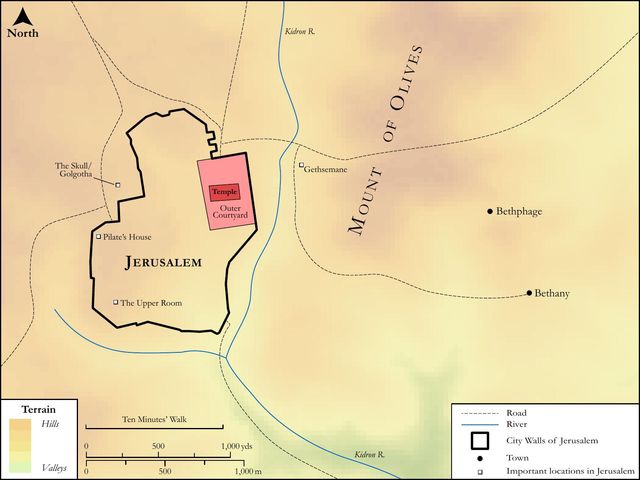
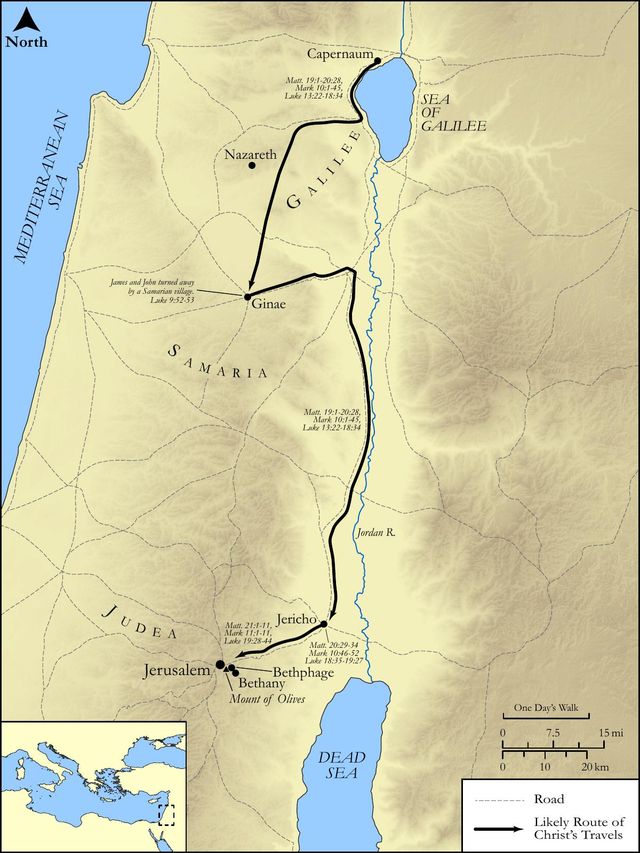
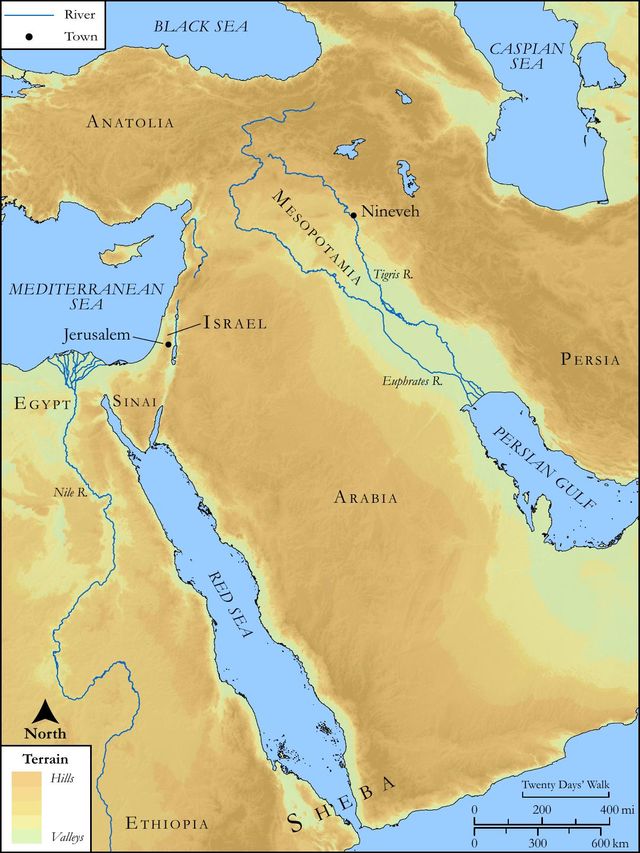
See on the biblical-era maps
Study this verse
Public-domain commentary
Matthew Henry
From his Commentary on the Whole Bible. Henry comments on passages, not single verses — this entry covers Luke 15:11–32. His four-level outline is real structure in the source text, so it is rendered as structure.
We have here the parable of the prodigal son, the scope of which is the same with those before, to show how pleasing to God the conversion of sinners is, of great sinners, and how ready he is to receive and entertain such, upon their repentance; but the circumstances of the parable do much more largely and fully set forth the riches of gospel grace than those did, and it has been, and will be while the world stands, of unspeakable use to poor sinners, both to direct and to encourage them in repenting and returning to God. Now,
I.The parable represents God as a common Father to all mankind, to the whole family of Adam.
We are all his offspring, have all one Father, and one God created us, Mal. ii. 10. From him we had our being, in him we still have it, and from him we receive our maintenance. He is our Father, for he has the educating and portioning of us, and will put us in his testament, or leave us out, according as we are, or are not, dutiful children to him. Our Saviour hereby intimates to those proud Pharisees that these publicans and sinners, whom they thus despised, were their brethren, partakers of the same nature, and therefore they ought to be glad of any kindness shown them. God is the God, not of the Jews only, but of the Gentiles, (Rom. iii. 29): the same Lord over all, that is rich in mercy to all that call upon him.
II.It represents the children of men as of different characters, though all related to God as their common Father.
He had two sons, one of them a solid grave youth, reserved and austere, sober himself, but not at all good-humoured to those about him; such a one would adhere to his education, and not be easily drawn from it; but the other volatile and mercurial, and impatient of restraint, roving, and willing to try his fortune, and, if he fall into ill hands, likely to be a rake, notwithstanding his virtuous education. Now this latter represents the publicans and sinners, whom Christ is endeavouring to bring to repentance, and the Gentiles, to whom the apostles were to be sent forth to preach repentance. The former represents the Jews in general, and particularly the Pharisees, whom he was endeavouring to reconcile to that grace of God which was offered to, and bestowed upon, sinners.
The younger son is the prodigal, whose character and case are here designed to represent that of a sinner, that of every one of us in our natural state, but especially of some. Now we are to observe concerning him,
1.His riot and ramble when he was a prodigal, and the extravagances and miseries he fell into. We are told,
(1.)What his request to his father was (v. 12): He said to his father, proudly and pertly enough, "Father, give me"—he might have put a little more in his mouth, and have said, Pray give me, or, Sir, if you please, give me, but he makes an imperious demand—"give me the portion of goods that falleth to me; not so much as you think fit to allot to me, but that which falls to me as my due." Note, It is bad, and the beginning of worse, when men look upon God's gifts as debts. "Give me the portion, all my child's part, that falls to me;" not, "Try me with a little, and see how I can manage that, and accordingly trust me with more;" but, "Give it me all at present in possession, and I will never expect any thing in reversion, any thing hereafter." Note, The great folly of sinners, and that which ruins them, is being content to have their portion in hand, now in this lifetime to receive their good things. They look only at the things that are seen, that are temporal, and covet only a present gratification, but have no care for a future felicity, when that is spent and gone. And why did he desire to have his portion in his own hands? Was it that he might apply himself to business, and trade with it, and so make it more? No, he had no thought of that. But,
[1.]He was weary of his father's government, of the good order and discipline of his father's family, and was fond of liberty falsely so called, but indeed the greatest slavery, for such a liberty to sin is. See the folly of many young men, who are religiously educated, but are impatient of the confinement of their education, and never think themselves their own masters, their own men, till they have broken all God's bands in sunder, and cast away his cords from them, and, instead of them, bound themselves with the cords of their own lust. Here is the original of the apostasy of sinners from God; they will not be tied up to the rules of God's government; they will themselves be as gods, knowing no other good and evil than what themselves please.
[2.]He was willing to get from under his father's eye, for that was always a check upon him, and often gave a check to him. A shyness of God, and a willingness to disbelieve his omniscience, are at the bottom of the wickedness of the wicked.
[3.]He was distrustful of his father's management. He would have his portion of goods himself, for he thought that his father would be laying up for hereafter for him, and, in order to that, would limit him in his present expenses, and that he did not like.
[4.]He was proud of himself, and had a great conceit of his own sufficiency. He thought that if he had but his portion in his own hands he could manage it better than his father did, and make a better figure with it. There are more young people ruined by pride than by any one lust whatsoever. Our first parents ruined themselves and all theirs by a foolish ambition to be independent, and not to be beholden even to God himself; and this is at the bottom of sinners' persisting in their sin—they will be for themselves.
(2.)How kind his father was to him: He divided unto them his living. He computed what he had to dispose of between his sons, and gave the younger son his share, and offered the elder his, which ought to be a double portion; but, it should seem, he desired his father to keep it in his own hands still, and we may see what he got by it (v. 31): All that I have is thine. He got all by staying for something in reserve. He gave the younger son what he asked, and the son had no reason to complain that he did him any wrong in the dividend; he had as much as he expected, and perhaps more.
[1.]Thus he might now see his father's kindness, how willing he was to please him and make him easy, and that he was not such an unkind father as he was willing to represent him when he wanted an excuse to be gone.
[2.]Thus he would in a little time be made to see his own folly, and that he was not such a wise manager for himself as he would be thought to be. Note, God is a kind Father to all his children, and gives to them all life, and breath, and all things, even to the evil and unthankful, dieilen autois ton bion—He divided to them life. God's giving us life is putting us in a capacity to serve and glorify him.
(3.)How he managed himself when he had got his portion in his own hands. He set himself to spend it as fast as he could, and, as prodigals generally do, in a little time he made himself a beggar: not many days after, v. 13. Note, if God leave us ever so little to ourselves, it will not be long ere we depart from him. When the bridle of restraining grace is taken off we are soon gone. That which the younger son determined was to be gone presently, and, in order to that, he gathered all together. Sinners, that go astray from God, venture their all.
Now the condition of the prodigal in this ramble of his represents to us a sinful state, that miserable state into which man is fallen.
[1.]A sinful state is a state of departure and distance from God. First, It is the sinfulness of sin that it is an apostasy from God. He took his journey from his father's house. Sinners are fled from God; they go a whoring from him; they revolt from their allegiance to him, as a servant that runs from his service, or a wife that treacherously departs from her husband, and they say unto God, Depart. They get as far off him as they can. The world is the far country in which they take up their residence, and are as at home; and in the service and enjoyment of it they spend their all. Secondly. It is the misery of sinners that they are afar off from God, from him who is the Fountain of all good, and are going further and further from him. What is hell itself, but being afar off from God?
[2.]A sinful state is a spending state: There he wasted his substance with riotous living (v. 13), devoured it with harlots (v. 30), and in a little time he had spent all, v. 14. He bought fine clothes, spent a great deal in meat and drink, treated high, associated with those that helped him to make an end of what he had in a little time. As to this world, they that live riotously waste what they have, and will have a great deal to answer for, that they spend that upon their lusts which should be for the necessary substance of themselves and their families. But this is to be applied spiritually. Wilful sinners waste their patrimony; for they misemploy their thoughts and all the powers of their souls, misspend their time and all their opportunities, do not only bury, but embezzle, the talents they are entrusted to trade with for their Master's honour; and the gifts of Providence, which were intended to enable them to serve God and to do good with, are made the food and fuel of their lusts. The soul that is made a drudge, either to the world or to the flesh, wastes its substance, and lives riotously. One sinner destroys much good, Eccl. ix. 18. The good he destroys is valuable, and it is none of his own; they are his Lord's goods that he wastes, which must be accounted for.
[3.]A sinful state is a wanting state: When he had spent all upon his harlots, they left him, to seek such another prey; and there arose a mighty famine in that land, every thing was scarce and dear, and he began to be in want, v. 14. Note, Wilful waste brings woeful want. Riotous living in time, perhaps in a little time, brings men to a morsel of bread, especially when bad times hasten on the consequences of bad husbandry, which good husbandry would have provided for. This represents the misery of sinners, who have thrown away their own mercies, the favour of God, their interest in Christ, the strivings of the Spirit, and admonitions of conscience; these they gave away for the pleasure of sense, and the wealth of the world, and then are ready to perish for want of them. Sinners want necessaries for their souls; they have neither food nor raiment for them, nor any provision for hereafter. A sinful state is like a land where famine reigns, a mighty famine; for the heaven is as brass (the dews of God's favour and blessing are withheld, and we must needs want good things if God deny them to us), and the earth is as iron (the sinner's heart, that should bring forth good things, is dry and barren, and has no good in it). Sinners are wretchedly and miserably poor, and, what aggravates it, they brought themselves into that condition, and keep themselves in it by refusing the supplies offered.
[4.]A sinful state is a vile servile state. When this young man's riot had brought him to want his want brought him to servitude. He went, and joined himself to a citizen of that country, v. 15. The same wicked life that before was represented by riotous living is here represented by servile living; for sinners are perfect slaves. The devil is the citizen of that country; for he is both in city and country. Sinners join themselves to him, hire themselves into his service, to do his work, to be at his beck, and to depend upon him for maintenance and a portion. They that commit sin are the servants of sin, John viii. 34. How did this young gentleman debase and disparage himself, when he hired himself into such a service and under such a master as this! He sent him into the fields, not to feed sheep (there had been some credit in that employment; Jacob, and Moses, and David, kept sheep), but to feed swine. The business of the devil's servants is to make provision for the flesh, to fulfil the lusts thereof, and that is no better than feeding greedy, dirty, noisy swine; and how can rational immortal souls more disgrace themselves?
[5.]A sinful state is a state of perpetual dissatisfaction. When the prodigal began to be in want, he thought to help himself by going to service; and he must be content with the provision which not the house, but the field, afforded; but it is poor provision: He would fain have filled his belly, satisfied his hunger, and nourished his body, with the husks which the swine did eat, v. 16. A fine pass my young master had brought himself to, to be fellow-commoner with the swine! Note, That which sinners, when they depart from God, promise themselves satisfaction in, will certainly disappoint them; they are labouring for that which satisfieth not, Isa. lv. 2. That which is the stumbling-block of their iniquity will never satisfy their souls, nor fill their bowels, Ezek. vii. 19. Husks are food for swine, but not for men. The wealth of the world and the entertainments of sense will serve for bodies; but what are these to precious souls? They neither suit their nature, nor satisfy their desires, nor supply their needs. He that takes up with them feeds on wind (Hos. xii. 1), feeds on ashes, Isa. xliv. 20.
[6.]A sinful state is a state which cannot expect relief from any creature. This prodigal, when he could not earn his bread by working, took to begging; but no man gave unto him, because they knew he had brought all this misery upon himself, and because he was rakish, and provoking to every body; such poor are least pitied. This, in the application of the parable, intimates that those who depart from God cannot be helped by any creature. In vain do we cry to the world and the flesh (those gods which we have served); they have that which will poison a soul, but have nothing to give it which will feed and nourish it. If thou refuse God's help, whence shall any creature help thee?
[7.]A sinful state is a state of death: This my son was dead, v. 24, 32. A sinner is not only dead in law, as he is under a sentence of death, but dead in state too, dead in trespasses and sins, destitute of spiritual life; no union with Christ, no spiritual senses exercised, no living to God, and therefore dead. The prodigal in the far country was dead to his father and his family, cut off from them, as a member from the body or a branch from the tree, and therefore dead, and it is his own doing.
[8.]A sinful state is a lost state: This my son was lost—lost to every thing that was good—lost to all virtue and honour—lost to his father's house; they had no joy of him. Souls that are separated from God are lost souls; lost as a traveller that is out of his way, and, if infinite mercy prevent not, will soon be lost as a ship that is sunk at sea, lost irrecoverably.
[9.]A sinful state is a state of madness and frenzy. This is intimated in that expression (v. 17), when he came to himself, which intimates that he had been beside himself. Surely he was so when he left his father's house, and much more so when he joined himself to the citizen of that country. Madness is said to be in the heart of sinners, Eccl. ix. 3. Satan has got possession of the soul; and how raging mad was he that was possessed by Legion! Sinners, like those that are mad, destroy themselves with foolish lusts, and yet at the same time deceive themselves with foolish hopes; and they are, of all diseased persons, most enemies to their own cure.
2.We have here his return from this ramble, his penitent return to his father again. When he was brought to the last extremity, then he bethought himself how much it was his interest to go home. Note, We must not despair of the worst; for while there is life there is hope. The grace of God can soften the hardest heart, and give a happy turn to the strongest stream of corruption. Now observe here,
(1.)What was the occasion of his return and repentance. It was his affliction; when he was in want, then he came to himself. Note, Afflictions, when they are sanctified by divine grace, prove happy means of turning sinners from the error of their ways. By them the ear is opened to discipline and the heart disposed to receive instructions; and they are sensible proofs both of the vanity of the world and of the mischievousness of sin. Apply it spiritually. When we find the insufficiency of creatures to make us happy, and have tried all other ways of relief for our poor souls in vain, then it is time to think of returning to God. When we see what miserable comforters, what physicians of no value, all but Christ are, for a soul that groans under the guilt and power of sin, and no man gives unto us what we need, then surely we shall apply ourselves to Jesus Christ.
(2.)What was the preparative for it; it was consideration. He said within himself, he reasoned with himself, when he recovered his right mind, How many hired servants of my father's have bread enough! Note, Consideration is the first step towards conversion, Ezek. xviii. 28. He considers, and turns. To consider is to retire into ourselves, to reflect upon ourselves, to compare one thing with another, and determine accordingly. Now observe what it was that he considered.
[1.]He considered how bad his condition was: I perish with hunger. Not only, "I am hungry," but, "I perish with hunger, for I see not what way to expect relief." Note, Sinners will not come to the service of Christ till they are brought to see themselves just ready to perish in the service of sin; and the consideration of that should drive us to Christ. Master, save us, we perish. And though we be thus driven to Christ he will not therefore reject us, nor think himself dishonoured by our being forced to him, but rather honoured by his being applied to in a desperate case.
[2.]He considered how much better it might be made if he would but return: How many hired servants of my father's, the meanest in his family, the very day-labourers, have bread enough, and to spare, such a good house does he keep! Note, First, In our Father's house there is bread for all his family. This was taught by the twelve loaves of showbread, that were constantly upon the holy table in the sanctuary, a loaf for every tribe. Secondly, There is enough and to spare, enough for all, enough for each, enough to spare for such as will join themselves to his domestics, enough and to spare for charity. Yet there is room; there are crumbs that fall from his table, which many would be glad of, and thankful for. Thirdly, Even the hired servants in God's family are well provided for; the meanest that will but hire themselves into his family, to do his work, and depend upon his rewards, shall be well provided for. Fourthly, The consideration of this should encourage sinners, that have gone astray from God, to think of returning to him. Thus the adulteress reasons with herself, when she is disappointed in her new lovers: I will go and return to my first husband, for then was it better with me than now, Hos. ii. 7.
(3.)What was the purpose of it. Since it is so, that his condition is so bad, and may be bettered by returning to his father, his consideration issues, at length, in this conclusion: I will arise, and go to my father. Note, Good purposes are good things, but still good performances are all in all.
[1.]He determined what to do: I will arise and go to my father. He will not take any longer time to consider of it, but will forthwith arise and go. Though he be in a far country, a great way off from his father's house, yet, far as it is, he will return; every step of backsliding from God must be a step back again in return to him. Though he be joined to a citizen of this country, he makes no difficulty of breaking his bargain with him. We are not debtors to the flesh; we are under no obligation at all to our Egyptian task-masters to give them warning, but are at liberty to quit the service when we will. Observe with what resolution he speaks: "I will arise, and go to my father: I am resolved I will, whatever the issue be, rather than stay here and starve."
[2.]He determined what to say. True repentance is a rising, and coming to God: Behold, we come unto thee. But what words shall we take with us? He here considers what to say. Note, In all our addresses to God, it is good to deliberate with ourselves beforehand what we shall say, that we may order our cause before him, and fill our mouth with arguments. We have liberty of speech, and we ought to consider seriously with ourselves, how we may use that liberty to the utmost, and yet not abuse it. Let us observe what he purposed to say.
First, He would confess his fault and folly: I have sinned. Note, Forasmuch as we have all sinned, it behoves us, and well becomes us, to own that we have sinned. The confession of sin is required and insisted upon, as a necessary condition of peace and pardon. If we plead not guilty, we put ourselves upon a trial by the covenant of innocency, which will certainly condemn us. If guilty, with a contrite, penitent, and obedient heart, we refer ourselves to the covenant of grace, which offers forgiveness to those that confess their sins.
Secondly, He would aggravate it, and would be so far from extenuating the matter that he would lay a load upon himself for it: I have sinned against Heaven, and before thee. Let those that are undutiful to their earthly parents think of this; they sin against heaven, and before God. Offences against them are offences against God. Let us all think of this, as that which renders our sin exceedingly sinful, and should render us exceedingly sorrowful for it. 1. Sin is committed in contempt of God's authority over us: We have sinned against Heaven. God is here called Heaven, to signify how highly he is exalted above us, and the dominion he has over us, for the Heavens do rule. The malignity of sin aims high; it is against Heaven. The daring sinner is said to have set his mouth against the heavens, Ps. lxiii. 9. Yet it is impotent malice, for we cannot hurt the heavens. Nay, it is foolish malice; what is shot against the heavens will return upon the head of him that shoots it, Ps. vii. 16. Sin is an affront to the God of heaven, it is a forfeiture of the glories and joys of heaven, and a contradiction to the designs of the kingdom of heaven. 2. It is committed in contempt of God's eye upon us: "I have sinned against Heaven and yet before thee, and under thine eye," than which there could not be a greater affront put upon him.
Thirdly, He would judge and condemn himself for it, and acknowledge himself to have forfeited all the privileges of the family: I am no more worthy to be called thy son, v. 19. He does not deny the relation (for that was all he had to trust to), but he owns that his father might justly deny the relation, and shut his doors against him. He had, at his own demand, the portion of goods that belonged to him, and had reason to expect no more. Note, It becomes sinners to acknowledge themselves unworthy to receive any favour from God, and to humble and abase themselves before him.
Fourthly, He would nevertheless sue for admission into the family, though it were into the meanest post there: "Make me as one of thy hired servants: that is good enough, and too good for me." Note, True penitents have a high value for God's house, and the privileges of it, and will be glad of any place, so they may but be in it, though it be but as door-keepers, Ps. lxxxiv. 10. If it be imposed on him as a mortification to sit with the servants, he will not only submit to it, but count it a preferment, in comparison with his present state. Those that return to God, from whom they have revolted, cannot but be desirous some way or other to be employed for him, and put into a capacity of serving and honouring him: "Make me as a hired servant, that I may show I love my father's house as much as ever I slighted it."
Fifthly, In all this he would have an eye to his father as a father: "I will arise, and go to my father, and will say unto him, Father." Note, Eyeing God as a Father, and our Father, will be of great use in our repentance and return to him. It will make our sorrow for sin genuine, our resolutions against it strong, and encourage us to hope for pardon. God delights to be called Father both by penitents and petitioners. Is not Ephraim a dear son?
(4.)What was the performance of this purpose: He arose, and came to his father. His good resolve he put in execution without delay; he struck while the iron was hot, and did not adjourn the thought to some more convenient season. Note, It is our interest speedily to close with our convictions. Have we said that we will arise and go? Let us immediately arise and come. He did not come halfway, and then pretend that he was tired and could get no further, but, weak and weary as he was, he made a thorough business of it. If thou wilt return, O Israel, return unto me, and do thy first works.
3.We have here his reception and entertainment with his father: He came to his father; but was he welcome? Yes, heartily welcome. And, by the way, it is an example to parents whose children have been foolish and disobedient, if they repent, and submit themselves, not to be harsh and severe with them, but to be governed in such a case by the wisdom that is from above, which is gentle and easy to be entreated; herein let them be followers of God, and merciful, as he is. But it is chiefly designed to set forth the grace and mercy of God to poor sinners that repent and return to him, and his readiness to forgive them. Now here observe,
(1.)The great love and affection wherewith the father received the son: When he was yet a great way off his father saw him, v. 20. He expressed his kindness before the son expressed his repentance; for God prevents us with the blessings of his goodness. Even before we call he answers; for he knows what is in our hearts. I said, I will confess, and thou forgavest. How lively are the images presented here!
[1.]Here were eyes of mercy, and those eyes quick-sighted: When he was yet a great way off his father saw him, before any other of the family were aware of him, as if from the top of some high tower he had been looking that way which his son was gone, with such a thought as this, "O that I could see yonder wretched son of mine coming home!" This intimates God's desire of the conversion of sinners, and his readiness to meet them that are coming towards him. He looketh on men, when they are gone astray from him, to see whether they will return to him, and he is aware of the first inclination towards him.
[2.]Here were bowels of mercy, and those bowels turning within him, and yearning at the sight of his son: He had compassion. Misery is the object of pity, even the misery of a sinner; though he has brought it upon himself, yet God compassionates. His soul was grieved for the misery of Israel, Hos. xi. 8; Judg. x. 16.
[3.]Here were feet of mercy, and those feet quick-paced: He ran. This denotes how swift God is to show mercy. The prodigal son came slowly, under a burden of shame and fear; but the tender father ran to meet him with his encouragements.
[4.]Here were arms of mercy, and those arms stretched out to embrace him: He fell on his neck. Though guilty and deserving to be beaten, though dirty and newly come from feeding swine, so that any one who had not the strongest and tenderest compassions of a father would have loathed to touch him, yet he thus takes him in his arms, and lays him in his bosom. Thus dear are true penitents to God, thus welcome to the Lord Jesus.
[5.]Here were lips of mercy, and those lips dropping as a honey-comb: He kissed him. This kiss not only assured him of his welcome, but sealed his pardon; his former follies shall be all forgiven, and not mentioned against him, nor is one word said by way of upbraiding. This was like David's kissing Absalom, 2 Sam. xiv. 33. And this intimates how ready, and free, and forward the Lord Jesus is to receive and entertain poor returning repenting sinners, according to his Father's will.
(2.)The penitent submission which the poor prodigal made to his father (v. 21): He said unto him, Father, I have sinned. As it commends the good father's kindness that he showed it before the prodigal expressed his repentance, so it commends the prodigal's repentance that he expressed it after his father had shown him so much kindness. When he had received the kiss which sealed his pardon, yet he said, Father, I have sinned. Note, Even those that have received the pardon of their sins, and the comfortable sense of their pardon, must have in their hearts a sincere contrition for it, and with their mouths must make a penitent confession of it, even of those sins which they have reason to hope are pardoned. David penned the fifty-first psalm after Nathan had said, The Lord has taken away thy sin, thou shall not die. Nay, the comfortable sense of the pardon of sin should increase our sorrow for it; and that is ingenuous evangelical sorrow which is increased by such a consideration. See Ezek. xvi. 63, Thou shalt be ashamed and confounded, when I am pacified towards thee. The more we see of God's readiness to forgive us, the more difficult it should be to us to forgive ourselves.
(3.)The splendid provision which this kind father made for the returning prodigal. He was going on in his submission, but one word we find in his purpose to say (v. 19) which we do not find that he did say (v. 21), and that was, Make me as one of thy hired servants. We cannot think that he forgot it, much less that he changed his mind, and was now either less desirous to be in the family or less willing to be a hired servant there than when he made that purpose; but his father interrupted him, prevented his saying it: "Hold, son, talk no more of thy unworthiness, thou art heartily welcome, and, though not worthy to be called a son, shalt be treated as a dear son, as a pleasant child." He who is thus entertained at first needs not ask to be made as a hired servant. Thus when Ephraim bemoaned himself God comforted him, Jer. xxxi. 18-20. It is strange that here is not one word of rebuke: "Why did you not stay with your harlots and your swine? You could never find the way home till beaten hither with your own rod." No, here is nothing like this; which intimates that, when God forgives the sins of true penitents, he forgets them, he remembers them no more, they shall not be mentioned against them, Ezek. xviii. 22. But this is not all; here is rich and royal provision made for him, according to his birth and quality, far beyond what he did or could expect. He would have thought it sufficient, and been very thankful, if his father had but taken notice of him, and bid him go to the kitchen, and get his dinner with his servants; but God does for those who return to their duty, and cast themselves upon his mercy, abundantly above what they are able to ask or think. The prodigal came home between hope and fear, fear of being rejected and hope of being received; but his father was not only better to him than his fears, but better to him than his hopes—not only received him, but received him with respect.
[1.]He came home in rags, and his father not only clothed him, but adorned him. He said to the servants, who all attended their master, upon notice that his son was come, Bring forth the best robe, and put it on him. The worst old clothes in the house might have served, and these had been good enough for him; but the father calls not for a coat, but for a robe, the garment of princes and great men, the best robe—ten stolen ten proten. There is a double emphasis: "that robe, that principal robe, you know which I mean;" the first robe (so it may be read); the robe he wore before he ran his ramble. When backsliders repent and do their first works, they shall be received and dressed in their first robes. "Bring hither that robe, and put it on him; he will be ashamed to wear it, and think that it ill becomes him who comes home in such a dirty pickle, but put it on him, and do not merely offer it to him: and put a ring on his hand, a signet-ring, with the arms of the family, in token of his being owned as a branch of the family." Rich people wore rings, and his father hereby signified that though he had spent one portion, yet, upon his repentance, he intended him another. He came home barefoot, his feet perhaps sore with travel, and therefore, "Put shoes on his feet, to make him easy." Thus does the grace of God provide for true penitents. First, The righteousness of Christ is the robe, that principal robe, with which they are clothed; they put on the Lord Jesus Christ, are clothed with that Sun. The robe of righteousness is the garment of salvation, Isa. lxi. 10. A new nature is this best robe; true penitents are clothed with this, being sanctified throughout. Secondly, The earnest of the Spirit, by whom we are sealed to the day of redemption, is the ring on the hand. After you believed you were sealed. They that are sanctified are adorned and dignified, are put in power, as Joseph was by Pharaoh's giving him a ring: "Put a ring on his hand, to be before him a constant memorial of his father's kindness, that he may never forget it." Thirdly, The preparation of the gospel of peace is as shoes for our feet (Eph. vi. 15), so that, compared with this here, signifies (saith Grotius) that God, when he receives true penitents into his favour, makes use of them for the convincing and converting of others by their instructions, at least by their examples. David, when pardoned, will teach transgressors God's ways, and Peter, when converted, will strengthen his brethren. Or it intimates that they shall go on cheerfully, and with resolution, in the way of religion, as a man does when he has shoes on his feet, above what he does when he is barefoot.
[2.]He came home hungry, and his father not only fed him, but feasted him (v. 23): "Bring hither the fatted calf, that has been stall-fed, and long reserved for some special occasion, and kill it, that my son may be satisfied with the best we have." Cold meat might have served, or the leavings of the last meal; but he shall have fresh meat and hot meat, and the fatted calf can never be better bestowed. Note, There is excellent food provided by our heavenly Father for all those that arise and come to him. Christ himself is the Bread of Life; his flesh is meat indeed, and his blood drink indeed; in him there is a feast for souls, a feast for fat things. It was a great change with the prodigal, who just before would fain have filled his belly with husks. How sweet will the supplies of the new covenant be, and the relishes of its comforts, to those who have been labouring in vain for satisfaction in the creature! Now he found his own words made good, In my father's house there is bread enough and to spare.
(4.)The great joy and rejoicing occasioned by his return. The bringing of the fatted calf was designed to be not only a feast for him, but a festival for the family: "Let us all eat, and be merry, for it is a good day; for this my son was dead, when he was in his ramble, but his return is as life from the dead, he is alive again; we thought that he was dead, having heard nothing from him of a long time, but behold he lives; he was lost, we gave him up for lost, we despaired of hearing of him, but he is found." Note,
[1.]The conversion of a soul from sin to God is the raising of that soul from death to life, and the finding of that which seemed to be lost: it is a great, and wonderful, and happy change. What was in itself dead is made alive, what was lost to God and his church is found, and what was unprofitable becomes profitable, Philem. 11. It is such a change as that upon the face of the earth when the spring returns.
[2.]The conversion of sinners is greatly pleasing to the God of heaven, and all that belong to his family ought to rejoice in it; those in heaven do, and those on earth should. Observe, It was the father that began the joy, and set all the rest on rejoicing. Therefore we should be glad of the repentance of sinners, because it accomplishes God's design; it is the bringing of those to Christ whom the Father had given him, and in whom he will be for ever glorified. We joy for your sakes before our God, with an eye to him (1 Thess. iii. 9), and ye are our rejoicing in the presence of our Lord Jesus Christ, who is the Master of the family, 1 Thess. ii. 19. The family complied with the master: They began to be merry. Note, God's children and servants ought to be affected with things as he is.
4.We have here the repining and envying of the elder brother, which is described by way of reproof to the scribes and Pharisees, to show them the folly and wickedness of their discontent at the repentance and conversion of the publicans and sinners, and the favour Christ showed them; and he represents it so as not to aggravate the matter, but as allowing them still the privileges of elder brethren: the Jews had those privileges (though the Gentiles were favoured), for the preaching of the gospel must begin at Jerusalem. Christ, when he reproved them for their faults, yet accosted them mildly, to smooth them into a good temper towards the poor publicans. But by the elder brother here we may understand those who are really good, and have been so from their youth up, and never went astray into any vicious course of living, who comparatively need no repentance; and to such these words in the close, Son, thou art ever with me, are applicable without any difficulty, but not to the scribes and Pharisees. Now concerning the elder brother, observe,
(1.)How foolish and fretful he was upon occasion of his brother's reception, and how he was disgusted at it. It seems he was abroad in the field, in the country, when his brother came, and by the time he had returned home the mirth was begun; When he drew nigh to the house he heard music and dancing, either while the dinner was getting ready, or rather after they had eaten and were full, v. 25. He enquired what these things meant (v. 26), and was informed that his brother was come, and his father had made him a feast for his welcome home, and great joy there was because he had received him safe and sound, v. 27. It is but one word in the original, he had received him hygiainonta—in health, well both in body and mind. He received him not only well in body, but a penitent, returned to his right mind, and well reconciled to his father's house, cured of his vices and his rakish disposition, else he had not been received safe and sound. Now this offended him to the highest degree: He was angry, and would not go in (v. 28), not only because he was resolved he would not himself join in the mirth, but because he would show his displeasure at it, and would intimate to his father that he should have kept out his younger brother. This shows what is a common fault,
[1.]In men's families. Those who have always been a comfort to their parents think they should have the monopoly of their parents' favours, and are apt to be too sharp upon those who have transgressed, and to grudge their parents' kindness to them.
[2.]In God's family. Those who are comparatively innocents seldom know how to be compassionate towards those who are manifestly penitents. The language of such we have here, in what the elder brother said (v. 29, 30), and it is written for warning to those who by the grace of God are kept from scandalous sin, and kept in the way of virtue and sobriety, that they sin not after the similitude of this transgression. Let us observe the particulars of it. First, He boasted of himself and his own virtue and obedience. He had not only not run from his father's house, as his brother did, but had made himself as a servant in it, and had long done so: Lo, these many years do I serve thee, neither transgressed I at any time thy commandment. Note, It is too common for those that are better than their neighbours to boast of it, yea, and to make their boast of it before God himself, as if he were indebted to them for it. I am apt to think that this elder brother said more than was true, when he gloried that he had never transgressed his father's commands, for them I believe he would not have been so obstinate as now he was to his father's entreaties. However, we will admit it comparatively; he had not been so disobedient as his brother had been. O what need have good men to take heed of pride, a corruption that arises out of the ashes of other corruptions! Those that have long served God, and been kept from gross sins, have a great deal to be humbly thankful for, but nothing proudly to boast of. Secondly, He complained of his father, as if he had not been so kind as he ought to have been to him, who had been so dutiful: Thou never gavest me a kid, that I might make merry with my friends. He was out of humour now, else he would not have made this complaint; for, no questions, if he had asked such a thing at any time, he might have had it at the first word; and we have reason to think that he did not desire it, but the killing of the fatted calf put him upon making this peevish reflection. When men are in a passion they are apt to reflect in a way they would not if they were in their right mind. He had been fed at his father's table, and had many a time been merry with him and the family; but his father had never given him so much as a kid, which was but a small token of love compared with the fatted calf. Note, Those that think highly of themselves and their services are apt to think hardly of their master and meanly of his favours. We ought to own ourselves utterly unworthy of those mercies which God has thought fit to give us, much more of those that he has not thought fit to give us, and therefore we must not complain. He would have had a kid, to make merry with his friends abroad, whereas the fatted calf he grudged so much was given to his brother, not to make merry with his friends abroad, but with the family at home: the mirth of God's children should be with their father and his family, in communion with God and his saints, and not with any other friends. Thirdly, He was very ill-humoured towards his younger brother, and harsh in what he thought and said concerning him. Some good people are apt to be overtaken in this fault, nay, and to indulge themselves too much in it, to look with disdain upon those who have not preserved their reputation so clean as they have done, and to be sour and morose towards them, yea, though they have given very good evidence of their repentance and reformation. This is not the Spirit of Christ, but of the Pharisees. Let us observe the instances of it. 1. He would not go in, except his brother were turned out; one house shall not hold him and his own brother, no, not his father's house. The language of this was that of the Pharisee (Isa. lxv. 5): Stand by thyself, come not near to me, for I am holier than thou; and (ch. xviii. 11) I am not as other men are, nor even as this publican. Note, Though we are to shun the society of those sinners by whom we are in danger of being infected, yet we must not be shy of the company of penitent sinners, by whom we may get good. He saw that his father had taken him in, and yet he would not go in to him. Note, We think too well of ourselves, if we cannot find in our hearts to receive those whom God hath received, and to admit those into favour, and friendship, and fellowship with us, whom we have reason to think God has a favour for, and who are taken into friendship and fellowship with him. 2. He would not call him brother; but this thy son, which sounds arrogantly, and not without reflection upon his father, as if his indulgence had made him a prodigal: "He is thy son, thy darling." Note, Forgetting the relation we stand in to our brethren, as brethren, and disowning that, are at the bottom of all our neglects of our duty to them and our contradictions to that duty. Let us give our relations, both in the flesh and in the Lord, the titles that belong to them. Let the rich call the poor brethren, and let the innocents call the penitents so. 3. He aggravated his brother's faults, and made the worst of them, endeavouring to incense his father against him: He is thy son, who hath devoured thy living with harlots. It is true, he had spent his own portion foolishly enough (whether upon harlots or no we are not told before, perhaps that was only the language of the elder brother's jealousy and ill will), but that he had devoured all his father's living was false; the father had still a good estate. Now this shows how apt we are, in censuring our brethren, to make the worst of every thing, and to set it out in the blackest colours, which is not doing as we would be done by, nor as our heavenly Father does by us, who is not extreme to mark iniquities. 4. He grudged him the kindness that his father showed him: Thou hast killed for him the fatted calf, as if he were such a son as he should be. Note, It is a wrong thing to envy penitents the grace of God, and to have our eye evil because he is good. As we must not envy those that are the worst of sinners the gifts of common providence (Let not thine heart envy sinners), so we must not envy those that have been the worst of sinners the gifts of covenant love upon their repentance; we must not envy them their pardon, and peace, and comfort, no, nor any extraordinary gift which God bestows upon them, which makes them eminently acceptable or useful. Paul, before his conversion, had been a prodigal, had devoured his heavenly Father's living by the havoc he made of the church; yet when after his conversion he had greater measures of grace given him, and more honour put upon him, than the other apostles, they who were the elder brethren, who had been serving Christ when he was persecuting him, and had not transgressed at any time his commandment, did not envy him his visions and revelations, nor his more extensive usefulness, but glorified God in him, which ought to be an example to us, as the reverse of this elder brother.
(2.)Let us now see how favourable and friendly his father was in his carriage towards him when he was thus sour and ill-humoured. This is as surprising as the former. Methinks the mercy and grace of our God in Christ shine almost as brightly in his tender and gentle bearing with peevish saints, represented by the elder brother here, as before in his reception of prodigal sinners upon their repentance, represented by the younger brother. The disciples of Christ themselves had many infirmities, and were men subject to like passions as others, yet Christ bore with them, as a nurse with her children. See 1 Thess. ii. 7.
[1.]When he would not come in, his father came out, and entreated him, accosted him mildly, gave him good words, and desired him to come in. He might justly have said, "If he will not come in, let him stay out, shut the doors against him, and send him to seek a lodging where he can find it. Is not the house my own? and may I not do what I please in it? Is not the fatted calf my own? and may I not do what I please with it?" No, as he to meet the younger son, so now he goes to court the elder, did not send a servant out with a kind message to him, but went himself. Now, First, This is designed to represent to us the goodness of God; how strangely gentle and winning he has been towards those that were strangely froward and provoking. He reasoned with Cain: Why art thou wroth? He bore Israel's manners in the wilderness, Acts xiii. 18. How mildly did God reason with Elijah, when he was upon the fret (1 Kings xix. 46), and especially with Jonah, whose case was very parallel with this here, for he was there disquieted at the repentance of Nineveh, and the mercy shown to it, as the elder brother here; and those questions, Dost thou well to be angry? and, Should not I spare Nineveh? are not unlike these expostulations of the father with the elder brother here. Secondly, It is to teach all superiors to be mild and gentle with their inferiors, even when they are in a fault and passionately justify themselves in it, than which nothing can be more provoking; and yet even in that case let fathers not provoke their children to more wrath, and let masters forbear threatening, and both show all meekness.
[2.]His father assured him that the kind entertainment he gave his younger brother was neither any reflection upon him nor should be any prejudice to him (v. 31): "Thou shalt fare never the worse for it, nor have ever the less for it. Son, thou art ever with me; the reception of him is no rejection of thee, nor what is laid out on him any sensible diminution of what I design for thee; thou shalt still remain entitled to the pars enitia (so our law calls it), the double portion (so the Jewish law called it); thou shalt be hæres ex asse (so the Roman law called it): all that I have is thine, by an indefeasible title." If he had not given him a kid to make merry with his friends, he had allowed him to eat bread at his table continually; and it is better to be happy with our Father in heaven than merry with any friend we have in this world. Note, First, It is the unspeakable happiness of all the children of God, who keep close to their Father's house, that they are, and shall be, ever with him. They are so in this world by faith; they shall be so in the other world by fruition; and all that he has is theirs; for, if children, then heirs, Rom. viii. 17. Secondly, Therefore we ought not to envy others God's grace to them because we shall have never the less for their sharing in it. If we be true believers, all that God is, all that he has, is ours; and, if others come to be true believers, all that he is, and all that he has, is theirs too, and yet we have not the less, as they that walk in the light and warmth of the sun have all the benefit they can have by it, and yet not the less for others having as much; for Christ in his church is like what is said of the soul in the body: it is tota in toto—the whole in the whole, and yet tota in qualibet parte—the whole in each part.
Historical interpretation
Eleven Centuries of Reception
33 surviving comments on this verse. Each one is dated, so this reads as a timeline rather than a list.
Select a marker to jump to its quote. Markers stagger vertically where authors wrote within a few decades of each other.
According to Luke, having a priestly character, the Gospel began with the priest Zechariah offering incense to God. The fatted calf was already being prepared which was to be sacrificed for the finding of the younger son.
Therefore the apostate withal will recover his former "garment," the robe of the Holy Spirit; and a renewal of the "ring," the sign and seal of baptism; and Christ will again be "slaughtered; " and he will recline on that couch from which such as are unworthily clad are wont to be lifted by the torturers, and cast away into darkness, -much more such as have been stripped.
Hence the Word has with deep perception called the souls of the prophets concubines, because He did not espouse them openly, as He did the Church, having killed for her the fatted calf.
Then he shall get up, come to his father, and confess to him, “I have sinned against heaven and before you. I am no longer worthy to be called your son. Treat me like one of your hired servants.”When he confesses like that, he will be considered worthy of more than that for which he prayed. His father neither takes him in like a hired servant nor treats him like a stranger. Oh no, he kisses him as a son. He accepts him as a dead man come back to life again. He counts him worthy of the divine feast and gives him the precious garment he once wore.
Now there is singing and joy in the father’s home. What happened is the result of the Father’s grace and loving kindness. Not only does he bring his son back from death, but also through the Spirit he clearly shows his grace. To replace corruption, he clothes him with an incorruptible robe. To satisfy hunger, he kills the fatted calf. The Father provides shoes for his feet so that he will not travel far away again. Most wonderful of all, he puts a divine signet ring upon his hand. By all these things, he begets him anew in the image of the glory of Christ.
Jacob led out his sheep
And brought them to his father’s home;
A symbol for those with discernment,
A parable for those with perception
Is to be found in this homecoming:
Let us too return to our Father’s house,
My brothers, and do not become
captivated with desire
For this transient earth
—for your true city is in Eden.
Blessed indeed is that person
Who has seen his dear ones in its midst.
There are three different distinct kinds of obedience. For either from fear of punishment we avoid evil and are servilely disposed; or looking to the gain of a reward we perform what is commanded, like to mercenaries; or we obey the law for the sake of good itself and our love to Him who gave it, and so savour of the mind of children.
(Orat. in mul. peccat.) The younger son had despised his father when first he departed, and had wasted his father's money. But when in course of time he was broken down by hardship, having become a hired servant, and eating the same food with the swine, he returned, chastened, to his father's house. Hence it is said, And when he came to himself, he said, How many hired servants of my father's have bread enough and to spare, but I perish with hunger.
(ubi sup.) But he returned not to his former happiness before that coming to himself he had experienced the presence of overpowering bitterness, and resolved the words of repentance, which are added, I will arise.
(ubi sup.) Now this prodigal son, the Holy Spirit has engraved upon our hearts, that we may be instructed how we ought to deplore the sins of our soul.
His meditating confession so won his father to him, that he went out to meet him, and kissed his neck; for it follows, and ran, and fell on his neck, and kissed him. This signifies the yoke of reason imposed on the mouth of man by Evangelical tradition, which annulled the observance of the law.
Rightly the flesh of the calf, because it is the priestly victim which was offered for sin. But he introduces him feasting, when he says, Be merry; to show that the food of the Father is our salvation; the joy of the Father the redemption of our sins.
He is dead who was. Therefore the Gentiles are not, the Christian is. Here however might be understood one individual of the human race; Adam was, and in him we all were. Adam perished, and in him we all have perished. Man then is restored in that Man who has died. It might also seem to be spoken of one working repentance, because he dies not who has not at one time lived. And the Gentiles indeed when they have believed are made alive again by grace. But he who has fallen recovers by repentance.
“I am no more worthy to be called your son.” Cast down, he should not exalt himself that the merit of his humility may raise him. “Make me as one of your hired servants.” He knows there is a difference between sons, friends, hired servants and slaves. You are a son through baptism, friend through virtue, hired servant through labor, and slave through fear. Friends can even come from slaves and hired servants, as it is written, “You are my friends, if you do the things that I command you. I do not now call you servants.”
The Father rejoices “because my son was dead and has come to life again. He was lost and is found.” “He who was, is lost.” He, who was not, cannot be lost. The Gentiles are not, the Christian is, according as it is written above that, “God has chosen things that are not, that he might bring to nothing things that are.” It is also possible to understand here the likeness of the human race in one man. Adam was, and we were all in him. Adam was lost, and all were lost in him.
Christ chooses those who stand. Rise and run to the church. Here is the Father, the Son and the Holy Spirit. He who hears you pondering in the secret places of the mind runs to you. When you are still far away, he sees you and runs to you. He sees in your heart. He runs, perhaps someone may hinder, and he embraces you. His foreknowledge is in the running, his mercy in the embrace and the disposition of fatherly love. He falls on your neck to raise one prostrate and burdened with sins and bring back one turned aside to the earthly toward heaven. Christ falls on your neck to free your neck from the yoke of slavery and hang his sweet yoke upon your shoulders.
“Father,” it says, “I have sinned against heaven, and before you.” This is the first confession before the Creator of nature, the Patron of mercy, and the Judge of guilt. Although God knows all things, he awaits the words of your confession.… Confess, so that Christ may rather intercede for you, he whom we have as an advocate with the Father. Confess, so that the church may pray for you and that the people may weep for you. Do not fear that perhaps you might not receive. The advocate promises pardon. The patron offers grace. The defender promises the reconciliation with the Father’s good will to you. Believe because it is the truth. Consent because it is a virtue. He has a reason to intercede for you, unless he died for you in vain. The Father also has a reason for forgiveness, because the Father wants what the Son wants.
There are those who interpret the swine as being the flocks of demons, the husks as the lack of virtue of worthless people and the boastful words of those who cannot do good. By the empty allure of philosophy and the noisy applause for eloquence, they show ostentation rather than any usefulness. These cannot be lasting pleasures.
“A mighty famine came there in that country.” It was not a famine of fasts but of good works and virtues. What hunger is more wretched? Certainly whoever departs from the Word of God hungers, because “man lives not by bread alone but by every word of God.” Whoever leaves treasure lacks. Whoever departs from wisdom is stupefied. Whoever departs from virtue is destroyed. It was fitting that he begin to be in need, because he abandoned the treasures of wisdom and the knowledge of God and the depths of heavenly riches. He began to want and to suffer starvation, because nothing is enough for prodigal enjoyment. He who does not know how to be filled with eternal nourishment always suffers starvation.
“He went and attached himself to one of the citizens.” Whoever attaches himself is in a snare. That citizen is the prince of this world. He is sent to the farm bought by the man who excused himself from the kingdom. He feeds the swine, those into which the devil sought to enter, those he cast into the sea of the world as they lived in filth and foulness.
You see that the divine inheritance is given to those who ask. You should not think that the Father was guilty because he gave to the younger son. There is no frail age in the kingdom of God nor is faith weighed down by years. He who made the request surely judged himself worthy. If only he had not departed from his Father, he would not have known the hindrance of age. After he went abroad, he who departed from the church squandered his inheritance. “After,” it says, “leaving his home and country, he went abroad into a distant country.” What is farther away than to depart from oneself, and not from a place?… Surely whoever separates himself from Christ is an exile from his country, a citizen of the world. We are not strangers and pilgrims, but we are “fellow citizens of the saints and of the household of God,” for we who were far away have come near in the blood of Christ. Let us not look down on those who return from a distant land, because we were also in a distant land, as Isaiah teaches. “To them that dwelled in the region of the shadow of death, light has risen.” There is a distant region of the shadow of death, but we, for whom the Spirit before our face is Christ the Lord, live in the shadow of Christ. The church therefore says, “Under his shadow I desired and sat down.”
(Hom. de Patre et duobus Filiis.) After that he had suffered in a foreign land all such things as the wicked deserve, constrained by the necessity of his misfortunes, that is, by hunger and want, he becomes sensible of what had been his ruin, who through fault of his own will had thrown himself from his father to strangers, from home to exile, from riches to want, from abundance and luxury to famine; and he significantly adds, But I am here perishing with hunger. As though he said; I am not a stranger, but the son of a good father, and the brother of an obedient son; I who am free and noble am become more wretched than the hired servants, sunk from the highest eminence of exalted rank, to the lowest degradation.
(ubi sup.) When he says, Before thee, he shows that this father must be understood as God. For God alone beholds all things, from Whom neither the simple thoughts of the heart can be hidden.
(ut sup.) Or by heaven in this place may be understood Christ. For he who sins against heaven, which although above us is yet a visible element, is the same as he who sins against man, whom the Son of God took into Himself for our salvation.
(Hom. 14. in Ep. Rom.) Who after that he said, I will go to my father, (which brought all good things,) tarried not, but took the whole journey; for it follows, And he arose, and came to his father. Let us do likewise, and not be wearied with the length of the way, for if we are willing, the return will become swift and easy, provided that we desert sin, which led us out from our father's house. But the father pitieth those who return. For it is added, And when he was yet afar off.
(Hom. 10. in Ep. Rom. Greg. ubi sup.) Now the father perceiving his penitence did not wait to receive the words of his confession, but anticipates his supplication, and had compassion on him, as it is added, and was moved with pity.
(Hom. de Patre et duob. Fil.) For what else means it that he ran, but that we through the hindrance of our sins cannot by our own virtue reach to God. But because God is able to come to the weak, he fell on his neck. The mouth is kissed, as that from which has proceeded the confession of the penitent, springing from the heart, which the father gladly received.
(non occ.) The father does not direct his words to his son, but speaks to his steward, for he who repents, prays indeed, but receives no answer in word, yet beholds mercy effectual in operation. For it follows, But the father said unto his servants, Bring forth the best robe, and put it on him.
(ubi sup.) Or he orders the ring to be given, which is the symbol of the seal of salvation, or rather the badge of betrothment, and pledge of the nuptials with which Christ espouses His Church. Since the soul that recovers is united by this ring of faith to Christ.
(Hom. de Patre et duobus Filiis.) Or he bids them put shoes on his feet, either for the sake of covering the soles of his feet that he may walk firm along the slippery path of the world, or for the mortification of his members. For the course of our life is called in the Scriptures a foot, and a kind of mortification takes place in shoes; inasmuch as they are made of the skins of dead animals. He adds also, that the fatted calf must be killed for the celebration of the feast. For it follows, And bring the fatted calf, that is, the Lord Jesus Christ, whom he calls a calf, because of the sacrifice of a body without spot; but he called it fatted, because it is rich and costly, inasmuch as it is sufficient for the salvation of the whole world. But the Father did not Himself sacrifice the calf, but gave it to be sacrificed to others. For the Father permitting, the Son consenting thereto by men was crucified.
(ut sup.) For the father himself rejoices in the return of his son, and feasts on the calf, because the Creator, rejoicing in the acquisition of a believing people, feasts on the fruit of His mercy by the sacrifice of His Son. Hence it follows, For this my son was dead, and is alive again.
(ut sup.) Or the ring on the hand is a pledge of the Holy Spirit, because of the participation of grace, which is well signified by the finger.
(ubi sup.) But the shoes on the feet are the preparation for preaching the Gospel, in order not to touch earthly things.
(ubi sup.) Or, the fatted calf is our Lord Himself in the flesh loaded with insults. But in that the Father commands them to bring it, what else is this but that they preach Him, and by declaring Him cause to revive, yet unconsumed by hunger, the bowels of the hungry son? He also bids them kill Him, alluding to His death. For He is then killed to each man who believes Him slain. It follows, And let us eat.
What is the object of the parable? Let us examine the occasion that led to it so we will learn the truth. The blessed Luke had said a little before of Christ the Savior of us all.… The Pharisees and scribes made this outcry at his gentleness and love to people. They wickedly and impiously blamed him for receiving and teaching people whose lives were impure. Christ very necessarily set before them the present parable. He clearly shows them that the God of all requires even him who is thoroughly steadfast, firm, holy, and has attained to the highest praise for sobriety of conduct to be earnest in following his will. When any are called to repentance, even if they have a bad reputation, he must rejoice rather and not give way to an unloving irritation because of them.
It is the opinion of some that the two sons signify the holy angels and us earth dwellers. The elder one, who lived soberly, represents the company of the holy angels, while the younger and prodigal son is the human race. Some among us give it a different explanation, arguing that the older and well-behaved son signifies Israel after the flesh. The other son, who chose to live in the lust of pleasures and moved far away from his father, depicts the company of the Gentiles.
“He had two sons,” that is, two peoples, the Jews and the Gentiles. Prudent knowledge of the law made the Jewish people his older son, and the folly of paganism made the Gentile world his younger son. Just as surely as wisdom brings distinguished gray hairs, so does foolishness take away the traits of an adult. Morals and not age made the Gentiles the younger son. Not years but understanding of the law made the Jews the older son.
“And he killed for him the fattened calf.” About that David sang: “And it shall please God better than a young calf, that brings forth horns and hoofs.” The calf was slain at this command of the Father, because the Christ, God as the Son of God, could not be slain without the command of his Father. Listen to the apostle: “He who has not spared even his own son but has delivered him for us all.” He is the calf who is daily and continually immolated for our food.
“He divided his means between them.” The son is as impatient as the father was kind. He is weary of his father’s own life. Since he cannot shorten his father’s life, he works to get possession of his property. He was not content to possess his father’s wealth in company with his father, and he deserved to lose the privileges of a son.Let us make some inquiries. What reason brought the son to such actions? What bold prospect raised his spirits to make so startling a request? What reason did he have? Clearly the Father in heaven cannot be bounded by any limit, or shut in by any time, or destroyed by any power of death. The son could not await his father’s death to get his wealth, so he conceived the desire to get his pleasure from the generosity of his father while he was still alive. The father’s bounty proved that the insult lay in his request.
“He went and joined one of the citizens of that country, who sent him to his farm to feed swine.” This is the experience that comes to one who refuses to trust himself to his father but delivers himself to a stranger. He flees from a most generous provider and endures a severe judge. A deserter from affection, a refugee from fatherly love, he is assigned to the swine, sentenced to them, and given over to their service. He wallows in their muddy fodder. The rush of the restless herd bruises and soils him so he perceives how wretched and bitter it is to have lost the happiness of peaceful life in his father’s house.
“He fell on his neck and kissed him.” This is how the father judges and corrects his wayward son and gives him not beatings but kisses. The power of love overlooked the transgressions. The father redeemed the sins of his son by his kiss, and covered them by his embrace, in order not to expose the crimes or humiliate the son. The father so healed the son’s wounds as not to leave a scar or blemish upon him. “Blessed are they,” says Scripture “whose iniquities are forgiven, and whose sins are covered.”
“Give him a ring for his finger.” The father’s devotion is not content to restore only his innocence. It also brings back his former honor. “And give him sandals for his feet.” He was rich when he departed, but how poor he has returned! Of all his substance, he does not even bring back shoes on his feet! “Give him sandals for his feet” that nakedness may not disgrace even a foot and that he may have shoes when he returns to his former course of life.
The father runs out from far away. “When we were still sinners, Christ died for us.” The Father runs out. He runs out in his Son, when through him he descends from heaven and comes down on earth. “With me,” the Son says, “is he who sent me, the Father.”37He “fell upon his neck.” He fell, when through Christ the whole divinity came down as ours and rested in human nature. When did he kiss him? When “mercy and truth have met each other, justice and peace have kissed.” “He gave the best robe,” that which Adam lost, the everlasting glory of immortality. “He put a ring upon his finger.” That is the ring of honor, the title of liberty, the outstanding pledge of the spirit, the seal of the faith, and the dowry of the heavenly marriage. Hear the apostle: “I engaged you to one spouse, that I might present you a chaste virgin to Christ.” “And sandals on his feet, etc.” This is so that his feet might be in shoes when he preached the gospel, for “how beautiful are the feet of those who preach the gospel of peace.”
He now comes back to his Father and cries, “Father, I have sinned against heaven and before you.” Every day in its prayer, the church testifies that the younger son has returned to his Father’s house and is calling God his Father. [The church] prays, “Our Father, who art in heaven,” “I have sinned against heaven and before you.”
It was the same with the younger son who squandered his property and wasted his father’s property living among prostitutes. Despite all this, he did not lose his honorable title of son. In the land of captivity, having rejected his father, he rather remembered, “How many hired servants are at this moment in my father’s house who have more than enough bread, but here am I perishing from hunger.” He was still a sinner. He had sinned to such an extent that he had thrown to the winds with his misdeeds the entire inheritance he had received from his father. He still called God his father. This indicates that the grace of the Spirit, which authorizes him to call God Father, did not depart from him.We are unable to employ this term of address and call God Father, except through the authority of the Holy Spirit who is within us. It is well known that those who have not yet become God’s children by the holy rebirth of baptism are not authorized to use this term. They are not permitted to say, “Our Father, who art in heaven, hallowed be thy name.” The apparent reason for this is that the Holy Spirit is not yet within them to give them this authorization. It is well known to all that, when they approach the holy mysteries, the newly baptized all repeat this prayer with confidence in accordance with the tradition handed down by our Lord, and then they proceed to the holy mysteries.
And bring the fattened calf and kill it. The fattened calf is likewise the Lord, but according to the flesh. And well fattened, because his flesh is so richly endowed with spiritual virtue that it suffices for the salvation of the whole world to send forth a sweet odor, namely the aroma of sacrifice, to God, and to intercede for all. However, to bring the calf and kill it is to preach Christ and to intimate his death. Then indeed it is as if he is freshly killed for each one of us when we believe he was killed. Then his flesh is eaten when the sacrament of his passion is received by the mouth for cleansing, and thought of by the heart for imitation. And let us eat and celebrate, because this my son was dead and has come to life again, he was lost and has been found. Not only the son who comes to life and is found again, but even the father and his servants, are feasted on the sacred flesh of the calf that was slain for the son, because the father's food is our salvation, and the father's joy is the remission of our sins. Nor is it only that of the Father, and the Son, and the Holy Spirit. For just as there is one will and operation in the divinity, so too there is one delight of the holy and undivided Trinity. Hence blessed Abraham, receiving three angels as guests, is recorded to have slain a most tender and best calf, and offered it to them to feast with milk, bread, and butter. Because whoever desires to refresh the blessed Trinity with the services of right devotion, that is, to gladden it, ought also to celebrate with the sincerity of a pious confession the death of the only-begotten Son of God in the flesh, who is one person in the same Trinity. And it is to be noted that before the first robe, before the ring, before the shoes are granted, thus afterward the calf is sacrificed, because unless each person puts on the hope of the first immortality, unless he fortifies himself with the works of faith with a ring, unless he preaches the same faith by piously confessing it, he cannot partake in the heavenly Sacraments.
To the affection of a son, who doubts not that all things which are his father's are his, he by no means lays claim, but desires the condition of a hired servant, as now about to serve for a reward. But he admits that not even this could he deserve except by his father's approbation.
That is, his working, that by works faith may shine forth, and by faith his works be strengthened.
By the servants (or angels) you may understand administering spirits, or priests who by baptism and the word of teaching clothe the soul with Christ Himself. For as many of us as have been baptized in Christ have put on Christ. (Gal. 3:27.)
As then with respect to the condition of his sins, he had been despaired of; so in regard to human nature, which is changeable and can be turned from vice to virtue, he is said to be lost. For it is less to be lost than to die. But every one who is recalled and turned from sin, partaking of the fatted calf, becomes an occasion of joy to his father and his servants, that is, the angels and priests. Hence it follows, And they all began to be merry.
Or no one gave to him, because when the devil makes any one his own, he procures no further abundance for him, knowing him to be dead.
Continue studying Luke 15:23 across the web’s major study libraries — every link below opens this exact verse, chapter, or book on the destination site.
Read & Compare
 BibleGatewayThis verse in more than 200 translations and 70 languages.
 Bible.comThe YouVersion reader — hundreds of translations, reading plans, and highlights.
 ESV.orgCrossway's official English Standard Version reader.
 NET BibleThe NET translation with 60,000+ translators' notes on every rendering decision.
 STEP BibleTyndale House's free study tool — original text, vocabulary, and scholarly resources.
 BibliaLogos Bible Software's free web reader.
 USCCBThe New American Bible (Revised Edition) with the U.S. bishops' study notes.
Commentaries
 BibleHub CommentariesDozens of classic commentaries on this verse, gathered on one page.
 StudyLightMore than 100 commentary sets — the largest collection on the web.
 BibleRefPlain-English commentary on what this verse means, verse by verse.
 Enduring WordDavid Guzik's free commentary on this chapter, widely used by Bible teachers.
 Bible Study ToolsVerse commentary alongside Greek and Hebrew study aids.
Original Language & Research
- BibleHub InterlinearThe verse word by word — original language, transliteration, and English.
- BibleHub LexiconEvery word's original-language definition and Strong's entry.
 Blue Letter BibleDeep-study tools — Strong's numbers, concordance, and word studies.
 CNTR CollationThe earliest Greek manuscripts of this verse, collated letter by letter.
Sermons, Hymns & Audio


TrulyRandomVerse is not affiliated with these sites and doesn’t control their content. They’re linked because they’re genuinely useful.
Summary
Luke 15:23 captures the climactic command of the father in the Parable of the Prodigal Son, initiating a lavish celebration to mark his lost son's return. This instruction to "bring hither the fatted calf, and kill it; and let us eat, and be merry" powerfully conveys the father's boundless joy, unconditional love, and immediate desire for full restoration and reconciliation, underscoring the divine welcome awaiting those who repent and return to God.
Context
ShowHideLiterary Context
This verse is the culmination of the father's immediate and overwhelming response to his younger son's return. Following the son's journey home in destitution and his rehearsed confession, the father, seeing him from afar, runs to embrace him, showering him with kisses. Before the son can even complete his prepared speech asking to be made a hired servant, the father interrupts, commanding his servants to bring the best robe, a ring, and sandals, signifying full restoration of his son's status and dignity. The command to prepare the fatted calf in Luke 15:23 is the final and most extravagant act in this sequence, moving from personal embrace to a public declaration of joy. This parable itself is the third in a trio of parables in Luke 15, following the Parable of the Lost Sheep (Luke 15:3-7) and the Parable of the Lost Coin (Luke 15:8-10), all of which emphasize God's active pursuit of the lost and the profound joy in heaven over repentance.
Historical & Cultural Context
Among the Jews of that day, the "fatted calf" (Greek: ton moschon ton siteuton) was not an ordinary animal. It was a specially selected and meticulously fed animal, often over a long period, specifically reserved for the most significant and joyous occasions, such as weddings, major festivals, or the return of a highly esteemed guest. Killing such an animal signified an event of immense importance and was a costly, public declaration of celebration and honor. The act of sacrificing a fatted calf was an extravagant display of wealth and generosity, far beyond what would be prepared for a typical meal. This contrasts sharply with the son's expectation of being treated as a hired servant, highlighting the father's extraordinary, undeserved grace and the depth of his desire for his son's full reinstatement and public honor within the family and community.
Key Themes
ShowHideLuke 15:23 powerfully contributes to several major themes within the chapter and broader Gospel. Firstly, it embodies Unconditional Love and Forgiveness, demonstrating God's boundless love and readiness to forgive those who turn to Him, without rebuke or delay. The father's immediate and lavish response goes far beyond what the son deserved or expected. Secondly, the command to "eat, and be merry" encapsulates the profound Joy of Reconciliation. This joy reflects the rejoicing in heaven over one sinner who repents, a theme explicitly stated earlier in the chapter in Luke 15:7 and Luke 15:10. Finally, the "fatted calf" symbolizes Restoration and Abundance, signifying not merely a meal, but the complete and full restoration of the son to his rightful place in the family, with all the privileges, honor, and abundance that entails, marking a new beginning after a period of destitution and spiritual "death."
Exposition and Analysis
ShowHideKey Word Analysis
ShowHideFrom a derivative of sitos (grain), this adjective specifically means "grain-fed" or "fattened." It denotes an animal that has been intentionally prepared and kept in prime condition, specifically for a significant occasion. The use of this word emphasizes the deliberate and costly nature of the father's celebratory gesture, indicating that this was no ordinary animal but one reserved for a special, grand feast.
A primary verb meaning "to rush (breathe hard, blow, smoke)," which by implication refers to "sacrifice" (often by fire) or more generally "to immolate" or "slaughter for any purpose." In this context, it signifies the act of slaughtering the animal for the purpose of a celebratory feast. The word carries a weight of finality and purpose, indicating that the animal's life is given for the joy and sustenance of the celebration.
From eu (well) and phrēn (mind), this verb means "to put (middle voice or passively, be) in a good frame of mind," or "to rejoice." It implies a deep, heartfelt gladness and a state of festive joy. The father's command to "be merry" is an invitation to communal rejoicing, reflecting the profound happiness over the son's restoration and the reversal of his "death."
Verse Breakdown
ShowHide"And bring hither the fatted calf"
This is the father's immediate and decisive command, following his instructions for the robe, ring, and sandals. The phrase "bring hither" (literally "bring out") signifies a swift and urgent action. The "fatted calf" is the centerpiece of the impending celebration, symbolizing the extraordinary nature of the father's joy and the lavishness with which he intends to welcome his son back. It speaks to the father's foresight in having such an animal prepared, perhaps anticipating such a day, or simply as a sign of his prosperity and readiness for significant events.
"and kill [it];"
This part of the command is practical and direct, indicating the immediate preparation of the feast. The act of killing the fatted calf underscores the seriousness and magnitude of the celebration. It is not a casual meal but a sacrifice of a valuable asset, emphasizing the immense value the father places on his son's return and the depth of his joy. It signifies that the celebration is to be grand and abundant, sufficient for many guests.
"and let us eat, and be merry:"
This final clause articulates the purpose of the preceding commands: a communal feast and joyful celebration. "Let us eat" implies shared sustenance and fellowship, while "be merry" (Greek: euphrainō) denotes a deep, heartfelt rejoicing. It's an invitation for the entire household, and implicitly the community, to participate in the father's overwhelming happiness. This phrase encapsulates the core message of the parable's conclusion: the profound joy that accompanies repentance and reconciliation, echoing the rejoicing in heaven over a lost one found.
Literary Devices
ShowHideThe verse employs several powerful literary devices. Symbolism is prominent, with the "fatted calf" serving as a rich symbol of lavish abundance, complete restoration, and the extraordinary nature of the celebration. It signifies that the son is not merely tolerated but fully reinstated to a place of honor and privilege, far beyond his humble expectations. The entire scene is imbued with Contrast, juxtaposing the son's self-perception as a hired servant with the father's extravagant welcome, highlighting the vast difference between human merit and divine grace. The father's actions also demonstrate Hyperbole in the context of typical familial responses to a wayward child, emphasizing the overwhelming and disproportionate nature of divine love and forgiveness. The joyous command to "eat, and be merry" is an expression of Exuberance, conveying the father's deep emotional response and inviting all to partake in his profound happiness.
Theological and Thematic Connections
ShowHideLuke 15:23 powerfully illustrates the heart of God towards repentant sinners. The father's immediate and lavish response, culminating in the command for the fatted calf, mirrors God's eager welcome, boundless grace, and profound joy over the return of those who were lost. This passage underscores that God's forgiveness is not grudging or minimal, but abundant, restorative, and celebratory. It teaches that true repentance is met not with condemnation, but with a feast of reconciliation, signifying full restoration to fellowship and all the privileges of sonship. This divine pattern calls believers to reflect the same spirit of celebratory forgiveness and welcoming love towards others who repent or return to faith, embodying the grace they themselves have received.
Reflection and Application
ShowHideLuke 15:23 invites us to deeply consider the character of our Heavenly Father. It challenges any notion that God is a distant, angry, or reluctant forgiver. Instead, we see a God who runs to meet us, embraces us in our brokenness, and throws a party for our return. This should ignite profound gratitude and confidence in His love, encouraging us to approach Him freely, even when we have strayed. For those who feel far from God, this verse is a powerful assurance that repentance is met with overwhelming joy and full restoration, not just tolerance. Furthermore, it serves as a compelling model for how we, as followers of Christ, should respond to others who repent or seek reconciliation. Are we quick to judge, or are we eager to celebrate, to restore, and to extend grace as lavishly as our Father does? This passage calls us to embody God's heart, fostering communities of radical welcome and joyful forgiveness.
Questions for Reflection
ShowHideFAQ
ShowHideWhy was the "fatted calf" so significant, and what does it symbolize?
ShowHideThe "fatted calf" was highly significant because it represented a specially prepared, valuable animal reserved for the most important and joyous celebrations in Israel. It was not an everyday meal but a costly, public declaration of honor and festivity. Symbolically, it underscores the extraordinary nature of the father's joy and the immense value he placed on his son's return. It signifies complete restoration, lavish abundance, and a grand celebration that goes far beyond mere acceptance, demonstrating the father's desire to fully reinstate his son to his former status and privilege, celebrating his "death" and "resurrection" (as the father states in Luke 15:24).
Does this verse imply that God's forgiveness requires a "feast" or something costly from us?
ShowHideNo, quite the opposite. The "fatted calf" represents the father's costly sacrifice and generosity, not the son's. The son returned with nothing, expecting to be a hired servant. The feast is a symbol of God's unmerited grace and the abundance of His welcome, freely given to the repentant sinner. It illustrates that God's forgiveness is not earned but received, and it is accompanied by a divine celebration of restoration and joy. The cost of reconciliation was borne by the father, foreshadowing the ultimate sacrifice of Christ.
Christ-Centered Fulfillment
ShowHideLuke 15:23, with its command for the fatted calf and a celebration of joy, finds its ultimate fulfillment in the person and work of Jesus Christ. The father's lavish welcome foreshadows God the Father's boundless grace extended to humanity through the atoning sacrifice of His Son. Jesus, the true "fatted calf," is the Lamb of God who takes away the sin of the world (John 1:29). His sacrifice on the cross is the ultimate provision, the costly act that makes possible our reconciliation and full restoration to fellowship with God. Through Christ's death and resurrection, we are not merely tolerated but welcomed into God's family with a celebration of immense joy, symbolized by the heavenly banquet that awaits believers (Revelation 19:9). The father's declaration, "For this my son was dead, and is alive again; he was lost, and is found" (Luke 15:24), perfectly encapsulates the spiritual reality of salvation in Christ: we were dead in our trespasses but are made alive together with Christ by grace (Ephesians 2:1-5). The celebration in Luke 15:23 is a beautiful picture of the new covenant reality, where God's table is open to all who come to Him through faith in Jesus, the one who paid the ultimate price for our joyful return.