


2 Chronicles 36:15
Bible text: King James Version (1769 Blayney text) · Public domain
Bible text: King James Version with Strong's numbers · Public domain
Bible text: Berean Standard Bible · Public domain
Bible text: American Standard Version (1901) · Public domain
Bible text: World English Bible, Messianic edition · Public domain
Bible text: Geneva Bible (1599) · Public domain
Bible text: Young's Literal Translation · Public domain
- וַיִּשְׁלַחvai·yish·Lachand he sentH7971Conj-w ¦ V-Qal-ConsecImperf-3msVerb Qal Consecutive Imperfect 3rd Singular Masculineוַandיִּשְׁלַחhe sent
- יְהוָהYah·wehYahwehH3068N-properNoun Proper Title
- אֱלֹהֵי'e·lo·Hei[the] God ofH430N-mpcNoun Plural Masculine Construct
- אֲבוֹתֵיהֶם'a·vo·tei·Hemtheir ancestorsH1N-fpc ¦ 3mpNoun Plural Feminine Constructאֲבוֹתֵיancestorsהֶםtheir
- עֲלֵיהֶם'a·lei·Hemto themH5921Prep ¦ 3mpPrepositionעֲלֵיtoהֶםthem
- בְּיַדbe·Yadby [the] hand ofH3027Prep-b ¦ N-cscNoun Singular common gender Constructבְּbyיַד[the] hand of
- מַלְאָכָיוmal·'a·Khavhis messengersH4397N-mpc ¦ 3msNoun Plural Masculine Constructמַלְאָכָיmessengersוhis
- הַשְׁכֵּםhash·Kemrising earlyH7925V-Hiphil-InfAbsVerb Hiphil Infinitive Absolute
- וְשָׁלוֹחַve·sha·Lo·achand sendingH7971Conj-w ¦ V-Qal-InfAbsVerb Qal Infinitive Absoluteוְandשָׁלוֹחַsending
- כִּיkiforH3588PrtParticle Conditional
- חָמַלcha·Malhe had compassionH2550V-Qal-Perf-3msVerb Qal Perfect 3rd Singular Masculine
- עַל'alonH5921PrepPreposition
- עַמּוֹa·Mohis peopleH5971N-msc ¦ 3msNoun Singular Masculine Constructעַמּpeopleוֹhis
- וְעַלve·'aland onH5921Conj-w ¦ PrepPrepositionוְandעַלon
- מְעוֹנוֹme·'o·Nohis dwelling placeH4583N-msc ¦ 3msNoun Singular Masculine Constructמְעוֹנdwelling placeוֹhis
English is a literal word-by-word gloss of the Hebrew, not the KJV's wording. Why?
This is the original text the KJV's translators worked from — each Hebrew word with its own literal English meaning in this verse, prepared by scholars at Tyndale House, Cambridge. The KJV translates whole sentences, not word by word, so its wording differs: one Hebrew word can become several English words, and the KJV may choose “the LORD” where the gloss reads “Yahweh”. Both are faithful — they answer different questions. For the KJV's own rendering, switch to the KJV text.
Details
See on the biblical-era maps
Study this verse
Public-domain commentary
Matthew Henry
From his Commentary on the Whole Bible. Henry comments on passages, not single verses — this entry covers 2 Chronicles 36:11–21. His three-level outline is real structure in the source text, so it is rendered as structure.
We have here an account of the destruction of the kingdom of Judah and the city of Jerusalem by the Chaldeans. Abraham, God's friend, was called out of that country, from Ur of the Chaldees, when God took him into covenant and communion with himself; and now his degenerate seed were carried into that country again, to signify that they had forfeited all that kindness wherewith they had been regarded for the father's sake, and the benefit of that covenant into which he was called; all was now undone again. Here we have,
I.The sins that brought this desolation.
1.Zedekiah, the king in whose days it came, brought it upon himself by his own folly; for he conducted himself very ill both towards God and towards the king of Babylon.
(1.)If he had but made God his friend, that would have prevented the ruin. Jeremiah brought him messages from God, which, if he had given due regard to them, might have secured a lengthening of his tranquillity; but it is here charged upon him that he humbled not himself before Jeremiah, Ch2 36:12. It was expected that this mighty prince, high as he was, should humble himself before a poor prophet, when he spoke from the mouth of the Lord, should submit to his admonitions and be amended by them, to his counsels and be ruled by them, should lay himself under the commanding power of the word of God in his mouth; and, because he would not thus make himself a servant to God, he was made a slave to his enemies. God will find some way or other to humble those that will not humble themselves. Jeremiah, as a prophet, was set over the nations and kingdoms (Jer 1:10), and, as mean a figure as he made, whoever would not humble themselves before him found that it was at their peril.
(2.)If he had but been true to his covenant with the king of Babylon, that would have prevented his ruin; but he rebelled against him, though he had sworn to be his faithful tributary, and perfidiously violated his engagements to him, Ch2 36:13. It was this that provoked the king of Babylon to deal so severely with him as he did. All nations looked upon an oath as a sacred thing, and on those that durst break through the obligations of it as the worst of men, abandoned of God and to be abhorred by all mankind. If therefore Zedekiah falsify his oath, when, lo, he has given his hand, he shall not escape, Eze 17:18. Though Nebuchadnezzar was a heathen, an enemy, yet if, having sworn to him, he be false to him, he shall know there is a God to whom vengeance belongs. The thing that ruined Zedekiah was not only that he turned not to the Lord God of Israel, but that he stiffened his neck and hardened his heart from turning to him, that is, he as obstinately resolved not to return to him, would not lay his neck under God's yoke nor his heart under the impressions of his word, and so, in effect, he would not be healed, he would not live.
2.The great sin that brought this destruction was idolatry. The priests and people went after the abominations of the heathen, forsook the pure worship of God for the lewd and filthy rites of the Pagan superstition, and so polluted the house of the Lord, Ch2 36:14. The priests, the chief of the priests, who should have opposed idolatry, were ring-leaders in it. That place is not far from ruin in which religion is already ruined.
3.The great aggravation of their sin, and that which filled the measure of it, was the abuse they gave to God's prophets, who were sent to call them to repentance, Ch2 36:15, Ch2 36:16. Here we have,
(1.)God's tender compassion towards them in sending prophets to them. Because he was the God of their fathers, in covenant with them, and whom they worshipped (though this degenerate race forsook him), therefore he sent to them by his messengers, to convince them of their sin and warn them of the ruin they would bring upon themselves by it, rising up betimes and sending, which denotes not only that he did it with the greatest care and concern imaginable, as men rise betimes to set their servants to work when their heart is upon their business, but that, upon their first deviation from God to idols, if they took but one step that way, God immediately sent to them by his messengers to reprove them for it. He gave them early timely notice both of their duty and danger. Let this quicken us to seek God early, that he rises betimes to send to us. The prophets that were sent rose betimes to speak to them, were diligent and faithful in their office, lost no time, slipped no opportunity of dealing with them; and therefore God is said to rise betimes. The more pains ministers take in their work the more will the people have to answer for if it be all in vain. The reason given why God by his prophets did thus strive with them is because he had compassion on his people and on his dwelling-place, and would by these means have prevented their ruin. Note, The methods God takes to reclaim sinners by his word, by ministers, by conscience, by providences, are all instances of his compassion towards them and his unwillingness that any should perish.
(2.)Their base and disingenuous carriage towards God (Ch2 36:16): They mocked the messengers of God (which was a high affront to him that sent them), despised his word in their mouths, and not only so, but misused the prophets, treating them as their enemies. The ill usage they gave Jeremiah who lived at this time, and which we read much of in the book of his prophecy, is an instance of this. This was an evidence of an implacable enmity to God, and an invincible resolution to go on in their sins. This brought wrath upon them without remedy, for it was sinning against the remedy. Nothing is more provoking to God than abuses given to his faithful ministers; for what is done against them he takes as done against himself. Saul, Saul, why persecutest thou me? Persecution was the sin that brought upon Jerusalem its final destruction by the Romans. See Mat 23:34-37. Those that mock at God's faithful ministers, and do all they can to render them despicable or odious, that vex and misuse them, to discourage them and to keep others from hearkening to them, should be reminded that a wrong done to an ambassador is construed as done to the prince that sends him, and that the day is coming when they will find it would have been better for them if they had been thrown into the sea with a mill-stone about their necks; for hell is deeper and more dreadful.
II.The desolation itself, and some few of the particular so fit, which we had more largely Kg2 25:1.
Multitudes were put to the sword, even in the house of their sanctuary (Ch2 36:17), whither they fled for refuge, hoping that the holiness of the place would be their protection. But how could they expect to find it so when they themselves had polluted it with their abominations? Ch2 36:14. Those that cast off the dominion of their religion forfeit all the benefit and comfort of it. The Chaldeans not only paid no reverence to the sanctuary, but showed no natural pity either to the tender sex or to venerable age. They forsook God, who had compassion on them (Ch2 36:15), and would have none of him; justly therefore are they given up into the hands of cruel men, for they had no compassion on young man or maiden. 2. All the remaining vessels of the temple, great and small, and all the treasures, sacred and secular, the treasures of God's house and of the king and his princes, were seized, and brought to Babylon, Ch2 36:18. 3. The temple was burnt, the walls of Jerusalem were demolished, the houses (called here the palaces, as Psa 48:3, so stately, rich, and sumptuous were they) laid in ashes, and all the furniture, called here the goodly vessels thereof, destroyed, Ch2 36:19. Let us see where what woeful havock sin makes, and, as we value the comfort and continuance of our estates, keep that worm from the root of them. 4. The remainder of the people that escaped the sword were carried captives to Babylon (Ch2 36:20), impoverished, enslaved, insulted, and exposed to all the miseries, not only of a strange and barbarous land, but of an enemy's land, where those that hated them bore rule over them. They were servants to those monarchs, and no doubt were ruled with rigour so long as that monarchy lasted. Now they sat down by the rivers of Babylon, with the streams of which they mingled their tears, Psa 137:1. And though there, it should seem, they were cured of idolatry, yet, as appears by the prophet Ezekiel, they were not cured of mocking the prophets. 5. The land lay desolate while they were captives in Babylon, Ch2 36:21. That fruitful land, the glory of all lands, was now turned into a desert, not tilled, nor husbanded. The pastures were not clothed as they used to be with flocks, nor the valleys with corn, but all lay neglected. Now this may be considered, (1.) As the just punishment of their former abuse of it. They had served Baal with its fruits; cursed therefore is the ground for their sakes. Now the land enjoyed her sabbaths; (Ch2 36:21), as God had threatened by Moses, Lev 26:34, and the reason there given (v. 35) is, "Because it did not rest on your sabbaths; you profaned the sabbath-day, did not observe the sabbatical year." They many a time ploughed and sowed their land in the seventh year, when it should have rested, and now it lay unploughed and unsown for ten times seven years. Note, God will be no loser in his glory at last by the disobedience of men: if the tribute be not paid, he will distrain and recover it, as he speaks, Hos 2:9. If they would not let the land rest, God would make it rest whether they would or no. Some think they had neglected the observance of seventy sabbatical years in all, and just so many, by way of reprisal, the land now enjoyed; or, if those that had been neglected were fewer, it was fit that the law should be satisfied with interest. We find that one of the quarrels God had with them at this time was for not observing another law which related to the seventh year, and that was the release of servants; see Jer 34:13, etc. (2.) Yet we may consider it as giving some encouragement to their hopes that they should, in due time, return to it again. Had others come and taken possession of it, they might have despaired of ever recovering it; but, while it lay desolate, it did, as it were, lie waiting for them again, and refuse to acknowledge any other owners.
Continue studying 2 Chronicles 36:15 across the web’s major study libraries — every link below opens this exact verse, chapter, or book on the destination site.
Read & Compare
 BibleGatewayThis verse in more than 200 translations and 70 languages.
 Bible.comThe YouVersion reader — hundreds of translations, reading plans, and highlights.
 ESV.orgCrossway's official English Standard Version reader.
 NET BibleThe NET translation with 60,000+ translators' notes on every rendering decision.
 STEP BibleTyndale House's free study tool — original text, vocabulary, and scholarly resources.
 BibliaLogos Bible Software's free web reader.
 USCCBThe New American Bible (Revised Edition) with the U.S. bishops' study notes.
Commentaries
 BibleHub CommentariesDozens of classic commentaries on this verse, gathered on one page.
 StudyLightMore than 100 commentary sets — the largest collection on the web.
 BibleRefPlain-English commentary on what this verse means, verse by verse.
 Enduring WordDavid Guzik's free commentary on this chapter, widely used by Bible teachers.
 Bible Study ToolsVerse commentary alongside Greek and Hebrew study aids.
Original Language & Research
- BibleHub InterlinearThe verse word by word — original language, transliteration, and English.
- BibleHub LexiconEvery word's original-language definition and Strong's entry.
 Blue Letter BibleDeep-study tools — Strong's numbers, concordance, and word studies.
 SefariaThe Hebrew text with Rashi and centuries of Jewish commentary.
Sermons, Hymns & Audio


TrulyRandomVerse is not affiliated with these sites and doesn’t control their content. They’re linked because they’re genuinely useful.
Summary
Second Chronicles 36:15 offers a poignant and profound theological statement on the character of the LORD God in the final moments of Judah's kingdom before the Babylonian exile. It reveals His persistent compassion and tireless efforts to call His rebellious people to repentance through His prophets, diligently sending them "rising up betimes." This verse underscores God's deep love for His chosen nation and His sacred dwelling place, highlighting His earnest desire to avert the impending judgment that ultimately came due to Judah's unyielding defiance.
Context
ShowHideLiterary Context
This verse is strategically placed at the climax of 2 Chronicles, a book meticulously detailing the history of the Davidic monarchy from Solomon's reign to the catastrophic Babylonian exile. Chapter 36 specifically recounts the rapid decline and succession of Judah's last four kings—Jehoahaz, Jehoiakim, Jehoiachin, and Zedekiah—each of whom is explicitly stated to have "did what was evil in the sight of the LORD" (2 Chronicles 36:2). Verse 15 serves as a critical theological interlude, providing the divine rationale for the impending judgment. It immediately precedes the stark declaration of Judah's ultimate rejection of God's messengers, leading to the unleashing of divine wrath (2 Chronicles 36:16), which then culminates in the destruction of Jerusalem, the Temple, and the seventy-year exile to Babylon (2 Chronicles 36:17). Thus, 2 Chronicles 36:15 functions as the Chronicler's emphatic assertion that the exile was not an arbitrary act of divine retribution, but a sorrowful, last-resort consequence following generations of God's patient and compassionate appeals.
Historical & Cultural Context
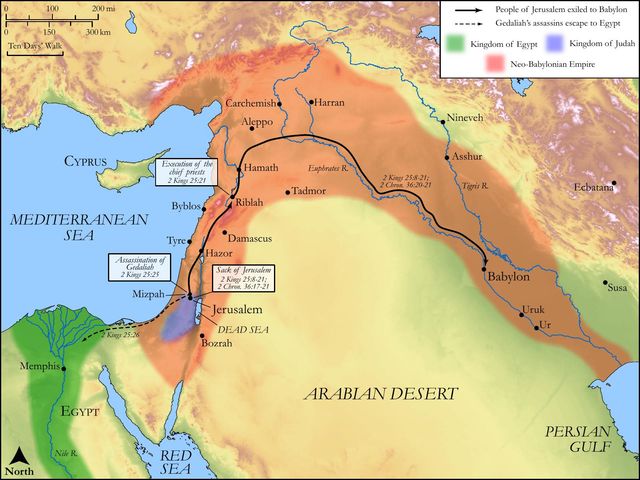
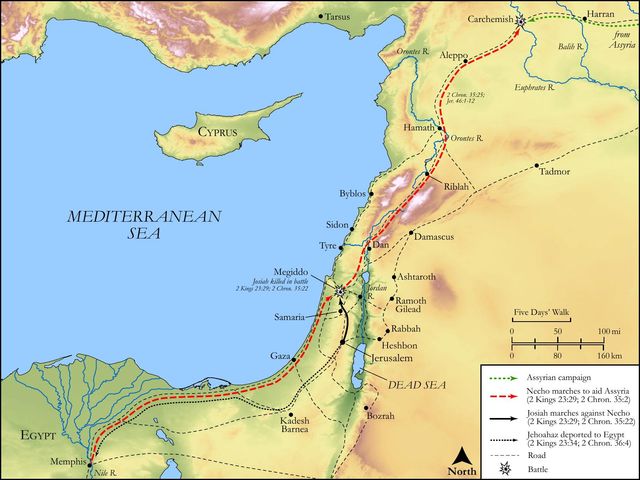
The period encapsulated by 2 Chronicles 36 spans the final decades of the Kingdom of Judah, roughly from 609 BC to 586 BC. This was an era of profound geopolitical upheaval among the kingdoms of that day, characterized by the waning power of the Assyrian Empire, the ascendance of the Neo-Babylonian Empire under Nebuchadnezzar, and the lingering influence of Egypt. Judah, a strategically located but small buffer state, found itself precariously caught between these imperial giants. Culturally and spiritually, Judah had largely abandoned the covenant obligations stipulated in the Mosaic Law. Idolatry, including the worship of Baal and Molech, had infiltrated even the Temple precincts (2 Chronicles 33:1-9), oppression was rampant, and a superficial religiosity often masked deep-seated apostasy. God's "messengers" were the prophets—figures like Jeremiah, Habakkuk, and Zephaniah—who often faced severe persecution, ridicule, and even death for delivering unpopular messages of repentance and impending judgment (Jeremiah 26:8-11). The "dwelling place" refers specifically to the Temple in Jerusalem, which was not merely a physical structure but the sacred locus of God's presence among His people and the heart of their worship and national identity. Its defilement and eventual destruction were the ultimate signs of covenant breach.
Key Themes
ShowHideThis pivotal verse powerfully articulates several core themes central to the Chronicler's theological agenda and the broader biblical narrative. Firstly, it profoundly emphasizes God's unwavering compassion and patience (Exodus 34:6-7), even in the face of persistent human sin and rebellion. Despite Judah's profound apostasy, God's heart was moved with mercy, desiring their repentance and restoration rather than their destruction. Secondly, the verse highlights divine initiative and persistence in seeking reconciliation. God actively "sent to them by his messengers, rising up betimes, and sending," demonstrating His earnest, diligent, and repeated pursuit of His people, not waiting for them to seek Him first. Thirdly, it underscores the crucial role of prophetic ministry as God's primary means of communication, delivering both warnings of judgment and calls to repentance. The chronic rejection and mocking of these divine messengers (2 Chronicles 36:16) ultimately sealed Judah's fate. Finally, the verse subtly points to the sovereignty of God in judgment, implying that the coming exile was not an arbitrary act but a sorrowful, necessary consequence of Judah's unyielding refusal to heed His compassionate warnings, a theme echoed profoundly in the lamentations over Jerusalem's fall (Lamentations 1:1-3).
Exposition and Analysis
ShowHideKey Word Analysis
ShowHideThis term, derived from an unused root meaning "to despatch as a deputy," refers to one sent on a mission. While it can denote an angel, in this historical context, it primarily signifies God's human agents: the prophets. These individuals were divinely commissioned to deliver God's word, acting as His spokesmen to the people. Their role was critical in conveying divine warnings, calls to repentance, and promises of restoration, making their rejection a direct affront to God Himself.
This primitive root literally means "to start early in the morning" or "to load up (on the back of man or beast)." Figuratively, it conveys the idea of acting with diligence, urgency, and persistence. When applied to God, as here, it is a powerful anthropomorphism, portraying Him as one who does not delay or act casually but with profound earnestness and tireless effort. It emphasizes God's consistent, repeated, and early dispatching of His prophets, signifying His deep investment and unwavering commitment to reaching His people before judgment became inevitable.
This primitive root means "to commiserate" or "to spare," implying pity and mercy. In this context, it highlights God's deep emotional concern, tender regard, and profound empathy for His people and His dwelling place. It signifies that God's actions were motivated by love and a desire for their well-being, not by a vindictive spirit. Even in the face of their persistent sin and rebellion, God's heart was filled with mercy, desiring their repentance and preservation rather than their destruction. This term underscores the divine pathos—God's suffering with and for His creation.
Verse Breakdown
ShowHide"And the LORD God of their fathers sent to them by his messengers"
This opening clause establishes the divine initiative and authority. It is "the LORD God," YHWH Elohim, the covenant-keeping God who had established a relationship with Abraham, Isaac, and Jacob ("God of their fathers"). He is the active agent, initiating communication not through direct manifestation, but through His chosen human conduits—the prophets, referred to as "his messengers." This highlights the established pattern of divine-human interaction in the Old Testament, where prophets served as God's authoritative spokesmen, delivering His revealed word to the nation.
"rising up betimes, and sending"
This phrase employs a vivid anthropomorphism, portraying God as one who exerts diligent and tireless effort. "Rising up betimes" (early, diligently) powerfully conveys the urgency, frequency, and earnestness of God's warnings. He did not wait until the last possible moment or send a single, perfunctory message. Instead, He consistently and repeatedly dispatched His prophets, demonstrating His profound desire for His people's repentance and restoration. It paints a picture of a God who is actively and tirelessly pursuing His beloved, leaving no stone unturned in His efforts to call them back to faithfulness.
"because he had compassion on his people, and on his dwelling place"
This concluding clause reveals the profound and tender motivation behind God's persistent warnings: His deep compassion. His mercy extends first to "his people," the nation of Judah, whom He had chosen, redeemed, and covenanted with. Secondly, His compassion extends to "his dwelling place," the Temple in Jerusalem, which represented His tangible presence among them and was the sacred center of their worship and national identity. This profound compassion underscores that the impending judgment was not an arbitrary act but grieved the very heart of God, who desired to spare both His people and His sanctuary from destruction, revealing His character as merciful, gracious, slow to anger, and abounding in steadfast love, even when faced with chronic rebellion.
Literary Devices
ShowHideThe verse employs several significant literary devices that enrich its theological impact. Anthropomorphism is prominently featured in the phrase "rising up betimes," which attributes the human-like action of diligence and early rising to God. This vivid imagery makes God's earnestness and persistent effort to communicate with His people tangible and relatable, emphasizing His active pursuit. The use of metonymy is evident in "his dwelling place," which refers to the physical Temple in Jerusalem but stands for the sacred space of God's presence and, by extension, the covenant relationship between God and Israel. The repeated action of "sending" (implied in "rising up betimes, and sending") creates a sense of repetition and emphasis, underscoring the relentless and numerous nature of God's warnings. Finally, the entire verse functions as a powerful expression of divine pathos, conveying God's deep sorrow, regret, and reluctance concerning the necessity of judgment, as His actions are driven by profound "compassion" for His people, not by a desire for their destruction.
Theological and Thematic Connections
ShowHideThis verse is a profound theological statement on the enduring character of God, revealing His boundless patience, unwavering compassion, and persistent desire for His people's repentance, even in the face of their chronic rebellion. It demonstrates unequivocally that divine judgment is never arbitrary or immediate but is always preceded by ample warnings, numerous opportunities for turning back to God, and a deep-seated divine reluctance to bring about destruction. The vivid imagery of God "rising up betimes, and sending" highlights His active, diligent, and earnest pursuit of humanity, driven by His covenant faithfulness and His deep, abiding love for His creation. This divine patience, however, is not infinite; it eventually gives way to sorrowful but just consequences when warnings are consistently ignored and His messengers are repeatedly rejected, underscoring the profound seriousness of rejecting God's word and His compassionate overtures.
Reflection and Application
ShowHideThe profound compassion of God, so vividly displayed in 2 Chronicles 36:15, serves as a powerful mirror for our own lives and a sobering reminder of divine grace. Just as God tirelessly sought to reclaim His people in ancient Judah, He continues to extend His grace, patience, and persistent invitations to repentance to us today. We are constantly met with His loving overtures, whether through the convicting power of His written Word, the gentle prompting of the Holy Spirit in our hearts, the wise counsel of other believers, or the challenging circumstances of life that call us to re-evaluate our priorities and turn back to Him. This verse is a sober reminder that God's warnings are not punitive threats from a distant deity, but loving appeals from a deeply compassionate Father, designed to lead us away from destructive paths and back into His life-giving presence. Our response to these divine overtures determines our trajectory. Do we, like Judah, harden our hearts, mock His messengers, and ignore His patient calls, or do we respond with humility, repentance, and a renewed commitment to obedience, recognizing the boundless compassion that drives His every warning? Let us not presume upon His patience, but rather embrace the opportunities for spiritual growth, course correction, and deeper relationship that He so diligently provides.
Questions for Reflection
ShowHideFAQ
ShowHideWhy did God send messengers repeatedly if He knew Judah would reject them?
ShowHideGod's repeated sending of messengers, even knowing the likely outcome of Judah's rejection, profoundly underscores His character of boundless compassion, patience, and perfect justice. It demonstrates that God is never arbitrary or hasty in His judgment; rather, He exhausts every possible means to bring His people to repentance and avert destruction before allowing the consequences of their actions to unfold. This persistent, diligent effort highlights His deep desire for reconciliation and His unwillingness to abandon His covenant people without giving them every conceivable opportunity to turn back. Furthermore, this divine persistence serves to establish the righteousness and justness of His ultimate judgment. By repeatedly sending warnings, God ensures that Judah's destruction was a direct and undeniable result of their unyielding rebellion and not a lack of divine warning or mercy. This principle of divine patience, extended even to those who will ultimately reject Him, is a consistent theme throughout Scripture, as seen in passages describing God's long-suffering with humanity (Romans 9:22-23).
Christ-Centered Fulfillment
ShowHide2 Chronicles 36:15, with its poignant portrayal of God's compassionate and persistent sending of messengers to a rebellious people, finds its ultimate and most profound fulfillment in the person and redemptive work of Jesus Christ. While the Old Testament prophets were indeed God's "messengers," rising early and diligently to call Israel to repentance, God's final, supreme, and most complete "sending" was of His own Son. As the author of Hebrews declares, "Long ago, at many times and in many ways, God spoke to our fathers by the prophets, but in these last days he has spoken to us by his Son" (Hebrews 1:1-2). Jesus is the ultimate Prophet, the very Word of God incarnate (John 1:14), sent not merely to warn, but to embody God's compassion and to accomplish salvation. His entire earthly ministry, from His early rising to pray (Mark 1:35) to His tireless teaching, healing, and pursuit of lost souls, perfectly reflects the divine diligence and earnestness ("rising up betimes") to gather His people. His lament over Jerusalem, "O Jerusalem, Jerusalem, the city that kills the prophets and stones those who are sent to it! How often would I have gathered your children together as a hen gathers her brood under her wings, and you were unwilling!" (Matthew 23:37), echoes the very compassion God felt for His dwelling place and people in 2 Chronicles. Ultimately, Jesus, the Lamb of God, took upon Himself the judgment that Judah's persistent rebellion deserved, offering a new covenant of grace where forgiveness and reconciliation are freely available to all who believe, thereby fulfilling God's deepest desire for compassion and restoration, even for those who were once His enemies (John 3:16-17).