


John 15:1
- ἘγώEgōI myselfG1473P-1NSPersonal pronoun Nominative 1st Singular
- εἰμιeimiamG1510V-PAI-1SVerb Present Active Indicative 1st Singular
- ἡhētheG3588T-NSFDefinite article Nominative Singular Feminine
- ἄμπελοςampelosvineG288N-NSFNoun Nominative Singular Feminine
- ἡhē<the>G3588T-NSFDefinite article Nominative Singular Feminine
- ἀληθινήalēthinētrueG228A-NSFAdjective Nominative Singular Feminine
- καὶkaiandG2532CONJConjunction
- ὁhotheG3588T-NSMDefinite article Nominative Singular Masculine
- πατήρpatērFatherG3962N-NSM-TNoun Nominative Singular Masculine Title
- μουmouof MineG3165P-1GSPersonal pronoun Genitive 1st Singular
- ὁhotheG3588T-NSMDefinite article Nominative Singular Masculine
- γεωργόςgeōrgosvinedresserG1092N-NSMNoun Nominative Singular Masculine
- ἐστινestinisG1510V-PAI-3SVerb Present Active Indicative 3rd Singular
English is a literal word-by-word gloss of the Greek, not the KJV's wording. Why?
This is the original text the KJV's translators worked from — each Greek word with its own literal English meaning in this verse, prepared by scholars at Tyndale House, Cambridge. The KJV translates whole sentences, not word by word, so its wording differs: one Greek word can become several English words, and the KJV may choose “charity” where the gloss reads “love”. Both are faithful — they answer different questions. For the KJV's own rendering, switch to the KJV text.
Details
See on the biblical-era map
Study this verse
Public-domain commentary
Matthew Henry
From his Commentary on the Whole Bible. Henry comments on passages, not single verses — this entry covers John 15:1–8. His four-level outline is real structure in the source text, so it is rendered as structure.
Here Christ discourses concerning the fruit, the fruits of the Spirit, which his disciples were to bring forth, under the similitude of a vine. Observe here,
I.The doctrine of this similitude; what notion we ought to have of it.
1.That Jesus Christ is the vine, the true vine. It is an instance of the humility of Christ that he is pleased to speak of himself under low and humble comparisons. He that is the Sun of righteousness, and the bright and morning Star, compares himself to a vine. The church, which is Christ mystical, is a vine (Psa 80:8), so is Christ, who is the church seminal. Christ and his church are thus set forth.
(1.)He is the vine, planted in the vineyard, and not a spontaneous product; planted in the earth, for his is the Word made flesh. The vine has an unsightly unpromising outside; and Christ had no form nor comeliness, Isa 53:2. The vine is a spreading plant, and Christ will be known as salvation to the ends of the earth. The fruit of the vine honours God and cheers man (Jdg 9:13), so does the fruit of Christ's mediation; it is better than gold, Pro 8:19.
(2.)He is the true vine, as truth is opposed to pretence and counterfeit; he is really a fruitful plant, a plant of renown. He is not like that wild vine which deceived those who gathered of it (Kg2 4:39), but a true vine. Unfruitful trees are said to lie (Hab 3:17. marg.), but Christ is a vine that will not deceive. Whatever excellency there is in any creature, serviceable to man, it is but a shadow of that grace which is in Christ for his people's good. He is that true vine typified by Judah's vine, which enriched him with the blood of the grape (Gen 49:11), by Joseph's vine, the branches of which ran over the wall (Gen 49:22), by Israel's vine, under which he dwelt safely, Kg1 4:25.
2.That believers are branches of this vine, which supposes that Christ is the root of the vine. The root is unseen, and our life is hid with Christ; the root bears the tree (Rom 11:18), diffuses sap to it, and is all in all to its flourishing and fruitfulness; and in Christ are all supports and supplies. The branches of the vine are many, some on one side of the house or wall, others on the other side; yet, meeting in the root, are all but one vine; thus all good Christians, though in place and opinion distant from each other, yet meet in Christ, the centre of their unity. Believers, like the branches of the vine, are weak, and insufficient to stand of themselves, but as they are borne up. See Eze 15:2.
3.That the Father is the husbandman, geōrgos - the land-worker. Though the earth is the Lord's, it yields him no fruit unless he work it. God has not only a propriety in, but a care of, the vine and all the branches. He hath planted, and watered, and gives the increase; for we are God's husbandry, Co1 3:9. See Isa 5:1, Isa 5:2; Isa 27:2, Isa 27:3. He had an eye upon Christ, the root, and upheld him, and made him to flourish out of a dry ground. He has an eye upon all the branches, and prunes them, and watches over them, that nothing hurt them. Never was any husbandman so wise, so watchful, about his vineyard, as God is about his church, which therefore must needs prosper.
II.The duty taught us by this similitude, which is to bring forth fruit, and, in order to this, to abide in Christ.
1.We must be fruitful. From a vine we look for grapes (Isa 5:2), and from a Christian we look for Christianity; this is the fruit, a Christian temper and disposition, a Christian life and conversation, Christian devotions and Christian designs. We must honour God, and do good, and exemplify the purity and power of the religion we profess; and this is bearing fruit. The disciples here must be fruitful, as Christians, in all the fruits of righteousness, and as apostles, in diffusing the savour of the knowledge of Christ. To persuade them to this, he urges,
(1.)The doom of the unfruitful (Joh 15:2): They are taken away.
[1.]It is here intimated that there are many who pass for branches in Christ who yet do not bear fruit. Were they really united to Christ by faith, they would bear fruit; but being only tied to him by the thread of an outward profession, though they seem to be branches, they will soon be seen to be dry ones. Unfruitful professors are unfaithful professors; professors, and no more. It might be read, Every branch that beareth not fruit in me, and it comes much to one; for those that do not bear fruit in Christ, and in his Spirit and grace, are as if they bore no fruit at all, Hos 10:1.
[2.]It is here threatened that they shall be taken away, in justice to them and in kindness to the rest of the branches. From him that has not real union with Christ, and fruit produced thereby, shall be taken away even that which he seemed to have, Luk 8:18. Some think this refers primarily to Judas.
(2.)The promise made to the fruitful: He purgeth them, that they may bring forth more fruit. Note,
[1.]Further fruitfulness is the blessed reward of forward fruitfulness. The first blessing was, Be fruitful; and it is still a great blessing.
[2.]Even fruitful branches, in order to their further fruitfulness, have need of purging or pruning; kathairei - he taketh away that which is superfluous and luxuriant, which hinders its growth and fruitfulness. The best have that in them which is peccant, aliquid amputandum - something which should be taken away; some notions, passions, or humours, that want to be purged away, which Christ has promised to do by his word, and Spirit, and providence; and these shall be taken off by degrees in the proper season.
[3.]The purging of fruitful branches, in order to their greater fruitfulness, is the care and work of the great husbandman, for his own glory.
(3.)The benefits which believers have by the doctrine of Christ, the power of which they should labour to exemplify in a fruitful conversation: Now you are clean, Joh 15:3.
[1.]Their society was clean, now that Judas was expelled by that word of Christ, What thou doest, do quickly; and till they were got clear of him they were not all clean. The word of Christ is a distinguishing word, and separates between the precious and the vile; it will purify the church of the first-born in the great dividing day.
[2.]They were each of them clean, that is, sanctified, by the truth of Christ (Joh 17:17); that faith by which they received the word of Christ purified their hearts, Act 15:9. The Spirit of grace by the word refined them from the dross of the world and the flesh, and purged out of them the leaven of the scribes and Pharisees, from which, when they saw their inveterate rage and enmity against their Master, they were now pretty well cleansed. Apply it to all believers. The word of Christ is spoken to them; there is a cleansing virtue in that word, as it works grace, and works out corruption. It cleanses as fire cleanses the gold from its dross, and as physic cleanses the body from its disease. We then evidence that we are cleansed by the word when we bring forth fruit unto holiness. Perhaps here is an allusion to the law concerning vineyards in Canaan; the fruit of them was as unclean, and uncircumcised, the first three years after it was planted, and the fourth year it was to be holiness of praise unto the Lord; and then it was clean, Lev 19:23, Lev 19:24. The disciples had now been three years under Christ's instruction; and now you are clean.
(4.)The glory that will redound to God by our fruitfulness, with the comfort and honour that will come to ourselves by it, Joh 15:8. If we bear much fruit,
[1.]Herein our Father will be glorified. The fruitfulness of the apostles, as such, in the diligent discharge of their office, would be to the glory of God in the conversion of souls, and the offering of them up to him, Rom 15:9, Rom 15:16. The fruitfulness of all Christians, in a lower or narrower sphere, is to the glory of God. By the eminent good works of Christians many are brought to glorify our Father who is in heaven.
[2.]So shall we be Christ's disciples indeed, approving ourselves so, and making it to appear that we are really what we call ourselves. So shall we both evidence our discipleship and adorn it, and be to our Master for a name and a praise, and a glory, that is, disciples indeed, Jer 13:11. So shall we be owned by our Master in the great day, and have the reward of disciples, a share in the joy of our Lord. And the more fruit we bring forth, the more we abound in that which is good, the more he is glorified.
2.In order to our fruitfulness, we must abide in Christ, must keep up our union with him by faith, and do all we do in religion in the virtue of that union. Here is,
(1.)The duty enjoined (Joh 15:4): Abide in me, and I in you. Note, It is the great concern of all Christ's disciples constantly to keep up a dependence upon Christ and communion with him, habitually to adhere to him, and actually to derive supplies from him. Those that are come to Christ must abide in him: "Abide in me, by faith; and I in you, by my Spirit; abide in me, and then fear not but I will abide in you;" for the communion between Christ and believers never fails on his side. We must abide in Christ's word by a regard to it, and it in us as a light to our feet. We must abide in Christ's merit as our righteousness and plea, and it in us as our support and comfort. The knot of the branch abides in the vine, and the sap of the vine abides in the branch, and so there is a constant communication between them.
(2.)The necessity of our abiding in Christ, in order to our fruitfulness (Joh 15:4, Joh 15:5): "You cannot bring forth fruit, except you abide in me; but, if you do, you bring forth much fruit; for, in short, without me, or separate from me, you can do nothing." So necessary is it to our comfort and happiness that we be fruitful, that the best argument to engage us to abide in Christ is, that otherwise we cannot be fruitful.
[1.]Abiding in Christ is necessary in order to our doing much good. He that is constant in the exercise of faith in Christ and love to him, that lives upon his promises and is led by his Spirit, bringeth forth much fruit, he is very serviceable to God's glory, and his own account in the great day. Note, Union with Christ is a noble principle, productive of all good. A life of faith in the Son of God is incomparably the most excellent life a man can live in this world; it is regular and even, pure and heavenly; it is useful and comfortable, and all that answers the end of life.
[2.]It is necessary to our doing any good. It is not only a means of cultivating ad increasing what good there is already in us, but it is the root and spring of all good: "Without me you can do nothing: not only no great thing, heal the sick, or raise the dead, but nothing." Note, We have as necessary and constant a dependence upon the grace of the Mediator for all the actions of the spiritual and divine life as we have upon the providence of the Creator for all the actions of the natural life; for, as to both, it is in the divine power that we live, move, and have our being. Abstracted from the merit of Christ, we can do nothing towards our justification; and from the Spirit of Christ nothing towards our sanctification. Without Christ we can do nothing aright, nothing that will be fruit pleasing to God or profitable to ourselves, Co2 3:5. We depend upon Christ, not only as the vine upon the wall, for support; but, as the branch on the root, for sap.
(3.)The fatal consequences of forsaking Christ (Joh 15:6): If any man abide not in me, he is cast forth as a branch. This is a description of the fearful state of hypocrites that are not in Christ, and of apostates that abide not in Christ.
[1.]They are cast forth as dry and withered branches, which are plucked off because they cumber the tree. It is just that those should have no benefit by Christ who think they have no need of him; and that those who reject him should be rejected by him. Those that abide not in Christ shall be abandoned by him; they are left to themselves, to fall into scandalous sin, and then are justly cast out of the communion of the faithful.
[2.]They are withered, as a branch broken off from the tree. Those that abide not in Christ, though they may flourish awhile in a plausible, at least a passable profession, yet in a little time wither and come to nothing. Their parts and gifts wither; their zeal and devotion wither; their credit and reputation wither; their hopes and comforts wither, Job 8:11-13. Note, Those that bear no fruit, after while will bear no leaves. How soon is that fig-tree withered away which Christ has cursed!
[3.]Men gather them. Satan's agents and emissaries pick them up, and make an easy prey of them. Those that fall off from Christ presently fall in with sinners; and the sheep that wander from Christ's fold, the devil stands ready to seize them for himself. When the Spirit of the Lord had departed from Saul, an evil spirit possessed him.
[4.]They cast them into the fire, that is, they are cast into the fire; and those who seduce them and draw them to sin do in effect cast them there; for they make them children of hell. Fire is the fittest place for withered branches, for they are good for nothing else, Eze 15:2-4.
[5.]They are burned; this follows of course, but it is here added very emphatically, and makes the threatening very terrible. They will not be consumed in a moment, like thorns under a pot (Ecc 7:6), but kaietai, they are burning for ever in a fire, which not only cannot be quenched, but will never spend itself. This comes of quitting Christ, this is the end of barren trees. Apostates are twice dead (Jde 1:12), and when it is said, They are cast into the fire and are burned, it speaks as if they were twice damned. Some apply men's gathering them to the ministry of the angels in the great day, when they shall gather out of Christ's kingdom all things that offend, and shall bundle the tares for the fire.
(4.)The blessed privilege which those have that abide in Christ (Joh 15:7): If my words abide in you, you shall ask what you will of my Father in my name, and it shall be done. See here,
[1.]How our union with Christ is maintained - by the word: If you abide in me; he had said before, and I in you; here he explains himself, and my words abide in you; for it is in the word that Christ is set before us, and offered to us, Rom 10:6-8. It is in the word that we receive and embrace him; and so where the word of Christ dwells richly there Christ dwells. If the word be our constant guide and monitor, if it be in us as at home, then we abide in Christ, and he in us.
[2.]How our communion with Christ is maintained - by prayer: You shall ask what you will, and it shall be done to you. And what can we desire more than to have what we will for the asking? Note, Those that abide in Christ as their heart's delight shall have, through Christ, their heart's desire. If we have Christ, we shall want nothing that is good for us. Two things are implied in this promise: - First, That if we abide in Christ, and his word in us, we shall not ask any thing but what is proper to be done for us. The promises abiding in us lie ready to be turned into prayers; and the prayers so regulated cannot but speed. Secondly, That if we abide in Christ and his word we shall have such an interest in God's favour and Christ's mediation that we shall have an answer of peace to all our prayers.
Historical interpretation
Three Centuries of Reception
19 surviving comments on this verse. Each one is dated, so this reads as a timeline rather than a list.
Select a marker to jump to its quote. Markers stagger vertically where authors wrote within a few decades of each other.
Now concerning the Thanksgiving (Eucharist), thus give thanks. First, concerning the cup: We thank thee, our Father, for the holy vine of David Thy servant, which Thou madest known to us through Jesus Thy Servant; to Thee be the glory for ever.
For the vine produces wine, as the Word, produces blood, and both drink for health to men-wine for the body, blood for the spirit.
Run through the whole Gospel, and you will find that He whom you believe to be the Father (described as acting for the Father, although you, for your part, forsooth, suppose that "the Father, being the husbandman," must surely have been on earth) is once more recognised by the Son as in heaven, when, "lifting up His eyes thereto," He commended His disciples to the safe-keeping of the Father.
"Binding his ass to a vine: "that means that He unites His people of the circumcision with His own calling (vocation). For He was the vine. "And his ass's colt to the vine-tendril: "that denotes the people of the Gentiles, as He calls the circumcision and the uncircumcision unto one faith.
Know then that I have been admonished that, in offering the cup, the tradition of the Lord must be observed, and that nothing must be done by us but what the Lord first did on our behalf, as that the cup which is offered in remembrance of Him should be offered mingled with wine. For when Christ says, "I am the true vine." the blood of Christ is assuredly not water, but wine; neither can His blood by which we are redeemed and quickened appear to be in the cup, when in the cup there is no wine whereby the blood of Christ is shown forth, which is declared by the sacrament and testimony of all the Scriptures.
The sober and joy-producing vine, from whose instructions, as from branches, there joyfully hang down clusters of graces, distilling love, is our Lord Jesus, who says expressly to the apostles.
The vine, and that not in a few places, refers to the Lord Himself,
(ix. de Trin) He rises in haste to perform the sacrament of His final passion in the flesh, (such is His desire to fulfil His Father's commandment:) and therefore takes occasion to unfold the mystery of His assumption of His flesh, whereby He supports us, as the vine doth its branches: I am the true vine.
(ix. de Trin) But He wholly separates this humiliation in the flesh from the form of the Paternal Majesty, by setting forth the Father as the diligent Husbandman of this vine: And My Father is the Husbandman.
In His zeal to do the Father's commandment, He rises and hastens to complete the mystery of His bodily passion. But the next moment He unfolds the mystery of His assumption of flesh. Through this assumption we are in Him, as the branches in the vinestock; and unless He had become the Vine, we could have borne no good fruit. He exhorts us to abide in Himself, through faith in His assumed body, that, since the Word has been made flesh, we may be in the nature of His flesh, as the branches are in the Vine. He separates the form of the Father's majesty from the humiliation of the assumed flesh by calling Himself the Vine, the source of unity for all the branches, and the Father the careful Husbandman, Who prunes away its useless and barren branches to be burnt in the fire.
And he spoke well of the grape, because as the grape hung on the wood. He is the vine, he is the grape. The vine clinging to the wood: the grape, because the soldier's spear pierced the open side and released water and blood. For this reason, John said: because water and blood came out of him (John 19:34). Water for washing, blood for redemption. Water cleanses us, blood redeems us.
"I am the Vine, ye are the branches." What willeth He to imply by the comparison? That the man who gives no heed to His words can have no life, and that the miracles about to take place, would be wrought by the power of Christ. "My Father is the Husbandman." "How then? Doth the Son need a power working within?" Away with the thought! this example does not signify this. Observe with what exactness He goeth through the comparison. He saith not that the "root" enjoys the care of the Husbandman, but, "the branches." And the root is brought in in this place for no other purpose, but that they may learn that they can work nothing without His power, and that they ought to be united with Him by faith as the branch with the vine.
The wine of his blood, gathered from the many grapes of the vine planted by him, is pressed out in the winepress of the cross, and of its own power it begins to ferment in the capacious vessels of those who receive it with faithful heart.
I am the true vine. Drink my joy, the wine I have mixed for you. For my cup is intoxicating for me, intoxicating like the most powerful antidote—like joy against the grief that sprouted in Adam.… I have given you a table, life-giving and joy-creating, that offers in exchange for distress unspeakable joy before those who have envied you. Eat the bread that renews your nature. Drink the wine, the exultation of immortality. Eat the bread that purges away the old bitterness, and drink the wine that eases the pain of the wound. This is the healing of your nature; this is the punishment of the one who did the injury.… I became the true vine in your race, that in me you might bear sweet-smelling fruit.
Not only is the church a field, but God is the tiller of the field. Listen to the Lord himself: “I am the vine, you the twigs, and my Father is the vinedresser.” Toiling in this field as a laborer and hoping for an eternal reward, the apostle claims no credit for himself, except a laborer’s due. “I planted,” he says, “Apollos watered, but God gave the increase. And so neither the one who plants is anything, nor the one who waters, but God who gives the increase.”
This passage of the Gospel, brethren, where the Lord calls Himself the vine, and His disciples the branches, declares in so many words that the Mediator between God and men, the man Christ Jesus, is the head of the Church, and that we are His members. For as the vine and its branches are of one nature, therefore, His own nature as God being different from ours, He became man, that in Him human nature might be the vine, and we who also are men might become branches thereof. What mean, then, the words, "I am the true vine"? Was it to the literal vine, from which that metaphor was drawn, that He intended to point them by the addition of "true"? For it is by similitude, and not by any personal propriety, that He is thus called a vine; just as He is also termed a sheep, a lamb, a lion, a rock, a corner-stone, and other names of a like kind, which are themselves rather the true ones, from which these are drawn as similitudes, not as realities. But when He says, "I am the true vine," it is to distinguish Himself, doubtless, from that vine to which the words are addressed: "How art thou turned into sourness, as a strange vine?" For how could that be a true vine which was expected to bring forth grapes and brought forth thorns?
"I am," He says, "the true vine, and my Father is the husbandman. Every branch in me that beareth not fruit, He taketh away; and every one that beareth fruit, He purgeth it, that it may bring forth more fruit." Are, then, the husbandman and the vine one? Christ is the vine in the same sense as when He said, "The Father is greater than I;" but in that sense wherein He said, "I and my Father are one," He is also the husbandman. And yet not such a one as those, whose whole service is confined to external labor; but such, that He also supplies the increase from within. "For neither is he that planteth anything, neither he that watereth; but God that giveth the increase." But Christ is certainly God, for the Word was God; and so He and the Father are one: and if the Word was made flesh, that which He was not before, He nevertheless still remains what He was. And still more, after saying of the Father, as of the husbandman, that He taketh away the fruitless branches, and pruneth the fruitful, that they may bring forth more fruit, He straightway points to Himself as also the purger of the branches, when He says, "Now ye are clean through the word which I have spoken unto you." Here, you see, He is also the pruner of the branches, a work which belongs to the husbandman, and not to the vine; and more than that, He maketh the branches His workmen. For although they give not the increase, they afford some help; but not of themselves: "For without me," He says, "ye can do nothing." And listen, also, to their own confession: "What, then, is Apollos, and what is Paul but ministers by whom ye believed, even as the Lord gave to every man. I have planted, Apollos watered." And this, too, "as the Lord gave to every man;" and so not of themselves. In that, however, which follows, "but God gave the increase," He works not by them, but by Himself; for work like that exceeds the lowly capacity of man, transcends the lofty powers of angels, and rests solely and entirely in the hands of the Triune Husbandman. "Now ye are clean," that is, clean, and yet still further to be cleansed. For, had they not been clean, they could not have borne fruit; and yet every one that beareth fruit is purged by the husbandman, that he may bring forth more fruit. He bears fruit because he is clean; and to bear more, he is cleansed still further. For who in this life is so clean as not to be in need of still further and further cleansing? seeing that, "if we say that we have no sin, we deceive ourselves, and the truth is not in us; but if we confess our sins, He is faithful and just to forgive us our sins, and to cleanse us from all unrighteousness;" to cleanse in very deed the clean, that is, the fruitful, that they may be so much the more fruitful, as they have been made the cleaner.
(Tr. lxxx. 2) He says this as being the Head of the Church, of which we are the members, the Man Christ Jesus; for the vine and the branches are of the same nature. When He says, I am the true vine, He does not mean really a vine; for He is only called so metaphorically, not literally, even as He is called the Lamb, the Sheep, and the like; but He distinguishes Himself from that vine to whom it is said, How art thou turned into the degenerate plant of a strange vine unto me. (Jer. 11:21) For how is that a true vine, which when grapes are expected from it, produces only thorns?
(de Verb. Dom. serm. lix) For we cultivate God, and God cultivates us. But our culture of God does not make Him better: our culture is that of adoration, not of ploughing: His culture of us makes us better. His culture consists in extirpating all the seeds of wickedness from our hearts, in opening our heart to the plough, as it were, of His word, in sowing in us the seeds of His commandments, in waiting for the fruits of piety.
(Tr. lxxx. 3) And who is there in this world so clean, that he cannot be more and more changed? Here, if we say that we have no sin, we deceive ourselves. (1 John 1:8) He cleanseth then the clean, i. e. the fruitful, that the cleaner they be, the more fruitful they may be. Christ is the vine, in that He saith, My Father is greater than I; but in that He saith, I and My Father are one, He is the husbandman; not like those who carry on an external ministry only; for He giveth increase within. Thus He calls Himself immediately the cleanser of the branches: Now ye are clean through the word, which I have spoken unto you. He performs the part of the husbandman then, as well as of the vine. But why does He not say, ye are clean by reason of the baptism wherewith ye are washed? Because it is the word in the water which cleanseth. Take away the word, and what is the water, but water? Add the word to the element, and you have a sacrament. Whence hath the water such virtue as that by touching the body, it cleanseth the heart, but by the power of the word, not spoken only, but believed? For in the word itself, the passing sound is one thing, the abiding virtue another. This word of faith is of such avail in the Church of God, that by Him who believes, presents, blesses, sprinkles the infant, it cleanseth that infant, though itself is unable to believe.
For we [through praise] cultivate God, and God cultivates us. But our cultivating of God does not make him better: our cultivating is that of adoration, not of plowing.… His cultivating of us makes us better.… His cultivating consists in getting rid of all the seeds of wickedness from our hearts, in opening our heart to the plow, as it were, of his word, in sowing in us the seeds of his commandments, and in waiting for the fruits of godliness.
For it is the function of the vine to nourish the branches, and of the tiller of the soil to tend them. And if we think about this in the right way, we will see that neither the one function if performed apart from the Father, nor the other function if performed apart from the Son or Holy Spirit, could sustain the whole. For everything proceeds from the Father by the Son in the Spirit. And so it is only appropriate now that the Savior called the Father a vinedresser so that no one might think that the Only Begotten is the only one who exercised care over us. This is why he represents God the Father as cooperating with him, calling himself the vine that enlivens his own branches with life and the power to produce, and the Father as the vinedresser, thereby teaching us that providential care over us is a sort of distinct activity of the divine substance.
He wants to show us how important it is to love, to hold fast to our love toward him and how much we gain from our union with him. This is why he says that he is the vine, by way of illustration. Those united, anchored and rooted in him, who are already partakers in his nature through their participation in the Holy Spirit, are branches. For it is his Holy Spirit who has united us with the Savior Christ since connection with the vine produces a choice of those things that belong to it. And our connection with the vine holds us fast. From a firm resolve in goodness we proceed onward by faith and we become his people, obtaining from him the dignity of sonship.… He says that he is a vine, the mother and nourisher, as it were, of its branches. For we are begotten of him and in him, in the Spirit, to produce the fruits of life.
Continue studying John 15:1 across the web’s major study libraries — every link below opens this exact verse, chapter, or book on the destination site.
Read & Compare
 BibleGatewayThis verse in more than 200 translations and 70 languages.
 Bible.comThe YouVersion reader — hundreds of translations, reading plans, and highlights.
 ESV.orgCrossway's official English Standard Version reader.
 NET BibleThe NET translation with 60,000+ translators' notes on every rendering decision.
 STEP BibleTyndale House's free study tool — original text, vocabulary, and scholarly resources.
 BibliaLogos Bible Software's free web reader.
 USCCBThe New American Bible (Revised Edition) with the U.S. bishops' study notes.
Commentaries
 BibleHub CommentariesDozens of classic commentaries on this verse, gathered on one page.
 StudyLightMore than 100 commentary sets — the largest collection on the web.
 BibleRefPlain-English commentary on what this verse means, verse by verse.
 Enduring WordDavid Guzik's free commentary on this chapter, widely used by Bible teachers.
 Bible Study ToolsVerse commentary alongside Greek and Hebrew study aids.
Original Language & Research
- BibleHub InterlinearThe verse word by word — original language, transliteration, and English.
- BibleHub LexiconEvery word's original-language definition and Strong's entry.
 Blue Letter BibleDeep-study tools — Strong's numbers, concordance, and word studies.
 CNTR CollationThe earliest Greek manuscripts of this verse, collated letter by letter.
Sermons, Hymns & Audio


TrulyRandomVerse is not affiliated with these sites and doesn’t control their content. They’re linked because they’re genuinely useful.
Summary
In John 15:1, Jesus introduces one of His most profound "I AM" declarations, proclaiming Himself as "the true vine" and His Father as "the husbandman." This foundational verse establishes the intimate, life-giving relationship between Christ, the Father, and believers, setting the stage for the crucial teaching on abiding in Christ as the sole source of spiritual vitality, nourishment, and fruitfulness. It underscores God's active and intentional role in cultivating the spiritual lives of His people.
Context
ShowHideLiterary Context
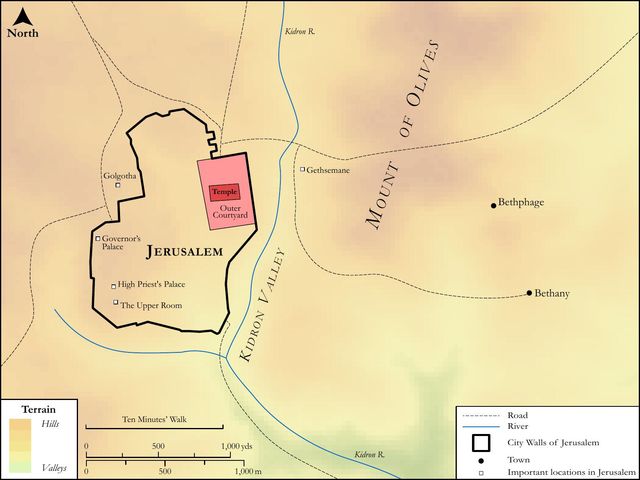
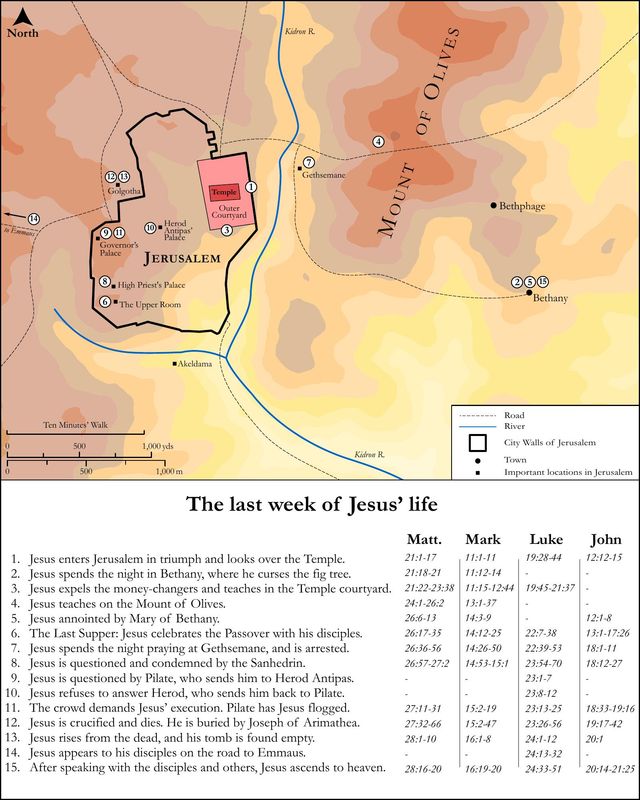
This verse initiates a pivotal section of Jesus' Farewell Discourse, delivered to His disciples in the Upper Room or on their way to the Garden of Gethsemane, just hours before His crucifixion. Following the departure of Judas and the foretelling of Peter's denial, Jesus prepares His disciples for His impending physical absence. The previous chapter, John 14, focused on Jesus as the Way, the Truth, and the Life, and the promise of the Holy Spirit's coming. John 15:1 transitions to a new metaphor, building on the themes of divine presence and the source of life, assuring the disciples of their continued spiritual connection and purpose through Him, even when He is no longer physically with them.
Historical & Cultural Context
The imagery of the vine and the husbandman would have resonated deeply with Jesus' audience, living in an agrarian society where viticulture was a common and significant practice. Beyond its agricultural familiarity, the vine held profound Old Testament symbolism for Israel. God often depicted Israel as His vine or vineyard, planted and nurtured by Him, yet frequently proving unfaithful and bearing wild grapes (e.g., Psalm 80:8-19, Jeremiah 2:21, Ezekiel 15:1-8). By declaring Himself the "true" vine, Jesus asserts His unique identity as the fulfillment and perfection of this Old Testament imagery, contrasting His faithfulness and fruitfulness with Israel's historical failures.
Key Themes
ShowHideThis verse introduces several profound theological themes central to the Gospel of John and Christian discipleship. Firstly, it highlights Christ's Exclusive Identity as the sole source of spiritual life. "I am the true vine" is another of Jesus' seven significant "I AM" (Greek: Egō eimi) statements in John, echoing the divine name revealed to Moses in Exodus 3:14. The term "true" (Greek: alēthinós) emphasizes His genuine, authentic, and ideal nature, in contrast to any imperfect or unfaithful representations. Secondly, the verse reveals God the Father's Active and Sovereign Role as the "husbandman" (Greek: geōrgós). This portrays God as the diligent vinedresser, actively involved in cultivating, pruning, and nurturing His people for maximum spiritual fruitfulness, as further elaborated in John 15:2. Finally, John 15:1 serves as the Foundation for Abiding, laying the groundwork for the extended metaphor in the subsequent verses, which stress the vital necessity for believers (the branches) to remain intimately connected to Jesus (the vine) to bear spiritual fruit and experience true life.
Exposition and Analysis
ShowHideKey Word Analysis
ShowHideThis word (G228) is derived from alēthēs (truthful) and signifies not merely that something is real or factual, but that it is genuine, authentic, and ideal, representing the ultimate reality or archetype. When Jesus calls Himself the "true vine," He is not simply saying He is a real vine, but that He is the perfect, ultimate, and genuine fulfillment of all that the vine imagery in the Old Testament represented, in contrast to Israel's unfaithfulness. He is the ideal source of life and fruitfulness.
This term (G288) refers specifically to a grapevine, likely derived from a root suggesting coiling or clinging to a support. In this context, it vividly portrays Jesus as the central plant structure from which all life, nourishment, and fruit-bearing capacity flows. It emphasizes the organic, living connection necessary for spiritual vitality.
This word (G1092) comes from gē (earth) and the base of ergon (work), literally meaning "earth-worker" or "farmer." It describes the one who cultivates the land, tending to the plants with care, expertise, and intentionality. Applied to the Father, it highlights His active, sovereign, and diligent involvement in nurturing, pruning, and overseeing the spiritual growth and fruitfulness of His people.
Verse Breakdown
ShowHide"I am the true vine"
This is Jesus' self-declaration, an emphatic "I AM" statement that asserts His divine identity and His unique, indispensable role as the sole source of spiritual life, nourishment, and fruitfulness for all who believe in Him. He is the genuine, ultimate reality of the vine, fulfilling and perfecting all previous types and shadows.
"and my Father is the husbandman"
This clause reveals the Father's active and sovereign role in the spiritual economy. As the "husbandman" or vinedresser, God the Father is depicted as the diligent and wise cultivator who meticulously cares for the vine and its branches, ensuring their health, growth, and maximum fruit production through His intentional oversight, provision, and even pruning.
Literary Devices
ShowHideJohn 15:1 is rich in Metaphor, presenting Jesus as a "vine" and the Father as a "husbandman" to convey profound spiritual truths through relatable agricultural imagery. This central metaphor is sustained throughout the chapter, with believers being the "branches" (John 15:5). The verse also employs Symbolism, where the vine symbolizes life, connection, and fruitfulness, and the husbandman symbolizes divine care, sovereignty, and purposeful cultivation. Furthermore, Jesus' opening phrase, "I am the true vine," is a powerful "I AM" Statement, a distinct literary and theological feature in John's Gospel that echoes God's self-revelation to Moses in Exodus 3:14, asserting Jesus' divine authority and identity. The use of "true" (Greek: alēthinós) also introduces a subtle Contrast with the Old Testament imagery of Israel as God's vine, which often proved unfaithful, thereby highlighting Jesus as the faithful and ultimate fulfillment.
Theological and Thematic Connections
ShowHideJohn 15:1 establishes a fundamental theological truth: all spiritual life, growth, and fruitfulness originate solely from Jesus Christ, under the sovereign and active care of God the Father. This verse underscores the absolute dependence of believers on Christ, emphasizing that apart from Him, no genuine spiritual vitality or enduring fruit can be produced. It portrays God not as a distant deity, but as an intimately involved and purposeful cultivator, meticulously tending to His people for their spiritual good and His glory. This divine partnership between the Son as the source of life and the Father as the sovereign caretaker forms the bedrock for understanding Christian discipleship as a life of abiding dependence and joyful obedience, leading to abundant fruit for the Kingdom.
Reflection and Application
ShowHideJohn 15:1 serves as a profound and comforting reminder of our absolute reliance on Jesus Christ for every aspect of our spiritual existence. Just as a vine is utterly dependent on its roots for life and a branch cannot bear fruit apart from its connection to the vine, so too are believers completely dependent on a constant, living connection to Jesus. This verse calls us to examine the depth of our connection to Christ, urging us to prioritize abiding in Him above all else. It also encourages us to trust God the Father's loving and active hand in our lives, recognizing that even the difficult seasons of "pruning" are part of His wise and purposeful cultivation to produce greater spiritual fruitfulness within us. Embracing this truth fosters humility, gratitude, and a deeper surrender to the divine process of growth.
Questions for Reflection
ShowHideFAQ
ShowHideWhat is the significance of Jesus calling Himself the "true" vine?
ShowHideThe term "true" (Greek: alēthinós) is highly significant. It means more than simply "real" in contrast to "imaginary." Rather, it implies "genuine," "authentic," and "ideal," in contrast to something that might be a type, a shadow, or an imperfect representation. In the Old Testament, Israel was often depicted as God's vine or vineyard (e.g., Isaiah 5:1-7), but they often proved unfaithful and failed to produce the fruit God desired. By calling Himself the "true" vine, Jesus asserts that He is the ultimate, perfect, and faithful fulfillment of this imagery. He is the genuine source of life and fruitfulness, unlike any previous or alternative "vine." He embodies the ideal relationship with God and is the sole means through which true spiritual life and fruit can be produced.
How does the concept of the Father as the "husbandman" inform our understanding of God's character?
ShowHideDescribing the Father as the "husbandman" (or vinedresser/gardener) reveals God's character as intimately involved, purposeful, and nurturing. A husbandman is not a passive observer but an active cultivator who meticulously tends to the vine. This imagery shows God as one who diligently cares for His people, providing what is needed for growth, removing what hinders fruitfulness (pruning, as seen in John 15:2), and ensuring the overall health and productivity of the vine. It portrays God as sovereign, wise, and loving, with an intentional plan for His people to bear much fruit for His glory. This active role assures believers of God's constant, watchful care and His commitment to their spiritual well-being.
Christ-Centered Fulfillment
ShowHideJohn 15:1 finds its profound Christ-centered fulfillment in Jesus' unique identity as the embodiment of God's redemptive plan and the new source of life for humanity. While Old Testament Israel was God's vine, often failing to bear fruit, Jesus declares Himself the "true" vine, signifying that He is the perfect, faithful Israel, the ultimate reality of God's covenant people. His incarnation (John 1:14) established the living connection between divinity and humanity, making Him the sole conduit of divine life. Through His atoning death on the cross and victorious resurrection, Jesus became the means by which humanity can be grafted into this "true" vine, receiving His very life and Spirit. The Father, as the "husbandman," orchestrates this entire redemptive process, culminating in Christ's work, which enables believers to be united with Him and bear the fruit of the Spirit (Galatians 5:22-23). Thus, Jesus is not merely a spiritual concept; He is the living, resurrected Lord in whom all things hold together (Colossians 1:17), and through whom believers are empowered to live a life of genuine fruitfulness, reflecting His character and advancing His kingdom.