


Deuteronomy 32:6
Bible text: King James Version (1769 Blayney text) · Public domain
Bible text: Berean Standard Bible · Public domain
Bible text: American Standard Version (1901) · Public domain
Bible text: World English Bible, Messianic edition · Public domain
Bible text: Geneva Bible (1599) · Public domain
Bible text: Young's Literal Translation · Public domain
- הֲhă¿InterrogParticle Interrogative
- לַיְהוָהla·Yah·wehto YahwehH3068Prep-l ¦ N-properNoun Proper TitleלַtoיְהוָהYahweh
- תִּגְמְלוּtig·me·ludo you repayH1580V-Qal-Imperf-2mpVerb Qal Imperfect 2nd Plural Masculine
- זֹאתZotthisH2063PrtParticle Demonstrative
- עַם'amO peopleH5971N-msNoun Singular Masculine Absolute
- נָבָלna·ValfoolishH5036Adj-msAdjective Singular Masculine Absolute
- וְלֹאve·Lo'and notH3808Conj-w ¦ NegParticle Negativeוְandלֹאnot
- חָכָםcha·KhamwiseH2450Adj-msAdjective Singular Masculine Absolute
- הֲלוֹאha·lo'¿ notH3808Interrog ¦ NegParticle Negativeהֲ¿לוֹאnot
- הוּאhu'[is] heH1931Pro-3msPronoun Personal 3rd Singular Masculine
- אָבִיךָ'a·Vi·khayour fatherH1N-msc ¦ 2msNoun Singular Masculine Constructאָבִיfatherךָyour
- קָּנֶךָka·Ne·chahe created youH7069V-Qal-Perf-3ms ¦ 2msVerb Qal Perfect 3rd Singular Masculineקָּנֶhe createdךָyou
- הוּאhu'heH1931Pro-3msPronoun Personal 3rd Singular Masculine
- עָשְׂךָ'a·se·Khahe made youH6213V-Qal-Perf-3ms ¦ 2msVerb Qal Perfect 3rd Singular Masculineעָשְׂhe madeךָyou
- וַיְכֹנְנֶךָVay·kho·ne·Ne·khaand he established youH3559Conj-w ¦ V-Piel-ConsecImperf-3ms ¦ 2msVerb Piel Consecutive Imperfect 3rd Singular Masculineוַandיְכֹנְנֶhe establishedךָyou
English is a literal word-by-word gloss of the Hebrew, not the KJV's wording. Why?
This is the original text the KJV's translators worked from — each Hebrew word with its own literal English meaning in this verse, prepared by scholars at Tyndale House, Cambridge. The KJV translates whole sentences, not word by word, so its wording differs: one Hebrew word can become several English words, and the KJV may choose “the LORD” where the gloss reads “Yahweh”. Both are faithful — they answer different questions. For the KJV's own rendering, switch to the KJV text.
Details
See on the biblical-era map
Study this verse
Public-domain commentary
Matthew Henry
From his Commentary on the Whole Bible. Henry comments on passages, not single verses — this entry covers Deuteronomy 32:1–6. His three-level outline is real structure in the source text, so it is rendered as structure.
Here is, I. A commanding preface or introduction to this song of Moses, Deu 32:1, Deu 32:2. He begins, 1. With a solemn appeal to heaven and earth concerning the truth and importance of what he was about to say, and the justice of the divine proceedings against a rebellious and backsliding people, for he had said (Deu 31:28) that he would in this song call heaven and earth to record against them. Heaven and earth would sooner hear than this perverse and unthinking people; for they revolt not from the obedience to their Creator, but continue to this day, according to his ordinances, as his servants (Psa 119:89-91), and therefore will rise up in judgment against rebellious Israel. Heaven and earth will be witnesses against sinners, witnesses of the warning given them and of their refusal to take the warning (see Job 20:27); the heaven shall reveal his iniquity, and the earth shall rise up against him. Or heaven and earth are here put for the inhabitants of both, angels and men; both shall agree to justify God in his proceedings against Israel, and to declare his righteousness, Psa 50:6; see Rev 19:1, Rev 19:2. 2. he begins with a solemn application of what he was about to say to the people (Deu 32:2): My doctrine shall drop as the rain. "It shall be a beating sweeping rain to the rebellious;" so one of the Chaldee paraphrasts expounds the first clause. Rain is sometimes sent for judgment, witness that with which the world was deluged; and so the word of God, while to some it is reviving and refreshing - a savour of life unto life, is to others terrifying and killing - a savour of death unto death. It shall be as a sweet and comfortable dew to those who are rightly prepared to receive it. Observe, (1.) The subject of this song is doctrine; he had given them a song of praise and thanksgiving (Ex. 15), but this is a song of instruction, for in psalms, and hymns, and spiritual songs, we are not only to give glory to god, but to teach and admonish one another, Col 3:16. Hence many of David's psalms are entitled Maschil - to give instruction. (2.) This doctrine is fitly compared to rain and showers which come from above, to make the earth fruitful, and accomplish that for which they are sent. (Isa 55:10, Isa 55:11), and depend not upon the wisdom or will of man, Mic 5:7. It is a mercy to have this rain come often upon us, and our duty to drink it in, Heb 6:7. (3.) He promises that his doctrine shall drop and distil as the dew, and the small rain, which descend silently and without noise. The word preached is likely to profit when it comes gently, and sweetly insinuates itself into the hearts and affections of the hearers. (4.) He bespeaks their acceptance and entertainment of it, and that it might be as sweet, and pleasant, and welcome to them as rain to the thirsty earth, Psa 72:6. And the word of God is likely to do us good when it is thus acceptable. (5.) The learned bishop Patrick understands it as a prayer that his words which were sent from heaven to them might sink into their hearts and soften them, as the rain softens the earth, and so make them fruitful in obedience.
II.An awful declaration of the greatness and righteousness of God, Deu 32:3, Deu 32:4.
1.He begins with this, and lays it down as his first principle,
(1.)To preserve the honour of God, that no reproach might be cast upon him for the sake of the wickedness of his people Israel; how wicked and corrupt soever those are who are called by his name, he is just, and right, and all that is good, and is not to be thought the worse of for their badness.
(2.)To aggravate the wickedness of Israel, who knew and worshipped such a holy god, and yet were themselves so unholy. And,
(3.)To justify God in his dealings with them; we must abide by it, that God is righteous, even when his judgments are a great deep, Jer 12:1; Psa 36:6.
2.Moses here sets himself to publish the name of the Lord (Deu 32:3), that Israel, knowing what a God he is whom they had avouched for theirs, might never be such fools as to exchange him for a false god, a dunghill god. He calls upon them therefore to ascribe greatness to him. It will be of great use to us for the preventing of sin, and the preserving of us in the way of our duty, always to keep up high and honourable thoughts of God, and to take all occasions to express them: Ascribe greatness to our God. We cannot add to his greatness, for it is infinite; but we must acknowledge it, and give him the glory of it. Now, when Moses would set forth the greatness of God, he does it, not by explaining his eternity and immensity, or describing the brightness of his glory in the upper world, but by showing the faithfulness of his word, the perfection of his works, and the wisdom and equity of all the administrations of his government; for in these his glory shines most clearly to us, and these are the things revealed concerning him, which belong to us and our children, Deu 32:4.
(1.)He is the rock. So he is called six times in this chapter, and the Septuagint all along translates it theos, God. The learned Mr. Hugh Broughton reckons that God is called the rock eighteen times (besides in this chapter) in the Old Testament (though in some places we translate it strength), and charges it therefore upon the papists that they make St. Peter a god when they make him the rock on which the church is built. God is the rock, for he is in himself immutable immovable, and he is to all that seek him and fly to him an impenetrable shelter, and to all that trust in him an everlasting foundation.
(2.)His work is perfect. His work of creation was so, all very good; his works of providence are so, or will be so in due time, and when the mystery of God shall be finished the perfection of his works will appear to all the world. Nothing that God does can be mended, Ecc 3:14. God was now perfecting what he had promised and begun for his people Israel, and from the perfection of this work they must take occasion to give him the glory of the perfection of all his works. The best of men's works are imperfect, they have their flaws and defects, and are left unfinished; but, as for God, his work is perfect; if he begin, he will make an end.
(3.)All his ways are judgment. The ends of his ways are all righteous, and he is wise in the choice of the means in order to those ends. Judgment signifies both prudence and justice. The ways of the Lord are right, Hos 14:9.
(4.)He is a God of truth, whose word we may take and rely upon, for he cannot lie who is faithful to all his promises, nor shall his threatenings fall to the ground.
(5.)He is without iniquity, one who never cheated any that trusted in him, never wronged any that appealed to his justice, nor ever was hard upon any that cast themselves upon his mercy.
(6.)Just and right is he. As he will not wrong any by punishing them more than they deserve, so he will not fail to recompense all those that serve him or suffer for him. He is indeed just and right; for he will effectually take care that none shall lose by him. Now what a bright and amiable idea does this one verse give us of the God whom we worship; and what reason have we then to love him and fear him, to live a life of delight in him, dependence on him, and devotedness to him! This is our rock, and there is no unrighteousness in him; nor can there be, Psa 92:15.
III.A high charge exhibited against the Israel of God, whose character was in all respects the reverse of that of the God of Israel, Deu 32:5.
1.They have corrupted themselves. Or, It has corrupted itself; the body of the people has: the whole head sick, and the whole heart faint. God did not corrupt them, for just and right is he; but they are themselves the sole authors of their own sin and ruin; and both are included in this word. They have debauched themselves; for every man is tempted when he is drawn away of his own lust. And they have destroyed themselves, Hos 13:9. If thou scornest, thou alone shalt bear the guilt and grief, Pro 9:12.
2.Their spot is not the spot of his children. Even God's children have their spots, while they are in this imperfect state; for if we say we have no sin, no spot, we deceive ourselves. But the sin of Israel was none of those; it was not an infirmity which they strove against, watched and prayed against, but an evil which their hearts were fully set in them to do. For,
3.They were a perverse and crooked generation, that were actuated by a spirit of contradiction, and therefore would do what was forbidden because it was forbidden, would set up their own humour and fancy in opposition to the will of God, were impatient of reproof, hated to be reformed, and went on frowardly in the way of their heart. The Chaldee paraphrase reads this verse thus: They have scattered or changed themselves, and not him, even the children that served idols, a generation that has depraved its own works, and alienated itself. Idolaters cannot hurt God, nor do any damage to his works, nor make him a stranger to this world. See Job 35:6. No, all the hurt they do is to themselves and their own works. The learned bishop Patrick gives another reading of it: Did he do him any hurt? That is, "Is God the rock to be blamed for the evils that should befal Israel? No, His children are their blot," that is, "All the evil that comes upon them is the fruit of their children's wickedness; for the whole generation of them is crooked and perverse." All that are ruined ruin themselves; they die because they will die.
IV.A pathetic expostulation with this provoking people for their ingratitude (Deu 32:6):
"Do you thus requite the Lord? Surely you will not hereafter be so base and disingenuous in your carriage towards him as you have been." 1. He reminds them of the obligations God had laid upon them to serve him, and to cleave to him. He had been a Father to them, had begotten them, fed them, carried them, nursed them, and borne their manners; and would they spurn at the bowels of a Father? He had bought them, had been at a vast expense of miracles to bring them out of Egypt, had given men for them, and people for their life, Isa 43:4. "Is not he thy Father, thy owner (so some), that has an incontestable propriety in thee?" and the ox knoweth his owner. "he has made thee, and brought thee into being, established thee and kept thee in being; has he not done so? Can you deny the engagements you lie under to him, in consideration of the great things he has done and designed for you?" And are not our obligations, as baptized Christians, equally great and strong to our Creator that made us, our Redeemer that bought us, and our Sanctifier that has established us. 2. Hence he infers the evil of deserting him and rebelling against him. For, (1.) It was base ingratitude: "Do you thus require the Lord? Are these the returns you make him for all his favours to you? The powers you have from him will you employ them against him?" See Mic 6:3, Mic 6:4; Joh 10:32. This is such monstrous villany as all the world will cry shame of: call a man ungrateful, and you can call him no worse. (2.) It was prodigious madness: O foolish people and unwise! Fools, and double fools! who has bewitched you? Gal 3:1. "Fools indeed, to disoblige one on whom you have such a necessary dependence! To forsake your own mercies for lying vanities!" Note, All wilful sinners, especially sinners in Israel, are the most unwise and the most ungrateful people in the world.
Historical interpretation
Historical reception
1 surviving comment on this verse from the historical church.
But if the Lord himself is Creator of all things, we must consider in what manner he is said “to have acquired” what is without doubt his own. It is said also in another song in Deuteronomy: “Is not he himself your God who made you and created you and acquired you?” For each one appears to acquire that which was not his own. Indeed, on this basis the heretics also say of the Savior that he “acquired” those who were not his; for with the price which was paid he purchased men whom the Creator had made. And it is certain, they say, that everyone buys that which is not his own; indeed, the apostle says, “You have been bought with a price.”
Continue studying Deuteronomy 32:6 across the web’s major study libraries — every link below opens this exact verse, chapter, or book on the destination site.
Read & Compare
 BibleGatewayThis verse in more than 200 translations and 70 languages.
 Bible.comThe YouVersion reader — hundreds of translations, reading plans, and highlights.
 ESV.orgCrossway's official English Standard Version reader.
 NET BibleThe NET translation with 60,000+ translators' notes on every rendering decision.
 STEP BibleTyndale House's free study tool — original text, vocabulary, and scholarly resources.
 BibliaLogos Bible Software's free web reader.
 USCCBThe New American Bible (Revised Edition) with the U.S. bishops' study notes.
Commentaries
 BibleHub CommentariesDozens of classic commentaries on this verse, gathered on one page.
 StudyLightMore than 100 commentary sets — the largest collection on the web.
 BibleRefPlain-English commentary on what this verse means, verse by verse.
 Enduring WordDavid Guzik's free commentary on this chapter, widely used by Bible teachers.
 Bible Study ToolsVerse commentary alongside Greek and Hebrew study aids.
Original Language & Research
- BibleHub InterlinearThe verse word by word — original language, transliteration, and English.
- BibleHub LexiconEvery word's original-language definition and Strong's entry.
 Blue Letter BibleDeep-study tools — Strong's numbers, concordance, and word studies.
 SefariaThe Hebrew text with Rashi and centuries of Jewish commentary.
Sermons, Hymns & Audio


TrulyRandomVerse is not affiliated with these sites and doesn’t control their content. They’re linked because they’re genuinely useful.
Summary
Deuteronomy 32:6, a profound rhetorical indictment from the "Song of Moses," sharply confronts Israel with the gravity of their potential ingratitude and spiritual foolishness. Moses challenges the people to consider the stark contrast between the LORD's benevolent and foundational relationship with them—as their compassionate Father who sovereignly created, miraculously redeemed, and faithfully established them as a unique nation—and their predicted disloyalty and rebellion. This verse encapsulates a solemn prophetic warning against forgetting their divine Benefactor, urging them to deeply reflect on the profound implications and sacred obligations of their covenant relationship with God.
Context
ShowHideLiterary Context
This verse is intricately woven into the "Song of Moses" (Deuteronomy 32:1-43), a lengthy and deeply theological poetic composition delivered by Moses to the Israelites just prior to his death and their imminent entry into the Promised Land. The song serves as a prophetic witness, a covenant lawsuit, and a didactic instruction, designed to remind future generations of God's unwavering faithfulness and Israel's solemn obligations. Moses invokes "heaven and earth" as witnesses, underscoring the enduring significance and the profound gravity of the message. The song meticulously recounts God's steadfast love, miraculous provision, and unique, intimate relationship with Israel from their very inception, starkly contrasting it with their predicted future apostasy and spiritual blindness. It functions as a powerful teaching tool, designed to impress upon the people God's character and the severe consequences of disobedience, acting as a testament against them should they stray.
Historical & Cultural Context
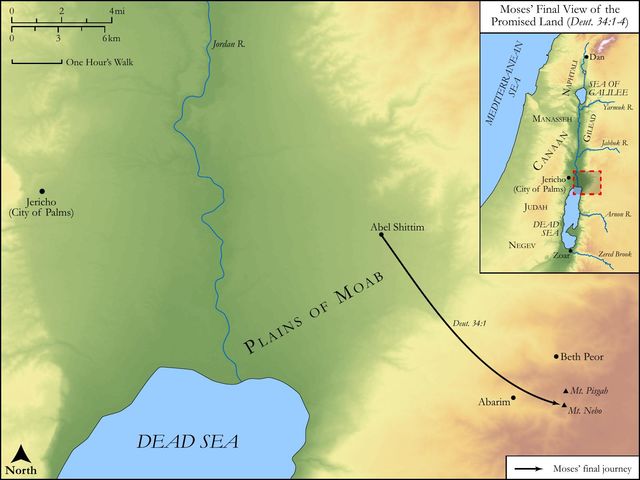
Deuteronomy 32:6 is spoken at a critical juncture in Israel's history: they are encamped on the plains of Moab, poised to cross the Jordan River and claim their inheritance in Canaan. The generation that experienced the miraculous Exodus from Egypt and received the Law at Mount Sinai has largely passed away, and a new generation stands on the precipice of their destiny. Moses, fully aware that he will not enter the land with them, delivers this final, impassioned appeal, imbued with both love and warning. The concepts of God as "father" and Israel being "bought" resonate deeply in the households of the patriarchs. A "father" was the patriarch, the head of the household, responsible for the identity, protection, provision, and inheritance of his children. For God to be Israel's "Father" signifies His role as the ultimate originator, protector, and sovereign Lord of the nation, establishing a unique familial and covenantal bond. The act of being "bought" directly references the miraculous Exodus from Egypt, where God redeemed Israel from oppressive slavery, acquiring them as His exclusive possession through a mighty act of deliverance and establishing them as His covenant people.
Key Themes
ShowHideDeuteronomy 32:6 contributes significantly to several overarching theological and narrative themes within the book of Deuteronomy and the broader Pentateuch. Foremost, it powerfully highlights the theme of God's unwavering faithfulness and paternal care contrasted with Israel's deep propensity for spiritual amnesia and profound ingratitude. The verse emphatically underscores God's multifaceted role as the Creator, Redeemer, and Sustainer of the nation, emphasizing His sovereign initiation of their existence and establishment as a distinct people. It also introduces the critical theme of covenant obligation, where God's unilateral and gracious acts demand a loyal, obedient, and grateful response from His people. The rhetorical question about Israel being "foolish and unwise" introduces the pervasive biblical theme of wisdom versus folly, suggesting that true wisdom lies in recognizing God's supreme benevolence and responding with unwavering faithfulness, while rebellion and spiritual forgetfulness constitute the ultimate foolishness, inevitably leading to self-destruction. This theme is foundational to the wisdom literature, where the fear of the LORD is the beginning of knowledge and the fool despises wisdom and instruction.
Exposition and Analysis
ShowHideKey Word Analysis
ShowHideThis verb (H1580) signifies "to treat a person (well or ill)," "to benefit," or "to recompense/repay." While it can be used neutrally or positively (e.g., to show kindness or reward), in this context, it carries a strong negative connotation. It implies repaying good with evil, or treating someone poorly despite their immense benevolence and foundational acts of love. Moses expresses profound shock and sorrow that Israel would "requite" the LORD's boundless goodness, gracious provision, and foundational acts of love with disloyalty, rebellion, and spiritual forgetfulness. It speaks to a deep betrayal of the intimate covenant relationship.
This term (H5036) denotes more than a mere lack of intellectual capacity; it describes a profound moral and spiritual deficiency. A "foolish" person in biblical wisdom literature is one who rejects God's wisdom, acts contrary to divine principles, and lives as if God does not exist or is irrelevant to their choices. It implies a deep lack of spiritual discernment, a willful blindness to God's goodness and sovereignty, and a catastrophic failure to understand the dire consequences of turning away from their ultimate Benefactor. It is a willful ignorance that leads to self-destructive behavior and spiritual apostasy.
This verb (H7069) means "to acquire," "to buy," or "to possess." While it can refer to creation (as in Genesis 14:19 where God is called "Possessor of heaven and earth"), its primary sense here, especially in conjunction with "father" and the historical context of the Exodus, points to God's mighty act of redeeming Israel from bondage in Egypt. God "bought" them out of slavery, establishing His exclusive claim over them as a liberated people, making them His unique and special possession, a people for Himself. This act of powerful redemption is the foundational basis of their covenant relationship and God's rightful ownership.
Verse Breakdown
ShowHide"Do ye thus requite the LORD, O foolish people and unwise?"
This opening clause is a powerful and piercing rhetorical question, conveying utter astonishment, profound disappointment, and stern rebuke. Moses, speaking as God's prophet, confronts Israel with the shocking nature of their potential ingratitude and disloyalty. The phrase "thus requite" points to the implied future rebellion, idolatry, and spiritual forgetfulness that the song anticipates. Calling them "foolish people and unwise" is a severe spiritual indictment, suggesting a profound lack of discernment, a moral obtuseness, and a catastrophic failure to grasp the fundamental truth of their relationship with the sovereign God. It implies that their disobedience is not merely an error, but a deliberate, senseless, and deeply betraying act.
"[is] not he thy father [that] hath bought thee?"
This clause presents two undeniable and foundational aspects of God's relationship with Israel, serving as the irrefutable basis for His expectation of loyalty. First, God is "thy father," emphasizing His unique role as the originator, protector, and benevolent provider of the nation, establishing an intimate, authoritative, and paternal bond. Second, He "hath bought thee," referring specifically to the miraculous and powerful redemption from Egyptian slavery. This act of divine acquisition established God's exclusive ownership and special claim over Israel as His chosen people, a people liberated for His purposes. These two truths underscore the depth of God's prior commitment and grace.
"hath he not made thee, and established thee?"
This final clause further amplifies and reinforces God's sovereign and benevolent actions towards Israel, completing the picture of His comprehensive care. "Made thee" refers to God's creative act in forming Israel as a distinct nation, bringing them into existence from a nomadic clan, shaping their identity, and giving them their unique purpose. "Established thee" speaks to His ongoing providential care, sustenance, and faithfulness—providing for them in the wilderness, giving them His holy Law, and preparing them for the Promised Land. It signifies God's continuous work in securing their identity, their place among the nations, and their future, cementing His claim as their ultimate Benefactor, Sustainer, and the one who gives them stability and security.
Literary Devices
ShowHideDeuteronomy 32:6 masterfully employs several potent literary devices to convey its powerful and emotionally charged message. The most prominent is the Rhetorical Question, which dominates the entire verse. By posing a series of questions to which the answer is self-evidently "yes" and undeniably clear, Moses does not seek information but rather delivers a forceful rebuke and persuasion. This device is designed to provoke deep reflection, conviction, and a sense of shame over potential ingratitude. There is also clear Parallelism in the structure of the questions, particularly between "hath bought thee" and "hath made thee, and established thee." This structural repetition reinforces the comprehensiveness of God's benevolent actions for Israel, emphasizing the multiple facets of His care. The verse also employs Metaphor and Personification by portraying God as a "Father," a deeply relational and intimate image that conveys ultimate authority, profound love, and meticulous care. This paternal image stands in stark Contrast with the description of Israel as "foolish" and "unwise" children, highlighting the profound betrayal inherent in their potential disobedience and spiritual blindness. This contrast underscores the immense disparity between God's steadfast faithfulness and Israel's predicted spiritual folly.
Theological and Thematic Connections
ShowHideDeuteronomy 32:6 stands as a foundational text for understanding the intricate nature of God's covenant relationship with His people and the profound implications of human response to divine grace. It powerfully underscores God's character as a faithful, loving, and sovereign Father who not only initiates the relationship but also consistently sustains and redeems. Israel's "foolishness" is not merely an intellectual deficiency but a deep-seated spiritual blindness—a moral and theological failure to acknowledge God's goodness, His absolute sovereignty, and their utter dependence on Him. This profound ingratitude is depicted as a severe betrayal of the covenant, mirroring a recurring pattern of sin throughout biblical history where humanity consistently repays divine grace with rebellion and forgetfulness. The verse thus highlights the ongoing tension between God's boundless grace and human responsibility, issuing a poignant call for a response of unwavering loyalty, deep gratitude, and faithful obedience commensurate with the immeasurable depth of His love and comprehensive provision.
Reflection and Application
ShowHideDeuteronomy 32:6 resonates deeply with believers across all generations, serving as a timeless and urgent call to examine the authenticity and depth of our own relationship with God. Just as ancient Israel was God's chosen people, we, too, are called into a new covenant relationship through faith in Jesus Christ, having been "bought" with an immeasurable price and "made" new creations in Him. This verse challenges us to confront any spiritual amnesia, subtle indifference, or overt ingratitude that might reside within our hearts. Are we truly mindful of God's continuous and providential provision in our daily lives, His creative work in shaping our very being, and the profound act of redemption that has set us free from sin's bondage? To "requite" the Lord with apathy, disobedience, or a failure to acknowledge His supreme sovereignty is to act with profound spiritual foolishness, ignoring the very source of our existence, our blessings, and our eternal hope. This verse urges us to cultivate a heart overflowing with deep gratitude, to faithfully remember God's unwavering faithfulness in our past, and to respond with true wisdom—which is ultimately expressed through loving obedience and reverent worship for the One who is our heavenly Father, our Creator, and our glorious Redeemer. It is a compelling call to live consistently, thoughtfully, and gratefully in light of the profound truth of who God is and who we are in relation to Him.
Questions for Reflection
ShowHideFAQ
ShowHideWhat does "requite" mean in this context?
ShowHideIn Deuteronomy 32:6, "requite" (from the Hebrew gâmal, H1580) means to repay, recompense, or deal with, but it carries a strong negative connotation here. It signifies returning evil, ingratitude, or disloyalty for good. Moses is expressing profound shock and sorrow that Israel would repay the LORD's immense goodness, love, and foundational acts of redemption and creation with unfaithfulness or forgetfulness. It implies a deep betrayal of the relationship, a failure to acknowledge and honor the Benefactor. This concept of repaying good with evil is a recurring theme in scripture, highlighting the depth of human sinfulness even in the face of divine grace, as seen in Psalm 7:4.
How is God "thy father" and how has He "bought" Israel?
ShowHideGod is called "thy father" not in the sense of biological procreation, but as the supreme originator, protector, and benevolent provider of the nation of Israel. He sovereignly chose them, miraculously formed them, and meticulously cared for them as a father cares for his children, establishing a unique, intimate, and authoritative covenant relationship. This paternal relationship is emphasized elsewhere, such as when God calls Israel His "firstborn son" in Exodus 4:22. The phrase "hath bought thee" refers primarily to God's mighty act of redemption from slavery in Egypt. Through the Exodus, God "purchased" or "acquired" Israel, liberating them from bondage and making them His own special possession, a people belonging exclusively to Him. This act of deliverance established His claim over them and formed the basis of the covenant at Sinai, as highlighted in Exodus 15:16.
Why are the people called "foolish and unwise"?
ShowHideThe terms "foolish" (nâbâl, H5036) and "unwise" (lo' chakam, H2450) in this context do not primarily mean intellectually unintelligent. Instead, they denote a moral and spiritual blindness, a profound lack of discernment concerning God's character, His mighty acts, and the profound implications of their covenant relationship with Him. To be "foolish" in biblical terms is to live as if God does not exist, or to willfully ignore His commands and benefits despite overwhelming evidence of His goodness. It implies a rejection of divine wisdom and a catastrophic failure to understand the spiritual consequences of their actions. Their ingratitude and potential rebellion are seen as utterly senseless, self-destructive, and a profound misjudgment of reality given God's benevolent and foundational role in their very existence. True wisdom, by contrast, begins with reverence for the Lord, as powerfully stated in Proverbs 1:7.
Christ-Centered Fulfillment
ShowHideDeuteronomy 32:6, with its poignant themes of divine Fatherhood, miraculous redemption, sovereign creation, and the sharp rebuke of human folly and ingratitude, finds its ultimate and most profound fulfillment in the person and work of Jesus Christ. While the Old Testament speaks of God as Israel's Father who "bought" and "made" them, the New Testament reveals the perfect Son who perfectly "requited" the Father, living a life of absolute obedience, unwavering devotion, and selfless love. Through Christ, the concept of God's Fatherhood is gloriously expanded from a national, covenantal relationship to an intimate, personal, and spiritual one for all who believe, as John 1:12 unequivocally declares that those who receive Him are given the right to become children of God. Furthermore, the "buying" or redemption spoken of in Deuteronomy powerfully foreshadows the ultimate and infinitely costly purchase price paid by Christ on the cross. We are not redeemed by perishable things like silver or gold, but by the precious blood of Jesus, the spotless Lamb of God, who takes away the sin of the world, who delivered us from the slavery of sin, the dominion of darkness, and the power of death. In Him, we are "made" entirely new creations, no longer defined by our old sinful nature but by the transforming power of the indwelling Holy Spirit, as 2 Corinthians 5:17 triumphantly proclaims. Christ Himself is the very wisdom of God incarnate, the perfect antithesis of the "foolish and unwise" described in Deuteronomy 32:6, and it is through our union with Him that we are granted true spiritual discernment, divine wisdom, and the empowering ability to live wisely and gratefully in response to God's boundless grace. Thus, the warnings against ingratitude and folly in the Old Covenant find their ultimate answer and resolution in the New Covenant, where believers are called to live lives of joyful, grateful obedience, empowered by the Spirit, in response to the Father's ultimate and incomparable gift of His beloved Son.