


2 Chronicles 4:19
Bible text: King James Version (1769 Blayney text) · Public domain
Bible text: Berean Standard Bible · Public domain
Bible text: American Standard Version (1901) · Public domain
Bible text: World English Bible, Messianic edition · Public domain
Bible text: Geneva Bible (1599) · Public domain
Bible text: Young's Literal Translation · Public domain
- וַיַּעַשׂvai·Ya·'asand he madeH6213Conj-w ¦ V-Qal-ConsecImperf-3msVerb Qal Consecutive Imperfect 3rd Singular Masculineוַandיַּעַשׂhe made
- שְׁלֹמֹהshe·lo·MohSolomonH8010N-proper-mNoun Proper Masculine
- אֵת'et<obj.>H853DirObjMParticle Object Indicator
- כָּלkolallH3605N-mscNoun Singular Masculine Construct
- הַכֵּלִיםha·ke·Limthe articlesH3627Art ¦ N-mpNoun Plural Masculine Absoluteהַtheכֵּלִיםarticles
- אֲשֶׁר'a·SherwhichH834RelParticle Relative
- בֵּיתbeit[were] [the] house ofH1004N-mscNoun Singular Masculine Construct
- הָאֱלֹהִיםha·'E·lo·Him<the> GodH430Art ¦ N-mpNoun Plural Masculine Absoluteהָ<the>אֱלֹהִיםGod
- וְאֵתve·'Etand <obj.>H853Conj-w ¦ DirObjMParticle Object Indicatorוְandאֵת<obj.>
- מִזְבַּחmiz·Bach[the] altar ofH4196N-mscNoun Singular Masculine Construct
- הַזָּהָבha·za·Hav<the> goldH2091Art ¦ N-msNoun Singular Masculine Absoluteהַ<the>זָּהָבgold
- וְאֶתve·'Etand <obj.>H853Conj-w ¦ DirObjMParticle Object Indicatorוְandאֶת<obj.>
- הַשֻּׁלְחָנוֹתha·shul·cha·Notthe tablesH7979Art ¦ N-fpNoun Plural Feminine Absoluteהַtheשֻּׁלְחָנוֹתtables
- וַעֲלֵיהֶםva·'a·lei·Hemand on themH5921Conj-w ¦ Prep ¦ 3mpPrepositionוַandעֲלֵיonהֶםthem
- לֶחֶםLe·chem[the] bread ofH3899N-mscNoun Singular Masculine Construct
- הַפָּנִיםha·pa·Nimthe presenceH6440Art ¦ N-mpNoun Plural Masculine Absoluteהַtheפָּנִיםpresence
English is a literal word-by-word gloss of the Hebrew, not the KJV's wording. Why?
This is the original text the KJV's translators worked from — each Hebrew word with its own literal English meaning in this verse, prepared by scholars at Tyndale House, Cambridge. The KJV translates whole sentences, not word by word, so its wording differs: one Hebrew word can become several English words, and the KJV may choose “the LORD” where the gloss reads “Yahweh”. Both are faithful — they answer different questions. For the KJV's own rendering, switch to the KJV text.
Details
See on the biblical-era maps
Study this verse
Public-domain commentary
Matthew Henry
From his Commentary on the Whole Bible. Henry comments on passages, not single verses — this entry covers 2 Chronicles 4:11–22.
We have here such a summary both of the brass-work and the gold-work of the temple as we had before (Kg1 7:13, etc.), in which we have nothing more to observe than, 1. That Huram the workman was very punctual: He finished all that he was to make (Ch2 4:11), and left no part of his work undone. Huram, his father, he is called, Ch2 4:16. Probably it was a sort of nickname by which he was commonly known, Father Huram; for the king of Tyre called him Huram Abi, my father, in compliance with whom Solomon called him his, he being a great artist and father of the artificers in brass and iron. He acquitted himself well both for ingenuity and industry. 2. Solomon was very generous. He made all the vessels in great abundance (Ch2 4:18), many of a sort, that many hands might be employed, and so the work might go on with expedition, or that some might be laid up for use when others were worn out. Freely he has received, and he will freely give. When he had made vessels enough for the present he could not convert the remainder of the brass to his own use; it is devoted to God, and it shall be used for him.
Continue studying 2 Chronicles 4:19 across the web’s major study libraries — every link below opens this exact verse, chapter, or book on the destination site.
Read & Compare
 BibleGatewayThis verse in more than 200 translations and 70 languages.
 Bible.comThe YouVersion reader — hundreds of translations, reading plans, and highlights.
 ESV.orgCrossway's official English Standard Version reader.
 NET BibleThe NET translation with 60,000+ translators' notes on every rendering decision.
 STEP BibleTyndale House's free study tool — original text, vocabulary, and scholarly resources.
 BibliaLogos Bible Software's free web reader.
 USCCBThe New American Bible (Revised Edition) with the U.S. bishops' study notes.
Commentaries
 BibleHub CommentariesDozens of classic commentaries on this verse, gathered on one page.
 StudyLightMore than 100 commentary sets — the largest collection on the web.
 BibleRefPlain-English commentary on what this verse means, verse by verse.
 Enduring WordDavid Guzik's free commentary on this chapter, widely used by Bible teachers.
 Bible Study ToolsVerse commentary alongside Greek and Hebrew study aids.
Original Language & Research
- BibleHub InterlinearThe verse word by word — original language, transliteration, and English.
- BibleHub LexiconEvery word's original-language definition and Strong's entry.
 Blue Letter BibleDeep-study tools — Strong's numbers, concordance, and word studies.
 SefariaThe Hebrew text with Rashi and centuries of Jewish commentary.
Sermons, Hymns & Audio


TrulyRandomVerse is not affiliated with these sites and doesn’t control their content. They’re linked because they’re genuinely useful.
Summary
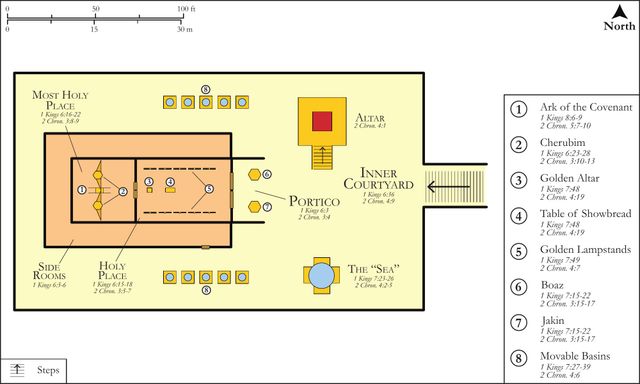
2 Chronicles 4:19 provides a detailed inventory of the precious, gold-crafted furnishings within the Holy Place of Solomon's Temple, specifically highlighting the "golden altar" for incense and the "tables whereon the shewbread was set." This verse is part of a broader account emphasizing the immense value, sacred purpose, and divine blueprint behind every element within the House of God, signifying both King Solomon's devotion and the profound spiritual realities facilitated by these holy vessels for Israel's worship and communion with the Almighty.
Context
ShowHideLiterary Context
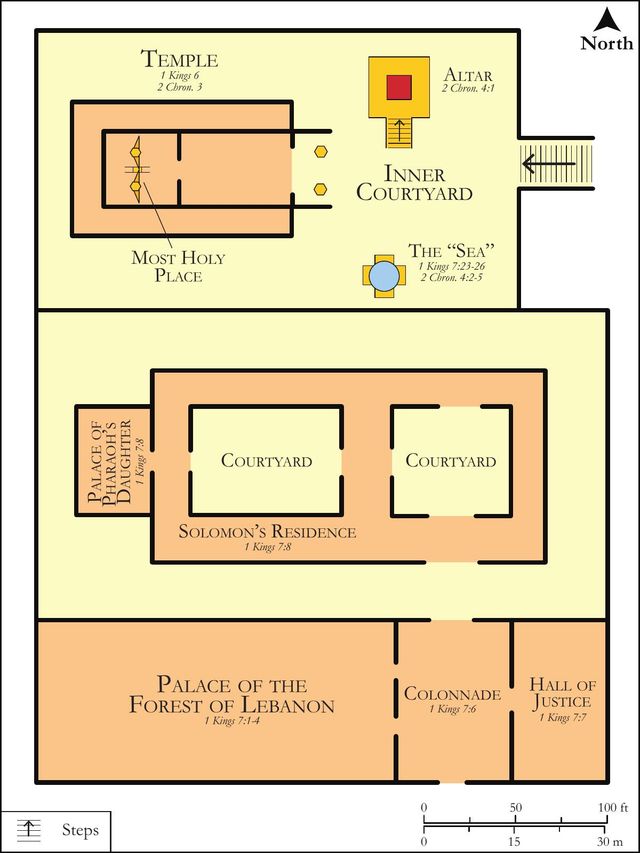
This verse is intricately woven into the detailed architectural and furnishing account of Solomon's Temple construction, primarily found in 2 Chronicles 3 and 2 Chronicles 4. Having previously described the main structure of the Temple and the larger bronze elements, such as the "molten sea" and the monumental "pillars" in 2 Chronicles 4:2-10, the narrative in verse 19 shifts its focus to the exquisite, internal items made of pure gold. These specific furnishings were central to the daily rituals performed by the priests within the Holy Place, immediately preceding the Most Holy Place. The meticulous enumeration of these items underscores the Temple's unparalleled grandeur and its adherence to the precise divine instructions originally given to David, highlighting the sanctity and functional purpose of each piece in facilitating Israel's worship and interaction with God's manifest presence.
Historical & Cultural Context
King Solomon's reign, approximately from 970-931 BC, is widely regarded as a pinnacle of prosperity, peace, and national identity for ancient Israel. The construction of the Temple in Jerusalem stood as the crowning achievement of his rule, fulfilling God's promise to David regarding a permanent dwelling place for the Lord among His people. The extensive use of vast quantities of gold, silver, and other precious materials, as evidenced by the "golden altar" and "tables" in this verse, reflected the immense wealth and sophisticated craftsmanship available to Solomon's kingdom. More significantly, it underscored the cultural understanding that the most valuable and enduring resources should be dedicated to the worship of Yahweh. This lavish dedication was not merely for human display but was a tangible expression of the nation's profound reverence, signifying that God's dwelling place merited the utmost splendor, reflecting His supreme glory and the people's devotion.
Key Themes
ShowHide2 Chronicles 4:19 contributes significantly to several overarching themes prevalent in the book of Chronicles. First, it powerfully emphasizes Divine Presence and Worship, as the specified vessels were not mere decorations but integral components of the rituals that enabled Israel's communion with God, symbolizing His holy presence and faithful provision. The "golden altar" for incense and the "tables for the shewbread" were essential, functional elements in the divinely prescribed worship. Second, the prominent use of gold throughout the Temple signifies Magnificence and Dedication, showcasing Solomon's unparalleled commitment and the nation's profound devotion to God, thereby reflecting the glory intended for the Temple. This theme of opulence and dedication is consistently highlighted in parallel accounts, such as 1 Kings 6-7 and 2 Chronicles 3-4. Third, the items mentioned establish a clear Continuity with the Tabernacle, the portable sanctuary from the wilderness period. The "golden altar" directly corresponds to the altar of incense described in Exodus 30:1-10, and the "tables whereon the shewbread was set" directly mirrors the table of shewbread from Exodus 25:23-30, indicating a consistent and divinely ordained pattern of worship from the time of Moses through Solomon.
Exposition and Analysis
ShowHideKey Word Analysis
ShowHideThis term refers to any apparatus, implement, utensil, or vessel. In this context, it encompasses all the sacred objects, tools, and furnishings meticulously prepared for the Temple service. It denotes the comprehensive collection of items crafted for the "house of God," emphasizing their functional and sacred nature within the divine sanctuary, from lampstands and bowls to censers and other ritualistic instruments.
Derived from a root meaning "to shimmer," this word refers to gold, or figuratively, something gold-colored. Its repeated mention in the Temple's construction highlights the immense value, purity, and divine glory associated with God's dwelling place. The use of gold signified the unparalleled honor and reverence bestowed upon Yahweh, reflecting His majesty and the sacredness of His presence.
This term, derived from a root meaning "to sacrifice," refers to an altar. In the context of the Holy Place and its golden composition, it specifically designates the Altar of Incense, as distinct from the larger bronze altar for burnt offerings in the outer court. This golden altar was used exclusively for burning fragrant incense, symbolizing the ascending prayers and worship of God's people, and its proximity to the Most Holy Place underscored its profound sacredness.
This word primarily means "food," especially "bread" or "grain." In the phrase "shewbread" (literally "bread of presence," or "bread of faces," from H3899 lechem and H6440 pânîym), it refers to the twelve loaves of unleavened bread continually set before the Lord on a special table in the Holy Place. This bread symbolized God's covenant faithfulness, His constant provision for His people, and the ongoing communion between God and Israel, where Israel was literally "before His face."
Verse Breakdown
ShowHide"And Solomon made all the vessels that [were for] the house of God"
This opening clause establishes King Solomon's pivotal role as the divinely appointed architect and furnisher of the Temple. It highlights the comprehensive scope of his undertaking, indicating that every necessary item for the sacred space was meticulously crafted under his direct supervision. The phrase "house of God" underscores the ultimate purpose of these items: to serve in the worship and service of Yahweh, making the Temple a consecrated space for divine encounter and communion.
"the golden altar also"
This specifies one of the most significant and sacred items located within the Holy Place. The "golden altar" refers to the Altar of Incense, distinct from the large bronze altar of burnt offering in the outer court. Its composition, either entirely of gold or heavily overlaid with gold, signifies its immense value and sacredness. Its function was to offer fragrant incense, a powerful symbol of prayer and worship, directly before the presence of God, emphasizing its centrality to the daily priestly duties and the spiritual atmosphere of the Temple.
"and the tables whereon the shewbread [was set];"
This clause identifies another crucial furnishing within the Holy Place. While there was typically one main table for the shewbread, the plural "tables" might refer to additional support tables, or perhaps is a stylistic plural, or even indicates multiple tables used for various aspects of the shewbread service or its preparation, though the primary table is the focus. These tables were specifically designed to hold the "bread of presence," a continuous offering before the Lord, symbolizing God's perpetual covenant presence, His faithful provision for Israel, and the ongoing communion He desired with His people.
Literary Devices
ShowHideThe verse employs several literary devices to convey its profound meaning and emphasize the Temple's significance. Merism is evident in the listing of specific, prominent items—the "golden altar" and the "tables whereon the shewbread was set"—to represent the entirety of "all the vessels" or furnishings within the Holy Place. This technique effectively emphasizes the comprehensive nature of Solomon's work and the meticulous attention to detail in equipping every part of the Temple. Symbolism is paramount, as each item carries deep theological significance: the "golden altar" symbolizes the ascent of prayer and worship to God, while the "shewbread" symbolizes God's faithful provision and His perpetual presence among His people. The pervasive use of "gold" throughout the Temple's furnishings is a potent symbol of divine glory, purity, and immense value, signifying the unparalleled honor bestowed upon God's dwelling place. Furthermore, the very act of "making" these items subtly employs Metonymy, where Solomon's actions represent not only his personal dedication but also the collective devotion of the entire nation and the fulfillment of God's command to establish a central, magnificent place of worship.
Theological and Thematic Connections
ShowHideThe detailed description of the Temple vessels in 2 Chronicles 4:19, particularly the golden altar and the tables for the shewbread, profoundly illustrates God's desire for a structured, holy, and beautiful approach to His presence. These items were not merely functional but were deeply imbued with symbolic meaning, pointing to the very nature of God and His covenant relationship with His people. The pervasive use of gold signified divine glory, purity, and the immense value of God's presence, while the specific rituals associated with these vessels—incense as ascending prayer and shewbread as divine provision and communion—underscored the essence of Israel's covenant relationship with Yahweh. This passage powerfully reinforces the theological truth that God is worthy of our utmost reverence, our finest offerings, and our consistent communion, all facilitated through divinely ordained means and in a manner that reflects His supreme holiness.
Reflection and Application
ShowHideWhile the physical Temple and its specific vessels no longer stand as the central place of worship for believers today, the principles embedded in 2 Chronicles 4:19 remain profoundly relevant for our spiritual lives. The meticulous craftsmanship and precious materials dedicated to God's house serve as a powerful reminder to offer our very best to God in every aspect of our worship and service. Our worship should not be haphazard or half-hearted, but intentional, thoughtful, and reverent, reflecting the supreme worth and holiness of the One we adore. Furthermore, the enduring symbolism of the golden altar and the shewbread tables invites us to consider the ongoing realities of prayer and divine provision in our lives. Just as fragrant incense ascended from the altar, our prayers are to be a constant, fervent, and fragrant offering to God, a vital means of communion with Him. Similarly, the shewbread reminds us of God's faithful commitment to sustain us, both physically and spiritually, through His enduring presence and provision. We are called to live lives that reflect the same dedication, excellence, and reverence that Solomon poured into the House of God, understanding that our bodies are now temples of the Holy Spirit, and our entire lives are meant to glorify Him.
Questions for Reflection
ShowHideFAQ
ShowHideWhat was the difference between the "golden altar" and the "bronze altar" in the Temple?
ShowHideThe "golden altar" mentioned in 2 Chronicles 4:19 refers specifically to the altar of incense, which was located inside the Holy Place, just before the veil leading to the Most Holy Place. It was smaller and either made of solid gold or overlaid with gold, used exclusively for burning fragrant incense as a symbol of ascending prayers and worship. In contrast, the "bronze altar" (also known as the altar of burnt offering) was much larger and situated in the outer court of the Temple (2 Chronicles 4:1). It was made of bronze and was used for the sacrifice of animals, where burnt offerings were made to atone for sins and express devotion. Both altars were crucial for Israelite worship, but they served distinct functions and symbolized different aspects of approaching God: prayer and worship from within the Holy Place, and atonement and sacrifice in the outer court.
Why was gold used so extensively in the Temple furnishings?
ShowHideThe extensive use of gold in the Temple, as highlighted in 2 Chronicles 4:19 and throughout the descriptions of its construction (1 Kings 6-7), served multiple significant purposes. Culturally, gold was the most precious, durable, and incorruptible metal known, symbolizing immense wealth, royalty, and honor. Its widespread use therefore conveyed the supreme value and honor attributed to God and His dwelling place, reflecting the unparalleled glory of the King of Kings. Theologically, gold also profoundly symbolized purity, divinity, and glory, representing God's unblemished holiness and majestic presence. By dedicating such magnificent and costly material to the Temple, Solomon and the people of Israel demonstrated their profound reverence for God and their understanding that His presence merited the absolute finest and most glorious expression. It underscored the sacredness and unparalleled importance of the Temple as the designated place where God chose to dwell among His people.
Christ-Centered Fulfillment
ShowHideThe vessels of the Temple described in 2 Chronicles 4:19, particularly the golden altar and the tables for the shewbread, are rich types and shadows that find their ultimate and profound fulfillment in Jesus Christ. The "shewbread," or "bread of presence," which symbolized God's faithful provision and continuous communion with His people, is gloriously fulfilled in Jesus, who declared Himself to be the "bread of life" (John 6:35). He is the true sustenance for our spiritual lives, the one through whom we have perpetual access to God's presence and never hunger. Similarly, the "golden altar" of incense, from which prayers ascended to God, powerfully foreshadows Christ's role as our great High Priest. Through His perfect sacrifice and ongoing intercession, Jesus is the one through whom our prayers are made acceptable to God (Hebrews 7:25). He has opened a new and living way into the very presence of God, not through a physical veil or earthly vessels, but through the tearing of His own body on the cross (Hebrews 10:19-20). Thus, the meticulous craftsmanship and sacred purpose of the Temple's golden vessels point forward to the infinitely more glorious spiritual realities accomplished by Christ, who is Himself the ultimate temple, sacrifice, and the sole means of access to God.