


Luke 5:30
Bible text: King James Version (1769 Blayney text) · Public domain
Bible text: King James Version with Strong's numbers · Public domain
Bible text: Berean Standard Bible · Public domain
Bible text: American Standard Version (1901) · Public domain
Bible text: World English Bible, Messianic edition · Public domain
Bible text: Geneva Bible (1599) · Public domain
Bible text: Young's Literal Translation · Public domain
- καὶkaiAndG2532CONJConjunction
- ἐγόγγυζονegonguzonwere grumblingG1111V-IAI-3PVerb Imperfect Active Indicative 3rd Plural
- οἱhoitheG3588T-NPMDefinite article Nominative Plural Masculine
- ΦαρισαῖοιPharisaioiPhariseesG5330N-NPM-TNoun Nominative Plural Masculine Title
- καὶkaiandG2532CONJConjunction
- οἱhoitheG3588T-NPMDefinite article Nominative Plural Masculine
- γραμματεῖςgrammateisscribesG1122N-NPMNoun Nominative Plural Masculine
- αὐτῶνautōnof themG846P-GPMPersonal pronoun Genitive Plural Masculine
- πρὸςprosatG4314PREPPreposition
- τοὺςtoustheG3588T-APMDefinite article Accusative Plural Masculine
- μαθητὰςmathētasdisciplesG3101N-APMNoun Accusative Plural Masculine
- αὐτοῦautouof HimG846P-GSMPersonal pronoun Genitive Singular Masculine
- λέγοντες·legontessayingG3004V-PAP-NPMVerb Present Active Participle Nominative Plural Masculine
- διὰdiaBecause ofG1223PREPPreposition
- τίtiwhyG5101I-ASNInterrogative pronoun Accusative Singular Neuter
- μετὰmetawithG3326PREPPreposition
- τῶνtōntheG3588T-GPMDefinite article Genitive Plural Masculine
- τελωνῶνtelōnōntax collectorsG5057N-GPMNoun Genitive Plural Masculine
- καὶkaiandG2532CONJConjunction
- ἁμαρτωλῶνhamartōlōnsinnersG268A-GPMAdjective Genitive Plural Masculine
- ἐσθίετεesthietedo you eatG2068V-PAI-2PVerb Present Active Indicative 2nd Plural
- καὶkaiandG2532CONJConjunction
- πίνετε;pinetedrink?G4095V-PAI-2PVerb Present Active Indicative 2nd Plural
English is a literal word-by-word gloss of the Greek, not the KJV's wording. Why?
This is the original text the KJV's translators worked from — each Greek word with its own literal English meaning in this verse, prepared by scholars at Tyndale House, Cambridge. The KJV translates whole sentences, not word by word, so its wording differs: one Greek word can become several English words, and the KJV may choose “charity” where the gloss reads “love”. Both are faithful — they answer different questions. For the KJV's own rendering, switch to the KJV text.
Details
See on the biblical-era maps

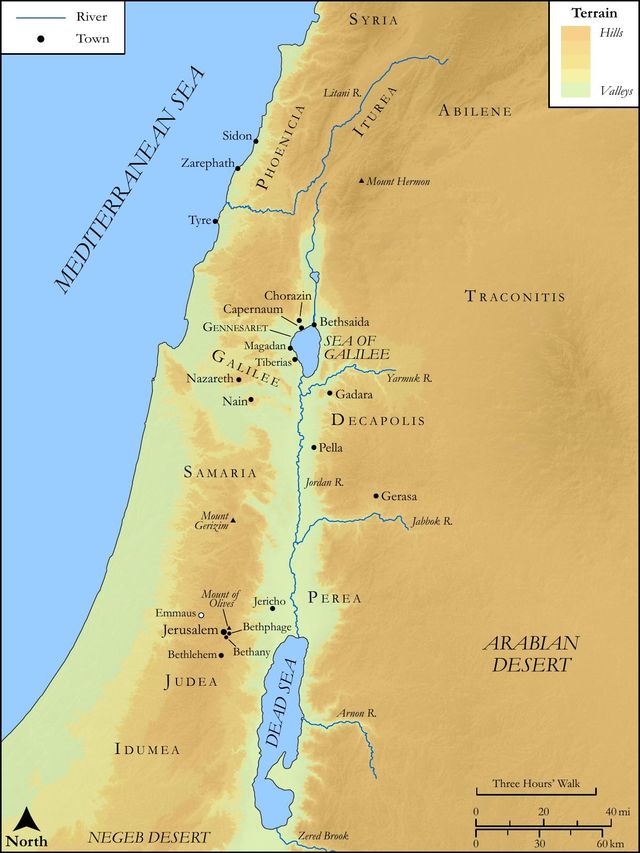
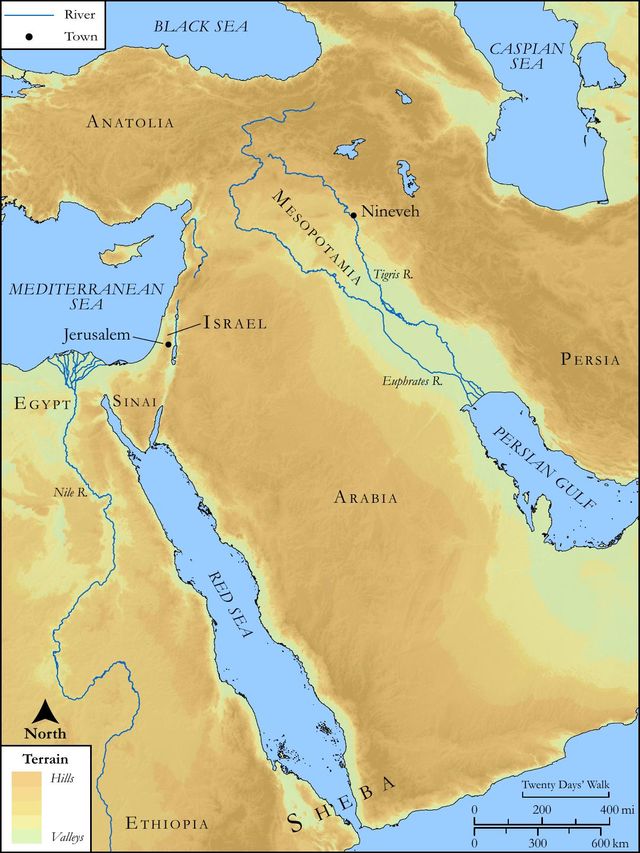
Study this verse
Public-domain commentary
Matthew Henry
From his Commentary on the Whole Bible. Henry comments on passages, not single verses — this entry covers Luke 5:27–39.
All this, except the last verse, we had before in Matthew and Mark; it is not the story of any miracle in nature wrought by our Lord Jesus, but it is an account of some of the wonders of his grace, which, to those who understand things aright, are no less cogent proofs of Christ's being sent of God than the other.
I.It was a wonder of his grace that he would call a publican, from the receipt of custom, to be his disciple and follower, Luk 5:27.
It was wonderful condescension that he should admit poor fishermen to that honour, men of the lowest rank; but much more wonderful that he should admit publicans, men of the worst reputation, men of ill fame. In this Christ humbled himself, and appeared in the likeness of sinful flesh. By this he exposed himself, and got the invidious character of a friend of publicans and sinners.
II.It was a wonder of his grace that the call was made effectual, became immediately so, Luk 5:28.
This publican, though those of that employment commonly had little inclination to religion, for his religion's sake left a good place in the custom-house (which, probably, was his livelihood, and where he stood fair for better preferment), and rose up, and followed Christ. There is no heart too hard for the Spirit and grace of Christ to work upon, nor any difficulties in the way of a sinner's conversion insuperable to his power.
III.It was a wonder of his grace that he would not only admit a converted publican into his family, but would keep company with unconverted publicans, that he might have an opportunity of doing their souls good; he justified himself in it, as agreeing with the great design of his coming into the world. Here is a wonder of grace indeed, that Christ undertakes to be the Physician of souls distempered by sin, and ready to die of the distemper (he is a Healer by office, Luk 5:31) - that he has a particular regard to the sick, to sinners as his patients, convinced awakened sinners, that see their need of the Physician - that he came to call sinners, the worst of sinners, to repentance, and to assure them of pardon, upon repentance, Luk 5:32. These are glad tidings of great joy indeed.
IV.It was a wonder of his grace that he did so patiently bear the contradiction of sinners against himself and his disciples, Luk 5:30.
He did not express his resentment of the cavils of the scribes and Pharisees, as he justly might have done, but answered them with reason and meekness; and, instead of taking that occasion to show his displeasure against the Pharisees, as afterwards he did, or of recriminating upon them, he took that occasion to show his compassion to poor publicans, another sort of sinners, and to encourage them.
V.It was a wonder of his grace that, in the discipline under which he trained up his disciples, he considered their frame, and proportioned their services to their strength and standing, and to the circumstances they were in. It was objected, as a blemish upon his conduct, that he did not make his disciples to fast so often as those of the Pharisees and John Baptist did, Luk 5:33. He insisted most upon that which is the soul of fasting, the mortification of sin, the crucifying of the flesh, and the living of a life of self-denial, which is as much better than fasting and corporal penances as mercy is better than sacrifice.
VI.It was a wonder of his grace that Christ reserved the trials of his disciples for their latter times, when by his grace they were in some good measure better prepared and fitted for them than they were at first. Now they were as the children of the bride-chamber, when the bridegroom is with them, when they have plenty and joy, and every day is a festival. Christ was welcomed wherever he came, and they for his sake, and as yet they met with little or no opposition; but this will not last always. The days will come when the bridegroom shall be taken away from them, Luk 5:35. When Christ shall leave them with their hearts full of sorrow, their hands full of work, and the world full of enmity and rage against them, then shall they fast, shall not be so well fed as they are now. We both hunger and thirst and are naked, Co1 4:11. Then they shall keep many more religious fasts than they do now, for Providence will call them to it; they will then serve the Lord with fastings, Act 13:2.
VII.It was a wonder of his grace that he proportioned their exercises to their strength.
He would not put new cloth upon an old garment (Luk 5:36), nor new wine into old bottles (Luk 5:37, Luk 5:38); he would not, as soon as ever he had called them out of the world, put them upon the strictnesses and austerities of discipleship, lest they should be tempted to fly off. When God brought Israel out of Egypt, he would not bring them by the way of the Philistines, lest they should repent, when they saw war, and return to Egypt, Exo 13:17. So Christ would train up his followers gradually to the discipline of his family; for no man, having drank old wine, will of a sudden, straightway, desire new, or relish it, but will say, The old is better, because he has been used to it, Luk 5:39. The disciples will be tempted to think their old way of living better, till they are by degrees trained up to this way whereunto they are called. Or, turn it the other way: "Let them be accustomed awhile to religious exercises, and then they will abound in them as much as you do: but we must not be too hasty with them." Calvin takes it as an admonition to the Pharisees not to boast of their fasting, and the noise and show they made with it, nor to despise his disciples because they did not in like manner signalize themselves; for the profession the Pharisees made was indeed pompous and gay, like new wine that is brisk and sparkling, whereas all wise men say, The old is better; for, though it does not give its colour so well in the cup, yet it is more warming in the stomach and more wholesome. Christ's disciples, though they had not so much of the form of godliness, had more of the power of it.
Historical interpretation
Seven Centuries of Reception
12 surviving comments on this verse. Each one is dated, so this reads as a timeline rather than a list.
Select a marker to jump to its quote. Markers stagger vertically where authors wrote within a few decades of each other.
(Reg. fus. tract. 8.) He not only gave up the profits of the customs, but also despised the dangers which might occur to himself and his family from leaving the accounts of the receipts uncompleted.
Or, He means that the sound and righteous need no physician, i. e. the angels, but the corrupt and sinners, i. e. ourselves do; since we catch the disease of sin, which is not in heaven.
Then follows the spiritual calling of the tax collector, whom he orders to follow him not by steps of the body but by character of the mind. Matthew once greedily embezzled from fishermen the profits they earned from hard labor and dangers. When he was called, he abandoned his office, which was to rob others of their money. Yes, he left that shameful seat, to walk totally in the footsteps of the Lord with his mind. He also prepared a great feast, because he who receives Christ in the house inside him eats the finest foods—plentiful pleasures. So the Lord enters willingly and reclines in the character of one who has believed.
Or it may reseek its own home, i. e. return to Paradise, for that is its true home, which first received man, and was lost not fairly, but by treachery. Rightly then is the soul restored thither, since He has come Who will undo the treacherous knot, and reestablish righteousness.
For by His eating with sinners, He prevents not us also from going to a banquet with the Gentiles.
This was the voice of the Devil. This was the first word the Serpent uttered to Eve, Yea hath God said, Ye shall not eat. (Gen. 3:1) So they diffuse the poison of their father.
But how does God love righteousness, and David has never seen the righteous man forsaken, if the righteous are excluded, the sinner called; unless you understand that He meant by the righteous those who boast of the law, (Ps. 11:7, Ps. 37:25.) and seek not the grace of the Gospel. Now no one is justified by the law, but redeemed by grace. He therefore calls not those who call themselves righteous, for the claimers to righteousness are not called to grace. For if grace is from repentance, surely he who despises repentance renounces grace.
But He calls those sinners, who considering their guilt, and feeling that they cannot be justified by the law, submit themselves by repentance to the grace of Christ.
But he who receives Christ into his inner chamber, is fed with the greatest delights of overflowing pleasures. The Lord therefore willingly enters, and reposes in his affection; but again the envy of the treacherous is kindled, and the form of their future punishment is prefigured; for while all the faithful are feasting in the kingdom of heaven, the faithless will be cast out hungry. Or, by this is denoted the envy of the Jews, who are afflicted at the salvation of the Gentiles.
At the same time also is shown the difference between those who are zealous for the law and those who are for grace, that they who follow the law shall suffer eternal hunger of soul, while they who have received the word into the inmost soul, refreshed with abundance of heavenly meat and drink, can neither hunger nor thirst. And so they who fasted in soul murmured.
People are hungry when Christ is absent and they lack the abundance of good desserts. Truly, one for whom his own virtue suffices for pleasure, who receives Christ in his own home, prepares a great feast. It is a spiritual banquet of good works, at which the rich people go without and the poor one feasts. It says, “The sons of the Bridegroom cannot fast while the Bridegroom is with them.”
(Hom. 30. in Matt.) Here mark both the power of the caller, and the obedience of him that was called. For he neither resisted nor wavered, but forthwith obeyed; and like the fishermen, he did not even wish to go into his own house that he might tell it to his friends.
(ubi sup.) But the Lord honoured Levi, whom He had called, by immediately going to his feast. For this testified the greater confidence in him. Hence it follows, And Levi made him a great feast in his own house. Nor did He sit down to meat with him alone, but with many, as it follows, And there was a great company of Publicans and others that sat down with them. For the publicans came to Levi as to their colleague, and a man in the same line with themselves, and he too glorying in the presence of Christ, called them all together. For Christ displayed every sort of remedy, and not only by discoursing and displaying cures, or even by rebuking the envious, but also by eating with them, He corrected the faults of some, thereby giving us a lesson, that every time and occasion brings with it its own profit. But He shunned not the company of Publicans, for the sake of the advantage that might ensue, like a physician, who unless he touch the afflicted part cannot cure the disease.
(ubi sup.) But nevertheless the Lord was blamed by the Pharisees, who were envious, and wished to separate Christ and His disciples, as it follows, And the Pharisees murmured, saying, Why do you eat with Publicans, &c.
(ubi sup.) But our Lord refutes all their charges, showing, that so far from its being a fault to mix with sinners, it is but a part of His merciful design, as it follows, And Jesus answering said unto them, They that are whole need not a physician; in which He reminds them of their common infirmities, and shows them that they are of the number of the sick, but adds, He is the Physician. It follows, I came not to call the righteous, but sinners to repentance. As if He should say, So far am I from hating sinners, that for their sakes only I came, not that they should remain sinners, but be converted and become righteous.
Now He speaks of the righteous ironically, as when He says, Behold Adam is become as one of us. (Gen. 3:22.) But that there was none righteous upon the earth St. Paul shows, saying, All have sinned, and need the grace of God. (Rom. 3:23.)
(de con. Ev. lib. ii. c. 27.) Now St. Luke seems to have related this somewhat different from the other Evangelists. For he does not say that to our Lord alone it was objected that He eat and drank with publicans and sinners, but to the disciples also, that the charge might be understood both of Him and them. But the reason that Matthew and Mark related the objection as made concerning Christ to His disciples, was, that seeing the disciples ate with publicans and sinners, it was the rather objected to their Master as Him whom they followed and imitated; the meaning therefore is the same, yet so much the better conveyed, as while still keeping to the truth, it differs in certain words.
But for what reason do the Pharisees blame the Savior for eating with sinners? Because it was the law to distinguish between the holy and the profane, that is, holy things were not to be brought into contact with things profane. They made the accusation therefore as if they were vindicating the law. Yet it really was envy against the Lord and readiness to find fault. But he shows them that he is present now, not as a judge but as a physician. He performs a proper function of the physician's office, being in the company of those in need to be healed. But no sooner had they received an explanation of their first accusation than they bring forward another, finding fault because his disciples did not fast. They wished to use this charge as an opportunity to accuse Christ.
And the Pharisees and their scribes murmured, saying to His disciples: Why do you eat and drink with publicans and sinners? While publicans were dining with the Lord, the Pharisees murmuring boasted about fasting. Here is first declared how great is the distance between the law and grace. Because those who follow the law endure the eternal hunger of a fasting mind. But those who have received the word in the innermost parts of the soul, being refreshed by heavenly nourishment and the abundance of the fountain, cannot hunger and thirst. Then the type of future retribution is prefigured, when the perfidy of the proud will be tormented by fasting, while the chosen are feasting with Christ. To whom it is said, Prostitutes and publicans will precede you in the kingdom of God (Matt. XXI). And if through the election of Matthew the faith of the gentiles is expressed, who previously were greedy for worldly gains, but now refresh the body of Christ with diligent devotion, it undoubtedly indicates the arrogance of the Pharisees, the jealousy of the Jews, tormented by the salvation of the gentiles.
“I have not come to call the just but sinners” can also be properly understood in this way. He has not called those who, wishing to establish their own justice, have not been made subject to the justice of God. He calls those who, being conscious of their weakness, are not ashamed to confess that we have all offended in many things. In them too is fulfilled his saying that he had not come to call the just but sinners. That is, he does not call the exalted but the humble. He does not call those puffed up about their own justice but those showing themselves devotedly subject to the one who justifies the wicked. Such people, when they are converted, bear witness with a sincere heart that they must not be regarded as just, but sinners.It is a pleasure to remember, beloved, … to what a height of justice the Lord fetched Matthew, whom he chose out of his tax collecting activities in order to increase for sinners their hope of forgiveness. The apostolic band into which he was incorporated teaches what kind of person he became.
Now Luke and Mark, for the honour of the Evangelist, are silent as to his common name, but Matthew is the first to accuse himself, and gives the name of Matthew and publican, that no one might despair of salvation because of the enormity of his sins, when he himself was changed from a publican to an Apostle.
Now by the election of Matthew is signified the faith of the Gentiles, who formerly gasped after worldly pleasures, but now refresh the body of Christ with zealous devotion.
And so from him that received toll from the passers by, Christ received toll, not money, but entire devotion to His company.
Or the publican is he who serves the prince of this world, and is debtor to the flesh, to which the glutton gives his food, the adulterer his pleasure, and another something else. But when the Lord saw him sitting at the receipt of custom, and not stirring himself to greater wickedness, He calls him that he might be snatched from the evil, and follow Jesus, and receive the Lord into the house of his soul.
Continue studying Luke 5:30 across the web’s major study libraries — every link below opens this exact verse, chapter, or book on the destination site.
Read & Compare
 BibleGatewayThis verse in more than 200 translations and 70 languages.
 Bible.comThe YouVersion reader — hundreds of translations, reading plans, and highlights.
 ESV.orgCrossway's official English Standard Version reader.
 NET BibleThe NET translation with 60,000+ translators' notes on every rendering decision.
 STEP BibleTyndale House's free study tool — original text, vocabulary, and scholarly resources.
 BibliaLogos Bible Software's free web reader.
 USCCBThe New American Bible (Revised Edition) with the U.S. bishops' study notes.
Commentaries
 BibleHub CommentariesDozens of classic commentaries on this verse, gathered on one page.
 StudyLightMore than 100 commentary sets — the largest collection on the web.
 BibleRefPlain-English commentary on what this verse means, verse by verse.
 Enduring WordDavid Guzik's free commentary on this chapter, widely used by Bible teachers.
 Bible Study ToolsVerse commentary alongside Greek and Hebrew study aids.
Original Language & Research
- BibleHub InterlinearThe verse word by word — original language, transliteration, and English.
- BibleHub LexiconEvery word's original-language definition and Strong's entry.
 Blue Letter BibleDeep-study tools — Strong's numbers, concordance, and word studies.
 CNTR CollationThe earliest Greek manuscripts of this verse, collated letter by letter.
Sermons, Hymns & Audio


TrulyRandomVerse is not affiliated with these sites and doesn’t control their content. They’re linked because they’re genuinely useful.
Summary
Luke 5:30 captures a pivotal moment of tension, revealing the stark contrast between Jesus' universal reach and the rigid legalism of the religious elite. The scribes and Pharisees, observing Jesus and His disciples sharing a meal with tax collectors and other societal outcasts, voice their indignant disapproval, questioning why such holy men would associate with those deemed morally and ceremonially unclean. This verse encapsulates a fundamental clash of worldviews regarding righteousness, fellowship, and the very nature of God's redemptive mission.
Context
ShowHideLiterary Context
This verse immediately follows Jesus' transformative call of Levi (also known as Matthew), a tax collector, to be His disciple in Luke 5:27-28. In response to his newfound faith and commitment, Levi hosts a great feast in his home, inviting a large company of his former colleagues—publicans and other "sinners"—to dine with Jesus and His disciples (Luke 5:29). The act of sharing a meal among the Jews of that day was a profound symbol of fellowship, acceptance, and solidarity. The Pharisees' question in Luke 5:30 is a direct response to this scandalous display of table fellowship, setting the stage for Jesus' powerful declaration about His mission to the sick, not the healthy, in Luke 5:31-32.
Historical & Cultural Context
The scribes were experts in the Mosaic Law and Jewish traditions, serving as interpreters and teachers. The Pharisees were a prominent Jewish religious sect known for their strict adherence to the Law, their oral traditions, and their fervent desire for ritual purity and separation from anything they considered defiling. They believed that associating with "sinners" (a broad category including those who did not adhere to their standards of righteousness, such as tax collectors, prostitutes, and others deemed morally corrupt or ritually unclean) would compromise their own purity and standing before God. Publicans (tax collectors) were particularly despised by their fellow Jews for several reasons: they collaborated with the Roman occupying power, often extorted more money than legally due, and their profession involved handling pagan money and frequent association with Gentiles, rendering them ritually impure. For the Pharisees, Jesus' willingness to eat with such individuals was not merely a social faux pas but a profound theological offense, undermining their entire system of righteousness based on separation and external observance.
Key Themes
ShowHideLuke 5:30 highlights several crucial themes that run throughout the Gospel of Luke and the broader New Testament. Firstly, it underscores Jesus' Mission to the Overlooked. Unlike the religious leaders who distanced themselves from those considered "unclean," Jesus actively sought out and ministered to society's outcasts, demonstrating that His kingdom was open to all, especially those in desperate need of spiritual healing (Luke 19:10). Secondly, the verse reveals a profound Clash of Righteousness: the Pharisees' self-righteousness, rooted in external conformity and legalistic separation, stands in stark contrast to Jesus' divine righteousness, which extends grace, mercy, and transformative power. The Pharisees believed association with sinners defiled them, while Jesus' presence was inherently cleansing and redemptive. Finally, it emphasizes the theme of Radical Fellowship and Inclusion. Jesus' willingness to share a meal with publicans and sinners was a profound act of acceptance, signifying His desire for relationship and His invitation to the kingdom, challenging the exclusive boundaries imposed by human tradition and legalism. This act foreshadows the open table fellowship of the new covenant.
Exposition and Analysis
ShowHideKey Word Analysis
ShowHideThis term describes a low, grumbling, often discontented complaint, typically expressed in hushed tones or behind someone's back, rather than an open, direct confrontation. It conveys a sense of simmering resentment and disapproval, indicating that the scribes and Pharisees were not merely questioning but expressing a deep-seated, negative judgment against Jesus and His disciples.
Derived from the word for "writing," a scribe was a professional writer, secretary, or, in the context of Jewish society, an expert in the Mosaic Law. They were responsible for copying, interpreting, and teaching the Scriptures, holding significant authority and influence within the religious establishment.
This term, of Hebrew origin, means "separatist." The Pharisees were a prominent Jewish sect characterized by their strict adherence to the Mosaic Law and their extensive oral traditions. They sought to apply the laws of ritual purity to daily life, distinguishing themselves from the common people and especially from those they considered morally or ritually impure.
This word literally means "tax-farmer" or "collector of public revenue." Publicans were Jewish tax collectors who worked for the Roman government. They were reviled by their countrymen as traitors, extortionists, and morally corrupt individuals who were ritually unclean due to their interactions with Gentiles and handling of pagan money.
While all humanity is sinful, in this context, "sinners" refers not just to those who commit sins generally, but specifically to those individuals who were considered moral outcasts, flagrant transgressors of Jewish law and tradition, or those living in open rebellion against God's commands as defined by the religious elite. This category included prostitutes, thieves, and others deemed beyond the pale of respectable society.
Verse Breakdown
ShowHide"But their scribes and Pharisees murmured against his disciples,"
This opening clause immediately establishes the opposition. The "scribes and Pharisees" represent the entrenched religious authority of the day, whose worldview was diametrically opposed to Jesus' ministry. Their "murmuring" indicates a covert, yet pervasive, disapproval, a form of criticism that suggests a lack of courage for direct confrontation but a strong undercurrent of judgment. The target of their initial complaint is "his disciples," perhaps as a proxy for Jesus Himself, or because the disciples were more accessible for such a passive-aggressive challenge.
"saying, Why do ye eat and drink with publicans and sinners?"
This is the core of their accusation, framed as a question. It highlights their profound objection to the disciples' (and by extension, Jesus') table fellowship with individuals whom they considered morally and ritually defiled. For the Pharisees, sharing a meal was an act of intimate communion, signifying acceptance and shared values. To do so with "publicans and sinners" was seen as a compromise of holiness, a transgression of their strict purity codes, and an endorsement of unrighteous behavior. Their question reveals their legalistic mindset and their inability to comprehend a righteousness that extends grace and seeks out the lost.
Literary Devices
ShowHideThe verse effectively employs Contrast to highlight the fundamental difference between Jesus' ministry and the religious establishment's approach to righteousness. The scribes and Pharisees, representing a system of separation and exclusion, are contrasted with Jesus and His disciples, who embody an universal reach. This contrast sets up the subsequent theological discourse. There is also an element of Irony, as those who claim to be closest to God's law are the very ones who fail to recognize and embrace the heart of God's redemptive mission, which is to seek and save the lost. The verse is presented as a Dialogue (or rather, a rhetorical question), which immediately draws the reader into the tension and anticipates Jesus' profound response in the following verses, turning a mere observation into a direct challenge to His authority and methods.
Theological and Thematic Connections
ShowHideLuke 5:30 is a foundational text for understanding the heart of Jesus' mission: to seek and save the lost, not to affirm the self-righteous. It exposes the inherent flaw in a legalistic system that prioritizes external purity and human traditions over compassion and grace. The Pharisees' question reveals their misunderstanding of God's nature and His desire for reconciliation with humanity. Jesus' willingness to engage with "publicans and sinners" demonstrates that God's love is not reserved for the already "good" but actively pursues those in need of repentance and transformation. This encounter foreshadows the breaking down of barriers between people and God, and between different groups of people, through the new covenant established in Christ. It affirms that true righteousness is not found in separation from the world's brokenness, but in bringing God's redemptive presence into it.
Reflection and Application
ShowHideLuke 5:30 serves as a powerful mirror, challenging believers to honestly examine their own attitudes and practices regarding fellowship, judgment, and outreach. Do we, like the Pharisees, inadvertently create spiritual "in-groups" and "out-groups," based on perceived righteousness or social standing? Are we more concerned with maintaining our own purity by avoiding "sinners" than with extending the transforming grace of Christ to them? Jesus' example compels us to dismantle any self-imposed barriers that prevent us from engaging with those society deems unworthy or morally compromised. Our mission, like His, is not to condemn the world but to offer it salvation. This requires a posture of humility, compassion, and a willingness to step into uncomfortable spaces, trusting that Christ's presence within us is a source of cleansing and transformation, not defilement. We are called to be agents of reconciliation, bringing the light and hope of the Gospel to those who need it most, remembering that we ourselves were once "sinners" in need of a Savior.
Questions for Reflection
ShowHideFAQ
ShowHideWhy was eating with 'publicans and sinners' such a controversial act for the Pharisees?
ShowHideFor the Pharisees, sharing a meal was a deeply significant act of fellowship and acceptance, implying shared values and a common standing before God. Eating with "publicans" (tax collectors) and "sinners" was controversial for several interconnected reasons. Publicans were viewed as traitors for collaborating with the Roman occupiers and were often corrupt, making them despised. Both publicans and "sinners" (a broad category for those who did not adhere to the Pharisees' strict interpretation of the Law and oral traditions, including prostitutes, thieves, and others deemed morally or ritually impure) were considered ritually unclean and morally compromised. The Pharisees believed that associating with such individuals, especially in intimate table fellowship, would defile them and compromise their own carefully maintained ritual purity and righteousness before God. Their concern was rooted in their understanding of holiness as separation from sin and unholiness, a concept they believed Jesus was flagrantly violating by His inclusive actions, particularly as seen in Luke 5:29.
Christ-Centered Fulfillment
ShowHideLuke 5:30, with its depiction of Jesus' scandalous table fellowship, profoundly reveals the heart of Christ's redemptive mission and His unique identity as the Son of God. The Pharisees' indignant question, "Why do ye eat and drink with publicans and sinners?", inadvertently highlights Jesus' divine purpose: He came not for the self-righteous, but for the lost. Unlike the Old Testament sacrificial system which required separation from sin for atonement, Jesus, as the ultimate sacrifice, enters into the very sphere of sin and brokenness to bring healing and reconciliation. He embodies the prophetic vision of the Suffering Servant who would be "numbered with the transgressors" (Isaiah 53:12) to bear their iniquity. His willingness to eat with sinners signifies His mission to save His people from their sins (Matthew 1:21) and demonstrates God's profound love for humanity "while we were still sinners" (Romans 5:8). Jesus, being without sin, could enter the world of sinners not to be defiled, but to cleanse and transform. His actions here foreshadow His ultimate act of identification with humanity's sin on the cross, bridging the chasm between a holy God and a sinful people, thus fulfilling God's eternal plan for salvation.