


Joshua 22:17
Bible text: King James Version (1769 Blayney text) · Public domain
Bible text: Berean Standard Bible · Public domain
Bible text: American Standard Version (1901) · Public domain
Bible text: World English Bible, Messianic edition · Public domain
Bible text: Geneva Bible (1599) · Public domain
Bible text: Young's Literal Translation · Public domain
- הַמְעַטham·'at¿ littleH4592Interrog ¦ N-msNoun Singular Masculine Absoluteהַ¿מְעַטlittle
- לָנוּla·nufor <the> usPrep-l ¦ 1cpSuffix Personal 1st Plural common genderלָfor <the>נוּus
- אֶת'et[was] <obj.>H853DirObjMParticle Object Indicator
- עֲוֹן'a·Von[the] iniquity ofH5771N-mscNoun Singular Masculine Construct
- פְּעוֹרpe·'orPeorH6465N-properNoun Proper Location
- אֲשֶׁר'a·SherwhichH834RelParticle Relative
- לֹאlo'notH3808NegParticle Negative
- הִטַּהַרְנוּhi·ta·Har·nuwe have cleansed ourselvesH2891V-Hithpael-Perf-1cpVerb Hithpael Perfect 1st Plural common gender
- מִמֶּנּוּmi·Me·nufrom itH4480Prep ¦ 1cpPreposition Definiteמִמֶּfromנּוּit
- עַד'aduntilH5704PrepPreposition
- הַיּוֹםhai·Yomthe dayH3117Art ¦ N-msNoun Singular Masculine Absoluteהַtheיּוֹםday
- הַזֶּהha·Zeh<the> thisH2088Art ¦ PrtParticle Demonstrativeהַ<the>זֶּהthis
- וַיְהִיvay·Hiand it wasH1961Conj-w ¦ V-Qal-ConsecImperf-3msVerb Qal Consecutive Imperfect 3rd Singular Masculineוַandיְהִיit was
- הַנֶּגֶףha·Ne·gefthe plagueH5063Art ¦ N-msNoun Singular Masculine Absoluteהַtheנֶּגֶףplague
- בַּעֲדַתba·'a·Datamong [the] congregation ofH5712Prep-b ¦ N-fscNoun Singular Feminine Constructבַּamongעֲדַת[the] congregation of
- יְהוָהYah·wehYahwehH3068N-properNoun Proper Title
English is a literal word-by-word gloss of the Hebrew, not the KJV's wording. Why?
This is the original text the KJV's translators worked from — each Hebrew word with its own literal English meaning in this verse, prepared by scholars at Tyndale House, Cambridge. The KJV translates whole sentences, not word by word, so its wording differs: one Hebrew word can become several English words, and the KJV may choose “the LORD” where the gloss reads “Yahweh”. Both are faithful — they answer different questions. For the KJV's own rendering, switch to the KJV text.
Details
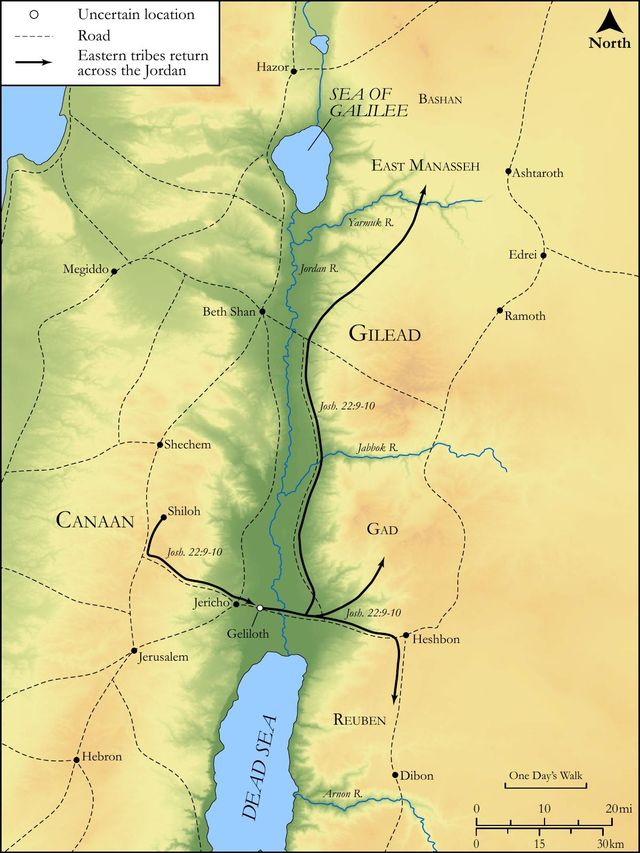
See on the biblical-era map
Study this verse
Continue studying Joshua 22:17 across the web’s major study libraries — every link below opens this exact verse, chapter, or book on the destination site.
Read & Compare
 BibleGatewayThis verse in more than 200 translations and 70 languages.
 Bible.comThe YouVersion reader — hundreds of translations, reading plans, and highlights.
 ESV.orgCrossway's official English Standard Version reader.
 NET BibleThe NET translation with 60,000+ translators' notes on every rendering decision.
 STEP BibleTyndale House's free study tool — original text, vocabulary, and scholarly resources.
 BibliaLogos Bible Software's free web reader.
 USCCBThe New American Bible (Revised Edition) with the U.S. bishops' study notes.
Commentaries
 BibleHub CommentariesDozens of classic commentaries on this verse, gathered on one page.
 StudyLightMore than 100 commentary sets — the largest collection on the web.
 BibleRefPlain-English commentary on what this verse means, verse by verse.
 Enduring WordDavid Guzik's free commentary on this chapter, widely used by Bible teachers.
 Bible Study ToolsVerse commentary alongside Greek and Hebrew study aids.
Original Language & Research
- BibleHub InterlinearThe verse word by word — original language, transliteration, and English.
- BibleHub LexiconEvery word's original-language definition and Strong's entry.
 Blue Letter BibleDeep-study tools — Strong's numbers, concordance, and word studies.
 SefariaThe Hebrew text with Rashi and centuries of Jewish commentary.
Sermons, Hymns & Audio


TrulyRandomVerse is not affiliated with these sites and doesn’t control their content. They’re linked because they’re genuinely useful.
Summary
Joshua 22:17 powerfully encapsulates the profound and enduring impact of past corporate sin on the Israelite community, specifically referencing the devastating "iniquity of Peor." Spoken by Phinehas on behalf of the western tribes, this verse reveals their deep-seated fear of divine judgment and their zealous concern that the newly built altar by the eastern tribes might provoke God's wrath once more, jeopardizing the entire nation with another plague. It underscores the gravity with which Israel viewed covenant fidelity and the severe consequences of idolatry and disobedience, highlighting the collective memory and persistent shadow of national transgression.
Context
ShowHideLiterary Context
This verse is a pivotal statement within the escalating confrontation between the western tribes (those settled west of the Jordan River) and the eastern tribes (Reuben, Gad, and the half-tribe of Manasseh) in Joshua 22. Following the successful conquest and division of the land, the eastern tribes are dismissed by Joshua to return to their inheritance. Before crossing the Jordan, they build a large, prominent altar. The western tribes, misinterpreting this act as a rival place of worship and an act of idolatry, assemble at Shiloh, ready for war, fearing a repeat of past divine judgments. Phinehas, the high priest's son, leads a delegation to confront them, and this verse serves as a powerful rhetorical question, recalling a horrific national sin to highlight the perceived danger of the eastern tribes' actions. It sets the stage for the eastern tribes' explanation of their true intentions in the verses that follow, ultimately averting civil war.
Historical & Cultural Context
The events of Joshua 22 occur shortly after the conquest of Canaan, a period marked by the establishment of Israel as a settled nation under God's covenant. The memory of the wilderness wanderings, including the severe divine judgments for disobedience, was still fresh. The "iniquity of Peor" (recorded in Numbers 25:1-9) was a recent and traumatic national experience where Israelite men engaged in sexual immorality and idolatry with Moabite women, leading to a plague that killed 24,000 people. This incident deeply ingrained the understanding that corporate sin, especially idolatry, provoked immediate and devastating divine wrath. In ancient Israel, the concept of corporate responsibility was paramount; the sin of a few could bring judgment upon the entire community. The fear of another plague was not abstract but a vivid, historical reality. The construction of unauthorized altars was strictly forbidden by Mosaic Law, as it threatened the centralized worship at the tabernacle and implied a deviation from exclusive devotion to Yahweh, thereby endangering the entire covenant relationship.
Key Themes
ShowHideThe verse powerfully contributes to several overarching themes in Joshua and the broader Deuteronomistic History. First, it highlights covenant fidelity as the cornerstone of Israel's existence. Any deviation from exclusive worship of Yahweh was seen as a direct breach of the covenant, inviting severe consequences. Second, it underscores the theme of corporate responsibility and judgment. The actions of a segment of the community were believed to affect the whole, leading to collective suffering if God's laws were violated, as evidenced by the plague at Peor. Third, the verse reveals a deep-seated fear of divine judgment, a constant reminder of God's holiness and His intolerance of sin, particularly idolatry. The lingering memory of the plague signifies that the nation was still living under the shadow of past disobedience. Finally, it touches on the theme of national unity under God, emphasizing the importance of a shared commitment to Yahweh's worship and the dangers of internal division or theological misunderstanding, a theme further explored in Deuteronomy 12.
Exposition and Analysis
ShowHideKey Word Analysis
ShowHideThe Hebrew word עָוֹן (ʻâvôn') carries a profound theological weight, signifying not merely a misdeed but a moral twistedness, perversion, or crookedness. It denotes a deviation from the straight path of God's commands, implying guilt and the punishment that naturally follows such a deviation. In the context of Peor, it refers to the deep moral corruption of idolatry and sexual immorality, which was a direct affront to God's holiness and covenant. It points to the inherent evil of the act, not just its consequences.
The verb טָהֵר (ṭâhêr') means "to be clean," "to purify," or "to be ceremonially pure." It is used extensively in the Old Testament for ritual purification from various forms of defilement. Here, "not cleansed until this day" does not imply a lack of ritual purification, but rather the lasting spiritual and communal defilement, the deep-seated trauma, and the persistent fear of divine wrath that the nation continued to carry as a consequence of the Peor incident. It speaks to a profound, unresolved spiritual burden, a sense of lingering guilt or vulnerability to judgment.
The noun נֶגֶף (negeph') literally means "a trip (of the foot)" or "a blow," and often refers to a divine judgment in the form of a pestilence or plague. It highlights God's direct, punitive intervention against sin. In Joshua 22:17, it specifically references the devastating plague in Numbers 25:9 that killed 24,000 Israelites, serving as a stark reminder of the immediate and severe consequences of corporate disobedience and God's holy wrath.
Verse Breakdown
ShowHide"Is the iniquity of Peor too little for us,"
This is a powerful rhetorical question, expressing the profound shock and incredulity of the western tribes. The phrase "too little" (Hebrew, mᵉʻaṭ') emphasizes the immense gravity of the sin at Peor and its devastating consequences, implying that such a transgression could never be considered insignificant. It serves to emphasize the magnitude of the past transgression and to underscore the speaker's concern that the eastern tribes might be repeating a similar, equally grave offense, thereby inviting renewed divine judgment.
"from which we are not cleansed until this day,"
This clause highlights the enduring spiritual and communal impact of the sin at Peor. While the immediate plague had ceased, the memory, the shame, and the fear of God's judgment continued to weigh heavily on the nation. It suggests that the nation felt a lingering stain or defilement, a collective trauma that had not fully dissipated, emphasizing the long-term repercussions of corporate sin and the deep psychological scar left on the community's consciousness.
"although there was a plague in the congregation of the LORD,"
This phrase serves as a stark reminder of the immediate and severe divine judgment that followed the sin at Peor. The "plague in the congregation of the LORD" directly connects the sin to God's swift and devastating response, reinforcing the idea that God's holiness demands accountability and that disobedience carries dire consequences for the entire community. It underscores the vivid historical precedent that fueled the western tribes' alarm, making their fear of a new plague palpable and understandable.
Literary Devices
ShowHideJoshua 22:17 employs several potent literary devices to convey its message. The most prominent is the Rhetorical Question, "Is the iniquity of Peor too little for us...?" This question is not meant to be answered but to emphasize the speaker's strong conviction and the undeniable gravity of the past sin. It serves to shame, warn, and underscore the profound concern of the western tribes, highlighting the perceived absurdity of downplaying such a catastrophic event. Closely related is Allusion, as the verse makes a direct and powerful reference to the historical event of the "iniquity of Peor" from Numbers 25. This allusion immediately conjures up vivid images of national apostasy, divine wrath, and widespread death, serving as a potent warning and a basis for the western tribes' fear. Furthermore, the phrase "not cleansed until this day" uses a form of Hyperbole or Intensification. While the immediate ritual cleansing may have occurred, the statement emphasizes the deep, psychological, and communal scar that the event left, suggesting an ongoing spiritual burden or a persistent memory of defilement that continued to affect the nation's consciousness.
Theological and Thematic Connections
ShowHideJoshua 22:17 profoundly illustrates the Old Testament understanding of corporate responsibility and the enduring consequences of sin, particularly idolatry, within the covenant community. It highlights God's absolute holiness and His intolerance of anything that compromises His exclusive worship. The fear expressed by Phinehas and the western tribes stems from a deep theological conviction that God's judgment, once unleashed, can have lasting repercussions, not just on individuals but on the entire nation. This perspective emphasizes that the well-being and continued favor of God upon Israel were directly contingent upon their collective faithfulness to the covenant, especially in avoiding the defilement of false worship. The memory of Peor served as a constant, terrifying reminder of the fragility of their relationship with God if they strayed.
Reflection and Application
ShowHideJoshua 22:17 serves as a timeless warning about the serious nature of sin and its far-reaching consequences, not only for individuals but for entire communities. It compels us to reflect on how past failures, whether personal or communal, can cast long shadows, influencing our present fears, anxieties, and even our spiritual identity. The verse reminds us of the interconnectedness within the body of Christ; the actions of some can indeed impact the spiritual health and witness of the whole. It calls for a vigilant guarding of our collective purity and devotion to God, urging us to be zealous for His honor and to resist any form of spiritual compromise or idolatry that might defile our relationship with Him. While the western tribes' initial accusation was based on a misunderstanding, their underlying concern for God's glory and the nation's purity was commendable, prompting us to examine our own zeal for righteousness and our commitment to upholding biblical truth within our communities. We are reminded that true spiritual health requires both individual and corporate repentance and a continuous striving for holiness.
Questions for Reflection
ShowHideFAQ
ShowHideWhat was the "iniquity of Peor" that Joshua 22:17 refers to?
ShowHideThe "iniquity of Peor" refers to a severe incident recorded in Numbers 25:1-9. While Israel was encamped at Shittim, on the plains of Moab, Israelite men began to engage in sexual immorality with Moabite women. These women then invited the Israelites to sacrifices to their gods, leading the Israelites to worship Baal of Peor. This act of idolatry and spiritual prostitution was a direct violation of God's covenant and provoked His fierce anger, resulting in a plague that killed 24,000 Israelites. It was a profound act of national apostasy, demonstrating the severe consequences of spiritual unfaithfulness.
Why did the western tribes say they were "not cleansed until this day" from the iniquity of Peor?
ShowHideThe phrase "not cleansed until this day" does not imply that the Israelites were still ritually impure from the plague itself, as the plague had ceased. Instead, it conveys the deep, lasting spiritual trauma, the persistent memory of divine judgment, and the profound fear that the nation continued to carry. The incident at Peor was a stark reminder of God's holiness and the severe consequences of covenant infidelity. The western tribes felt that the nation still bore the scars of that sin, and they were terrified that any new act of idolatry, such as the perceived rival altar, would re-ignite God's wrath and bring another devastating plague upon the entire congregation. This demonstrates that the lesson of Peor was still very much alive in their collective consciousness, shaping their understanding of God's justice and their own vulnerability.
Who is speaking this verse, and what is the immediate context of their concern?
ShowHideThis verse is spoken by Phinehas, the son of Eleazar the priest, who was leading a delegation from the western tribes (those settled west of the Jordan River) to confront the tribes of Reuben, Gad, and the half-tribe of Manasseh. The western tribes had heard that the eastern tribes had built a large, prominent altar near the Jordan River. They immediately interpreted this as an act of rebellion against the LORD and a deviation from the centralized worship at Shiloh, fearing it was a rival altar for idolatry. Their concern, as expressed in Joshua 22:17, was that this perceived act of unfaithfulness would provoke God's wrath and bring another plague upon the entire nation, just as the sin at Peor had done, threatening the very existence and well-being of the covenant community.
Christ-Centered Fulfillment
ShowHideJoshua 22:17, with its stark reminder of the "iniquity of Peor" and the desperate need for "cleansing" from sin and its lingering consequences, powerfully foreshadows the ultimate and complete cleansing found only in Jesus Christ. The Old Testament system of sacrifices and rituals provided temporary, ceremonial purification, but it could not truly cleanse the conscience or remove the deep-seated spiritual defilement and the fear of God's judgment that burdened Israel, as evidenced by the phrase "not cleansed until this day." The plague at Peor was a manifestation of God's righteous wrath against sin, a wrath that humanity, in its fallen state, could not appease. However, the New Testament reveals that Jesus, the Lamb of God who takes away the sin of the world, became the ultimate sacrifice, bearing the "plague" of sin and God's judgment on the cross for us. His blood provides a cleansing far beyond any Old Testament ritual, purifying us not only from outward defilement but from all unrighteousness and the guilt of sin, as 1 John 1:7 proclaims. Through His finished work, we are truly "cleansed" and made holy, no longer living under the shadow of past transgressions or the fear of divine wrath, for there is now no condemnation for those who are in Christ Jesus. He has redeemed us from the curse of the law, becoming a curse for us (Galatians 3:13), offering a perfect and eternal purification that the sacrifices of old could never achieve (Hebrews 9:14).