


Esther 9:18
Bible text: King James Version (1769 Blayney text) · Public domain
Bible text: King James Version with Strong's numbers · Public domain
Bible text: Berean Standard Bible · Public domain
Bible text: American Standard Version (1901) · Public domain
Bible text: World English Bible, Messianic edition · Public domain
Bible text: Geneva Bible (1599) · Public domain
Bible text: Young's Literal Translation · Public domain
- וְהַיְּהוּדִיםve·hai·ye·hu·di·yimand the JewsH3064Conj-w ¦ Art ¦ N-mpNoun Gentilic Plural Masculine AbsoluteוְandהַtheיְּהוּדִיםJews
- אֲשֶׁר'a·SherwhoH834RelParticle Relative
- בְּשׁוּשָׁןbe·shu·Shan[were] in SusaH7800Prep-b ¦ N-properNoun Proper Locationבְּ[were] inשׁוּשָׁןSusa
- נִקְהֲלוּnik·ha·Luthey assembledH6950V-Niphal-Perf-3cpVerb Niphal Perfect 3rd Plural common gender
- בִּשְׁלֹשָׁהbish·lo·Shahon [day] thir-H7969Prep-b ¦ Adj-csAdjective Numerical Singular common gender Absoluteבִּonשְׁלֹשָׁה[day] thir-
- עָשָׂר'a·SarteenH6240Adj-csAdjective Numerical Singular common gender Absolute
- בּוֹboin itPrep-b ¦ 3msSuffix Personal 3rd Singular Masculineבּinוֹit
- וּבְאַרְבָּעָהu·ve·'ar·ba·'Ahand on [day] four-H702Conj-w ¦ Prep-b ¦ Adj-csAdjective Numerical Singular common gender Absoluteוּandבְonאַרְבָּעָה[day] four-
- עָשָׂר'a·SarteenH6240Adj-csAdjective Numerical Singular common gender Absolute
- בּוֹboin itPrep-b ¦ 3msSuffix Personal 3rd Singular Masculineבּinוֹit
- וְנוֹחַve·No·achand they restedH5117Conj-w ¦ N-csNoun Singular common gender Absoluteוְandנוֹחַthey rested
- בַּחֲמִשָּׁהba·cha·mi·Shahon [day] fif-H2568Prep-b ¦ Adj-csAdjective Numerical Singular common gender Absoluteבַּonחֲמִשָּׁה[day] fif-
- עָשָׂר'a·SarteenH6240Adj-csAdjective Numerical Singular common gender Absolute
- בּוֹboin itPrep-b ¦ 3msSuffix Personal 3rd Singular Masculineבּinוֹit
- וְעָשֹׂהve·'a·Sohand they madeH6213Conj-w ¦ V-Qal-InfAbsVerb Qal Infinitive Absoluteוְandעָשֹׂהthey made
- אֹתוֹ'o·To<obj.> itH853DirObjM ¦ 3msParticle Object Indicatorאֹת<obj.>וֹit
- יוֹםYoma day ofH3117N-mscNoun Singular Masculine Construct
- מִשְׁתֶּהmish·TehfeastH4960N-msNoun Singular Masculine Absolute
- וְשִׂמְחָהve·sim·Chahand joyH8057Conj-w ¦ N-fsNoun Singular Feminine Absoluteוְandשִׂמְחָהjoy
English is a literal word-by-word gloss of the Hebrew, not the KJV's wording. Why?
This is the original text the KJV's translators worked from — each Hebrew word with its own literal English meaning in this verse, prepared by scholars at Tyndale House, Cambridge. The KJV translates whole sentences, not word by word, so its wording differs: one Hebrew word can become several English words, and the KJV may choose “the LORD” where the gloss reads “Yahweh”. Both are faithful — they answer different questions. For the KJV's own rendering, switch to the KJV text.
Details
See on the biblical-era maps
Study this verse
Public-domain commentary
Matthew Henry
From his Commentary on the Whole Bible. Henry comments on passages, not single verses — this entry covers Esther 9:1–19. His four-level outline is real structure in the source text, so it is rendered as structure.
We have here a decisive battle fought between the Jews and their enemies, in which the Jews were victorious. Neither side was surprised; for both had notice of it long enough before, so that it was a fair trial of skill between them. Nor could either side call the other rebels, for they were both supported by the royal authority.
I.The enemies of the Jews were the aggressors.
They hoped, notwithstanding the latter edict, to have power over them, by virtue of the former (Est 9:1), and made assaults upon them accordingly; they formed themselves into bodies, and joined in confederacy against them, to seek their hurt, Est 9:2. The Chaldee paraphrase says that none appeared against the Jews but Amalekites only, who were infatuated, and had their hearts hardened, as Pharaoh's against Israel, to take up arms to their own destruction. Some had such an inveterate implacable malice against the Jews that Haman's fall and Mordecai's advancement, instead of convincing them, did but exasperate them, and make them the more outrageous and resolute to cut all their throats. The sons of Haman, particularly, vowed to avenge their father's death, and pursue his designs, which they call noble and brave, whatever hazards they run; and a strong party they had formed both in Shushan and in the provinces in order hereunto. Fight they would, though they plainly saw Providence fight against them; and thus they were infatuated to their own destruction. If they would have sat still, and attempted nothing against the people of God, not a hair of their head would have fallen to the ground: but they cannot persuade themselves to do that; they must be meddling, though it prove to their own ruin, and roll a burdensome stone, which will return upon them.
II.But the Jews were the conquerors.
That very day when the king's decree for their destruction was to be put in execution, and which the enemies thought would have been their day, proved God's day, Psa 37:13. It was turned to the contrary of what was expected, and the Jews had rule over those that hated them, Est 9:1. We are here told,
1.What the Jews did for themselves (Est 9:2): They gathered themselves together in their cities, embodied, and stood upon their defence, offering violence to none, but bidding defiance to all. If they had not had an edict to warrant them, they durst not have done it, but, being so supported, they strove lawfully. Had they acted separately, each family apart, they would have been an easy prey to their enemies; but acting in concert, and gathering together in their cities, they strengthened one another, and durst face their enemies. Vis unita fortior - forces act most powerfully when combined. Those that write of the state of the Jews at this day give this as a reason why, though they are very numerous in many parts, and very rich, they are yet so despicable, because they are generally so selfish that they cannot incorporate, and, being under the curse of dispersion, they cannot unite, nor (as here) gather together, for, if they could, they might with their numbers and wealth threaten the most potent states.
2.What the rulers of the provinces did for them, under the influence of Mordecai. All the officers of the king, who, by the bloody edict, were ordered to help forward their destruction (Est 3:12, Est 3:13), conformed to the latter edict (which, being an estopel against an estopel, had set the matter at large, and left them at liberty to observe which they pleased) and helped the Jews, which turned the scale on their side, Est 9:3. The provinces would generally do as the rulers of the provinces inclined, and therefore their favouring the Jews would greatly further them. But why did they help them? Not because they had any kindness for them, but because the fear of Mordecai fell upon them, he having manifestly the countenance both of God and the king. They all saw it their interest to help Mordecai's friends because he was not only great in the king's house, and caressed by the courtiers (as many are who have no intrinsic worth to support their reputation), but his fame for wisdom and virtue went out thence throughout all the provinces: in all places he was extolled as a great man. He was looked upon also as a thriving man, and one that waxed greater and greater (Est 9:4), and therefore for fear of him all the king's officers helped the Jews. Great men may, by their influence, do a great deal of good; many that fear not God will stand in awe of them.
3.What God did for them: he struck all people with a fear of them (Est 9:2), as the Canaanites were made afraid of Israel (Jos 2:9, Jos 5:1), so that, though they had so much hardiness as to assault them, yet they had not courage to prosecute the assault. Their hearts failed them when they came to engage, and none of the men of might could find their hands.
4.What execution they did hereupon: No man could withstand them (Est 9:2), but they did what they would to those that hated them, Est 9:5. So strangely were the Jews strengthened and animated, and their enemies weakened and dispirited, that none of those who had marked themselves for their destruction escaped, but they smote them with the stroke of the sword. Particularly,
(1.)On the thirteenth day of the month Adar they slew in the city Shushan 500 men (Est 9:6) and the ten sons of Haman, Est 9:10. The Jews, when on the feast of Purim they read this book of Esther, oblige themselves to read the names of Haman's ten sons all in one breath, without any pause, because they say that they were all killed together, and all gave up the ghost just in the same moment. - Buxt. Synag. Jud. c. 24. The Chaldee paraphrase says that, when these ten were slain, Zeresh, with seventy more of his children, escaped, and afterwards begged their bread from door to door.
(2.)On the fourteenth day they slew in Shushan 300 more, who had escaped the sword on the former day of execution, Est 9:15. This Esther obtained leave of the king for them to do, for the greater terror of their enemies, and the utter crushing of that malignant party of men. The king had taken account of the numbers that were put to the sword the first day (Est 9:11), and told Esther (Est 9:12), and asked her what more she desired. "Nothing," says she, "but commission to do such another day's work." Esther surely was none of the blood-thirsty, none of those that delight in slaughter, but she had some very good reasons that moved her to make this request. She also desired that the dead bodies of Haman's ten sons might be hanged up on the gallows on which their father was hanged, for the greater disgrace of the family and terror of the party (Est 9:13), and it was done accordingly, Est 9:14. It is supposed that they were hanged in chains and left hanging for some time.
(3.)The Jews in the country kept to their orders, and slew no more of their enemies than what were slain the thirteenth day, which were in all, among all the provinces, 75,000, Est 9:16. If all these were Amalekites (as the Jews say), surely now it was that the remembrance of Amalek was utterly put out, Exo 17:14. However, that which justifies them in the execution of so many is that they did it in their own just and necessary defence; they stood for their lives, authorized to do so by the law of self-preservation, as well as by the king's decree.
(4.)In these several executions it is taken notice of that on the prey they laid not their hand, Est 9:10, Est 9:15, Est 9:16. The king's commission had warranted them to take the spoil of their enemies for a prey (Est 8:11), and a fair opportunity they had of enriching themselves with it; if Haman's party had prevailed, no doubt, they would have made use of their authority to seize the goods and estates of the Jews, Est 3:13. But the Jews would not do so by them,
[1.]That they might, to the honour of their religion, evidence a holy and generous contempt of worldly wealth, in imitation of their father Abraham, who scorned to enrich himself with the spoils of Sodom.
[2.]That they might make it appear that they aimed at nothing but their own preservation, and used their interest at court for the saving of their lives, not for the raising of their estates.
[3.]Their commission empowered them to destroy the families of their enemies, even the little ones and the women, Est 8:11. But their humanity forbade them to do that, though that was designed against them. They slew none but those they found in arms; and therefore they did not take the spoil, but left it to the women and little ones, whom they spared, for their subsistence; otherwise as good slay them as starve them, take away their lives as take away their livelihoods. Herein they acted with a consideration and compassion well worthy of imitation.
5.What a satisfaction they had in their deliverance. The Jews in the country cleared themselves of their enemies on the thirteenth day of the month, and they rested on the fourteenth day (Est 9:17), and made that a thanksgiving day, Est 9:19. The Jews in Shushan, the royal city, took two days for their military execution, so that they rested on the fifteenth day, and made that their thanksgiving-day, Est 9:18. Both of them celebrated their festival the very day after they had finished their work and gained their point. When we have received signal mercies from God we ought to be quick and speedy in making our thankful returns to him, while the mercy is fresh and the impressions of it are most sensible.
Historical interpretation
Five Centuries of Reception
3 surviving comments on this verse. Each one is dated, so this reads as a timeline rather than a list.
Select a marker to jump to its quote. Markers stagger vertically where authors wrote within a few decades of each other.
When the whole nation of Israel was about to perish, blessed Esther defeated the tyrant’s anger simply by fasting and praying to God. By faith she changed the ruin of her people into safety. Those days are feast days for Israel; they used to call a feast when an enemy was slain or a conspiracy against the people was broken up and Israel was delivered. That is why Moses established the Feast of the Passover: because Pharaoh was killed and the people were delivered from bondage. So then, especially when tyrants were slain, temporal feasts and holidays were established in Judea. Now, however, the devil, that tyrant against the whole world, is slain. Therefore, our feast does not relate only to time but to eternity. It is a heavenly feast! We do not announce it as a shadow or a picture or a type but as the real thing.
In the face of all this, brothers and sisters, what should we do but give thanks to God, the king of all? Let us start by crying out the words of the psalm, “Blessed is the Lord, who has not let them eat us up.” Let us keep the feast in that way that he has established for our salvation—the holy day of Easter—so that we, along with the angels, may celebrate the heavenly feast. Remember that Israel, coming out of affliction to a state of rest, sang a song of praise for the victory as they kept the feast. And in the time of Esther the people kept a feast to the Lord because they had been delivered from a deadly decree. They called a feast, thanking and praising the Lord because he had changed the situation for them. Therefore, let us keep our promises to the Lord, confess our sins, and keep the feast to him—in behavior, moral conduct, and way of life. Let us keep it by praising the Lord, who has disciplined us so lightly but has never failed us nor forsaken us nor stopped speaking to us.
Now, the Scripture tells us that some of the Jews carried out the killing of their enemies on the thirteenth day of the month of Adar, and stopped their slaughter on the fourteenth day when they held this festival; but that others carried out the killing of their enemies for two days, i.e. the thirteenth and the fourteenth of the aforementioned month, and finally held a formal rest on the fifteenth when they left off the slaughter. And this can only mean that some of the saints, having completed the labors which they carried out in the service of God by performing it according to the proper doctrine and living it properly, now have in their hands—even before the time of universal judgment—the Sabbath rest of eternal peace; while others endure in the flesh until the final day of resurrection, so that once all their enemies have been bested they will be suddenly changed through God’s power, and will attain eternal rest and blessed immortality for both their souls and their bodies. This we know from the statement that the apostle makes when he writes to the Corinthians: “Behold the mystery I am telling you: we will all, it is true, rise again, but we will not all be changed. In a moment, in the blink of an eye, at the final trumpet, the dead will rise up uncorrupted, and we will be changed” (1 Corinthians 15). And to the Thessalonians: “For this we say to you in the word of the Lord: we will not precede those who are sleeping, since the Lord himself—in his command, and in the voice of the archangel, and in the trumpet of God—will come down from Heaven. And the dead who are in Christ will rise up first, and then those of us who are still alive, we who still remain, will be taken up together with those in the clouds to meet the Lord in the air; and so we will be with the Lord always” (1 Thessalonians 4).
After all, the number fourteen, which contains twice seven, symbolizes the rest of souls from labor and worry of every kind; and fifteen, which combines the numbers seven and eight, prefigures the coming rest and the immortality of both souls and bodies; and so, once the mass of the chosen have completed the labors of the present life and victory over every enemy has been achieved, they will rejoice in the kingdom of Heaven in their eternal exultation and their love for one another. And there will be no end to this joy, because there will no longer be any further labors to cause us unhappiness.
Continue studying Esther 9:18 across the web’s major study libraries — every link below opens this exact verse, chapter, or book on the destination site.
Read & Compare
 BibleGatewayThis verse in more than 200 translations and 70 languages.
 Bible.comThe YouVersion reader — hundreds of translations, reading plans, and highlights.
 ESV.orgCrossway's official English Standard Version reader.
 NET BibleThe NET translation with 60,000+ translators' notes on every rendering decision.
 STEP BibleTyndale House's free study tool — original text, vocabulary, and scholarly resources.
 BibliaLogos Bible Software's free web reader.
 USCCBThe New American Bible (Revised Edition) with the U.S. bishops' study notes.
Commentaries
 BibleHub CommentariesDozens of classic commentaries on this verse, gathered on one page.
 StudyLightMore than 100 commentary sets — the largest collection on the web.
 BibleRefPlain-English commentary on what this verse means, verse by verse.
 Enduring WordDavid Guzik's free commentary on this chapter, widely used by Bible teachers.
 Bible Study ToolsVerse commentary alongside Greek and Hebrew study aids.
Original Language & Research
- BibleHub InterlinearThe verse word by word — original language, transliteration, and English.
- BibleHub LexiconEvery word's original-language definition and Strong's entry.
 Blue Letter BibleDeep-study tools — Strong's numbers, concordance, and word studies.
 SefariaThe Hebrew text with Rashi and centuries of Jewish commentary.
Sermons, Hymns & Audio


TrulyRandomVerse is not affiliated with these sites and doesn’t control their content. They’re linked because they’re genuinely useful.
Summary
Esther 9:18 meticulously records the distinct observance of the Jewish community residing in Shushan, the Persian capital, following their two-day defense against their adversaries. Unlike their counterparts throughout the provinces who celebrated their victory and rested on the fourteenth day of Adar, the Jews in Shushan, having continued their defensive actions through both the thirteenth and fourteenth days, consecrated the fifteenth day of the same month as their designated time of rest, marked by profound feasting and exuberant gladness. This verse is foundational, establishing the specific chronological basis for the annual commemoration of Purim within the capital city, thereby distinguishing its unique celebration from that observed by the wider Jewish diaspora.
Context
ShowHideLiterary Context
This verse immediately follows a period of intense, divinely orchestrated conflict and triumphant victory for the Jewish people across the vast Persian Empire. Esther 9:1-12 describes the successful defense of the Jews on the thirteenth day of Adar, resulting in the decisive defeat of their enemies. However, Esther 9:13 records Queen Esther's critical request to King Ahasuerus for an additional day of fighting in Shushan, and for Haman's ten sons to be publicly hanged. Consequently, while Jews in the 127 provinces rested and celebrated on the fourteenth day, as detailed in Esther 9:16-17, the Jews in Shushan continued their defensive actions on the fourteenth, thus necessitating their day of rest and celebration to fall on the fifteenth, as precisely detailed in this verse. This chronological distinction is absolutely crucial for understanding the dual dates of Purim's annual observance.
Historical & Cultural Context
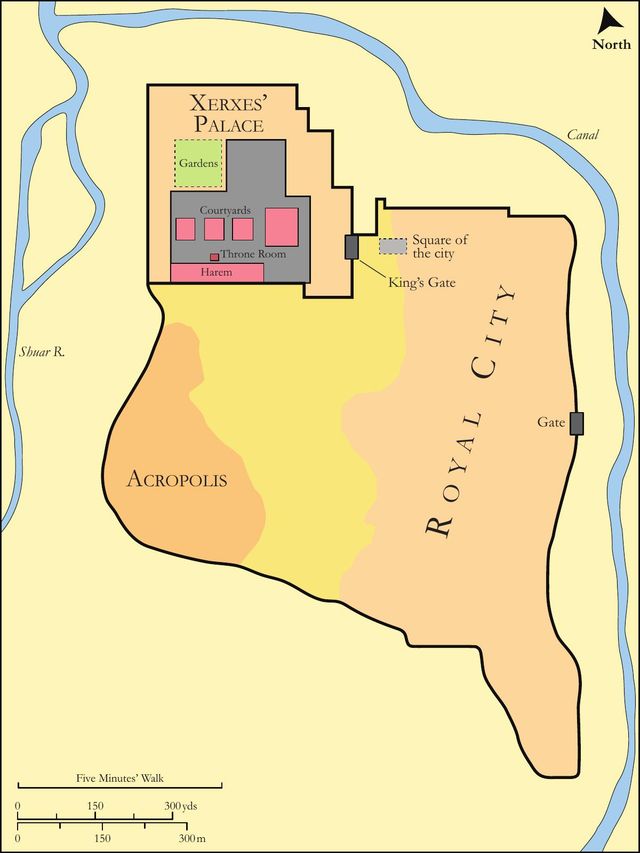
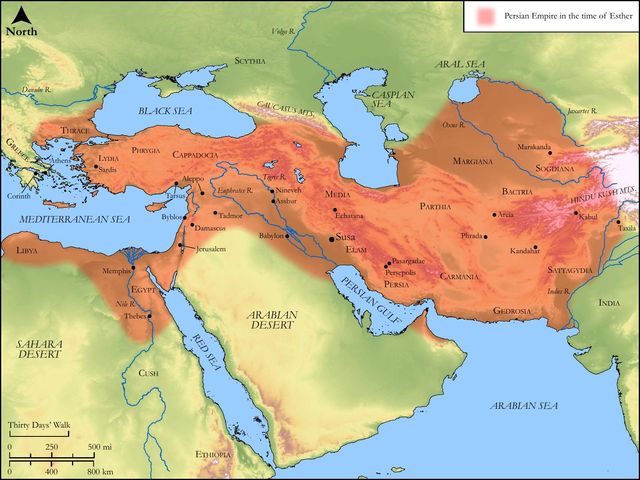
The dramatic events of Esther unfold during the reign of Ahasuerus (historically identified as Xerxes I, 486-465 BC) within the sprawling Achaemenid Persian Empire, which extended from India to Ethiopia. Shushan (Susa) was one of the empire's four capital cities, serving as a primary administrative and royal center. Its political and administrative prominence meant that events occurring there held immense significance, often influencing the entire empire. The practice of a "day of feasting and gladness" was a common cultural and religious expression in Israel and among the nations round about, frequently associated with military victories, royal decrees, or significant religious festivals. For the Jewish people, living in diaspora and having just faced an existential threat, such a celebration, not only sanctioned but initiated by royal decree and marking a miraculous deliverance, would have been an extraordinary and deeply meaningful event, powerfully solidifying their identity and demonstrating God's protective hand even amidst foreign rule. The timing, the 13th, 14th, and 15th of Adar, aligns perfectly with the Jewish lunar calendar, occurring just before the spring new year.
Key Themes
ShowHideEsther 9:18 profoundly contributes to several overarching themes woven throughout the book of Esther. Foremost is the theme of Divine Deliverance and Reversal, where a decree of annihilation is miraculously overturned into a day of triumph and celebration for the Jewish people, showcasing God's unseen but undeniably active providence. The verse also emphasizes Rest and Celebration as the natural and commanded response to such a monumental deliverance, transforming a period of intense fear and mourning into profound joy and communal rejoicing. This specific observance in Shushan, distinct from that in the provinces, highlights the critical theme of Commemoration and the Establishment of Tradition, as it directly precedes and forms the precise chronological basis for the annual festival of Purim, ensuring that future generations would remember God's faithfulness and the remarkable resilience of His people, as later mandated in Esther 9:20-22. This act of remembering and celebrating is vital for the preservation of their identity, faith, and historical memory.
Exposition and Analysis
ShowHideKey Word Analysis
ShowHideThis term refers to the descendants of Judah, or more broadly, the people of Israel, particularly those living in the diaspora after the Babylonian exile. In this context, it emphasizes the specific ethnic and religious group targeted for annihilation, whose miraculous deliverance forms the core narrative of Esther. Their assembly and subsequent celebration underscore their collective identity and shared experience of divine intervention.
More than merely ceasing from physical labor, nûwach carries deeper connotations of settling down, finding peace, or entering a state of repose. In a biblical context, it can evoke the idea of Sabbath rest, the rest God provides for His people after struggle, or the cessation of hostilities. Here, it signifies a profound transition from intense conflict, anxiety, and existential threat to a state of peace, security, and divinely granted respite, marking the definitive end of their ordeal.
This word denotes a banquet or a drinking party, often associated with joyous occasions, celebrations, or royal events. When paired with "gladness," it paints a vivid picture of communal, unrestrained celebration. The transformation from a period of fasting and mourning to one of lavish feasting highlights the complete reversal of fortunes for the Jewish people, symbolizing their transition from the brink of death to abundant life and joy.
Verse Breakdown
ShowHide"But the Jews that [were] at Shushan assembled together on the thirteenth [day] thereof, and on the fourteenth thereof"
This clause establishes the unique and prolonged circumstances for the Jewish community residing in the capital city. Unlike their provincial counterparts who fought only on the thirteenth, the Jews in Shushan engaged in defensive battle for two consecutive days. This extended conflict was a direct consequence of Queen Esther's plea to the king, extending the decree of self-defense for an additional day in the capital, indicating a particularly concentrated and persistent threat within the seat of imperial power.
"and on the fifteenth [day] of the same they rested"
Because the intense conflict in Shushan extended through the fourteenth of Adar, the day of rest and cessation from battle for the Jews in the capital was necessarily delayed until the fifteenth of Adar. This precise chronological detail is crucial for understanding the two distinct dates of Purim's observance (Purim on the 14th and Shushan Purim on the 15th) that would be formally established shortly thereafter. It signifies a divinely appointed and hard-won end to their struggle and the joyous beginning of their peace.
"and made it a day of feasting and gladness"
This final phrase vividly describes the character and spirit of the fifteenth day in Shushan. It was not merely a day of passive rest, but a day actively transformed into one of profound and exuberant celebration. The "feasting" (communal banquets and celebratory meals) and "gladness" (exuberant joy, mirth, and delight) signify a complete and dramatic reversal of their fortunes, from the brink of annihilation to triumphant survival and rejoicing. This communal celebration served as an outward, tangible expression of their overwhelming gratitude and relief, solidifying the memory of their miraculous deliverance for generations to come.
Literary Devices
ShowHideEsther 9:18 employs several potent literary devices to convey its significant message and establish its historical importance. Contrast is prominently featured, highlighting the differing experiences of the Jews in Shushan versus those in the provinces regarding the duration of the battle and the subsequent timing of their rest and celebration. This contrast underscores the unique intensity of the threat faced in the capital and the specific nature of its deliverance. The Repetition of the numerical days ("thirteenth," "fourteenth," "fifteenth") emphasizes the precise chronological progression of events, lending a sense of historical accuracy and the deliberate establishment of a new, enduring tradition. The phrase "feasting and gladness" itself functions as a Merism, encompassing the full spectrum of joyful celebration, from communal meals and banquets to an inner state of profound delight and mirth. Furthermore, the verse serves as a Foundation or Establishment narrative, laying the precise chronological groundwork for the annual festival of Purim, particularly the observance of "Shushan Purim" on the fifteenth of Adar. The transformation from fear to joy, and from battle to rest, also powerfully embodies the central themes of Dramatic Irony and Reversal that permeate the entire book of Esther, where Haman's malicious plot is turned back on his own head, and the day intended for destruction becomes a day of unprecedented salvation and celebration.
Theological and Thematic Connections
ShowHideEsther 9:18 resonates deeply with the broader biblical narrative of God's unwavering faithfulness to His covenant people, even in contexts where His name is not explicitly mentioned. The profound transition from intense battle and existential threat to a day of rest, feasting, and gladness powerfully illustrates the enduring theme of divine deliverance and the miraculous transformation of mourning into joy, a recurring motif throughout Scripture. It underscores that God, in His unseen but active sovereignty, meticulously works behind the scenes to protect His people and reverse their fortunes, turning their darkest days into occasions for profound and communal celebration. This verse, therefore, serves as a powerful testament to the enduring truth that God's purposes for His people will ultimately prevail, and that their appropriate response to His salvation should be one of grateful, communal rejoicing, and perpetual remembrance.
Reflection and Application
ShowHideEsther 9:18 offers a profound and timeless lesson for believers today: the imperative to intentionally mark and celebrate God's deliverances in our lives. Just as the Jews in Shushan, after a harrowing period of existential threat and intense battle, consecrated a specific day for rest, feasting, and gladness, we too are called to pause, reflect, and wholeheartedly rejoice in the myriad ways God has intervened, protected, and provided for us. This verse reminds us that true spiritual rest often follows spiritual warfare, and that the appropriate and God-honoring response to God's victory is not merely relief, but exuberant, communal gratitude and thanksgiving. By diligently remembering and celebrating His past mercies, we actively strengthen our faith for future challenges, cultivate a deep and abiding spirit of thankfulness, and powerfully bear witness to His unfailing faithfulness. It encourages us to transform our personal and corporate "mourning" into "dancing," recognizing that joy in the Lord is not only a source of strength but also a compelling testimony to a watching world.
Questions for Reflection
ShowHideFAQ
ShowHideWhy did the Jews in Shushan fight for an extra day compared to those in the provinces?
ShowHideThe Jews in Shushan fought for an additional day, the fourteenth of Adar, because Queen Esther made a specific and urgent request to King Ahasuerus in Esther 9:13. She asked that the decree allowing the Jews to defend themselves be extended for one more day specifically in the capital city of Shushan, and that Haman's ten sons (who had already been killed on the 13th) be publicly hanged on the gallows. This suggests that the threat in the capital was particularly concentrated, or that Esther, with divine foresight, desired a more thorough and decisive eradication of the enemies of the Jews in the very seat of imperial power. Consequently, their day of rest and celebration was necessarily shifted to the fifteenth of Adar.
What is the significance of "feasting and gladness" in this context?
ShowHideThe phrase "feasting and gladness" (Hebrew: mishteh v'simchah) signifies a complete and profound reversal of fortune for the Jewish people. Just days before, they were facing an imminent decree of annihilation, which had led to widespread mourning, fasting, and weeping throughout the provinces, as described in Esther 4:3. This dramatic transformation into exuberant communal celebration underscores the immense magnitude of their miraculous deliverance. It represents not just a cessation of fighting, but an active, joyful, and communal commemoration of God's unseen hand turning their deepest sorrow into overwhelming joy and their impending death into glorious life. This spirit of "feasting and gladness" sets the tone for the annual Purim celebration, emphasizing joy, communal solidarity, and profound gratitude.
How does this verse relate to the festival of Purim?
ShowHideEsther 9:18 is absolutely foundational to the establishment and unique observance of the festival of Purim. It explicitly details the distinct day of rest and celebration for the Jews in Shushan (the fifteenth of Adar), which is different from the fourteenth of Adar observed by Jews in the provinces. This chronological distinction directly leads to the two-day observance of Purim: "Purim" is celebrated on the fourteenth of Adar in most places, while "Shushan Purim" is celebrated on the fifteenth of Adar in walled cities like Shushan. The subsequent verses, Esther 9:20-22, formally establish these days as an annual festival of feasting, gladness, and sending gifts to one another and to the poor, ensuring the memory of God's remarkable deliverance would endure for all generations.
Christ-Centered Fulfillment
ShowHideThe profound deliverance, hard-won rest, and exuberant gladness experienced by the Jews in Shushan, as meticulously described in Esther 9:18, serve as a powerful and compelling foreshadowing of the ultimate and eternal deliverance found exclusively in Jesus Christ. The temporary victory over physical enemies and the cessation of an earthly threat point definitively to Christ's definitive and eternal triumph over sin, death, and the spiritual powers of darkness. Just as the Jews found a divinely granted "rest" after their intense battle, believers find true spiritual rest and profound peace in Christ, who has perfectly accomplished all that is necessary for our salvation, inviting us to lay down our heavy burdens and find solace in Him, for His "yoke is easy and His burden is light" (Matthew 11:28-30). The "feasting and gladness" of Purim, born from a dramatic and miraculous reversal of fortune, anticipates the profound, unending, and inexpressible joy that is the glorious inheritance of all those redeemed by the Lamb of God who takes away the sin of the world!. This earthly celebration of deliverance culminates in the heavenly reality of the "marriage supper of the Lamb" (Revelation 19:9), where believers will feast in eternal gladness in the very presence of their Savior, having received the ultimate deliverance and the "peace of God, which surpasses all understanding" (Philippians 4:7) through His finished and perfect work on the cross.