


Deuteronomy 32:43
Bible text: King James Version (1769 Blayney text) · Public domain
Bible text: King James Version with Strong's numbers · Public domain
Bible text: Berean Standard Bible · Public domain
Bible text: American Standard Version (1901) · Public domain
Bible text: World English Bible, Messianic edition · Public domain
Bible text: Geneva Bible (1599) · Public domain
Bible text: Young's Literal Translation · Public domain
- הַרְנִינוּhar·Ni·nushout for joyH7442V-Hiphil-Imp-2mpVerb Hiphil Imperative 2nd Plural Masculine
- גוֹיִםgo·YimO nationsH1471N-mpNoun Plural Masculine Absolute
- עַמּוֹa·Mohis peopleH5971N-msc ¦ 3msNoun Singular Masculine Constructעַמּpeopleוֹhis
- כִּיkiforH3588PrtParticle Conditional
- דַםdam[the] blood ofH1818N-mscNoun Singular Masculine Construct
- עֲבָדָיו'a·va·Davhis servantsH5650N-mpc ¦ 3msNoun Plural Masculine Constructעֲבָדָיservantsוhis
- יִקּוֹםyi·Komhe will avengeH5358V-Qal-Imperf-3msVerb Qal Imperfect 3rd Singular Masculine
- וְנָקָםve·na·Kamand vengeanceH5359Conj-w ¦ N-msNoun Singular Masculine Absoluteוְandנָקָםvengeance
- יָשִׁיבya·Shivhe will returnH7725V-Hiphil-Imperf-3msVerb Hiphil Imperfect 3rd Singular Masculine
- לְצָרָיוle·tza·Ravto his foesH6862Prep-l ¦ N-mpc ¦ 3msNoun Plural Masculine Constructלְtoצָרָיfoesוhis
- וְכִפֶּרve·khi·Perand he will make atonement forH3722Conj-w ¦ V-Piel-ConsecPerf-3msVerb Piel Consecutive Perfect 3rd Singular Masculineוְandכִפֶּרhe will make atonement for
- אַדְמָתוֹ'ad·ma·Tohis landH127N-fsc ¦ 3msNoun Singular Feminine Constructאַדְמָתlandוֹhis
- עַמּוֹa·Mohis peopleH5971N-msc ¦ 3msNoun Singular Masculine Constructעַמּpeopleוֹhis
English is a literal word-by-word gloss of the Hebrew, not the KJV's wording. Why?
This is the original text the KJV's translators worked from — each Hebrew word with its own literal English meaning in this verse, prepared by scholars at Tyndale House, Cambridge. The KJV translates whole sentences, not word by word, so its wording differs: one Hebrew word can become several English words, and the KJV may choose “the LORD” where the gloss reads “Yahweh”. Both are faithful — they answer different questions. For the KJV's own rendering, switch to the KJV text.
Details
See on the biblical-era map
Study this verse
Public-domain commentary
Matthew Henry
From his Commentary on the Whole Bible. Henry comments on passages, not single verses — this entry covers Deuteronomy 32:39–43. His two-level outline is real structure in the source text, so it is rendered as structure.
This conclusion of the song speaks three things:
I.Glory to God, Deu 32:39.
"See now upon the whole matter, that I, even I, am he. Learn this from the destruction of idolaters, and the inability of their idols to help them." The great God here demands the glory,
1.Of a self-existence: I, even I, am he. Thus Moses concludes with that name of God by which he was first made to know him (Exo 3:14), "I am that I am. I am he that I have been, that I will be, that I have promised to be, that I have threatened to be; all shall find me true to my word." The Targum of Uzzielides paraphrases it thus: When the Word of the Lord shall reveal himself to redeem his people, he shall say to all people, See that I now am what I am, and have been, and I am what I will be, which we know very well how to apply to him who said to John, I am he who is, and was, and is to come, Rev 1:8. These words, I even I, am he, we meet with often in those chapters of Isaiah where God is encouraging his people to hope for their deliverance out of Babylon, Isa 41:4; Isa 43:11, Isa 43:13, Isa 43:25, Isa 46:4.
2.Of a sole supremacy. "There is no god with me. None to help with me, none to cope with me." See Isa 43:10, Isa 43:11.
3.Of an absolute sovereignty, a universal agency: I kill, and I make alive; that is, all evil and all good come from his hand to providence; he forms both the light of life and the darkness of death, Isa 45:7; Lam 3:37, Lam 3:38. Or, He kills and wounds his enemies, but heals and makes alive his own people, kills and wounds with his judgments those that revolt from him and rebel against him; but, when they return and repent, he heals them, and makes them alive with his mercy and grace. Or it denotes his incontestable authority to dispose of all his creatures, and the beings he has given them, so as to serve his own purposes by them: Whom he will he slays, and whom he will he keeps alive, when his judgments are abroad. Or thus, Though he kill, yet he makes alive again: though he cause grief, yet will he have compassion, Lam 3:32. Though he have torn, he will heal us, Hos 6:1, Hos 6:2. The Jerusalem Targum reads it, I kill those that are alive in this world, and make those alive in the other world that are dead. And some of the Jewish doctors themselves have observed that death, and a life after it, that is, eternal life, is intimated in these words.
4.Of an irresistible power, which cannot be controlled: Neither is there any that can deliver out of my hand those that I have marked for destruction. As no exception can be made against the sentence of God's justice, so no escape can be made from the executions of his power.
II.Terror to his enemies, Deu 32:40-42.
Terror indeed to those that hate him, as all those do that serve other gods, that persist in wilful disobedience to the divine law, and that malign and persecute his faithful servants. These are those to whom God will render vengeance, those his enemies that will not have him to reign over them. In order to alarm such in time to repent and return to their allegiance, the wrath of God is here revealed from heaven against them.
1.The divine sentence is ratified with an oath (Deu 32:40): He lifts up his hand to heaven, the habitation of his holiness; this was an ancient and very significant sign used in swearing, Gen 14:22. And, since he could swear by no greater, he swears by himself and his own life. Those are miserable without remedy that have the word and oath of God against them. The Lord hath sworn, and will not repent, that the sin of sinners shall be their ruin if they go on in it.
2.Preparation is made for the execution: The glittering sword is whet. See Psa 7:12. It is a sword bathed in heaven, Isa 34:5. While the sword is in whetting, space is given to the sinner to repent and make his peace, which, if he neglects, will render the wound the deeper. And, as the sword is whet, so the hand that is to wield it takes hold on judgment with a resolution to go through with it.
3.The execution itself will be very terrible: The sword shall devour flesh in abundance, and the arrows be made drunk with blood, such vast quantities of it shall be shed, the blood of the slain in battle, and of the captives, to whom no quarter shall be given, but who shall be put under military execution. When he begins revenge he will make an end; for in this also his work is perfect. The critics are much perplexed with the last clause, From the beginning of revenges upon the enemy. The learned bishop Patrick (that great master) thinks it may admit this reading, From the king to the slave of the enemies, Jer 50:35-37. When the sword of God's wrath is drawn it will make bloody work, blood to the horse-bridles, Rev 14:20.
III.Comfort to his own people (Deu 32:43):
Rejoice, O you nations, with his people. He concludes the song with words of joy; for in God's Israel there is a remnant whose end will be peace. God's people will rejoice at last, will rejoice everlastingly. Three things are here mentioned as the matter of joy: - 1. The enlarging of the church's bounds. The apostle applies the first words of this verse to the conversion of the Gentiles. Rom 15:10, Rejoice you Gentiles with his people. See what the grace of God does in the conversion of souls, it brings them to rejoice with the people of God; for true religion brings us acquainted with true joy, so great a mistake are those under that think it tends to make men melancholy. 2. The avenging of the church's controversies upon her adversaries. He will make inquisition for the blood of his servants, and it shall appear how precious it is to him; for those that spilt it shall have blood given them to drink. 3. The mercy God has in store for his church, and for all that belong to it: He will be merciful to his land, and to his people, that is, to all every where that fear and serve him. Whatever judgments are brought upon sinners, it shall go well with the people of God; in this let Jews and Gentiles rejoice together.
Historical interpretation
Historical reception
2 surviving comments on this verse. Each one is dated, so this reads as a timeline rather than a list.
Select a marker to jump to its quote. Markers stagger vertically where authors wrote within a few decades of each other.
Wherefore receive ye one another, as Christ also received us to the glory of God. Now I say that Jesus Christ was a minister of the circumcision for the truth of God, to confirm the promises made unto the fathers: And that the Gentiles might glorify God for his mercy; as it is written, For this cause I will confess to thee among the Gentiles, and sing unto thy name. And again he saith, Rejoice, ye Gentiles, with his people. [Deuteronomy 32:43] And again, Praise the Lord, all ye Gentiles; and laud him, all ye people. And again, Esaias saith, There shall be a root of Jesse, and he that shall rise to reign over the Gentiles; in him shall the Gentiles trust. Now the God of hope fill you with all joy and peace in believing, that ye may abound in hope, through the power of the Holy Ghost.
God, who at sundry times and in divers manners spake in time past unto the fathers by the prophets, Hath in these last days spoken unto us by his Son, whom he hath appointed heir of all things, by whom also he made the worlds; Who being the brightness of his glory, and the express image of his person, and upholding all things by the word of his power, when he had by himself purged our sins, sat down on the right hand of the Majesty on high; Being made so much better than the angels, as he hath by inheritance obtained a more excellent name than they. For unto which of the angels said he at any time, Thou art my Son, this day have I begotten thee? And again, I will be to him a Father, and he shall be to me a Son? And again, when he bringeth in the firstbegotten into the world, he saith, And let all the angels of God worship him. [Deuteronomy 32:43] And of the angels he saith, Who maketh his angels spirits, and his ministers a flame of fire. But unto the Son he saith, Thy throne, O God, is for ever and ever: a sceptre of righteousness is the sceptre of thy kingdom. Thou hast loved righteousness, and hated iniquity; therefore God, even thy God, hath anointed thee with the oil of gladness above thy fellows. And, Thou, Lord, in the beginning hast laid the foundation of the earth; and the heavens are the works of thine hands: They shall perish; but thou remainest; and they all shall wax old as doth a garment; And as a vesture shalt thou fold them up, and they shall be changed: but thou art the same, and thy years shall not fail. But to which of the angels said he at any time, Sit on my right hand, until I make thine enemies thy footstool? Are they not all ministering spirits, sent forth to minister for them who shall be heirs of salvation?
Continue studying Deuteronomy 32:43 across the web’s major study libraries — every link below opens this exact verse, chapter, or book on the destination site.
Read & Compare
 BibleGatewayThis verse in more than 200 translations and 70 languages.
 Bible.comThe YouVersion reader — hundreds of translations, reading plans, and highlights.
 ESV.orgCrossway's official English Standard Version reader.
 NET BibleThe NET translation with 60,000+ translators' notes on every rendering decision.
 STEP BibleTyndale House's free study tool — original text, vocabulary, and scholarly resources.
 BibliaLogos Bible Software's free web reader.
 USCCBThe New American Bible (Revised Edition) with the U.S. bishops' study notes.
Commentaries
 BibleHub CommentariesDozens of classic commentaries on this verse, gathered on one page.
 StudyLightMore than 100 commentary sets — the largest collection on the web.
 BibleRefPlain-English commentary on what this verse means, verse by verse.
 Enduring WordDavid Guzik's free commentary on this chapter, widely used by Bible teachers.
 Bible Study ToolsVerse commentary alongside Greek and Hebrew study aids.
Original Language & Research
- BibleHub InterlinearThe verse word by word — original language, transliteration, and English.
- BibleHub LexiconEvery word's original-language definition and Strong's entry.
 Blue Letter BibleDeep-study tools — Strong's numbers, concordance, and word studies.
 SefariaThe Hebrew text with Rashi and centuries of Jewish commentary.
Sermons, Hymns & Audio


TrulyRandomVerse is not affiliated with these sites and doesn’t control their content. They’re linked because they’re genuinely useful.
Summary
Deuteronomy 32:43 serves as the triumphant and climactic conclusion to the Song of Moses, a profound prophetic poem delivered just before Moses's death. This verse encapsulates a grand vision of God's ultimate justice, mercy, and universal reign, transcending Israel's immediate future to proclaim a time of final vindication for His servants, righteous retribution against His adversaries, and compassionate restoration for His land and people, culminating in a call for all nations to rejoice in His redemptive acts.
Context
ShowHideLiterary Context
Deuteronomy 32:43 stands as the powerful crescendo of the Song of Moses, a lengthy poetic discourse that spans almost the entirety of Deuteronomy 32. Preceding this verse, Moses recounts the Lord's unwavering faithfulness to Israel from their earliest days, contrasting it sharply with Israel's subsequent rebellion, idolatry, and covenant unfaithfulness. The song details the resulting divine judgment and chastisement that would befall the nation, including exile and suffering. However, the tone shifts dramatically in the latter part of the song, particularly from Deuteronomy 32:36, where God declares His compassion for His people and promises to intervene on their behalf. Verse 43, therefore, functions as a triumphant declaration of God's ultimate victory, vindication, and restoration, bringing the entire prophetic poem to a glorious, hope-filled close, affirming God's sovereign control over history and His unwavering commitment to His covenant purposes.
Historical & Cultural Context
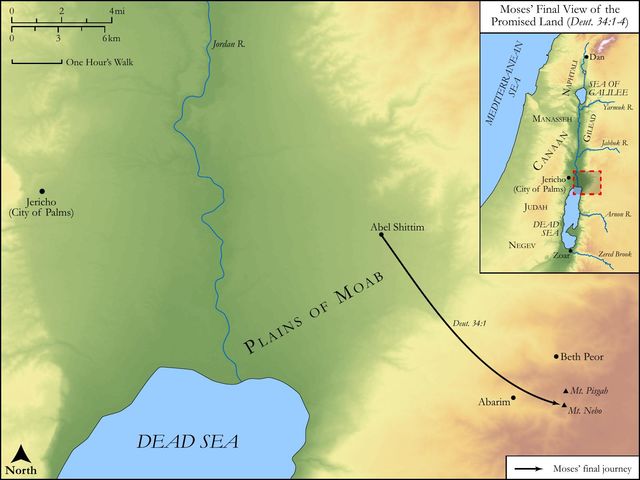
Moses delivered this song to the Israelites on the plains of Moab, just before their entry into the Promised Land. This generation was about to embark on the conquest of Canaan, facing numerous adversaries and the temptation to adopt the idolatrous practices of the surrounding nations. Culturally, the concept of divine "vengeance" (Hebrew: naqam) in Israel was not merely personal spite but often referred to the restoration of justice, the vindication of the wronged, and the re-establishment of righteous order by God. For Israel, this promise of divine retribution against their oppressors and vindication for their suffering was a profound source of comfort and assurance, especially as they were about to face formidable challenges. The call for "nations" to rejoice also subtly hints at God's universal sovereignty, a concept not always fully grasped by Israel, but one that underscores His ultimate authority over all peoples and lands, not just His chosen nation.
Key Themes
ShowHideThis verse powerfully encapsulates several key themes prevalent throughout Deuteronomy and the broader Old Testament narrative. Firstly, it highlights Divine Justice and Vengeance, portraying God as the righteous judge who will ultimately "avenge the blood of his servants" and "render vengeance to his adversaries." This is not a human act of revenge but God's perfect and holy retribution, ensuring that all wrongs are set right and that His people are vindicated. This theme resonates with the cries for justice found in passages like Psalm 94:1 and is echoed in the New Testament's assurance that vengeance belongs to God. Secondly, the verse emphasizes God's Enduring Mercy and Restoration, promising that He "will be merciful unto his land, [and] to his people." Despite Israel's repeated failures and the judgments they would endure, God's covenant love prevails, leading to reconciliation, cleansing, and renewal for both the land and its inhabitants. This speaks to the unfailing nature of God's grace and His desire for full restoration. Finally, the opening command, "Rejoice, O ye nations, [with] his people," introduces the profound theme of Universal Rejoicing and Gentile Inclusion. This prophetic utterance anticipates a future where God's redemptive work extends beyond Israel, leading to a global recognition of His sovereignty and a shared celebration among all peoples, a theme explicitly affirmed by Paul in Romans 15:10.
Exposition and Analysis
ShowHideKey Word Analysis
ShowHideDerived from the primitive root H7442, this imperative verb signifies properly "to creak (or emit a stridulous sound), i.e., to shout (usually for joy)." It implies a public, exuberant, and unrestrained celebration, a ringing cry or singing with exultation. When applied to "nations," it anticipates a universal, jubilant acknowledgment of God's righteous acts and ultimate triumph, far beyond the confines of Israel.
This noun signifies "revenge." In this context, it does not denote human spite or personal revenge, but rather divine retribution or vindication. It refers to God's righteous act of setting right what is wrong, restoring justice, and defending the innocent. It is a sovereign act of judgment that brings about a just recompense for the suffering inflicted upon His servants and for the opposition to His divine will.
From the primitive root H3722, this word means "to cover (specifically with bitumen); figuratively, to expiate or condone, to placate or cancel." While often translated as "merciful" here, the root carries a primary meaning of "to cover," "to purge," "to make atonement," or "to cleanse." This suggests that God's mercy involves not just compassion, but an active process of cleansing, expiation, and restoration to a state of purity and covenant favor. It implies a removal of defilement and a renewal of relationship.
Verse Breakdown
ShowHide"Rejoice, O ye nations, [with] his people"
This opening imperative issues a remarkable and prophetic call for the Gentile nations to join Israel in celebration. It anticipates a future where God's redemptive and judicial acts are so profound and universally significant that even those outside the immediate covenant community are compelled to acknowledge and rejoice in His sovereignty and justice. The phrase "with his people" suggests a shared experience of God's triumph, hinting at a unity that transcends ethnic boundaries.
"for he will avenge the blood of his servants"
This clause provides the primary reason for the universal rejoicing. God promises to act decisively to vindicate those who have faithfully served Him, particularly in the face of oppression, suffering, or martyrdom. The "blood of his servants" signifies their life, their suffering, and their ultimate sacrifice, all of which God sees and will justly requite. This is a divine assurance that no suffering endured for God's sake goes unnoticed or unaddressed.
"and will render vengeance to his adversaries"
This parallel clause underscores God's active role as a righteous judge. His "adversaries" are those who oppose His will, His people, and His kingdom. The rendering of "vengeance" here is a judicial act of righteous retribution, bringing about a just recompense for their rebellion and wickedness. It is a necessary component of God's justice, ensuring that evil does not ultimately prevail.
"and will be merciful unto his land, [and] to his people"
The verse concludes with a powerful declaration of God's ultimate compassion and restorative purpose. Despite the judgments and chastisements described earlier in the Song, God's final intention is to show mercy, to cleanse, and to restore both the physical land of Israel (which would have been defiled by idolatry and unfaithfulness) and His covenant people. This speaks to the enduring nature of God's covenant love, His willingness to forgive, and His commitment to bring about full reconciliation and renewal.
Literary Devices
ShowHideDeuteronomy 32:43 employs several powerful literary devices. The most prominent is Parallelism, particularly Synonymous Parallelism and Antithetical Parallelism. "He will avenge the blood of his servants" and "will render vengeance to his adversaries" demonstrate synonymous parallelism, reiterating the same core idea of divine retribution from slightly different angles. The contrast between "vengeance to his adversaries" and "merciful unto his land, [and] to his people" exemplifies antithetical parallelism, highlighting the two sides of God's character: righteous judgment for the wicked and compassionate restoration for His own. The verse also uses Prophetic Language, looking beyond the immediate historical context to a future eschatological fulfillment of God's ultimate triumph and universal reign. The Imperative "Rejoice" serves as a direct command, inviting participation in this future celebration. Furthermore, the mention of "nations" alongside "his people" employs Inclusion, broadening the scope of God's redemptive plan to encompass all humanity, a theme that finds its ultimate fulfillment in the New Testament.
Theological and Thematic Connections
ShowHideDeuteronomy 32:43 is a profound theological statement, asserting God's ultimate sovereignty, His unwavering commitment to justice, and His boundless mercy. It teaches us that God is not indifferent to the suffering of His faithful servants, nor will He allow wickedness to go unpunished. His "vengeance" is a holy act of setting things right, vindicating the oppressed, and upholding His righteous character. Simultaneously, His "mercy" assures His people of restoration and renewal, even after periods of judgment. The inclusion of "nations" in the call to rejoice is a remarkable foreshadowing of God's universal plan of salvation, revealing that His redemptive purposes extend beyond Israel to encompass all humanity, inviting all to partake in the celebration of His final triumph. This verse thus serves as a foundational text for understanding God's comprehensive plan for both judgment and salvation, culminating in a restored creation where all peoples acknowledge His reign.
Reflection and Application
ShowHideDeuteronomy 32:43 offers immense comfort and a powerful call to worship for believers today. In a world often marked by injustice, suffering, and seemingly unpunished evil, this verse reminds us that God is a righteous and sovereign judge who sees all things and will ultimately bring about perfect justice. We are called to trust in His timing and His methods, knowing that He will vindicate His servants and hold His adversaries accountable. This truth frees us from the burden of seeking personal revenge and empowers us to commit our causes to Him. Furthermore, the promise of God's mercy and restoration for His land and people provides enduring hope. Even when we experience personal or corporate failures, God's covenant love remains steadfast, offering pathways to cleansing, renewal, and reconciliation. Finally, the universal call for "nations" to rejoice compels us to embrace the expansive nature of God's redemptive plan. It challenges us to participate actively in His global mission, sharing the good news of His justice and mercy with all peoples, anticipating the day when every tongue will confess His sovereignty and every nation will celebrate His triumph.
Questions for Reflection
ShowHideFAQ
ShowHideWhat does it mean for "nations" to rejoice "with his people" in this Old Testament context?
ShowHideIn the immediate Old Testament context, the phrase "Rejoice, O ye nations, [with] his people" is a remarkable prophetic utterance that anticipates a future broader than Israel's immediate national concerns. While the primary focus of Deuteronomy is Israel's covenant relationship with Yahweh, this verse hints at God's universal sovereignty and His ultimate plan to draw all peoples to Himself. It suggests that the display of God's justice and mercy, particularly His vindication of Israel and judgment of their oppressors, will be so profound that even the Gentile nations will recognize His unique power and righteousness, leading them to acknowledge and celebrate His acts alongside Israel. This foreshadows the inclusion of Gentiles into God's redemptive plan, a theme that becomes much more explicit and central in the New Testament, where the dividing wall between Jew and Gentile is broken down through Christ, allowing all to become one new humanity in Him.
Christ-Centered Fulfillment
ShowHideDeuteronomy 32:43, with its grand pronouncements of divine justice, universal rejoicing, and ultimate mercy, finds its profoundest fulfillment in the person and work of Jesus Christ. The "vengeance" promised by God is ultimately rendered against sin and evil through Christ's atoning sacrifice on the cross, where He bore the full weight of divine wrath, thus taking away the sin of the world. His resurrection then serves as the ultimate vindication of God's "servants"—not just Israel, but all who believe in Him—demonstrating God's power to overcome death and injustice. The call for "nations" to "rejoice with his people" is gloriously realized in the New Covenant, where Christ's gospel breaks down the dividing wall between Jew and Gentile, creating one new people of God, the Church, drawn from every tribe, tongue, people, and nation, all united in celebrating His redemptive work. Furthermore, God's promise to be "merciful unto his land, [and] to his people" is fulfilled through Christ, who not only offers forgiveness and spiritual cleansing but also inaugurates a new creation, where ultimately all things are reconciled to God through Him, leading to a final restoration of all things and the establishment of His eternal kingdom, where He will wipe away every tear and justice will reign supreme.