


2 Chronicles 34:16
Bible text: King James Version (1769 Blayney text) · Public domain
Bible text: King James Version with Strong's numbers · Public domain
Bible text: Berean Standard Bible · Public domain
Bible text: American Standard Version (1901) · Public domain
Bible text: World English Bible, Messianic edition · Public domain
Bible text: Geneva Bible (1599) · Public domain
Bible text: Young's Literal Translation · Public domain
- וַיָּבֵאvai·ya·Ve'and he broughtH935Conj-w ¦ V-Hiphil-ConsecImperf-3msVerb Hiphil Consecutive Imperfect 3rd Singular Masculineוַandיָּבֵאhe brought
- שָׁפָןsha·FanShaphanH8227N-proper-mNoun Proper Masculine
- אֶת'et<obj.>H853DirObjMParticle Object Indicator
- הַסֵּפֶרha·Se·ferthe scrollH5612Art ¦ N-msNoun Singular Masculine Absoluteהַtheסֵּפֶרscroll
- אֶל'eltoH413PrepPreposition
- הַמֶּלֶךְha·Me·lekhthe kingH4428Art ¦ N-msNoun Singular Masculine Absoluteהַtheמֶּלֶךְking
- וַיָּשֶׁבvai·Ya·shevand he brought backH7725Conj-w ¦ V-Hiphil-ConsecImperf-3msVerb Hiphil Consecutive Imperfect 3rd Singular Masculineוַandיָּשֶׁבhe brought back
- עוֹדodagainH5750Adj-msAdjective Numerical Singular Masculine Absolute
- אֶת'et<obj.>H853DirObjMParticle Object Indicator
- הַמֶּלֶךְha·Me·lekhthe kingH4428Art ¦ N-msNoun Singular Masculine Absoluteהַtheמֶּלֶךְking
- דָּבָרda·Vara wordH1697N-msNoun Singular Masculine Absolute
- לֵאמֹרle·Mor<to> sayingH559Prep-l ¦ V-Qal-InfVerb Qal Infinitive Constructלֵ<to>אמֹרsaying
- כֹּלkolallH3605N-msNoun Singular Masculine Absolute
- אֲשֶׁר'a·SherthatH834RelParticle Relative
- נִתַּןni·Tanit was givenH5414V-Niphal-Perf-3msVerb Niphal Perfect 3rd Singular Masculine
- בְּיַדbe·yadin [the] hand ofH3027Prep-b ¦ N-cscNoun Singular common gender Constructבְּinיַד[the] hand of
- עֲבָדֶיךָ'a·va·Dei·khayour servantsH5650N-mpc ¦ 2msNoun Plural Masculine Constructעֲבָדֶיservantsךָyour
- הֵםhemtheyH1992Pro-3mpPronoun Personal 3rd Plural Masculine
- עֹשִׂים'o·Sim[are] doingH6213V-Qal-Prtcpl-mpVerb Qal Participle Plural Masculine Absolute
English is a literal word-by-word gloss of the Hebrew, not the KJV's wording. Why?
This is the original text the KJV's translators worked from — each Hebrew word with its own literal English meaning in this verse, prepared by scholars at Tyndale House, Cambridge. The KJV translates whole sentences, not word by word, so its wording differs: one Hebrew word can become several English words, and the KJV may choose “the LORD” where the gloss reads “Yahweh”. Both are faithful — they answer different questions. For the KJV's own rendering, switch to the KJV text.
Details
See on the biblical-era map
Study this verse
Public-domain commentary
Matthew Henry
From his Commentary on the Whole Bible. Henry comments on passages, not single verses — this entry covers 2 Chronicles 34:14–28.
This whole paragraph we had, just as it is here related, Kg2 22:8-20, and have nothing to add here to what was there observed. But, 1. We may hence take occasion to bless God that we have plenty of Bibles, and that they are, or may be, in all hands, - that the book of the law and gospel is not lost, is not scarce, - that, in this sense, the word of the Lord is not precious. Bibles are jewels, but, thanks be to God, they are not rarities. The fountain of the waters of life is not a spring shut up or a fountain sealed, but the streams of it, in all places, make glad the city of our God. Usus communis aquarum - These waters flow for general use. What a great deal shall we have to answer for if the great things of God's law, being thus made common, should be accounted by us as strange things! 2. We may hence learn, whenever we read or hear the word of God, to affect our hearts with it, and to get them possessed with a holy fear of that wrath of God which is there revealed against all ungodliness and unrighteousness of men, as Josiah's tender heart was. When he heard the words of the law he rent his clothes (Ch2 34:19), and God was well pleased with his doing so, Ch2 34:27. Were the things contained in the scripture new to us, as they were here to Josiah, surely they would make deeper impressions upon us than commonly they do; but they are not the less weighty, and therefore should not be the less considered by us, for their being well known. Rend the heart therefore, not the garments. 3. We are here directed when we are under convictions of sin, and apprehensions of divine wrath, to enquire of the Lord; so Josiah did, Ch2 34:21. It concerns us to ask (as they did, Act 2:37), Men and brethren, what shall we do? and more particularly (as the jailor), What must I do to be saved? Act 16:30. If you will thus enquire, enquire (Isa 21:12); and, blessed be God, we have the lively oracles to which to apply with these enquiries. 4. We are here warned of the ruin that sin brings upon nations and kingdoms. Those that forsake God bring evil upon themselves (Ch2 34:24, Ch2 34:25), and kindle a fire which shall not be quenched. Such will the fire of God's wrath be when the decree has gone forth against those that obstinately and impenitently persist in their wicked ways. 5. We are here encouraged to humble ourselves before God and seek unto him, as Josiah did. If we cannot prevail thereby to turn away God's wrath from our land, yet we shall deliver our own souls, Ch2 34:27, Ch2 34:28. And good people are here taught to be so far from fearing death as to welcome it rather when it takes them away from the evil to come. See how the property of it is altered by making it the matter of a promise: Thou shalt be gathered to thy grave in peace, housed in that ark, as Noah, when a deluge is coming.
Continue studying 2 Chronicles 34:16 across the web’s major study libraries — every link below opens this exact verse, chapter, or book on the destination site.
Read & Compare
 BibleGatewayThis verse in more than 200 translations and 70 languages.
 Bible.comThe YouVersion reader — hundreds of translations, reading plans, and highlights.
 ESV.orgCrossway's official English Standard Version reader.
 NET BibleThe NET translation with 60,000+ translators' notes on every rendering decision.
 STEP BibleTyndale House's free study tool — original text, vocabulary, and scholarly resources.
 BibliaLogos Bible Software's free web reader.
 USCCBThe New American Bible (Revised Edition) with the U.S. bishops' study notes.
Commentaries
 BibleHub CommentariesDozens of classic commentaries on this verse, gathered on one page.
 StudyLightMore than 100 commentary sets — the largest collection on the web.
 BibleRefPlain-English commentary on what this verse means, verse by verse.
 Enduring WordDavid Guzik's free commentary on this chapter, widely used by Bible teachers.
 Bible Study ToolsVerse commentary alongside Greek and Hebrew study aids.
Original Language & Research
- BibleHub InterlinearThe verse word by word — original language, transliteration, and English.
- BibleHub LexiconEvery word's original-language definition and Strong's entry.
 Blue Letter BibleDeep-study tools — Strong's numbers, concordance, and word studies.
 SefariaThe Hebrew text with Rashi and centuries of Jewish commentary.
Sermons, Hymns & Audio


TrulyRandomVerse is not affiliated with these sites and doesn’t control their content. They’re linked because they’re genuinely useful.
Summary
2 Chronicles 34:16 captures a pivotal moment in King Josiah's reign, detailing the royal scribe Shaphan's crucial report to the king. This verse describes Shaphan's dual responsibility: first, delivering an administrative update on the diligent progress of the Temple repairs, and second, and far more significantly, presenting the newly discovered Book of the Law. This act serves as the critical bridge, connecting the rediscovery of God's long-forgotten Word with its authoritative presentation to the highest power in Judah, thereby setting the stage for a profound national spiritual awakening and comprehensive religious reform.
Context
ShowHideLiterary Context
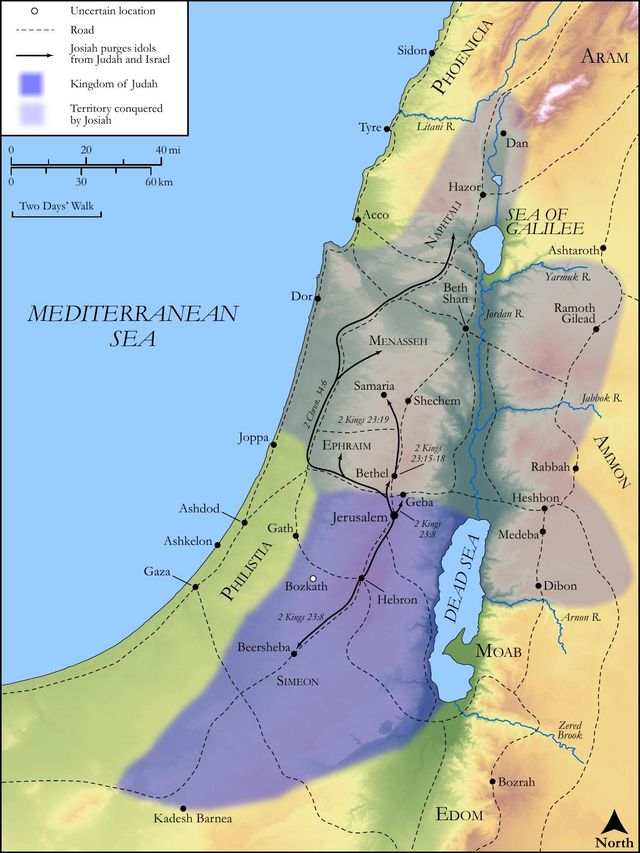
This verse is intricately woven into the broader narrative of King Josiah's reign, specifically marking a turning point in his extensive religious reforms. The preceding verses (2 Chronicles 34:3-7) establish Josiah's early and zealous commitment to Yahweh through his initial purge of idolatry from Judah and even parts of the former northern kingdom of Israel. Following this cleansing, Josiah initiates the much-needed repair and restoration of the dilapidated Temple (2 Chronicles 34:8-13). It is within the context of these repairs that Hilkiah the high priest makes the momentous discovery of "the Book of the Law" (2 Chronicles 34:14) and entrusts it to Shaphan, the royal scribe (2 Chronicles 34:15). Verse 16 then narrates Shaphan's critical action of bringing this sacred text directly to King Josiah, alongside his routine administrative report. This moment immediately precedes Josiah's profound and transformative reaction upon hearing the words of the Law (as detailed in 2 Chronicles 34:19) and the subsequent nationwide covenant renewal (culminating in 2 Chronicles 34:29-32).
Historical & Cultural Context
King Josiah ruled Judah from 640-609 BC, inheriting a kingdom deeply entrenched in idolatry, a legacy from his grandfather Manasseh and father Amon. During this period, the covenant with Yahweh had been largely forsaken, and pagan practices were rampant. Josiah, however, distinguished himself by seeking God early in his reign, even before the discovery of the Law (as noted in 2 Chronicles 34:3). The discovery of "the book" in the Temple during its renovation was not merely an archaeological find but a profound spiritual revelation, underscoring how deeply God's authoritative Word had been neglected, forgotten, and even lost to the people. Shaphan, as the royal scribe, occupied a position of immense trust, authority, and influence within the royal court. His role extended beyond mere record-keeping to include administrative oversight, diplomatic duties, and serving as a key advisor to the king. His involvement in handling and presenting such a momentous discovery highlights the critical importance of scribal functions in ancient governance and religious life, where literacy and the preservation of sacred texts were paramount.
Key Themes
ShowHideThe narrative surrounding 2 Chronicles 34:16 is rich with profound theological and narrative themes. A primary theme is Divine Revelation and Its Transformative Power. The rediscovery of the Book of the Law underscores God's active and persistent presence in revealing His will, even after generations of spiritual apathy and neglect. This divine revelation, when genuinely encountered, possesses an inherent power to convict, humble, and ignite radical personal and national change, vividly demonstrated by Josiah's immediate and heartbroken response upon hearing its words (2 Chronicles 34:19). Another significant theme is Faithfulness and Diligence in Service. The verse subtly highlights the integrity of the Temple workers and, more explicitly, Shaphan's faithful execution of his duties, encompassing both administrative responsibilities and the sacred task of delivering the Law. Their commitment to diligently performing "all that was committed" to them serves as a powerful example of responsible stewardship and obedience to delegated authority. Finally, the broader context emphasizes Covenant Renewal and National Repentance, as the rediscovery and reception of the Law directly lead to a profound re-commitment to God's covenant, initiating comprehensive and sweeping reforms across the entire land of Judah (2 Chronicles 34:31-33).
Exposition and Analysis
ShowHideKey Word Analysis
ShowHideThe use of the definite article "the" (הַ, ha) before "book" (סֵפֶר, sēpher) is profoundly significant. It does not refer to an ordinary document but specifically to the Book of the Law (likely a substantial portion of the Pentateuch, most probably Deuteronomy). This emphatic designation underscores its unparalleled authority, divine origin, and unique status as the foundational standard for Israel's covenant relationship with Yahweh. It was the very embodiment of God's revealed will for His people.
This versatile primitive root means "to give," "to place," or "to entrust." In this context, it precisely conveys the delegation of responsibility and authority. The phrase "All that was committed to thy servants" highlights that the Temple workers were not acting on their own arbitrary initiative but were diligently carrying out specific, authorized tasks assigned by the king and his officials. This verb thus affirms the successful and faithful execution of entrusted duties, emphasizing accountability and effective management within the royal administration.
This word refers to the supreme ruler, King Josiah. His role in this narrative is central, as he is the ultimate recipient of the Book of the Law and the one whose response will determine the nation's future. Shaphan's act of bringing the book "to the king" signifies that God's revealed Word is intended to confront and guide even the highest earthly authority, demanding a response of obedience and initiating top-down reform for the entire kingdom.
Verse Breakdown
ShowHide"And Shaphan carried the book to the king"
This initial clause describes Shaphan's decisive and immediate action upon receiving the Book of the Law from Hilkiah. The physical act of carrying the book directly to the king underscores the immense weight, sacredness, and urgency of this particular text. By ensuring that the highest authority in the land is directly confronted with God's revealed Word, Shaphan sets in motion the chain of events that will lead to national repentance, revival, and comprehensive religious reform.
"and brought the king word back again"
This segment of the verse details Shaphan's primary, routine administrative duty. He is fulfilling his role as royal scribe by reporting back to the king on the progress of the Temple repairs, which was the original reason for his visit. This demonstrates Shaphan's diligence and faithfulness in his regular responsibilities and his commitment to transparent communication regarding the royal project. It also subtly prepares the king to receive the other, far more profound "word" – the content of the newly discovered sacred book.
"saying, All that was committed to thy servants, they do [it]."
This is the substance of Shaphan's administrative report to King Josiah. It is a concise and positive affirmation of the faithfulness, efficiency, and integrity of the workers entrusted with the Temple renovation. This statement speaks volumes about the commendable stewardship of the project and the diligence of those involved, reassuring the king that his directives were being meticulously followed. This positive report on practical matters establishes a context of order and diligence, making the subsequent revelation of the Book of the Law even more impactful due to the contrast and the demonstrated reliability of Shaphan.
Literary Devices
ShowHideThe verse employs several literary devices that significantly enhance its meaning and dramatic impact. There is a powerful, though subtle, Juxtaposition between the mundane, administrative report ("All that was committed to thy servants, they do [it]") and the profoundly spiritual and transformative act of delivering "the book." This contrast highlights how God's divine revelation can unexpectedly intersect with and fundamentally transform the seemingly ordinary affairs of human administration. The delivery of "the book" also functions as potent Foreshadowing, hinting at the dramatic spiritual upheaval, national repentance, and comprehensive reforms that are about to unfold as a direct consequence of King Josiah's encounter with its contents. Furthermore, "the book" itself operates as a form of Metonymy or Synecdoche, where the physical object (the scroll) stands for the entire body of God's revealed Law, the Mosaic covenant, and divine authority. Its singular presence in the narrative represents the entirety of God's truth, which had been lost and now found, signifying the profound potential for spiritual restoration and renewal.
Theological and Thematic Connections
ShowHide2 Chronicles 34:16 powerfully illustrates the transformative power of God's Word when it is rediscovered, humbly received, and faithfully obeyed. Shaphan's diligent delivery of the book to King Josiah underscores the enduring theological principle that divine revelation must be brought to bear upon human authority and every facet of life for true spiritual and societal change to occur. The diligence of the Temple workers, affirmed by Shaphan's report, also speaks to the importance of integrity, accountability, and faithfulness in all areas of service, whether sacred or secular. The rediscovery of the Law starkly exposed the nation's deep-seated sin and generations of neglect, prompting an urgent call to repentance and a profound covenant renewal. This narrative serves as a timeless reminder that genuine spiritual revival often begins with a fresh, convicting encounter with the authoritative Word of God, leading to confession, humility, and a renewed, radical commitment to His ways.
Reflection and Application
ShowHideThis pivotal moment in Josiah's reign offers profound and enduring insights for contemporary believers. Just as Shaphan diligently carried the Book of the Law to the king, we are called to be faithful stewards of God's Word in our own lives, allowing it to penetrate our hearts and minds, and to courageously share its transformative truth with others. The narrative reminds us that a genuine encounter with Scripture should lead to conviction, a deep desire for repentance, and a renewed, active commitment to obedience, mirroring Josiah's humble and immediate response. Furthermore, the diligence of the Temple workers and Shaphan in their administrative duties highlights the profound spiritual significance of integrity and faithfulness in all our responsibilities, whether in our homes, workplaces, or communities. Our daily tasks, no matter how seemingly mundane, can be acts of worship when performed with excellence, diligence, and a heart set on God's glory. This verse challenges each of us to consider how actively and deeply we engage with God's revealed truth and how consistently we live out its life-altering principles in every facet of our existence.
Questions for Reflection
ShowHideFAQ
ShowHideWhat was "the book" that Shaphan carried?
ShowHide"The book" (Hebrew: hassēpher) is widely understood by biblical scholars to be a significant portion of the Pentateuch, most likely the Book of Deuteronomy. Deuteronomy contains detailed covenant stipulations, laws, warnings, blessings for obedience, and curses for disobedience, which align perfectly with King Josiah's visceral reaction of tearing his clothes in dismay (2 Chronicles 34:19) and his subsequent sweeping reforms. Its rediscovery was crucial because its teachings, particularly the covenant warnings, had been largely neglected and forgotten for generations, leading directly to the rampant idolatry and spiritual apostasy Josiah was striving to eradicate.
Why is Shaphan's role significant in this narrative?
ShowHideShaphan was far more than a mere messenger; he was a high-ranking royal scribe, a trusted and influential official in King Josiah's court. His position afforded him direct access to the king and placed him in a crucial intermediary role between the Temple and the monarchy. His significance lies in his integrity and faithfulness: he accurately reported on the progress of the Temple work and, more importantly, recognized the immense value and authority of the discovered book, ensuring it reached the king directly. Shaphan's actions were instrumental in bridging the gap between the rediscovery of God's Law and its authoritative presentation to the highest human authority, thereby initiating a national spiritual revival. His family also continued to play important roles in subsequent biblical events, highlighting their long-standing commitment to God's people (Jeremiah 36:10).
What does "All that was committed to thy servants, they do [it]" tell us about the Temple workers?
ShowHideThis concise phrase serves as a powerful testament to the faithfulness, diligence, and integrity of the workers entrusted with the Temple repairs. It indicates that they were not only performing their assigned duties but doing so effectively, responsibly, and with a high degree of accountability. In a historical and cultural context where corruption and neglect were often prevalent, this statement highlights a commendable level of stewardship and commitment to the task at hand. It underscores the profound value of diligent and honest labor, even in seemingly mundane or practical tasks, as an integral part of a larger divine purpose and a reflection of true worship.
Christ-Centered Fulfillment
ShowHideThe rediscovery of the Book of the Law in 2 Chronicles 34:16, leading to national repentance and reform under Josiah, powerfully foreshadows the ultimate and complete revelation of God in the person of Jesus Christ. The Law, though holy, just, and good, primarily served to reveal humanity's sin, expose its inability to perfectly obey, and highlight its desperate need for a redeemer (Romans 3:20). While Josiah's reforms brought temporary national renewal and a return to outward obedience, they could not fundamentally change the human heart or permanently atone for sin. Jesus, however, is the living Word of God, the perfect embodiment of divine revelation (John 1:1 and John 1:14). He did not come to abolish the Law but to fulfill it perfectly in His life, death, and resurrection (Matthew 5:17), becoming the "end of the law for righteousness to everyone who believes" (Romans 10:4). Where the written Law brought conviction and established a temporary covenant, Christ brings eternal life and inaugurates a new covenant, written not on tablets of stone but on the hearts of believers by the Spirit (Hebrews 8:10). His coming initiated the ultimate spiritual revival, offering not just national reform but profound personal transformation, forgiveness of sins, and reconciliation with God through His atoning sacrifice. Thus, the carrying of "the book" to Josiah points forward to God's ultimate, final, and saving word spoken to humanity through His beloved Son (Hebrews 1:1-2).