


Numbers 32:26
Bible text: King James Version (1769 Blayney text) · Public domain
Bible text: Berean Standard Bible · Public domain
Bible text: American Standard Version (1901) · Public domain
Bible text: World English Bible, Messianic edition · Public domain
Bible text: Geneva Bible (1599) · Public domain
Bible text: Young's Literal Translation · Public domain
- טַפֵּנוּta·Pe·nuour little one[s]H2945N-msc ¦ 1cpNoun Singular Masculine Constructטַפֵּlittle one[s]נוּour
- נָשֵׁינוּna·Shei·nuour wivesH802N-mpc ¦ 1cpNoun Plural Masculine Constructנָשֵׁיwivesנוּour
- מִקְנֵנוּmik·Ne·nuour livestockH4735N-msc ¦ 1cpNoun Singular Masculine Constructמִקְנֵlivestockנוּour
- וְכָלve·kholand allH3605Conj-w ¦ N-mscNoun Singular Masculine Constructוְandכָלall
- בְּהֶמְתֵּנוּbe·hem·Te·nuour cattleH929N-fsc ¦ 1cpNoun Singular Feminine Constructבְּהֶמְתֵּcattleנוּour
- יִהְיוּyih·yuthey will beH1961V-Qal-Imperf-3mpVerb Qal Imperfect 3rd Plural Masculine
- שָׁםshamthereH8033AdvAdverb
- בְּעָרֵיbe·'a·Reiin [the] cities ofH5892Prep-b ¦ N-mpcNoun Plural Masculine Constructבְּinעָרֵי[the] cities of
- הַגִּלְעָדha·gil·'Ad<the> GileadH1568Art ¦ N-properNoun Proper Locationהַ<the>גִּלְעָדGilead
English is a literal word-by-word gloss of the Hebrew, not the KJV's wording. Why?
This is the original text the KJV's translators worked from — each Hebrew word with its own literal English meaning in this verse, prepared by scholars at Tyndale House, Cambridge. The KJV translates whole sentences, not word by word, so its wording differs: one Hebrew word can become several English words, and the KJV may choose “the LORD” where the gloss reads “Yahweh”. Both are faithful — they answer different questions. For the KJV's own rendering, switch to the KJV text.
Details
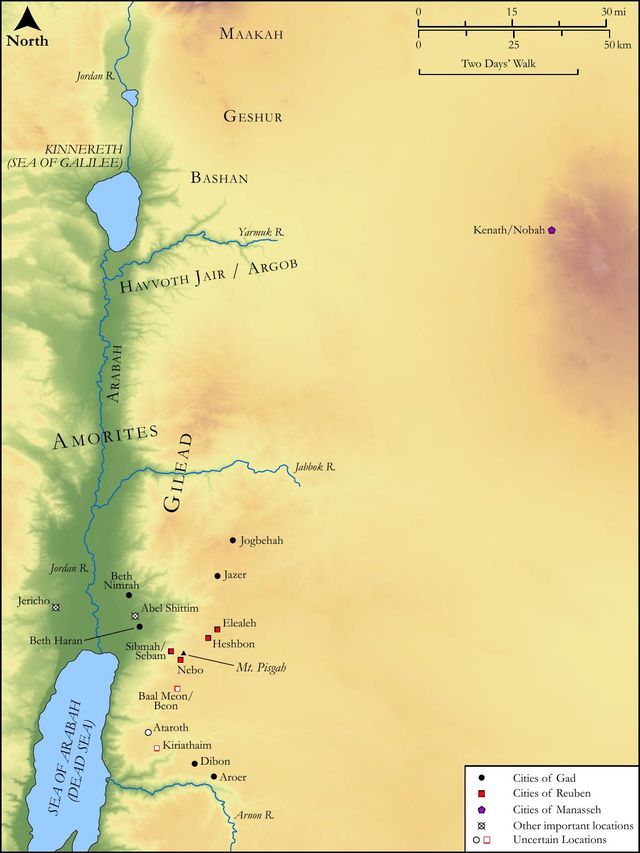
See on the biblical-era map
Study this verse
Continue studying Numbers 32:26 across the web’s major study libraries — every link below opens this exact verse, chapter, or book on the destination site.
Read & Compare
 BibleGatewayThis verse in more than 200 translations and 70 languages.
 Bible.comThe YouVersion reader — hundreds of translations, reading plans, and highlights.
 ESV.orgCrossway's official English Standard Version reader.
 NET BibleThe NET translation with 60,000+ translators' notes on every rendering decision.
 STEP BibleTyndale House's free study tool — original text, vocabulary, and scholarly resources.
 BibliaLogos Bible Software's free web reader.
 USCCBThe New American Bible (Revised Edition) with the U.S. bishops' study notes.
Commentaries
 BibleHub CommentariesDozens of classic commentaries on this verse, gathered on one page.
 StudyLightMore than 100 commentary sets — the largest collection on the web.
 BibleRefPlain-English commentary on what this verse means, verse by verse.
 Enduring WordDavid Guzik's free commentary on this chapter, widely used by Bible teachers.
 Bible Study ToolsVerse commentary alongside Greek and Hebrew study aids.
Original Language & Research
- BibleHub InterlinearThe verse word by word — original language, transliteration, and English.
- BibleHub LexiconEvery word's original-language definition and Strong's entry.
 Blue Letter BibleDeep-study tools — Strong's numbers, concordance, and word studies.
 SefariaThe Hebrew text with Rashi and centuries of Jewish commentary.
Sermons, Hymns & Audio


TrulyRandomVerse is not affiliated with these sites and doesn’t control their content. They’re linked because they’re genuinely useful.
Summary
Numbers 32:26 records the solemn pledge made by the tribes of Reuben and Gad, along with the half-tribe of Manasseh, to Moses. This verse is their direct assurance that while their fighting men would cross the Jordan River to assist the other Israelite tribes in conquering Canaan, their vulnerable dependents—their children and wives—and their valuable livestock would remain securely settled in the newly acquired territory of Gilead, east of the Jordan. This commitment was vital in assuaging Moses' fears of disunity and ensuring the tribes' full participation in the collective mission of Israel to possess the Promised Land.
Context
ShowHideLiterary Context
Numbers 32:26 is situated within a critical negotiation toward the end of Israel's wilderness journey, as they stand poised to enter the Promised Land. The narrative preceding this verse (Numbers 32:1-5) details the request of the tribes of Reuben and Gad, later joined by the half-tribe of Manasseh, to settle in the fertile Transjordanian regions of Gilead and Jazer rather than crossing the Jordan. Moses' initial response (Numbers 32:6-15) is one of intense anger and suspicion, fearing a repetition of the disastrous rebellion at Kadesh Barnea, which led to forty years of wandering and the death of an entire generation (Numbers 14:1-35). Verse 26, however, is part of the tribes' crucial clarification and solemn vow (Numbers 32:16-19), wherein they promise to build secure settlements for their families and flocks, and then to arm themselves and fight on the front lines with their brethren until the entire land of Canaan was subdued and every tribe had received its inheritance. This particular verse solidifies their commitment to leave their most precious possessions and people behind, demonstrating their serious intent to fulfill their military obligation before returning to their chosen inheritance.
Historical & Cultural Context
The request of Reuben, Gad, and the half-tribe of Manasseh reflects the pragmatic needs of a semi-nomadic, pastoral society on the cusp of settling. The Transjordanian plateau, particularly Gilead, was renowned for its rich pasturelands, making it ideal for their extensive livestock holdings. In Israel, military campaigns typically required the entire male population of fighting age to participate. The concern for the safety and provision of "little ones, wives, flocks, and cattle" was paramount, as these represented the core of their familial and economic stability. The concept of tribal inheritance was also deeply significant; each tribe was allotted a specific territory as part of God's promise. The tribes' willingness to participate in the conquest of Canaan, even if their ultimate inheritance lay elsewhere, underscored the broader covenantal obligations and the expectation of unity among the twelve tribes in fulfilling God's divine mandate to possess the land. This period marked a transition from a nomadic existence to settled life, making the securing of territory and the protection of families a critical concern.
Key Themes
ShowHideThis verse powerfully contributes to several overarching themes in the book of Numbers and the Pentateuch. Firstly, it highlights Covenant Fidelity and Obedience, as the tribes' agreement to fight alongside their brethren demonstrates their commitment to the broader covenantal obligations of Israel to conquer the land God promised (Deuteronomy 3:18-20). Secondly, it underscores the theme of Shared Responsibility and Unity. Despite their unique desire for a separate inheritance, the tribes recognized their indispensable role in the collective mission, preventing a potential schism and reinforcing the idea that the conquest was a unified effort of all Israel (Joshua 1:12-18). Thirdly, the verse speaks to the Cost of Discipleship and Inheritance. Gaining the blessings of the Promised Land required active participation, sacrifice, and temporary separation from comfort and family, illustrating that divine promises often demand human effort and commitment (Numbers 32:20-22). Finally, it subtly touches upon Divine Provision and Trust, as the tribes, by leaving their most vulnerable behind, expressed a measure of trust in the security of the land and God's continued care for their dependents while the men engaged in warfare.
Exposition and Analysis
ShowHideKey Word Analysis
ShowHideThis term (H2945) refers specifically to young children, infants, and toddlers, emphasizing their extreme vulnerability and dependence. In Israel, the protection of the ṭap̄ was a primary concern, as they represented the future of the family and tribe. Their mention here highlights the significant trust and sacrifice involved in the men leaving them behind while they went to war.
This word (H4735) refers to something bought, specifically livestock, encompassing cattle, sheep, and goats. It represents the primary form of wealth and sustenance for pastoral peoples like the Israelites. The abundance of miqneh was a sign of prosperity and God's blessing. The desire to secure good pasture for their extensive livestock was the initial impetus for the tribes' request, and their inclusion in the pledge underscores the economic foundation of their proposed settlement.
This is a specific geographical region (H1568) east of the Jordan River, renowned for its fertile plains and suitability for livestock. The name itself may derive from a root meaning "rocky mound" or "heap of witness." Its mention here is not merely a geographical marker but signifies the desired secure, settled inheritance that provided the motivation for the tribes' unique request and subsequent military commitment.
Verse Breakdown
ShowHide"Our little ones, our wives"
This phrase emphasizes the most vulnerable and precious members of the community—the non-combatants who would remain behind. It highlights the immense trust and faith required for the men to leave their families in a newly secured, potentially still volatile, territory while they went to war. It also underscores the profound responsibility the men felt for their dependents' safety and well-being.
"our flocks, and all our cattle"
This refers to the tribes' primary source of wealth, livelihood, and sustenance. The inclusion of their livestock alongside their families signifies that their entire household, including their economic foundation, would be established in Gilead. It also explains why they sought this particular land—its suitability for their extensive herds and the desire to secure their economic future.
"shall be there in the cities of Gilead"
This final clause specifies the location and the intended state of their dependents and possessions: securely settled within fortified "cities" (or settlements) in the region of Gilead. This phrase functions as a concrete assurance to Moses that their families and wealth would be protected and established, freeing the men to fulfill their military obligation without divided loyalties or concerns for those left behind.
Literary Devices
ShowHideNumbers 32:26 employs several effective literary devices. Enumeration is prominently featured, with the listing of "little ones, our wives, our flocks, and all our cattle," which serves to emphasize the totality of what the tribes would leave behind. This exhaustive list underscores the depth of their commitment and the significant sacrifice involved. The statement functions as a Pledge or Affirmation, a direct and unequivocal declaration of their intent, serving to reassure Moses and the other tribes of their sincerity and reliability. Furthermore, the phrase "cities of Gilead" acts as a form of Metonymy, where "Gilead" stands in for the secure, settled territory they would establish, representing the stability and protection they envisioned for their families and possessions while they were away fighting for the rest of Israel.
Theological and Thematic Connections
ShowHideNumbers 32:26 speaks profoundly to the theological principle of corporate responsibility within God's covenant community. The tribes' commitment to leave their families and wealth behind in Gilead, while their men joined the fight for the rest of Israel's inheritance, illustrates the necessity of shared burden and sacrifice for the common good of God's people. It highlights that individual desires, even legitimate ones, must be subordinated to the greater divine purpose and the unity of the community. This act of setting aside personal comfort for the collective mission foreshadows the New Testament call to bear one another's burdens and to prioritize the kingdom of God over personal gain. It also implicitly points to the faithfulness of God in providing security and inheritance, even as His people are called to active participation and trust in His protective care.
Reflection and Application
ShowHideThe pledge of the Transjordan tribes in Numbers 32:26 offers timeless lessons for believers today. It calls us to consider the integrity of our commitments, especially those made within the context of our faith and community. Just as Moses held the tribes accountable to their word, we are reminded of the importance of faithfulness in our vows, whether to God, to our families, or to our church. This passage also challenges us to balance our personal aspirations and comfort with our collective responsibilities to the body of Christ. Are we willing to step out of our comfort zones, to make sacrifices, and to endure temporary separation from what is familiar and secure, for the greater purpose of God's kingdom and the flourishing of His people? The tribes' willingness to leave their most precious possessions behind for a shared mission encourages us to prioritize the advancement of the gospel and the well-being of our spiritual family, trusting God for the provision and protection of our own "little ones, wives, flocks, and cattle" as we engage in spiritual warfare and kingdom building.
Questions for Reflection
ShowHideFAQ
ShowHideWhy was Moses initially so angry with the tribes of Reuben and Gad?
ShowHideMoses' initial anger stemmed from his fear that the request of Reuben and Gad to settle east of the Jordan would demoralize the rest of the Israelites and lead to a repeat of the disastrous incident at Kadesh Barnea. Years earlier, after the twelve spies returned from Canaan, ten of them gave a fearful report, causing the people to lose heart and rebel against God, refusing to enter the Promised Land (Numbers 14:1-4). This act of faithlessness resulted in God condemning that generation to wander in the wilderness for forty years until they died off (Numbers 14:26-35). Moses feared that if these tribes opted out of the conquest, it would undermine the unity and resolve of the entire nation, leading to another forty years of wandering or worse, a failure to possess the land God had promised them (Numbers 32:6-15).
What was the significance of "Gilead" to these tribes?
ShowHideGilead was a fertile region located east of the Jordan River, known for its rich pasturelands. For the tribes of Reuben and Gad, who possessed "a very great multitude of livestock" (Numbers 32:1), this land was exceptionally suitable for their primary livelihood. Its lush grazing areas offered immediate and abundant provision for their extensive flocks and herds, making it a highly desirable location for settlement. Their request to settle in Gilead was driven by practical economic considerations, as it would allow them to sustain and grow their wealth in livestock without having to cross the Jordan and compete for land on the other side. This desire, while legitimate, had to be balanced with their covenantal obligations to the rest of Israel, leading to the negotiation and pledge recorded in Numbers 32.
Christ-Centered Fulfillment
ShowHideNumbers 32:26, with its depiction of a people willing to sacrifice immediate comfort and security for a greater, shared inheritance, finds its ultimate fulfillment in the person and work of Jesus Christ. The tribes' pledge to leave their families and possessions to fight for the inheritance of their brethren foreshadows Christ's ultimate sacrifice. He, though rich, for our sakes became poor, that we through His poverty might become rich (2 Corinthians 8:9). Jesus left the security and glory of His heavenly abode to enter a hostile world, not to conquer a physical land, but to secure an eternal inheritance for all who believe (Hebrews 1:2). He did not merely pledge to fight alongside us; He fought for us, bearing the full weight of sin and death on the cross, ensuring our access to the true Promised Land—eternal life in God's presence (John 14:2-3). The unity and shared purpose that Moses sought to maintain among the tribes is perfectly realized in Christ, who breaks down dividing walls and creates one new humanity, making us co-heirs with Him in His glorious inheritance (Ephesians 2:14-16; Romans 8:17). Our ultimate security is not in "cities of Gilead" but in the finished work of Christ, who has gone to prepare a place for us, guaranteeing our eternal dwelling and spiritual provision as we, too, live as sojourners, looking forward to the city with foundations, whose architect and builder is God (Hebrews 11:10; Hebrews 11:13-16).