


Nehemiah 12:46
Bible text: King James Version (1769 Blayney text) · Public domain
Bible text: Berean Standard Bible · Public domain
Bible text: American Standard Version (1901) · Public domain
Bible text: World English Bible, Messianic edition · Public domain
Bible text: Geneva Bible (1599) · Public domain
Bible text: Young's Literal Translation · Public domain
- כִּיkiforH3588PrtParticle Conditional
- בִימֵיvi·Meiin [the] days ofH3117Prep-b ¦ N-mpcNoun Plural Masculine Constructבִinימֵי[the] days of
- דָוִידda·VidDavidH1732N-proper-mNoun Proper Masculine
- וְאָסָףve·'a·Safand AsaphH623Conj-w ¦ N-proper-mNoun Proper MasculineוְandאָסָףAsaph
- מִקֶּדֶםmi·Ke·demfrom antiquityH6924Prep-m ¦ N-msNoun Singular Masculine Absoluteמִfromקֶּדֶםantiquity
- רָאשֵׁיrosh[the] leaders ofH7218N-mpcNoun Plural Masculine Construct
- הַמְשֹׁרְרִיםham·Sho·re·Rimthe singersH7891Art ¦ V-Piel-Prtcpl-mpVerb Piel Participle Plural Masculine Absoluteהַtheמְשֹׁרְרִיםsingers
- וְשִׁירve·shirand [the] song ofH7892Conj-w ¦ N-mscNoun Singular Masculine Constructוְandשִׁיר[the] song of
- תְּהִלָּהte·hi·LahpraiseH8416N-fsNoun Singular Feminine Absolute
- וְהֹדוֹתve·ho·Dotand thanksgivingH3034Conj-w ¦ V-Hiphil-InfVerb Hiphil Infinitive Constructוְandהֹדוֹתthanksgiving
- לֵאלֹהִיםLe·lo·Himto GodH430Prep-l ¦ N-mpNoun Plural Masculine AbsoluteלֵtoאלֹהִיםGod
English is a literal word-by-word gloss of the Hebrew, not the KJV's wording. Why?
This is the original text the KJV's translators worked from — each Hebrew word with its own literal English meaning in this verse, prepared by scholars at Tyndale House, Cambridge. The KJV translates whole sentences, not word by word, so its wording differs: one Hebrew word can become several English words, and the KJV may choose “the LORD” where the gloss reads “Yahweh”. Both are faithful — they answer different questions. For the KJV's own rendering, switch to the KJV text.
Details
See on the biblical-era map
Study this verse
Public-domain commentary
Matthew Henry
From his Commentary on the Whole Bible. Henry comments on passages, not single verses — this entry covers Nehemiah 12:44–47.
We have here an account of the remaining good effects of the universal joy that was at the dedication of the wall. When the solemnities of a thanksgiving day leave such impressions on ministers and people as that both are more careful and cheerful in doing their duty afterwards, then they are indeed acceptable to God and turn to a good account. So it was here. 1. The ministers were more careful than they had been of their work; the respect the people paid them upon this occasion encouraged them to diligence and watchfulness, Neh 12:45. The singers kept the ward of their God, attending in due time to the duty of their office; the porters, too, kept the ward of the purification, that is, they took care to preserve the purity of the temple by denying admission to those that were ceremonially unclean. When the joy of the Lord thus engages us to our duty, and enlarges us in it, it is then an earnest of that joy which, in concurrence with the perfection of holiness, will be our everlasting bliss. 2. The people were more careful than they had been of the maintenance of their ministers. The people, at the dedication of the wall, among other things which they made matter of their joy, rejoiced for the priests and for the Levites that waited, Neh 12:44. They had a great deal of comfort in their ministers, and were glad of them. When they observed how diligently they waited, and what pains they took in their work, they rejoiced in them. Note, The surest way for ministers to recommend themselves to their people, and gain an interest in their affections, is to wait on their ministry (Rom 12:7), to be humble and industrious, and to mind their business. When these did so the people thought nothing too much to do for them, to encourage them. The law had provided then their portions (Neh 12:44), but what the better were they for that provision if what the law appointed them either was not duly collected or not justly paid to them? Now, (1.) Care is here taken for the collecting of their dues. They were modest, and would rather lose their right than call for it themselves. The people were many of them careless and would not bring their dues unless they were called upon; and therefore some were appointed whose office it should be to gather into the treasuries, out of the fields of the cities, the portions of the law for the priests and Levites (Neh 12:44), that their portion might not be lost for want of being demanded. This is a piece of good service both to ministers and people, that the one may not come short of their maintenance nor the other of their duty. (2.) Care is taken that, being gathered in, they might be duly paid out, Neh 12:47. They gave the singers and porters their daily portion, over and above what was due to them as Levites; for we may suppose that when David and Solomon appointed them their work (Neh 12:45, Neh 12:46), above what was required from them as Levites, they settled a fund for their further encouragement. Let those that labour more abundantly in the word and doctrine be counted worthy of this double honour. As for the other Levites, the tithes, here called the holy things, were duly set apart for them, out of which they paid the priests their tithe according to the law. Both are said to be sanctified; when what is contributed, either voluntarily or by law, for the support of religion and the maintenance of the ministry, is given with an eye to God and his honour, it is sanctified, and shall be accepted of him accordingly, and it will cause the blessing to rest on the house and all that is in it, Eze 44:30.
Historical interpretation
Historical reception
1 surviving comment on this verse from the historical church.
Sanctified: That is, they gave them that which by the law was set aside, and sanctified for their use.
Continue studying Nehemiah 12:46 across the web’s major study libraries — every link below opens this exact verse, chapter, or book on the destination site.
Read & Compare
 BibleGatewayThis verse in more than 200 translations and 70 languages.
 Bible.comThe YouVersion reader — hundreds of translations, reading plans, and highlights.
 ESV.orgCrossway's official English Standard Version reader.
 NET BibleThe NET translation with 60,000+ translators' notes on every rendering decision.
 STEP BibleTyndale House's free study tool — original text, vocabulary, and scholarly resources.
 BibliaLogos Bible Software's free web reader.
 USCCBThe New American Bible (Revised Edition) with the U.S. bishops' study notes.
Commentaries
 BibleHub CommentariesDozens of classic commentaries on this verse, gathered on one page.
 StudyLightMore than 100 commentary sets — the largest collection on the web.
 BibleRefPlain-English commentary on what this verse means, verse by verse.
 Enduring WordDavid Guzik's free commentary on this chapter, widely used by Bible teachers.
 Bible Study ToolsVerse commentary alongside Greek and Hebrew study aids.
Original Language & Research
- BibleHub InterlinearThe verse word by word — original language, transliteration, and English.
- BibleHub LexiconEvery word's original-language definition and Strong's entry.
 Blue Letter BibleDeep-study tools — Strong's numbers, concordance, and word studies.
 SefariaThe Hebrew text with Rashi and centuries of Jewish commentary.
Sermons, Hymns & Audio


TrulyRandomVerse is not affiliated with these sites and doesn’t control their content. They’re linked because they’re genuinely useful.
Summary
Nehemiah 12:46 serves as a vital historical anchor within the narrative of Jerusalem's wall dedication, affirming that the vibrant musical worship observed in Nehemiah's time was not a new innovation but a direct continuation of ancient, divinely established practices. It specifically highlights the foundational roles of King David and the Levite Asaph in organizing and leading "chief of the singers" and cultivating "songs of praise and thanksgiving unto God," thereby emphasizing the enduring legacy and central importance of structured musical worship in Israelite spiritual life.
Context
ShowHideLiterary Context
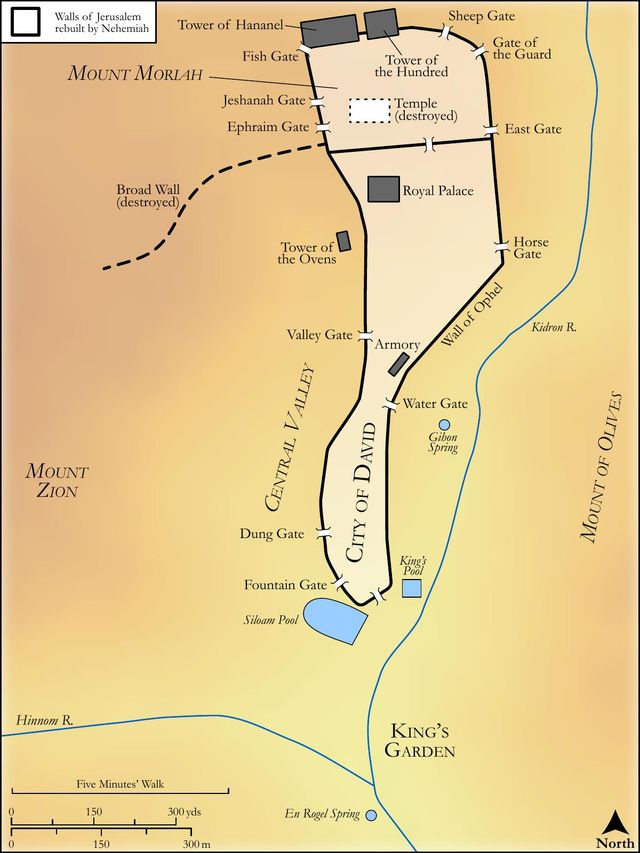
Nehemiah 12 meticulously details the grand dedication ceremony of the newly rebuilt walls of Jerusalem, a monumental achievement following the return from Babylonian exile. The chapter begins with extensive genealogies of priests and Levites, underscoring the meticulous re-establishment of temple personnel and their roles. This focus on organization and lineage sets the stage for understanding the structured nature of the worship described. Verses 27-43 describe the procession on the wall, the two great choirs, and the joyful sacrifices, culminating in a powerful expression of communal worship. Verse 46, therefore, acts as a theological justification and historical grounding for the elaborate musical practices witnessed during the dedication, linking the present joy and order to a revered past. It asserts that the contemporary worship was not arbitrary but rooted in the divinely inspired traditions of Israel's golden age of worship, providing a vital sense of continuity for the restored community.
Historical & Cultural Context
The setting is post-exilic Jerusalem, a period of profound spiritual and national restoration for the Jewish people. After decades in Babylon, the returnees under leaders like Zerubbabel, Ezra, and Nehemiah were tasked not only with rebuilding physical structures like the Temple and the city walls but also with re-establishing their identity as God's covenant people. This involved strict adherence to Mosaic Law, the re-institution of Temple service, and the revival of traditional forms of worship. Music played a crucial role in ancient Israelite culture, not merely as entertainment but as an integral part of religious ritual, national celebrations, and personal devotion. The reference to David and Asaph evokes a golden age of worship, reminding the people of God's faithfulness and the enduring nature of their spiritual heritage, providing a sense of continuity and legitimacy to their current practices amidst the challenges of rebuilding and re-establishing their national identity.
Key Themes
ShowHideNehemiah 12:46 contributes significantly to several overarching themes within the book of Nehemiah and the broader Old Testament. Firstly, it powerfully illustrates the Continuity of Worship, demonstrating that the practices observed in the post-exilic era were not new inventions but a faithful adherence to ancient, divinely ordained patterns established centuries earlier. This provided a vital sense of stability and divine heritage to a community striving to rediscover its identity. Secondly, the verse highlights the Centrality of Music in Worship, explicitly mentioning "chief of the singers" and "songs of praise and thanksgiving," underscoring that music was a highly organized and integral component of Israelite devotion, not merely an accompaniment. Thirdly, it emphasizes the Nature of Acceptable Worship as characterized by "praise and thanksgiving," reflecting a heart posture of adoration for God's character and gratitude for His faithfulness, a theme echoed throughout the Psalms, such as Psalm 100. Finally, the explicit mention of King David and Asaph underscores the Davidic Legacy in Temple Worship. David was instrumental in organizing the Levitical musicians for Temple service (see 1 Chronicles 25:1-7), and Asaph, a prominent Levite musician and seer, was a key figure in leading these musical ministries, with many psalms attributed to him (e.g., Psalm 73). This reference grounds the contemporary worship in a rich, divinely inspired tradition.
Exposition and Analysis
ShowHideKey Word Analysis
ShowHideThis term (H7218) literally means "head" and is used figuratively to denote the most prominent, principal, or leading figure. In this context, it refers to the "heads" or "leaders" of the musical guilds or choirs. It signifies a highly organized and professional structure for the musical ministry within the Temple, indicating that these were not amateur participants but trained individuals, likely Levites, dedicated to leading congregational worship through song. Their existence in both David's time and Nehemiah's era underscores the consistent importance of skilled and dedicated musical leadership in Israelite worship.
This word (H8416) refers to laudatory praise, often a public declaration of God's excellencies, attributes, and mighty acts. It is an outpouring of adoration and glorification of God for who He is, emphasizing His inherent greatness and worthiness. This term is closely associated with the Psalms, many of which are titled "A Psalm of Praise" (e.g., Psalm 145). It signifies worship focused on God's character and His intrinsic value.
This term (H3034), though primarily a verb meaning "to use (i.e., hold out) the hand" and often translated as "to praise" or "to give thanks," is used here in its nominal form to signify gratitude. It represents an expression of acknowledgment and appreciation for specific acts of deliverance, blessing, or faithfulness from God. While tᵉhillâh focuses on God's character, yâdâh (as thanksgiving) focuses on His actions and provisions. The combination of "praise" and "thanksgiving" captures the dual nature of Israelite worship: adoration for God's being and gratitude for His doing.
Verse Breakdown
ShowHide"For in the days of David and Asaph of old"
This opening clause immediately establishes a profound historical and theological connection. By invoking the names of King David, the revered organizer of Israelite worship, and Asaph, his prominent chief musician and a prophetic seer, the text grounds the contemporary worship practices in a divinely sanctioned and ancient tradition. This linkage provides legitimacy and continuity, assuring the post-exilic community that their re-established worship was not a new invention but a faithful restoration of God's original design. The phrase "of old" (H6924, qedem) further emphasizes the deep historical roots and venerable nature of these practices.
"[there were] chief of the singers"
This phrase highlights the organized and professional nature of the musical ministry. The "chiefs" (H7218, rôʼsh) imply a structured hierarchy and specialized roles within the Levitical musical guilds. Their presence in both eras signifies the enduring importance of skilled and dedicated leadership in facilitating communal worship through music, ensuring excellence and order in the service of God. The "singers" (H7891, shîyr) were Levites specifically appointed for this sacred task.
"and songs of praise and thanksgiving unto God"
This final clause specifies the very essence and purpose of the musical offerings. The songs (H7892, shîyr) were not for entertainment or human glory but were explicitly directed "unto God" (H430, ʼĕlôhîym). The dual nature of "praise" (H8416, tᵉhillâh - adoration for who God is) and "thanksgiving" (H3034, yâdâh - gratitude for what God has done) encapsulates the comprehensive scope of Israelite worship, focusing on both God's character and His redemptive acts. This defines the spiritual posture and content expected in their musical expressions.
Literary Devices
ShowHideNehemiah 12:46 primarily employs Historical Allusion by directly referencing "David and Asaph of old." This allusion serves to legitimize and elevate the contemporary worship practices by connecting them to a golden age of Israelite spiritual life, thereby providing a sense of Continuity and divine sanction. The mention of specific individuals known for their profound contributions to worship grounds the current practices in a tangible, revered past, reinforcing the idea that the post-exilic community was faithfully restoring, not inventing. Furthermore, the verse uses Emphasis to highlight the central and organized role of music in worship, particularly through the phrase "chief of the singers" and the specific types of "songs of praise and thanksgiving." This emphasis underscores the intentionality, spiritual significance, and comprehensive nature of musical expression as a core element of their devotion to God.
Theological and Thematic Connections
ShowHideNehemiah 12:46 profoundly articulates the enduring theological principle that worship, particularly through music, is a central and divinely ordained aspect of the covenant relationship between God and His people. The continuity from David and Asaph to Nehemiah's time demonstrates God's consistent desire for His people to express adoration and gratitude. It underscores that true worship is not merely spontaneous emotion but can also be structured, intentional, and led by gifted individuals, all directed "unto God." This verse reminds us that God delights in the praises of His people and that expressing both His inherent worthiness (praise) and His benevolent actions (thanksgiving) is fundamental to a healthy spiritual life. It also highlights the importance of passing down spiritual traditions and practices from one generation to the next, ensuring that the legacy of faith remains vibrant and authentic, connecting generations in a shared devotion to the Almighty.
Reflection and Application
ShowHideNehemiah 12:46 offers timeless insights for contemporary believers concerning the nature and practice of worship. It challenges us to consider the intentionality and heart behind our expressions of devotion. Just as the Israelites meticulously organized their musical worship, we are called to offer God our best, not merely in terms of skill but in sincerity and focus. The emphasis on "praise and thanksgiving" reminds us that our worship should be characterized by adoration for God's character and profound gratitude for His unfailing goodness, even amidst life's challenges. This verse encourages us to embrace the rich heritage of faith, recognizing that our worship connects us to a long line of believers who have lifted their voices to God throughout history. It invites us to cultivate a spirit of joyful praise and heartfelt thanksgiving in our personal lives and corporate gatherings, understanding that such worship is not just a duty but a privilege that draws us closer to our Creator and sustains us in our spiritual journey.
Questions for Reflection
ShowHideFAQ
ShowHideWho were David and Asaph, and why are they significant in the context of Nehemiah 12:46?
ShowHideKing David (c. 1000 BC) was the second king of Israel, renowned not only as a warrior and king but also as "the sweet psalmist of Israel" (2 Samuel 23:1). He played a pivotal role in organizing the Levitical priests and musicians for service in the tabernacle, establishing a highly structured and sophisticated system of worship that would later be implemented in Solomon's Temple. David himself composed many psalms, which formed the bedrock of Israel's worship songs. Asaph was a prominent Levite musician and seer during David's reign, appointed by David to lead one of the three main divisions of Temple musicians (along with Heman and Jeduthun). He was not merely a performer but also a prophet who ministered through music (see 1 Chronicles 25:1-2). Many psalms are attributed to him (e.g., Psalm 73 through Psalm 83), indicating his profound and lasting influence on Israel's spiritual songs and the content of their worship. Their significance in Nehemiah 12:46 lies in their representation of the foundational, divinely inspired, and highly organized tradition of musical worship that the post-exilic community was faithfully restoring and continuing, providing a vital link to their spiritual heritage.
Christ-Centered Fulfillment
ShowHideNehemiah 12:46, with its emphasis on organized worship, chief singers, and songs of praise and thanksgiving, finds its ultimate fulfillment and transformation in Jesus Christ. The Old Testament Temple worship, with its Levitical system and musical offerings, served as a shadow pointing to the perfect and ultimate worship inaugurated by Christ. Jesus himself is the "chief singer" of the new covenant, leading His people in praise to the Father, as affirmed in Hebrews 2:12, quoting Psalm 22:22. The "songs of praise and thanksgiving" in the Old Testament anticipated the new song of redemption, sung by those who have been made new in Christ (Revelation 5:9). Through His atoning sacrifice, Jesus has opened a new and living way for all believers to approach God directly, not through a physical temple or a Levitical priesthood, but through the Spirit (Hebrews 10:19-22). Our worship is now spiritual and in truth (John 4:23-24), empowered by the indwelling Holy Spirit, and offered as a spiritual sacrifice acceptable to God through Jesus Christ (1 Peter 2:5). Thus, the organized and joyful worship of Nehemiah's time foreshadowed the even greater reality of the church, the body of Christ, continually offering up "a sacrifice of praise to God, that is, the fruit of lips that acknowledge his name" (Hebrews 13:15).