


Jonah 3:10
Bible text: King James Version (1769 Blayney text) · Public domain
Bible text: King James Version with Strong's numbers · Public domain
Bible text: Berean Standard Bible · Public domain
Bible text: American Standard Version (1901) · Public domain
Bible text: World English Bible, Messianic edition · Public domain
Bible text: Geneva Bible (1599) · Public domain
Bible text: Young's Literal Translation · Public domain
- וַיַּרְאvai·Yar'and he sawH7200Conj-w ¦ V-Qal-ConsecImperf-3msVerb Qal Consecutive Imperfect 3rd Singular Masculineוַandיַּרְאhe saw
- הָאֱלֹהִיםha·'E·lo·Him<the> GodH430Art ¦ N-mpNoun Plural Masculine Absoluteהָ<the>אֱלֹהִיםGod
- אֶת'et<obj.>H853DirObjMParticle Object Indicator
- מַעֲשֵׂיהֶםma·'a·sei·Hemtheir deedsH4639N-mpc ¦ 3mpNoun Plural Masculine Constructמַעֲשֵׂיdeedsהֶםtheir
- כִּיkithatH3588PrtParticle Conditional
- שָׁבוּSha·vuthey turned backH7725V-Qal-Perf-3cpVerb Qal Perfect 3rd Plural common gender
- מִדַּרְכָּםmi·dar·Kamfrom their wayH1870Prep-m ¦ N-csc ¦ 3mpNoun Singular common gender Constructמִfromדַּרְכָּwayםtheir
- הָרָעָהha·ra·'Ah<the> evilH7451Art ¦ Adj-fsAdjective Singular Feminine Absoluteהָ<the>רָעָהevil
- וַיִּנָּחֶםvai·yi·Na·chemand he relentedH5162Conj-w ¦ V-Niphal-ConsecImperf-3msVerb Niphal Consecutive Imperfect 3rd Singular Masculineוַandיִּנָּחֶםhe relented
- הָאֱלֹהִיםha·'E·lo·Him<the> GodH430Art ¦ N-mpNoun Plural Masculine Absoluteהָ<the>אֱלֹהִיםGod
- עַל'alonH5921PrepPreposition
- הָרָעָהha·ra·'Ahthe evilH7451Art ¦ N-fsNoun Singular Feminine Absoluteהָtheרָעָהevil
- אֲשֶׁר'a·SherwhichH834RelParticle Relative
- דִּבֶּרdi·Berhe had saidH1696V-Piel-Perf-3msVerb Piel Perfect 3rd Singular Masculine
- לַעֲשׂוֹתla·'a·sotto doH6213Prep-l ¦ V-Qal-InfVerb Qal Infinitive Constructלַtoעֲשׂוֹתdo
- לָהֶםla·Hemto <the> themPrep-l ¦ 3mpSuffix Personal 3rd Plural Masculineלָto <the>הֶםthem
- וְלֹאve·Lo'and notH3808Conj-w ¦ NegParticle Negativeוְandלֹאnot
- עָשָׂה'a·Sahhe did [it]H6213V-Qal-Perf-3msVerb Qal Perfect 3rd Singular Masculine
English is a literal word-by-word gloss of the Hebrew, not the KJV's wording. Why?
This is the original text the KJV's translators worked from — each Hebrew word with its own literal English meaning in this verse, prepared by scholars at Tyndale House, Cambridge. The KJV translates whole sentences, not word by word, so its wording differs: one Hebrew word can become several English words, and the KJV may choose “the LORD” where the gloss reads “Yahweh”. Both are faithful — they answer different questions. For the KJV's own rendering, switch to the KJV text.
Details
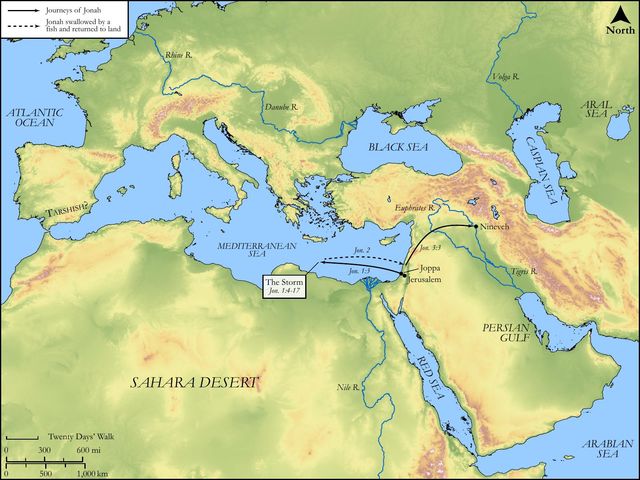
See on the biblical-era map
Study this verse
Historical interpretation
Eight Centuries of Reception
9 surviving comments on this verse. Each one is dated, so this reads as a timeline rather than a list.
Select a marker to jump to its quote. Markers stagger vertically where authors wrote within a few decades of each other.
These things, dearly beloved, we are writing, not only to warn you but also to remind ourselves; for we are in the same arena, and the same contest lies before us. For this reason let us abandon empty and silly concerns and come to the glorious and holy rule of our tradition. Let us see what is good and pleasing and acceptable in the sight of our Maker. Let us fix our gaze on the blood of Christ and realize how precious it is to his Father, seeing that it was poured out for our salvation and brought the grace of conversion to the whole world. Let us look back over all the generations and learn that from generation to generation the Lord has given an opportunity of repentance to all who would return to him. Noah preached penance, and those who heeded were saved. Then Jonah announced destruction to the Ninevites and they repented of their sins, besought God in prayer and, estranged though they were from God, obtained salvation.
Now, if [forgiveness of sin had not] been predicted of Christ, I should find in the Creator examples of such benignity as would hold out to me the promise of similar affections also in the Son of whom he is the Father. I see how the Ninevites obtained forgiveness of their sins from the Creator—not to say from Christ [by way of anticipation], even then, because from the beginning he was acting in the Father’s name.
And that these words are not a vain boast shall be made manifest to you for things that have already happened. What could be more stupid than the Ninevites? What more devoid of understanding? Yet, nevertheless, these barbarian, foolish people, who had not yet heard any one teaching them wisdom, who had never received such precepts from others, when they heard the prophet saying, “Yet three days, and Nineveh shall be overthrown,” laid aside, within three days, the whole of their evil customs. The fornicator became chaste; the bold man meek; the grasping and extortionate moderate and kind; the slothful industrious. They did not, indeed, reform one or two or three or four vices by way of remedy, but the whole of their iniquity. But where does this appear, says someone? From the words of the prophet; for the same who had been their accuser and who had said that “the cry of their wickedness has ascended up even into heaven,” himself again bears testimony of an opposite kind by saying, “God saw that every one departed from their own evil ways.” He does not say from fornication or adultery or theft, but from their “own evil ways.” And how did they depart? As God knew; not as people judged of the matter. After this are we not ashamed, must we not blush, if it turns out that in three days only the barbarians laid aside all their wickedness, but that we, who have been urged and taught during so many days, have not got the better of one bad habit? These people had moreover gone to the extreme of wickedness before; for when you hear it said, “The cry of their wickedness is come up before me,” you can understand nothing else than the excess of their wickedness. Nevertheless within three days they were capable of being transformed to a state of complete uprightness.
For the fear was the cause of their safety. The threatening effected the deliverance from the peril. The sentence of destruction put a stop to the destruction. O strange and astonishing event! The threatening of death brought forth life.
They do not know the issue, and yet they do not neglect repentance. They are unacquainted with the method of the lovingkindness of God, and they are changed amid uncertainty. They had no other Ninevites to look to, who had repented and been saved. They had not read the prophets or heard the patriarchs, or benefited by counsel, or partaken of instruction, nor had they persuaded themselves that they should altogether propitiate God by repentance. For the threat did not contain this. But they doubted and hesitated about this, and yet they repented with all carefulness. What account then shall we give, when these, who had no good hopes held out to them as to the issue, gave evidence of such a change? [What account shall you give], who may be of good cheer as to God’s love for humanity, and have many times received pledges of his care, and have heard the prophets and apostles, and have been instructed by the events themselves, and yet you do not strive to attain the same measure of virtue as they? Great then was the virtue too of these people, but much greater was the lovingkindness of God.… That fear was the parent of salvation; the threat removed the peril; the sentence of overthrow stayed the overthrow. Now they have a new and more marvelous issue! The sentence threatening death was the parent of life.… Was Nineveh destroyed? Quite the contrary. It arose and became more glorious, and all this intervening time has not effaced its glory. And we all yet celebrate it and marvel at it, that subsequently it has become a most safe harbor to all who sin, not allowing them to sink into despair but calling all to repentance, both by what it did and by what it gained from the providence of God, persuading us never to despair of our salvation.
They applied fasting to their wounds. Yes, they even applied extreme fasting—lying prostrate on the ground, putting on sackcloth and ashes, and lamentations. More importantly, they chose a change of life. Let us then see which of these things made them whole. And how shall we know? If we come to the physician, if we seek after him earnestly, he will not hide it from us but will even eagerly disclose it. Rather, in order that no one may be ignorant or have need to ask, he has even set down in writing the medicine that restores sinners. What then is this? “God,” he said, “saw that they turned every one from his evil way, and he repented of the evil that he said he would do unto them.” He did not say simply that he saw their fasting and sackcloth and ashes, but their behavior. I say this not to question fasting (God forbid!) but to exhort you that with fasting you do that which is better than fasting, the abstaining from all evil.
"And God saw their works, that they turned from their evil way; and God repented of the evil, that he had said that he would do unto them; and he did it not." LXX: 'God saw their works since they turned from their wicked ways. And God repented for their wickedness that he had said he would do to them and he did not do it.' According to the two meanings of this passage God is threatening the town of Assyria and threatens the people of the world every day so that they repent: if they convert then he will change his judgement, and it will be changed by the conversion of the people. Jeremiah and Ezekiel explain this more clearly: the Lord has not fulfilled the good that he has promised to do if the good turn to sinners; nor the wickedness that he threatened the wicked if they return to safety. Thus now God sees their works, since they turn from their wicked way. But he did not hear those vain promises that Israel was in the custom of making: "all that God has said, we shall do" [Ex. 24:3.7], but he sees the works. And because he prefers a sinner's repentance rather than his death [Ez. 33:11.] he willingly changes his sentence because he has seen a change in the works. Or rather God has continued in his proposition, since he wanted to pity right from the beginning. No one in fact who desires to punish, threatens what he will actually do. The word 'wickedness' as we have noted above, can be taken to mean supplication or torture, not that God could think to do nothing on account of the wickedness.
In uncertainty they repented and obtained certain mercy.
For if the world is converted, God is converted; and when the sinners change their life, He will change His sentence.
Continue studying Jonah 3:10 across the web’s major study libraries — every link below opens this exact verse, chapter, or book on the destination site.
Read & Compare
 BibleGatewayThis verse in more than 200 translations and 70 languages.
 Bible.comThe YouVersion reader — hundreds of translations, reading plans, and highlights.
 ESV.orgCrossway's official English Standard Version reader.
 NET BibleThe NET translation with 60,000+ translators' notes on every rendering decision.
 STEP BibleTyndale House's free study tool — original text, vocabulary, and scholarly resources.
 BibliaLogos Bible Software's free web reader.
 USCCBThe New American Bible (Revised Edition) with the U.S. bishops' study notes.
Commentaries
 BibleHub CommentariesDozens of classic commentaries on this verse, gathered on one page.
 StudyLightMore than 100 commentary sets — the largest collection on the web.
 BibleRefPlain-English commentary on what this verse means, verse by verse.
 Enduring WordDavid Guzik's free commentary on this chapter, widely used by Bible teachers.
 Bible Study ToolsVerse commentary alongside Greek and Hebrew study aids.
Original Language & Research
- BibleHub InterlinearThe verse word by word — original language, transliteration, and English.
- BibleHub LexiconEvery word's original-language definition and Strong's entry.
 Blue Letter BibleDeep-study tools — Strong's numbers, concordance, and word studies.
 SefariaThe Hebrew text with Rashi and centuries of Jewish commentary.
Sermons, Hymns & Audio


TrulyRandomVerse is not affiliated with these sites and doesn’t control their content. They’re linked because they’re genuinely useful.
Summary
Jonah 3:10 serves as the climactic resolution to the Ninevite repentance narrative, revealing God's profound compassion and responsiveness to genuine human turning. It records God's observation of Nineveh's sincere change in behavior, their abandonment of their wicked practices, and His subsequent decision to withhold the threatened judgment, demonstrating His character as merciful and slow to anger, always ready to relent from calamity when people repent.
Context
ShowHideLiterary Context
Jonah 3:10 concludes the pivotal third chapter of the Book of Jonah, following Jonah's reluctant but obedient proclamation of judgment to Nineveh. The preceding verses detail the city's astonishing and unprecedented response: from the king to the common citizen, and even their animals, they engaged in a widespread, immediate, and profound act of repentance, fasting, and prayer (Jonah 3:5-9). This verse directly follows their collective turning, serving as God's divine response to their actions. It sets the stage for the final chapter, where Jonah's personal struggle with God's mercy and his own expectations are explored in depth (Jonah 4). The entire book, therefore, pivots on this moment of divine relenting, highlighting God's character more than Jonah's faithfulness.
Historical & Cultural Context
Nineveh was the capital of Assyria, a powerful and notoriously cruel empire that would later oppress Israel. The Assyrians were known for their military might, brutal conquest tactics, and widespread idolatry. Their wickedness was so great that it "had come up before" God (Jonah 1:2). For God to send a prophet to such a city, and for that city to respond with such comprehensive repentance, was historically and culturally extraordinary. Prophecies of doom in Israel were often conditional, implying that a change in human behavior could alter divine decree. However, the scale of Nineveh's repentance, encompassing all levels of society and even their livestock, signifies a unique and divinely orchestrated event, challenging typical expectations of such a formidable and pagan empire.
Key Themes
ShowHideThis verse is central to several key themes woven throughout the book of Jonah and the broader biblical narrative. Firstly, it powerfully underscores the theme of Divine Mercy and Compassion, demonstrating God's willingness to forgive and avert judgment when repentance occurs, even for a notoriously wicked nation. This aligns with God's self-revelation in Exodus 34:6-7. Secondly, it highlights the Power of Genuine Repentance, showing that God responds not merely to outward displays but to a demonstrable change in "works" and "way." The Ninevites' actions proved their sincerity, leading to divine relenting. Thirdly, it illustrates the concept of Conditional Prophecy, where warnings of judgment are often not absolute decrees but rather invitations to repentance, allowing for a change in God's stated course of action based on human response. This dynamic interaction between divine sovereignty and human responsibility is a recurring theme, as seen in Jeremiah 18:7-8.
Exposition and Analysis
ShowHideKey Word Analysis
ShowHideThis term (H430) is the plural form of Eloah, often used to refer to the supreme God, even with plural morphology, signifying His majesty, power, and comprehensive nature. In Jonah 3:10, it emphasizes the sovereign divine actor who observes, judges, and relents, highlighting His ultimate authority and active involvement in human affairs.
The root (H5162) means 'to sigh' or 'breathe strongly,' implying sorrow or regret. When applied to God, as here, it is an anthropomorphism. It does not suggest God made a mistake or changed His perfect nature, but rather that He changed His action or course in response to humanity's changed behavior. It signifies a relenting from a previously declared judgment due to genuine repentance, demonstrating His compassion and dynamic interaction with His creation.
'Evil' (H7451, raʻ) refers to moral wickedness, calamity, or harm, encompassing both the nature of their actions and the consequences thereof. 'Way' (H1870, derek) denotes a road, path, or figuratively, a course of life or mode of action. Together, "evil way" describes the Ninevites' wicked conduct, their habitual practices of violence and sin that had provoked God's judgment. Their turning from this "evil way" signifies a complete moral and behavioral transformation, a departure from their former sinful lifestyle.
Verse Breakdown
ShowHide"And God saw their works,"
This clause emphasizes God's omniscient observation. He didn't just hear their proclamations of fasting and prayer; He saw the tangible evidence of their changed hearts in their "works," which refers to their actions and deeds. This highlights that true repentance is not merely verbal but is demonstrated through a change in behavior.
"that they turned from their evil way;"
This specifies what God saw. The Ninevites' "works" were characterized by a decisive turning away from their established pattern of wickedness. This "turning" (Hebrew, shûwb) signifies a complete reversal of direction, a fundamental shift from their previous sinful course of life.
"and God repented of the evil, that he had said that he would do unto them;"
Here, the anthropomorphic language of God "repenting" is used. It means God relented from His previously declared intention to bring disaster upon Nineveh. His change of action is a direct, compassionate response to their repentance, not an indication of a change in His perfect character or a mistake in His initial decree. The "evil" He repented of was the calamity or judgment He had threatened.
"and he did [it] not."
This final clause confirms the outcome: the threatened destruction was averted. God's mercy prevailed, and the city was spared, demonstrating the powerful efficacy of genuine repentance in altering the course of divine judgment.
Literary Devices
ShowHideJonah 3:10 masterfully employs several literary devices. Anthropomorphism is prominent in the phrase "God repented," attributing human emotions or actions (like sorrow or changing one's mind) to God. This device helps human readers grasp divine interaction, but it must be understood metaphorically, as God's nature is immutable; rather, His actions change in response to human actions. The narrative also features Hyperbole in the description of Nineveh's repentance, extending even to the animals, which dramatically emphasizes the totality and sincerity of their turning. Furthermore, there is significant Narrative Irony throughout the book, culminating here. Jonah, the prophet of God, was incredibly reluctant to preach, even fleeing God's command. Yet, the notoriously wicked Ninevites respond with immediate and profound repentance to a minimalist sermon, contrasting sharply with Jonah's own stubbornness and highlighting God's sovereign ability to work through imperfect vessels and reach unexpected hearts.
Theological and Thematic Connections
ShowHideJonah 3:10 powerfully articulates the biblical truth that God is not bound by His pronouncements of judgment when humanity genuinely turns from its sin. It reveals a God who is deeply compassionate, whose ultimate desire is for repentance and restoration rather than destruction. This verse underscores that divine justice is often tempered by mercy, and that God's warnings are often conditional, serving as opportunities for humanity to change its course. It challenges the notion of a rigid, unchangeable divine decree that ignores human response, instead portraying a dynamic relationship where God actively responds to the moral choices of His creation. This flexibility in God's dealings, rooted in His consistent character of both justice and love, offers profound hope for individuals and nations.
Reflection and Application
ShowHideJonah 3:10 offers profound and enduring encouragement for all who seek God. It assures us that God's mercy is vast and readily available to those who genuinely turn from their "evil way." This is not merely about feeling sorry for sin, but about a decisive change in direction, a tangible turning away from practices that displease God and a turning towards Him in obedience and faith. For individuals, this means that no sin is too great for God's forgiveness, and no past is too dark to prevent a new beginning. For communities and nations, it offers a blueprint for the renewal of society: when a collective body humbles itself, acknowledges its wrongdoing, and actively seeks to change its ways, divine intervention and mercy are possible. This verse stands as a timeless reminder that God is always ready to respond to a repentant heart, offering hope and a path to reconciliation rather than condemnation.
Questions for Reflection
ShowHideFAQ
ShowHideDoes God truly "repent" or change His mind, given His unchanging nature?
ShowHideThe phrase "God repented" (Hebrew, nâcham) is an anthropomorphism, a literary device where human characteristics or actions are attributed to God to help us understand His interaction with humanity. It does not mean God made a mistake, changed His perfect character, or deviated from His eternal plan. Instead, it signifies a change in God's action or dealing with humanity in response to their changed behavior. God's warnings of judgment are often conditional, serving as an invitation to repentance. When people turn from their evil ways, God's consistent character of justice and mercy dictates that His response to them changes from judgment to compassion. This is consistent with passages like Numbers 23:19 which state God is not a man that He should lie or change His mind, referring to His faithfulness to His promises and character, while verses like Jeremiah 18:7-10 illustrate His dynamic interaction with human free will and repentance.
Christ-Centered Fulfillment
ShowHideJonah 3:10, with its powerful demonstration of God's relenting mercy in response to repentance, finds its ultimate and most profound fulfillment in Jesus Christ. The Ninevites' turning from their "evil way" foreshadows the call to repentance that is central to the Gospel message. Jesus Himself declared that the "men of Nineveh will rise up at the judgment with this generation and condemn it, for they repented at the preaching of Jonah, and behold, something greater than Jonah is here" (Matthew 12:41). This "something greater" is Christ, whose life, death, and resurrection provide the ultimate basis for God's forgiveness and relenting mercy. Through Christ's atoning sacrifice, God can justly forgive sins and turn away His wrath from those who believe and repent (Romans 3:25-26). The Ninevites' deliverance from physical destruction points to the spiritual deliverance and eternal salvation offered through faith in the Lamb of God, who takes away the sin of the world (John 1:29). Thus, Jonah 3:10 is not merely a historical account of averted judgment, but a powerful Old Testament echo of the boundless grace and transformative power available to all who turn from their sin and embrace the saving work of Jesus Christ (Acts 3:19).