


Deuteronomy 31:19
Bible text: King James Version (1769 Blayney text) · Public domain
Bible text: King James Version with Strong's numbers · Public domain
Bible text: Berean Standard Bible · Public domain
Bible text: American Standard Version (1901) · Public domain
Bible text: World English Bible, Messianic edition · Public domain
Bible text: Geneva Bible (1599) · Public domain
Bible text: Young's Literal Translation · Public domain
- וְעַתָּהve·'a·Tahand thereforeH6258Conj-w ¦ AdvAdverbוְandעַתָּהtherefore
- כִּתְבוּkit·Vuwrite downH3789V-Qal-Imp-2mpVerb Qal Imperative 2nd Plural Masculine
- לָכֶםla·Khemfor <the> yourselvesPrep-l ¦ 2mpSuffix Personal 2nd Plural Masculineלָfor <the>כֶםyourselves
- אֶת'et<obj.>H853DirObjMParticle Object Indicator
- הַשִּׁירָהha·shi·Rahthe songH7892Art ¦ N-fsNoun Singular Feminine Absoluteהַtheשִּׁירָהsong
- הַזֹּאתha·Zot<the> thisH2063Art ¦ PrtParticle Demonstrativeהַ<the>זֹּאתthis
- וְלַמְּדָהּve·la·me·Dahand teach itH3925Conj-w ¦ V-Piel-Imp-2ms ¦ 3fsVerb Piel Imperative 2nd Singular Masculineוְandלַמְּדָteachהּit
- אֶת'et<obj.>H853DirObjMParticle Object Indicator
- בְּנֵיbe·nei[the] people ofH1121N-mpcNoun Plural Masculine Construct
- יִשְׂרָאֵלYis·ra·'ElIsraelH3478N-properNoun Proper Location
- שִׂימָהּsi·Mahput itH7760V-Qal-Imp-2ms ¦ 3fsVerb Qal Imperative 2nd Singular Masculineשִׂימָputהּit
- בְּפִיהֶםbe·fi·Hemin their mouthH6310Prep-b ¦ N-msc ¦ 3mpNoun Singular Masculine Constructבְּinפִיmouthהֶםtheir
- לְמַעַןle·Ma·'anso thatH4616PrtParticle Conditional
- תִּהְיֶהtih·yehit may becomeH1961V-Qal-Imperf-3fsVerb Qal Imperfect 3rd Singular Feminine
- לִּיlifor <the> mePrep-l ¦ 1csSuffix Personal 1st Singular common genderלִּfor <the>יme
- הַשִּׁירָהha·shi·Rahthe songH7892Art ¦ N-fsNoun Singular Feminine Absoluteהַtheשִּׁירָהsong
- הַזֹּאתha·Zot<the> thisH2063Art ¦ PrtParticle Demonstrativeהַ<the>זֹּאתthis
- לְעֵדle·'Ed<into> a witnessH5707Prep-l ¦ N-msNoun Singular Masculine Absoluteלְ<into>עֵדa witness
- בִּבְנֵיbiv·Neion [the] people ofH1121Prep-b ¦ N-mpcNoun Plural Masculine Constructבִּonבְנֵי[the] people of
- יִשְׂרָאֵלYis·ra·'ElIsraelH3478N-properNoun Proper Location
English is a literal word-by-word gloss of the Hebrew, not the KJV's wording. Why?
This is the original text the KJV's translators worked from — each Hebrew word with its own literal English meaning in this verse, prepared by scholars at Tyndale House, Cambridge. The KJV translates whole sentences, not word by word, so its wording differs: one Hebrew word can become several English words, and the KJV may choose “the LORD” where the gloss reads “Yahweh”. Both are faithful — they answer different questions. For the KJV's own rendering, switch to the KJV text.
Details
See on the biblical-era map
Study this verse
Public-domain commentary
Matthew Henry
From his Commentary on the Whole Bible. Henry comments on passages, not single verses — this entry covers Deuteronomy 31:14–21.
Here, I. Moses and Joshua are summoned to attend the divine majesty at the door of the tabernacle, Deu 31:14. Moses is told again that he must shortly die; even those that are most ready and willing to die have need to be often reminded of the approach of death. In consideration of this, he must come himself to meet God; for whatever improves our communion with God furthers our preparation for death. He must also bring Joshua with him to be presented to God for a successor, and to receive his commission and charge. Moses readily obeys the summons, for he was not one of those that look with an evil eye upon their successors, but, on the contrary, rejoiced in him.
II.God graciously gives them the meeting:
He appeared in the tabernacle (as the shechinah used to appear) in a pillar of a cloud, v. 15. This is the only time in all this book that we read of the glory of God appearing, whereas we often read of it in the three foregoing books, which perhaps signifies that in the latter days, under the evangelical law, such visible appearances as these of the divine glory are not to be expected, but we must take heed to the more sure word of prophecy.
III.He tells Moses that, after his death, the covenant which he had taken so much pains to make between Israel and their God would certainly be broken. 1. That Israel would forsake God, v. 16. And we may be sure that if the covenant between God and man be broken the blame must lie on man, it is he that breaks it; we have often observed it, That God never leaves any till they first leave him. Worshipping the gods of the Canaanites (who had been the natives, but henceforward were to be looked upon as the strangers of that land) would undoubtedly be counted a deserting of God, and, like adultery, a violation of the covenant. Thus still those are revolters from Christ, and will be so adjudged, who either make a god of their money by reigning covetousness or a god of their belly by reigning sensuality. Those that turn to other gods (v. 18) forsake their own mercies. This apostasy of theirs is foretold to be the effect of their prosperity (v. 20): They shall have eaten and filled themselves; this is all they will aim at in eating, to gratify their own appetites, and then they will wax fat, grow secure and sensual; their security will take off their dread of God and his judgments; and their sensuality will incline them to the idolatries of the heathen, which made provision for the flesh to fulfil the lusts of it. Note, God has a clear and infallible foresight of all the wickedness of the wicked, and has often covenanted with those who he knew would deal very treacherously (Isa 48:8), and conferred many favours on those who he knew would deal very ungratefully. 2. That then God would forsake Israel; and justly does he cast those off who had so unjustly cast him off (v. 17): My anger shall be kindled against them, and I will forsake them. His providence would forsake them, no longer to protect and prosper them, and then they would become a prey to all their neighbours. His spirit and grace would forsake them, no longer to teach and guide them, and then they would be more and more bigoted, besotted, and hardened in their idolatries. Thus many evils and troubles would befal them. (v. 17, 21), which would be such manifest indications of God's displeasure against them that they themselves would be constrained to own it: Have not these evils come upon us because our God is not among us? Those that have sinned away their God will find that thereby they pull all mischiefs upon their own heads. But that which completed their misery was that God would hide his face from them in that day, that day of their trouble and distress, v. 18. Whatever outward troubles we are in, if we have but the light of God's countenance, we may be easy. But, if God hide his face from us and our prayers, we are undone.
IV.He directs Moses to deliver them a song, in the composing of which he should be divinely inspired, and which should remain a standing testimony for God as faithful to them in giving them warning, and against them as persons false to themselves in not taking the warning, v. 19. The written word in general, as well as this song in particular, is a witness for God against all those that break covenant with him. It shall be for a testimony, Mat 24:14. The wisdom of man has devised many ways of conveying the knowledge of good and evil, by laws, histories, prophecies, proverbs, and, among the rest, by songs; each has its advantages. And the wisdom of God has in the scripture made use of them all, that ignorant and careless men might be left inexcusable. 1. This song, if rightly improved, might be a means to prevent their apostasy; for in the inditing of it God had an eye to their present imagination, now, before they were brought into the land of promise, Deu 31:21. God knew very well that there were in their hearts such gross conceits of the deity, and such inclinations of idolatry, that they would be tinder to the sparks of that temptation; and therefore in this song he gives them warning of their danger that way. Note, The word of God is a discerner of the thoughts and intents of men's hearts, and meets with them strangely by its reproofs and corrections, Heb 4:12. Compare Co1 14:25. Ministers who preach the word know not the imaginations men go about, but God, whose word it is, knows perfectly. 2. If this song did not prevent their apostasy, yet it might help to bring them to repentance, and to recover them from their apostasy. When their troubles come upon them, this song shall not be forgotten, but may serve as a glass to show them their own faces, that they may humble themselves, and return to him from whom they have revolted. Note, Those for whom God has mercy in store he may leave to fall, yet he will provide means for their recovery. Medicines are prepared before-hand for their cure.
Continue studying Deuteronomy 31:19 across the web’s major study libraries — every link below opens this exact verse, chapter, or book on the destination site.
Read & Compare
 BibleGatewayThis verse in more than 200 translations and 70 languages.
 Bible.comThe YouVersion reader — hundreds of translations, reading plans, and highlights.
 ESV.orgCrossway's official English Standard Version reader.
 NET BibleThe NET translation with 60,000+ translators' notes on every rendering decision.
 STEP BibleTyndale House's free study tool — original text, vocabulary, and scholarly resources.
 BibliaLogos Bible Software's free web reader.
 USCCBThe New American Bible (Revised Edition) with the U.S. bishops' study notes.
Commentaries
 BibleHub CommentariesDozens of classic commentaries on this verse, gathered on one page.
 StudyLightMore than 100 commentary sets — the largest collection on the web.
 BibleRefPlain-English commentary on what this verse means, verse by verse.
 Enduring WordDavid Guzik's free commentary on this chapter, widely used by Bible teachers.
 Bible Study ToolsVerse commentary alongside Greek and Hebrew study aids.
Original Language & Research
- BibleHub InterlinearThe verse word by word — original language, transliteration, and English.
- BibleHub LexiconEvery word's original-language definition and Strong's entry.
 Blue Letter BibleDeep-study tools — Strong's numbers, concordance, and word studies.
 SefariaThe Hebrew text with Rashi and centuries of Jewish commentary.
Sermons, Hymns & Audio


TrulyRandomVerse is not affiliated with these sites and doesn’t control their content. They’re linked because they’re genuinely useful.
Summary
Deuteronomy 31:19 records a pivotal divine command to Moses and Joshua: to compose and diligently teach a specific song to the Israelites. This divinely inspired composition, later known as the Song of Moses, was designed for meticulous learning and perpetual recitation by the entire nation. Its profound and enduring purpose was to serve as an irrefutable, legal-like witness against the children of Israel, testifying to God's prior warnings and their anticipated future apostasy, thereby ensuring their accountability to the sacred covenant established with Yahweh.
Context
ShowHideLiterary Context
This verse is strategically placed at a momentous juncture within Deuteronomy, forming part of Moses' final instructions and farewell address before his impending death and Israel's long-awaited entry into the Promised Land. Chapters 29-30 meticulously detail the solemn renewal of the covenant in Moab, emphasizing the profound blessings contingent upon obedience and the severe curses for disobedience, culminating in an urgent call to choose life. Chapter 31 commences with God's commissioning of Joshua as Moses' successor and the solemn delivery of the Law to the Levitical priests for its sacred safekeeping. The divine mandate to write and teach this specific song immediately precedes the Song of Moses itself in Deuteronomy 32, serving as its foundational command and elucidating its critical purpose. This command profoundly underscores both the gravity of the covenant and God's sovereign foresight regarding Israel's future unfaithfulness, providing a divinely orchestrated mechanism for accountability.
Historical & Cultural Context
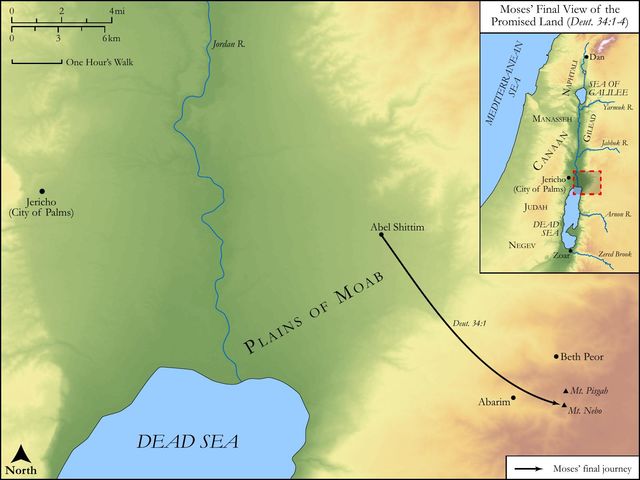
The historical setting is the plains of Moab, positioned on the eastern bank of the Jordan River, as the Israelite nation stands poised to cross into the land of Canaan. This particular generation, having personally witnessed the arduous wilderness wanderings and the stark consequences of their parents' rebellion, is on the cusp of inheriting the land promised to their esteemed ancestors. In Scripture, covenants were attested by witnesses—often inanimate objects, written documents, or natural landmarks—that stood for the terms of an agreement and any subsequent breaches, as with the heap of stones between Jacob and Laban. The concept of a "song" functioning as a witness aligns with this practice, as songs were an exceptionally powerful and memorable medium for transmitting crucial information, preserving historical narratives, and conveying legal stipulations across generations in predominantly oral cultures. Through Moses, God institutes an ingenious mechanism to ensure that Israel's future disobedience could not be excused by ignorance, but would instead be met with an internal, self-incriminating testimony, deeply embedded within their communal memory.
Key Themes
ShowHideDeuteronomy 31:19 profoundly contributes to several overarching theological and narrative themes woven throughout Deuteronomy and the broader Pentateuch. Firstly, it powerfully highlights Divine Foresight and Omniscience, unequivocally demonstrating God's perfect and comprehensive knowledge of Israel's future spiritual decline and inevitable apostasy, even before they set foot in the promised land. This foreknowledge is not merely passive but active, informing His strategic commands. Secondly, the verse underscores the paramount Importance of God's Word and its Preservation, as the song becomes a divinely ordained means to embed truth, warning, and covenant stipulations into the very fabric of the nation's collective memory, thereby ensuring their accountability. This aligns seamlessly with the broader Deuteronomic emphasis on diligently teaching the Law to future generations, as seen in Deuteronomy 6:7. Thirdly, the song functions as a Covenant Witness and Legal Testimony, emphasizing the solemnity, binding nature, and judicial implications of the covenant relationship between Yahweh and Israel. It serves as an internal "prosecutor" or enduring evidence against them, ensuring that their future actions will be judged against their own recited and internalized knowledge, as explicitly detailed in Deuteronomy 32:46-47.
Exposition and Analysis
ShowHideKey Word Analysis
ShowHideThe Hebrew verb כָּתַב (kâthab) signifies to engrave, inscribe, or write. Here, it denotes the imperative for a permanent, authoritative inscription of the song. This command emphasizes the divine intention for the song's precise preservation, ensuring its accurate transmission through time, unlike a purely oral tradition which might be subject to alteration. The act of writing elevates the song to the status of a formal, enduring document, akin to the written Law itself, thereby lending it legal and prophetic weight.
The Hebrew term שִׁיר (shîyr) refers to a poetic composition, often intended for musical performance or rhythmic recitation. In this context, it transcends mere entertainment, serving as a didactic and prophetic oracle. This "song" is a meticulously crafted literary piece designed for memorization and communal recitation, functioning as a powerful mnemonic device for theological instruction and historical remembrance. Its purpose is the preservation and transmission of vital truth, articulating God's character, His unwavering faithfulness, and Israel's anticipated unfaithfulness, along with the inevitable consequences.
The Hebrew word עֵד (ʻêd) carries profound legal connotations, referring to a testimony, evidence, or an individual who provides testimony in a judicial setting. Here, the song itself is personified, acting as an irrefutable piece of evidence that will stand "against" the children of Israel. This implies that the song will serve as a perpetual, internal reminder of God's warnings and Israel's solemn covenant obligations, ensuring that their future disobedience cannot be attributed to ignorance or a lack of divine warning. It functions as a permanent, self-incriminating record of the divine-human agreement and its anticipated breach.
Verse Breakdown
ShowHide"Now therefore write ye this song for you,"
This is a direct, imperative divine command issued to Moses and Joshua (implied from the preceding verses, particularly Deuteronomy 31:14). The command "write" (כִּתְבוּ, kitvu) underscores the critical importance of its permanent inscription, ensuring its accurate preservation for all generations. The phrase "for you" (לָכֶם, lakhem) suggests that this song is intended for the benefit and instruction of the entire community, to be deeply internalized and owned by the people, not merely an external legal document.
"and teach it the children of Israel:"
The divine mandate extends beyond mere composition to active, diligent instruction. The imperative "teach" (לַמְּדֻהָ, lammeduhah) implies a thorough, repeated process of instruction, ensuring that the entire nation, especially the successive younger generations, would learn, comprehend, and retain the song's profound content. This highlights the paramount importance of oral tradition in ancient Israel and God's deliberate intention for His word to be deeply ingrained in the people's collective consciousness and memory.
"put it in their mouths,"
This vivid and powerful idiom signifies complete internalization, ready articulation, and habitual recitation. It means the song should be so thoroughly memorized, understood, and assimilated that it becomes a natural and spontaneous part of their speech, thought, and communal life, readily available for recitation at any moment. This ensures its constant accessibility and pervasive presence, making it impossible for them to plausibly claim ignorance of its crucial message.
"that this song may be a witness for me against the children of Israel."
This concluding clause reveals the ultimate, profound, and prophetic purpose of the song. It is to serve as a perpetual, irrefutable testimony from God ("for me") that stands "against" (בָּם, bam, literally "in them" or "against them") the Israelites. This "witness" anticipates their future apostasy and covenant infidelity, serving as an enduring reminder of God's foreknowledge and their inescapable accountability for breaking the covenant. It ensures that when they inevitably stray, the song itself will rise up as an irrefutable indictment, proving that they were comprehensively warned and fully knew the solemn consequences of their actions.
Literary Devices
ShowHideDeuteronomy 31:19 masterfully employs several potent literary devices to convey its profound message. Personification is strikingly evident in the concept of the "song" acting as a "witness," imbuing an inanimate object with the active agency and judicial function of a legal accuser. This elevates the song beyond a mere composition to an active participant in God's righteous dealings with Israel. The phrase "put it in their mouths" is a powerful idiom or metonymy, where a physical action (placing something into the mouth) serves as a vivid representation of a deeper spiritual and intellectual internalization (thorough memorization, profound understanding, and ready articulation). This emphasizes the profound level of engagement and assimilation God expects with His divine word. Furthermore, the entire command functions as a clear instance of Foreshadowing, as it explicitly anticipates Israel's future disobedience and the subsequent, critical need for this song to serve as an enduring testimony against them. This prophetic element powerfully highlights God's omniscience and the predetermined, vital role of the song in the unfolding divine-human drama. The pervasive legalistic language of "witness" also introduces a compelling legal metaphor, framing the covenant relationship in terms of a binding agreement with clearly stipulated terms and inevitable consequences, where the song functions as an enduring, self-incriminating piece of evidence.
Theological and Thematic Connections
ShowHideDeuteronomy 31:19 profoundly illustrates God's unwavering commitment to His covenant, even in His divine foreknowledge of Israel's impending unfaithfulness. It reveals a God who meticulously provides ample warning and meticulously ensures accountability, thereby demonstrating His perfect justice in harmonious conjunction with His steadfast love and grace. The song serves as a tangible, divinely ordained expression of God's fervent desire for His people to remain in an enduring covenant relationship, providing a constant, internal reminder of their sacred obligations and the dire consequences of straying from His path. This divine strategy underscores the enduring power, absolute necessity, and living efficacy of God's word as a witness—not only to His immutable character and divine commands but also to humanity's inherent responsibility and accountability. It teaches us that God's truth is not merely for intellectual assent or academic study but for deep, transformative internalization, profoundly shaping our lives and serving as the ultimate standard by which we are held accountable before Him.
Reflection and Application
ShowHideDeuteronomy 31:19 offers a profoundly insightful lesson on the very nature of divine communication and the inherent reality of human accountability. Just as God meticulously commanded a specific song to be written and diligently taught to the Israelites as a perpetual, internal witness, so too has He graciously given us His complete, inspired, and infallible Word, the Bible, as a comprehensive witness to His majestic character, His sovereign will, and His glorious redemptive plan for humanity. This verse challenges each of us to deeply consider the true depth of our engagement with Holy Scripture. Are we merely reading it superficially, or are we earnestly allowing it to be "put in our mouths"—meaning, are we internalizing, memorizing, meditating upon, and allowing it to become a living, transformative part of our daily lives and deepest convictions? The Song of Moses served as a stark reminder of Israel's covenant obligations and the inevitable consequences of disobedience. For us today, God's inspired Word serves as an infallible guide for righteous living, an inexhaustible source of comfort and wisdom, and a prophetic warning against straying from His perfect path. It powerfully reminds us that our knowledge of God's truth brings with it a profound and inescapable responsibility. We are unequivocally called not only to hear but to heed, not only to read but to live by every word, so that the Word becomes a faithful witness for us, guiding us in steadfast faithfulness and true righteousness, rather than a condemning witness against us in future judgment.
Questions for Reflection
ShowHideFAQ
ShowHideWhy did God command a "song" specifically, rather than just another written law or warning?
ShowHideGod commanded a song for several profoundly strategic reasons, leveraging the unique, inherent properties of music and poetry within ancient oral cultures. Songs are intrinsically memorable, rhythmic, and easily transmitted across generations, making them an unparalleled medium for embedding crucial truths, warnings, and historical narratives deep within a community's collective memory. Unlike a dry, static legal text, a song could be sung, recited, and passed down through communal gatherings and daily life, thereby becoming a living, dynamic part of their cultural and spiritual heritage. This ensured that the profound message of God's covenant, His unwavering faithfulness, and Israel's anticipated unfaithfulness would not be forgotten, even if written texts were lost, ignored, or became inaccessible. The emotional resonance and communal nature of song also meant it could evoke deeper reflection, conviction, and serve as a more potent "witness" when the people eventually strayed, powerfully reminding them of the very words they had sung and heard from childhood. The full content of this divinely ordained song is found in Deuteronomy 32, demonstrating its comprehensive theological, historical, and prophetic scope.
Christ-Centered Fulfillment
ShowHideDeuteronomy 31:19, with its profound emphasis on a divinely commanded song serving as a witness against a disobedient Israel, finds its ultimate and most profound Christ-centered fulfillment in the New Testament. The Old Covenant Law, including this prophetic song, served as a "tutor" or "guardian" (παιδαγωγός, paidagogos) to lead humanity to Christ, meticulously revealing humanity's inherent inability to perfectly keep God's righteous commands and thereby highlighting the desperate need for a Savior (Galatians 3:24). While the Song of Moses testified to Israel's inevitable failure and the dire consequences of their sin, Jesus Christ stands as the ultimate, perfect, and faithful "witness" (Revelation 1:5), not against humanity in condemnation, but for humanity in glorious redemption. He is the living Word of God made flesh (John 1:14), who perfectly fulfilled every demand of the Law and bore its curses on the cross, thereby irrevocably removing the "certificate of debt" that stood as a witness against us, which was our sin (Colossians 2:14). Through His unparalleled atoning sacrifice, the condemnation that the Law and its warnings (like this song) pointed to is fully satisfied and eternally removed. Now, the "new song" sung by the redeemed in Christ (Revelation 5:9) is one of triumphant praise for God's boundless salvation found exclusively in Christ—a testament not to our failure, but to His triumphant grace, perfect faithfulness, and eternal victory.