


Revelation 22:21
- ἩHēTheG3588T-NSFDefinite article Nominative Singular Feminine
- χάριςcharisgraceG5485N-NSFNoun Nominative Singular Feminine
- τοῦtouof theG3588T-GSMDefinite article Genitive Singular Masculine
- κυρίουkuriouLordG2962N-GSM-TNoun Genitive Singular Masculine Title
- ημῶνēmōnof usG3165P-1GPPersonal pronoun Genitive 1st Plural
- ἸησοῦIēsouJesusG2424N-GSM-PNoun Genitive Singular Masculine Individual
- ΧριστοῦChristouChristG5547N-GSM-TNoun Genitive Singular Masculine Title
- μετὰmeta[be] withG3326PREPPreposition
- πάντωνpantōnallG3956A-GPMAdjective Genitive Plural Masculine
- ὑμῶνhumōnof youG4771P-2GPPersonal pronoun Genitive 2nd Plural
- ἀμήνamēnAmenG281INJ-HEBInterjection
English is a literal word-by-word gloss of the Greek, not the KJV's wording. Why?
This is the original text the KJV's translators worked from — each Greek word with its own literal English meaning in this verse, prepared by scholars at Tyndale House, Cambridge. The KJV translates whole sentences, not word by word, so its wording differs: one Greek word can become several English words, and the KJV may choose “charity” where the gloss reads “love”. Both are faithful — they answer different questions. For the KJV's own rendering, switch to the KJV text.
Details
See on the biblical-era map

Study this verse
Public-domain commentary
Matthew Henry
From his Commentary on the Whole Bible. Henry comments on passages, not single verses — this entry covers Revelation 22:20–21. His two-level outline is real structure in the source text, so it is rendered as structure.
We have now come to the conclusion of the whole, and that in three things: -
I.Christ's farewell to his church.
He seems now, after he has been discovering these things to his people on earth, to take leave of them, and return to heaven; but he parts with them in great kindness, and assures them it shall not be long before he comes again to them: Behold, I come quickly. As when he ascended into heaven, after his resurrection, he parted with a promise of his gracious presence, so here he parts with a promise of a speedy return. If any say, "Where is the promise of his coming, when so many ages have passed since this was written?" let them know he is not slack to his people, but long-suffering to his enemies: his coming will be sooner than they are aware, sooner than they are prepared, sooner than they desire; and to his people it will be seasonable. The vision is for an appointed time, and will not tarry. He will come quickly; let this word be always sounding in our ear, and let us give all diligence that we may be found of him in peace, without spot and blameless.
II.The church's hearty echo to Christ's promise,
1.Declaring her firm belief of it: Amen, so it is, so it shall be.
2.Expressing her earnest desire of it: Even so, come, Lord Jesus; make hast, my beloved, and be thou like a roe, or like a young hart on the mountain of spices. Thus beats the pulse of the church, thus breathes that gracious Spirit which actuates and informs the mystical body of Christ; and we should never be satisfied till we find such a spirit breathing in us, and causing us to look for the blessed hope, and glorious appearance of the great God and our Saviour Jesus Christ. This is the language of the church of the first-born, and we should join with them, often putting ourselves in mind of his promise. What comes from heaven in a promise should be sent back to heaven in a prayer, "Come, Lord Jesus, put an end to this state of sin, sorrow, and temptation; gather thy people out of this present evil world, and take them up to heaven, that state of perfect purity, peace, and joy, and so finish thy great design, and fulfil all that word in which thou hast caused thy people to hope."
Historical interpretation
Three Centuries of Reception
3 surviving comments on this verse. Each one is dated, so this reads as a timeline rather than a list.
Select a marker to jump to its quote. Markers stagger vertically where authors wrote within a few decades of each other.
The grace of our Lord Jesus Christ be with you all. Amen. Let the Pelagians go and, trusting in their own strength, deprive themselves of the grace of the Lord. But to the Apostle Paul, seeking help and saying: "Who will deliver me from this body of death?" (Rom. VII), let John, mindful of his own name, respond and say: "The grace of God through Jesus Christ our Lord" (Rom. VII). And lest the Donatists boast of the singular gift of God, let them hear that when he commended the grace of God, as if saying a final farewell, he added, "with you all." Amen.
Amen. Even so, come, Lord Jesus. She who daily cries out in prayer: "Your kingdom come" (Matt. VI). And in the psalm: "I will sing and give praise in the way of integrity. When will you come to me?" (Ps. CI).
For the profane have already been shut out from the conduct of the holy and from entrance into the spiritual Jerusalem. But how could the grace of Christ our God come upon those who have been proclaimed? Make us partakers of it, Christ, through your goodness alone; for it befits you to be glorified now and ever and unto the ages. Amen.
Continue studying Revelation 22:21 across the web’s major study libraries — every link below opens this exact verse, chapter, or book on the destination site.
Read & Compare
 BibleGatewayThis verse in more than 200 translations and 70 languages.
 Bible.comThe YouVersion reader — hundreds of translations, reading plans, and highlights.
 ESV.orgCrossway's official English Standard Version reader.
 NET BibleThe NET translation with 60,000+ translators' notes on every rendering decision.
 STEP BibleTyndale House's free study tool — original text, vocabulary, and scholarly resources.
 BibliaLogos Bible Software's free web reader.
 USCCBThe New American Bible (Revised Edition) with the U.S. bishops' study notes.
Commentaries
 BibleHub CommentariesDozens of classic commentaries on this verse, gathered on one page.
 StudyLightMore than 100 commentary sets — the largest collection on the web.
 BibleRefPlain-English commentary on what this verse means, verse by verse.
 Enduring WordDavid Guzik's free commentary on this chapter, widely used by Bible teachers.
 Bible Study ToolsVerse commentary alongside Greek and Hebrew study aids.
Original Language & Research
- BibleHub InterlinearThe verse word by word — original language, transliteration, and English.
- BibleHub LexiconEvery word's original-language definition and Strong's entry.
 Blue Letter BibleDeep-study tools — Strong's numbers, concordance, and word studies.
 CNTR CollationThe earliest Greek manuscripts of this verse, collated letter by letter.
Sermons, Hymns & Audio


TrulyRandomVerse is not affiliated with these sites and doesn’t control their content. They’re linked because they’re genuinely useful.
Summary
Revelation 22:21 serves as the Bible's conclusive benediction, a succinct yet profound prayer from the Apostle John, divinely inspired, extending the unmerited favor of God through Jesus Christ to all who embrace the truths revealed in Scripture. This final verse encapsulates the core of the Christian faith, emphasizing the enduring presence of divine grace as the ultimate reality for believers, providing a comforting and hopeful close to the grand narrative of redemption.
Context
ShowHideLiterary Context
This verse stands as the climactic and concluding statement of the entire biblical canon, following the Book of Revelation's vivid prophecies of the new heaven and new earth, the glorious return of Christ, and the eternal state of believers. It immediately succeeds Jesus' personal assurance, "Surely I am coming soon," and John's fervent, Spirit-inspired response, "Amen. Come, Lord Jesus!" Revelation 22:20. The final blessing thus provides a serene and hopeful closure, transitioning from prophetic revelation to a personal, pastoral benediction that encompasses all readers. It acts as a powerful capstone, drawing together the themes of divine presence and ultimate victory.
Historical & Cultural Context
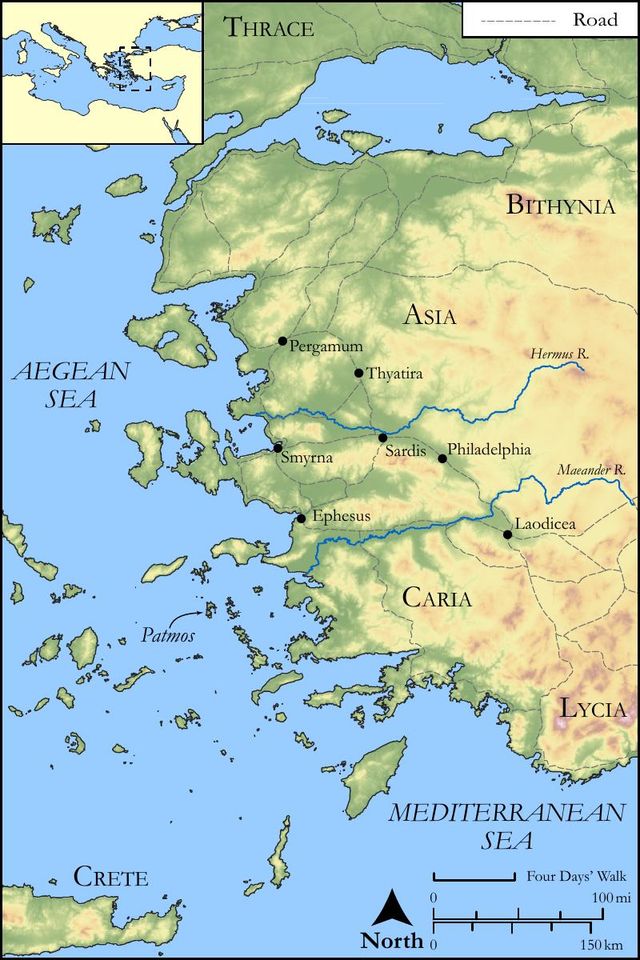
Written likely in the late first century AD, the Book of Revelation was addressed to seven churches in Asia Minor, facing persecution and spiritual challenges under Roman imperial rule. John, exiled on Patmos, received and recorded these visions to offer hope, warning, and encouragement to believers. The use of a final benediction was a common practice in ancient letters and literary works, serving as a formal and personal farewell. The concept of "grace" (Greek: charis) was deeply understood in the Greco-Roman world as favor or goodwill, but within the biblical context, it takes on a unique theological depth, signifying God's unmerited, active, and transformative love, a concept central to the New Testament's understanding of salvation and divine-human relationship. The "Amen" is a direct transliteration from Hebrew, a customary and powerful affirmation used in Jewish liturgy and early Christian worship to express agreement and certainty.
Key Themes
ShowHideThis concluding verse powerfully reinforces several overarching themes found throughout Revelation and the broader biblical narrative. The primary theme is Divine Grace, highlighting God's unmerited favor as the foundation of salvation and sustained Christian living, a concept beautifully articulated in passages like Ephesians 2:8-9. It underscores the Centrality of Christ, as the grace is specifically attributed to "our Lord Jesus Christ," affirming His role as the mediator and source of all spiritual blessings. The phrase "be with you all" emphasizes the Universal Application of this blessing, extending God's favor to all believers across time and space who embrace the truth revealed in Scripture, echoing the Great Commission's global scope Matthew 28:19-20. Finally, the closing "Amen" serves as a powerful Affirmation and Certainty, signifying a heartfelt endorsement of the blessing, a confident expectation of its fulfillment, and a final declaration of faith and agreement, mirroring similar affirmations throughout the Psalms and prophetic books.
Exposition and Analysis
ShowHideKey Word Analysis
ShowHideThis term signifies divine favor, unmerited kindness, and benevolent goodwill. In the New Testament, it primarily refers to God's unearned and active love towards humanity, especially through Christ, which is the foundation of salvation and empowers Christian living. It encompasses the idea of a gift freely given, bringing joy and benefit.
Denotes supreme authority and control, often used as a respectful title for a master or sovereign. When applied to Jesus, it affirms His divine sovereignty, His rightful claim to worship and obedience, and His position as the ultimate ruler over all creation.
A transliteration of a Hebrew word (אָמֵן) meaning "firm," "trustworthy," or "surely." As an interjection, it functions as a solemn affirmation, expressing agreement, endorsement, or the fervent wish "so be it." In this concluding verse, it underscores the certainty and truth of the preceding blessing.
Verse Breakdown
ShowHide"The grace of our Lord Jesus Christ"
This opening phrase identifies the source and nature of the blessing. "Grace" (cháris) is God's unmerited favor, the divine enabling power and benevolent disposition that is freely given, not earned. It is specifically attributed to "our Lord Jesus Christ," emphasizing His unique role as the mediator and embodiment of this divine favor. He is not merely the channel, but the very personification of God's saving and sustaining grace. The possessive "our" highlights the personal relationship believers have with Him.
"be with you all"
This clause expresses the intended scope and enduring presence of the blessing. The "you all" signifies a universal application, extending to all readers and hearers of the Book of Revelation, and by extension, all believers throughout history. The verb "be with" implies a continuous, active presence, suggesting that this grace is not a one-time bestowal but an abiding reality that accompanies believers in all circumstances, providing strength, comfort, and guidance.
"Amen."
This final word serves as a powerful affirmation and seal on the entire book. Originating from Hebrew, "Amen" means "so be it," "truly," or "it is true." In this context, it functions as a solemn endorsement of the preceding blessing, expressing a fervent desire for its fulfillment and a confident declaration of its truth and certainty. It is a final, emphatic declaration of faith and agreement with the divine message.
Literary Devices
ShowHideRevelation 22:21 masterfully employs several literary devices to achieve its profound concluding effect. Primarily, it functions as a Benediction, a formal and solemn blessing that invokes divine favor. This is a common biblical literary form, especially at the close of epistles and books, designed to impart peace and assurance. The verse also serves as a powerful instance of Inclusio for the entire biblical canon; just as grace is foundational at the beginning of the New Testament's narrative of salvation, it also provides the ultimate, comforting conclusion. The final "Amen" acts as a definitive Affirmation, not only confirming the truth of the blessing but also sealing the entirety of the prophetic revelation contained within the book. It is a concise yet comprehensive Summary of the gospel message, distilling the vast narrative of God's interaction with humanity down to the essential truth of His unmerited favor through Christ.
Theological and Thematic Connections
ShowHideThe concluding benediction of Revelation 22:21 powerfully encapsulates the overarching theme of God's redemptive plan, which is fundamentally rooted in His grace. This grace, mediated through Jesus Christ, is the consistent thread woven throughout all of Scripture, from the initial promise of redemption in Eden to the final vision of the New Creation. It underscores that humanity's salvation, sustenance, and ultimate hope are not dependent on human merit or works, but solely on God's benevolent, unearned favor. This final declaration reminds believers that despite the trials and tribulations foretold, God's enduring grace is the ultimate reality and the source of all blessing, empowering them to persevere until Christ's glorious return. It is a reminder that the story of God's interaction with humanity begins and ends with His boundless love and mercy.
Reflection and Application
ShowHideRevelation 22:21 offers profound comfort and a powerful call to live in the reality of God's enduring favor. It reminds us that no matter the challenges or uncertainties of life, the grace of our Lord Jesus Christ is always present, sufficient, and active in the lives of believers. This final blessing encourages us to rest in the finished work of Christ, knowing that our standing with God is secured not by our performance, but by His unmerited kindness. It invites us to live lives characterized by gratitude, humility, and confident hope, knowing that the same grace that initiated our salvation will sustain us through every trial and ultimately usher us into His eternal presence. This verse serves as a timeless reminder that the Christian journey is one lived from grace, through grace, and unto grace, culminating in the glorious return of our Lord.
Questions for Reflection
ShowHideFAQ
ShowHideWhy is Revelation 22:21 considered the very last verse of the Bible?
ShowHideRevelation 22:21 is the final verse of the Book of Revelation, which is the last book in the traditional Protestant canon of the Bible. It serves as a concluding benediction, a final blessing from the Apostle John to the readers, effectively sealing the entire biblical narrative. Its placement provides a fitting and hopeful close to the grand story of God's redemption, culminating in the assurance of Christ's grace. While some ancient manuscripts might have minor textual variations, this verse consistently marks the end of the book in virtually all modern Bibles.
What is the significance of "Amen" at the very end of the Bible?
ShowHideThe "Amen" at the end of Revelation 22:21 is a powerful and fitting conclusion. Originating from Hebrew, it signifies "so be it," "truly," or "it is true." Its inclusion here acts as a solemn affirmation and seal on the entire message of the Bible, from creation to consummation. It expresses the certainty and truthfulness of all that has been revealed, including the promises of Christ's return and the assurance of His grace. It also serves as a final, collective "yes" from the inspired writer, inviting all readers to likewise affirm the truth and power of God's Word. This final "Amen" echoes the "Amen" of Christ Himself, who is called "the Amen, the faithful and true witness" in Revelation 3:14.
Christ-Centered Fulfillment
ShowHideRevelation 22:21, as the Bible's final verse, powerfully culminates the Christ-centered narrative of redemption. The "grace of our Lord Jesus Christ" is not merely a benevolent sentiment but the very essence of God's redemptive work, fully embodied and accomplished in Jesus. His incarnation John 1:14, sinless life, atoning death on the cross Romans 5:8, and glorious resurrection 1 Corinthians 15:3-4 are the ultimate expressions of this unmerited favor. Through His finished work, Christ became the conduit through whom God's grace flows to humanity, offering forgiveness, reconciliation, and eternal life. This concluding benediction reminds us that the entire biblical story points to Jesus as the source and dispenser of all spiritual blessings, the one who brings God's promises to fruition. His grace is the empowering presence that sustains believers through all trials and will ultimately usher them into the new heavens and new earth, where they will dwell with Him forever Revelation 21:3-4. Thus, the Bible closes not with judgment, but with the triumphant declaration of Christ's enduring grace, the unwavering foundation of our hope and the guarantee of our future with Him.