


Numbers 17:2
Bible text: King James Version (1769 Blayney text) · Public domain
Bible text: King James Version with Strong's numbers · Public domain
Bible text: Berean Standard Bible · Public domain
Bible text: American Standard Version (1901) · Public domain
Bible text: World English Bible, Messianic edition · Public domain
Bible text: Geneva Bible (1599) · Public domain
Bible text: Young's Literal Translation · Public domain
- דַּבֵּרda·BerspeakH1696V-Piel-Imp-2msVerb Piel Imperative 2nd Singular Masculine
- אֶל'eltoH413PrepPreposition
- בְּנֵיbe·Nei[the] people ofH1121N-mpcNoun Plural Masculine Construct
- יִשְׂרָאֵלYis·ra·'ElIsraelH3478N-properNoun Proper Location
- וְקַחve·Kachand takeH3947Conj-w ¦ V-Qal-Imp-2msVerb Qal Imperative 2nd Singular Masculineוְandקַחtake
- מֵאִתָּםme·'i·Tamfrom with themH854Prep-m ¦ DirObjM ¦ 3mpParticle Object Indicatorמֵfromאִתָּwithםthem
- מַטֶּהma·Teha rodH4294N-msNoun Singular Masculine Absolute
- מַטֶּהma·Teha rodH4294N-msNoun Singular Masculine Absolute
- לְבֵיתle·Veitfor [the] house ofH1004Prep-l ¦ N-mscNoun Singular Masculine Constructלְforבֵית[the] house of
- אָב'avan ancestorH1N-msNoun Singular Masculine Absolute
- מֵאֵתme·'Etfrom withH854Prep-m ¦ DirObjMParticle Object Indicatorמֵfromאֵתwith
- כָּלkolallH3605N-mscNoun Singular Masculine Construct
- נְשִׂיאֵהֶםne·si·'e·Hemtheir leadersH5387N-mpc ¦ 3mpNoun Plural Masculine Constructנְשִׂיאֵleadersהֶםtheir
- לְבֵיתle·Veitto [the] house ofH1004Prep-l ¦ N-mscNoun Singular Masculine Constructלְtoבֵית[the] house of
- אֲבֹתָם'a·vo·Tamtheir ancestorsH1N-fpc ¦ 3mpNoun Plural Feminine Constructאֲבֹתָancestorsםtheir
- שְׁנֵיםshe·Neimtwo [plus]H8147Adj-cdAdjective Numerical Dual common gender Absolute
- עָשָׂר'a·SartenH6240Adj-csAdjective Numerical Singular common gender Absolute
- מַטּוֹתma·TotrodsH4294N-fpNoun Plural Feminine Absolute
- אִישׁ'isheachH376N-msNoun Singular Masculine Absolute
- אֶת'et<obj.>H853DirObjMParticle Object Indicator
- שְׁמוֹshe·Mohis nameH8034N-msc ¦ 3msNoun Singular Masculine Constructשְׁמnameוֹhis
- תִּכְתֹּבtikh·Toyou will writeH3789V-Qal-Imperf-2msVerb Qal Imperfect 2nd Singular Masculine
- עַל'alonH5921PrepPreposition
- מַטֵּהוּma·Te·huhis rodH4294N-msc ¦ 3msNoun Singular Masculine Constructמַטֵּrodהוּhis
English is a literal word-by-word gloss of the Hebrew, not the KJV's wording. Why?
This is the original text the KJV's translators worked from — each Hebrew word with its own literal English meaning in this verse, prepared by scholars at Tyndale House, Cambridge. The KJV translates whole sentences, not word by word, so its wording differs: one Hebrew word can become several English words, and the KJV may choose “the LORD” where the gloss reads “Yahweh”. Both are faithful — they answer different questions. For the KJV's own rendering, switch to the KJV text.
Details
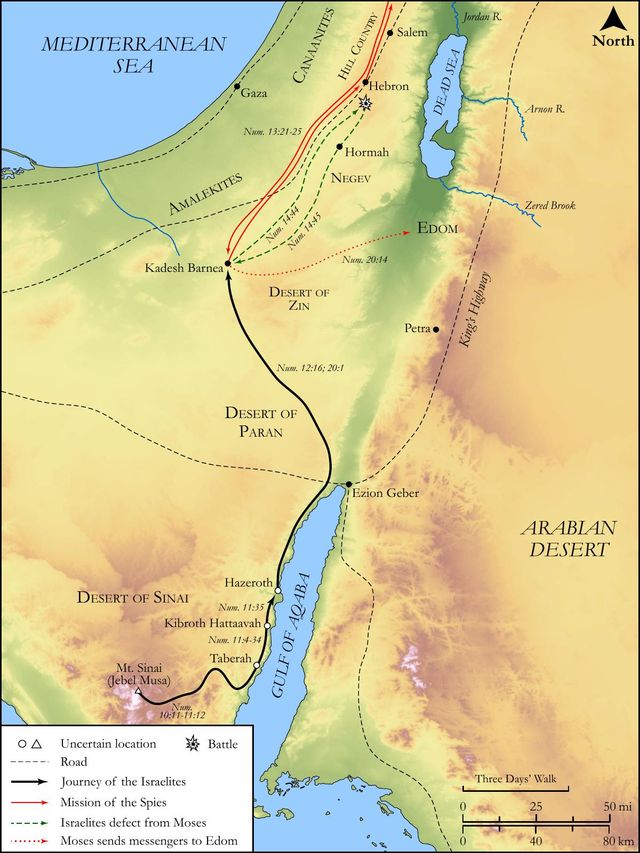
See on the biblical-era map
Study this verse
Public-domain commentary
Matthew Henry
From his Commentary on the Whole Bible. Henry comments on passages, not single verses — this entry covers Numbers 17:1–7.
Here we have, I. Orders given for the bringing in of a rod for every tribe (which was peculiarly significant, for the word here used for a rod sometimes signifies a tribe, as particularly Num 34:13), that God by a miracle, wrought on purpose, might make it known on whom he had conferred the honour of the priesthood. 1. It seems then the priesthood was a preferment worth seeking and striving for, even by the princes of the tribes. It is an honour to the greatest of men to be employed in the service of God. Yet perhaps these contended for it rather for the sake of the profit and power that attended the office than for the sake of that in it which was divine and sacred. 2. It seems likewise, after all that had been done to settle this matter, there were those who would be ready upon any occasion to contest it. They would not acquiesce in the divine appointment, but would make an interest in opposition to it. They strive with God for the dominion; and the question is whose will shall stand. God will rule, but Israel will not be ruled; and this is the quarrel. 3. It is an instance of the grace of God that, having wrought divers miracles to punish sin, he would work one more on purpose to prevent it. God has effectually provided that the obstinate shall be left inexcusable, and every mouth shall be stopped. Israel were very prone to murmur both against God and against their governors. "Now," said God, "I will make to cease from me the murmurings of the children of Israel, Num 17:5. If any thing will convince them, they shall be convinced; and, if this will not convince them, nothing will." This was to be to them, as Christ said the sign of the prophet Jonas (that is, his own resurrection) should be to the men of that generation, the highest proof of his mission that should be given them. The directions are, (1.) That twelve rods or staves should be brought in. It is probable that they were not now fresh cut out of a tree, for then the miracle would not have been so great; but that they were the staves which the princes ordinarily used as ensigns of their authority (of which we read Num 21:18), old dry staves, that had no sap in them, and it is probable that they were all made of the almond-tree. It should seem they were but twelve in all, with Aaron's, for, when Levi comes into the account, Ephraim and Manasseh make but one, under the name of Joseph. (2.) That the name of each prince should be written upon his rod, that every man might know his own, and to prevent contests. Writing is often a good preservative against strife, for what is written may be appealed to. (3.) That they should be laid up in the tabernacle, for one night, before the testimony, that is, before the ark, which, with its mercy seat, was a symbol, token, or testimony, of God's presence with them. (4.) They were to expect, being told it before, that the rod of the tribe, or prince, whom God chose to the priesthood, should bud and blossom, Num 17:5. It was requisite that they should be told of it, that it might appear not to be casual, but according to the counsel and will of God.
II.The preparing of the rods accordingly.
The princes brought them in, some of them perhaps fondly expecting that the choice would fall upon them, and all of them thinking it honour enough to be competitors with Aaron, and to stand candidates, even for the priesthood (Num 17:7); and Moses laid them up before the Lord. He did not object that the matter was sufficiently settled already, and enough done to convince those that were not invincibly hardened in their prejudices. He did not undertake to determine the controversy himself, though it might easily have been done; nor did he suggest that it would be to no purpose to offer satisfaction to a people that were willingly blind. But, since God will have it so, he did his part, and lodged the case before the Lord, to whom the appeal was made by consent, and left it with him.
Historical interpretation
Historical reception
1 surviving comment on this verse from the historical church.
We can also learn from other sources how awesome was the dignity of the priesthood. Indeed, there was a day when some wicked and evil men revolted against Aaron, quarreled with him over his position in the community and tried to drive him from his leadership. Moses, the mildest of men, wanted to persuade them by the facts themselves that he had not brought Aaron to the leadership because he was a brother, relative or member of his family but that it was in obedience to God’s decree that he had entrusted the priesthood to him. So he ordered each tribe to bring a staff, and Aaron was instructed to do the same.When each tribe had brought a staff, Moses took all of them and put them inside the meeting tent. Once he had put them there, he gave orders that they await the decision of God which would come to them through those staves. Then all the other staves kept their same appearance, but a single one—Aaron’s—blossomed and put forth leaves and fruit. So the Lord of nature used leaves instead of letters to teach them that he had again elected Aaron.
Continue studying Numbers 17:2 across the web’s major study libraries — every link below opens this exact verse, chapter, or book on the destination site.
Read & Compare
 BibleGatewayThis verse in more than 200 translations and 70 languages.
 Bible.comThe YouVersion reader — hundreds of translations, reading plans, and highlights.
 ESV.orgCrossway's official English Standard Version reader.
 NET BibleThe NET translation with 60,000+ translators' notes on every rendering decision.
 STEP BibleTyndale House's free study tool — original text, vocabulary, and scholarly resources.
 BibliaLogos Bible Software's free web reader.
 USCCBThe New American Bible (Revised Edition) with the U.S. bishops' study notes.
Commentaries
 BibleHub CommentariesDozens of classic commentaries on this verse, gathered on one page.
 StudyLightMore than 100 commentary sets — the largest collection on the web.
 BibleRefPlain-English commentary on what this verse means, verse by verse.
 Enduring WordDavid Guzik's free commentary on this chapter, widely used by Bible teachers.
 Bible Study ToolsVerse commentary alongside Greek and Hebrew study aids.
Original Language & Research
- BibleHub InterlinearThe verse word by word — original language, transliteration, and English.
- BibleHub LexiconEvery word's original-language definition and Strong's entry.
 Blue Letter BibleDeep-study tools — Strong's numbers, concordance, and word studies.
 SefariaThe Hebrew text with Rashi and centuries of Jewish commentary.
Sermons, Hymns & Audio


TrulyRandomVerse is not affiliated with these sites and doesn’t control their content. They’re linked because they’re genuinely useful.
Summary
Numbers 17:2 sets in motion a pivotal divine test, meticulously orchestrated by God to unequivocally validate His chosen leadership within Israel, specifically the Aaronic priesthood. This command directly addresses the persistent rebellion and murmuring that plagued the Israelite community following the severe judgment on Korah and his co-conspirators. Moses is instructed to gather a rod from each of the twelve tribal princes, with each rod bearing the name of its respective leader, thereby preparing the stage for a miraculous and irrefutable demonstration of divine authentication designed to permanently silence all further challenges to God's appointed authority.
Context
ShowHideLiterary Context
This divine directive in Numbers 17:2 is a direct and immediate response to the profound crisis of authority detailed in Numbers 16. The preceding chapter chronicles the audacious rebellion of Korah, Dathan, and Abiram, who challenged the divinely established leadership of Moses and Aaron, asserting that "all the congregation are holy." God's swift and terrifying judgment, which included the earth swallowing the rebels and fire consuming 250 incense-offering leaders, was followed by a devastating plague that afflicted 14,700 Israelites who continued to grumble against Moses and Aaron (Numbers 16:41-49). Despite these overwhelming displays of divine wrath and vindication, the people's deep-seated resistance to God's chosen mediators persisted. Therefore, Numbers 17 introduces God's final, undeniable, and miraculous sign, a tangible and visual confirmation of His exclusive selection for the priesthood, intended to put an end to all future disputes and establish His divine order once and for all.
Historical & Cultural Context
In Israel, staffs or rods were ubiquitous symbols of authority, leadership, and tribal identity. Rulers, shepherds, and elders prominently carried them as emblems of their office, power, and the right to govern or guide. For the nomadic Israelites in the wilderness, a rod was a common, everyday implement, making its miraculous transformation in the subsequent verses all the more striking and accessible to the entire community. The instruction to gather rods "according to the house of their fathers" underscores the patriarchal and tribal social structure of Israel, where lineage and ancestral identity were paramount. The princes represented their entire tribal "house," making their participation a collective act of submission to divine arbitration. This period was a critical juncture in Israel's wilderness journey, characterized by frequent rebellion, a struggle for the people to fully embrace God's covenant, and a deep-seated resistance to His appointed mediators. The test of the rods was designed as a public, irrefutable act, witnessed by all, to instill order, respect, and unwavering submission to divine appointments.
Key Themes
ShowHideNumbers 17:2 contributes significantly to several foundational themes woven throughout the book of Numbers and the broader Pentateuch. Foremost among these is the Divine Confirmation of Leadership, particularly the unique and exclusive role of the Aaronic priesthood. This act aims to definitively silence all challenges to Aaron's legitimacy, as God explicitly declares His intention to choose whom He will (Numbers 17:5), thereby establishing an unchallengeable divine mandate. Another crucial theme is God's Sovereignty and Order, demonstrating that divine authority is not subject to human consensus, democratic processes, or rebellious challenges, but is established solely by God's decree. The collection of rods from "all their princes" also highlights Tribal Representation and Unity, as each tribe participates in and witnesses this definitive act, underscoring the collective nature of the covenant community and their imperative to acknowledge God's chosen structure for their governance and worship. Finally, the meticulous instruction to "write thou every man's name upon his rod" emphasizes Transparency and Accountability, ensuring that the miraculous outcome would be undeniably linked to specific individuals and their tribes, leaving no room for future doubt, accusation of manipulation, or claims of mistaken identity regarding God's chosen leader.
Exposition and Analysis
ShowHideKey Word Analysis
ShowHideThis versatile Hebrew term (מַטֶּה, H4294) literally means "staff," "branch," or "rod." However, its significance extends beyond a mere physical object. It also figuratively denotes a "tribe" (as a branch extending from a common root) or a "scepter of authority." In Numbers 17:2, this dual meaning is profoundly significant: each physical rod represents a "tribe" (a maṭṭeh of Israel), and the miraculous budding of Aaron's rod will confirm the divine authority (a maṭṭeh of leadership) vested in the Levites and Aaron's house within that tribal structure. It serves as a tangible symbol of both tribal identity and the power inherent in its leader.
The term (נָשִׂיא, H5387) refers to an "exalted one," a "prince," "chief," or "leader" of a tribe or clan. These individuals were the recognized heads of the patriarchal houses, men of standing, influence, and authority within their respective tribes, typically the eldest or most prominent figures. Their mandated participation in this act underscores the representative nature of the test; it was not merely individuals but the collective leadership of each tribe that was submitting to this divine arbitration, ensuring the entire nation was bound by the outcome.
The verb (כָּתַב, H3789) means "to grave," "to write," "to inscribe," or "to record." The explicit instruction to meticulously write each man's name on his rod is crucial for ensuring absolute transparency and preventing any possibility of fraud, substitution, or dispute regarding the rods. This act transforms a common, undifferentiated object into a uniquely identifiable item, making the subsequent miraculous budding of Aaron's rod an undeniable and personally attributable sign of God's chosen leader for the priesthood, thereby silencing all further murmuring and challenges to his authority.
Verse Breakdown
ShowHide"Speak unto the children of Israel, and take of every one of them a rod according to the house of [their] fathers"
This opening command underscores that the instruction originates directly from God, communicated through Moses, and is intended for the entire Israelite community. The directive to collect a rod "from every one of them" signifies the collective participation of the nation's leadership, ensuring that all tribes are represented in this decisive test. The phrase "according to the house of their fathers" reinforces the deep-rooted patriarchal and tribal structure of Israel, indicating that the rod is to be taken from the designated head or prince of each ancestral lineage, thereby representing the entire clan.
"of all their princes according to the house of their fathers twelve rods"
This clause clarifies and specifies the preceding instruction, identifying that the "every one of them" refers specifically to the twelve tribal princes, each serving as the representative head of his respective tribe. The precise number "twelve rods" corresponds to the twelve tribes of Israel (with Aaron's rod representing the tribe of Levi, though it is implicitly included in the total for the purpose of the test, ensuring comprehensive representation). This detail ensures that the test involves a full and complete representation of the entire nation's leadership, leaving no tribe unrepresented.
"write thou every man's name upon his rod"
This final, critical instruction is paramount for the integrity and transparency of the impending divine test. By inscribing each prince's name directly and unmistakably onto his specific rod, there can be no confusion, misidentification, or dispute about ownership once the rods are laid before the Lord. This meticulous detail makes the subsequent miraculous budding of Aaron's rod a clear, undeniable, and personally identifiable sign of God's chosen leader for the priesthood, effectively and permanently silencing all further murmuring, accusations, and challenges to his divinely appointed authority.
Literary Devices
ShowHideNumbers 17:2 masterfully employs several literary devices to convey its profound message and set the stage for the dramatic events that follow. The most prominent device is Symbolism, where the ordinary "rod" is transformed into a multifaceted symbol. Initially, it represents tribal identity and the authority of tribal leadership. However, in the context of the impending miracle, it also symbolizes life, divine vitality, and the supernatural authentication of God's chosen. The meticulous instruction to "write thou every man's name upon his rod" introduces the device of Transparency and Verification, ensuring the unimpeachable integrity of the divine test and leaving no room for human doubt or manipulation. The repetition of the phrase "according to the house of their fathers" functions as Emphasis, underscoring the deep-rooted patriarchal and tribal structure of Israel and highlighting the representative nature of the princes involved in this pivotal act. Furthermore, the entire setup of the test, especially when viewed against the backdrop of the preceding rebellion, functions as a form of Divine Arbitration, where God directly and miraculously intervenes to settle a profound dispute, thereby establishing divine order and unequivocally confirming His chosen authority.
Theological and Thematic Connections
ShowHideNumbers 17:2 stands as a profound testament to God's unwavering commitment to establishing and maintaining divine order within His covenant community, particularly regarding the sacred appointment of leadership. In the wake of persistent rebellion and the audacious challenging of Moses and Aaron's divinely ordained authority, God provides an irrefutable, miraculous sign to confirm His chosen servants. This act powerfully underscores that true spiritual authority originates solely from God's sovereign will, not from human popular opinion, self-proclamation, or any democratic process. It serves as a stark and sobering reminder that challenging God's chosen leaders, especially those He has explicitly authenticated, is, in essence, challenging God Himself. The passage demonstrates that God will decisively intervene to uphold His divine order, vindicate His servants, and silence all forms of dissent that undermine His established structures for His people.
Reflection and Application
ShowHideNumbers 17:2 presents a powerful and enduring narrative about the nature of divine authority and the persistent human tendency to question, resist, and even rebel against it. For contemporary believers, this passage serves as a vital reminder that leadership within the church, in its purest form, is ultimately a divine appointment, requiring not merely submission to individuals, but to the God who calls, equips, and empowers them. It challenges us to honestly examine our own hearts for any seeds of discontent, murmuring, or rebellion against legitimate spiritual authority, urging us instead towards humility, trust, and active support for those whom God has placed in positions of leadership. Just as God provided an undeniable, miraculous sign for Israel to quell their grumbling, He continues to confirm His chosen ones today through the discernible fruit of their ministry, their unwavering faithfulness to His Word, and the manifest anointing of His Holy Spirit. This passage profoundly encourages us to seek unity, peace, and order within the body of Christ, recognizing that our God is not the author of confusion but of peace and divine harmony.
Questions for Reflection
ShowHideFAQ
ShowHideWhy did God choose a rod as the instrument for this test of leadership?
ShowHideGod chose the rod (or staff) as the instrument for this pivotal test for several profound and highly symbolic reasons, making it an exceptionally effective means of divine authentication. Firstly, the rod was a common, everyday object, particularly for shepherds and leaders in ancient Israel, universally symbolizing authority, guidance, and sustenance. Moses himself used a rod as an instrument of divine power, transforming it into a serpent and performing other signs before Pharaoh (Exodus 4:2-4), and Aaron's rod was famously used to initiate several of the plagues in Egypt (Exodus 7:19). Secondly, the miraculous transformation of a dead, dry rod—causing it to bud, blossom, and bear ripe almonds overnight (Numbers 17:8)—was an undeniable supernatural event. This demonstration of God's power over life and death, bringing fruitfulness from barrenness, directly countered any accusations of human manipulation, providing irrefutable proof of divine selection. Finally, the rod was easily identifiable when inscribed with names, ensuring absolute transparency and accountability in the public display of God's sovereign choice, leaving no room for doubt or dispute among the tribes.
Christ-Centered Fulfillment
ShowHideNumbers 17:2, with its profound emphasis on divinely appointed leadership and the ultimate silencing of human rebellion through a miraculous sign, finds its most complete and glorious Christ-centered fulfillment in Jesus Christ, the ultimate and eternally chosen High Priest and King. Aaron's rod, which miraculously budded and produced life from death, serves as a powerful foreshadowing of the true and living Branch—Jesus Christ—who alone possesses inherent life, divine authority, and the power to bring forth spiritual fruit. While Aaron's priesthood was temporary, imperfect, and established through a miraculous sign to quell human rebellion, Christ's priesthood is eternal, perfect, and unchangeable, established by God's solemn oath and His glorious resurrection from the dead (Hebrews 7:24-28). Just as Aaron's rod was laid before the Lord as an undeniable sign, Christ offered Himself as the ultimate, once-for-all sacrifice, the Lamb of God who takes away the sin of the world, and was resurrected, definitively proving His divine authority and securing eternal life for all who believe in Him. All human claims to spiritual authority or attempts at self-appointed leadership are utterly silenced in the face of Christ's singular, sovereign rule as the Head of the Church and the King of Kings and Lord of Lords. He is the true and living Rod, from whom all spiritual life, legitimate authority, and eternal fruitfulness eternally flow.