


Numbers 32:13
- וַיִּחַרvai·yi·charand it burnedH2734Conj-w ¦ V-Qal-ConsecImperf-3msVerb Qal Consecutive Imperfect 3rd Singular Masculineוַandיִּחַרit burned
- אַף'af[the] anger ofH639N-mscNoun Singular Masculine Construct
- יְהוָהYah·wehYahwehH3068N-properNoun Proper Title
- בְּיִשְׂרָאֵלbe·Yis·ra·'Elon IsraelH3478Prep-b ¦ N-properNoun Proper LocationבְּonיִשְׂרָאֵלIsrael
- וַיְנִעֵםvay·ni·'Emand he made wander themH5128Conj-w ¦ V-Hiphil-ConsecImperf-3ms ¦ 3mpVerb Hiphil Consecutive Imperfect 3rd Singular Masculineוַandיְנִעֵhe made wanderםthem
- בַּמִּדְבָּרba·mid·Barin the wildernessH4057Prep-b ¦ N-msNoun Singular Masculine Absoluteבַּin theמִּדְבָּרwilderness
- אַרְבָּעִים'ar·ba·'ImfortyH705Adj-mpAdjective Numerical Plural Masculine Absolute
- שָׁנָהsha·Nahyear[s]H8141N-fsNoun Singular Feminine Absolute
- עַד'aduntilH5704PrepPreposition
- תֹּםtomwas finishedH8552V-Qal-InfVerb Qal Infinitive Construct
- כָּלkolallH3605N-mscNoun Singular Masculine Construct
- הַדּוֹרha·Dorthe generationH1755Art ¦ N-msNoun Singular Masculine Absoluteהַtheדּוֹרgeneration
- הָעֹשֶׂהha·'o·Sehwhich had doneH6213Art ¦ V-Qal-Prtcpl-msVerb Qal Participle Singular Masculine Absoluteהָwhichעֹשֶׂהhad done
- הָרַעha·Ra'the evilH7451Art ¦ Adj-msAdjective Singular Masculine Absoluteהָtheרַעevil
- בְּעֵינֵיbe·'ei·Neiin [the] eyes ofH5869Prep-b ¦ N-fdcNoun Dual Feminine Constructבְּinעֵינֵי[the] eyes of
- יְהוָהYah·wehYahwehH3068N-properNoun Proper Title
English is a literal word-by-word gloss of the Hebrew, not the KJV's wording. Why?
This is the original text the KJV's translators worked from — each Hebrew word with its own literal English meaning in this verse, prepared by scholars at Tyndale House, Cambridge. The KJV translates whole sentences, not word by word, so its wording differs: one Hebrew word can become several English words, and the KJV may choose “the LORD” where the gloss reads “Yahweh”. Both are faithful — they answer different questions. For the KJV's own rendering, switch to the KJV text.
Details
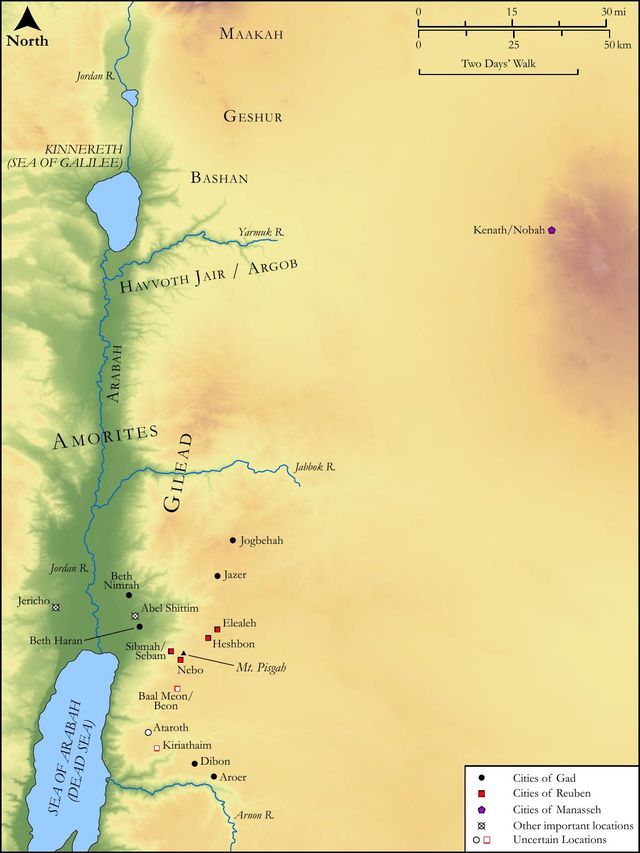
See on the biblical-era map
Study this verse
Continue studying Numbers 32:13 across the web’s major study libraries — every link below opens this exact verse, chapter, or book on the destination site.
Read & Compare
 BibleGatewayThis verse in more than 200 translations and 70 languages.
 Bible.comThe YouVersion reader — hundreds of translations, reading plans, and highlights.
 ESV.orgCrossway's official English Standard Version reader.
 NET BibleThe NET translation with 60,000+ translators' notes on every rendering decision.
 STEP BibleTyndale House's free study tool — original text, vocabulary, and scholarly resources.
 BibliaLogos Bible Software's free web reader.
 USCCBThe New American Bible (Revised Edition) with the U.S. bishops' study notes.
Commentaries
 BibleHub CommentariesDozens of classic commentaries on this verse, gathered on one page.
 StudyLightMore than 100 commentary sets — the largest collection on the web.
 BibleRefPlain-English commentary on what this verse means, verse by verse.
 Enduring WordDavid Guzik's free commentary on this chapter, widely used by Bible teachers.
 Bible Study ToolsVerse commentary alongside Greek and Hebrew study aids.
Original Language & Research
- BibleHub InterlinearThe verse word by word — original language, transliteration, and English.
- BibleHub LexiconEvery word's original-language definition and Strong's entry.
 Blue Letter BibleDeep-study tools — Strong's numbers, concordance, and word studies.
 SefariaThe Hebrew text with Rashi and centuries of Jewish commentary.
Sermons, Hymns & Audio


TrulyRandomVerse is not affiliated with these sites and doesn’t control their content. They’re linked because they’re genuinely useful.
Summary
Numbers 32:13 powerfully recounts the severe divine judgment against the generation of Israelites who rebelled against the LORD at Kadesh-Barnea. It succinctly states that God's righteous anger was ignited, leading Him to condemn them to forty years of aimless wandering in the wilderness. This prolonged period was specifically designed to ensure that every member of that disobedient generation, deemed evil in His sight, would perish before the nation could finally enter the Promised Land. The verse stands as a profound testament to the dire consequences of unbelief and the unwavering justice of God.
Context
ShowHideLiterary Context
Numbers 32:13 functions as a retrospective summary within a narrative focused on Israel's preparations to enter Canaan. Its immediate context is Moses' interaction with the tribes of Reuben, Gad, and half of Manasseh, who request to settle east of the Jordan River. Moses, wary of a repeat of past failures, immediately fears their request stems from a similar lack of faith that led to the catastrophic rebellion at Kadesh-Barnea. He explicitly reminds them of that pivotal event and its consequences, stating, "Your fathers did so, when I sent them from Kadesh-barnea to see the land" (Numbers 32:8). Moses' warning in Numbers 32:6-15 directly references the forty years of wandering and the perishing generation, making Numbers 32:13 a concise historical summary invoked for contemporary admonition and a powerful reminder of the cost of disobedience.
Historical & Cultural Context
The historical backdrop for this verse is the period following the Exodus from Egypt, approximately two years into Israel's wilderness journey, as they stood on the threshold of the Promised Land. The rebellion at Kadesh-Barnea (Numbers 13-14) marked a critical turning point. Culturally, the Israelites were a nascent nation, having recently been delivered from slavery and now being forged into a covenant people under God's direct guidance. The wilderness journey was intended as a period of purification, instruction, and testing of their faith and obedience. The forty-year duration is not arbitrary; it is a symbolic number frequently found in biblical narratives, signifying a generation, a period of testing, or a time of judgment (e.g., the forty days of the flood, Jesus' forty days in the wilderness). This judgment reflects the principles of the Mosaic Covenant, where blessings were contingent upon obedience and curses upon disobedience, a concept deeply understood within ancient Near Eastern treaty forms.
Key Themes
ShowHideNumbers 32:13 powerfully contributes to several overarching themes present throughout the book of Numbers and the Pentateuch. Foremost among these is the profound consequence of disobedience and unbelief, demonstrating that God's promises, though certain, are experienced within the framework of human faithfulness. This is vividly illustrated by the severe judgment pronounced in Numbers 14:28-35. The verse also underscores God's holiness and righteous judgment, revealing that He does not tolerate rebellion against His revealed will or a lack of trust in His power. While judgment is severe, the underlying theme of divine faithfulness to His ultimate plan is also present; the purging of the rebellious generation paved the way for a new, more obedient generation to inherit the land, ensuring the continuation of His original promise to Abraham (Genesis 12:7).
Exposition and Analysis
ShowHideKey Word Analysis
ShowHideThis primitive root means "to glow or grow warm," and figuratively, "to blaze up," often in the context of anger, zeal, or jealousy. When applied to the LORD's anger, it conveys a righteous indignation that burns with intensity, signifying His holy displeasure against sin. It is not an uncontrolled outburst but a deliberate, fiery response to Israel's profound rebellion and unbelief, underscoring the seriousness of their defiance against His covenant.
This verb implies a wavering, restless, or aimless movement, often associated with being driven about without purpose or fixed direction. In this context, it emphasizes the punitive nature of their forty years in the wilderness. It was not a journey of progress towards a destination but a divinely imposed state of perpetual displacement, a physical manifestation of their spiritual drift and their refusal to move forward in faith.
This root signifies completion, finishing, or bringing to an end. When used in the context of a generation, it denotes their complete eradication or perishing. It means that not a single individual from that rebellious cohort (specifically, those twenty years and older at the time of the rebellion, excluding Caleb and Joshua) would survive to enter the Promised Land. This term highlights the thoroughness and finality of God's judgment, ensuring a clean slate for the new generation.
Verse Breakdown
ShowHide"And the LORD'S anger was kindled against Israel,"
This opening clause establishes the divine impetus for the subsequent judgment, attributing the entire ordeal directly to God's righteous wrath. This "kindling" of anger is a theological statement, emphasizing God's active involvement and His holy response to Israel's profound unbelief and rebellion at Kadesh-Barnea, rather than a passive observation of consequences. It underscores the severity of their sin in His sight.
"and he made them wander in the wilderness forty years,"
This clause specifies both the form and the duration of the divinely ordained punishment. The LORD actively "made them wander," indicating a sovereign decree and orchestration of their aimless journey. The "forty years" is a precise period, signifying a full generation's lifespan, ensuring that the entire adult population that had rebelled would die off. This wandering was not merely a delay but a disciplinary measure, a prolonged period of consequence for their lack of faith and their rejection of God's promise.
"until all the generation, that had done evil in the sight of the LORD, was consumed."
This final clause clarifies the precise purpose and ultimate extent of the wandering. The objective was the complete "consumption" or eradication of the "generation that had done evil." This phrase is crucial; it defines the specific group targeted by the judgment—those who had acted wickedly and rebelliously in God's direct view, particularly through their rejection of His promise and their persistent murmuring against Him. The judgment was precise, aimed at those whose hearts were hardened against divine instruction and the fulfillment of God's covenant.
Literary Devices
ShowHideNumbers 32:13 employs several powerful literary devices to convey its profound message. Divine Retribution is central, presenting God's direct and just response to human sin. The verse functions as a concise summary of the consequences of Israel's rebellion, making the connection between their actions and God's judgment explicit and undeniable. The wilderness itself acts as potent Symbolism, representing not merely a geographical location but a place of testing, purification, and judgment, where the unfaithful are purged and a new generation is prepared. The phrase "forty years" carries deep Symbolic Numerology, representing a complete generation's demise and a prolonged period of divine discipline and testing. Furthermore, the verse demonstrates a clear Cause and Effect relationship: Israel's "evil in the sight of the LORD" directly "kindled the LORD's anger," leading to the consequence of "forty years" of wandering until that generation "was consumed." This direct linkage reinforces the seriousness of their sin and the certainty of God's justice.
Theological and Thematic Connections
ShowHideNumbers 32:13 is a foundational verse for understanding the gravity of unbelief and the unwavering nature of God's justice within His covenant relationship with Israel. It vividly portrays that God's promises, while certain and immutable, are experienced within the framework of human responsibility and obedience. The wilderness wandering serves as a stark reminder that spiritual inheritance is not automatic but requires active faith and faithfulness. This episode underscores the truth that God is holy and will not tolerate persistent rebellion, even from His chosen people. Yet, even in judgment, there is an underlying current of God's faithfulness to His ultimate plan, as the purging of the old generation paved the way for a new, more obedient one to inherit the land, ensuring the continuation of His covenant promises for the future.
Reflection and Application
ShowHideNumbers 32:13 serves as a profound cautionary tale for all generations, emphasizing the critical importance of faith and obedience in our walk with God. It reminds us that God takes our responses to His word and His character with utmost seriousness. Just as Israel's unbelief prevented them from entering the physical Promised Land, so too can a lack of faith hinder our spiritual progress, preventing us from fully experiencing the "rest" and abundant life God intends for us in Christ. This verse calls us to examine our own hearts for areas of doubt, grumbling, or rebellion, urging us to trust God fully, even when circumstances seem daunting or His commands challenging. Our spiritual journey is not without consequence, and persistent disobedience can lead to a "wandering" that keeps us from the fullness of God's promises. We are called to learn from Israel's mistakes, cultivating a heart of humble submission and unwavering trust in the One who is faithful to His word and promises.
Questions for Reflection
ShowHideFAQ
ShowHideWhat was the specific "evil" that Israel did in the sight of the LORD?
ShowHideThe primary "evil" that triggered this severe judgment was their profound unbelief and rebellion at Kadesh-Barnea, as detailed in Numbers 13 and Numbers 14. After hearing the fearful report of ten spies, the Israelites refused to enter the Promised Land, doubted God's ability to deliver them, grumbled against Moses and Aaron, and even proposed appointing a new leader to return to Egypt (Numbers 14:1-4). This act of defiance was a direct rejection of God's faithfulness and power, despite having witnessed His miraculous deliverance from Egypt and provision in the wilderness. It was a hardening of their hearts against His clear command to go up and possess the land He had promised them.
Why did God make them wander for exactly forty years?
ShowHideThe forty-year period was a direct consequence and a symbolic duration of divine judgment, meticulously declared by God Himself. According to Numbers 14:34, God declared, "According to the number of the days in which ye searched the land, even forty days, each day for a year, shall ye bear your iniquities, even forty years, and ye shall know my breach of promise." This meant that for every day the spies explored the land (40 days), the people would wander for a year. The purpose was twofold: to ensure that the entire generation of adults (twenty years and older, excluding Caleb and Joshua) who had rebelled would die off in the wilderness, and to allow a new, more obedient generation to be raised and prepared to enter the Promised Land. It was a period of purging and preparation, demonstrating the thoroughness of God's justice and His unwavering commitment to His covenant promises, even if it meant a significant delay for the sake of a faithful remnant.
Christ-Centered Fulfillment
ShowHideNumbers 32:13, though a somber account of Israel's failure and God's righteous judgment, finds its ultimate Christ-centered fulfillment in the person and redemptive work of Jesus. Israel's forty years of wandering symbolize the consequences of unbelief and the inability of the Old Covenant system to bring people into true spiritual rest and inheritance. In profound contrast, Jesus is the faithful Israelite who perfectly obeys God, even enduring His own forty days of temptation in the wilderness (Matthew 4:1-11), where the nation of Israel failed. He is the true Lamb of God whose perfect life and atoning sacrifice on the cross fully address the "evil" of humanity, providing the definitive path to a spiritual inheritance that Israel's rebellious generation forfeited. The "rest" that Israel failed to enter due to their unbelief is now graciously offered to all who believe in Christ, as powerfully highlighted in Hebrews 4:1-11. He is the Living Bread who sustains us and the spiritual Rock from whom we drink, fulfilling the wilderness provisions and ensuring that those who trust in Him will not "wander" aimlessly in sin but will enter into His eternal rest and inheritance, a promise secured not by our flawed works but by His perfect obedience and completed redemptive work.