


Luke 8:15
- τὸtoThatG3588T-NSNDefinite article Nominative Singular Neuter
- δὲdenowG1161CONJConjunction
- ἐνeninG1722PREPPreposition
- τῇtēatheG3588T-DSFDefinite article Dative Singular Feminine
- καλῇkalēagoodG2570A-DSFAdjective Dative Singular Feminine
- γῇgēasoilG1093N-DSFNoun Dative Singular Feminine
- οὗτοίhoutoitheseG3778D-NPMDemonstrative pronoun Nominative Plural Masculine
- εἰσινeisinareG1510V-PAI-3PVerb Present Active Indicative 3rd Plural
- οἵτινεςoitinesthoseG3748R-NPMRelative pronoun Nominative Plural Masculine
- ἐνeninG1722PREPPreposition
- καρδίᾳkardiaa heartG2588N-DSFNoun Dative Singular Feminine
- καλῇkalēaworthyG2570A-DSFAdjective Dative Singular Feminine
- καὶkaiandG2532CONJConjunction
- ἀγαθῇagathēagoodG18A-DSFAdjective Dative Singular Feminine
- ἀκούσαντεςakousanteshaving heardG191V-AAP-NPMVerb Aorist Active Participle Nominative Plural Masculine
- τὸνtontheG3588T-ASMDefinite article Accusative Singular Masculine
- λόγονlogonwordG3056N-ASMNoun Accusative Singular Masculine
- κατέχουσινkatechousinkeep [it]G2722V-PAI-3PVerb Present Active Indicative 3rd Plural
- καὶkaiandG2532CONJConjunction
- καρποφοροῦσινkarpophorousinthey bring forth fruitG2592V-PAI-3PVerb Present Active Indicative 3rd Plural
- ἐνenbyG1722PREPPreposition
- ὑπομονῇhupomonēaperseveranceG5281N-DSFNoun Dative Singular Feminine
English is a literal word-by-word gloss of the Greek, not the KJV's wording. Why?
This is the original text the KJV's translators worked from — each Greek word with its own literal English meaning in this verse, prepared by scholars at Tyndale House, Cambridge. The KJV translates whole sentences, not word by word, so its wording differs: one Greek word can become several English words, and the KJV may choose “charity” where the gloss reads “love”. Both are faithful — they answer different questions. For the KJV's own rendering, switch to the KJV text.
Details
See on the biblical-era map
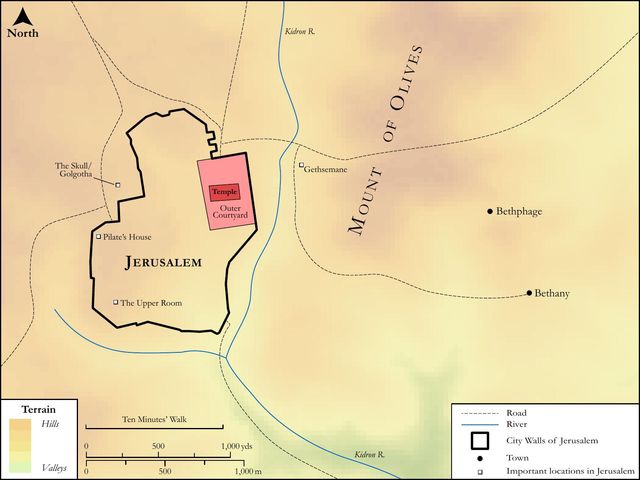
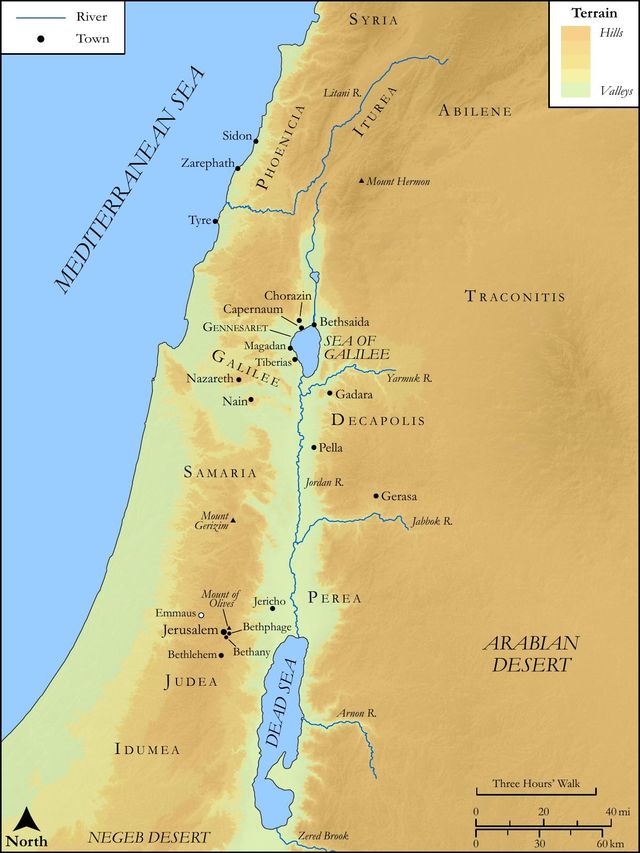
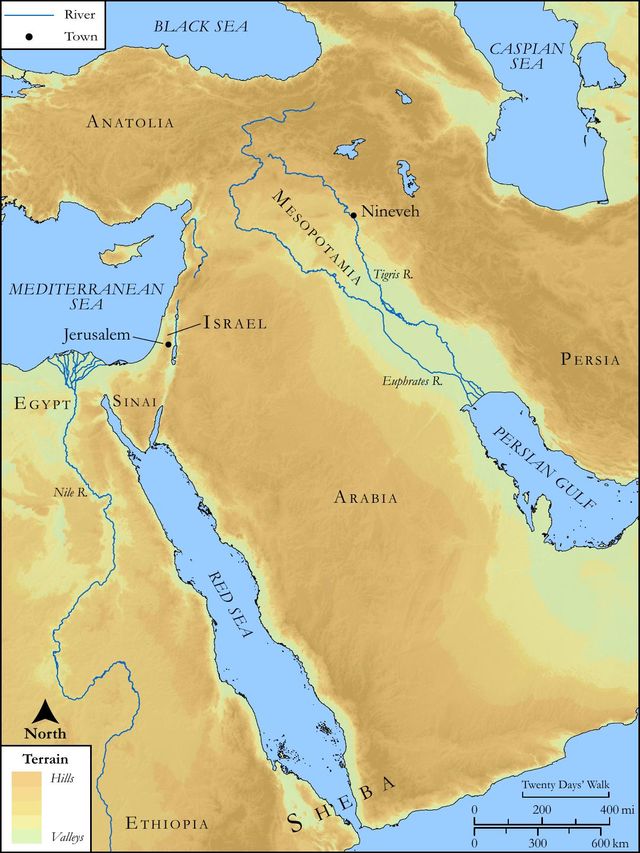
Study this verse
Public-domain commentary
Matthew Henry
From his Commentary on the Whole Bible. Henry comments on passages, not single verses — this entry covers Luke 8:4–21. His four-level outline is real structure in the source text, so it is rendered as structure.
The former paragraph began with an account of Christ's industry in preaching (Luk 8:1); this begins with an account of the people's industry in hearing, Luk 8:4. He went into every city, to preach; so they, one would think, should have contented themselves to hear him when he came to their own city (we know those that would); but there were those here that came to him out of every city, would not stay till he came to them, nor think that they had enough when he left them, but met him when he was coming towards them, and followed him when he was going from them. Nor did he excuse himself from going to the cities with this, that there were some from the cities that came to him; for, though there were, yet the most had not zeal enough to bring them to him, and therefore such is his wonderful condescension that he will go to them; for he is found of those that sought him not, Isa 65:1.
Here was, it seems, a vast concourse, much people were gathered together, abundance of fish to cast their net among; and he was as ready and willing to teach as they were to be taught. Now in these verses we have,
I.Necessary and excellent rules and cautions for hearing the word, in the parable of the sower and the explanation and application of it, all which we had twice before more largely. When Christ had put forth this parable,
1.The disciples were inquisitive concerning the meaning of it, Luk 8:9. They asked him, What might this parable be? Note, We should covet earnestly to know the true intent, and full extent, of the word we hear, that we may be neither mistaken nor defective in our knowledge.
2.Christ made them sensible of what great advantage it was to them that they had opportunity of acquainting themselves with the mystery and meaning of his word, which others had not: Unto you it is given, Luk 8:10. Note, Those who would receive instruction from Christ must know and consider what a privilege it is to be instructed by him, what a distinguishing privilege to be led into the light, such a light, when others are left in darkness, such a darkness. Happy are we, and for ever indebted to free grace, if the same thing that is a parable to others, with which they are only amused, is a plain truth to us, by which we are enlightened and governed, and into the mould of which we are delivered.
Now from the parable itself, and the explication of it, observe,
(1.)The heart of man is as soil to the seed of God's word; it is capable of receiving it, and bringing forth the fruits of it; but, unless that seed be sown in it, it will bring forth nothing valuable. Or care therefore must be to bring the seed and the soil together. To what purpose have we the seed in the scripture, if it be not sown? And to what purpose have we the soil in our own hearts, if it be not sown with that seed?
(2.)The success of the seeding is very much according to the nature and temper of the soil, and as that is, or is not, disposed to receive the seed. The word of God is to us, as we are, a savour of life unto life, or of death unto death.
(3.)The devil is a subtle and spiteful enemy, that makes it his business to hinder our profiting by the word of God. He takes the word out of the hearts of careless hearers, lest they should believe and be saved, Luk 8:12. This is added here to teach us,
[1.]That we cannot be saved unless we believe. The word of the gospel will not be a saving word to us, unless it be mixed with faith.
[2.]That therefore the devil does all he can to keep us from believing, to make us not believe the word when we read and hear it; or, if we heed it for the present, to make us forget it again, and let it slip (Heb 2:1); or, if we remember it, to create prejudices in our minds against it, or divert our minds from it to something else; and all is lest we should believe and be saved, lest we should believe and rejoice, while he believes and trembles.
(4.)Where the word of God is heard carelessly there is commonly a contempt put upon it too. It is added here in the parable that the seed which fell by the way-side was trodden down, Luk 8:5. They that wilfully shut their ears against the word do in effect trample it under their feet; they despise the commandment of the Lord.
(5.)Those on whom the word makes some impressions, but they are not deep and durable ones, will show their hypocrisy in a time of trial; as the seed sown upon the rock, where it gains no root, Luk 8:13. These for awhile believe a little while; their profession promises something, but in time of temptation they fall away from their good beginnings. Whether the temptation arises from the smiles or the frowns, of the world, they are easily overcome by it.
(6.)The pleasures of this life are as dangerous and mischievous thorns to choke the good seed of the word as any other. This is added here (Luk 8:14), which was not in the other evangelists. Those that are not entangled in the cares of this life, nor inveigled with the deceitfulness of riches, but boast that they are dead to them, may yet be kept from heaven by an affected indolence, and the love of ease and pleasure. The delights of sense may ruin the soul, even lawful delights, indulged, and too much delighted in.
(7.)It is not enough that the fruit be brought forth, but it must be brought to perfection, it must be fully ripened. If it be not, it is as if there was no fruit at all brought forth; for that which in Matthew and Mark is said to be unfruitful is the same that here is said to bring forth none to perfection. For factum non dicitur quod non perseverat - perseverance is necessary to the perfection of a work.
(8.)The good ground, which brings forth good fruit, is an honest and good heart, well disposed to receive instruction and commandment (Luk 8:15); a heart free from sinful pollutions, and firmly fixed for God and duty, an upright heart, a tender heart, and a heart that trembles at the word, is an honest and good heart, which, having heard the word, understands it (so it is in Matthew), receives it (so it is in Mark), and keeps it (so it is here), as the soil not only receives, but keeps, the seed; and the stomach not only receives, but keeps, the food or physic.
(9.)Where the word is well kept there is fruit brought forth with patience. This also is added here. There must be both bearing patience and waiting patience; patience to suffer the tribulation and persecution which may arise because of the word; patience to continue to the end in well-doing.
(10.)In consideration of all this, we ought to take heed how we hear (Luk 8:18); take heed of those things that will hinder our profiting by the word we hear, watch over our hearts in hearing, and take heed lest they betray us; take heed lest we hear carelessly and slightly, lest, upon any account, we entertain prejudice against the word we hear; and take heed to the frame of our spirits after we have heard the word, lest we lose what we have gained.
II.Needful instructions given to those that are appointed to preach the word, and to those also that have heard it.
1.Those that have received the gift must minister the same. Ministers that have the dispensing of the gospel committed to them, people that have profited by the word and are thereby qualified to profit others, must look upon themselves as lighted candles: ministers must in solemn authoritative preaching, and people in brotherly familiar discourse, diffuse their light, for a candle must not be covered with a vessel nor put under a bed, Luk 8:16. Ministers and Christians are to be lights in the world, holding forth the word of life. Their light must shine before men; they must not only be good, but do good.
2.We must expect that what is now done in secret, and from unseen springs, will shortly be manifested and made known, Luk 8:17. What is committed to you in secret should be made manifest by you; for your Master did not give you talents to be buried, but to be traded with. Let that which is now hid be made known; for, if it be not manifested by you, it will be manifested against you, will be produced in evidence of your treachery.
3.The gifts we have will either be continued to us, or taken from us, according as we do, or do not, make use of them for the glory of God and the edification of our brethren: Whosoever hath, to him shall be given, Luk 8:18. He that hath gifts, and does good with them, shall have more; he that buries his talent shall lose it. From him that hath not shall be taken away even that which he hath, so it is in Mark; that which he seemeth to have, so it is in Luke. Note, The grace that is lost was but seeming grace, was never true. Men do but seem to have what they do not use, and shows of religion will be lost and forfeited. They went out from us, because they were not of us, Jo1 2:19. Let us see to it that we have grace in sincerity, the root of the matter found in us; that is a good part which shall never be taken away from those that have it.
III.Great encouragement given to those that prove themselves faithful hearers of the word, by being doers of the work, in a particular instance of Christ's respect to his disciples, in preferring them even before his nearest relations (Luk 8:19-21), which passage of story we had twice before. Observe,
1.What crowding there was after Christ. There was no coming near for the throng of people that attended him, who, though they were crowded very so much, would not be crowded out from his congregation.
2.Some of his nearest kindred were least solicitous to hear him preach. Instead of getting within, as they might easily have done if they had come in time, desiring to hear him, they stood without, desiring to see him; and, probably, out of a foolish fear, lest he should spend himself with too much speaking, designing nothing but to interrupt him, and oblige him to break off.
3.Jesus Christ would rather be busy at his work than conversing with his friends. He would not leave his preaching, to speak with his mother and his brethren, for it was his meat and drink to be so employed.
4.Christ is pleased to own those as his nearest and dearest relations that hear the word of God and do it; they are to him more than his mother and brethren.
Historical interpretation
Eight Centuries of Reception
16 surviving comments on this verse. Each one is dated, so this reads as a timeline rather than a list.
Select a marker to jump to its quote. Markers stagger vertically where authors wrote within a few decades of each other.
Now Christ most fitly puts forth His first parable to the multitude not only of those who then stood by, but of those also who were to come after them, inducing them to listen to His words, saying, A sower went out to sow his seed.
Some went out from the heavenly country and descended among men, not however to sow, for they were not sowers, but ministering spirits sent forth to minister. (Heb. 1:14.) Moses also and the prophets after him did not plant in men the mysteries of the kingdom of heaven, but by keeping back the foolish from the error of iniquity, and the worship of idols, they tilled as it were the souls of men, and brought them into cultivation. But the only Sower of all, the Word of God, went out to sow the new seed of the Gospel, that is, the mysteries of the kingdom of heaven.
He teaches therefore that there are two classes of those who received the seed; the first, of those who have been made worthy of the heavenly calling, but fall from grace through carelessness and sloth; but the second, of those who multiply the seed bearing good fruit. But according to Matthew he makes three divisions in each class. For those who corrupt the seed have not all the same manner of destruction, and those who bear fruit from it do not receive an equal abundance. He wisely sets forth the cases of those who lose the seed. For some though they have not sinned, have lost the good seed implanted in their hearts, through its having been withdrawn from their thoughts and memory by evil spirits, and devils who fly through the air; or deceitful and cunning men, whom He calls the birds of the air. Hence it follows, And as he sowed, some fell by the way side.
There are also some who through covetousness, the desire of pleasure and worldly cares, which indeed Christ calls thorns, suffer the seed which has been sown in them to be choked.
But our Lord told them the reason why He spake to the multitudes in parables, as follows, And he said, Unto you it is given to know the mysteries of God.
Now He says, that there are three reasons why men destroy the seed implanted in their hearts. For some destroy the seed that is hid in them by lightly giving heed to those that wish to deceive, of whom He adds, Those by the way side are they that hear: then cometh the devil, and taketh away the word out of their hearts.
But some there are who having not received the word in any depth of heart, are soon overcome when adversity assails them, of whom it is added, They on the rock are they which when they hear, receive the word with joy; and these have no root, which for a while believe, and in time of temptation fall away.
But some choke the seed which has been deposited in them with riches and vain delights, as if with choking thorns, of whom it is added, And that which fell among thorns are they, which, when they have heard, go forth, and are choked with cares and riches of this life, &c.
Now these things were foretold by our Saviour according to His foreknowledge, and that their case is so, experience testifies. For in no wise do men fall away from the truth of divine worship, but according to some of the causes before mentioned by Him.
“That which fell on the rock …” The good Lord revealed his mercy. Although the hardness of the ground was not cultivated, he did not withhold its seed from it. This ground represents those who turn away from his teaching like those who said, “This word is hard; who can listen to it?” It is like Judas, who heard his word and flourished through his signs but was without fruit in the moment of testing.
“For it fell on the edge of the path.” This is an image of the ungrateful soul, like the one who received one talent despised the goodness of him who gave it. Because this ground was tardy in receiving its seed, it became a public highway for all evil. Consequently there was no place in its ground for the Teacher to penetrate into it like a laborer, break up its hardness and sow his seed there. The Lord described the evil one in the imagery of a bird who snatches it away. He made known that the evil one does not forcefully snatch away from the heart the teaching entrusted to it. In the parable’s imagery, he revealed the voice of the gospel standing at the door of the ears like the grain of wheat on the surface of the ground that has not hidden in its womb the seed which fell upon it. The birds were not permitted to penetrate the earth in search of the seed that the earth hid under its wings.
But He went out to sow His seed, He receives not the word as borrowed, for He is by nature the Word of the living God. The seed is not then of Paul, or of John, but they have it because they have received it. Christ has His own seed, drawing forth His teaching from His own nature. Hence also the Jews said, How knoweth this man letters, having never learned? (John 7:15.)
(Hom. in Princ. Prov.) Hearing has reference to the understanding. By this then our Lord stirs us up to listen attentively to the meaning of those things which are spoken.
(ubi sup.) When you hear this you must not entertain the notion of different natures, as certain heretics do, who think that some men indeed are of a perishing nature, others of a saving nature, but that some are so constituted that their will leads them to better or worse. But add to the words, To you it is given, if willing and truly worthy.
(Hom. 44. in Matt.) Now His going, Who is every where, was not local, but through the vail of the flesh He approached us. But Christ fitly denominates His advent, His going forth. For we were aliens from God, and cast out as criminals, and rebels to the king, but he who wishes to reconcile man, going out to them, speaks to them without, until having become meet for the royal presence, He brings them within; so also did Christ.
(Hom. 44. in Matt.) For as the thorns do not let the seed grow up, but when it has been sown choke it by thickening round it, so the cares of this present life permit not the seed to bear fruit. But in things of sense the husbandman must be reproved who would sow amid thorns on a rock and the way side, for it is impossible that the rocks should become earth, the way not be a way, the thorns not be thorns. But in rational things it is otherwise. For it is possible that the rock should be converted into a fruitful soil, the way not be trodden down, the thorns dispersed.
(Hom. 44. in Matt.) And to sum up many things in a few words. Some indeed as careless hearers, some as weak, but others as the very slaves of pleasure and worldly things, hold aloof from what is good. The order of the way side, the rock, and the thorns is well, for we have first need of recollection and caution, next of fortitude, and then of contempt of things present. He therefore places the good ground in opposition to the way, the rock, and the thorns. But that on the good ground are they, which in an honest and good heart, having heard the word, keep it, &c. For they who are on the way side keep not the word, but the devil takes away their seed. But they who are on the rock sustain not patiently the assaults of temptation through weakness. But they who are among thorns bear no fruit, but are choked.
For every way side is in some measure dry and uncultivated, because it is trodden down by all men, and no seed gains moisture on it. So the divine warning reaches not the unteachable heart, that it should bring forth the praise of virtue. These then are the ways frequented by unclean spirits. There are again some who bear faith about them, as if it consisted in the nakedness of words; their faith is without root, of whom it is added, And some fell upon a rock, and as soon as it sprung up, it withered away, because it lacked moisture.
Now the rich and fruitful ground is the honest and good hearts which receive deeply the seeds of the word, and retain them and cherish them. And whatever is added to this, And some fell upon good ground, and springing up, brought forth fruit an hundredfold. For when the divine word is poured into a soul free from all anxieties, then it strikes root deep, and sends forth as it were the ear, and in its due season comes to perfection.
But what the meaning of the parable is, let us hear from him who made it, as it follows, And when he had said these things, he cried, He that hath ears to hear, let him hear.
For when they enter the Church they gladly wait on the divine mysteries, but with infirmity of purpose. But when they leave the Church they forget the sacred discipline, and as long as Christians are undisturbed, their faith is lasting; but when persecution harasses, their heart fails them, for their faith was without root.
This good seed is worthy of admiration. Rich and well-productive land brings forth fruit a hundredfold. They say that the best soils sometimes under cultivation produce a hundredfold, so this is a mark of every fertile and productive spot. One of the holy prophets said from the mouth of God, "And all nations shall congratulate you, because you are a desirable land." When the divine word falls upon a pure mind skillful in cleansing itself from things hurtful, it fixes its root deeply and shoots up like an ear of corn. It brings its fruit to perfection being strong in blade and beautifully flowered.
Alms and faith must not leave you. Remember that every day death is near and act as if the tomb already enclosed you. Do not care for this world, since anxiety for the world and the desire for riches are thorns that choke the good seed.
(in Hom. 15 in Ev.) But our Lord condescended to explain what He said, that we might know how to seek for explanation in those things which He is unwilling to explain through Himself. For it follows, Now the parable is this: The seed is the word of God.
(ubi sup.) Many men propose to begin a good work, but as soon as they have become annoyed by adversity or temptation, they abandon what they had begun. The rocky ground then had no moisture to carry on to constancy fruit which it had put forth.
(ubi sup.) It is wonderful that the Lord has represented riches as thorns, for these prick, while those delight, and yet they are thorns, for they lacerate the mind by the prickings of their thoughts, and whenever they entice to see they draw blood, as if inflicting a wound. But there are two things which He joins to riches, cares and pleasures, for they oppress the mind by anxiety and unnerve it by luxuries, but they choke the seed, for they strangle the throat of the heart with vexatious thoughts, and while they let not a good desire enter the heart, they close up as it were the passage of the vital breath.
(ubi sup.) The good ground then bears fruit through patience, for nothing we do is good unless we endure patiently our closest evils. They therefore bear fruit through patience, who when they bear strifes humbly, are after the scourge received with joy to a heavenly rest.
But the good earth brings forth fruit through patience, because clearly our good works are nothing if we do not also bear with equanimity the evils of our neighbors. For the higher anyone has advanced, the more he finds in this world what he must bear more harshly, because when our mind's love for the present age diminishes, the adversity of that same age increases. Hence it is that we see many both doing good and yet laboring under the heavy burden of tribulations. For they now flee earthly desires, and yet are wearied by harsher afflictions. But according to the word of the Lord they bring forth fruit through patience, because when they humbly accept afflictions, after the afflictions they are sublimely received into rest. Thus the grape is crushed by treading and is liquefied into the flavor of wine. Thus the olive, pressed by crushing, leaves behind its bitter residue and grows rich into the liquid of oil. Thus by the threshing of the floor the grains are separated from the chaff and arrive purified at the granary. Therefore whoever desires to fully conquer vices, let him strive to humbly endure the afflictions of his purification, so that he may come before the Judge all the more pure afterward, the more the fire of tribulation now purges away his rust.
In that portico which serves as a passageway for those going to the church of blessed Clement, there was a certain man named Servulus, whom many of you knew along with me—poor in possessions, rich in merits—whom a long illness had weakened. For from his earliest age until the end of his life he lay paralyzed. What shall I say, that he could not stand? He was never able to rise in his bed even to sit, never able to bring his hand to his mouth, never able to turn himself to his other side. His mother with his brother was present to serve him, and whatever he was able to receive from alms, he distributed to the poor through their hands. He knew no letters at all, but he had purchased for himself books of Sacred Scripture, and receiving any religious persons in hospitality, he had them read before him without ceasing. And so it came about that, according to his own measure, he learned Sacred Scripture fully, though, as I said, he was entirely ignorant of letters. He strove always to give thanks in his pain, to devote himself to hymns and praises to God day and night. But when the time had come that his great patience ought to be rewarded, the pain of his limbs returned to his vital organs. And when he recognized that he was now near death, he urged the traveling men received in hospitality to rise and sing psalms with him in expectation of his departure. And while he himself, dying, was singing psalms with them, he suddenly silenced the voices of those singing, with the terror of a great cry, saying: "Be silent! Do you not hear how great are the praises resounding in heaven?" And while he was directing the ear of his heart toward those same praises which he heard within, that holy soul was released from the flesh. But as it departed, such a fragrance of scent was spread there that all who were present were filled with inestimable sweetness, so that through this they clearly recognized that praises in heaven had received it. A monk of ours was present at this event, who still lives, and with great weeping he is accustomed to attest that until his body was handed over for burial, the fragrance of that scent did not depart from their nostrils. Behold with what end he departed from this life who in this life calmly endured afflictions. According to the Lord's word, therefore, the good earth brought forth fruit through patience, which, having been plowed by the plowshare of discipline, arrived at the harvest of reward. But I ask you, dearest brothers, consider what argument of excuse we shall have in that strict judgment—we who, sluggish from good work, have received both resources and hands—if a beggar without hands fulfilled the Lord's commands. May the Lord not then display against us the apostles who by preaching drew crowds of the faithful with him to the kingdom, may he not bring forth against us the martyrs who by shedding their blood arrived at the heavenly homeland. What shall we say then, when we see this Servulus of whom we have spoken, whose arms a long illness held bound, yet did not bind them from good work? Do these things with yourselves, brothers, so urge yourselves to zeal for good work, that when you now set good men before you for imitation, you may then be able to be their companions.
The sower we can conceive to be none other but the Son of God, Who going forth from His Father's bosom whither no creature had attained, came into the world that He might bear witness to the truth. (John 18:37.)
The rock, he says, is the hard and unsubdued heart. Now the moisture at the root of the seed is the same as what is called in another parable, the oil to trim the lamps of the virgins, that is, love and stedfastness in virtue. (Matt. 25.)
For by fruit a hundredfold, he means perfect fruit. For the number ten is always taken to imply perfection, because in ten precepts is contained the keeping, or the observance of the law. But the number ten multiplied by itself amounts to a hundred; hence by a hundred very great perfection is signified.
For as often as the admonition occurs either in the Gospel or the Revelation of St. John, it signifies that there is a mystical meaning in what is said, and we must inquire more closely into it. Hence the disciples who were ignorant ask our Saviour, for it follows, And his disciples asked him, &c. But let no one suppose that as soon as the parable was finished His disciples asked Him, but as Mark says, When he was alone they asked him. (Mark 4:10.)
Rightly then do they hear in parables, who having closed the senses of their heart, care not to know the truth, forgetful of what the Lord told them. He that hath ears to hear, let him hear.
Who in truth deign to receive the word which they hear with no faith, with no understanding, at least with no attempt to test the value of it.
But that on the good ground, these are they who, having heard the word in a good and excellent heart, keep it and bring forth fruit with patience. Good ground (as we have said before) is contrary to all three varieties of bad ground, both by willingly receiving the seed of the word and by keeping what it receives amidst adversities and prosperities patiently unto the times of fruit. Differently. Good ground yields fruit through patience, because indeed no good things that we do, if we do not even endure the evils of our neighbors with equanimity. For the higher anyone progresses, the more he finds in this world what he must bear more difficultly. For while the affection of our mind withdraws from the present world, the adversity of the same world increases. Hence it is that we see many both doing good and yet sweating under the heavy burden of tribulations. But according to the voice of the Lord, they yield fruit through patience. For when they humbly receive chastisements, they are afterward sublimely received to rest after the chastisements. But that which is said according to Matthew: And bears fruit, and yields some a hundredfold, some sixty, and some thirty, thirty refers to marriage. For even the conjunction of the fingers, as if embracing and uniting with a soft kiss, represents the husband and the wife. Sixty refers to widows, because they are placed in distress and tribulation. Hence they are also pressed down on the upper finger. And the greater the difficulty in abstaining from the enticements of formerly experienced pleasure, the greater the reward. But the hundredfold number, I ask you, reader, to note diligently, is transferred from the left hand to the right, with the same fingers, but not the same hand, in which on the left hand wives and widows are signified, making a circle, expresses the crown of virginity. Differently. The thirtieth fruit brings forth the word, which builds the faith of the Holy Trinity. The sixtieth, which teaches the perfection of work. For there are six days in which it is necessary to work. The hundredth, which preaches eternal life at the right hand of the kingdom.
When you come out of the church, do not begin to be distracted toward empty and useless matters, lest the devil come and find you occupied with them. It is like when a crow finds on the plain a grain of wheat, before it has been covered with earth, and picks it up and flies off. The devil removes the memory of these words of catechetical lectures from your hearts, and you find yourselves empty and deprived of beneficial teaching.
That which David had foretold in the person of Christ, I will open my mouth in parables, (Ps. 78:2.) the Lord here fulfils; as it is said, And when much people were gathered together, and were come to him out of every city, he spake by a parable. But the Lord speaks by a parable, first indeed that He may make His hearers more attentive. For men were accustomed to exercise their minds on dark sayings, and to despise what was plain; and next, that the unworthy might not receive what was spoken mystically.
But He went out now, not to destroy the husbandmen, or to burn up the earth, but He went out to sow. For oftimes the husbandman who sows, goes out for some other cause, not only to sow.
But the Son of God never ceases to sow in our hearts, for not only when teaching, but creating, He sows good seed in our hearts.
He said not that the sower threw some on the way side, but that it fell by the way side. For he who sows teaches the right word, but the word falls in different ways upon the hearers, so that some of them are called the way side: and it was trodden down, and the birds of the air devoured it.
But to those who are unworthy of such mysteries, they are obscurely spoken. Hence it follows, But to the rest in parables, that seeing they might not see, and hearing they might not understand. For they think they see, but see not, and hear indeed, but do not understand. For this reason Christ hides this from them, lest they should beget a greater prejudice against them, if after they had known the mysteries of Christ, they despised them. For he who understands and afterwards despises, shall be more severely punished.
Continue studying Luke 8:15 across the web’s major study libraries — every link below opens this exact verse, chapter, or book on the destination site.
Read & Compare
 BibleGatewayThis verse in more than 200 translations and 70 languages.
 Bible.comThe YouVersion reader — hundreds of translations, reading plans, and highlights.
 ESV.orgCrossway's official English Standard Version reader.
 NET BibleThe NET translation with 60,000+ translators' notes on every rendering decision.
 STEP BibleTyndale House's free study tool — original text, vocabulary, and scholarly resources.
 BibliaLogos Bible Software's free web reader.
 USCCBThe New American Bible (Revised Edition) with the U.S. bishops' study notes.
Commentaries
 BibleHub CommentariesDozens of classic commentaries on this verse, gathered on one page.
 StudyLightMore than 100 commentary sets — the largest collection on the web.
 BibleRefPlain-English commentary on what this verse means, verse by verse.
 Enduring WordDavid Guzik's free commentary on this chapter, widely used by Bible teachers.
 Bible Study ToolsVerse commentary alongside Greek and Hebrew study aids.
Original Language & Research
- BibleHub InterlinearThe verse word by word — original language, transliteration, and English.
- BibleHub LexiconEvery word's original-language definition and Strong's entry.
 Blue Letter BibleDeep-study tools — Strong's numbers, concordance, and word studies.
 CNTR CollationThe earliest Greek manuscripts of this verse, collated letter by letter.
Sermons, Hymns & Audio


TrulyRandomVerse is not affiliated with these sites and doesn’t control their content. They’re linked because they’re genuinely useful.
Summary
Luke 8:15 concludes Jesus' Parable of the Sower, illuminating the characteristics of those who genuinely receive and respond to God's word. It describes individuals with a receptive, morally upright heart who, having heard the divine message, actively retain it and, through steadfast endurance, produce abundant spiritual fruit, demonstrating the transformative power of the gospel in their lives.
Context
ShowHideLiterary Context
Luke 8:15 serves as the climactic interpretive key to Jesus' Parable of the Sower, which spans Luke 8:4-15. This parable, also recounted in Matthew 13 and Mark 4, illustrates various responses to the proclamation of the Kingdom of God. After detailing the seed falling on the path (snatched away), rocky ground (shallow root), and thorny ground (choked by worries), Jesus culminates with the "good ground." This final category reveals the ideal and fruitful reception of the word, providing a stark contrast to the unfruitful categories and emphasizing the critical role of the hearer's heart condition in spiritual growth and productivity. The verse not only explains the parable but also sets a standard for discipleship.
Historical & Cultural Context
In first-century Galilee, agriculture was the backbone of society, making the imagery of sowing and reaping immediately relatable to Jesus' audience. Farmers understood the challenges of different soil types and the importance of fertile ground for a successful harvest. The concept of "heart" (Greek: kardia) in ancient Jewish thought was not merely an organ but the center of one's being—intellect, emotion, and will. Thus, an "honest and good heart" would have resonated as a person of integrity, whose inner disposition was aligned with truth and righteousness, ready to embrace new teaching. The emphasis on "patience" (Greek: hypomonē) would have also been understood in a culture where agricultural cycles required long periods of waiting between sowing and harvest, mirroring the spiritual truth that growth and fruitfulness are not instantaneous but require steadfast endurance.
Key Themes
ShowHideThis verse encapsulates several major themes central to Luke's Gospel and broader biblical theology. Firstly, it highlights the sovereignty of God's word and its inherent power to transform, yet simultaneously underscores the responsibility of human reception. The parable itself, and this verse in particular, stress that the problem is never with the "seed" (the word of God) but with the "soil" (the hearer's heart). Secondly, the theme of fruitfulness is paramount, signifying not just spiritual growth but also tangible evidence of a changed life, echoing Jesus' teaching on discipleship in John 15:8. Thirdly, perseverance (patience) emerges as a vital component of genuine faith. True discipleship is not a fleeting enthusiasm but an enduring commitment, as seen in other Lukan passages emphasizing steadfastness through trials, such as Luke 21:19. Finally, the condition of the heart is presented as foundational, determining the outcome of one's encounter with God's truth, a concept frequently explored in the Old Testament (e.g., Proverbs 4:23).
Exposition and Analysis
ShowHideKey Word Analysis
ShowHideThis word, often translated as "good" or "beautiful," carries a sense of inherent excellence, nobility, and moral uprightness. When combined with agathós (also "good," but implying intrinsic moral goodness or benefit), it describes a heart that is not only morally sound but also inherently well-disposed and receptive to truth, free from hidden motives or resistance. It signifies a heart that is fit and proper for receiving the divine seed.
In biblical anthropology, the "heart" is far more than a physical organ; it is the core of human existence—the seat of intellect, emotion, will, and moral character. An "honest and good heart" therefore refers to a person's entire inner being: their thoughts, intentions, desires, and moral disposition. It implies sincerity, integrity, and a willingness to obey.
This term denotes not passive waiting but active, cheerful, and hopeful endurance under pressure. It describes a steadfast perseverance in the face of trials, opposition, or delays. In the context of spiritual fruitfulness, it means remaining faithful to the word of God despite difficulties, understanding that growth and maturity take time and unwavering commitment.
Verse Breakdown
ShowHide"But that on the good ground are they, which in an honest and good heart,"
This clause introduces the fourth and final category of hearers in the parable. The "good ground" represents individuals whose inner disposition—their "honest and good heart"—is prepared to receive God's word. This heart is characterized by sincerity, moral integrity, and a receptive posture, contrasting with the hardened, shallow, or distracted hearts previously described. It is a heart free from the spiritual impediments that prevent the word from taking root.
"having heard the word, keep [it],"
This phrase emphasizes that mere auditory reception is insufficient. Those on the "good ground" not only "hear" (Greek: akoúō, to listen and understand) the word but also "keep" it (Greek: katéchō, to hold fast, retain, possess, or obey). This signifies an active, intentional retention and adherence to the word, allowing it to dwell deeply within their lives and shape their thoughts and actions, rather than letting it slip away or be choked out.
"and bring forth fruit with patience."
This final clause describes the ultimate outcome and the manner in which it is achieved. The "fruit" (Greek: karpophoréō, to be fertile, bear fruit) refers to the evidence of a transformed life—spiritual growth, righteous character, obedience, and works that glorify God. This fruitfulness is not instantaneous but is produced "with patience" (Greek: hypomonē), signifying the necessity of steadfast endurance, perseverance, and faithfulness through the trials and challenges of life. It highlights that genuine spiritual maturity is a process that requires sustained commitment.
Literary Devices
ShowHideLuke 8:15 employs Allegory as its primary literary device, as it is part of Jesus' direct interpretation of the Parable of the Sower. Each element of the parable (the sower, the seed, and the different types of ground) is explicitly assigned a symbolic meaning, with this verse specifically explaining the "good ground." The "seed" is the word of God, and the "ground" represents the human heart. Metaphor is also evident in the comparison of spiritual growth and righteous living to "fruit," drawing on the agricultural imagery prevalent throughout the parable. This metaphor powerfully conveys the idea of a productive, life-giving outcome resulting from a healthy spiritual state. Furthermore, the phrase "honest and good heart" uses Synecdoche, where "heart" stands for the entire inner person—intellect, will, and emotion—highlighting the holistic nature of spiritual receptivity.
Theological and Thematic Connections
ShowHideLuke 8:15 powerfully articulates the divine-human partnership in salvation and sanctification. While God sovereignly sows His word, human responsibility lies in cultivating a receptive heart. This verse underscores that true faith is not merely intellectual assent but a transformative encounter that leads to active obedience and demonstrable spiritual fruit. It connects deeply with the biblical emphasis on the internal condition of the heart as the wellspring of life and action, asserting that genuine spiritual vitality manifests in sustained faithfulness and productivity for God's kingdom. The "patience" required for fruit-bearing also speaks to the eschatological hope and the perseverance necessary for believers awaiting the Lord's return, enduring through trials with steadfastness.
Reflection and Application
ShowHideLuke 8:15 serves as a profound challenge and encouragement for every believer. It compels us to honestly examine the condition of our own hearts. Are we merely passive hearers of God's word, or are we actively cultivating the "good ground" within us? This verse reminds us that genuine spiritual growth and fruitfulness are not automatic but require intentionality: a sincere and receptive heart that eagerly embraces truth, a commitment to retain and obey what is heard, and the steadfast endurance to persevere through life's inevitable challenges. In a world that often seeks instant gratification, the call to "bring forth fruit with patience" is particularly poignant, reminding us that spiritual maturity is a lifelong process. Our lives should be a testament to the transformative power of the gospel, yielding fruit that honors God, blesses others, and demonstrates the authenticity of our faith, even when the path is long and difficult.
Questions for Reflection
ShowHideFAQ
ShowHideWhat does "honest and good heart" mean in this context?
ShowHideThe phrase "honest and good heart" (Greek: kalos kai agathos kardia) describes a heart that is morally upright, sincere, and receptive to truth. It signifies an inner disposition that is free from deceit, resistance, or hidden motives, making it fertile ground for God's word to take root and flourish. It implies a readiness to understand, accept, and obey the divine message, contrasting sharply with the hardened, shallow, or distracted hearts described earlier in the Parable of the Sower. It's about the integrity and receptiveness of one's entire inner being.
What kind of "fruit" is Jesus referring to in Luke 8:15?
ShowHideThe "fruit" Jesus refers to is multifaceted and represents the tangible evidence of a transformed life that results from truly receiving and obeying God's word. This includes spiritual growth, the development of righteous character, obedience to God's commands, and the manifestation of the fruit of the Spirit (love, joy, peace, patience, kindness, goodness, faithfulness, gentleness, self-control). It can also encompass actions that glorify God and benefit others, such as sharing the gospel or serving in the church and community. Ultimately, it signifies a life that is productive for God's kingdom, demonstrating the authenticity of one's faith (as seen in Matthew 7:17-20).
Christ-Centered Fulfillment
ShowHideLuke 8:15, while focusing on the hearer's response, inherently points to Christ as the ultimate "Word" and the source of all spiritual fruitfulness. Jesus Himself is the "seed" of God, the living Word who was sown into the world, and His life perfectly exemplifies the "honest and good heart" that fully receives and perfectly obeys the Father's will, even unto death on the cross. He is the one who "kept" the word of God flawlessly, and through His perfect obedience, He "brought forth fruit" in abundance—the fruit of redemption, reconciliation, and eternal life for all who believe. Our ability to cultivate "good ground" and bear fruit is not inherent but is a result of our union with Christ, the true vine, as He teaches in John 15:5. It is through His Spirit, given to us, that we are empowered to have a receptive heart, to hold fast to His teachings, and to persevere "with patience" until the day of His return, reflecting His character and contributing to His Kingdom. Thus, Luke 8:15 not only describes the ideal disciple but ultimately directs our gaze to the perfect Disciple, Jesus Christ, from whom all spiritual vitality flows.