


Numbers 32:15
- כִּיkiforH3588PrtParticle Conditional
- תְשׁוּבֻןte·shu·Vunyou will turn back !H7725V-Qal-Imperf-2mp ¦ SfxVerb Qal Imperfect 2nd Plural Masculineתְשׁוּבֻyou will turn backן!
- מֵאַחֲרָיוme·'a·cha·Ravfrom after himH310Prep-m ¦ Adj-mpc ¦ 3msAdjective Numerical Plural Masculine Constructמֵfromאַחֲרָיafterוhim
- וְיָסַףve·ya·Safand he will repeatH3254Conj-w ¦ V-Qal-ConsecPerf-3msVerb Qal Consecutive Perfect 3rd Singular Masculineוְandיָסַףhe will repeat
- עוֹדodagainH5750Adj-msAdjective Numerical Singular Masculine Absolute
- לְהַנִּיחוֹle·ha·ni·Choto leave itH5117Prep-l ¦ V-Hiphil-Inf ¦ 3msVerb Hiphil Infinitive Constructלְtoהַנִּיחleaveוֹit
- בַּמִּדְבָּרba·mid·Barin the wildernessH4057Prep-b ¦ N-msNoun Singular Masculine Absoluteבַּin theמִּדְבָּרwilderness
- וְשִׁחַתֶּםve·shi·cha·Temand you will destroyH7843Conj-w ¦ V-Piel-ConsecPerf-2mpVerb Piel Consecutive Perfect 2nd Plural Masculineוְandשִׁחַתֶּםyou will destroy
- לְכָלle·khol<to> allH3605Prep-l ¦ N-mscNoun Singular Masculine Constructלְ<to>כָלall
- הָעָםha·'Amthe peopleH5971Art ¦ N-msNoun Singular Masculine Absoluteהָtheעָםpeople
- הַזֶּהha·Zeh<the> thisH2088Art ¦ PrtParticle Demonstrativeהַ<the>זֶּהthis
English is a literal word-by-word gloss of the Hebrew, not the KJV's wording. Why?
This is the original text the KJV's translators worked from — each Hebrew word with its own literal English meaning in this verse, prepared by scholars at Tyndale House, Cambridge. The KJV translates whole sentences, not word by word, so its wording differs: one Hebrew word can become several English words, and the KJV may choose “the LORD” where the gloss reads “Yahweh”. Both are faithful — they answer different questions. For the KJV's own rendering, switch to the KJV text.
Details
See on the biblical-era map
Study this verse
Continue studying Numbers 32:15 across the web’s major study libraries — every link below opens this exact verse, chapter, or book on the destination site.
Read & Compare
 BibleGatewayThis verse in more than 200 translations and 70 languages.
 Bible.comThe YouVersion reader — hundreds of translations, reading plans, and highlights.
 ESV.orgCrossway's official English Standard Version reader.
 NET BibleThe NET translation with 60,000+ translators' notes on every rendering decision.
 STEP BibleTyndale House's free study tool — original text, vocabulary, and scholarly resources.
 BibliaLogos Bible Software's free web reader.
 USCCBThe New American Bible (Revised Edition) with the U.S. bishops' study notes.
Commentaries
 BibleHub CommentariesDozens of classic commentaries on this verse, gathered on one page.
 StudyLightMore than 100 commentary sets — the largest collection on the web.
 BibleRefPlain-English commentary on what this verse means, verse by verse.
 Enduring WordDavid Guzik's free commentary on this chapter, widely used by Bible teachers.
 Bible Study ToolsVerse commentary alongside Greek and Hebrew study aids.
Original Language & Research
- BibleHub InterlinearThe verse word by word — original language, transliteration, and English.
- BibleHub LexiconEvery word's original-language definition and Strong's entry.
 Blue Letter BibleDeep-study tools — Strong's numbers, concordance, and word studies.
 SefariaThe Hebrew text with Rashi and centuries of Jewish commentary.
Sermons, Hymns & Audio


TrulyRandomVerse is not affiliated with these sites and doesn’t control their content. They’re linked because they’re genuinely useful.
Summary
Numbers 32:15 delivers a severe warning from Moses to the tribes of Reuben and Gad, who sought to settle east of the Jordan River. It articulates the dire consequences of their potential failure to honor their commitment to assist the other Israelite tribes in conquering the land of Canaan. Moses cautions that such unfaithfulness would provoke God to prolong Israel's wilderness wandering, mirroring the judgment on the previous generation, and ultimately lead to the destruction of the entire nation. This verse powerfully underscores the gravity of covenant faithfulness and the profound corporate implications of individual and group choices within God's community.
Context
ShowHideLiterary Context
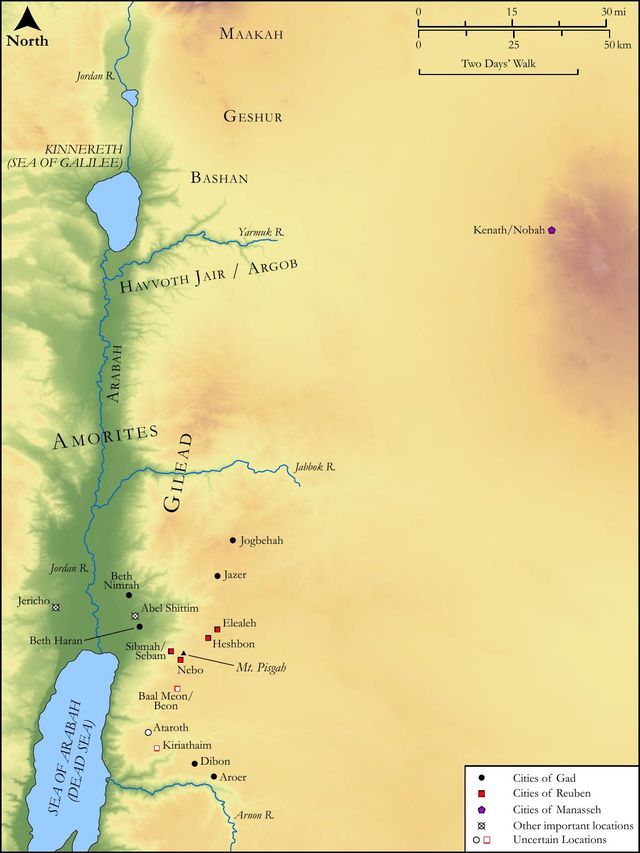
Numbers 32:15 is situated within a pivotal dialogue between Moses and the tribes of Reuben and Gad, later joined by half the tribe of Manasseh. These tribes, observing the fertile lands of Gilead and Bashan, requested to inherit territory east of the Jordan rather than crossing into Canaan with the rest of Israel. Moses initially responded with sharp rebuke, recalling the disastrous rebellion at Kadesh Barnea which resulted in the death of the entire previous generation in the wilderness, as recounted in Numbers 14:26-35. He feared their request would dishearten the people and undermine the divine mandate to conquer the Promised Land. In response, the tribes proposed a compromise: their fighting men would go fully armed ahead of the other tribes to aid in the conquest of Canaan, returning to their eastern inheritance only after the land was subdued for all. Moses agreed to this condition, but with the stern caveat expressed in this verse, emphasizing the severe repercussions should they fail to uphold their solemn oath. This warning is an integral part of the broader themes of obedience, covenant fidelity, and the consequences of apostasy that permeate the book of Numbers.
Historical & Cultural Context
The historical setting is the plains of Moab, on the eastern bank of the Jordan, approximately 40 years after the Exodus from Egypt. The generation that rebelled at Kadesh Barnea had perished, and the new generation stood on the threshold of inheriting the land promised to their forefathers. The request of Reuben, Gad, and Manasseh was significant because it represented a potential deviation from the unified entry into Canaan, threatening to create a divided nation. In the ancient Near East, oaths and covenants were profoundly binding, often sealed with solemn curses for their breach. The concept of corporate responsibility was also deeply ingrained, meaning that the actions of a leader or a significant group could bring either blessing or judgment upon the entire community. The wilderness itself was not merely a geographical location but a powerful symbol of divine judgment and discipline, a place where God tested and purified His people, but also where they faced the direct consequences of their unfaithfulness.
Key Themes
ShowHideThis verse powerfully contributes to several overarching themes found in the book of Numbers and the Pentateuch. It highlights the severe consequences of disobedience, demonstrating that turning away from God's appointed path leads to renewed judgment and suffering, reminiscent of the forty years of wandering detailed in Numbers 14:33-35. It underscores the principle of corporate responsibility, where the potential failure of two and a half tribes could lead to the "destruction of all this people," emphasizing the profound interconnectedness of God's covenant community and the far-reaching impact of individual or group choices on the entire nation. The theme of divine faithfulness and judgment is also prominent; God, though patient, remains consistent in His response to rebellion, upholding His covenant by both blessing obedience and justly judging unfaithfulness. Finally, it reinforces the critical importance of faithfulness to commitments and oaths, particularly those made before God and for the communal good, a principle echoed in other parts of the Law, such as Deuteronomy 23:21-23.
Exposition and Analysis
ShowHideKey Word Analysis
ShowHideThis primitive root signifies "to turn back (hence, away) transitively or intransitively, literally or figuratively." In this context, "turn away from after him" (מֵאַחֲרָיו) implies a deliberate act of abandoning allegiance, ceasing to follow, or retreating from God's leadership and commands. It suggests a profound spiritual departure or apostasy, echoing the unfaithfulness that plagued the previous generation.
This primitive root means "to deposit; by implication, to allow to stay." Here, "he will yet again leave them in the wilderness" signifies that God would allow them to remain in the wilderness, prolonging or repeating the judgment of wandering. It conveys the idea of God permitting the continuation of disciplinary consequences, preventing entry into the promised rest due to persistent disobedience.
This primitive root means "to decay, i.e. (causatively) ruin (literally or figuratively)." In the context of "ye shall destroy all this people," it denotes utter ruin, devastation, or causing them to perish. It speaks to a complete undoing of their progress and the loss of their inheritance, highlighting the catastrophic collective impact of the tribes' potential failure.
Verse Breakdown
ShowHide"For if ye turn away from after him"
This clause establishes the conditional premise for the impending judgment. "Him" refers to God, indicating that the turning away is not merely from a human leader or a strategic plan, but from following the Lord Himself. It implies a cessation of obedience and trust, a spiritual defection from the divine path and purpose for Israel, directly challenging their covenant relationship with God.
"he will yet again leave them in the wilderness"
This is the first and primary consequence of their turning away. The phrase "yet again" is crucial, explicitly linking their potential disobedience to the fate of the previous generation, who were condemned to die in the wilderness for their rebellion, as detailed in Numbers 14:29-35. It signifies a repetition of divine judgment, prolonging their suffering and delaying or even preventing their entry into the Promised Land. God's disciplinary action is consistent with His character and past dealings with Israel.
"and ye shall destroy all this people"
This second consequence highlights the profound corporate responsibility. Moses directly attributes the potential destruction of the entire nation to the actions of Reuben and Gad. Their failure to uphold their commitment would not only affect them but would demoralize and undermine the faith of the other tribes, leading to a collective failure to conquer the land and thus, the perishing of the entire community in the wilderness. This emphasizes that individual or group unfaithfulness can have devastating, far-reaching consequences for the whole body.
Literary Devices
ShowHideNumbers 32:15 employs several potent literary devices to convey its urgent message. The most prominent is Warning, where Moses issues a stern admonition about the dire consequences of disobedience. This warning functions as a clear Cause-Effect relationship, explicitly linking the conditional "if ye turn away" with the certain outcomes: God's renewed judgment and the self-inflicted destruction of the people. There is a strong element of Echo or Allusion, as the phrase "he will yet again leave them in the wilderness" directly recalls and foreshadows the fate of the previous generation, serving as a powerful reminder of God's consistent response to rebellion and a deterrent for the current generation. The verse also utilizes Corporate Responsibility as a thematic device, where the actions of a specific group (Reuben and Gad) are shown to have catastrophic implications for the entire nation, emphasizing the interconnectedness of the covenant community. Finally, the stark language, particularly "ye shall destroy all this people," employs Hyperbole to underscore the extreme gravity and severity of the potential outcome, ensuring the tribes fully grasp the weight of their commitment.
Theological and Thematic Connections
ShowHideNumbers 32:15 is a profound theological statement on the nature of covenant, obedience, and corporate solidarity. It reveals God's unwavering commitment to His promises, which demands reciprocal faithfulness from His people. The warning underscores that God's patience is not infinite, and repeated or deliberate turning away from His path will inevitably lead to disciplinary action, often mirroring past judgments. Furthermore, the verse powerfully illustrates the principle of corporate responsibility, teaching that the spiritual health and destiny of the entire community are inextricably linked to the faithfulness of its individual members and constituent groups. The potential failure of a few to uphold their divinely-sanctioned commitment could jeopardize the entire nation's inheritance, highlighting the profound interconnectedness within the body of God's people and the serious implications of sin, not just for the individual, but for the collective.
Reflection and Application
ShowHideNumbers 32:15 serves as a timeless reminder of the gravity of our commitments, both to God and to one another within the community of faith. Just as the tribes of Reuben and Gad were held accountable for their solemn promise to participate in the conquest of Canaan, so too are believers called to uphold their vows of obedience and service to Christ. This verse challenges us to consider the far-reaching impact of our individual spiritual choices. Our faithfulness, perseverance, and active participation in God's mission can strengthen the entire body, while complacency, backsliding, or a failure to fulfill our God-given roles can have detrimental effects, hindering the collective progress and witness of the church. It calls us to a deeper understanding of our interconnectedness, urging us to live not as isolated individuals but as vital members of a corporate body, each responsible to contribute to the spiritual well-being and advancement of the whole. This passage encourages steadfastness in our walk with God, reminding us that perseverance in faith is not only for our personal good but for the flourishing of the entire people of God.
Questions for Reflection
ShowHideFAQ
ShowHideWhat was the specific promise made by Reuben and Gad that Moses was so concerned about?
ShowHideThe tribes of Reuben and Gad, along with half the tribe of Manasseh, requested to settle in the fertile lands east of the Jordan River, rather than crossing into Canaan with the other tribes. Moses was initially wary, fearing a repeat of the rebellion that led to the previous generation's demise in the wilderness, as recorded in Numbers 14:26-35. To alleviate his concerns, they promised that their fighting men would go fully armed ahead of the other tribes, leading the charge in conquering the Promised Land, and would not return to their inheritance east of the Jordan until all the other tribes had secured their own inheritance west of the Jordan, as detailed in Numbers 32:16-19. Numbers 32:15 is Moses' stern warning about the consequences if they failed to uphold this crucial commitment.
How does this verse relate to the idea of corporate responsibility in the Bible?
ShowHideThis verse is a powerful illustration of corporate responsibility, a recurring theme throughout the Old Testament. It demonstrates that the actions and choices of a specific group (Reuben and Gad) can have profound and devastating consequences for the entire nation ("all this people"). The potential failure of these tribes to fulfill their commitment would not only affect them but would demoralize and undermine the faith and unity of the other tribes, leading to a collective failure to enter and possess the Promised Land. This principle highlights the interconnectedness of God's covenant people, where the sin or faithfulness of a part impacts the whole body. We see this concept elsewhere, such as in Achan's sin affecting all Israel in Joshua 7:1-12, and conversely, the righteousness of a few potentially sparing many, as seen in Genesis 18:22-33.
Christ-Centered Fulfillment
ShowHideNumbers 32:15, with its stark warning against turning away from God and its emphasis on the disastrous corporate consequences, finds its ultimate fulfillment and transformation in Christ. While Israel's potential failure would have led to renewed wilderness wandering and destruction, Jesus Christ is the faithful leader who never turns away from the Father's will. He perfectly fulfilled all righteousness and led His people, not into an earthly Canaan, but into the true, heavenly rest. The wilderness, a place of testing and judgment for Israel, becomes for believers in Christ a symbol of our journey through this fallen world, but one where Jesus has already overcome its trials and temptations, as exemplified in Matthew 4:1-11. Unlike the tribes who might have destroyed "all this people" through their unfaithfulness, Christ's perfect obedience and atoning sacrifice secure the inheritance for all who believe, ensuring that His people will indeed enter the ultimate Promised Land, the new heavens and new earth, described in Revelation 21:1-4. Furthermore, the concept of corporate responsibility is profoundly reconfigured in the Church, the body of Christ. While individual sin still grieves the Spirit and can impact the community, Christ's headship and His Spirit's indwelling ensure that the collective body, though imperfect, is ultimately preserved and led to glory, not destroyed by the unfaithfulness of its members. His faithfulness guarantees our perseverance and the ultimate triumph of His people, as affirmed in Philippians 1:6.