


Job 23:15
- עַל'althere-H5921PrepPreposition
- כֵּןken-foreH3651AdvAdverb
- מִפָּנָיוmi·pa·Navof <before> himH6440Prep-m ¦ N-mpc ¦ 3msNoun Plural Masculine Constructמִofפָּנָי<before>וhim
- אֶבָּהֵל'e·ba·HelI am terrifiedH926V-Niphal-Imperf-1csVerb Niphal Imperfect 1st Singular common gender
- אֶתְבּוֹנֵן'et·bo·NenI considerH995V-Hithpael-Imperf-1csVerb Hithpael Imperfect 1st Singular common gender
- וְאֶפְחַדve·'ef·Chadand I may be in dreadH6342Conj-w ¦ V-Qal-ConjImperf-1csVerb Qal Conjunction+Imperfect 1st Singular common genderוְandאֶפְחַדI may be in dread
- מִמֶּנּוּmi·Me·nufrom himH4480Prep ¦ 3msPrepositionמִמֶּfromנּוּhim
English is a literal word-by-word gloss of the Hebrew, not the KJV's wording. Why?
This is the original text the KJV's translators worked from — each Hebrew word with its own literal English meaning in this verse, prepared by scholars at Tyndale House, Cambridge. The KJV translates whole sentences, not word by word, so its wording differs: one Hebrew word can become several English words, and the KJV may choose “the LORD” where the gloss reads “Yahweh”. Both are faithful — they answer different questions. For the KJV's own rendering, switch to the KJV text.
Details
See on the biblical-era map
Study this verse
Public-domain commentary
Matthew Henry
From his Commentary on the Whole Bible. Henry comments on passages, not single verses — this entry covers Job 23:13–17. His three-level outline is real structure in the source text, so it is rendered as structure.
Some make Job to complain here that God dealt unjustly and unfairly with him in proceeding to punish him without the least relenting or relaxation, though he had such incontestable evidences to produce of his innocency. I am loth to think holy Job would charge the holy God with iniquity; but his complaint is indeed bitter and peevish, and he reasons himself into a sort of patience per force, which he cannot do without reflecting upon God as dealing hardly with him, but he must bear it because he cannot help it; the worst he says is that God deals unaccountably with him.
I.He lays down good truths, and truths which were capable of a good improvement, Job 23:13, Job 23:14.
1.That God's counsels are immutable: He is in one mind, and who can turn him? He is one (so some read it) or in one; he has no counsellors by whose interest he might be prevailed with to alter his purpose: he has no counsellors by whose interest he might be prevailed with to alter his purpose: he is one with himself, and never alters his mind, never alters his measures. Prayer has prevailed to change God's way and his providence, but never was his will or purpose changed; for known unto God are all his works.
2.That his power is irresistible: What his soul desires or designs even that he does, and nothing can stand in his way or put him upon new counsels. Men desire many things which they may not do, or cannot do, or dare not do. But God has an incontestable sovereignty; his will is so perfectly pure and right that it is highly fit he should pursue all its determinations. And he has an uncontrollable power. None can stay his hand. Whatever the Lord pleased that did he (Psa 135:6), and always will, for it is always best.
3.That all he does is according to the counsel of his will (Job 23:14): He performs the thing that is appointed for me. Whatever happens to us, it is God that performs it (Psa 57:2), and an admirable performance the whole will appear to be when the mystery of God shall be finished. He performs all that, and that only, which was appointed, and in the appointed time and method. This may silence us, for what is appointed cannot be altered. But to consider that, when God was appointing us to eternal life and glory as our end, he was appointing to this condition, this affliction, whatever it is, in our way, this may do more than silence us, it may satisfy us that it is all for the best; though what he does we know not now, yet we shall know hereafter.
4.That all he does is according to the custom of his providence: Many such things are with him, that is, He does many things in the course of his providence which we can give no account of, but must resolve into his absolute sovereignty. Whatever trouble we are in others have been in the like. Our case is not singular; the same afflictions are accomplished in our brethren, Pe1 5:9. Are we sick or sore, impoverished and stripped? Are our children removed by death or our friends unkind? This is what God has appointed for us, and many such things are with him. Shall the earth be forsaken for us?
II.He makes but a bad use of these good truths.
Had he duly considered them, he might have said, "Therefore am I easy and pleased, and well reconciled to the way of my God concerning me; therefore will I rejoice in hope that my troubles will issue well at last." But he said, Therefore am I troubled at his presence, Job 23:15. Those are indeed of troubled spirits who are troubled at the presence of God, as the psalmist, who remembered God and was troubled, Psa 77:3. See what confusion poor Job was now in, for he contradicted himself: just now he was troubled for God's absence (Job 23:8, Job 23:9); now he is troubled at his presence. When I consider, I am afraid of him. What he now felt made him fear worse. There is indeed that which, if we consider it, will show that we have cause to be afraid of God - his infinite justice and purity, compared with our own sinfulness and vileness; but if, withal, we consider his grace in a Redeemer, and our compliance with that grace, our fears will vanish and we shall see cause to hope in him. See what impressions were made upon him by the wounds of his spirit.
1.He was very fearful (Job 23:16): The Almighty troubled him, and so made his heart soft, that is, utterly unable to bear any thing, and afraid of every thing that stirred. There is a gracious softness, like that of Josiah, whose heart was tender, and trembled at the word of God; but this is meant of a grievous softness which apprehends every thing that is present to be pressing and every thing future to be threatening.
2.He was very fretful, peevish indeed, for he quarrels with God,
(1.)Because he did not die before his troubles, that he might never have seen them (Because I was not cut off before the darkness, Job 23:17), and yet if, in the height of his prosperity, he had received a summons to the grave, he would have thought it hard. This may help to reconcile us to death, whenever it comes, that we do not know what evil we may be taken away from. But when trouble comes it is folly to wish we had not lived to see it and it is better to make the best of it.
(2.)Because he was left to live so long in his troubles, and the darkness was not covered from his face by his being hidden in the grave. We should bear the darkness better than thus if we would but remember that to the upright there sometimes arises a marvellous light in the darkness; however, there is reserved for them a more marvellous light after it.
Historical interpretation
Historical reception
2 surviving comments on this verse. Each one is dated, so this reads as a timeline rather than a list.
Select a marker to jump to its quote. Markers stagger vertically where authors wrote within a few decades of each other.
He declares the reason by which he walks in the narrow path of God without his feet ever turning aside. This compels him to be the dedicated guardian of his precepts, “I conceived with my mind, he says, this esteem for God, because he is the only one for whom this name [of God] is truly fitting.” As for those who are called gods, he does not accept any of those who are called gods, who do not participate in his power. For him everything is easy to do and nobody can oppose his force and will.
50. He is rightly ‘troubled at the presence of the Lord,’ who sets before the view of his eyes the terribleness of His Majesty, and is throughly shaken by dread of His Righteousness, whilst he sees that he is not fit to render his accounts if he be judged with severity. Now it is rightly said, When I consider I am afraid of Him, because the force of the Divine visitation when a man considers little, He dreads but little, and in this life is as it were secure, in proportion as he is a stranger to the consideration of the interior strictness. For the righteous are ever turning back into the secret chamber of the heart, contemplating the power of the hidden strictness, presenting themselves to the judgment of the interior Majesty, that they may one day be the more secure, in proportion as they would not make themselves secure here so long as they lived. For when the minds of evildoers refuse to consider what they have to fear, sooner or later by rejoicing they are brought to that, which they do not by fearing in any way escape. But see in regard to blessed Job, we know that he was devoted to frequent sacrifices to God, that he was given up to acts of hospitality, to the necessities of the poor, that he was humble towards his own dependants even, kind towards those that opposed him, and yet he received such numberless scourges, nor now became secure amidst them, but still entertained fear, still thinking of the power of the Divine strictness he is made to tremble. What then shall we miserable creatures say? what shall we sinners say, if he so fears, who so acted? But let him make known whether the weight of this great fear he has from himself.
Continue studying Job 23:15 across the web’s major study libraries — every link below opens this exact verse, chapter, or book on the destination site.
Read & Compare
 BibleGatewayThis verse in more than 200 translations and 70 languages.
 Bible.comThe YouVersion reader — hundreds of translations, reading plans, and highlights.
 ESV.orgCrossway's official English Standard Version reader.
 NET BibleThe NET translation with 60,000+ translators' notes on every rendering decision.
 STEP BibleTyndale House's free study tool — original text, vocabulary, and scholarly resources.
 BibliaLogos Bible Software's free web reader.
 USCCBThe New American Bible (Revised Edition) with the U.S. bishops' study notes.
Commentaries
 BibleHub CommentariesDozens of classic commentaries on this verse, gathered on one page.
 StudyLightMore than 100 commentary sets — the largest collection on the web.
 BibleRefPlain-English commentary on what this verse means, verse by verse.
 Enduring WordDavid Guzik's free commentary on this chapter, widely used by Bible teachers.
 Bible Study ToolsVerse commentary alongside Greek and Hebrew study aids.
Original Language & Research
- BibleHub InterlinearThe verse word by word — original language, transliteration, and English.
- BibleHub LexiconEvery word's original-language definition and Strong's entry.
 Blue Letter BibleDeep-study tools — Strong's numbers, concordance, and word studies.
 SefariaThe Hebrew text with Rashi and centuries of Jewish commentary.
Sermons, Hymns & Audio


TrulyRandomVerse is not affiliated with these sites and doesn’t control their content. They’re linked because they’re genuinely useful.
Summary
Job 23:15 profoundly articulates the agonizing paradox at the heart of Job's spiritual journey: a desperate, fervent longing to encounter God and present his case, simultaneously coupled with an overwhelming dread and terror at the very thought of standing in the divine presence. Despite his unwavering conviction of his own righteousness and his desire for vindication, Job finds himself deeply troubled and existentially afraid of the Almighty, whose actions in his life appear inscrutable, devastating, and beyond human comprehension. This verse powerfully conveys the complex human experience of awe, apprehension, and even terror when confronting the transcendent holiness, sovereign power, and mysterious providence of God, particularly amidst intense, inexplicable suffering.
Context
ShowHideLiterary Context
Job 23:15 is embedded within Job's third and final extended monologue (chapters 23-24), a poignant and direct address to God Himself. This speech follows the cessation of arguments from his three friends, leaving Job isolated in his profound suffering and theological wrestling. Job opens this chapter with a desperate cry, "Oh that I knew where I might find him!" Job 23:3, expressing his yearning for an audience with God to present his defense and assert his blamelessness. He then proceeds to outline a hypothetical legal case before the divine throne, confident in his ability to prove his innocence. The verse immediately preceding, Job 23:14, speaks of God's unchangeable purpose and the certainty of His will being carried out, which intensifies Job's sense of helplessness and the inevitability of divine decree. This realization directly precipitates the profound fear and disquietude expressed in verse 15, highlighting Job's struggle to reconcile God's sovereign character with his inexplicable suffering and the apparent lack of divine accountability.
Historical & Cultural Context
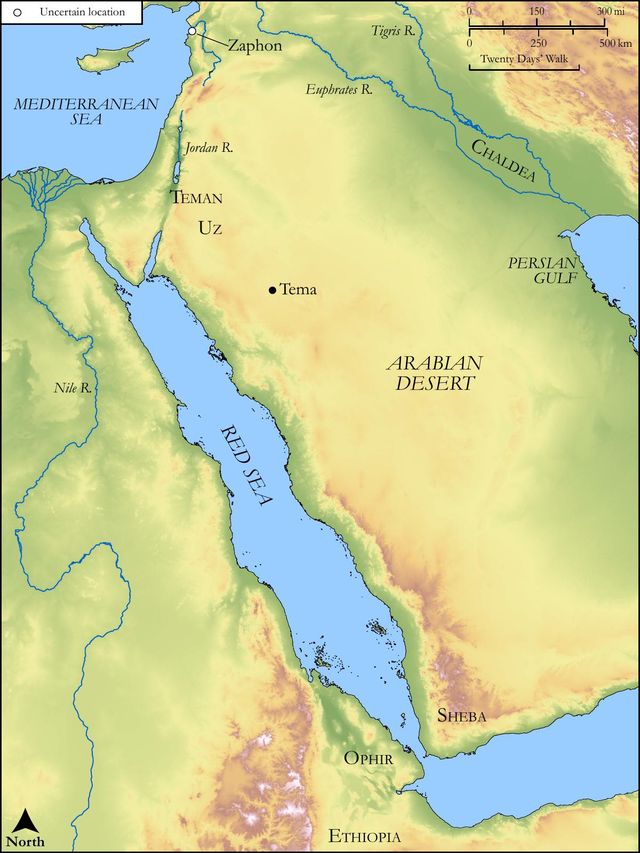
The book of Job is set in the land of Uz, a location generally understood to be outside of Israel, suggesting a universal context for its exploration of suffering and divine justice, transcending specific national boundaries. While the precise historical period is debated, the patriarchal customs, legal proceedings, and the prevailing worldview depicted align with ancient Near Eastern wisdom literature. In this cultural milieu, the concept of a just God who unfailingly rewards the righteous and punishes the wicked was deeply ingrained. This theological framework made Job's suffering, as a demonstrably righteous man, a profound and unsettling theological crisis. The "fear of the Lord" (e.g., Proverbs 1:7) was a foundational principle of wisdom, signifying not merely terror but a reverential awe, respect, and submission to divine authority. Job's fear, therefore, is rooted in this ancient understanding of God's absolute sovereignty and immense power, even as he grapples with its perplexing and devastating manifestation in his own life.
Key Themes
ShowHideThis verse powerfully contributes to several overarching themes that permeate the book of Job. Firstly, it underscores the incomprehensibility of God's ways to human understanding, a central and recurring motif that culminates in God's majestic speeches from the whirlwind (Job 38-41). Job's fear arises from his inability to grasp the divine logic behind his suffering, highlighting the vast, unbridgeable chasm between finite human perception and infinite divine wisdom (Isaiah 55:8-9). Secondly, the verse emphasizes human vulnerability and finitude before the infinite majesty and unchallengeable power of God. Job, despite his blamelessness and integrity, is utterly powerless in the face of God's sovereign will and perceived actions. Finally, it delves into the complex nature of the "fear of the Lord," which for Job is not simply a terror of punishment, but a profound, reverential awe that acknowledges God's absolute authority, holiness, and transcendent power, even when His actions are bewildering, seemingly unjust, and deeply unsettling.
Exposition and Analysis
ShowHideKey Word Analysis
ShowHideThis word, derived from a primitive root, signifies an inward trembling or palpitation, indicating a state of being suddenly alarmed, agitated, or dismayed. It describes a profound emotional disturbance, a deep disquietude that can lead to confusion or even panic. In Job 23:15, it encapsulates Job's deep internal distress and unsettling perturbation at the mere thought of God's immediate and active presence, conveying a feeling of being overwhelmed and profoundly unsettled rather than merely inconvenienced.
This term, literally meaning "face," is used broadly to denote the immediate, active, and personal presence of someone. It is not an abstract concept but signifies a direct encounter or confrontation. In this context, Job is troubled by the direct, unmediated reality of God's active involvement in his life. The "face" of God represents His direct gaze, His personal attention, and His unchallengeable authority, which Job perceives as the source of his profound suffering and disquietude.
This primitive root signifies being startled by a sudden alarm, and more generally, to fear. It denotes a deep, overwhelming dread or terror, often accompanied by trembling or physical manifestations of fear. It suggests a primal, visceral response to something perceived as immensely powerful, potentially dangerous, and beyond human control. For Job, this is not a casual apprehension but a profound, existential fear that penetrates to his core, reflecting the awesome, unapproachable nature of God's holiness and sovereign power.
Verse Breakdown
ShowHide"Therefore am I troubled at his presence"
Job directly links his internal turmoil and profound agitation to the concept of God's immediate and active involvement in his life. The "presence" of God is not an abstract idea but a terrifying reality for Job, who perceives God's active gaze and unchallengeable authority as the direct source of his current suffering and profound disquietude. This clause highlights Job's deep, emotional distress and feeling of being overwhelmed.
"when I consider, I am afraid of him"
This clause emphasizes the contemplative and intellectual nature of Job's fear. It is not an impulsive reaction but a calculated, intellectual response to deep reflection. As Job "considers" (Hebrew, bîyn' H995, meaning to separate mentally, distinguish, understand, or perceive) God's character, His immense power, and the inscrutable nature of His actions—particularly in relation to his own inexplicable suffering—a profound dread takes hold. This "fear" is an overwhelming terror that arises from the realization of God's absolute sovereignty and the potential for His unchallengeable power to be exerted in ways that are beyond human comprehension or control, leading to a visceral, existential dread.
Literary Devices
ShowHideJob 23:15 employs several potent literary devices to convey Job's intense emotional state. The verse utilizes Parallelism, specifically synonymous parallelism, where the phrases "troubled at his presence" and "afraid of him" convey similar sentiments, intensifying and reinforcing the expression of Job's profound dread. This repetition underscores the depth and pervasive nature of his fear. There is also a strong sense of Irony present; Job desperately longs to find God and present his case (Job 23:3), yet the very thought of such an encounter fills him with terror. This paradox highlights the tension between human desire for understanding and the overwhelming reality of divine majesty. Furthermore, the language suggests a degree of Hyperbole in conveying the extremity of Job's fear, emphasizing the profound and debilitating impact of God's perceived actions on his psyche. The "presence" of God can also be seen as a form of Personification, as Job reacts to it as if it were an active, imposing, and terrifying entity.
Theological and Thematic Connections
ShowHideJob 23:15 profoundly articulates the complex human experience of encountering the transcendent God, especially amidst inexplicable suffering. It highlights the inherent tension between a deep longing for divine clarity and the overwhelming reality of God's inscrutable sovereignty. Job's fear is not merely terror of punishment, but a deep, reverential awe that acknowledges God's absolute power, holiness, and unchallengeable authority, even when His actions seem bewildering or unjust from a human perspective. This passage underscores the theological truth that God's ways are often beyond our full comprehension, demanding humility and trust even when answers are elusive. It invites believers to grapple with the mystery of God's providence, recognizing that true faith often perseveres not in the absence of fear or doubt, but in their very presence, clinging to God's character despite His hiddenness and the perplexing nature of His dealings.
Reflection and Application
ShowHideJob 23:15 offers a profound mirror for our own spiritual journeys, reminding us that encountering the living God often evokes a complex mix of longing and apprehension. In a world that frequently seeks to domesticate God or reduce Him to human understanding, Job's raw honesty about his fear serves as a vital corrective. It teaches us that a healthy reverence for God includes acknowledging His immense power, absolute holiness, and the unfathomable depth of His wisdom, which often operates beyond our limited perception. When we face trials that defy explanation, or when God's silence seems deafening, we may, like Job, feel troubled and afraid. Yet, this verse also implicitly invites us to persevere in our pursuit of God, even through such fear. It's in the wrestling, the honest expression of our deepest anxieties and questions, that faith is refined and deepened, as we learn to trust God's character even when His plan is hidden. Our faith is not diminished by our questions or our fear, but often strengthened by them, as we learn to lean into the mystery of a sovereign and profoundly good God who is ultimately in control.
Questions for Reflection
ShowHideFAQ
ShowHideWhy is Job afraid of God's presence if he longs to find Him?
ShowHideThis paradox is central to Job's profound spiritual struggle and highlights the multifaceted nature of the "fear of the Lord." Job longs to find God (as expressed in Job 23:3) because he believes God is the only one who can vindicate him and provide an explanation for his immense suffering. He desires a legal audience to present his case and appeal for justice. However, his fear stems from several profound factors. Firstly, it is a reverential awe before the sheer majesty, unapproachable holiness, and overwhelming power of the Creator, a recognition of finite human insignificance in the face of divine transcendence, much like Isaiah's response to God's glory in Isaiah 6:5. Secondly, Job is experiencing immense suffering that he attributes, at least indirectly, to God's actions or allowance. He fears God's overwhelming power and the possibility of further judgment or inexplicable divine decrees, especially since he cannot comprehend the divine logic behind his current plight. His fear is thus a complex blend of holy dread, existential terror, and the apprehension of a sovereign power that seems to be acting against him without explanation or recourse.
Christ-Centered Fulfillment
ShowHideJob 23:15 vividly portrays the human dilemma of approaching a holy and sovereign God, a God whose very presence evokes both an intense longing and a profound dread. This tension, deeply felt by Job and inherent in the Old Testament experience, finds its ultimate resolution and glorious fulfillment in Jesus Christ. In the Old Testament, God's presence was often associated with unapproachable holiness, veiled glory, and even consuming fire, as powerfully depicted at Mount Sinai (Exodus 19:16-19). Humanity, burdened by sin and inherent finitude, could not stand in God's unmediated presence without fear of destruction or overwhelming awe. However, the incarnation of Jesus fundamentally transformed this dynamic. In Christ, the unapproachable God became intimately approachable; the terrifying presence became the compassionate Immanuel, "God with us" (Matthew 1:23). Jesus, who perfectly embodied God's holiness and righteousness, also bore the full weight of divine wrath and judgment on the cross, taking upon Himself the very punishment that Job (and all humanity) might justly fear (2 Corinthians 5:21). Through His perfect life, atoning sacrifice, and glorious resurrection, the veil separating humanity from God was torn from top to bottom (Matthew 27:51), and believers are now invited to draw near to God with confidence, not fear, through the new and living way that He opened (Hebrews 10:19-22). Christ transforms the terrifying "presence" into a welcoming embrace, allowing us to find not judgment, but abundant grace and mercy in our time of need, as we approach the throne of grace through Him (Hebrews 4:16).