


Exodus 37:24
Bible text: King James Version (1769 Blayney text) · Public domain
Bible text: Berean Standard Bible · Public domain
Bible text: American Standard Version (1901) · Public domain
Bible text: World English Bible, Messianic edition · Public domain
Bible text: Geneva Bible (1599) · Public domain
Bible text: Young's Literal Translation · Public domain
- כִּכָּרki·Kara talent ofH3603N-fscNoun Singular Feminine Construct
- זָהָבza·HavgoldH2091N-msNoun Singular Masculine Absolute
- טָהוֹרta·HorpureH2889Adj-msAdjective Singular Masculine Absolute
- עָשָׂה'a·Sahhe madeH6213V-Qal-Perf-3msVerb Qal Perfect 3rd Singular Masculine
- אֹתָהּ'o·Tah<obj.> itH853DirObjM ¦ 3fsParticle Object Indicatorאֹתָ<obj.>הּit
- וְאֵתve·'Etand <obj.>H853Conj-w ¦ DirObjMParticle Object Indicatorוְandאֵת<obj.>
- כָּלkolallH3605N-mscNoun Singular Masculine Construct
- כֵּלֶיהָke·Lei·haits articlesH3627N-mpc ¦ 3fsNoun Plural Masculine Constructכֵּלֶיarticlesהָits
English is a literal word-by-word gloss of the Hebrew, not the KJV's wording. Why?
This is the original text the KJV's translators worked from — each Hebrew word with its own literal English meaning in this verse, prepared by scholars at Tyndale House, Cambridge. The KJV translates whole sentences, not word by word, so its wording differs: one Hebrew word can become several English words, and the KJV may choose “the LORD” where the gloss reads “Yahweh”. Both are faithful — they answer different questions. For the KJV's own rendering, switch to the KJV text.
Details
See on the biblical-era maps

Study this verse
Public-domain commentary
Matthew Henry
From his Commentary on the Whole Bible. Henry comments on passages, not single verses — this entry covers Exodus 37:10–24.
Here is, 1. The making of the table on which the show-bread was to be continually placed. God is a good householder, that always keeps a plentiful table. Is the world his tabernacle? His providence in it spreads a table for all the creatures: he provides food for all flesh. Is the church his tabernacle? His grace in it spreads a table for all believers, furnished with the bread of life. But observe how much the dispensation of the gospel exceeds that of the law. Though here was a table furnished, it was only with show-bread, bread to be looked upon, not to be fed upon, while it was on this table, and afterwards only by the priests; but to the table which Christ has spread in the new covenant all real Christians are invited guests; and to them it is said, Eat, O friends, come eat of my bread. What the law gave but a sight of at a distance, the gospel gives the enjoyment of, and a hearty welcome to. 2. The making of the candlestick, which was not of wood overlaid with gold, but all beaten work of pure gold only, Exo 37:17, Exo 37:22. This signified that light of divine revelation with which God's church upon earth (which is his tabernacle among men) has always been enlightened, being always supplied with fresh oil from Christ the good Olive, Zac 4:2, Zac 4:3. God's manifestations of himself in this world are but candle-light compared with the daylight of the future state. The Bible is a golden candlestick; it is of pure gold, Psa 19:10. From it light is diffused to every part of God's tabernacle, that by it his spiritual priests may see to minister unto the Lord, and to do the service of his sanctuary. This candlestick has not only its bowls for necessary use, but its knops and flowers for ornament; there are many things which God saw fit to beautify his word with which we can no more give a reason for than for these knops and flowers, and yet we are sure that they were added for a good purpose. Let us bless God for this candlestick, have an eye to it continually, and dread the removal of it out of its place.
Continue studying Exodus 37:24 across the web’s major study libraries — every link below opens this exact verse, chapter, or book on the destination site.
Read & Compare
 BibleGatewayThis verse in more than 200 translations and 70 languages.
 Bible.comThe YouVersion reader — hundreds of translations, reading plans, and highlights.
 ESV.orgCrossway's official English Standard Version reader.
 NET BibleThe NET translation with 60,000+ translators' notes on every rendering decision.
 STEP BibleTyndale House's free study tool — original text, vocabulary, and scholarly resources.
 BibliaLogos Bible Software's free web reader.
 USCCBThe New American Bible (Revised Edition) with the U.S. bishops' study notes.
Commentaries
 BibleHub CommentariesDozens of classic commentaries on this verse, gathered on one page.
 StudyLightMore than 100 commentary sets — the largest collection on the web.
 BibleRefPlain-English commentary on what this verse means, verse by verse.
 Enduring WordDavid Guzik's free commentary on this chapter, widely used by Bible teachers.
 Bible Study ToolsVerse commentary alongside Greek and Hebrew study aids.
Original Language & Research
- BibleHub InterlinearThe verse word by word — original language, transliteration, and English.
- BibleHub LexiconEvery word's original-language definition and Strong's entry.
 Blue Letter BibleDeep-study tools — Strong's numbers, concordance, and word studies.
 SefariaThe Hebrew text with Rashi and centuries of Jewish commentary.
Sermons, Hymns & Audio


TrulyRandomVerse is not affiliated with these sites and doesn’t control their content. They’re linked because they’re genuinely useful.
Summary
Exodus 37:24 meticulously details the immense material cost and precise craftsmanship involved in the construction of the Tabernacle's sacred lampstand (menorah) and its accompanying vessels, specifying that they were fashioned from a single talent of pure gold. This verse underscores the extraordinary value, sacredness, and unblemished quality required for items dedicated to God's presence and worship, reflecting His transcendent glory and the meticulous nature of His divine instructions for His dwelling place among His people.
Context
ShowHideLiterary Context
This verse is strategically placed within the latter portion of the book of Exodus (chapters 35-40), which narrates the faithful execution of the divine blueprint for the Tabernacle and its furnishings, initially revealed to Moses on Mount Sinai (chapters 25-31). Following the Israelites' generous freewill offerings (chapter 35) and the divine appointment and empowerment of Bezalel and Oholiab as chief craftsmen (chapter 36), chapter 37 specifically chronicles the construction of the most sacred items: the Ark of the Covenant, the Table of Showbread, and the Golden Lampstand. Exodus 37:24 provides a precise detail regarding the material and weight of the lampstand, reaffirming the exact adherence to God's earlier commands found in Exodus 25:31-40. The narrative progression from divine command to human obedience and Spirit-empowered craftsmanship highlights the theological theme of God dwelling among His people and the necessity of meticulous conformity to His holy standards.
Historical & Cultural Context
The construction of the Tabernacle occurred during Israel's formative period as a nation, while they journeyed through the wilderness. Sacred objects were adorned with precious metals, as in the house of the LORD that Solomon built, signifying the power, wealth, and honor of the One worshipped. The use of "pure gold" and a "talent" (a substantial unit of weight, approximately 75 pounds or 34 kilograms) for the lampstand was not merely for aesthetic grandeur but conveyed profound theological meaning. It demonstrated that Israel, even in its nascent and nomadic state, was to dedicate its most valuable resources to the worship of Yahweh, setting Him apart as supreme among all gods. This lavish expenditure also underscored God's abundant provision for His people, as all the gold and other materials came from their freewill offerings, showcasing their willing hearts in response to God's call to build His sanctuary (Exodus 35:4-9).
Key Themes
ShowHideExodus 37:24 contributes to several overarching themes within the book and beyond. Foremost is the theme of Divine Presence and Holiness, as the Tabernacle was God's chosen dwelling place, and its furnishings, especially the lampstand, were designed to reflect His unblemished purity and glory. The meticulous detail and costly materials emphasize the Excellence and Worthiness of God, teaching Israel that only the very best was acceptable for His service. This verse also highlights the theme of Obedience and Fidelity to Divine Command, as Bezalel and the craftsmen faithfully executed every instruction, down to the precise weight and purity of the gold, echoing the broader emphasis on keeping God's covenant found throughout Exodus. Finally, it subtly points to Divine Empowerment for Service, as the ability to work with such precision and artistry was a gift from God's Spirit (Exodus 31:1-5).
Exposition and Analysis
ShowHideKey Word Analysis
ShowHideThis term refers to a specific unit of weight, the largest standard unit of weight in Israel, rather than a monetary value. While its precise modern equivalent varied, a talent of gold was an extremely substantial amount, typically estimated at around 75 pounds (approximately 34 kilograms). The mention of such a massive quantity underscores the immense material cost and the significant scale of the Tabernacle's construction, emphasizing that no expense was spared for God's sanctuary, reflecting His immeasurable worth and glory. It also highlights the generosity of the Israelites' freewill offerings, demonstrating their willing hearts in response to God's call.
This adjective, derived from a root meaning "to be clean," signifies something that is unblemished, unadulterated, and free from any impurity, whether physical, chemical, ceremonial, or moral. When applied to gold, it means thoroughly refined and brought to its highest possible state of perfection. The requirement for "pure" gold for the lampstand and its vessels was not merely for durability or beauty but carried profound symbolic weight, underscoring the unblemished perfection, holiness, and divine glory required for items dedicated to God's service and presence. Just as God is holy and without blemish, so too must be the instruments of His worship, setting them apart from the common and profane.
This noun refers to the precious metal, often associated with shimmering or yellow color. In biblical contexts, gold consistently symbolizes immense value, royalty, glory, divinity, and purity. Its use for the most sacred elements of the Tabernacle, such as the Ark, the Table, and the Lampstand, was deliberate. It conveyed the intrinsic worth and sacredness of God's presence and the objects used in His worship. The combination of "pure gold" emphasizes the ultimate standard of excellence and holiness demanded for the divine dwelling.
Verse Breakdown
ShowHide"Of a talent of pure gold"
This opening phrase immediately establishes the extraordinary value and unblemished quality of the materials used for the lampstand. The "talent" emphasizes the sheer quantity, representing a significant communal sacrifice and investment, while "pure gold" highlights the refined, unadulterated quality demanded for God's holy dwelling. This speaks to the profound principle that God deserves the very best, offered without reservation or compromise, reflecting His own perfect nature.
"made he it"
The pronoun "he" refers to Bezalel, the chief craftsman whom God had specifically chosen, gifted, and filled with the Spirit of God for this very purpose (Exodus 31:1-5). This clause emphasizes the faithful execution of God's precise instructions by a divinely enabled individual. It highlights the human agency involved in the construction, yet always under divine guidance and empowerment, ensuring the work's perfection and adherence to the heavenly pattern. "It" refers specifically to the golden lampstand, the menorah, a central furnishing in the Holy Place, designed to provide light.
"and all the vessels thereof"
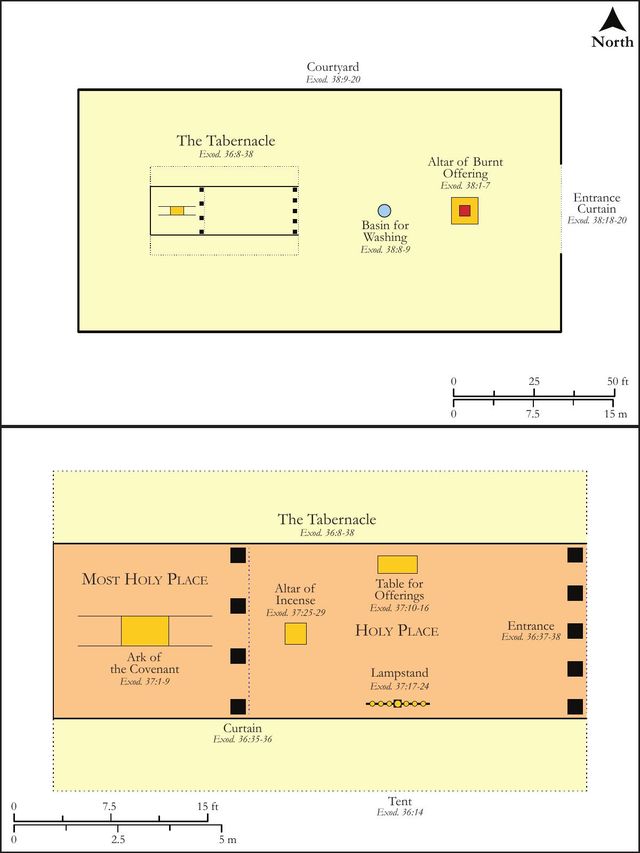
This phrase clarifies that the talent of pure gold was not only for the main structure of the lampstand but also for its associated implements. These "vessels" would have included the snuffers (to trim the wicks) and snuffdishes (to collect the trimmings), as meticulously detailed in Exodus 25:38-39). Their inclusion underscores the comprehensive nature of God's design and the meticulous attention to every detail, ensuring that all components necessary for the lampstand's proper function were likewise made of the purest and most valuable material, reflecting the holistic sacredness of the Tabernacle's service.
Literary Devices
ShowHideExodus 37:24 employs several literary devices to convey its profound message. Emphasis is achieved through the specific, quantitative, and qualitative description of "a talent of pure gold," immediately drawing the reader's attention to the extraordinary value and sacredness of the lampstand and its accessories. This precise detail underscores the divine standard of excellence required for God's dwelling. Symbolism is inherent in the materials and the object itself: gold universally represents divinity, purity, glory, and royalty, while the lampstand (menorah) is a potent symbol of God's illuminating presence, divine truth, and spiritual light within the Holy Place. The meticulous detail in this verse, consistent with the broader narrative of the Tabernacle's construction, also exemplifies Precision and Fidelity, demonstrating the exact adherence of human craftsmanship to divine command, thereby reinforcing the authority, perfection, and unchangeable nature of God's word and will.
Theological and Thematic Connections
ShowHideExodus 37:24 powerfully communicates the theological principle that God is worthy of our utmost devotion, reflected in the offering of our most precious resources and the diligent application of our Spirit-empowered skills. The immense value and purity of the gold for the lampstand signify the sacredness of God's presence and the unblemished holiness required for approaching Him. This commitment to excellence in worship and service foreshadows the New Covenant reality where believers, as living temples of the Holy Spirit, are called to offer themselves as holy and pleasing sacrifices to God, a spiritual act of worship (Romans 12:1). The detailed instructions and faithful execution demonstrate God's meticulous nature and His desire for His people to reflect His order, beauty, and glory in all things, serving as a testament to His character and His covenant relationship with Israel.
Reflection and Application
ShowHideThe meticulous detail and costly materials described in Exodus 37:24 serve as a profound reminder that God deserves our absolute best in every facet of our lives. Just as the ancient Israelites gave their most valuable possessions and Bezalel employed his divinely-given skills with utmost precision for the Tabernacle, so too are we called to offer our worship, service, and lives with purity, devotion, and excellence. This isn't primarily about material wealth for a physical structure today, but about the posture of our hearts and the quality of our spiritual offerings. Do we approach God with a sense of His immense worth, offering our time, talents, and resources without reservation or compromise? The "pure gold" of our lives should be refined by the Holy Spirit, purged of impurities like selfish ambition, half-hearted commitment, or worldly compromise. This verse challenges us to consider the quality of our devotion and the diligence with which we pursue God's purposes, recognizing that He has equipped each believer with unique gifts for the building up of His spiritual house, the Church.
Questions for Reflection
ShowHideFAQ
ShowHideWhy was such an immense amount of "pure gold" required for the lampstand?
ShowHideThe requirement for a talent of pure gold for the lampstand and its vessels was multi-faceted, conveying profound theological truths. Primarily, it underscored the extraordinary value, holiness, and transcendent glory of God and His dwelling place. In Scripture, precious metals signified divine power, wealth, and honor. By demanding such a significant and costly offering, God emphasized His supreme worthiness and the sacredness of His presence among His people. It also demonstrated the Israelites' willing sacrifice and God's abundant provision, as all the materials came from the freewill offerings of the community, highlighting their generous response to divine instruction (Exodus 35:20-29). Furthermore, the "pure" quality symbolized the unblemished perfection and holiness required for items dedicated to God's service, reflecting His own character and the absolute purity necessary for fellowship with Him.
What were "all the vessels thereof" mentioned in the verse?
ShowHide"All the vessels thereof" refers to the specific implements associated with the golden lampstand (menorah) that were necessary for its proper function and maintenance. As detailed in God's instructions to Moses in Exodus 25:38-39, these included the snuffers, used to trim the wicks of the lamps, and the snuffdishes (or trays), used to collect the trimmed portions. The fact that these seemingly minor, utilitarian tools were also to be made of pure gold from the same talent highlights the comprehensive nature of God's design and the meticulous attention to detail required for every aspect of Tabernacle service. No part of the sacred worship, no matter how small or functional, was to be considered common or less important; all components were to reflect the same standard of holiness and excellence.
Who was "he" who made it, and why is his role significant?
ShowHideThe "he" in Exodus 37:24 refers to Bezalel (also spelled Bezaleel), the chief craftsman whom God specifically chose, called by name, and filled with the Spirit of God for the intricate work of constructing the Tabernacle and its furnishings (Exodus 31:1-5). His role is profoundly significant because it demonstrates divine enablement for sacred tasks. Bezalel was not merely a skilled artisan; he was divinely gifted with "wisdom, in understanding, in knowledge, and in all manner of workmanship" to faithfully execute God's precise instructions. This highlights that while human effort and resources are required, it is God's Spirit who empowers and enables His servants to accomplish His will with excellence and precision, ensuring that the earthly sanctuary perfectly reflected the heavenly pattern and served its divine purpose.
Christ-Centered Fulfillment
ShowHideExodus 37:24, with its emphasis on the pure gold lampstand, beautifully foreshadows the person and work of Jesus Christ, who is the ultimate fulfillment of the Tabernacle's symbolism. The Tabernacle itself was a shadow of God's desire to dwell among His people, a desire ultimately fulfilled in the incarnation of Jesus, the Word who "dwelt among us" (literally, "tabernacled among us," John 1:14). The lampstand, providing continuous light in the Holy Place, points directly to Christ as the true Light of the World, who declares, "I am the light of the world. Whoever follows me will not walk in darkness, but will have the light of life" (John 8:12). The "pure gold" of the lampstand, refined and unblemished, symbolizes Christ's perfect, sinless nature and His unblemished sacrifice, by which we are redeemed "with the precious blood of Christ, a lamb without blemish or spot" (1 Peter 1:18-19). The immense "talent" of gold represents the immeasurable cost of our salvation, far exceeding any earthly treasure, purchased not with perishable things but with the infinite value of Christ's life and death (Ephesians 1:7). Ultimately, the earthly Tabernacle and its furnishings, including the lampstand, served as copies of heavenly realities, with Christ now ministering as our great High Priest in the true, heavenly Tabernacle, the very presence of God, where He ever lives to intercede for us (Hebrews 8:1-2).