


Matthew 12:13
Bible text: King James Version (1769 Blayney text) · Public domain
Bible text: Berean Standard Bible · Public domain
Bible text: American Standard Version (1901) · Public domain
Bible text: World English Bible, Messianic edition · Public domain
Bible text: Geneva Bible (1599) · Public domain
Bible text: Young's Literal Translation · Public domain
- ΤότεToteThenG5119ADVAdverb
- λέγειlegeiHe saysG3004V-PAI-3SVerb Present Active Indicative 3rd Singular
- τῷtōto theG3588T-DSMDefinite article Dative Singular Masculine
- ἀνθρώπῳ·anthrōpōmanG444N-DSMNoun Dative Singular Masculine
- ἔκτεινόνekteinondo stretch outG1614V-AAM-2SVerb Aorist Active Imperative 2nd Singular
- σουsouyourG4771P-2GSPersonal pronoun Genitive 2nd Singular
- τὴνtēn<the>G3588T-ASFDefinite article Accusative Singular Feminine
- χεῖραcheirahandG5495N-ASFNoun Accusative Singular Feminine
- καὶkaiAndG2532CONJConjunction
- ἐξέτεινενexeteinenhe stretched [it] outG1614V-AAI-3SVerb Aorist Active Indicative 3rd Singular
- καὶkaiandG2532CONJConjunction
- ἀπεκατεστάθηapekatestathēit was restoredG600V-API-3SVerb Aorist Passive Indicative 3rd Singular
- ὑγιὴςhugiēssoundG5199A-NSFAdjective Nominative Singular Feminine
- ὡςhōsasG5613PRTParticle or Disjunctive
- ἡhētheG3588T-NSFDefinite article Nominative Singular Feminine
- ἄλληallēotherG243A-NSFAdjective Nominative Singular Feminine
English is a literal word-by-word gloss of the Greek, not the KJV's wording. Why?
This is the original text the KJV's translators worked from — each Greek word with its own literal English meaning in this verse, prepared by scholars at Tyndale House, Cambridge. The KJV translates whole sentences, not word by word, so its wording differs: one Greek word can become several English words, and the KJV may choose “charity” where the gloss reads “love”. Both are faithful — they answer different questions. For the KJV's own rendering, switch to the KJV text.
Details
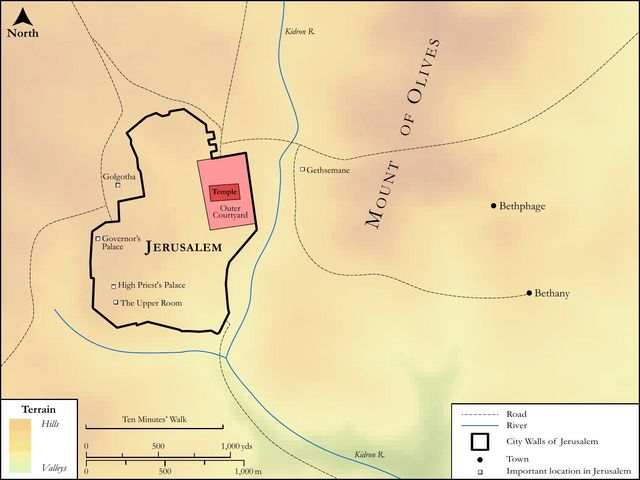
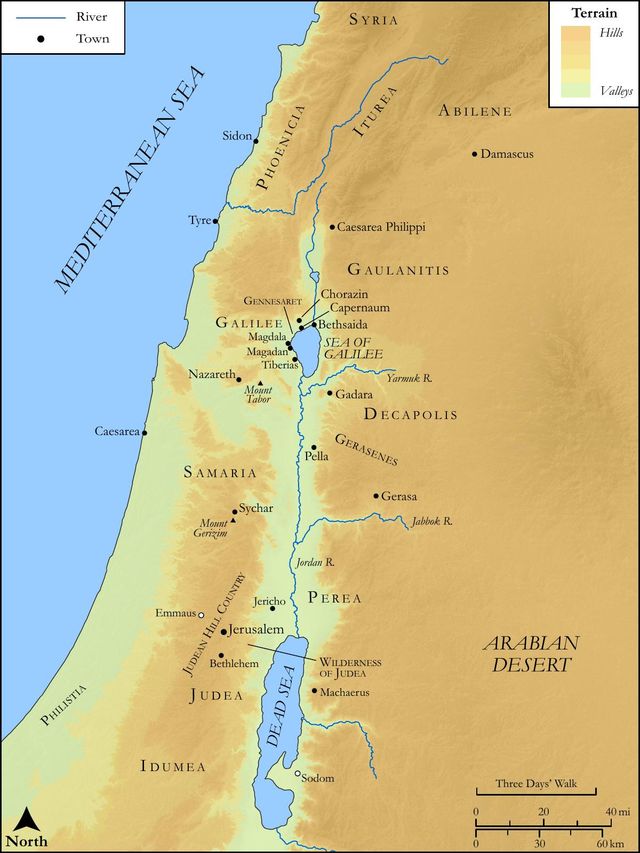
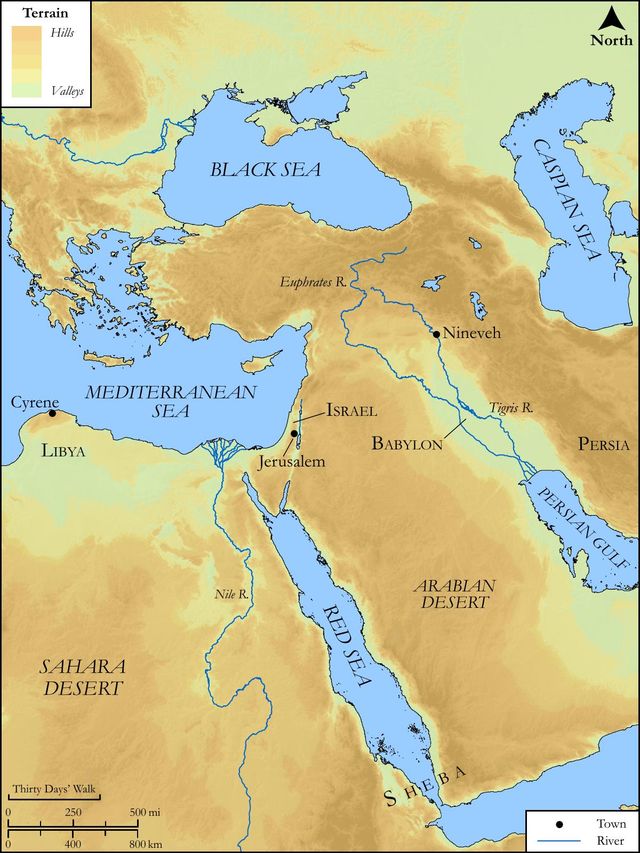
See on the biblical-era maps
Study this verse
Public-domain commentary
Matthew Henry
From his Commentary on the Whole Bible. Henry comments on passages, not single verses — this entry covers Matthew 12:1–13. His four-level outline is real structure in the source text, so it is rendered as structure.
The Jewish teachers had corrupted many of the commandments, by interpreting them more loosely than they were intended; a mistake which Christ discovered and rectified (ch. 5) in his sermon on the mount: but concerning the fourth commandment, they had erred in the other extreme, and interpreted it too strictly. Note, it is common for men of corrupt minds, by their zeal in rituals, and the external services of religion, to think to atone for the looseness of their morals. But they are cursed who add to, as well as they who take fRom. the words of this book, Rev 22:16, Rev 22:19; Pro 30:6.
Now that which our Lord Jesus here lays down is, that the works of necessity and mercy are lawful on the sabbath day, which the Jews in many instances were taught to make a scruple of. Christ's industrious explanation of the fourth commandment, intimates its perpetual obligation to the religious observation of one day in seven, as a holy sabbath. He would not expound a law that was immediately to expire, but doubtless intended hereby to settle a point which would be of use to his church in all ages; and so it is to teach us, that our Christian sabbath, though under the direction of the fourth commandment, is not under the injunctions of the Jewish elders.
It is usual to settle the meaning of a law by judgments given upon cases that happen in fact, and in like manner is the meaning of this law settled. Here are two passages of story put together for this purpose, happening at some distance of time from each other, and of a different nature, but both answering this intention.
I.Christ, by justifying his disciples in plucking the ears of corn on the sabbath-day, shows that works of necessity are lawful on that day. Now here observe,
1.What it was that the disciples did. They were following their Master one sabbath day through a corn-field; it is likely they were going to the synagogue (Mat 12:9), for it becomes not Christ's disciples to take idle walks on that day, and they were hungry; let it be no disparagement to our Master's house-keeping. But we will suppose they were so intent upon the sabbath work, that they forgot to eat bread; had spent so much time in their morning worship, that they had no time for their morning meal, but came out fasting, because they would not come late to the synagogue. Providence ordered it that they went through the corn, and there they were supplied. Note, God has many ways of bringing suitable provision to his people when they need it, and will take particular care of them when they are going to the synagogue, as of old for them that went up to Jerusalem to worship (Psa 84:6, Psa 84:7), for whose use the rain filled the pools: while we are in the way of duty, Jehovah-jireh, let God alone to provide for us. Being in the corn-fields, they began to pluck the ears of corn; the law of God allowed this (Deu 23:25), to teach people to be neighbourly, and not to insist upon property in a small matter, whereby another may be benefited. This was but slender provision for Christ and his disciples, but it was the best they had, and they were content with it. The famous Mr. Ball, of Whitmore, used to say he had two dishes of meat to his sabbath dinner, a dish of hot milk, and a dish of cold, and he had enough and enough.
2.What was the offence that the Pharisees took at this. It was but a dry breakfast, yet the Pharisees would not let them eat that in quietness. They did not quarrel with them for taking another man's corn (they were no great zealots for justice), but for doing it on the sabbath day; for plucking and rubbing the ears of corn of that day was expressly forbidden by the tradition of the elders, for this reason, because it was a kind of reaping.
Note, It is no new thing for the most harmless and innocent actions of Christ's disciples to be evil spoken of, and reflected upon as unlawful, especially by those who are zealous for their own inventions and impositions. The Pharisees complained of them to their Master for doing that which it was not lawful to do. Note, Those are no friends to Christ and his disciples, who make that to be unlawful which God has not made to be so.
3.What was Christ's answer to this cavil of the Pharisees. The disciples could say little for themselves, especially because those who quarrelled with them seemed to have the strictness of the sabbath sanctification on their side; and it is safest to err on that hand: but Christ came to free his followers, not only from the corruptions of the Pharisees, but from their unscriptural impositions, and therefore has something to say for them, and justifies what they did, though it was a transgression of the canon.
(1.)He justifies them by precedents, which were allowed to be good by the Pharisees themselves.
[1.]He urges an ancient instance of David, who in a case of necessity did that which otherwise he ought not to have done (Mat 12:3, Mat 12:4); "Have ye not read the story (Sa1 21:6) of David's eating the show-bread, which by the law was appropriated to the priest?" (Lev 24:5-9). It is most holy to Aaron and his sons; and (Exo 29:33) a stranger shall not eat of it; yet the priest gave it to David and his men; for though the exception of a case of necessity was not expressed, yet it was implied in that and all other ritual institutions. That which bore out David in eating the show-bread was not his dignity (Uzziah, that invaded the priest's office in the pride of his heart, though a king, was struck with a leprosy for it, Ch2 26:16, etc.), but his hunger. The greatest shall not have their lusts indulged, but the meanest shall have their wants considered. Hunger is a natural desire which cannot be mortified, but must be gratified, and cannot be put off with any thing but meat; therefore we say, It will break through stone walls. Now the Lord is for the body, and allowed his own appointment to be dispensed with in a case of distress; much more might the tradition of the elders be dispensed with. Note, That may be done in a case of necessity which may not be done at another time; there are laws which necessity has not, but it is a law to itself. Men do not despise, but pity, a thief that steals to satisfy his soul when he is hungry, Pro 6:30.
[2.]He urges a daily instance of the priests, which they likewise read in the law, and according to which was the constant usage, Mat 12:5. The priests in the temple did a great deal of servile work on the sabbath day; killing, flaying, burning the sacrificed beasts, which in a common case would have been profaning the sabbath; and yet it was never reckoned any transgression of the fourth commandment, because the temple-service required and justified it. This intimates, that those labours are lawful on the sabbath day which are necessary, not only to the support of life, but to the service of the day; as tolling a bell to call the congregation together, travelling to church, and the like. Sabbath rest is to promote, not to hinder, sabbath worship.
(2.)He justifies them by arguments, three cogent ones.
[1.]In this place is one greater than the temple, Mat 12:6. If the temple-service would justify what the priests did in their ministration, the service of Christ would much more justify the disciples in what they did in their attendance upon him. The Jews had an extreme veneration for the temple: it sanctified the gold; Stephen was accused for blaspheming that holy place (Act 6:13); but Christ, in a corn-field, was greater than the temple, for in him dwelt not the presence of God symbolically, but all the fulness of the Godhead bodily. Note, If whatever we do, we do it in the name of Christ, and as unto him, it shall be graciously accepted of God, however it may be censured and cavilled at by men.
[2.]God will have mercy and not sacrifice, Mat 12:7. Ceremonial duties must give way to moral, and the natural, royal law of love and self-preservation must take place of ritual observances. This is quoted from Hos 6:6. It was used before, Mat 9:13, in vindication of mercy to the souls of men; here, of mercy to their bodies. The rest of the sabbath was ordained for man's good, in favour of the body, Deu 5:14. Now no law must be construed so as to contradict its own end. If you had known what this means, had known what it is to be of a merciful disposition, you would have been sorry that they were forced to do this to satisfy their hunger, and would not have condemned the guiltless. Note, First, Ignorance is the cause of our rash and uncharitable censures of our brethren. Secondly, It is not enough for us to know the scriptures, but we must labour to know the meaning of them. Let him that readeth understand. Thirdly, Ignorance of the meaning of the scripture is especially shameful in those who take upon them to teach others.
[3.]The Son of man is Lord even of the sabbath day, Mat 12:8. That law, as all the rest, is put into the hand of Christ, to be altered, enforced, or dispensed with, as he sees good. It was by the Son that God made the world, and by him he instituted the sabbath in innocency; by him he gave the ten commandments at mount Sinai, and as Mediator he is entrusted with the institution of ordinances, and to make what changes he thought fit; and particularly, as being Lord of the sabbath, he was authorized to make such an alteration of that day, as that it should become the Lord's day, the Lord Christ's day. And if Christ be the Lord of the sabbath, it is fit the day and all the work of it should be dedicated to him. By virtue of this power Christ here enacts, that works of necessity, if they be really such, and not a pretended and self-created necessity, are lawful on the sabbath day; and this explication of the law plainly shows that it was to be perpetual. Exceptio firmat regulam - The exception confirms the rule.
Christ having thus silenced the Pharisees, and got clear of them (Mat 12:9), departed, and went into their synagogue, the synagogue of these Pharisees, in which they presided, and toward which he was going, when they picked this quarrel with him. Note, First, We must take heed lest any thing that occurs in our way to holy ordinances unfit us for, or divert us fRom. our due attendance on them. Let us proceed in the way of our duty, notwithstanding the artifices of Satan, who endeavours, by the perverse disputings of men of corrupt minds, and many other ways, to ruffle and discompose us. Secondly, We must not, for the sake of private feuds and personal piques, draw back from public worship. Though the Pharisees had thus maliciously cavilled at Christ, yet he went into their synagogue. Satan gains this point, if, by sowing discord among brethren, he prevail to drive them, or any of them, from the synagogue, and the communion of the faithful.
II.Christ, by healing the man that had the withered hand on the sabbath day, shows that works of mercy are lawful and proper to be done on that day. The work of necessity was done by the disciples, and justified by him; the work of mercy was done by himself; the works of mercy were his works of necessity; it was his meat and drink to do good. I must preach, says he, Luk 4:43. This cure is recorded for the sake of the time when it was wrought, on the sabbath.
Here is, 1. The affliction that this poor man was in; his hand was withered so that he was utterly disabled to get his living by working with his hands. St. Jerome says, that the gospel of Matthew in Hebrew, used by the Nazarenes and Ebionites, adds this circumstance to this story of the man with the withered hand, that he was Caementarius - a bricklayer, and applied himself to Christ thus; "Lord, I am a bricklayer, and have got my living by my labour (manibus victum quaeritans); I beseech thee, O Jesus, restore me the use of my hand, that I may not be obliged to beg my bread" (ne turpiter mendicem cibos). Hieron. in loc. This poor man was in the synagogue. Note, Those who can do but little, or have but little to do for the world, must do so much the more for their souls; as the rich, the aged, and the infirm.
2.A spiteful question which the Pharisees put to Christ upon the sight of this man. They asked him, saying, Is it lawful to heal? We read not here of any address this poor man made to Christ for a cure, but they observed Christ began to take notice of him, and knew it was usual for him to be found of those that sought him not, and therefore with their badness they anticipated his goodness, and started this case as a stumbling-block in the way of doing good; Is it lawful to heal on the sabbath-day? Whether it was lawful for physicians to heal on that day or not, which was the thing disputed in their books, one would think it past dispute, that it is lawful for prophets to heal, for him to heal who discovered a divine power and goodness in all he did of this kind, and manifested himself to be sent of God. Did ever any ask, whether it is lawful for God to heal, to send his word and heal? It is true, Christ was now made under the law, by a voluntary submission to it, but he was never made under the precepts of the elders. Is it lawful to heal? To enquire into the lawfulness and unlawfulness of actions is very good, and we cannot apply ourselves to any with such enquiries more fitly than to Christ; but they asked here, not that they might be instructed by him, but that they might accuse him. If he should say that it was lawful to heal on the sabbath day, they would accuse him of a contradiction to the fourth commandment; to so great a degree of superstition had the Pharisees brought the sabbath rest, that, unless in peril of life, they allowed not any medicinal operations on the sabbath day. If he should say that it was not lawful, they would accuse him of partiality, having lately justified his disciples in plucking the ears of corn on that day.
3.Christ's answer to this question, by way of appeal to themselves, and their own opinion and practice, Mat 12:11, Mat 12:12. In case a sheep (though but one, of which the loss would not be very great) should fall into a pit on the sabbath day, would they not lift it out? No doubt they might do it, the fourth commandment allows it; they must do it, for a merciful man regardeth the life of his beast, and for their parts they would do it, rather than lose a sheep; does Christ take care for sheep? Yes, he does; he preserves and provides for both man and beast. But here he says it for our sakes (Co1 9:9, Co1 9:10), and hence argues, How much then is a man better than a sheep? Sheep are not only harmless but useful creatures, and are prized and tended accordingly; yet a man is here preferred far before them. Note, Man, in respect of his being, is a great deal better, and more valuable, than the best of the brute creatures: man is a reasonable creature, capable of knowing, loving, and glorifying God, and therefore is better than a sheep. The sacrifice of a sheep could therefore not atone for the sin of a soul. They do not consider this, who are more solicitous for the education, preservation, and supply of their horses and dogs than of God's poor, or perhaps their own household.
Hence Christ infers a truth, which, even at first sight, appears very reasonable and good-natured; that it is lawful to do well on the sabbath days; they had asked, Is it lawful to hear? Christ proves it is lawful to do well, and let any one judge whether healing, as Christ healed, was not doing well. Note, There are more ways of doing well upon sabbath days, than by the duties of God's immediate worship; attending the sick, relieving the poor, helping those who are fallen into sudden distress, and call for speedy relief; this is doing good: and this must be done from a principle of love and charity, with humility and self-denial, and a heavenly frame of spirit, and this is doing well, and it shall be accepted, Gen 4:7.
4.Christ's curing of the man, notwithstanding the offence which he foresaw the Pharisees would take at it, Mat 12:13. Though they could not answer Christ's arguments, they were resolved to persist in their prejudice and enmity; but Christ went on with his work notwithstanding. Note, Duty is not to be left undone, nor opportunities of doing good neglected, for fear of giving offence. Now the manner of the cure is observable; he said to the man, "Stretch forth thy hand, exert thyself as well as thou canst;" and he did so, and it was restored whole. This, as other cures Christ wrought, had a spiritual significancy.
(1.)By nature our hands are withered, we are utterly unable of ourselves to doing any thing that is good.
(2.)It is Christ only, by the power of his grace, that cures us; he heals the withered hand by putting life into the dead soul, works in us both to will and to do.
(3.)In order to our cure, he commands us to stretch forth our hands, to improve our natural powers, and do as well as we can; to stretch them out in prayer to God, to stretch them out to lay hold on Christ by faith, to stretch them out in holy endeavours. Now this man could not stretch forth his withered hand of himself, any more than the impotent man could arise and carry his bed, or Lazarus come forth out of his grave; yet Christ bid him do it. God's commands to us to do the duty which of ourselves we are not able to do are no more absurd or unjust, than this command to the man with the withered hand, to stretch it forth; for with the command, there is a promise of grace which is given by the word. Turn ye at my reproof, and I will pour out my Spirit, Pro 1:23. Those who perish are as inexcusable as this man would have been, if he had not attempted to stretch forth his hand, and so had not been healed. But those who are saved have no more to boast of than this man had of contributing to his own cure, by stretching forth his hand, but are as much indebted to the power and grace of Christ as he was.
Historical interpretation
Nine Centuries of Reception
9 surviving comments on this verse. Each one is dated, so this reads as a timeline rather than a list.
Select a marker to jump to its quote. Markers stagger vertically where authors wrote within a few decades of each other.
Such healing is rightly attributed to our Lord. After his return from the cornfield from which his apostles had gotten the produce, he went to the synagogue. From there Jesus intended to acquire laborers for his own harvest. Many of them afterwards lived with the apostles. Many were healed, as in the case of the maimed man. Yet the leaders of the synagogue did not believe in the grace of salvation. The use of the man’s hand had atrophied. That function of his body had withered, by which he was able to do or share in certain tasks. So the Lord ordered him to stretch out his hand, and it was restored to him as the other one was. His whole cure rested on the word of the healer alone. The hand was restored to the same condition as the other hand. It was made a partner in the service of the apostles in their duty of granting salvation.
The Pharisees, who thought that the key of the kingdom of heaven was in their hands, accused the disciples of doing what was not lawful to do; whereon the Lord reminded them of deeds in which, under the guise of facts, a prophecy was concealed; and that He might show the power of all things, He further added, that it contained the form of that work which was to be, Had ye known what that meaneth, I will have mercy; for the work of our salvation is not in the sacrifice of the Law, but in mercy; and the Law having ceased, we are saved by the mercy of God. Which gift if they had understood they would not have condemned the innocent, that is His Apostles, whom in their jealousy they were to accuse of having transgressed the Law, where the old sacrifices having ceased, the new dispensation of mercy came through them to the aid of all.
For the things that had gone before were said and done in the open air, and after this He entered the synagogue.
When He was entered into the synagogue, they bring a man of a withered hand, asking Him whether it was lawful to heal on the sabbath day, seeking an occasion of convicting Him out of His answer; as it follows, And they brought him a man haring a withered hand, and asked him, saying, Is it lawful to heal on the sabbath day?
Figuratively After their departure from the corn field, from which the Apostles had received the fruits of their sowing, He came to the Synagogue, there also to make ready the work of His harvest; for there were afterwards many with the Apostles who were healed.
All healing is done by the word; and the hand is restored as the other; that is, made like to the ministry of the Apostles in the business of bestowing salvation; and it teaches the Pharisees that they should not be displeased that the work of human salvation is done by the Apostles, seeing that if they would believe, their own hand would be made able to the ministry of the same duty.
(Hom. xl.) They do not ask that they may learn, but that they may accuse Him; as it follows, that they might accuse him. Though the action itself would have been enough, yet they sought occasion against Him in His words also, thus providing for themselves greater matter of complaint.
Observe how He shows many reasons for this breaking of the sabbath. But forasmuch as the man was incurably sick, He proceeds straightway to the work, as it follows, Then saith he to the man, Reach forth thy hand: and he reached it forth, and it was restored whole as the other.
Again He heals on a Sabbath day, vindicating what had been done by His disciples. And the other evangelists indeed say, that He "set" the man "in the midst," and asked them, "If it was lawful to do good on the Sabbath days."
See the tender bowels of the Lord. "He set him in the midst," that by the sight He might subdue them; that overcome by the spectacle they might cast away their wickedness, and out of a kind of shame towards the man, cease from their savage ways. But they, ungentle and inhuman, choose rather to hurt the fame of Christ, than to see this person made whole: in both ways betraying their wickedness; by their warring against Christ, and by their doing so with such contentiousness, as even to treat with despite His mercies to other men.
And while the other evangelists say, He asked the question, this one saith, it was asked of Him. "And they asked Him," so it stands, "saying, Is it lawful to heal on the Sabbath days? that they might accuse Him." And it is likely that both took place. For being unholy wretches, and well assured that He would doubtless proceed to the healing, they hastened to take Him beforehand with their question, thinking in this way to hinder Him. And this is why they asked, "Is it lawful to heal on the Sabbath days?" not for information, but that "they might accuse Him." Yet surely the work was enough, if it were really their wish to accuse Him; but they desired to find a handle in His words too, preparing for themselves beforehand an abundance of arguments.
But He in His love towards man doth this also: He answers them, teaching His own meekness, and turning it all back upon them; and points out their inhumanity. And He "setteth" the man "in the midst;" not in fear of them, but endeavoring to profit them, and move them to pity.
But when not even so did He prevail with them, then was He grieved, it is said, and wroth with them for the hardness of their heart, and He saith, "What man is there among you that shall have one sheep, and if this fall into a pit on the Sabbath days, will he not lay hold of it, and lift it out? How much then is a man better than a sheep? Wherefore it is lawful to do well on the Sabbath days."
Thus, lest they have ground of obstinacy, and of accusing him again of transgression, He convicts them by this example. And do thou mark, I pray thee, how variously and suitably in each case, He introduces His pleas for the breaking of the sabbath.
For His desire indeed was to cure them before him, and He tried innumerable ways of healing, both by what He did in their presence, and by what He said: but since their malady after all was incurable, He proceeded to the work. "Then saith He to the man, Stretch forth thine hand. And he stretched it forth, and it was restored whole, like as the other."
Because by fair instances He had vindicated His disciples from the charge of breaking the sabbath, the Pharisees seek to bring false accusation against Himself; whence it is said, And passing thence, he came into their synagogue.
And they ask Him whether it is lawful to heal on the sabbath day, that if He should refuse, they might charge Him with cruelty, or want of power; if He should heal him, they might charge Him with transgressing the Law.
Thus He answers their question in such a way as to convict the questioners of covetousness. If ye on the sabbath, saith He, would hasten to lift out a sheep or any other animal that might have fallen into a pit, not for the sake of the animal, but to preserve your own property, how much more ought I to deliver a man who is so much better than a sheep?
In the Gospel which the Nazarenes and Ebionites use, (vid. note, p. 433.) and which we have lately translated into Greek out of the Hebrew, and which many regard as the genuine Matthew, this man who has the withered hand is described as a builder, and he makes his prayer in these words, 'I was a builder, and gained my living by the labour of my hands; I pray thee, Jesus, to restore me to health, that I may not disgracefully beg my bread.'
Until the coming of the Lord the Saviour, there was the withered hand in the Synagogue of the Jews, and the works of the Lord were not done in it; but when He came upon earth, the right hand was restored in the Apostles who believed, and given back to its former occupation.
(Verse 13) Then he said to the man, "Stretch out your hand." And he stretched it out, and his health was restored like the other. In the Gospel used by the Nazarenes and Ebionites (which we recently translated from Hebrew into Greek, and which some call the authentic Gospel of Matthew), this man, who has a withered hand, is said to be a mason, praying for help with these words: "I was a mason, seeking food with my hands. I beg you, Jesus, to restore my health, so that I may not shamefully beg for food. Until the coming of the Savior, the hand of God was dry in the synagogue of the Jews, and His works were not performed in it: but after He came to the earth, His right hand was restored to the believing apostles, and the former work was renewed.
Jesus teaches and works chiefly on the sabbath, not only on account of the spiritual sabbath, but on account of the gathering together of the people, seeking that all should be saved.
Otherwise; The man who had the withered hand denotes the human race in its barrenness of good works dried up by the hand which was stretched out to the fruit; (Gen. 3:6.) this was healed by the stretching out of the innocent hand on the Cross. And well is this withered hand said to have been in the Synagogue, for where the gift of knowledge is greater, there is the greater danger of an irrecoverable infliction. The withered hand when it is to be healed is first bid to be stretched out, because the weakness of a barren mind is healed by no means better than by liberality of almsgiving. A man's right hand is affected when he is remiss in giving alms, his left whole when he is attentive to his own interests. But when the Lord comes, the right hand is restored whole as the left, because what he had got together greedily, that he distributes freely.
. Many, even now, have withered hands, that is, they are merciless and tightfisted. But when the word of the Gospel resounds within them, they stretch out their hands in giving. They do this even though the Pharisees, that is, the proud demons who are cut off from us, (The word "Pharisee" in Hebrew means "cut off" or "set apart") on account of their enmity for us do not want our hands to be stretched out to others in mercy and almsgiving.
(ord.) Thus He answers their question with a suitable example, so as to show that they profane the sabbath by works of covetousness who were charging Him with profaning it by works of charity; evil interpreters of the Law, who say that on the sabbath we ought to rest from good deeds, when it is only evil deeds from which we ought to rest. As it is said, Ye shall do no servile work therein, (Lev. 23:3) that is, no sin. Thus in the everlasting rest, we shall rest only from evil, and not from good.
Continue studying Matthew 12:13 across the web’s major study libraries — every link below opens this exact verse, chapter, or book on the destination site.
Read & Compare
 BibleGatewayThis verse in more than 200 translations and 70 languages.
 Bible.comThe YouVersion reader — hundreds of translations, reading plans, and highlights.
 ESV.orgCrossway's official English Standard Version reader.
 NET BibleThe NET translation with 60,000+ translators' notes on every rendering decision.
 STEP BibleTyndale House's free study tool — original text, vocabulary, and scholarly resources.
 BibliaLogos Bible Software's free web reader.
 USCCBThe New American Bible (Revised Edition) with the U.S. bishops' study notes.
Commentaries
 BibleHub CommentariesDozens of classic commentaries on this verse, gathered on one page.
 StudyLightMore than 100 commentary sets — the largest collection on the web.
 BibleRefPlain-English commentary on what this verse means, verse by verse.
 Enduring WordDavid Guzik's free commentary on this chapter, widely used by Bible teachers.
 Bible Study ToolsVerse commentary alongside Greek and Hebrew study aids.
Original Language & Research
- BibleHub InterlinearThe verse word by word — original language, transliteration, and English.
- BibleHub LexiconEvery word's original-language definition and Strong's entry.
 Blue Letter BibleDeep-study tools — Strong's numbers, concordance, and word studies.
 CNTR CollationThe earliest Greek manuscripts of this verse, collated letter by letter.
Sermons, Hymns & Audio


TrulyRandomVerse is not affiliated with these sites and doesn’t control their content. They’re linked because they’re genuinely useful.
Summary
Matthew 12:13 records a profound moment where Jesus, in a synagogue on the Sabbath, miraculously heals a man with a withered hand. This act serves as a powerful demonstration of His divine authority and boundless compassion, directly challenging the rigid legalism of the Pharisees and revealing the true purpose of the Sabbath as a day for doing good and showing mercy.
Context
ShowHideLiterary Context
This healing event is strategically placed within a broader narrative of escalating conflict between Jesus and the Jewish religious authorities, particularly the Pharisees, regarding the proper observance of the Sabbath. Immediately preceding this account, Jesus' disciples are accused of unlawfully plucking grain on the Sabbath, prompting Jesus to declare that the Son of Man is Lord of the Sabbath. The Pharisees then directly challenge Jesus by asking if it is lawful to heal on the Sabbath, setting a trap (as seen in Matthew 12:9-10). Jesus responds with a logical argument about the lawfulness of rescuing a sheep from a pit on the Sabbath, emphasizing that a human life is of far greater value. The healing of the man's hand, therefore, is not merely a miracle but a deliberate, public demonstration of Jesus' authority over the Sabbath and His compassionate priority for human well-being over man-made legalistic interpretations. This act further solidifies the Pharisees' resolve to destroy Him, as noted in Matthew 12:14.
Historical & Cultural Context
The Sabbath, a cornerstone of Jewish identity and the Mosaic Law, had, by the time of Jesus, become encumbered with numerous rabbinic regulations that extended far beyond the biblical commands. These traditions, known as halakha, detailed what constituted "work" and thus what was forbidden on the Sabbath. Healing, unless it was a life-threatening emergency, was generally considered "work" by the Pharisees, who were strict adherents to these oral traditions. The man's "withered hand" (Greek: xēran) indicates a chronic, non-life-threatening condition, such as atrophy or paralysis, which made the healing particularly contentious in the eyes of the Pharisees. By performing this healing publicly in the synagogue on the Sabbath, Jesus directly confronted the prevailing legalistic interpretations, asserting a higher authority and a different understanding of God's will concerning mercy and human need.
Key Themes
ShowHideThe account in Matthew 12 powerfully illustrates several key themes. Firstly, it underscores Divine Authority and Power, as Jesus' simple command results in an instantaneous and complete restoration, demonstrating His sovereign control over disease and physical infirmity. Secondly, it highlights the Sabbath Controversy, revealing Jesus' radical reinterpretation of the Sabbath's purpose, shifting focus from rigid adherence to human traditions to the divine mandate for compassion and doing good. Jesus consistently prioritizes human flourishing over legalistic rules, asserting that the Sabbath was made for man, not man for the Sabbath. Thirdly, the narrative emphasizes the theme of Compassion Over Legalism, showcasing Jesus' unwavering commitment to alleviating suffering even when it meant transgressing the man-made boundaries of religious law. Finally, the man's act of stretching out his withered hand, despite its apparent impossibility, exemplifies Faith and Obedience. His willingness to respond to Jesus' command, even in his disabled state, is met with divine power, illustrating a recurring principle in the Gospels where faith and obedience are often prerequisites for miraculous intervention.
Exposition and Analysis
ShowHideKey Word Analysis
ShowHideA primary verb meaning "to 'lay' forth, i.e. (figuratively) relate (in words, usually of systematic or set discourse); by implication, to mean." In this context, Jesus' use of légō signifies a deliberate, authoritative utterance, not merely a casual remark. His words are commands, carrying divine weight and power, demonstrating His intentionality in challenging the Pharisees and effecting the miracle.
Derived from ek (out) and teino (to stretch), meaning "to extend; to cast, put forth, stretch forth (out)." This imperative command from Jesus requires a physical action from the man, despite his withered hand. It is an act of faith and obedience, a response to divine instruction that precedes and enables the miracle. The man's compliance, though seemingly impossible, is crucial to the unfolding of the healing.
G600 (apokathístēmi) means "to reconstitute (in health, home or organization); to restore (again)." G5199 (hygiḗs) means "healthy, i.e. well (in body); figuratively, true (in doctrine); sound, whole." The combination of these two words powerfully conveys the completeness and perfection of the healing. The hand was not merely improved or partially functional; it was brought back to its original, healthy, and fully functional state, "like as the other," emphasizing the comprehensive and instantaneous nature of Jesus' restorative power.
Verse Breakdown
ShowHide"Then saith he to the man"
This phrase immediately follows Jesus' rhetorical question to the Pharisees about the lawfulness of doing good on the Sabbath. It marks a decisive shift from verbal debate to miraculous action. Jesus directly addresses the man, asserting His authority and initiating the healing process.
"Stretch forth thine hand"
This is Jesus' direct command, seemingly impossible for a man with a withered, useless hand. It serves as a test of faith and obedience for the man, requiring him to act on Jesus' word despite his physical limitation. This command also publicly demonstrates Jesus' intention to heal, challenging the Pharisees' legalistic stance.
"And he stretched [it] forth"
This clause highlights the man's immediate and obedient response. Despite the apparent impossibility of the task, the man chose to trust and obey Jesus' command. This act of faith, however small or difficult, was the conduit through which divine power flowed.
"and it was restored whole, like as the other"
This describes the instantaneous and complete result of the miracle. The withered hand was not merely improved but perfectly restored to its original, healthy condition, matching his other sound hand. This verifiable and undeniable healing served as irrefutable proof of Jesus' divine power and His lordship over the Sabbath.
Literary Devices
ShowHideThe passage employs several potent literary devices. Irony is evident in the Pharisees' rigid adherence to the letter of the law, which ironically prevents them from recognizing or celebrating an act of divine mercy and healing on the very day meant for rest and worship. The Contrast between the withered, useless hand and its immediate, complete restoration underscores the magnitude of Jesus' power. Furthermore, there is a stark contrast between the legalistic, uncompassionate stance of the Pharisees and the merciful, life-giving actions of Jesus. Symbolism can be seen in the withered hand itself, which might represent spiritual paralysis or the inability of humanity to achieve wholeness apart from divine intervention. Its restoration, therefore, symbolizes the spiritual wholeness and new life offered through Christ. The use of Direct Discourse ("Stretch forth thine hand") makes the command immediate and impactful, drawing the reader into the tension and the miraculous unfolding of the event.
Theological and Thematic Connections
ShowHideMatthew 12:13 powerfully encapsulates several core theological truths about Jesus and the nature of God's kingdom. It unequivocally asserts Jesus' divine authority, demonstrating His power not only over disease but also over the very laws and traditions that had become burdensome. This miracle serves as a practical exposition of Jesus' teaching that the Sabbath was made for the benefit of humanity, not as a restrictive burden, thereby prioritizing compassion and human well-being over rigid legalism. The man's act of obedience, despite his physical limitation, illustrates the principle that faith, even a struggling faith, is met with God's transformative power. This event foreshadows the broader spiritual restoration that Jesus offers, healing not just physical infirmities but the deeper brokenness of sin and alienation from God.
Reflection and Application
ShowHideThe account of the withered hand challenges us to examine our own lives and priorities. Just as the man was called to stretch forth a hand that seemed incapable of movement, we are often called to step out in faith in areas where we feel most limited, weak, or "withered." This might involve extending forgiveness when it feels impossible, pursuing reconciliation when the relationship seems beyond repair, or serving others when we feel depleted. Jesus' command reminds us that our obedience, however small or difficult, opens the door for His power to work. Furthermore, this passage serves as a vital reminder that true faith is not about rigid adherence to rules or traditions for their own sake, but about embodying the compassion and love of God. We are called to prioritize human flourishing, mercy, and doing good, especially for those in need, even when it challenges conventional norms or personal comfort. Jesus' power to restore is not limited to physical ailments; He is capable of bringing wholeness to our spiritual, emotional, and relational "withered hands" if we are willing to stretch them out to Him in faith.
Questions for Reflection
ShowHideFAQ
ShowHideWhy was healing on the Sabbath controversial for the Pharisees?
ShowHideFor the Pharisees, healing on the Sabbath was controversial because their interpretation of the Mosaic Law, augmented by extensive oral traditions (halakha), prohibited any form of "work" on the Sabbath, unless it was a life-threatening emergency. Since the man's withered hand was a chronic condition and not an immediate threat to life, they considered Jesus' act of healing a violation of the Sabbath law. They were more concerned with the letter of their traditions than with the spirit of compassion or the demonstration of divine power, seeking to find fault with Jesus rather than celebrate a miracle (see Matthew 12:10).
What does "withered hand" imply about the man's condition?
ShowHideThe Greek word translated "withered" (xēran) indicates a hand that was shriveled, dried up, or atrophied, likely due to paralysis or some chronic disease. This condition would have rendered the hand useless, severely impacting the man's ability to work or care for himself. The fact that it was a chronic, non-emergency condition further highlights the Pharisees' legalistic stance, as they would have argued that the healing could have waited until after the Sabbath.
What is the significance of the phrase "like as the other"?
ShowHideThe phrase "like as the other" emphasizes the completeness and perfection of the healing. It signifies that the man's withered hand was not merely improved or partially restored, but brought back to its original, healthy, and fully functional state, indistinguishable from his good hand. This detail underscores the absolute and comprehensive nature of Jesus' divine power, demonstrating that His miracles are not partial or temporary, but total and lasting.
Christ-Centered Fulfillment
ShowHideThe healing of the man with the withered hand in Matthew 12:13 is a profound Christ-centered fulfillment, pointing to Jesus as the ultimate source of restoration and the true embodiment of God's compassionate heart. Just as Jesus restored the man's physically withered hand, He offers spiritual restoration to all who are withered by sin, brokenness, and alienation from God. His command to "stretch forth thine hand" foreshadows the call to faith and obedience that is central to the Gospel. Through His atoning work on the cross, Jesus provides complete healing for our spiritual infirmities, taking away the sin that paralyzes us and making us new creations (2 Corinthians 5:17). He is the one who truly fulfills the Sabbath, not through rigid adherence to rules, but by being our ultimate rest and peace (Hebrews 4:9-10). His authority over the Sabbath demonstrates His lordship over all creation, including the power to give life and wholeness. Ultimately, the miracle of the withered hand reveals Jesus as the compassionate Savior who prioritizes mercy over sacrifice (Matthew 9:13), offering complete and perfect restoration to all who respond to His call in faith, enabling them to live a life of spiritual vitality and purpose, "whole, like as the other" hand of righteousness He provides.